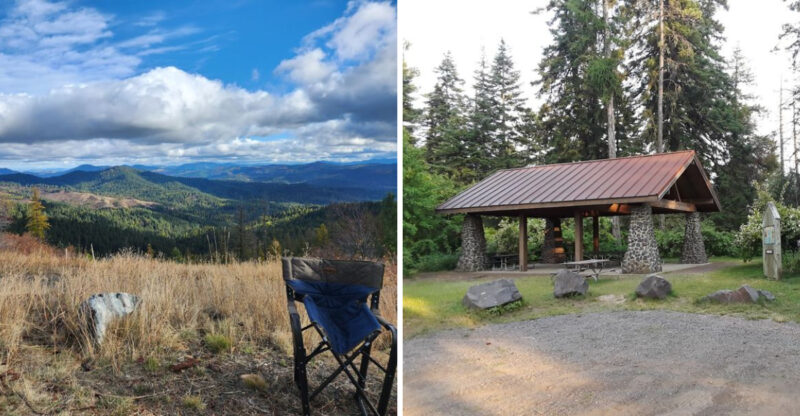
Wagon Ruts From The Oregon Trail Still Cut Across This Idaho Hillside
Grooves in a dry Idaho hillside do not look like much from a car window, just a pair of shallow ditches running through the desert toward a river. Walk up close, though, and those lines turn out to be tracks pressed into the ground by pioneer wagons more than a century and a half ago.
They sit inside a green, shady state park along the Snake River, right where emigrants once faced one of the biggest decisions of their journey. A short trail, a surprisingly deep museum, and a campsite under leafy trees make it an easy afternoon or a full weekend.
Green Acres Beside The Snake
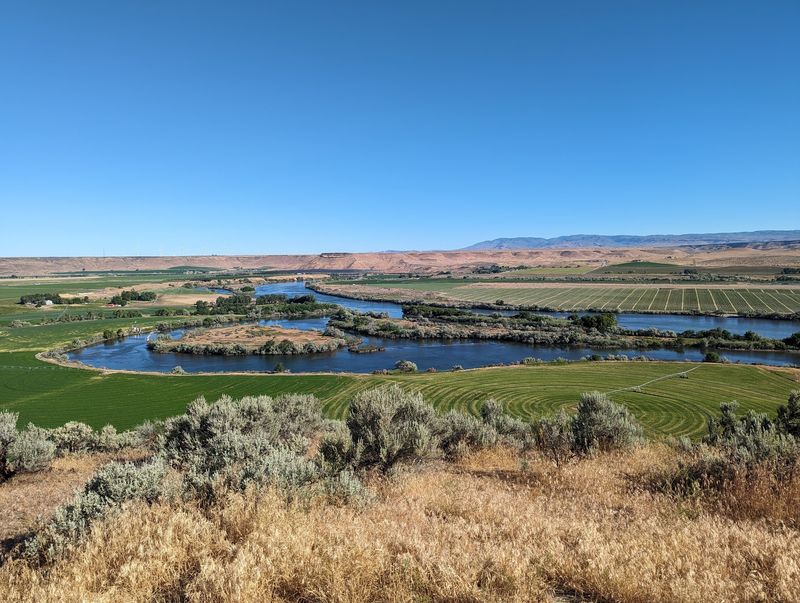
Green grass and tall shade trees show up suddenly along the Snake River in southern Idaho, and the contrast with the surrounding desert catches most first-time visitors off guard. Three Island Crossing State Park covers 613 acres on the edge of the small town of Glenns Ferry in Elmore County, right on the Snake River Plain.
The park mixes three things that rarely share one address. There is a busy campground with hookups and cabins, a network of walking trails that lead toward the river, and an interpretive center devoted to Oregon Trail history.
Rangers run education programs and tours, so the grounds work as both a campground and an outdoor classroom.
The headline attraction, though, is older than any building on the property. Out on a hillside, wagon ruts left by pioneer traffic still cut across the ground, faint at first but clearly visible once you know what you are looking at.
Families use it as a history lesson, RV travelers treat it as a restful stop, and Idaho day-trippers come for the trail and museum. Each group leaves with a slightly different story, which says plenty about how much fits inside those acres.
Finding The Glenns Ferry Turnoff
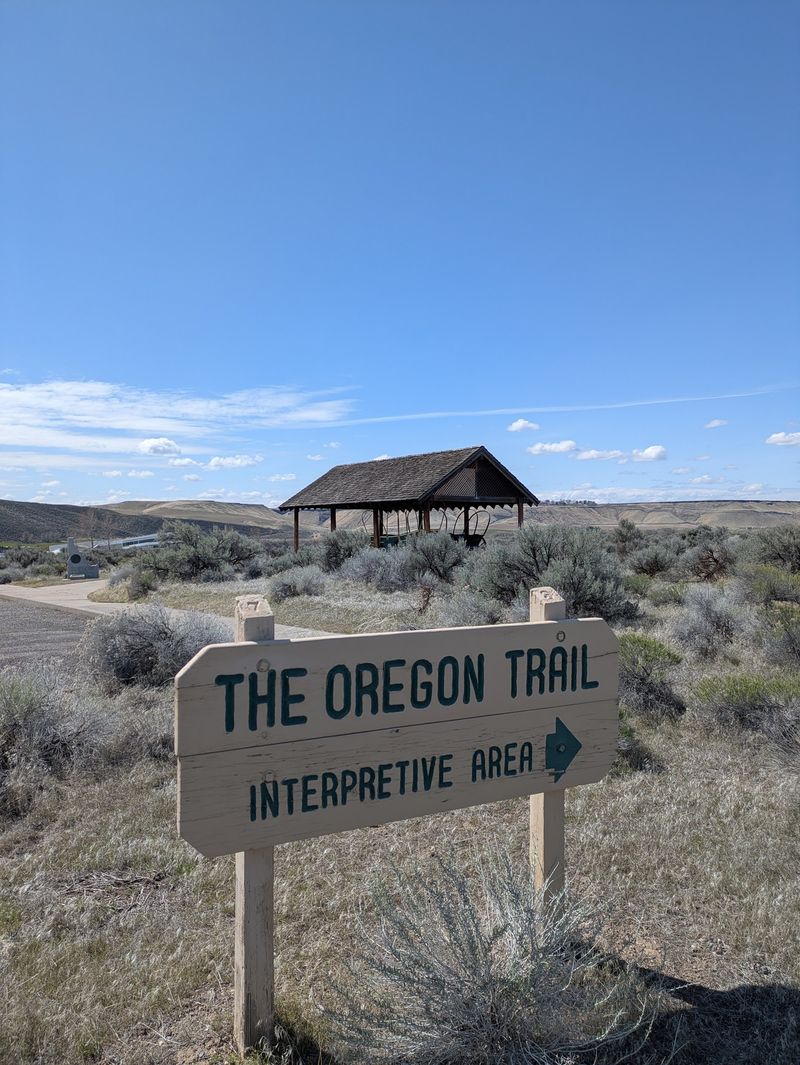
Before the wagon ruts, there is the matter of the turnoff. The park’s address is 1083 S Three Iss Pk Dr, Glenns Ferry, Idaho 83623, a short drive from the main highway that carries most travelers across southern Idaho.
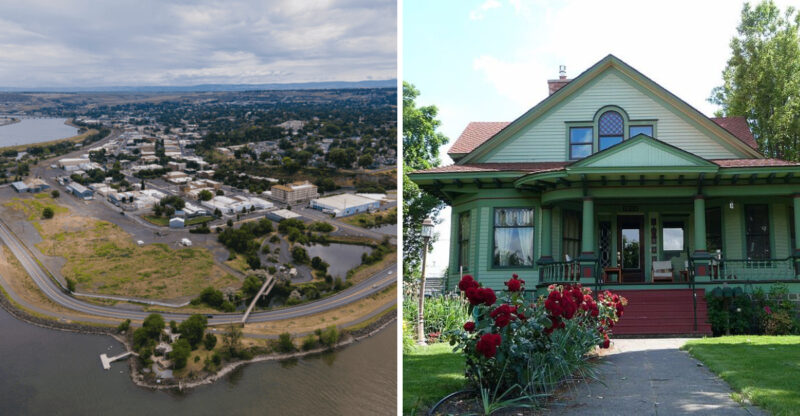
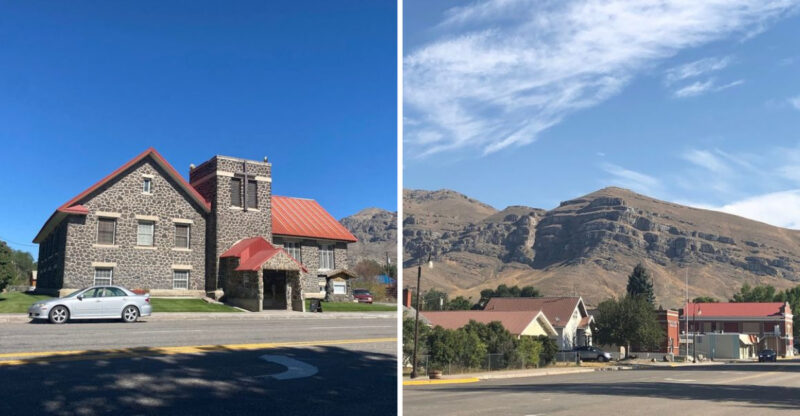
Glenns Ferry itself is a quiet little town, and the park lies about two miles from its center. Campers who wanted groceries or an ice cream cone have made the trip on foot, a walk of roughly 45 minutes each way with historical points to read along the route.
Once inside the gate, roads split toward the campground loops, the day-use areas, and the history center. The grounds are flat and open enough that bikes and strollers roll around without much trouble.
Cell service is better than you might expect for a rural river park, with some visitors reporting strong 5G on T-Mobile. That makes it easy to check current schedules on arrival, which matters because hours and seasonal closures shift through the year.
Camping reservations are handled online, and a few travelers noticed the booking site behaved better on certain browsers. Give yourself a few extra minutes before trying to lock in a summer weekend spot.
A Riverbank Full Of Hard Choices
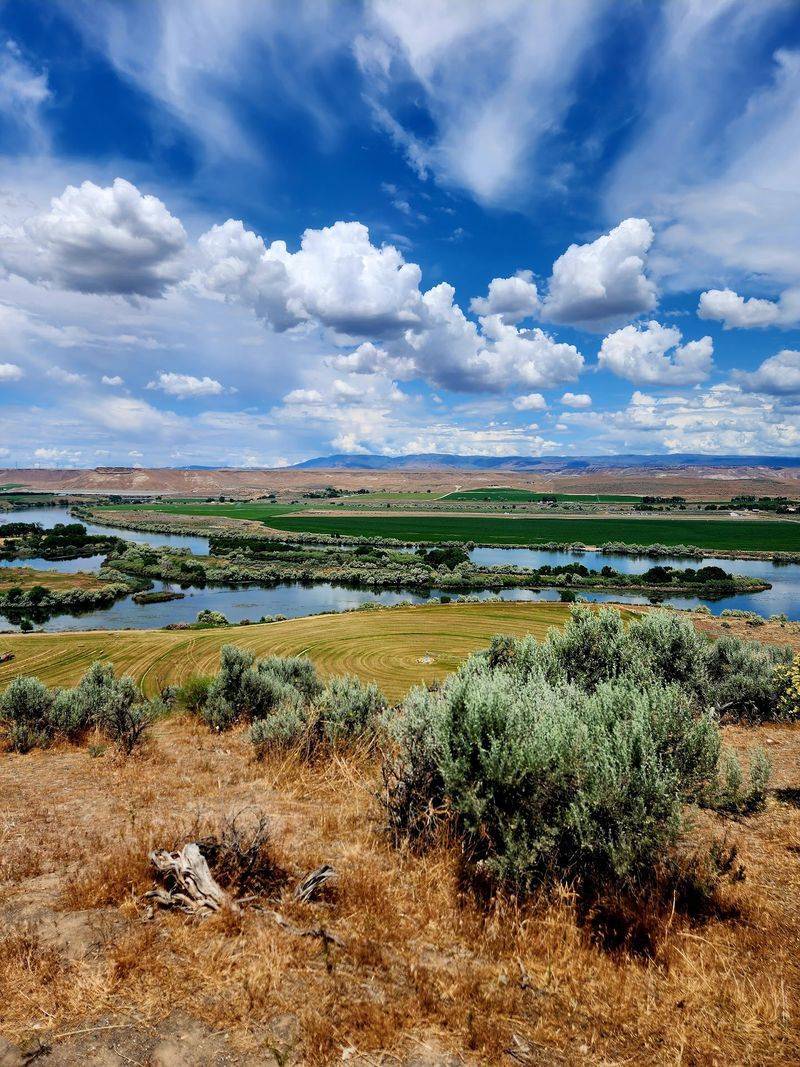
Rivers tested wagon trains in ways mountains and heat never could. By the time Oregon Trail families reached this bend of the Snake River, they had already spent months walking beside oxen across the plains and through southeastern Idaho.
The park’s name points to the choice waiting for them here. Islands in the river offered a way to ford across in stages, moving from one gravel bar to the next with wagons, animals, and everything a family owned.
It was a gamble on current and depth, and not every party wanted to take it.
Crossing generally promised better grass and water on the far side of the river. Staying on the south bank meant a drier, rougher route.
Either way, the decision carried real weight, and it was usually made by tired people standing on this same stretch of shoreline.
Wagon travel through the region ran from roughly the 1840s into the late 1860s, when railroads began taking over. That span of more than two decades was long enough for thousands of wheels to leave a lasting signature on the land, and that signature is exactly what brings modern visitors here.
Grooves Worn Into The Hillside
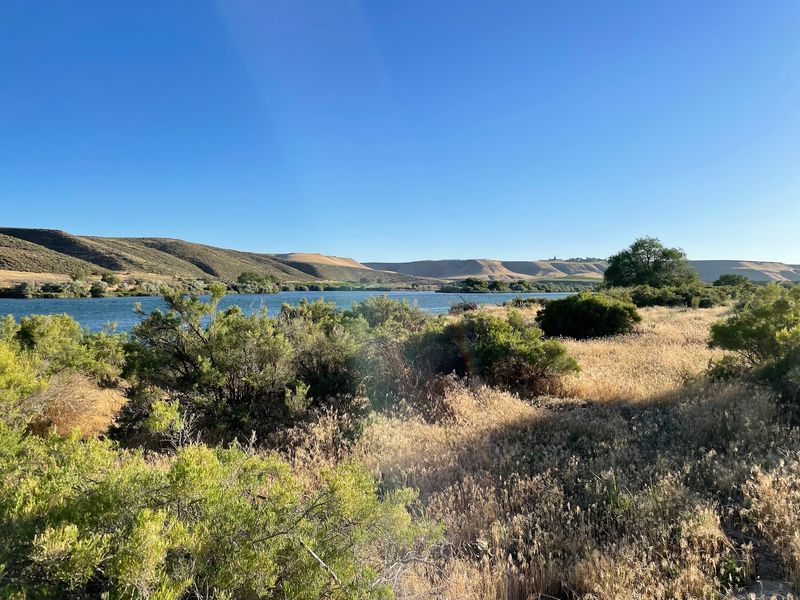
Two shallow channels, side by side, running up a dry desert slope. That is what the wagon ruts look like at first glance, and it takes a moment for the eye to connect the pattern to what made it.
Every groove represents wheel after wheel, season after season, rolling along the same line. Heavy loads packed the soil down, and so much repeated traffic pressed a path that wind and rain still have not managed to erase.
Standing beside it, you get a sense of scale that no textbook photo delivers.
Visitors consistently call the walk out to the ruts a must-see, and it is easy to understand why. These are physical proof of the migration, not a replica or a painting, and kids tend to grasp that right away.
A handy tip is to come in the morning or late afternoon. Low sunlight throws shadows into the depressions and makes them far easier to trace across the hillside, while midday light tends to flatten everything out.
Stay on the path and avoid walking inside the ruts themselves. They have survived this long in Idaho soil because people have treated them gently, and the next generation of visitors deserves the same view.
Footpath Toward The River
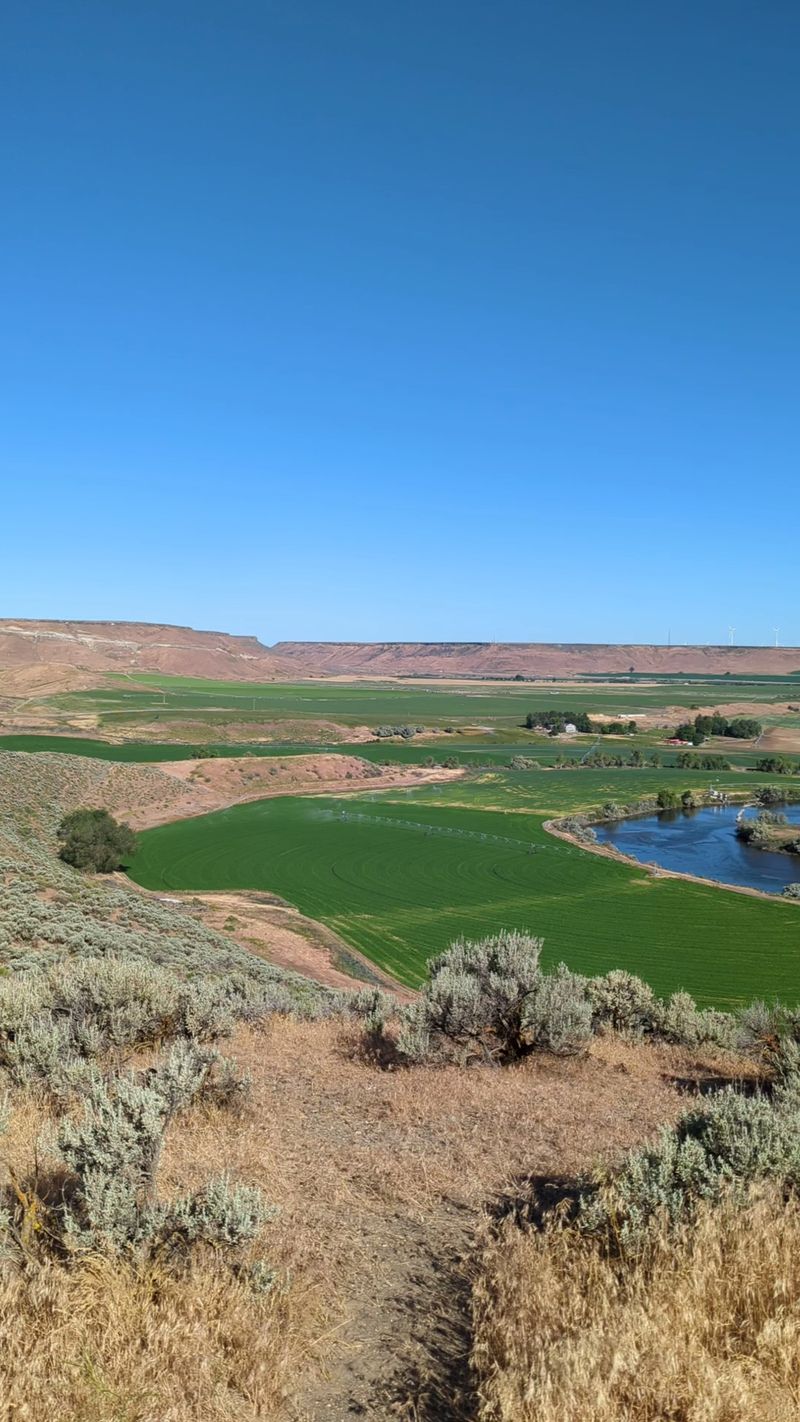
Sneakers are the right call here, not sandals. A walking trail leads from the developed part of the park out toward the river and the wagon ruts, and visitors describe it as an essential stretch rather than a throwaway path.
The route trades lawns and shade for open desert fairly quickly. That change matters, because it shows the landscape much as emigrants saw it, with the Snake River below and wide sky overhead.
Families with young kids can handle it, though water bottles and hats help on warm days.
Other trails loop through the grounds for easy strolls and bike rides. Travelers who stopped mainly to stretch their legs after hours on the highway mention how refreshing a quick hike felt before climbing back into the car.
Some caution near the water is wise. Anglers do find their way down to the river on foot, but parts of the bank sit above cliffs, so the campground itself has no direct access to the Snake.
Afternoons can turn breezy on this part of the Snake River Plain. Starting early keeps the walk calmer and cooler, and the birds happen to be busier then too.
Bigger Than The Brochure Suggests
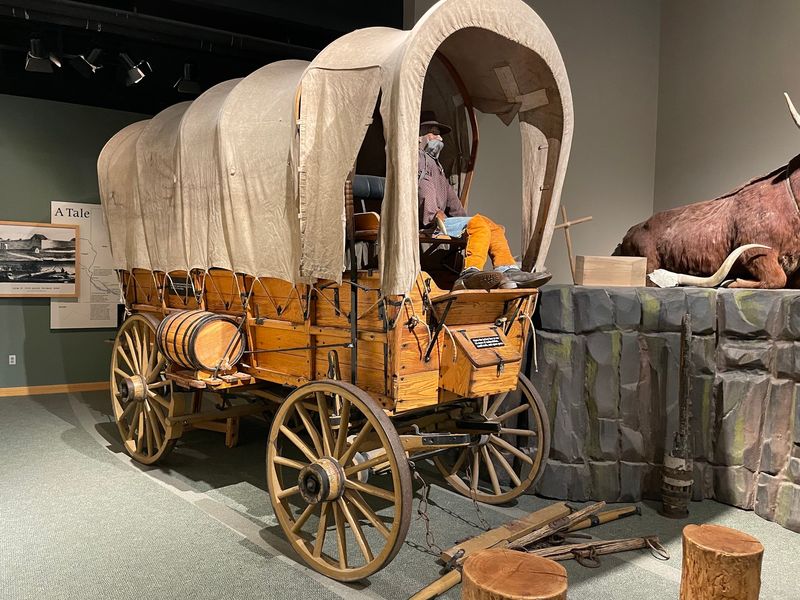
Plenty of people walk in expecting a single room of dusty display cases. The interpretive center, often called the History Center, turns out to be larger and more hands-on than that, and several visitors admit they learned more about the Oregon Trail than they thought they already knew.
Exhibits walk through the emigrant experience with pieces kids can touch and handle rather than just read about. Rangers on site add context and answer questions, turning a quick browse into a real conversation about how families packed, traveled, and made choices along the trail.
The center ties everything outside together. After seeing the story told indoors, the ruts on the hillside and the river crossing make a lot more sense, so many visitors do the museum first and the trail second.
Education programs and tours also run from the building. Offerings shift with the season and staffing, so checking the schedule before you drive in saves disappointment.
Treat the center as the anchor of any visit. Skipping it means missing the part of the park that explains why this particular spot on the Snake River mattered so much to Idaho history.
Where The Old Ferry Rests
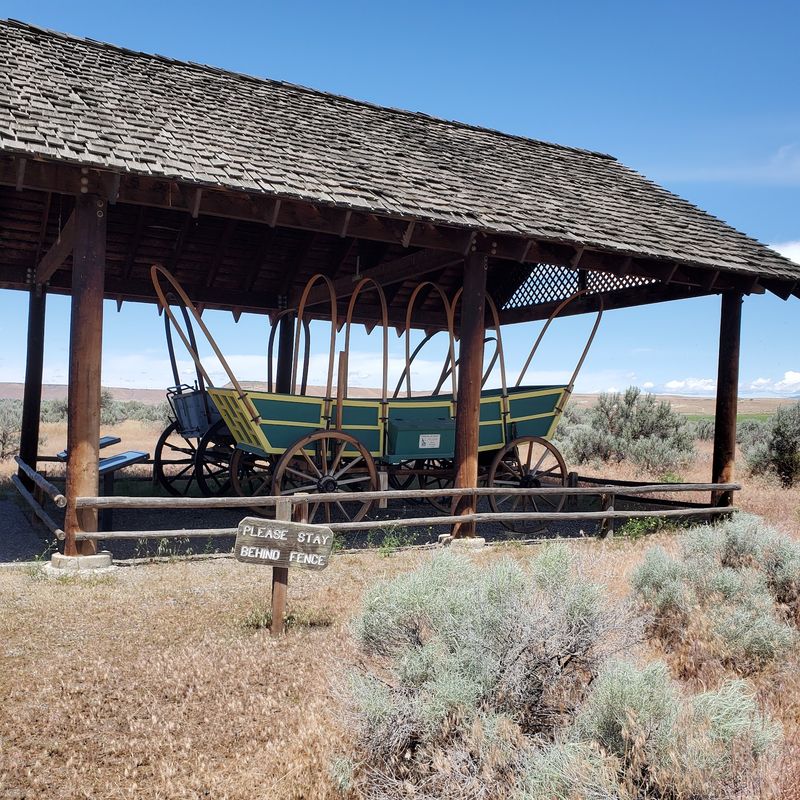
A flat deck made to carry heavy loads across moving water tells its own story without a single sign. The old ferry at the park is one of those objects that makes visitors stop and picture the effort involved in getting a wagon from one bank to the other.
Travelers mention the ferry alongside the museum and scenery as part of what made their stop memorable. It gives a solid, physical sense of the tools people relied on once fording on foot and hoof gave way to more organized crossings.
The town’s own name hints at that chapter. Glenns Ferry grew up around the business of moving people and goods over the Snake River, and the park’s display links that local identity to the bigger trail story.
Compared with the ruts, the ferry is easy to understand at a glance. Younger kids who are not sure what a wagon groove means can grasp a boat instantly, making it a handy starting point for family conversations.
Bring a camera and take a moment with it. Paired with nearby river views, it rounds out the picture of how people once got across this wide, powerful stretch of southern Idaho water.
Star Talks And Bird Feeder Crafts
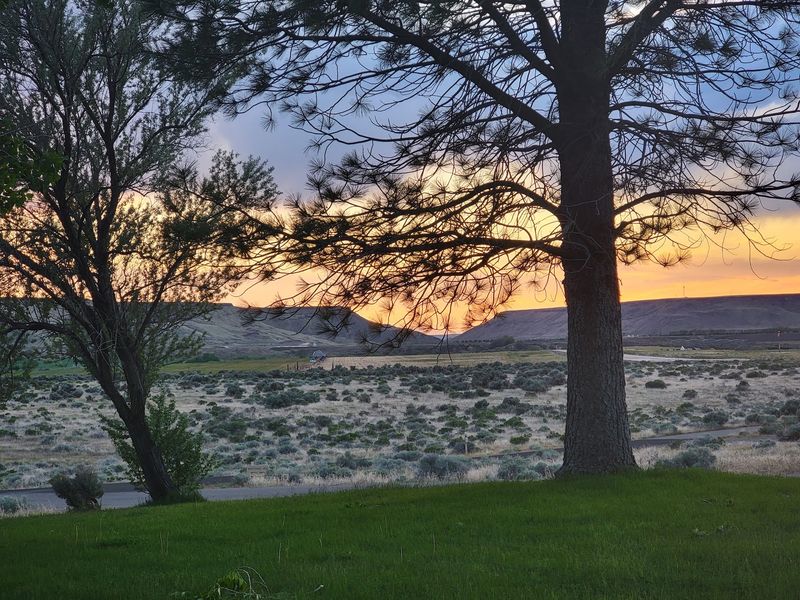
Kids stretched out on a blanket, heads tilted back at the Idaho sky, make for a pretty good evening. Rangers at the park host astronomy night talks, and families who attended describe them as a highlight of their stay, with the dark rural sky doing much of the heavy lifting.
Daytime programs lean toward nature. One ranger-led session focused on local birds and wrapped up with kids building their own bird feeders to take home, the kind of craft that ends up hanging in a backyard for years.
Programs like these fit the park’s mission of recreation, camping, and education working side by side. The Oregon Trail material gets plenty of attention, yet the naturalist side gives families a reason to stay beyond a single museum visit.
Schedules change with the calendar and staffing, and quieter months may bring fewer events. Checking ahead before planning a trip around a specific talk is the smart move.
Visitors often thank the staff for keeping this public land in such good shape for every Idahoan to enjoy. Those rangers, the ones leading talks and answering endless questions, are a big reason the park feels welcoming rather than merely functional.
Owls, Ospreys, And Nighthawks
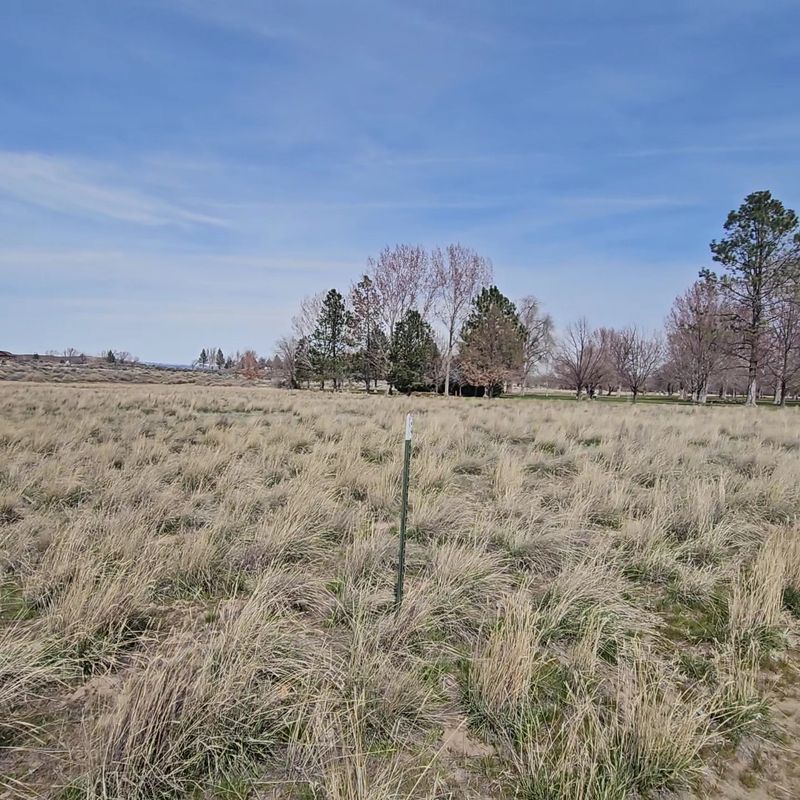
Soft hooting from a branch above your tent is not a bad way to stir in the middle of the night. One camping family heard a barn owl right overhead, and that was only the start of their bird list.
Ospreys, kingbirds, nighthawks, swallows, doves, and warblers all turn up around the park. The mix of shade trees, open lawns, river cliffs, and surrounding desert creates several habitats packed close together, which draws a surprising variety of species to one spot.
Those same cliffs that keep campers from reaching the water may be part of the reason birds do so well here. Undisturbed ledges and quiet riverbank give nesting birds room that busier shorelines lack.
Binoculars earn their spot in the car. Early morning and dusk are when nighthawks swoop and swallows skim overhead, and even casual watchers find themselves pointing and naming.
Other wildlife shares the 613 acres too. Just remember that bugs come along with all that life, and some visitors mention plenty of them, so pack repellent next to the field guide, especially during warmer months near the river.
Level Sites In A Desert Oasis
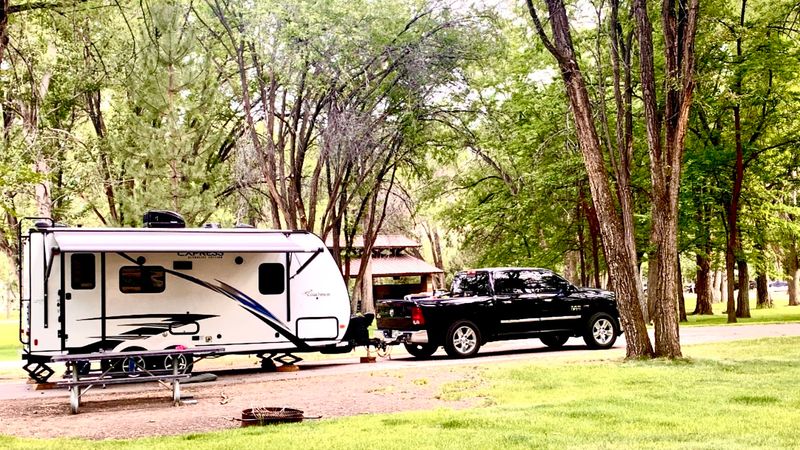
Irrigated grass and leafy shade make the campground feel like an oasis dropped into the desert, a description RV travelers use again and again. Sites are level, clean, and roomy, and many can fit two vehicles.
Each site comes with water and electric hookups, a picnic table, and a fire ring, though fire ring sizes vary from spot to spot. There are no sewer connections, which surprises some campers, so plan on the dump station, which carries its own fee on the way out.
Loop choice matters for scenery. The upper and lower loops are the ones to request for glimpses of the Snake River, since much of the campground has little river view at all.
Spacing depends on the site. Some feel generous, while others sit close enough that privacy runs thin, especially on busy summer weekends.
Camp hosts keep a close eye on rules, including keeping vehicles off the grass, so park carefully inside your pad. One more practical note: goat heads can hide in the lawn, those spiky little seeds every Idaho kid learns to dread, so shoes beat bare feet around camp.
Cabins, Showers, And Hammock Trees
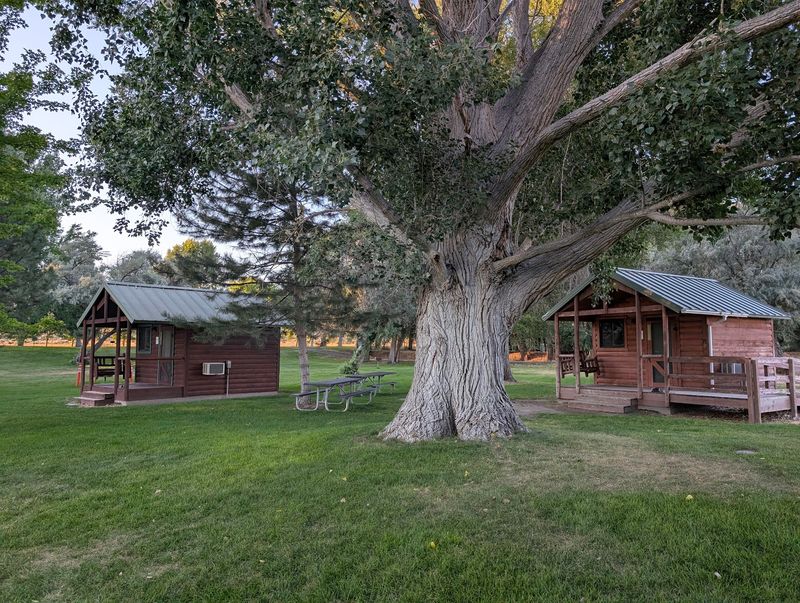
Hot water after a dusty trail walk feels like luxury, and the showers here get more praise than almost anything else on the property. Visitors describe them as clean and well kept, and campers mention they are free to use.
Thoughtful touches stand out. Shower stalls include a bench that folds up and down for accessibility, plus hooks for hanging clothes, small details that make a big difference for older travelers or anyone with mobility needs.
Restrooms also earn steady compliments for staying tidy.
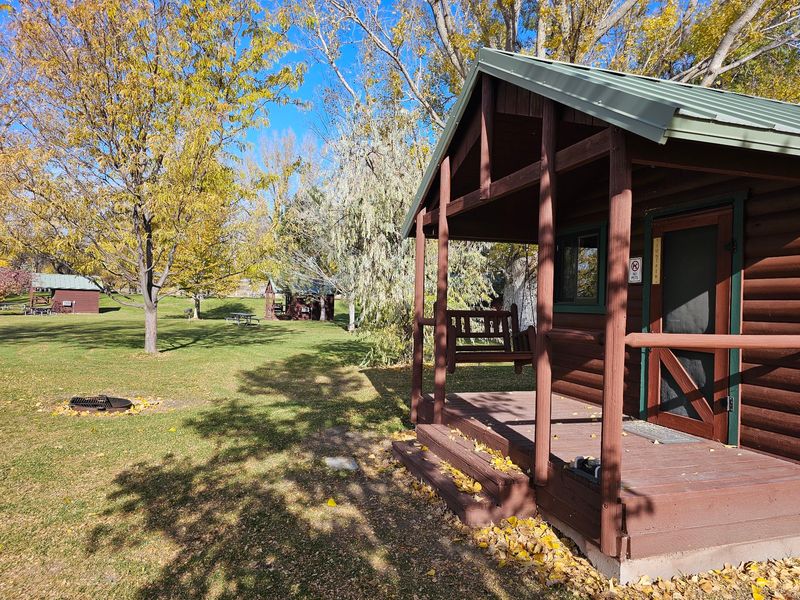
Not everyone arrives with a tent or an RV. The park offers cabins, and one family booked the Dogwood cabin for a surprise trip for two cousins, choosing it for both the comfortable setup and the historical location.
Tent campers have options too, though dedicated tent spots are limited. Some tent sites still include power and water, which helps with charging phones or running a small fan on warm nights.
Look up at the trees before you pitch anything. A few grow close enough together for hammocks, and one young camper happily slept in a mosquito net covered hammock while the rest of his family stayed in tents.
Frisbees, Bikes, And A Stroll To Town
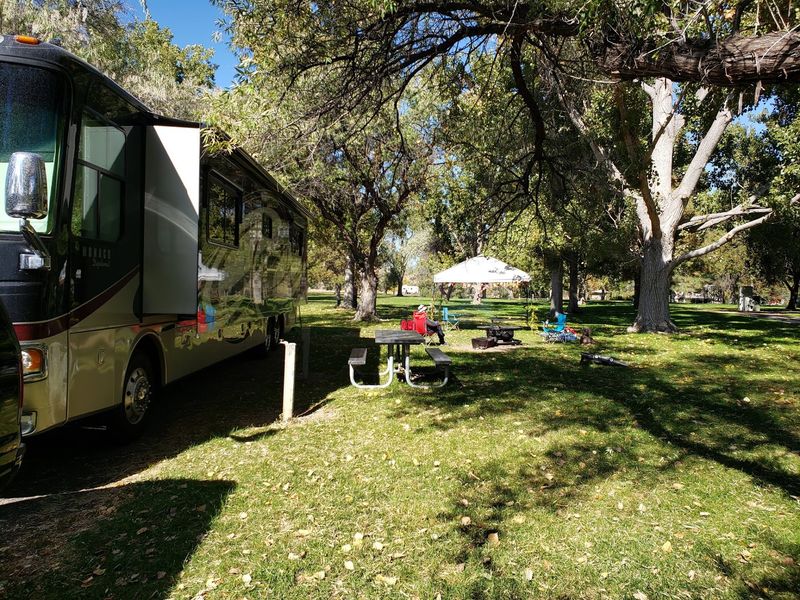
Flying discs sail across the lawns on most warm afternoons. The park has a disc golf course, and it comes up often among visitors looking for something to do between museum time and dinner at the picnic table.
Bikes are another easy win. Paved roads and wide open grounds give kids and adults plenty of room to ride, and winter visitors in particular noted how much space they had for pedaling and walking.
Big gatherings fit comfortably too. One family held a four-day reunion here, pointing to shade in the common areas and sites that catch shade at different times of day as reasons the long weekend stayed relaxing.
For a change of scenery, downtown Glenns Ferry is walkable at around two miles. The route passes historical points worth reading, and the town offers groceries and a spot for ice cream, a pleasant errand on a cool morning.
Nothing here is fast-paced, and that is sort of the appeal. Days tend to drift between a round of disc golf, a bike loop, a shower, and an evening by the fire, with the wagon ruts waiting just up the hill.
Seasons, Wind, And Fee Math
Late February campers found themselves nearly alone, with only the Wagon Wheel loop open for winter. Sites offered power but no water, since water shuts off for the cold season, and the park communicates that clearly on its website.
Shoulder seasons can surprise you. One mid-April visitor had water shut off for a night when temperatures were forecast to dip into the upper 20s, so carrying a filled tank is wise until spring settles in.
Summer brings the opposite problem. The campground fills up, and winter visitors guessed it gets packed once school lets out, which makes early reservations a good idea.
Budget deserves attention too. The base camping rate grows once reservation, vehicle, and convenience fees are added, and the dump station has a separate charge, so several campers felt the total ran higher than other Idaho state parks.
Weather can shape the day as well. Afternoon wind is common on this stretch of the Snake River Plain, so stake tents firmly and secure awnings.
Check current fees and seasonal openings before driving, and the trip will go a lot smoother.
Worth Pulling Off The Highway
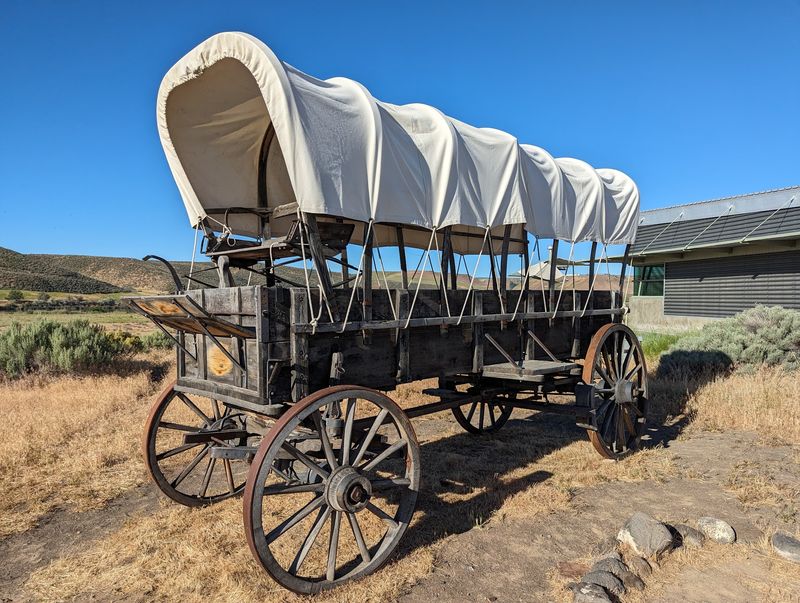
Road-trippers heading across southern Idaho often plan to stop for gas and keep rolling. A detour to this park rewards anyone willing to trade an hour of highway for a walk beside real wagon ruts.
History fans get the most out of it. The History Center explains the river crossing in detail, the trail puts you on the ground emigrants actually traveled, and the old ferry adds a tangible piece to the story that kids remember.
Families benefit from ranger programs, birdwatching, disc golf, and wide lawns for burning off energy. RV travelers find level, clean sites with water and power, dependable showers, and decent cell signal.
It is not perfect. There are no sewer hookups, river views from camp are limited, fees stack up, and bugs and wind can test your patience on certain days.
Still, few places in Idaho let you stand beside tracks left by thousands of pioneer wagons, then return to a shady campsite for dinner. Swing by 1083 S Three Iss Pk Dr in Glenns Ferry, lace up your walking shoes, and let the grooves on that hillside tell the rest.