A 1930s Mining Ghost Town Sits Frozen In Time At Silver City High In Idaho’s Owyhee Mountains
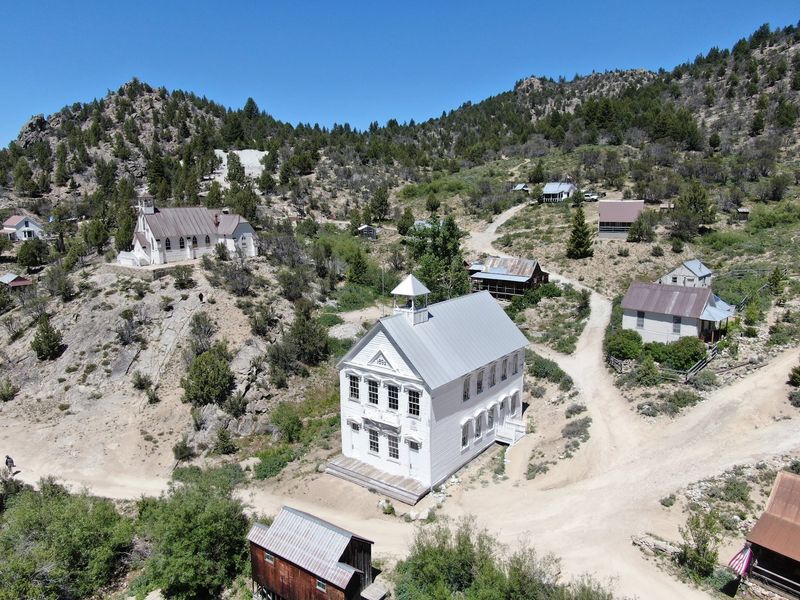
One man spends the winter alone in a mountain town that once held about 2,500 people. He is the watchman, and the snow keeps everyone else away for months.
The rest of the year, roughly 70 buildings wait for summer visitors. Most of them date from the 1860s to the early 1900s.
Many still belong to families descended from the original miners.
Getting there takes over 20 miles of rough dirt road in Idaho’s high country. There’s no cell service and no gas station.
A historic hotel still serves meals and rents rooms for part of the year.
I like how stubborn this place feels. It never got polished up for tourists, and it never fully emptied out either.
So what does a town look like when time simply stops paying attention?
The Ghost Town That Never Quite Let Go
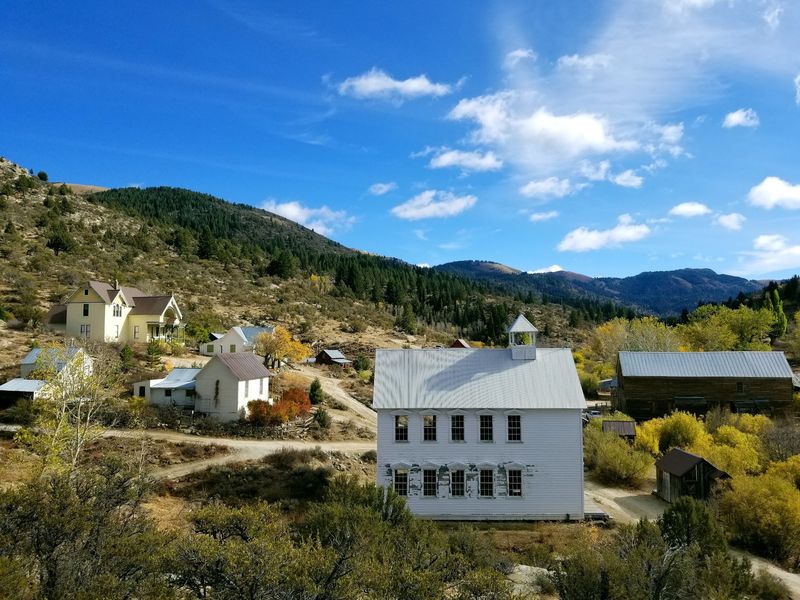
Silver City sits in northwestern Owyhee County, high in Idaho’s Owyhee Mountains at about 6,200 feet. It’s roughly 37 miles southwest of Boise, though those miles feel much longer once the pavement ends.
The town is often called a living ghost town, and the label fits. It isn’t abandoned, but it isn’t exactly bustling either.
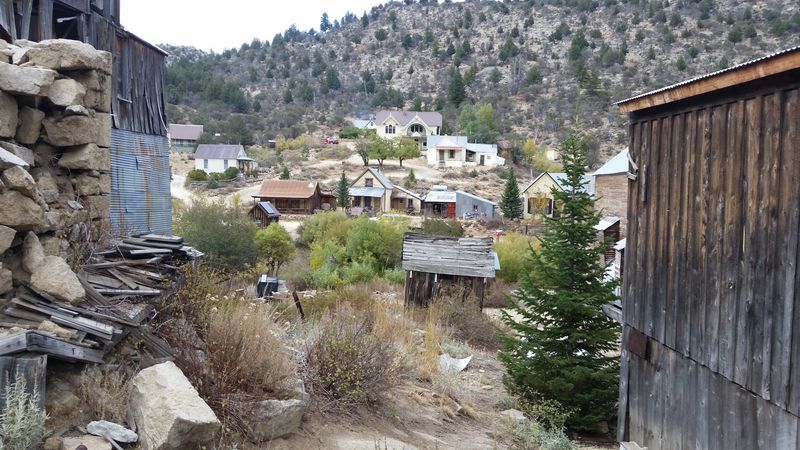
Around 70 to 75 structures still stand along its streets. Most were built between the 1860s and the early 1900s, which makes the whole place feel like a museum without the velvet ropes.
Here’s what makes it unusual. The majority of these buildings are privately owned, often by descendants of the original miners.
That means families still return each summer to open up homes their ancestors built. It’s less a tourist attraction and more a hometown that happens to be very old.
In 1972, the townsite and surrounding land joined the National Register of Historic Places. The Silver City Historic District covers more than 10,000 acres.
That’s a lot of protected history for a town with almost no year-round neighbors. It’s also a big reason the place still looks the way it does.
Silver, Gold, And A Boom Nobody Saw Coming
Silver turned up on nearby War Eagle Mountain in the early 1860s. By 1864, Silver City had been founded, and the rush was officially on.
The town grew fast and stayed busy for decades. During its peak in the 1880s, about 2,500 people lived here.
Roughly 75 businesses kept all those miners fed, clothed, and supplied. Picture that kind of hustle on a mountainside that now hears mostly wind.
The numbers from underground are just as impressive. More than 60 million dollars in gold and silver came out of the area during its heyday.
Silver City also served as the Owyhee County seat starting in the 1860s. It held that title until the mid-1930s.
For a remote mining camp, that’s a serious resume. The town wasn’t a side note in Idaho history.
It was a center of money, government, and ambition. Every building left standing comes from that confident era, when nobody expected the ore to run out.
Of course, it eventually did. But that’s a story for the next section.
Bragging Rights From Idaho Territory Days
Long before Boise had its skyline, this mountain town was racking up firsts. Idaho Territory’s first telegraph office opened here.
So did the territory’s first daily newspaper. Not bad for a place reached by rough mountain trails.
Think about what that meant at the time. News from the outside world arrived in Silver City before many larger towns had anything similar.
Miners could read daily headlines while working one of the richest districts around. That’s a level of connection that feels almost funny today, given the current lack of cell service.
The modern conveniences kept coming, too. Silver City was among the first places in present-day Idaho to get electric and telephone service.
It’s a strange twist of history. A town once ahead of its time now sits mostly off the grid.
Most buildings today have no power or indoor plumbing at all. The wires that once made Silver City modern disappeared when the utilities shut down.
Still, the bragging rights remain. Next time someone claims their town did it first, Silver City might have something to say about that.
How The 1930s Pressed Pause On Everything
Ore deposits began thinning out around 1912. Once the mines slowed, the people slowly followed.
The real turning point came in 1934. That’s when government offices moved away and Silver City lost its role as county seat.
Power and utilities were shut down after that. Without electricity or offices, there was little reason to stay through the brutal mountain winters.
The post office closed in 1943. Many histories point to that moment as the final blow that sealed the ghost town status.
Yet the town didn’t vanish. A man named Willie Hawes stayed on as a watchman into the 1940s.
That tradition still continues today. A watchman named Dave Whipler is reported to be the only permanent resident, staying through the harsh winters.
I can’t imagine the quiet up there in January. Snow piled high, no neighbors, and a whole town under one person’s watch.
That long pause is exactly why Silver City feels so preserved. Nobody tore things down to build something newer, because nobody was rushing in to replace them.
A Hotel That Packed Up And Moved Towns
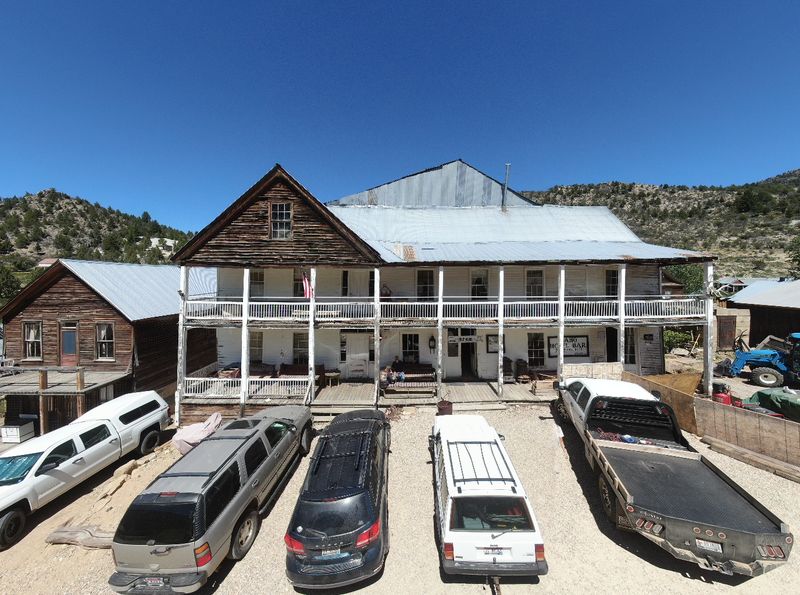
The Idaho Hotel didn’t start out in Silver City at all. It was first built in nearby Ruby City back in 1863.
A few years later, it was taken apart and reassembled in Silver City in 1866. That’s one way to follow the crowd.
Today, the hotel is the heart of any visit. It operates seasonally, generally from Memorial Day to early October.
Guests can book rooms and sit down for meals. The furnishings lean antique, which suits the setting perfectly.
It also has indoor plumbing, a big deal in a town where most buildings have none. Propane handles some of the services, since there’s no regular power grid.
The hotel has a spooky reputation, too. It’s known for reported hauntings, so light sleepers might want to keep that in mind.
Whether you believe in that sort of thing or not, it adds flavor. Staying overnight here means sleeping in a building that has already lived through two towns.
Plans change by season, so check before driving. Rooms are limited in a place this small.
Steeples, Schoolhouses, And Secret Society Halls
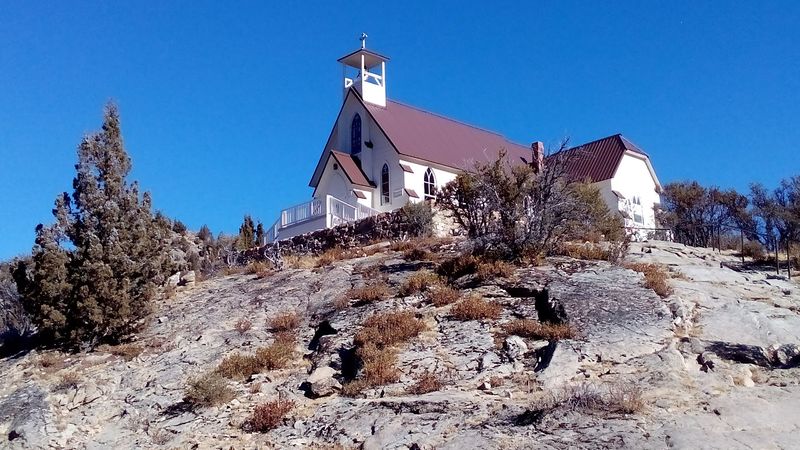
Wander a few blocks and the town’s old life starts telling on itself. A church, a school, and a lodge hall still anchor the streets.
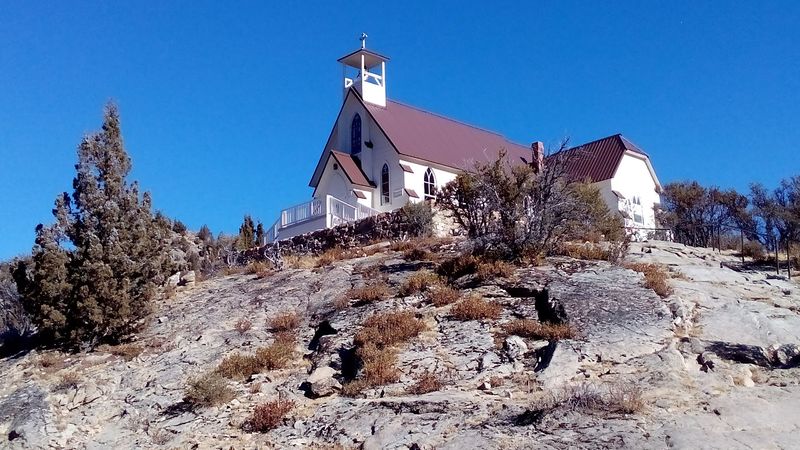
Our Lady of Tears Catholic Church is one of the most photographed buildings in town. It sits up on a rise, which makes it easy to spot.
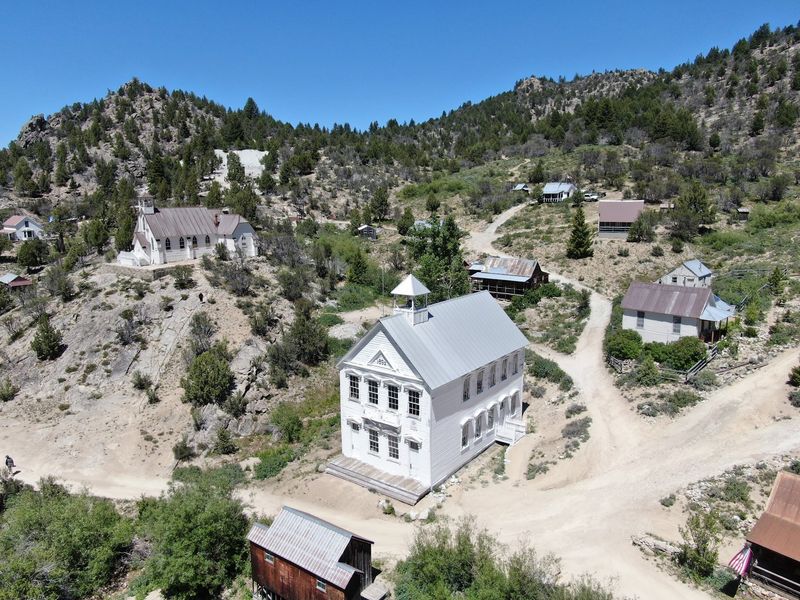
Then there’s the 1892 Standard School. It’s a reminder that families, not just miners, once called Silver City home.
Kids learned their lessons here while their parents worked the mines and shops. It’s easy to forget that boomtowns had recess.
The Masonic Hall rounds out the trio. Fraternal lodges were a big part of social life in mining towns.
Walking past all three gives you a real sense of how organized the community was. Faith, education, and fellowship each had a dedicated building.
Remember that many structures are private property. Admire from the street unless a building is clearly open to visitors.
That respect keeps the arrangement working. Owners maintain the history, and everyone else gets to enjoy the view.
Two Little Shops Worth A Browse
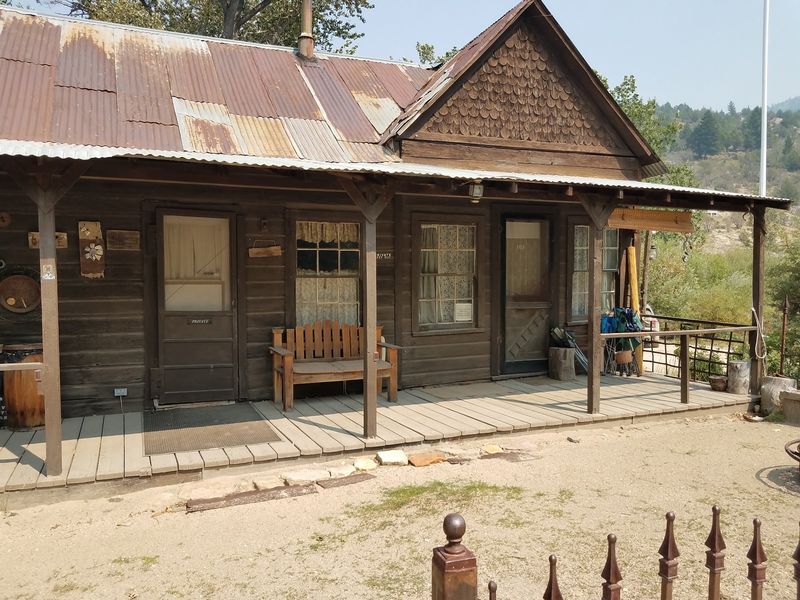
Shopping in a ghost town sounds like a joke. Silver City actually has a couple of spots worth poking around in.
Pat’s What Not Shop sells jewelry, gifts, souvenirs, and books. It also carries local mineral samples, which feels fitting for a town built on what came out of the ground.
Rock fans will appreciate that touch. A little piece of Owyhee County makes a better keepsake than another fridge magnet.
The Silver City Fire and Rescue Store is the other stop. It offers art, antiques, gifts, and books.
Here’s the nice part. All proceeds go toward the town’s fire and rescue services.
In a remote place with old wooden buildings, that support matters a lot. Buying a book here helps protect the very streets you’re exploring.
Both shops have been open in the summer season, roughly June through October. Hours can shift in a place this remote, so plan with some flexibility.
Bring a little cash and patience. Neither shop is a big-box store, and that’s exactly the charm.
Trails, Old Mines, And Quiet Cemeteries Beyond Main Street
Lace up your boots, because the hills around town are part of the experience. The Owyhee Mountains offer plenty of room to roam.
The Presby Creek loop runs about 8 miles at a moderate level. Another 8-mile route circles Sawpit Peak.
Got more stamina? The Skyline Mine Tour stretches about 17 miles and passes old mines along the way.
That longer trek connects the scenery to the story. You can see firsthand where all that silver and gold came from.
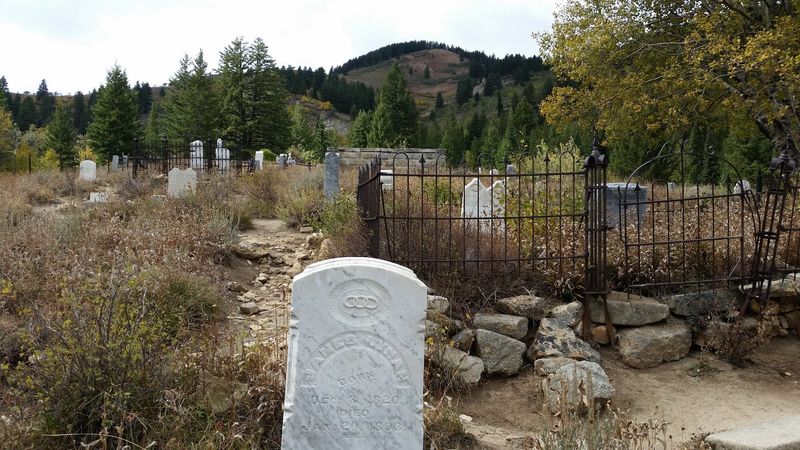
History buffs have another option closer to town. More than ten cemeteries from the mining era are open for exploring.
Old headstones reveal names and hometowns from the boom years. They add a personal layer to the history books.
Photographers tend to love this area, too. Rugged ridges and weathered buildings make easy subjects at almost any hour.
Pack plenty of water and an offline map before heading out. The high country is beautiful, but it doesn’t come with signal bars or snack stands.
The Road In Is Half The Adventure
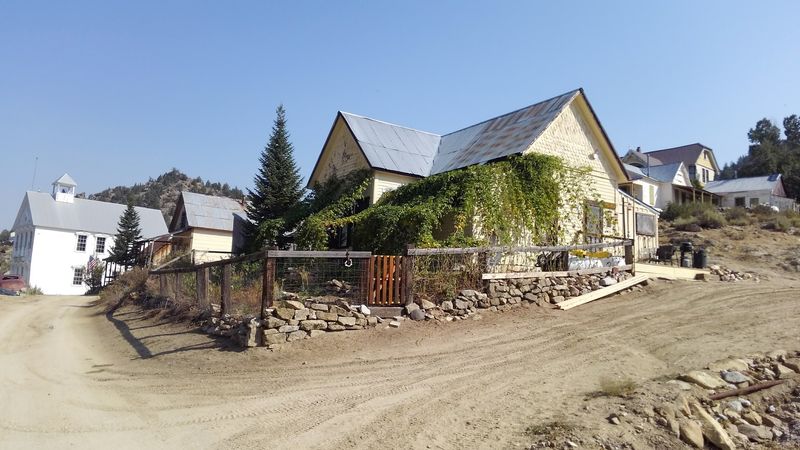
Nobody stumbles into Silver City by accident. Reaching it takes some planning and a capable vehicle.
The main turnoff sits about 5 miles south of Murphy, Idaho. From there, you’ll travel more than 20 miles of rough, unpaved road.
A high-clearance AWD or 4WD vehicle is strongly recommended. Low-slung sedans and washboard dirt don’t get along.
Timing matters as much as tires. Access is generally limited to the stretch between Memorial Day and October.
Snow shuts things down the rest of the year. That’s when the watchman has the whole place to himself.
For mapping, the town uses Idaho 83650, USA as its address. Download directions ahead of time, since your phone will lose service.
Fill your gas tank before leaving the valley. There are no gas stations or service stations in town.
Bring water and snacks, too. The Idaho Hotel serves meals in season, but packing your own backup is the smart move.
Visiting itself doesn’t require a ticket to walk the streets. Just respect private property signs.
Why This Mountain Time Capsule Earns A Summer Day
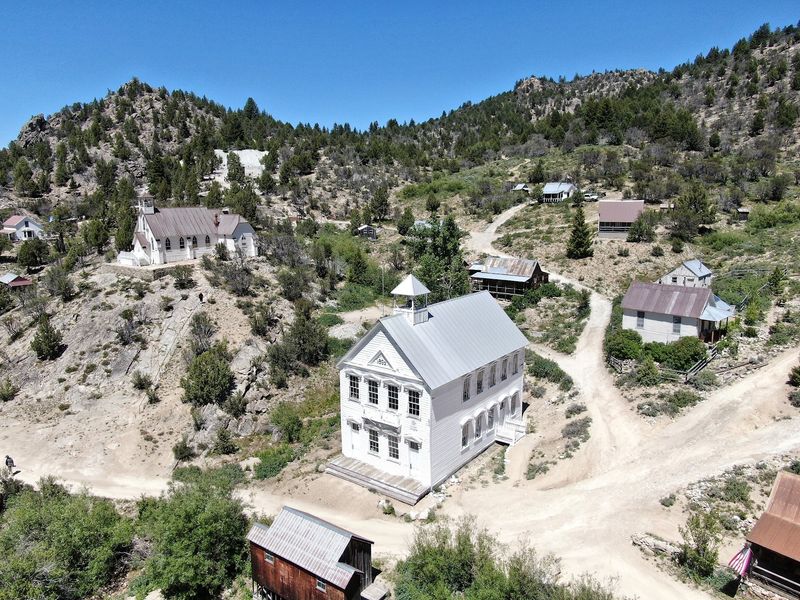
Plenty of Western ghost towns have been turned into souvenir strips. Silver City mostly skipped that step.
What’s left feels honest. Old buildings stand where miners left them, cared for by families who still show up every summer.
That makes it a great fit for history lovers and patient road-trippers. Photographers and hikers will find plenty to keep them busy.
It’s less ideal for anyone who needs Wi-Fi, fast food, or a smooth drive. The trade-off is quiet, scenery, and a real sense of discovery.
Some years have included an open house in September, when select private buildings welcome visitors. Its status has varied, so confirm before planning a trip around it.
Either way, the summer window is short. Memorial Day through early fall is your chance.
For Idaho families looking for a day out with a payoff, this one delivers. Few places in the state let you stroll through the 1800s so easily.
Gas up, grab a map, and pick a clear day. Silver City has been waiting this long, after all.