This Maryland Orchard Is Perfect For A Late-September Apple Picking Trip
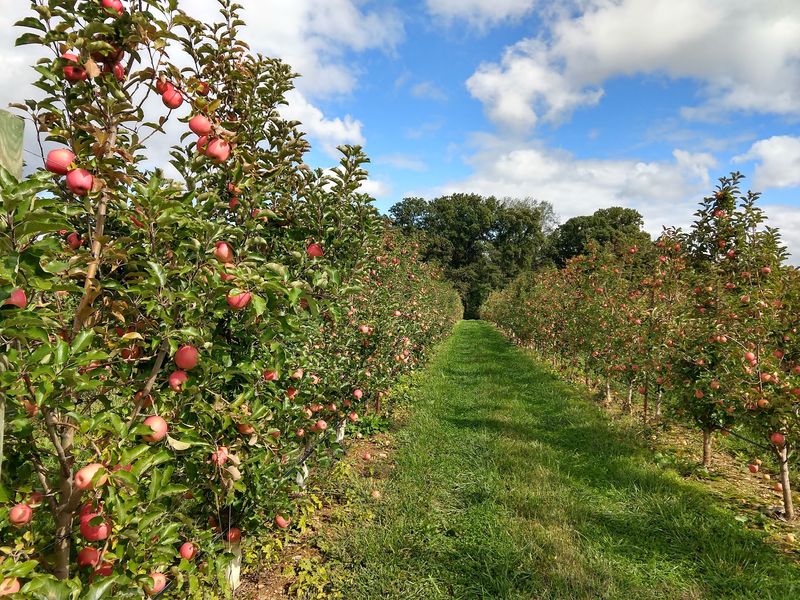
Late September has a rhythm of its own. Cooler air arrives, branches grow heavier, and apples begin landing in bags.
Maryland orchards feel especially inviting when summer finally loosens its grip. Picking fruit gives the day just enough purpose without making it complicated. Walk the rows.
Search for the good ones. Twist gently. Listen for the snap.
Then keep going until the container starts feeling heavier than expected.
The best visit leaves room for wandering after the picking is done. A farm market or warm treat can stretch the afternoon nicely.
Fall does not need a grand entrance when it starts this simply.
A Family Story Planted In 1973
Long before the hayrides and corn mazes, there was one acre of strawberries and a big idea.
Larry and Polly Moore launched the pick-your-own operation in 1973, a decade after Larry bought the western Howard County farm.
Their earlier dairy farm in Guilford, Maryland, had been sold to the Rouse Company back in 1963.
The name Larriland actually comes from that dairy herd, which used the prefix Larri- to mark its bloodlines.
Early crops leaned agricultural and practical: soybeans, alfalfa, wheat, and turf. Larry eventually moved away from turf, feeling it pulled too much from the soil. His children were already curious about farming, and that curiosity reshaped everything.
In 1972, daughter Lynn planted that first acre of strawberries. The following spring brought the farm’s first harvest, and peach and apple trees went into the ground the very same year.
Three generations later, the operation remains family owned and run. The address is 2415 Woodbine Rd in Woodbine, and it has been a working piece of farmland for over fifty years.
Twenty-Five Acres Of Apples
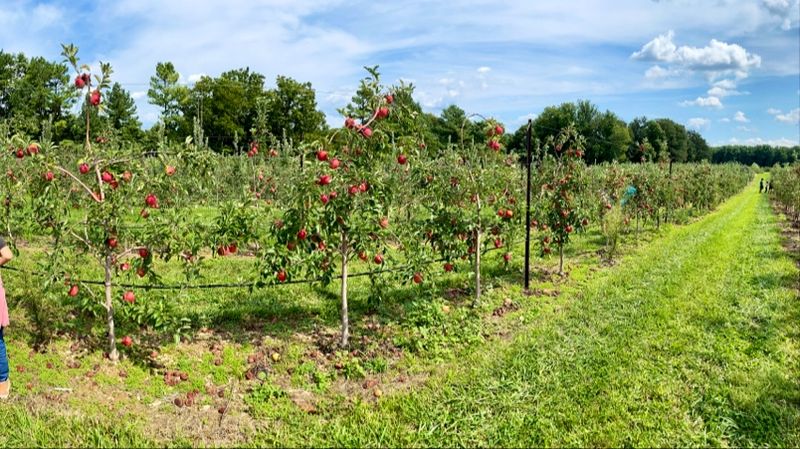
The farm currently grows about 35.8 acres of apples across its expanding orchard operation.
That labeling matters more than you would think when a dozen types ripen on different schedules.
Apple season generally runs from late August through October. Available varieties change throughout the season as different sections of the orchard ripen.
Late September falls squarely within Larriland’s main apple-picking season, but the exact varieties open on a given day depend on ripening conditions. October continues the harvest with additional varieties as later blocks become ready.
One practical note: buy your picking container at the field entrance before heading out. Whatever fits inside is what you take home, so pack it thoughtfully.
A late spring chill in some years can thin the crop. You may also spot frost rings, which are shallow scars on the peel that do nothing to the taste.
Crop availability can change quickly with weather and demand. The daily harvest report tells you which varieties are actually open that morning.
Pumpkins And Other Autumn Finds
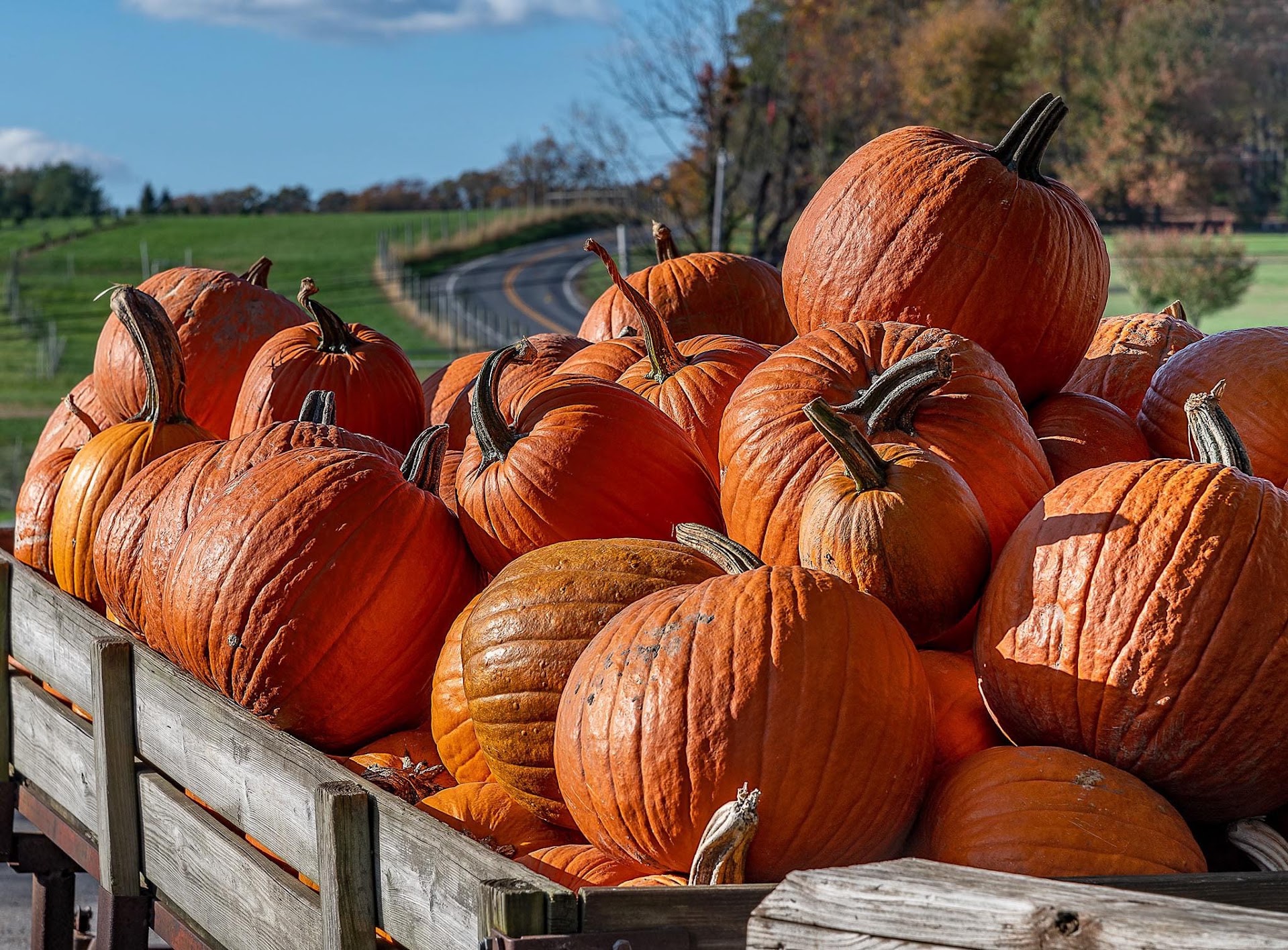
Apples get top billing, but the pumpkin fields steal plenty of attention.
Pumpkin picking begins in late September and continues through October.
Visitors can choose directly from the pumpkin fields once that crop opens for the season. Choosing your own from the vine is a small ritual that never gets old.
The harvest list keeps going beyond gourds. A fall raspberry crop can continue through September, while tomatoes remain available into October.
Asian pears sometimes join the lineup too, which surprised me pleasantly. They are crunchy, juicy, and easy to eat straight from the bag.
The overall growing season stretches from late May through early November. That long window means something is almost always ready for harvest here in Maryland.
The farm grows more than 20 crops and dozens of varieties across its fields and orchards. Repeat visits genuinely feel different because the fields rotate through the calendar.
Late-September visits can overlap several different harvests beyond apples. The exact combination changes with weather, ripening, and daily demand.
Hayrides, Mazes, And Boo Barn
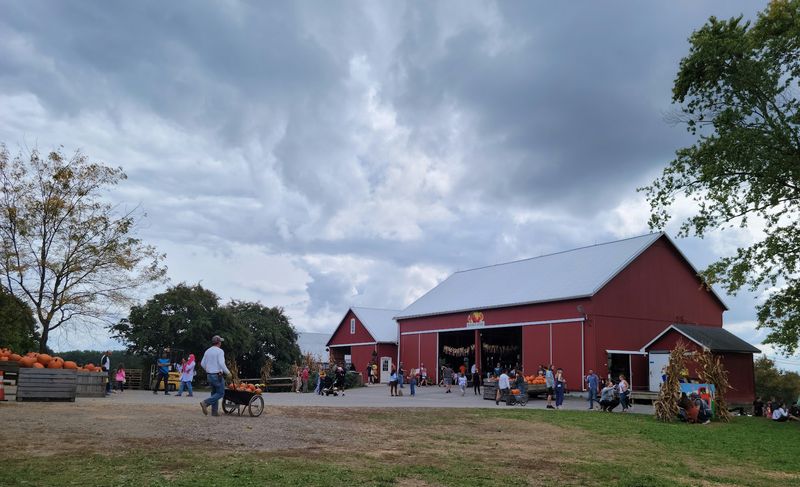
Getting lost on purpose is part of the farm’s fall setup. Larriland Farm runs multiple mazes during its Fall Festival, including a giant corn maze and a Sudex maze.
The festival typically operates on weekends from after September 8th through October. That is when the whole property shifts into celebration mode.
Tractor-pulled hayrides loop around the pond and through the woods. Sitting on a bale while the countryside rolls by is oddly relaxing.
Younger visitors gravitate to the Boo Barn, a child-friendly spooky barn walk. It leans silly rather than scary, which parents will appreciate.
Live music from local artists plays around the market area on weekends. The sound drifts across the picnic tables and makes lingering easy.
Food trucks usually park on site with lunch and snacks. You are also welcome to pack your own picnic, and plenty of families do.
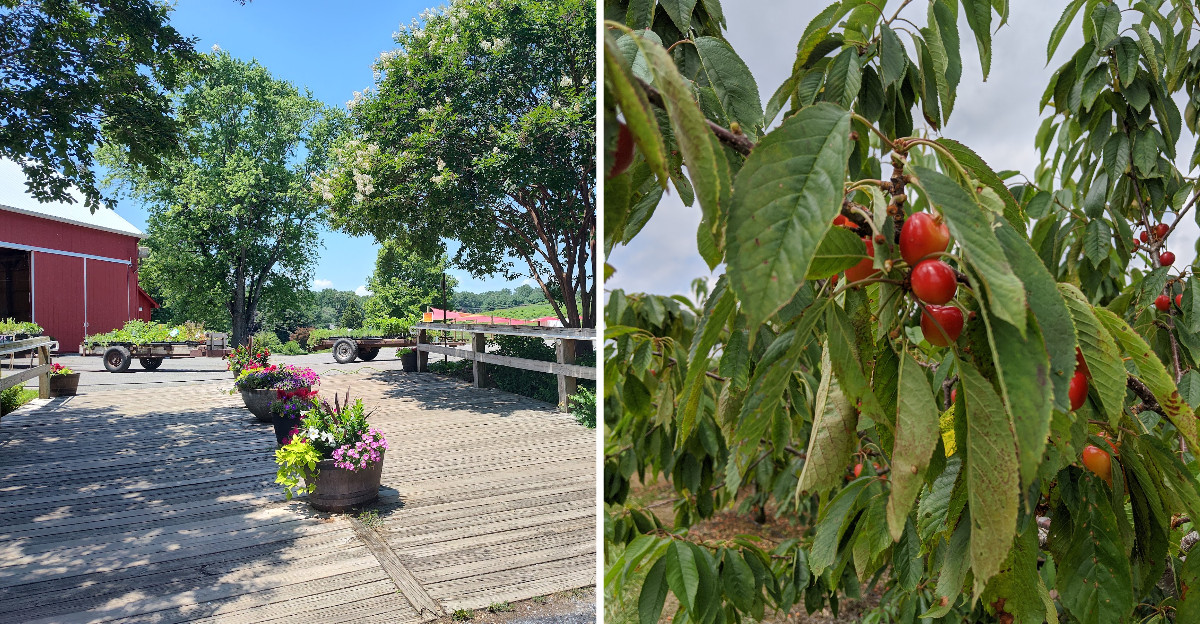
The picnic area beside the Red Barn offers shaded tables for taking a break between activities. Cornhole is also available there for visitors who want to linger.
Plan on a half day at minimum. There is more happening here than one lap can cover.
Inside The Red Barn Market
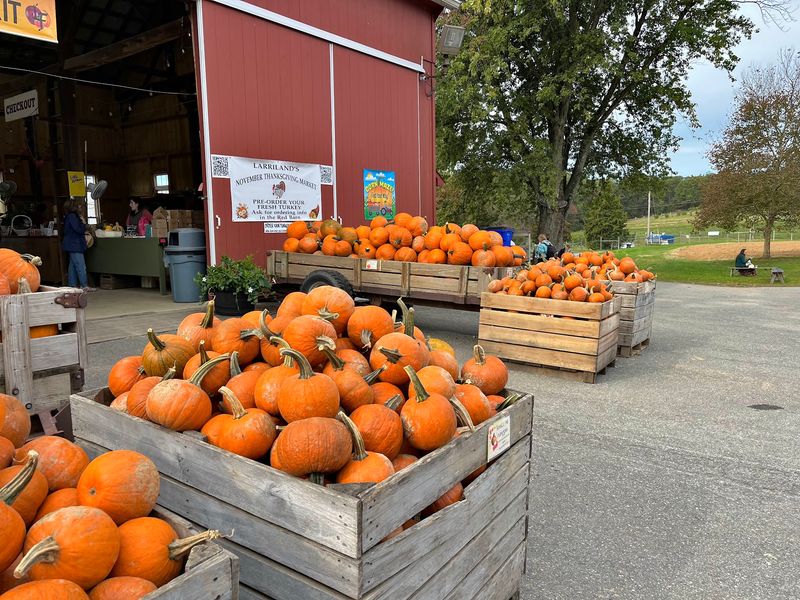
On Fall Festival weekends, fresh-made apple fritters add a seasonal treat beside the Red Barn market.
This market sits at the heart of the property and requires no field ticket to browse.
The market stocks produce from Larriland’s own fields according to the season. The selection can include apples, berries, peaches, melons, tomatoes, and other crops as they become available.
Local partners fill in the rest. Fresh milk and cheese come from nearby farmers, and the dairy case is worth a look.
Fresh-made apple fritters are available for purchase during Fall Festival weekends. Other seasonal sweets and drinks rotate through the market alongside the farm produce.
Jams, jellies, preserves, honey, and rotating artisan goods fill out the market shelves. Local beef and pork are also stocked from nearby vendors.
The market area includes more than the produce displays. Barnyard animals and a seasonal pick-your-own flower garden sit nearby.
Shaded picnic tables sit beside the Red Barn for visitors taking a break between activities. The same picnic area also includes cornhole.
Skip picking entirely if you want, since pre-picked produce is right there.
Planning The Perfect Visit
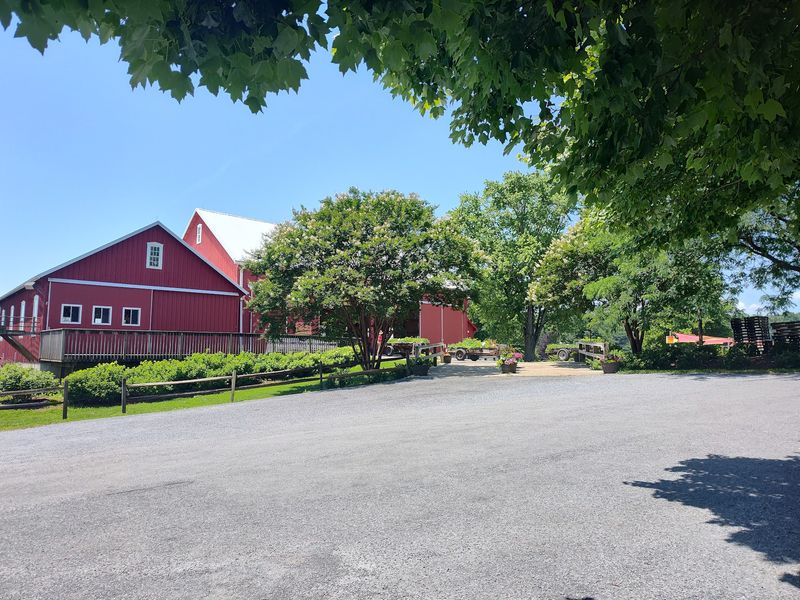
A little planning transforms this trip from good to excellent.
The farm sits in scenic western Howard County, an easy drive from Baltimore, Frederick, and Washington D.C.
Operating season generally runs late May through early November, with hours shifting by season. Through October 31st, expect Tuesday to Friday from 9 AM to 6 PM.
Weekends run 9 AM to 5 PM, and Mondays are closed. Field entry usually shuts thirty minutes before the farm does.
Fall Festival weekends require a weekend festival ticket that covers field entry plus attractions. Weekdays are calmer and use a standard pick-your-own field ticket.
On weekdays, the corn maze, Sudex maze, and Boo Barn are available separately on a pay-on-demand basis.
Check the harvest report immediately before leaving home. Crop conditions can change during the day as weather and demand affect availability.
Wear closed shoes you do not mind getting dusty. Portable restrooms are available behind the silver barn near the picnic area.
Fruit Calendar Worth Bookmarking
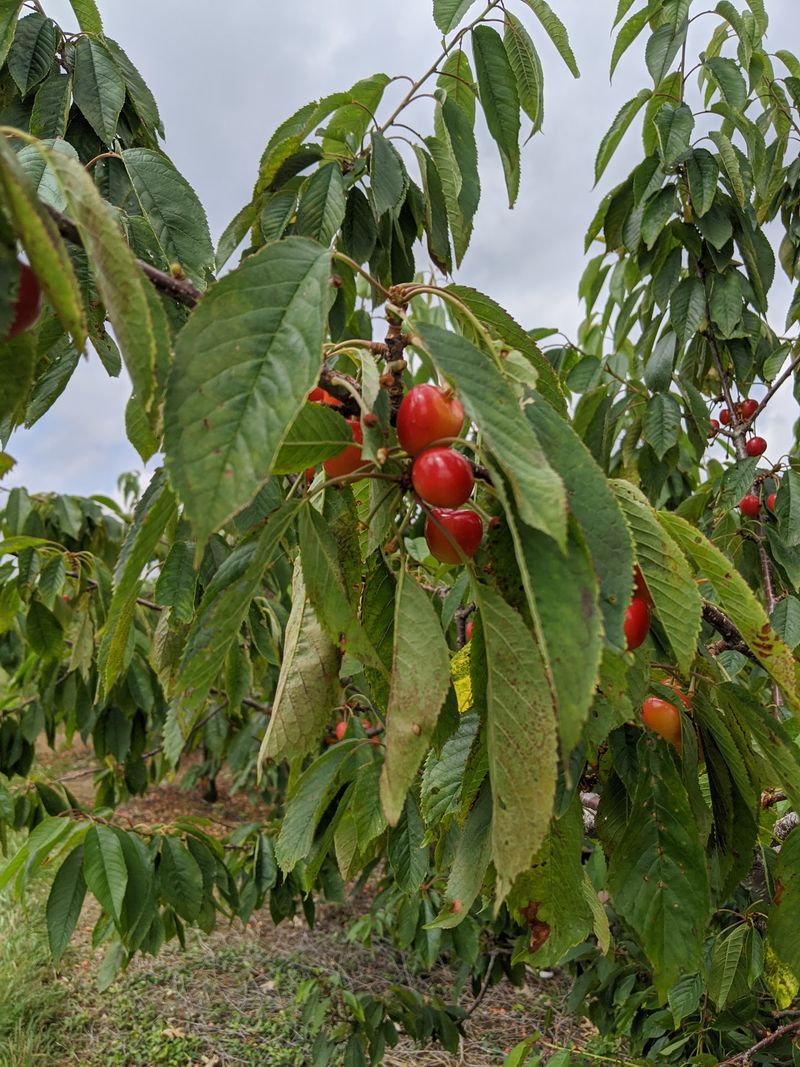
Anyone who thinks of this place as an autumn stop only is missing most of the year.
The harvest calendar here starts in late May or early June with strawberries.
Sweet and tart cherries follow around mid-June. Those sweet cherries stay limited, so timing matters if that is your goal.
Late June brings a berry rush: black raspberries, red raspberries, and blueberries all arrive together. Blackberries roll in shortly after.
Peaches take over mid-to-late summer, and they are messy in the best possible way. Plums, grapes, Asian pears, gooseberries, and currants also grow on the property.
Vegetables run alongside the fruit through summer, including beets, tomatoes, broccoli, cabbage, potatoes, and onions. Pick-your-own flowers are also available beside the market when they are in season.
Wandering rows of blooms with clippers and a bucket is quietly wonderful. Butterflies and bumblebees work the flowers while you build a bouquet.
That steady rotation keeps the main harvest season running from late May into early November, with a separate market schedule continuing later in November.
Different visits can look completely different as the harvest shifts from one crop to the next. That long seasonal range gives repeat visitors a reason to return for entirely different produce.
Farmland Worth Protecting
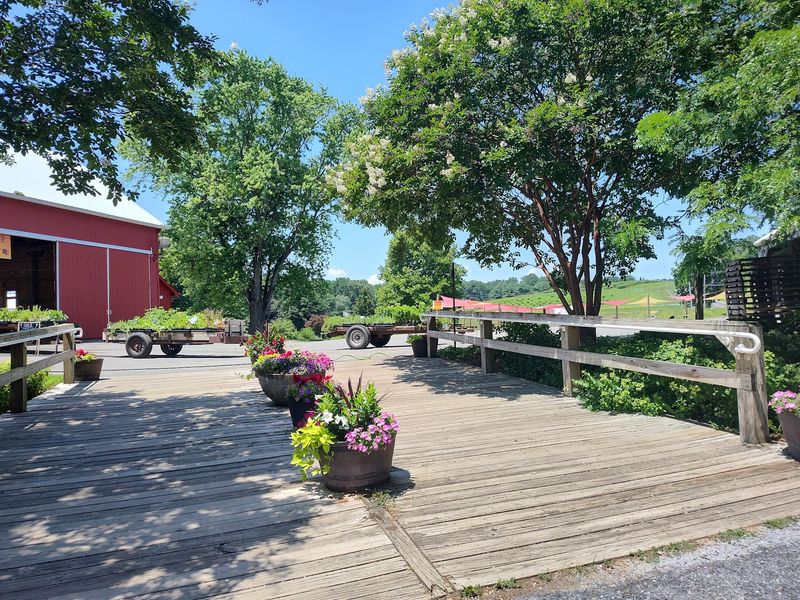
Driving in, the countryside does half the work of the visit. Rolling hills, tidy fencing, and open farmland set a slower pace before you park.
Fifty-plus years of stewardship by one family shaped this landscape. The Moores treat the soil as their most valuable resource, and their practices reflect that.
Growing over twenty crops requires real attention to rotation and land health. The result is fruit picked at true ripeness instead of picked for shipping.
That difference shows up in flavor immediately. An apple eaten within a minute of leaving the tree simply tastes different.
Larriland Farm also functions as a bridge between city life and working agriculture. Visitors see where food actually grows, which is rarer than it should be.
Maryland’s story is not only harbors and highways. Some of it plays out in fields like these, far from any skyline.
Visitors see only the harvest end of a much longer farming cycle. Every marked row represents planning done seasons in advance.
Spending at a working farm directly supports an operation that continues growing crops on this land.