This Little-Known California College Is Surprisingly Affordable And The Campus Views Are Unreal
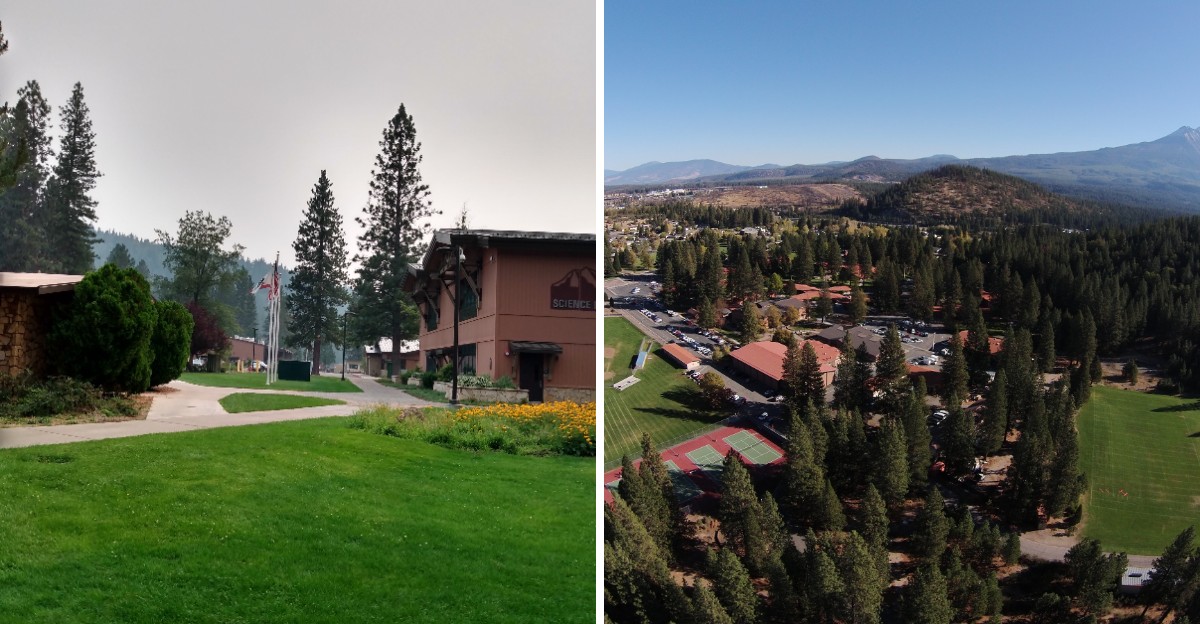
College brochures love talking about beautiful campuses and manageable costs, but finding both in the same place can feel like asking for a little too much.
One lesser-known school makes a surprisingly convincing case.
The setting delivers the kind of mountain scenery that could distract you on the walk to class, while the cost offers a refreshing contrast to the eye-watering price tags associated with higher education.
California college life looks considerably different when mountain views come with tuition that does not immediately cause sticker shock.
That combination makes this campus interesting even if its name rarely comes up in conversations about the state’s better-known schools.
Smaller colleges can be easy to overlook when famous universities dominate so much of the attention.
A beautiful campus will not finish your assignments or make an early class easier, of course.
But if you have to spend hours studying somewhere, having mountains outside the window is hardly the worst arrangement.
The Campus Sits Right At The Base Of Mount Shasta
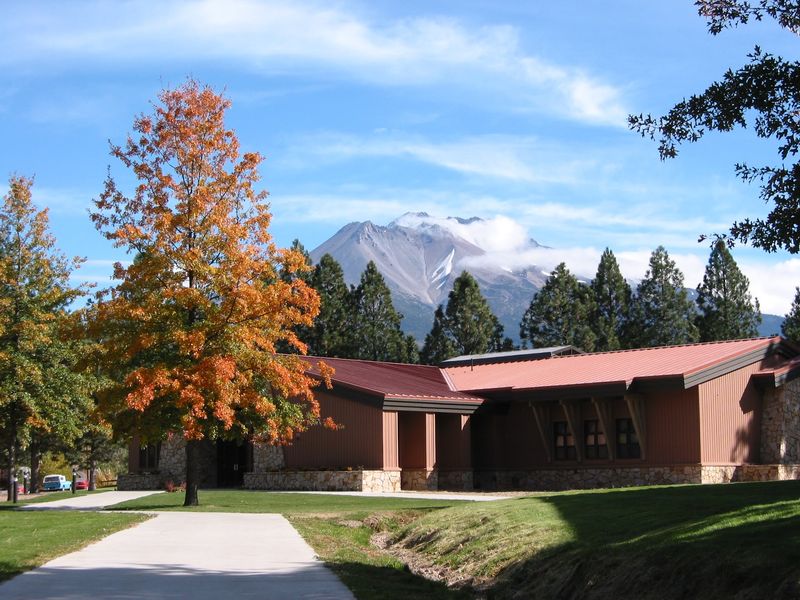
Few classrooms come with a volcano outside the window, but students here get exactly that view.
College of the Siskiyous sits at 800 College Ave, Weed, CA 96094, on the lower slopes beneath Mount Shasta. The mountain rises more than 14,000 feet and fills much of the sky on clear days.
The college itself highlights this setting, and it is easy to see why. Walking between buildings, students and visitors can often catch the white peak peeking over rooftops and trees.
Morning light can turn the snow a soft pink, while afternoon clouds sometimes wrap around the summit and hide it completely.
Weather plays a big part in what the view looks like on any given day. Winter can bring snow to the campus paths, and summer usually offers crisp, clear air with sharp mountain outlines.
Wildfire smoke in some late summers may blur the view, so timing a visit matters for anyone hoping to take photos.
A good tip is to bring a jacket, even in warmer months, since the elevation can make evenings feel cool. Comfortable shoes help too, because the grounds include slopes and outdoor walkways.
Travelers heading north or south on Interstate 5 can reach the campus with a short detour from the highway.
For many people, the first glimpse of the mountain from campus is the moment the school stops feeling ordinary.
California Residents Pay Just $46 Per Unit
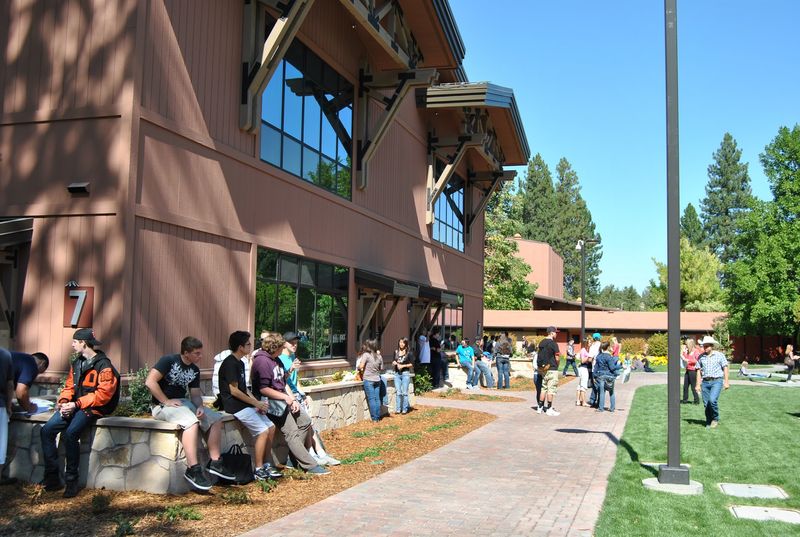
Sticker shock is a common part of college planning, yet the numbers here tell a calmer story.
The college lists its standard enrollment fee at $46 per unit for California residents. A student taking 12 units in a semester would pay $552 in enrollment fees before anything else is added.
That figure is far below what many four-year schools charge, but it is not the full cost of attending.
Students should plan for a health fee, small student activity and center fees, and other charges listed on the college website.
Books and supplies add up as well, and the college estimates those costs separately each year.
Housing and living expenses make the biggest difference in a total budget. Living on campus comes with room and board charges, while commuting from home might keep costs lower.
Financial aid shifts the picture further. Many California community college students qualify for the California College Promise Grant, which may waive the enrollment fee for those who meet the requirements.
Fees can change from year to year, so checking the official cost page before enrolling is the best way to avoid surprises.
Nonresident students pay different rates, and those should be confirmed directly with the college.
The Main Campus Spreads Across 250 Acres
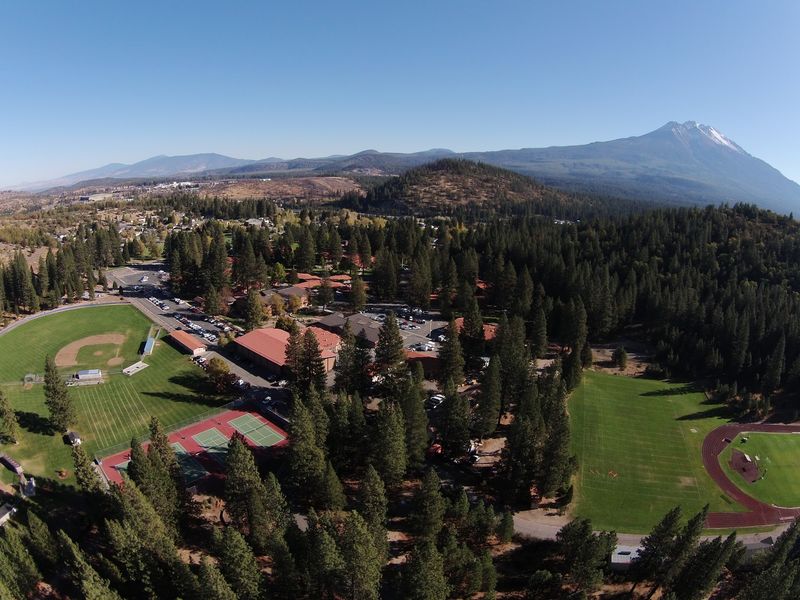
Two hundred and fifty acres is a lot of ground for a school many people have never heard of.
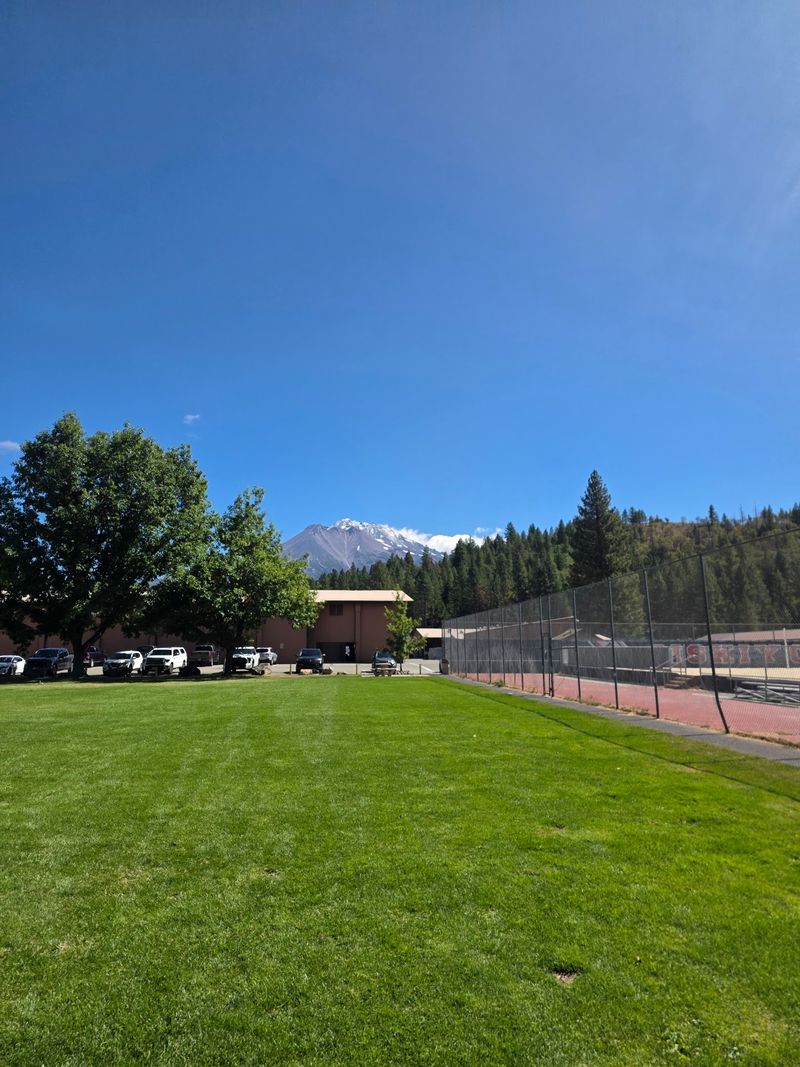
The Weed campus covers that much land, which gives it a roomy, open feel instead of a crowded one. Buildings are spread out with lawns, trees, and parking areas between them.
Space like that changes how a day on campus feels. Students often walk a bit farther between classes, and the paths can include gentle hills.
Fresh air, birdsong, and the sound of wind in the pines tend to replace the traffic noise found at city schools.
The extra acreage also makes room for athletic fields, training areas, and outdoor spaces used for recreation.
A disc golf course on the grounds draws players who enjoy tricky holes and wide mountain views. Walking paths around the campus give visitors a simple way to stretch their legs.
First-time visitors can benefit from grabbing a campus map before setting out. Signs help, but the layout can feel spread out to someone who has never been there.
The size never feels overwhelming, though, because the crowds stay light compared with large universities. Quiet corners are easy to find for reading or simply sitting with a view.
Average Classes Have Only 23 Students
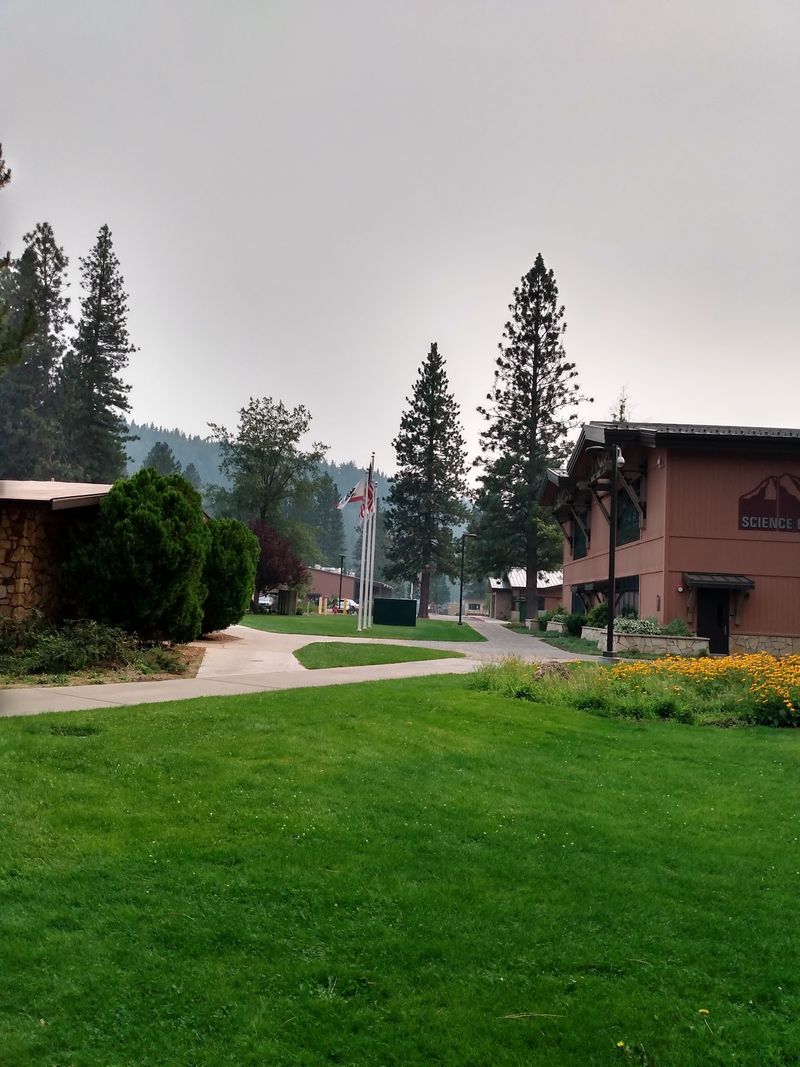
Think back to movie scenes of college lecture halls packed with hundreds of students.
The college reports an average class size of just 23, which looks much more like a high school classroom than a giant auditorium. Numbers like that can shape the whole learning experience.
Smaller groups usually mean instructors learn names faster. Asking a question during class feels less scary when only a couple dozen people are listening.
Group projects and lab work can also run more smoothly with fewer people crowding around each table.
Students who feel lost in big crowds often do better in settings like this. Office hours might be easier to use, and instructors can sometimes offer more direct feedback on assignments.
That kind of attention can help first-year students build good study habits early.
Of course, an average is just an average. Some classes will be larger and others smaller, depending on the subject and the time of day.
Popular courses can fill quickly, so registering early is a wise move.
A practical tip for new students is to introduce themselves to each instructor during the first week.
Sitting near the front, speaking up in discussions, and visiting during office hours all make the most of a small class.
Students Can Actually Live On Campus
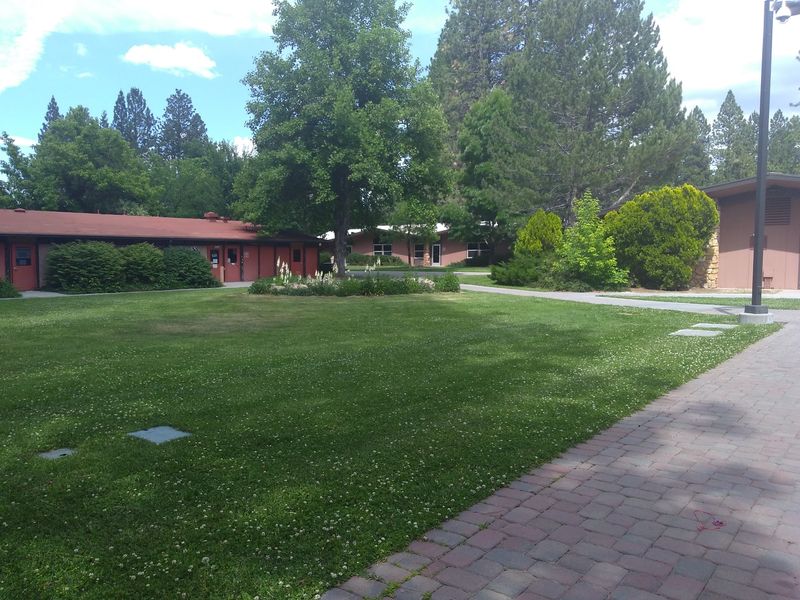
Dorm life is not something most people expect from a community college.
Two student lodges, Juniper Hall and Ponderosa Hall, give the campus a residential side that is rare among California’s two-year schools. Together they have space for 154 residents.
Living on campus can make daily life simpler in a small mountain town. Walking to class takes minutes, and there is no need to worry about icy morning drives in winter.
Students coming from other parts of the state, or from farther away, may find housing is the piece that makes attending possible.
Residence halls also create a built-in social circle. Neighbors in the hallway might become study partners, hiking buddies, or lifelong friends.
Space is limited, so applying early is important. Housing applications, deadlines, and costs are listed through the college, and those details can change from year to year.
Anyone interested should read the housing rules carefully, since dorm living usually comes with guidelines about guests, quiet hours, and shared areas.
Packing for the mountains matters too. Warm bedding, a good coat, and waterproof shoes can make a big difference once the snow arrives.
Even More Student Housing Is On The Way
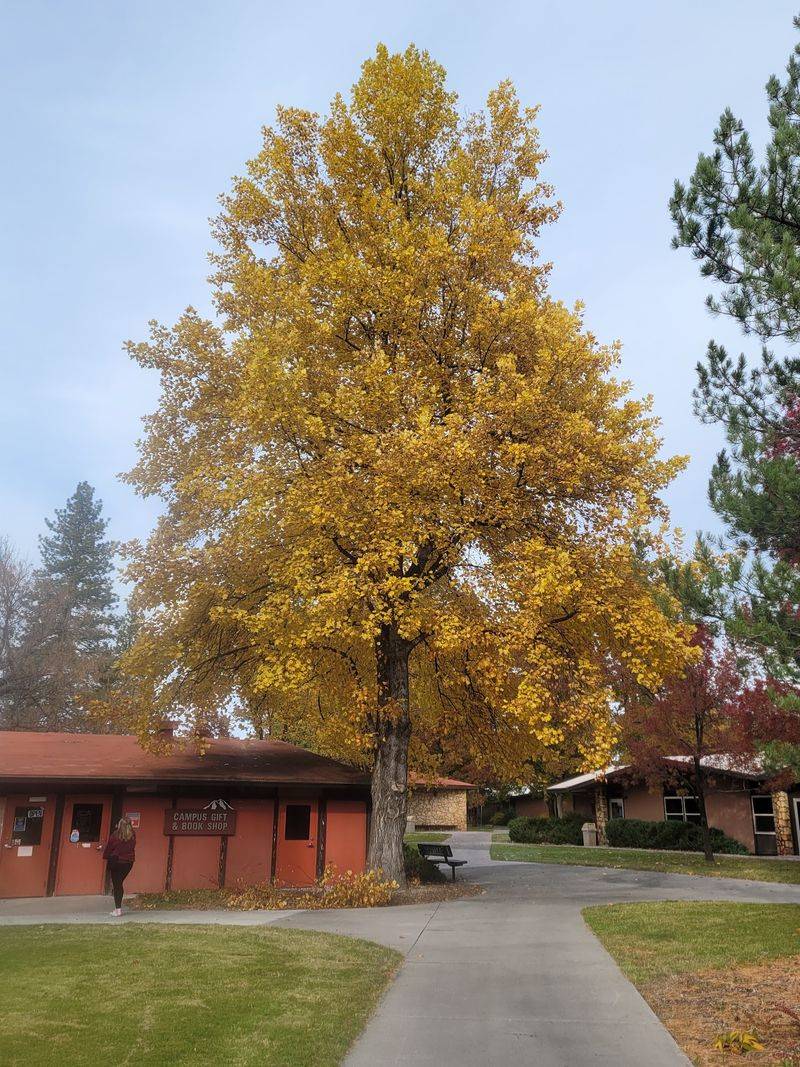
Growth is happening on campus, and a construction site is part of the proof.
The college is building a new 36,000-square-foot student housing facility with 83 rooms. Once finished, it is expected to open in fall 2027.
Plans for the building include a mix of single and double rooms. College materials also describe community kitchens, laundry facilities, study rooms, game rooms, and shared lounge spaces.
The project is expected to add well over a hundred beds to the housing already available at Juniper Hall and Ponderosa Hall.
New housing matters because finding an affordable place to live can be one of the hardest parts of going to college. Rural areas often have fewer rental options, and prices can still stretch a student budget.
More on-campus rooms could open the door for students who might otherwise skip college altogether.
Construction schedules sometimes shift, so the opening date should be treated as a goal rather than a promise. Students planning to enroll around that time should check the housing office for updated news.
The project is state funded, according to the college, which helps keep the goal of affordable housing in reach.
The Surrounding Landscape Becomes Part Of The Classroom
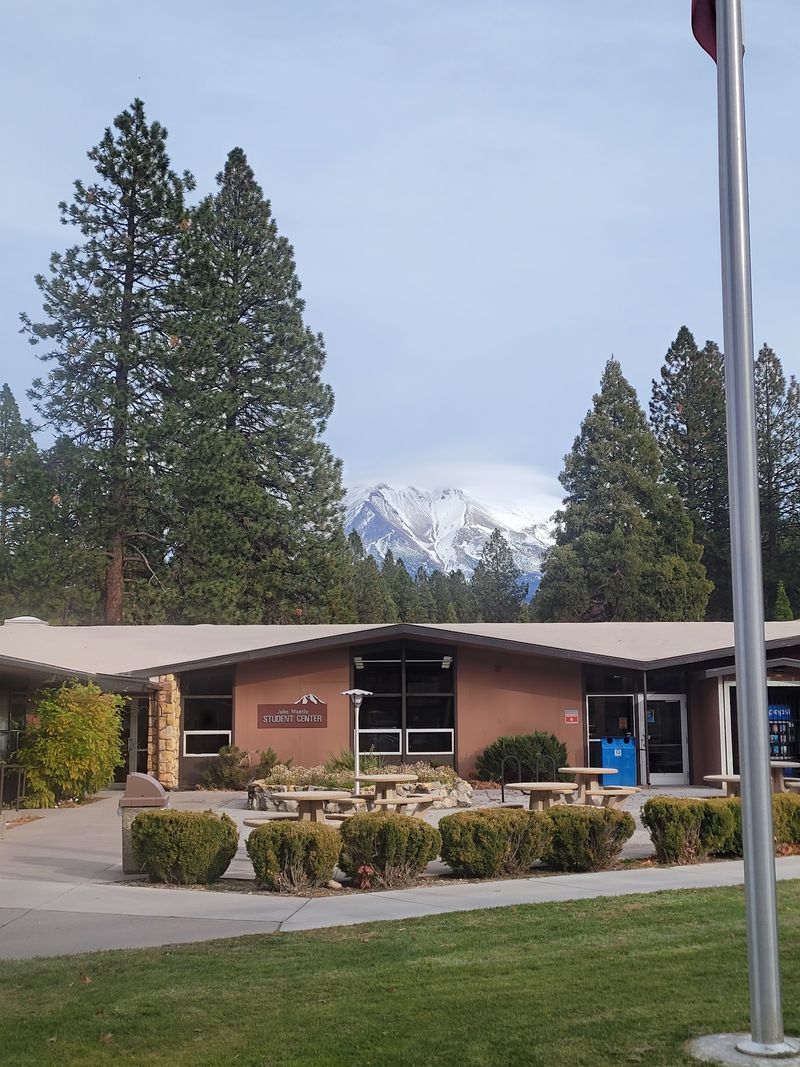
Rocks, rivers, and tall pines do more than look pretty around this school. The college describes its mountains, forests, lakes, and streams as an outdoor workshop for learning.
Geology students have a rare advantage living beside a large volcano. Mount Shasta is a stratovolcano, and the region shows off lava flows, volcanic rock, and mountain landforms that textbooks can only describe.
Art students can find endless subjects in the changing light on the peak, the colors of fall leaves, and fresh snow on the trees.
Life science courses can use nearby forests and waterways to study plants, animals, and ecosystems up close. Physical and recreational education classes also draw on the outdoors.
Learning outside comes with a few practical needs. Layers of clothing, sturdy footwear, sunscreen, and a water bottle are smart to keep in a backpack.
Hands-on outdoor learning can turn a regular class into something memorable. Students who enjoy fresh air may find that fieldwork gives them a deeper connection to what they study and to the land around them.
Students Can Choose Traditional Academics Or Hands-On Career Training
Some students dream of lab coats and research papers, while others want tools in their hands by next semester.
The college serves both groups with a wide mix of programs. Choices stretch from classic academic subjects to practical career training.
On the academic side, programs include biology, engineering, environmental science, and psychology.
Those subjects can build a strong base for students who plan to keep studying after community college. Arts, humanities, and mathematics are also part of the offerings.
Career and technical programs cover fields such as nursing, welding, fire technology, emergency medical services, and administration of justice.
Programs like these focus on skills that connect directly to local jobs and public service work. Some classes may be offered in the evening, which can help working adults fit school into busy schedules.
Picking a path can feel confusing at first. Meeting with a counselor early helps students map out required courses and avoid taking classes that do not count toward their goals.
Program details, prerequisites, and schedules can change, so the official catalog is the best source for current information.
There’s A Full Emergency Services Training Setup
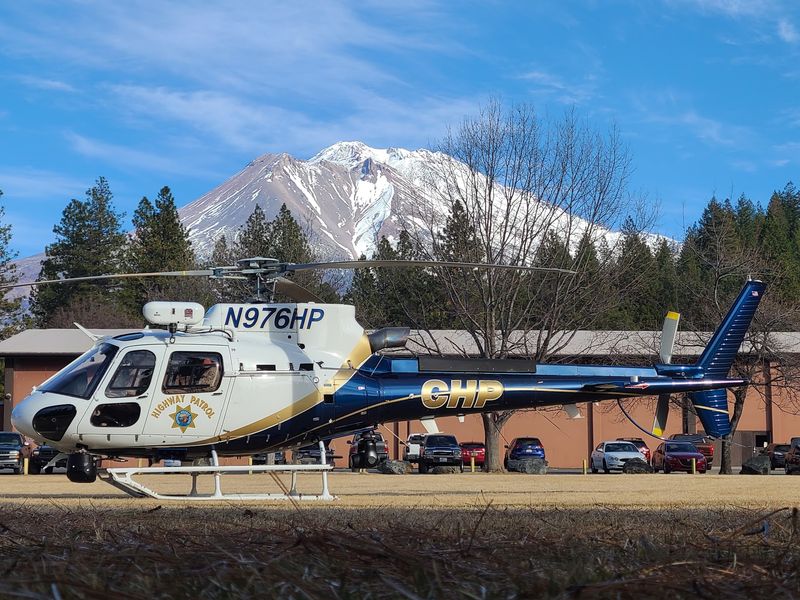
Sirens and smoke are not usual sights at a college, but emergency training is serious business on this campus.
Facilities include a fire tower, a tactical training center, and an emergency services training center. Having all three on one campus gives students a realistic place to practice.
The Fire/Emergency Response Technology Program is an accredited regional academy for the California State Fire Marshal’s Office.
That status means the training follows state standards, and students can work toward certifications such as Firefighter I, Firefighter II, and Company Officer.
A fire tower lets trainees practice climbing, ladder work, and hose drills in a controlled setting.
The tactical and emergency services centers support scenarios that feel closer to real calls than classroom lectures ever could.
Programs in this field often involve early mornings, safety gear, and strict attendance rules. Asking program staff about schedules, costs for equipment, and physical requirements is a smart first move.
Mountain communities face wildfires, winter storms, and highway emergencies, and trained responders are always needed. Learning in a region that faces those challenges gives the training a very real purpose.