This Georgia Art Store Is Packed With Donated Craft Supplies At Surprisingly Low Prices
Every crafter owns a secret stash. Half-used skeins of yarn.
Paint tubes still waiting for the right project. Fabric bought on a whim and never touched again.
In one Georgia shop, all those forgotten supplies get a second chance.
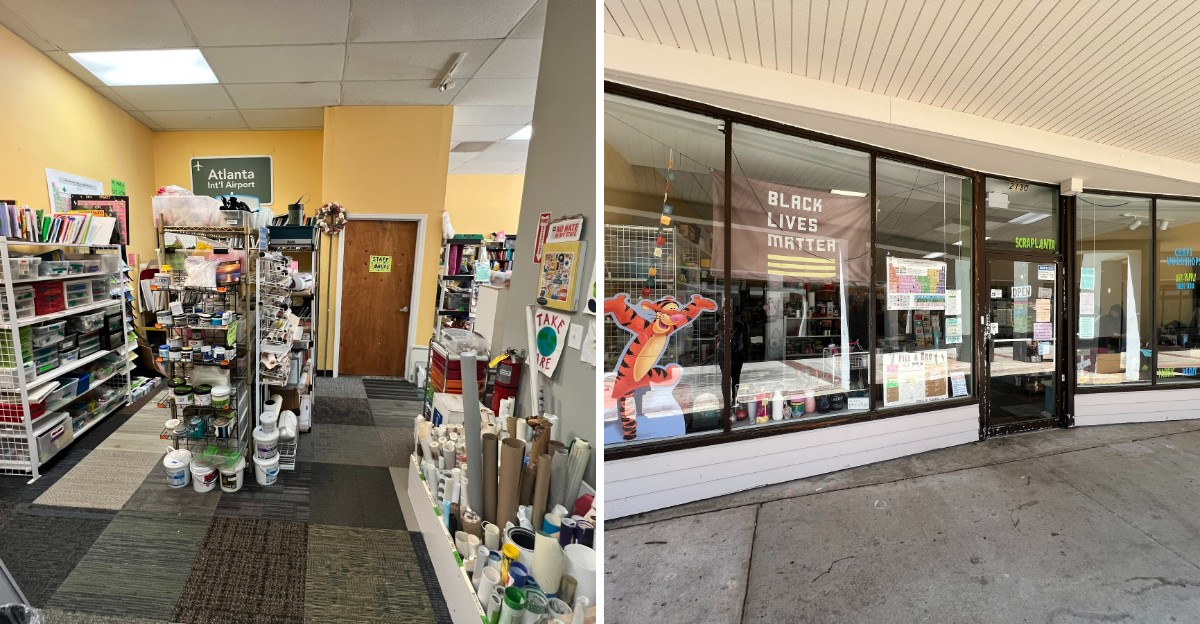
The shelves overflow with donated materials, and the variety feels endless. Beads, ribbons, markers, paper, buttons, and things you never knew you needed.
Every visit brings a new mix. What sits on the shelf today might be gone tomorrow, which makes browsing half the fun.
Then come the prices. They are low enough to make you double-check the tag.
A full project can come together for the cost of a fancy coffee.
I love a place that turns leftovers into possibilities. For artists, teachers, and weekend dabblers across Georgia, this one feels like permission to create more and spend less.
A Store Built Around Second Chances
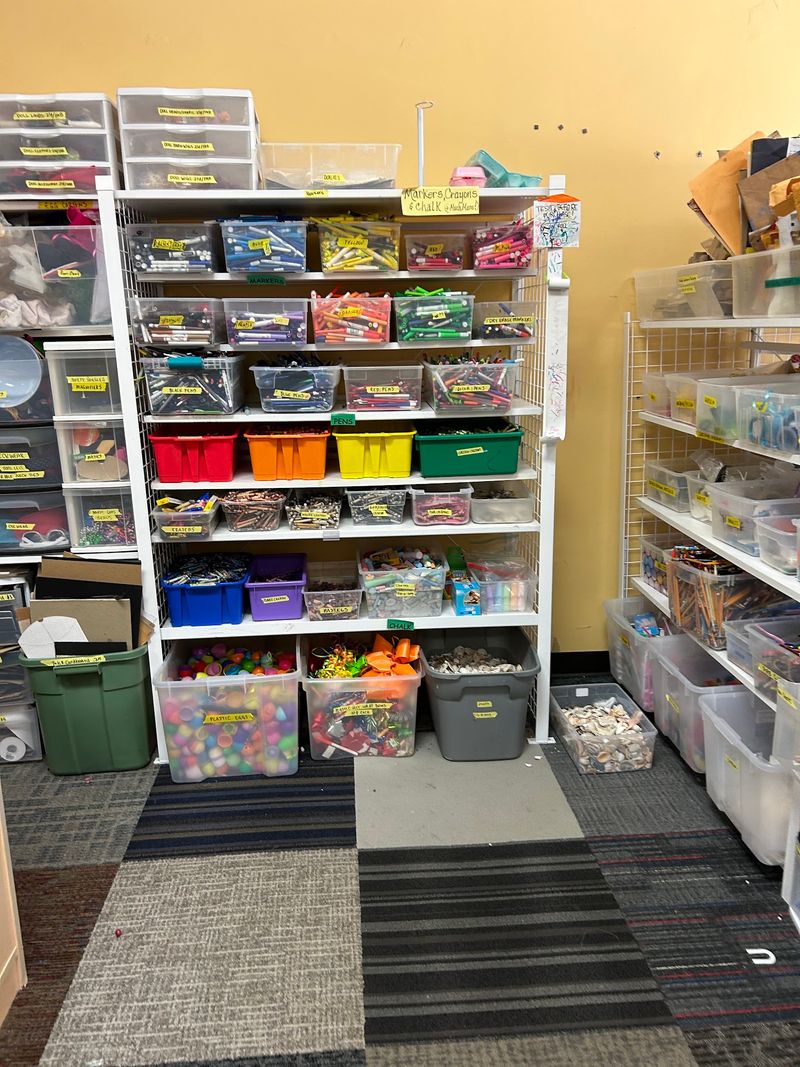
My favorite kind of shopping starts with an unexpected question: What could this become? Every item here was donated, so the shelves offer supplies another chance to be useful.
A roll of ribbon might finish a card, while spare paper could start a whole project. That makes browsing feel more like gathering ideas than following a strict shopping list.
The shop accepts new and gently used art, classroom, party, and office supplies from the community. Instead of sending useful materials away, it helps put them into creative hands.
I would bring a short list, then leave room for one surprise that fits my plans. That small rule keeps a bargain from turning into a drawer full of forgotten supplies.
There is a bigger purpose behind the low shelves and colorful bins, too. Sales support a nonprofit working to make art more accessible and reduce waste.
The idea is simple enough for a young crafter to understand: use what already exists. It also gives experienced makers a reason to rethink what counts as valuable.
Nothing says creativity must begin with a sealed package and a full-price receipt. Sometimes it begins with a leftover piece that fits just right.
Before visiting, I would check my own supply box for gaps rather than buying duplicates. That makes each donated find more useful when I get home.
The physical shop opened in October 2022, adding another place to practice creative reuse.
For anyone planning a first trip, the destination is Scraplanta Creative Reuse – ScrapTucker, 2130 Henderson Mill Rd, Atlanta, Georgia.
Prices That Leave Room To Experiment
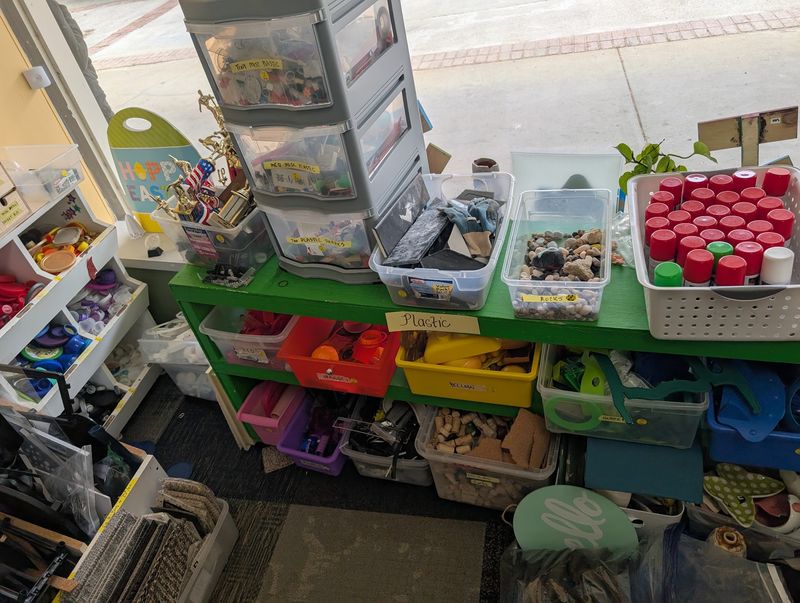
A ten-cent find can make a big idea feel much less risky. Materials here are priced low on purpose, helping more people try art without spending heavily.
Items are typically sold at 50 to 75 percent of their average retail price. Some supplies can cost as little as ten cents, though prices depend on the item.
I like that freedom when testing a craft I have never tried before. A small purchase feels easier than buying a large new pack I might barely use.
Low prices can also help families gather supplies for an afternoon project. A few different materials may spark more ideas than one expensive kit.
Teachers have another reason to pay attention: the organization offers special discount days for them. Checking current details before visiting helps make that benefit easier to use.
Still, a bargain works best when it has a job waiting at home. I would choose colors, sizes, and tools that suit a real project.
The money spent here does not simply vanish into a bargain bin. Store sales help cover rent, staff salaries, and the programs that keep the organization running.
That connection makes a modest purchase feel useful in more than one way. A shopper gets materials, while the shop gains support for its work.
Prices may tempt me to grab every cheerful scrap in sight. A quick budget keeps the fun focused and leaves plenty for other makers.
For a first visit, try planning one project and setting a small spending limit. The result can be creative without making your wallet nervous.
Fabric, Yarn, And Button Possibilities
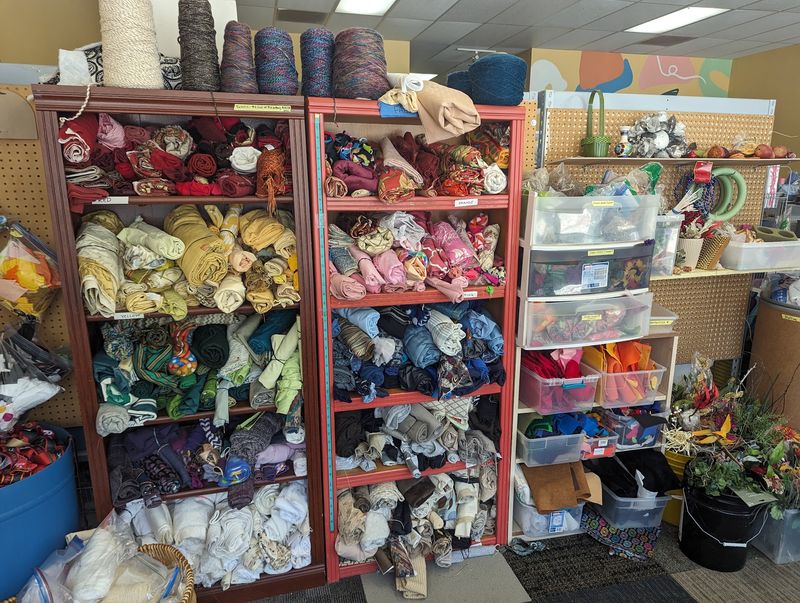
Loose buttons look small until they become the best part of a handmade card. Fabric remnants and yarn offer the same playful challenge: make something from the piece available.
These materials are among the supplies shoppers may find on the shelves. Stock changes, so a particular color, pattern, or amount is never guaranteed.
I would measure a project before searching for cloth. A remnant can work well for a patch, small pouch, collage, or practice piece.
Yarn deserves a similar check, especially when a project needs matching strands. For a smaller craft, mixed colors could be the whole point.
Buttons can brighten a simple paper project or add detail to a sewn one. Keeping a few useful sizes in mind helps avoid collecting dozens without a plan.
Texture makes this section especially fun to browse. Smooth thread, soft fabric, and hard little fasteners each suggest a different way to build.
Before buying, I would inspect donated pieces for the size and condition my project needs. A quick look saves time once scissors and glue come out.
Beginners can use inexpensive remnants to practice cutting and stitching. That takes some pressure off getting every line right on the first attempt.
Experienced makers may enjoy working around an unusual shape or limited amount. A small constraint can turn into a clever design choice.
If your supply drawer needs color, start with one manageable piece. Let the project decide what else deserves a trip home.
Paper Goods With Plenty Of Potential
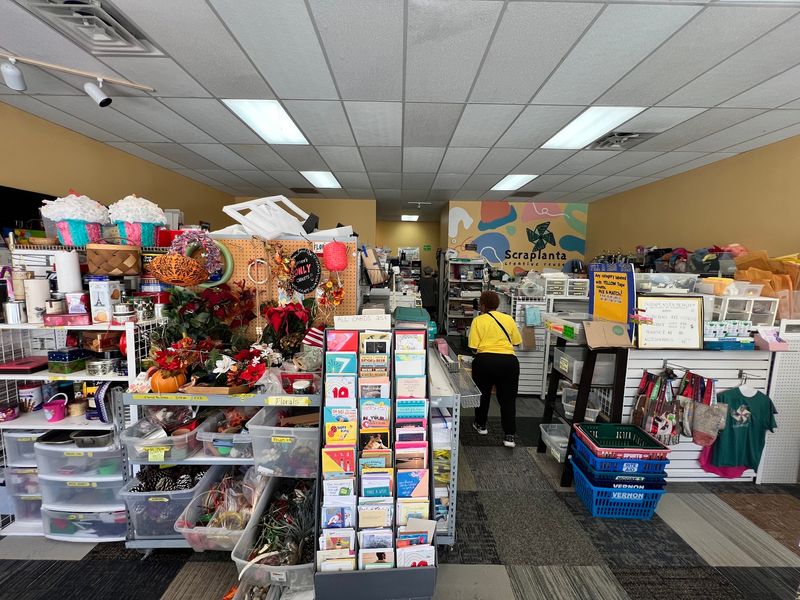
Paper has a funny habit of becoming a project before I know what the project is. A useful sheet might turn into a card, drawing, collage, or handmade booklet.
The shop carries various paper goods alongside other donated art and classroom materials. Because donations shape the selection, it pays to browse with flexible plans.
For a school task, I would check the paper size before thinking about color. A bright sheet will not help much if it does not fit the assignment.
For an art project, though, an odd size could be exactly what sparks an idea. Layers of different paper can give a simple design more depth.
Small pieces deserve a look, too. They can become labels, page accents, test patches, or practice space for a new technique.
I would carry a folder to keep delicate finds flat on the way home. That is especially handy when several sheets need to stay clean and separate.
Buying only what a project requires helps stretch a modest budget. It also keeps the next shopper supplied with options for their own work.
Paper can make creative time easier for families. One stack may support drawing, folding, cutting, and decorating without a complicated setup.
The changing assortment adds an honest little surprise to each visit. Rather than expect a matching set, I would watch for colors that work together.
A few carefully chosen sheets can go a long way. Sometimes the simplest material carries the biggest idea.
Paint And Brushes For Small Starts
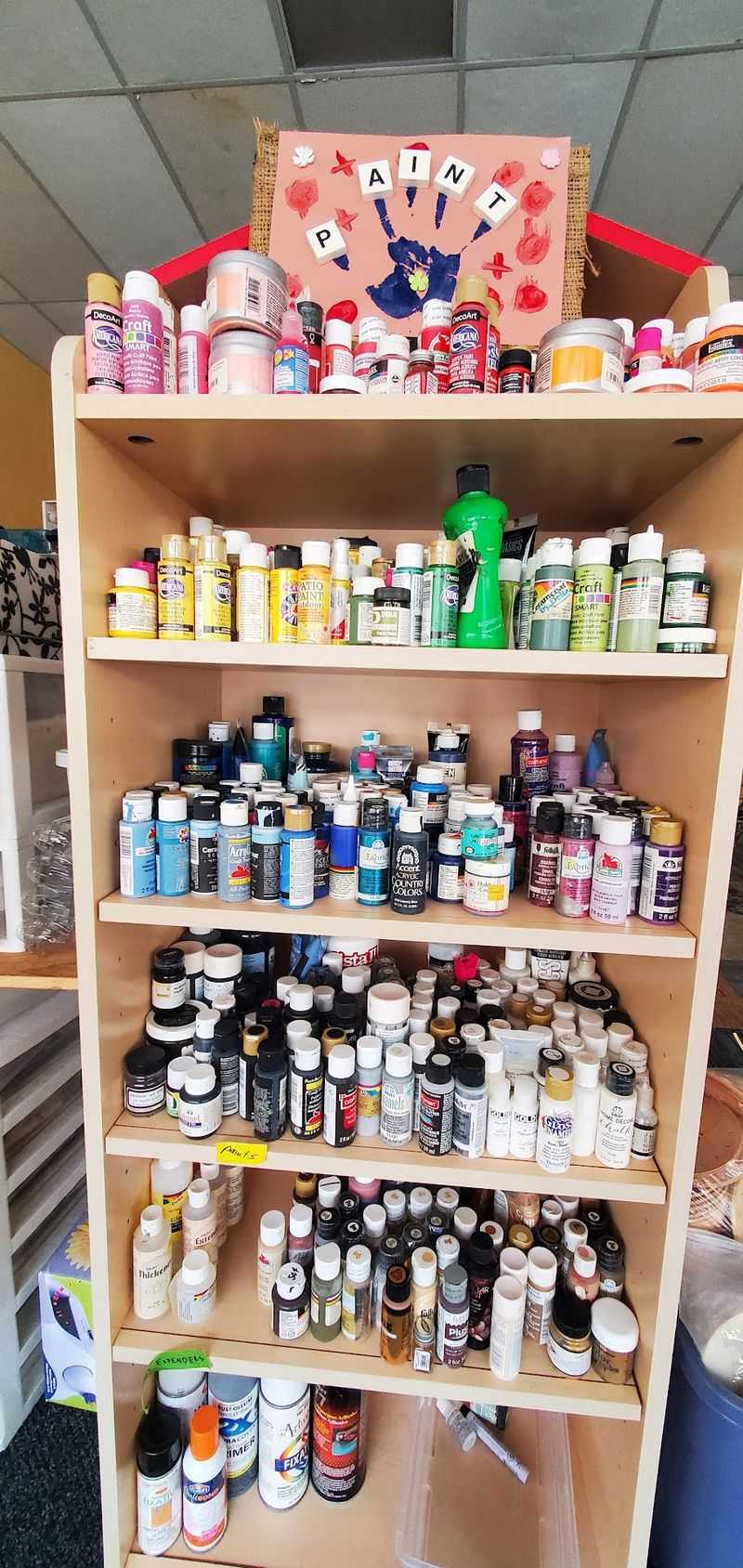
A spare brush can rescue a rainy afternoon from becoming a screen marathon. Paints, brushes, and crayons are among the materials this shop receives and sells.
That range gives shoppers options for different ages and skill levels. A child might want crayons, while an artist might search for another brush.
I would begin by checking what a project actually needs. A tiny painted detail calls for something different from a broad background.
Brushes deserve the same attention. Their shape and bristles matter more than how exciting they look in a cup.
Trying a technique with secondhand tools can keep the first attempt affordable. There is less pressure to make a masterpiece before learning the basics.
Crayons offer another easy way to start. They work for quick sketches, family crafts, and testing colors before committing to paint.
The selection can shift as donations arrive, so I would not count on a particular shade. A flexible color plan makes browsing more useful and more enjoyable.
Odd Finds For Original Projects
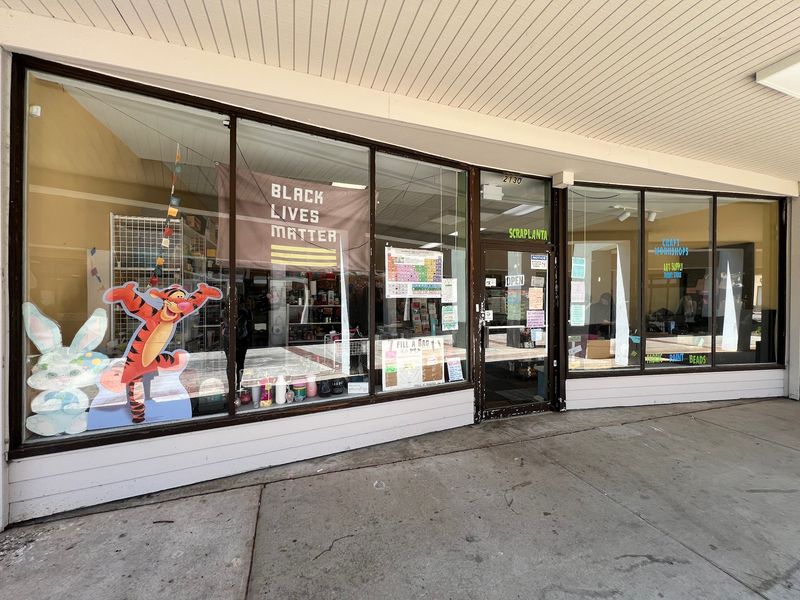
A trophy beside a picture frame sounds like the start of a very unusual craft plan. Both are examples of items that may appear among the donated supplies.
Shoppers can also encounter beads, ribbons, cardboard boxes, architectural samples, and vintage sewing patterns. That variety is what makes a creative reuse store different from a standard craft aisle.
I would give an unfamiliar object one minute of thought before passing it by. Could it support a collage, hold supplies, or teach me a new skill?
A frame, for example, could be useful when a finished piece needs a home. A box may help organize materials before the actual making begins.
Sewing patterns can offer ideas as well as instructions. Checking their pieces and condition first helps reveal what work they might require.
Small decorative items deserve a purpose, too. Beads and ribbon can add detail without taking over an entire project.
The best finds are not always the strangest ones. Sometimes a plain material solves a problem I have put off for weeks.
Since stock changes, a photo of a future project might help while browsing. It gives me a reference when sizes and colors are hard to remember.
A Useful Stop For Teachers And Families
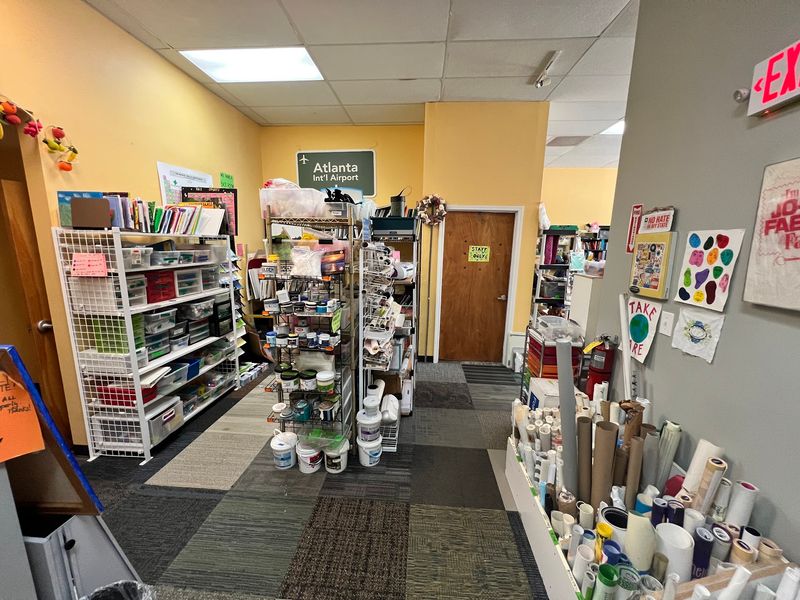
Classroom projects can ask for a surprising number of little things. Donated supplies here include classroom materials, craft kits, and other useful items for making.
That mix can help a teacher plan an activity without buying everything new. Special discount days for teachers add another reason to check current store information.
Families can benefit from the smaller finds, too. A few crayons, sheets of paper, or craft pieces may be enough for an afternoon.
I would let a child choose a project idea before shopping. Having a goal makes it easier to pick supplies that will actually get used.
For a group, simple materials often work best. Paper, buttons, and fabric pieces can lead to different creations without complicated directions.
Older students might look for tools to test a new interest. Secondhand materials can make that first attempt easier on a limited budget.
Stock is never fixed because the shop relies on donations. Teachers preparing a specific lesson should leave time to find substitutes if needed.
Donations That Keep Creativity Moving
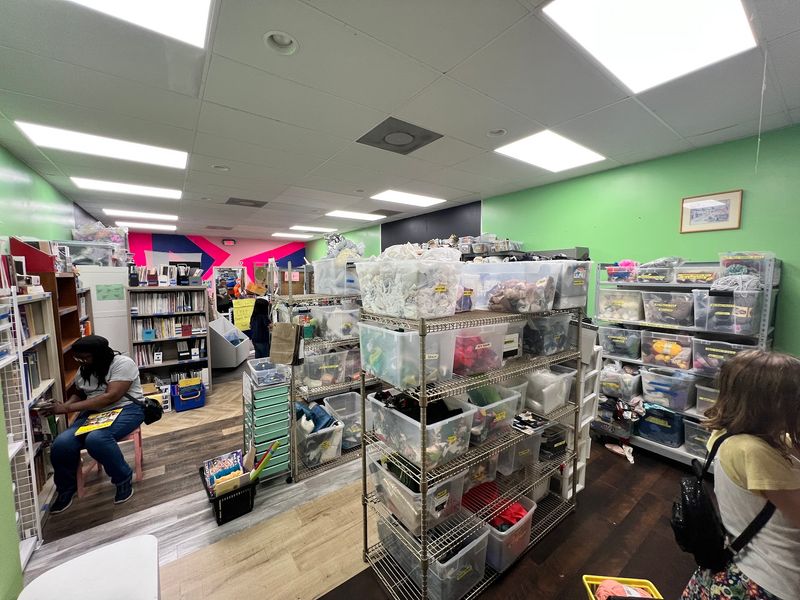
My craft drawer can tell when a hobby has changed. Supplies I no longer need might become exactly what another maker is looking for.
The organization accepts new and gently used art, classroom, party, and office materials. Those community donations make up the store’s entire inventory.
A small donation that fits in one grocery bag or box can be brought during retail hours. Larger amounts require a scheduled appointment, so planning ahead keeps drop-off simple.
I would sort items at home before packing them. Checking their condition helps make sure the materials are ready for someone else to use.
It also helps to group similar things together. Paper with paper and sewing supplies with sewing supplies are easier to handle and understand.
Donating does not mean giving away every unfinished idea. I would keep what I genuinely plan to use and pass along the rest.
The process has an appealing balance. Shoppers find affordable materials, while donors clear space without treating useful things as waste.
Excess donations can sometimes help community partners with other projects. That gives some supplies a path beyond the retail shelves.