This Georgia Shoreline Offers A Beach Experience Unlike Anywhere Else
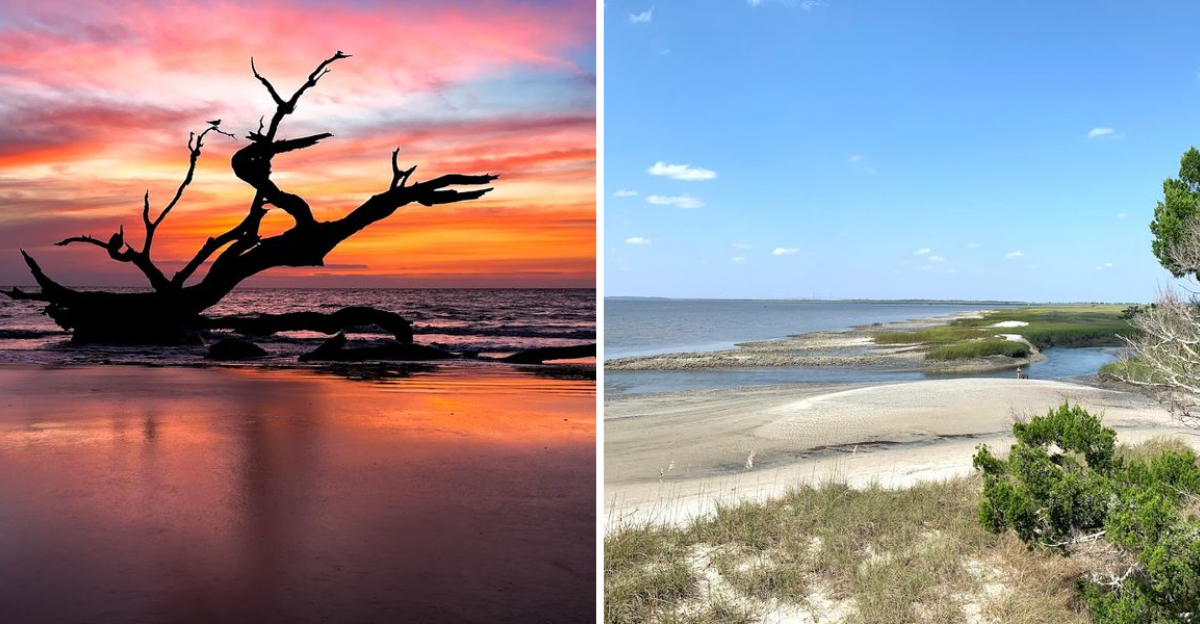
Driftwood rises from the sand like sculptures, waves move in slowly, and everything feels just a little quieter than you expected. Jekyll Island, Georgia offers a coastal experience that leans into nature, history, and a pace that invites you to slow down.
The landscape is what sets it apart. Wide beaches, maritime forests, and winding bike paths create a setting that feels open and easy to explore. It is not just about sitting by the water, it is about moving through it, discovering new corners as you go.
There is also a deeper layer waiting to be explored. Historic homes from the Gilded Age, preserved and open to visitors, tell stories of a very different time. At the same time, wildlife, including nesting sea turtles, adds a living, ever-changing element to the island.
The balance is what makes it memorable. You can spend a morning exploring history, an afternoon by the ocean, and an evening simply enjoying the quiet.
For anyone looking for a beach destination that feels natural, thoughtful, and refreshingly calm, Jekyll Island delivers an experience that stays with you long after you leave.
1. Pristine Beaches Stretching 10 Miles
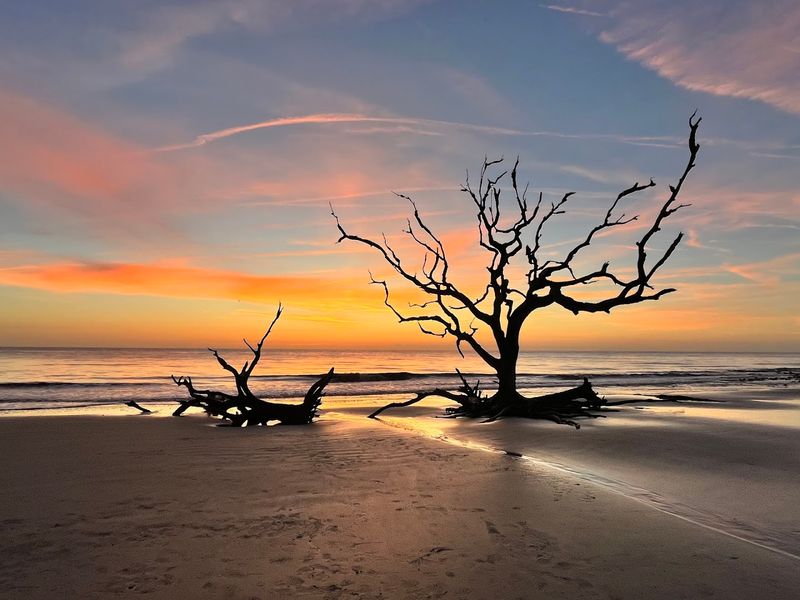
Few beaches in the American South can claim ten uninterrupted miles of shoreline without a single high-rise blocking the horizon. Jekyll Island’s beaches feel genuinely open, with wide stretches of fine sand that give every visitor plenty of breathing room. The development cap on the island limiting construction to just 35 percent of its total land area is what keeps this coastline so refreshingly uncrowded.
Morning walks here tend to feel almost meditative, with the sound of waves as the only real soundtrack. The sand stays relatively firm near the waterline, making it comfortable for strolling, jogging, or pushing a beach cart. Families often spread out across large sections without ever feeling like they are crowding anyone else.
Weekdays are noticeably quieter than weekends, so arriving midweek offers the most peaceful experience. Parking is available at multiple beach access points, and the entrance fee to the island is modest compared to other Georgia coast destinations.
2. Driftwood Beach — A Photographer’s Dream
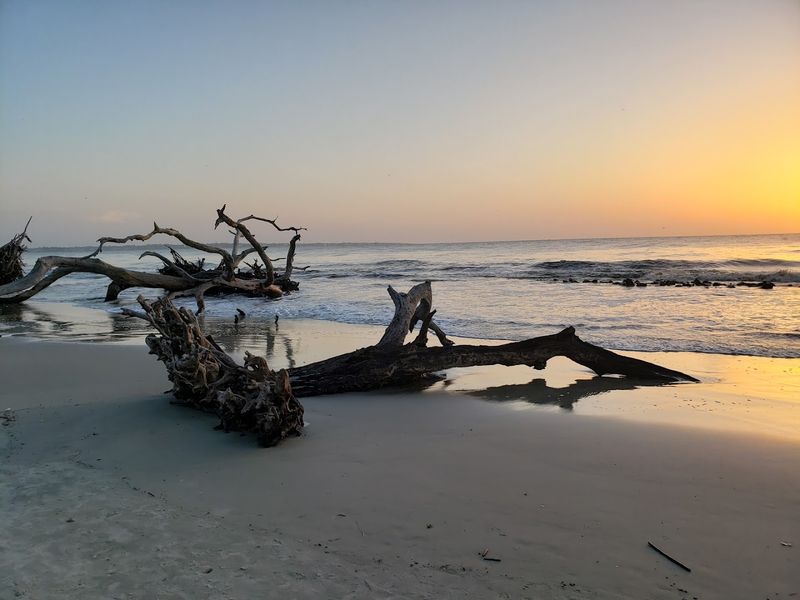
Driftwood Beach looks like something out of a fantasy film set and yet it is entirely real, entirely free to visit, and entirely unforgettable. Located on the northern end of Jekyll Island, this stretch of shoreline is covered with the ghostly remains of ancient oak and cedar trees, their sun-bleached trunks and tangled roots frozen in dramatic poses along the waterline.
The beach sits near the Jekyll Island Club area and is accessible by foot or bike. Photographers flock here at sunrise and sunset when the golden light turns the pale wood into something almost glowing. Couples use it for engagement photos; families use it for holiday card shots; solo travelers use it simply to sit quietly and take it all in.
Low tide reveals even more of the sculptural root systems, so checking the tide chart before visiting is a smart move. There is no admission fee specifically for Driftwood Beach beyond the standard island entry.
3. The Jekyll Island Club Resort and Historic District
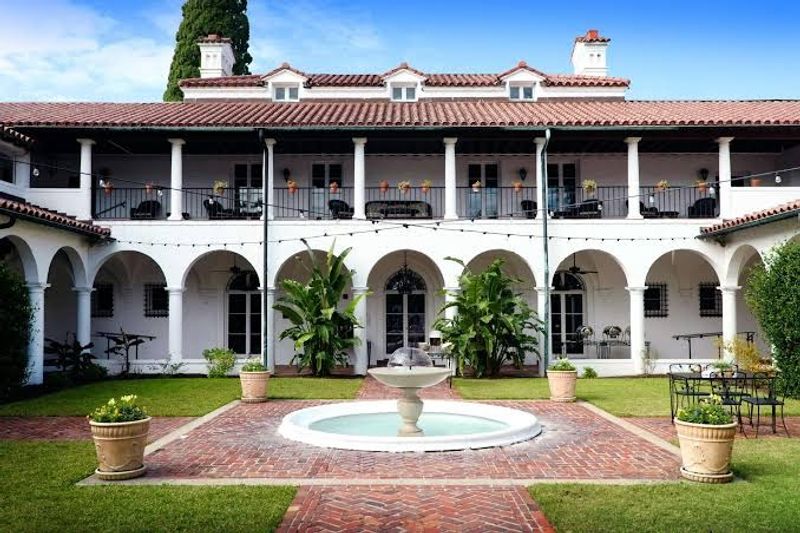
Back in the late 1800s, the wealthiest families in America Rockefellers, Vanderbilts, Pulitzers, and Morgans among them chose Jekyll Island as their private winter retreat. What they left behind is a 240-acre National Historic Landmark District filled with 34 restored structures that tell the story of Gilded Age excess and elegance. The Jekyll Island Club Resort, located at 371 Riverview Drive, Jekyll Island, GA 31527, anchors the entire district with its unmistakable Victorian architecture.
Guided tours of the historic district run regularly and offer a fascinating look at how America’s elite once lived during the winter months. The cottages many of which are more like small mansions have been meticulously restored and are open for touring. Some are available as overnight accommodations through the resort.
Even without booking a room, walking through the district is worthwhile. The moss-draped live oaks lining the paths create a canopy that feels both dramatic and serene, especially in the late afternoon light.
4. Georgia Sea Turtle Center — Conservation Up Close
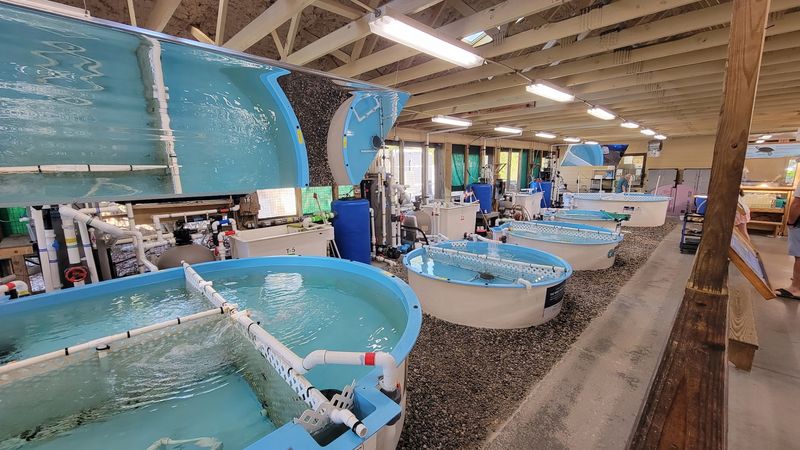
Somewhere between a museum and a working wildlife hospital, the Georgia Sea Turtle Center manages to be both deeply educational and genuinely moving. Located at 214 Stable Road, Jekyll Island, GA 31527, this facility rehabilitates injured and sick sea turtles before releasing them back into the Atlantic Ocean. Visitors can watch the rehabilitation process through viewing windows and learn about each turtle’s individual story.
The center focuses heavily on loggerhead sea turtles, which nest along Georgia’s coast in significant numbers each summer. Interactive exhibits explain the threats turtles face from boat strikes to fishing line entanglement and what conservation teams are doing to address them. Kids tend to find the experience both exciting and thought-provoking in equal measure.
Admission is affordable, and the center is open most days of the year. Arriving early on summer mornings gives visitors a better chance of seeing active rehabilitation work in progress. The staff is knowledgeable and genuinely enthusiastic about sharing what they do.
5. Over 24 Miles of Flat Biking Trails
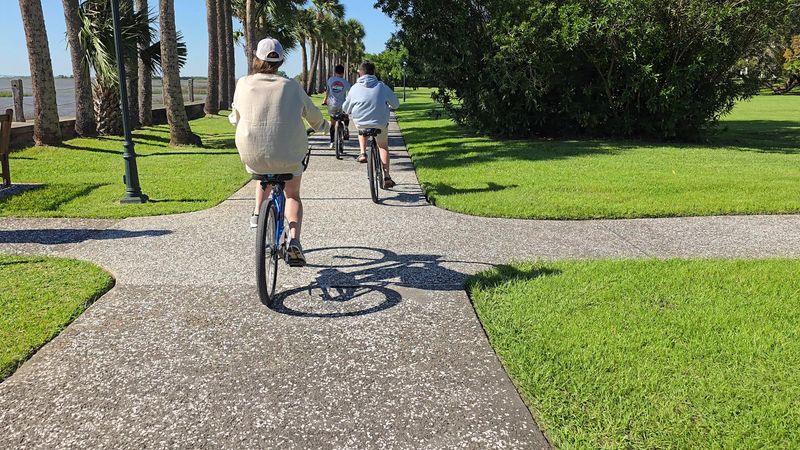
Renting a bike on Jekyll Island might be one of the best decisions a visitor can make. The island has over 24 miles of paved, flat bike trails that wind through maritime forests, past salt marshes, along the beach, and through the historic district connecting nearly every major attraction without requiring a car. The terrain is genuinely flat, making it accessible for riders of all ages and fitness levels.
Bike rentals are available from multiple locations on the island, including near the Jekyll Island Club area. Cruiser bikes, tandems, and bikes with child carriers are typically available. Most rental shops offer half-day and full-day options, and prices tend to be reasonable.
The trails feel peaceful and shaded for much of their length, thanks to the canopy of live oak trees draped in Spanish moss. Early mornings are especially pleasant for biking, before the midday heat sets in. Carrying water and sunscreen is strongly recommended regardless of the season.
6. Four Golf Courses Set in Scenic Landscapes
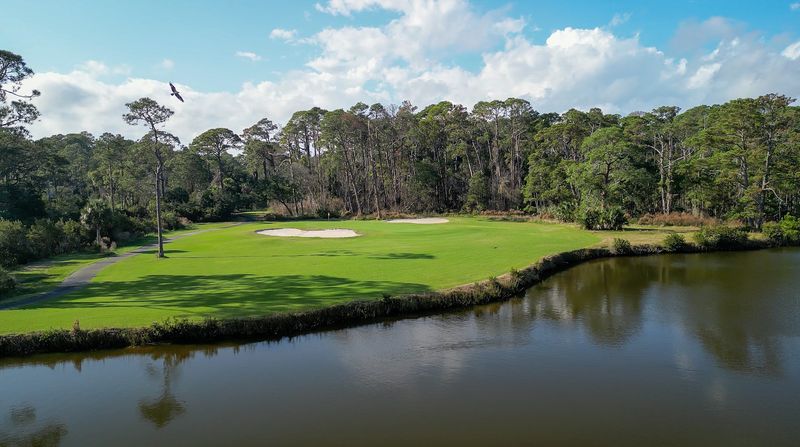
Golf on Jekyll Island has a history that stretches back over a century, and the courses here carry that legacy with a relaxed, unpretentious character that serious golfers and casual players both appreciate. The island is home to four courses Pine Lakes, Oleander, Indian Mound, and the historic Great Dunes each offering a distinct layout and atmosphere. Jekyll Island Golf Club, located at 322 Captain Wylly Road, Jekyll Island, GA 31527, manages the courses and offers tee time reservations.
Great Dunes is the most historically significant, originally built in 1898 and considered one of the oldest golf courses in the southeastern United States. The courses wind through live oak groves and alongside salt marshes, offering scenic views that go well beyond the typical fairway backdrop. Wildlife sightings mid-round are genuinely common.
Green fees tend to be more affordable than comparable coastal courses in the region. Carts, club rentals, and a pro shop are available on-site. Tee times book up quickly on weekends, so planning ahead is worthwhile.
7. Local Seafood Dining With a Coastal Soul
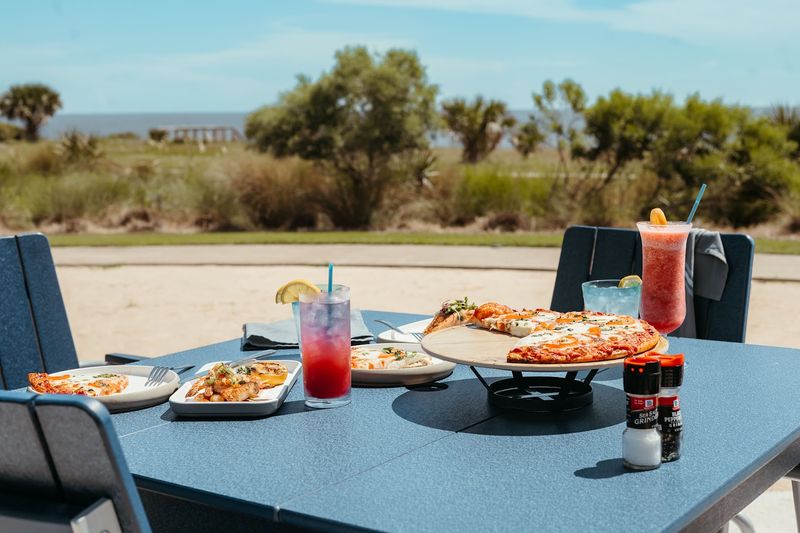
Eating well on Jekyll Island does not require a reservation at a fancy restaurant, though those exist too. The island’s dining scene leans heavily on Georgia’s coastal bounty fresh shrimp, blue crab, local fish, and oysters sourced from nearby waters. The Wharf at Jekyll Island, located at 1 Pier Road, Jekyll Island, GA 31527, offers a laid-back waterfront setting where the food and the view compete for attention in the best possible way.
Southern coastal cuisine here tends to mean classic preparations shrimp and grits, fried flounder, she-crab soup done with care and without unnecessary fuss. Portions are generous and prices stay reasonable by coastal resort standards. Many spots offer outdoor seating, which pairs naturally with the island’s warm-weather vibe.
Lunch tends to be less crowded than dinner, and the midday light on the water is hard to beat. Checking hours before visiting is smart, as some smaller eateries may have seasonal schedules or limited weekday hours during the off-season.
8. Family-Friendly Fun at Summer Waves Water Park
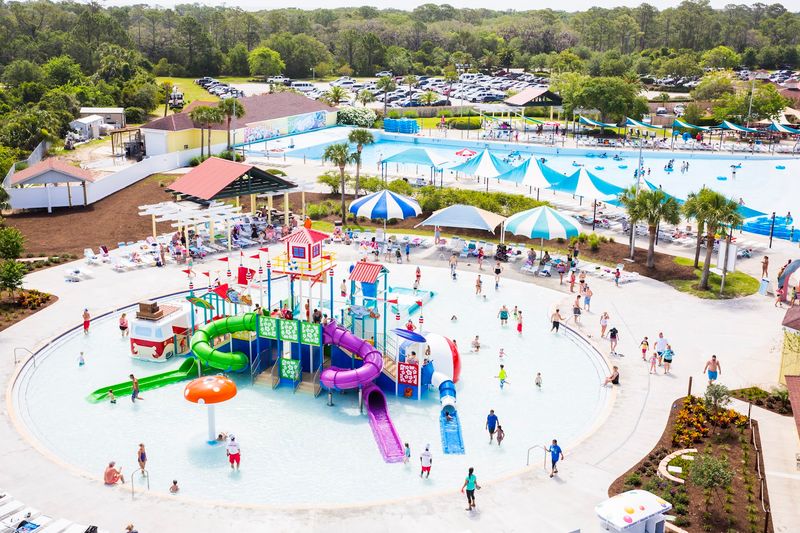
Summer Waves Water Park has been a Jekyll Island staple for decades, offering a full day of water-based fun that appeals to kids of all ages and the adults who tag along. Located at 210 South Beachview Drive, Jekyll Island, GA 31527, the park features a wave pool, multiple water slides, a lazy river, and a dedicated splash area for younger children. It operates seasonally, typically from late May through mid-August.
The park is not enormous, which means lines rarely become overwhelming and the overall pace stays manageable. Families with younger kids especially appreciate the shallow water zones where children can splash freely without supervision stress. Lockers, concessions, and beach chair rentals are available on-site.
Arriving when the park opens helps secure a good spot and avoids the midday rush. Bringing reef-safe sunscreen is a practical must the Georgia summer sun is intense, and shade inside the park is limited. Ticket prices are reasonable compared to larger theme park water attractions in the region.
9. Wildlife Viewing at St. Andrews Beach Park
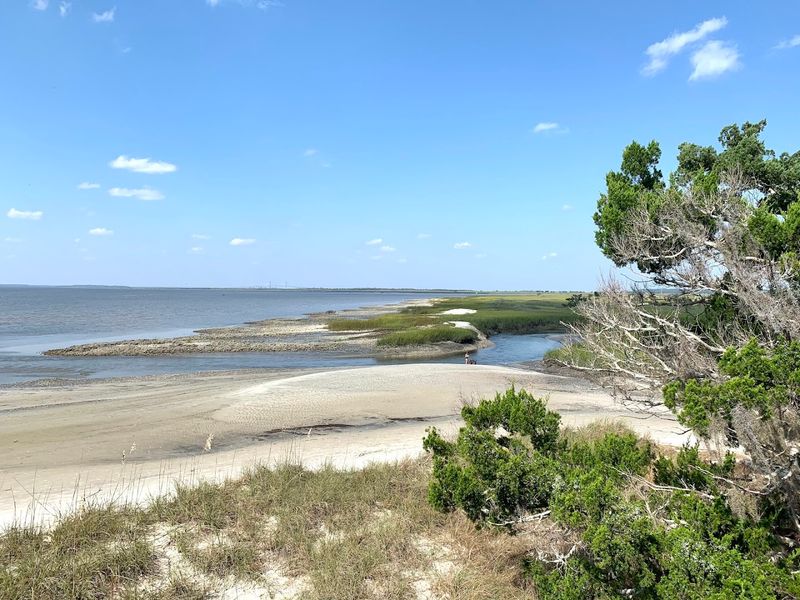
St. Andrews Beach Park sits at the southernmost tip of Jekyll Island and is one of the most rewarding wildlife-watching spots on Georgia’s entire coast. The undeveloped shoreline here attracts bottlenose dolphins, shorebirds, wading birds, and during migration season, a remarkable variety of migratory species that stop along the Atlantic Flyway. The park is part of the larger Jekyll Island State Park system.
Dolphin sightings are common in the warmer months, particularly in the early morning and late afternoon when the animals tend to be more active near shore. Bringing binoculars significantly improves the experience, especially for birdwatching. The area is also a known nesting ground for several protected shorebird species.
The park has minimal facilities, which is actually part of its appeal it remains raw, quiet, and largely undisturbed. Visitors should stay on designated paths to avoid disturbing nesting areas. Insect repellent is a practical necessity, especially near the marsh edges during warmer months.
10. Guided Nature Tours Through Salt Marshes and Forests
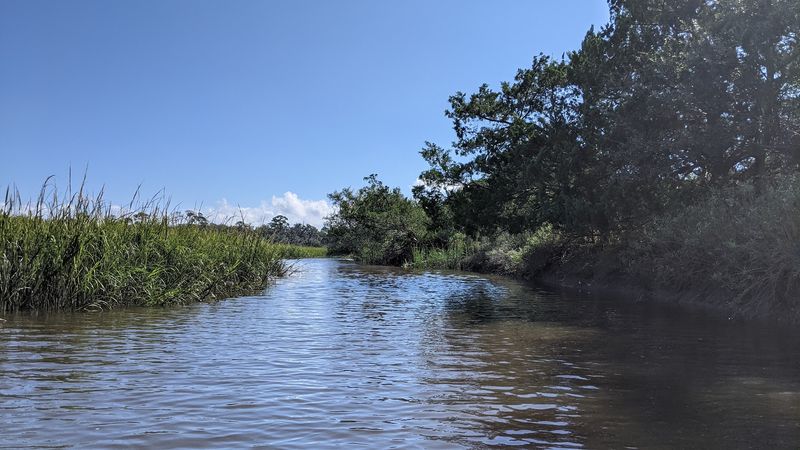
Jekyll Island’s ecosystems are as diverse as they are beautiful, and guided nature tours offer a structured way to understand what makes this barrier island so ecologically significant. Tours range from kayak excursions through tidal creeks to walking tours of maritime forests, and several operators offer evening programs focused on the island’s nocturnal wildlife. Jekyll Island Authority manages many of these programs and lists them at the island’s welcome center.
The salt marshes that fringe much of Jekyll Island’s western side are among the most productive ecosystems on the planet, and guides do an excellent job of explaining why that matters. Visitors often leave with a much deeper appreciation for the landscape they have been walking through all day. Spotting herons, egrets, fiddler crabs, and the occasional river otter makes the experience feel genuinely rewarding.
Tour group sizes tend to stay small, which allows for real conversation and questions. Booking in advance is recommended during peak summer months, as popular tours can fill up quickly.
11. Restored Historic Cottages From the Gilded Age
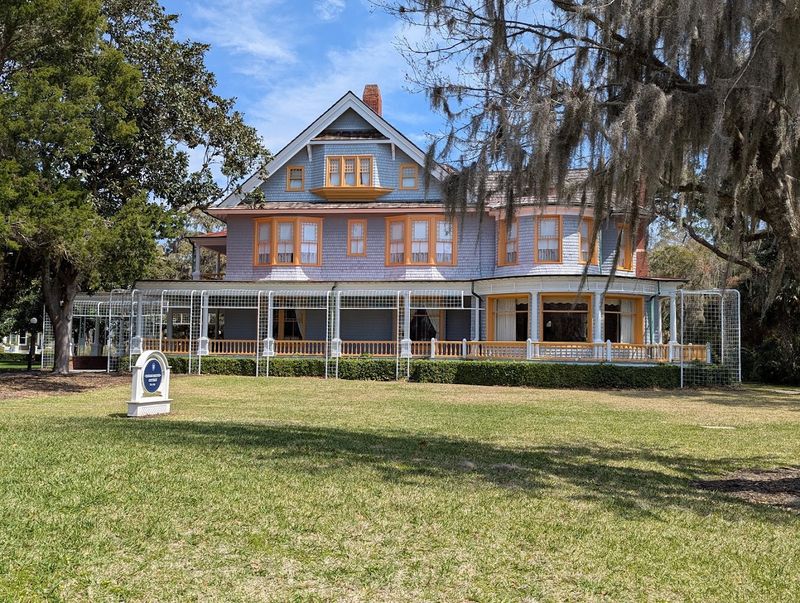
The word “cottage” on Jekyll Island is something of an understatement these are full-scale Victorian-era mansions that wealthy families built as seasonal retreats during the late 1800s and early 1900s. Structures like Crane Cottage, Mistletoe Cottage, and Indian Mound Cottage have been carefully restored and are open for tours through the Jekyll Island Club Historic District, located within the grounds of the Jekyll Island Club Resort at 371 Riverview Drive, Jekyll Island, GA 31527.
Each cottage has its own architectural style and story, reflecting the tastes and personalities of the families who commissioned them. The interiors showcase period furniture, original architectural details, and interpretive displays that bring the Gilded Age to life in a tangible way. Guides share stories about the social rituals, business deals, and family dramas that unfolded within these walls.
Tours run on a regular schedule and last approximately one hour. Comfortable walking shoes are recommended, as the tour covers outdoor pathways between buildings. The combination of architecture and history makes this one of Jekyll Island’s most enriching experiences.
12. Sea Turtle Nesting Season — A Summer Spectacle
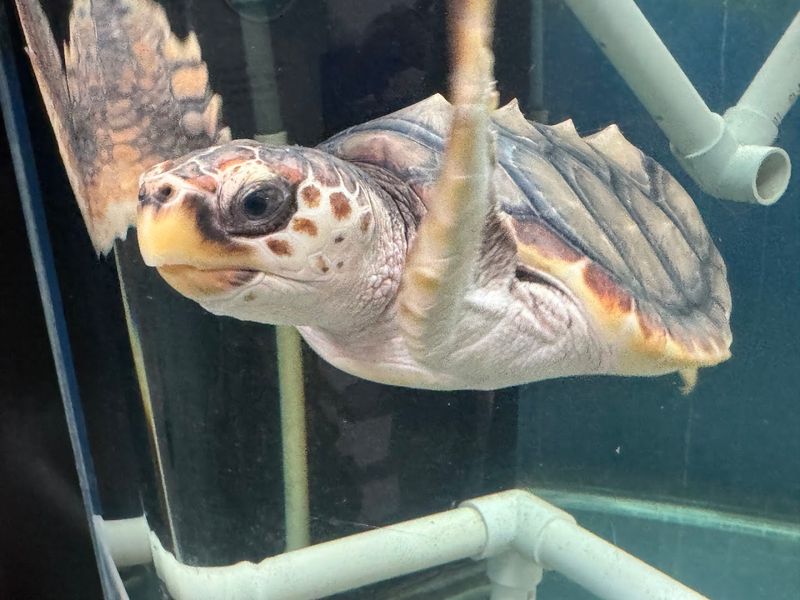
Every summer, loggerhead sea turtles haul themselves out of the Atlantic Ocean under cover of darkness to nest along Jekyll Island’s beaches and witnessing this process, even from a respectful distance, is one of those experiences that tends to stay with people for years. Georgia’s coast hosts one of the most active sea turtle nesting populations on the East Coast, and Jekyll Island sits right in the middle of prime nesting territory.
The Georgia Sea Turtle Center coordinates nest monitoring and offers supervised turtle walks during nesting season, typically running from May through August. These guided evening programs allow small groups to observe nesting activity without disturbing the turtles. Participants must follow strict guidelines — no flash photography, no loud noise, and no approaching the turtles directly.
Hatchling emergence events, when dozens of tiny turtles scramble toward the ocean, are less predictable but equally magical when they happen. Signing up for the center’s nest alert program is the best way to stay informed about hatching activity during a visit.
13. Stunning Photography Spots Across the Island
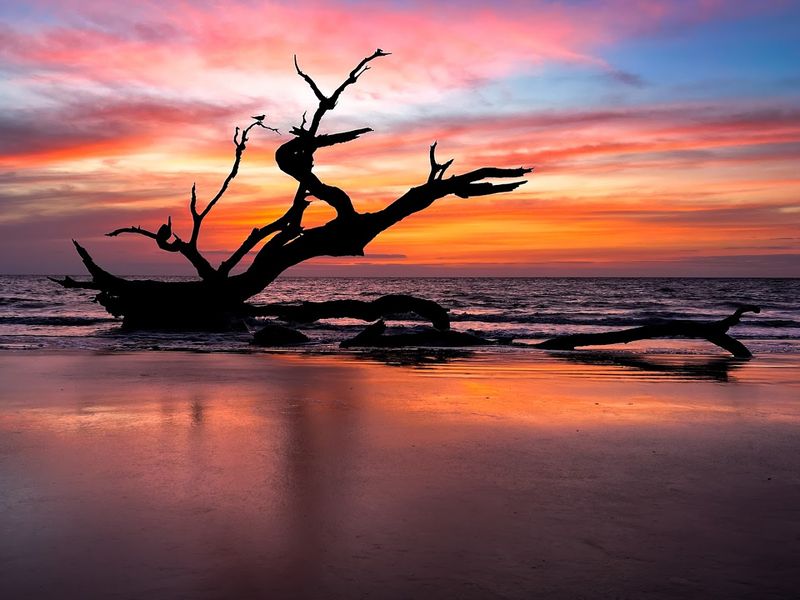
Jekyll Island is the kind of place where it becomes genuinely difficult to put the camera down. Every corner of the island offers a different visual story the ghostly beauty of Driftwood Beach, the mirror-still reflections in the tidal creeks, the grand facades of the historic cottages, the sweeping marsh views from the causeway, and the painterly sunsets over the western marshlands.
The causeway connecting the island to the mainland offers some of the best unobstructed marsh photography on the Georgia coast, especially at low tide when the cordgrass glows a deep amber-green. The historic district’s canopy of live oaks draped in Spanish moss creates natural framing that photographers of all skill levels find irresistible. Sunrise at the beach and sunset over the marsh on the same day can make for a remarkably complete visual experience.
Drone photography is subject to regulations on the island, so checking current rules before flying is important. Most locations are accessible by foot or bike, making it easy to move between spots throughout the day.
14. Active Conservation Efforts Worth Supporting
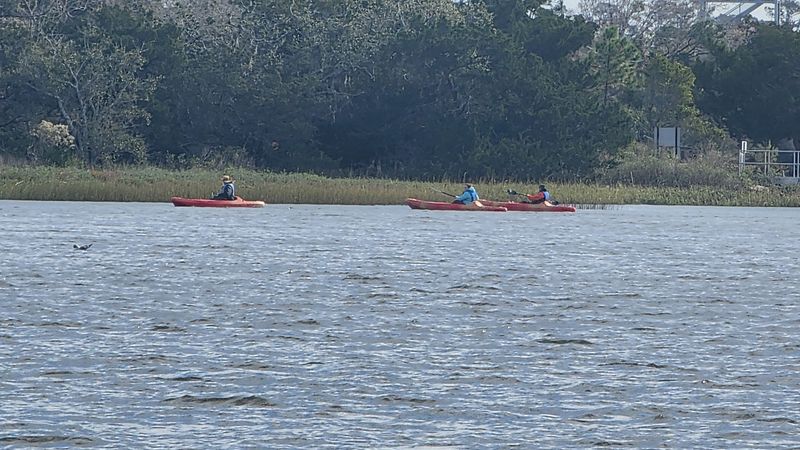
Jekyll Island is not just a place to enjoy nature it is a place actively working to protect it. The island operates under a conservation mandate that limits development and dedicates significant resources to habitat preservation, sea turtle protection, shorebird monitoring, and invasive species management. The Jekyll Island Authority partners with universities, nonprofits, and state agencies to conduct ongoing research across multiple ecosystems.
Visitors can participate in conservation directly by joining volunteer programs through the Georgia Sea Turtle Center or attending public education events. Even small actions staying on marked trails, keeping the beach clean, and following wildlife viewing guidelines contribute meaningfully to the island’s long-term health. The conservation ethic here is woven into the visitor experience rather than treated as an afterthought.
Several programs are specifically designed for families and school groups, making conservation education accessible to younger visitors. Learning about the island’s ecological importance tends to deepen the appreciation for everything else Jekyll Island offers. It transforms a pleasant beach trip into something with a bit more lasting meaning.
15. A Genuinely Relaxed Atmosphere Far From the Crowds
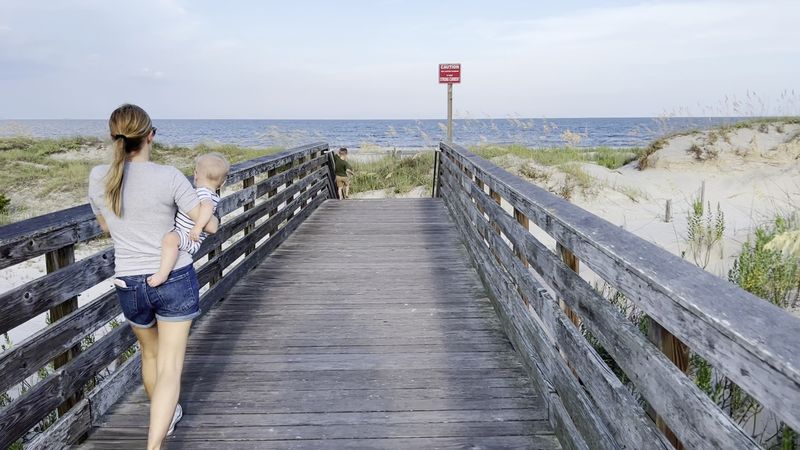
There is a specific kind of quiet that Jekyll Island does exceptionally well — not the enforced silence of a library, but the natural calm of a place that simply has not been overbuilt or over-marketed. Georgia law limits development on the island to 35 percent of its total land area, which means the other 65 percent stays wild, green, and open. That policy has a direct and noticeable effect on how the island feels to spend time in.
Weekday visits during the shoulder seasons spring and fall offer the most unhurried experience. The beaches feel spacious, the bike paths feel open, and the restaurants feel like neighborhood spots rather than tourist traps. Even summer weekends, while busier, rarely reach the density of comparable beach destinations along the Florida or South Carolina coast.
The island’s modest size roughly 5,500 acres total means everything stays accessible without feeling rushed. That combination of natural preservation, manageable scale, and deliberate pace is what makes Jekyll Island genuinely different from almost anywhere else on the East Coast.