This Georgia Restaurant Has A Surprising History Tied To Real Pirates
Not every dinner comes with a backstory like this. The Pirates’ House in Savannah, Georgia brings centuries of history to the table, dating all the way back to 1753 when the building served sailors, traders, and, according to legend, pirates passing through the port.
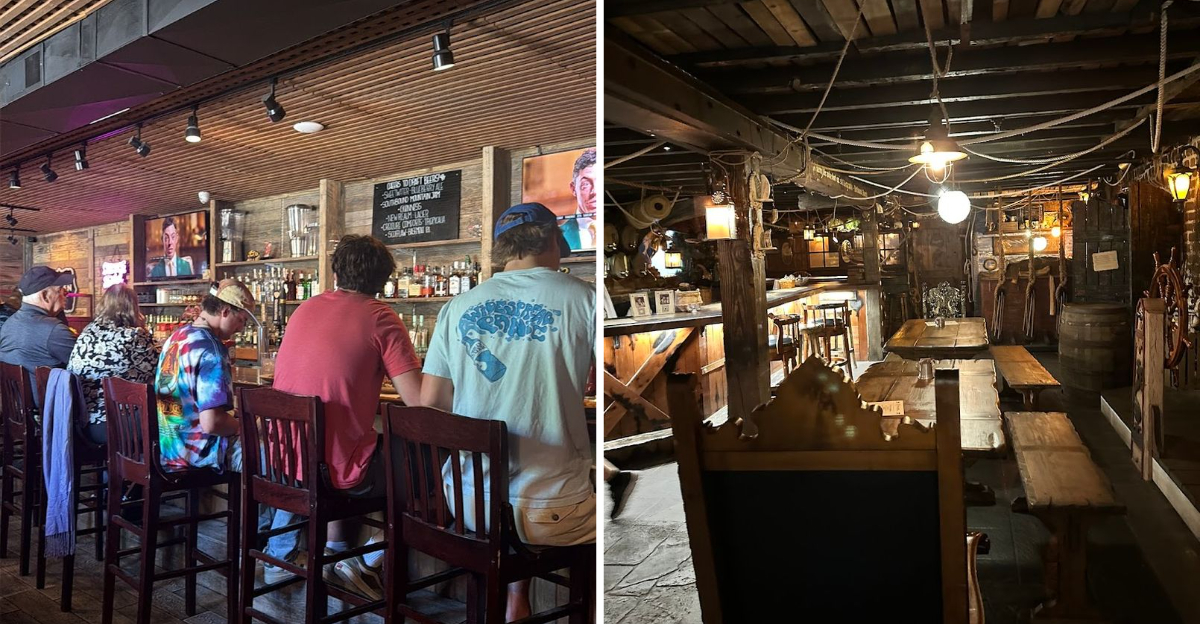
The setting still holds onto that past. Hidden corners, low beams, and whispers of secret tunnels give the space a sense of mystery that lingers as you move from room to room. It is the kind of place where every detail feels like it has a story behind it, even if you never hear the full version.
The menu keeps things grounded with Southern comfort food that feels hearty and familiar. Plates arrive full and satisfying, offering a contrast to the building’s more adventurous history while still adding to the overall experience.
What makes it stand out is how everything comes together. You are not just having a meal, you are stepping into a place where history, legend, and atmosphere all share the same space.
For anyone exploring Savannah, The Pirates’ House offers a visit that feels immersive, memorable, and unlike anywhere else in the city.
1. Historic Significance Dating Back to 1753
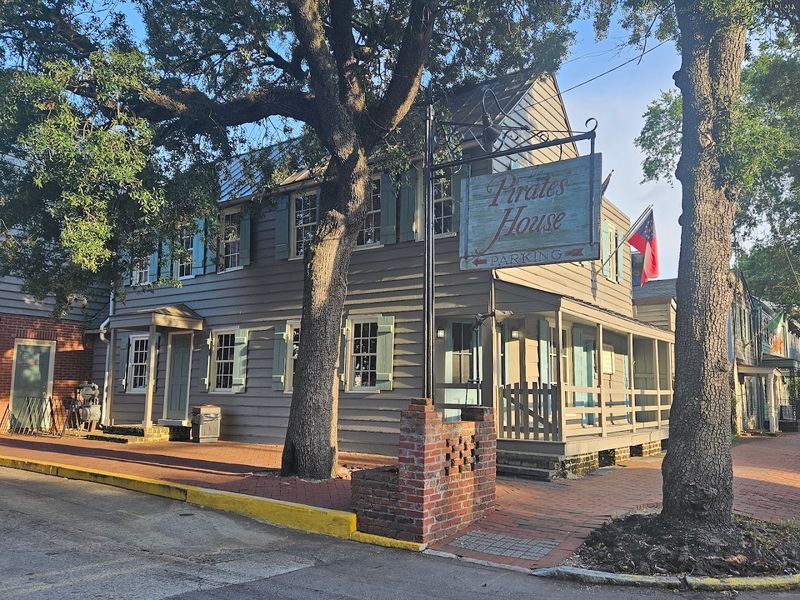
Few restaurants in America can claim to be older than the country itself, and The Pirates’ House wears that distinction proudly. Located at 20 East Broad Street, Savannah, Georgia 31401, this remarkable structure was built in 1753, making it one of Georgia’s oldest surviving buildings. Walking through its entrance already feels like stepping into a different century.
The thick walls, low ceilings, and original woodwork tell a quiet story of centuries gone by. Savannah itself was only founded in 1733, so this building has been standing almost as long as the city has existed. That kind of longevity is genuinely rare anywhere in the southeastern United States.
History enthusiasts will appreciate how much of the original architecture has been preserved. Visiting during weekday afternoons tends to be quieter, giving guests more time to soak in the atmosphere without the weekend crowd. Plan extra time to walk slowly through every room.
2. Real Pirate Lore and Shanghaiing Legends
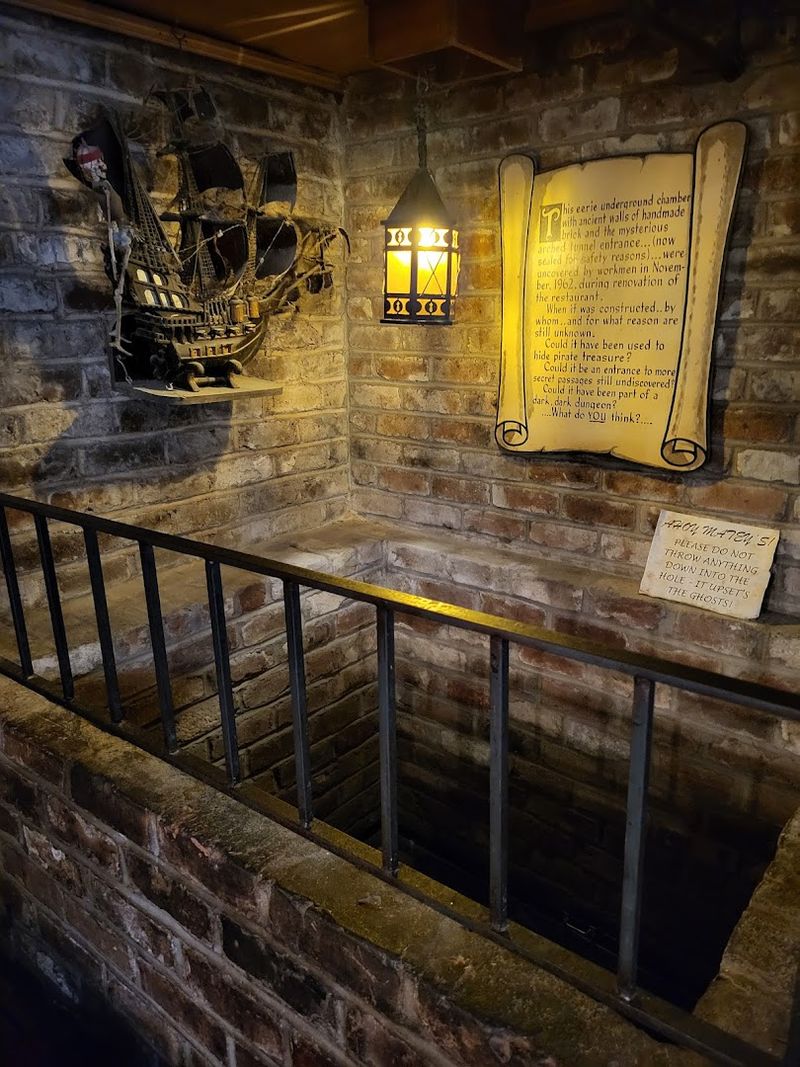
Back in the 1700s, The Pirates’ House was not exactly a place you wandered into without knowing the risks. Docked sailors and pirates from ports across the globe gathered here to drink, trade stories, and sometimes scheme. The tavern earned a notorious reputation for shanghaiing, a practice where unsuspecting men were drugged and dragged through underground tunnels to waiting ships, waking up at sea with no memory of how they got there.
These tunnels reportedly connected the building to the Savannah River, making escape or discovery nearly impossible. While the tunnels are no longer accessible to visitors, their legacy hangs heavy in the air throughout the restaurant. Staff members are often happy to share the darker tales when asked.
Even if someone is skeptical about the legends, the atmosphere alone sells the story. The candlelit corners and creaking floors make it very easy to imagine the shadowy figures who once passed through these walls.
3. Literary Connection to Treasure Island
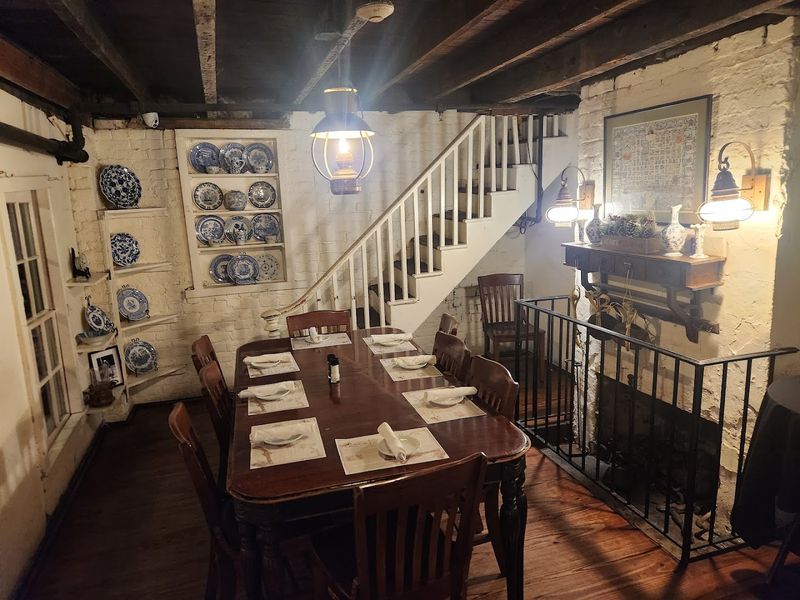
Robert Louis Stevenson wrote one of the most beloved adventure novels in history, and The Pirates’ House quietly earned a mention in it. In Treasure Island, Stevenson referenced The Pirates’ House as the inn where the notorious Captain Flint spent his final days. That literary nod has turned the Savannah restaurant into something of a pilgrimage destination for book lovers and adventure story fans alike.
Stevenson likely drew inspiration from real accounts of pirate activity in port towns like Savannah, where the line between fiction and history was genuinely blurry. Seeing the physical space that inspired those pages adds a whole new dimension to reading the novel. It is one thing to read about a dimly lit pirate tavern and another entirely to sit inside one.
Families with kids who have read Treasure Island in school will find this connection especially exciting. The staff can often point out the specific rooms most associated with the story, making it feel interactive and personal.
4. 15 Unique Dining Rooms With Individual Character
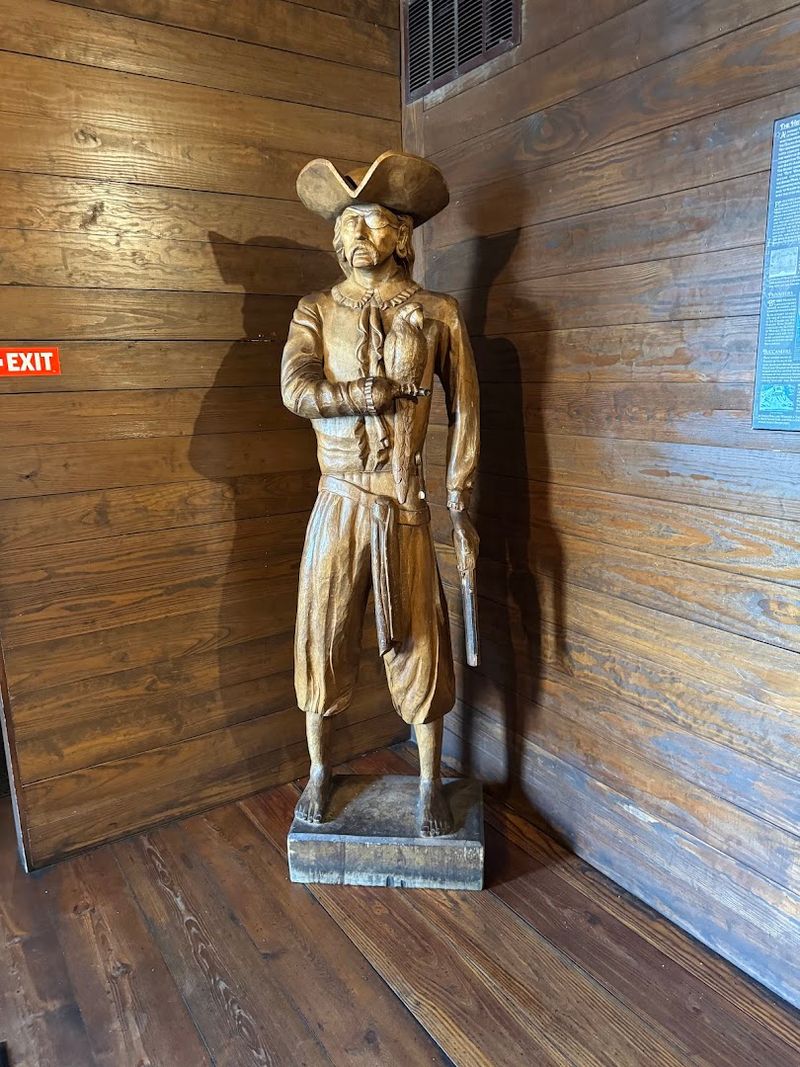
Most restaurants offer one dining room, maybe two if they are lucky. The Pirates’ House offers fifteen completely distinct spaces, and each one carries its own personality. Some rooms feel like stepping into a colonial-era parlor, while others have the rough-hewn charm of a sailor’s bunkroom.
No two visits feel quite the same depending on where guests are seated.
The variety makes the restaurant genuinely fun to explore before or after a meal. Guests are usually welcome to walk through the different areas, and each space has small details worth noticing, from framed maritime maps to antique lanterns to old ship ropes mounted on the walls. The overall effect is more like a living museum than a typical dining establishment.
Groups visiting together often enjoy comparing which room felt most atmospheric or most historically interesting. Reservations are recommended, especially on weekends, and guests can sometimes request a preferred room or section when booking ahead through the restaurant’s website.
5. Southern Cuisine Worth Every Bite
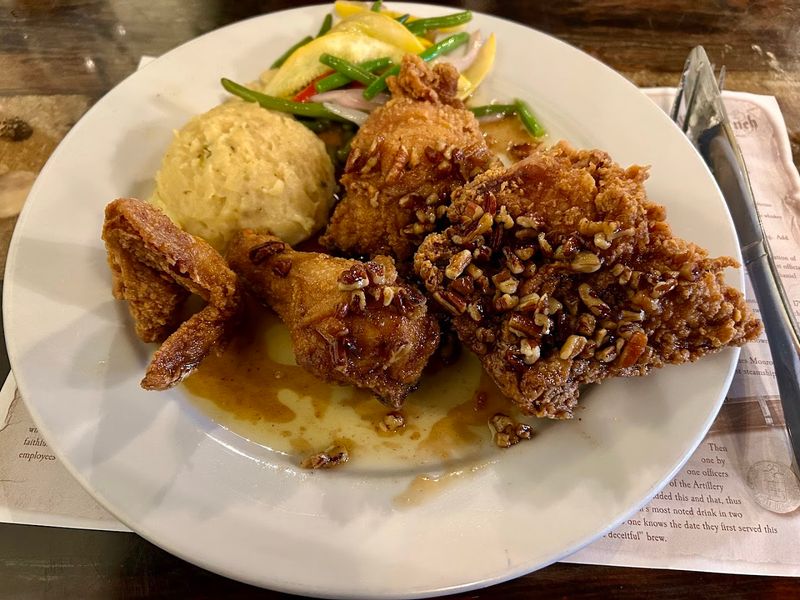
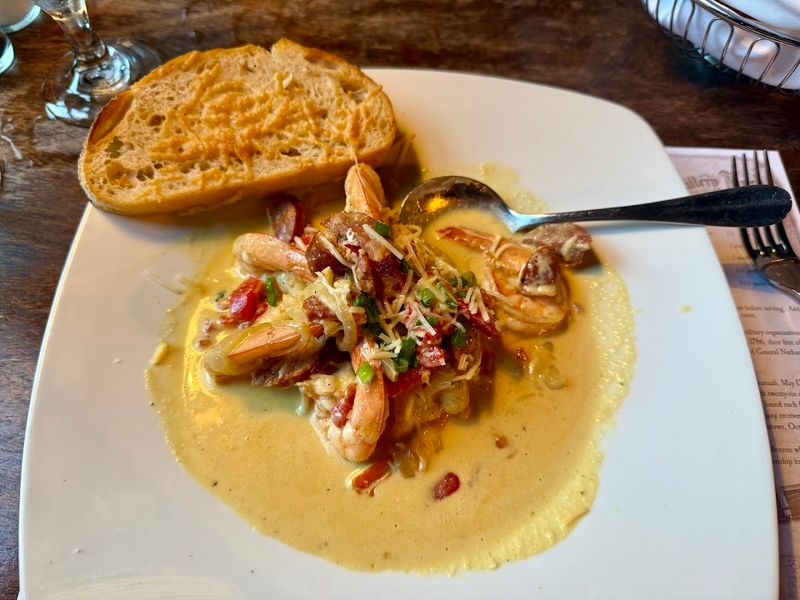
Southern cooking at its most honest and satisfying is what The Pirates’ House has built its culinary reputation on. Dishes like honey pecan fried chicken and she-crab soup appear on the menu, and both have earned loyal followings among locals and visitors. The flavors lean toward comforting and rich, the kind of food that feels deeply tied to place and tradition.
She-crab soup, a Lowcountry staple made with crab meat and a touch of sherry, is particularly popular and a good starting point for anyone unfamiliar with coastal Georgia cooking. The portions tend to be generous, so arriving hungry is genuinely good advice. Lunch service can be a slightly more relaxed and affordable way to sample the menu compared to dinner.
Vegetarian and lighter options are available, though the restaurant leans toward hearty Southern classics as its strength. Checking the current menu on the official website before visiting helps guests plan their order in advance and set proper expectations.
6. Family-Friendly Atmosphere for All Ages
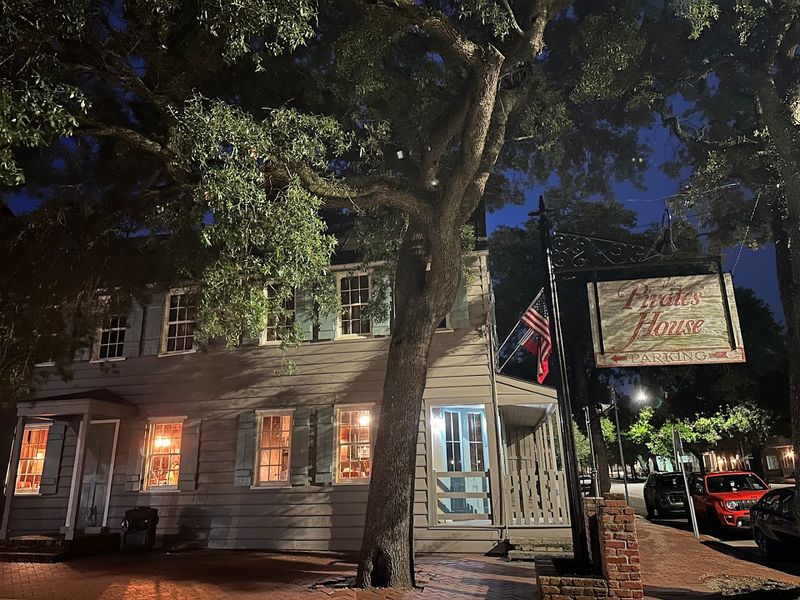
Finding a restaurant that genuinely works for every generation at the table can feel like a small miracle, but The Pirates’ House manages it with surprising ease. The pirate theme alone captivates younger visitors, while the history and food appeal to adults who want substance alongside atmosphere. The menu covers enough ground that even picky eaters tend to find something satisfying.
The staff at The Pirates’ House have a reputation for being welcoming and patient with families. Service tends to be attentive without feeling rushed, which matters when dining with children who need a little extra time. The varied dining rooms also give kids something to look at and explore, making the wait between courses feel shorter.
Weekday lunch visits tend to be calmer than weekend dinners, which can get busy with both locals and tourists. Calling ahead to ask about wait times during peak season, especially in spring and summer, is a practical move for families planning their trip.
7. The Herb House, Georgia’s Oldest Standing Structure
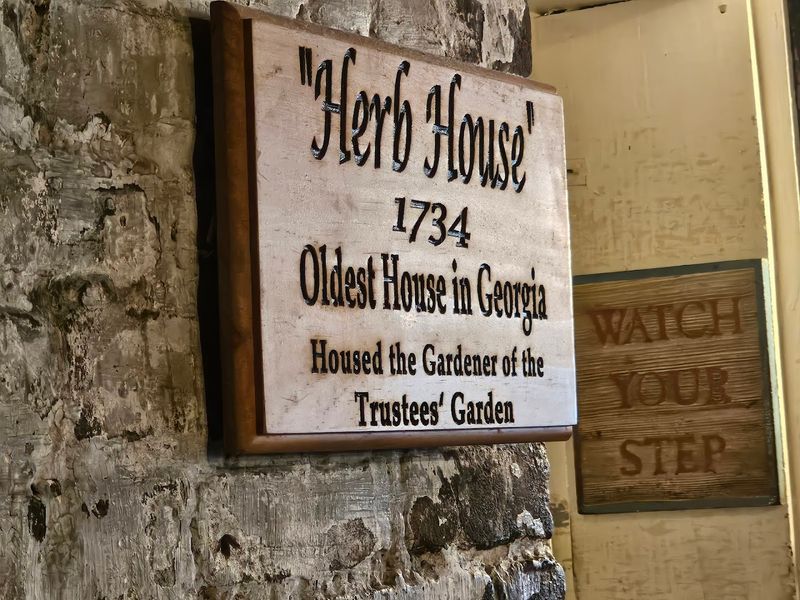
Tucked right next to the main restaurant sits a small but extraordinary building that quietly holds a massive title. The Herb House, built in 1734, is widely considered the oldest standing house in the state of Georgia. That is not a minor claim in a state as historically rich as this one, and seeing it in person adds a layer of awe to any visit to The Pirates’ House.
The structure was originally built for the gardener of Trustee’s Garden, the first experimental garden in North America, which was established on the same grounds. That context makes the Herb House even more significant than its pirate-adjacent location suggests. History here runs deeper than just swashbuckling tales.
Visitors who appreciate architectural preservation will want to linger near the Herb House and notice how much of its original form has survived nearly three centuries of Georgia weather, wars, and change. Photographs taken here tend to carry an authentic historical weight that newer tourist spots simply cannot replicate.
8. Haunted Reputation and Ghost Stories
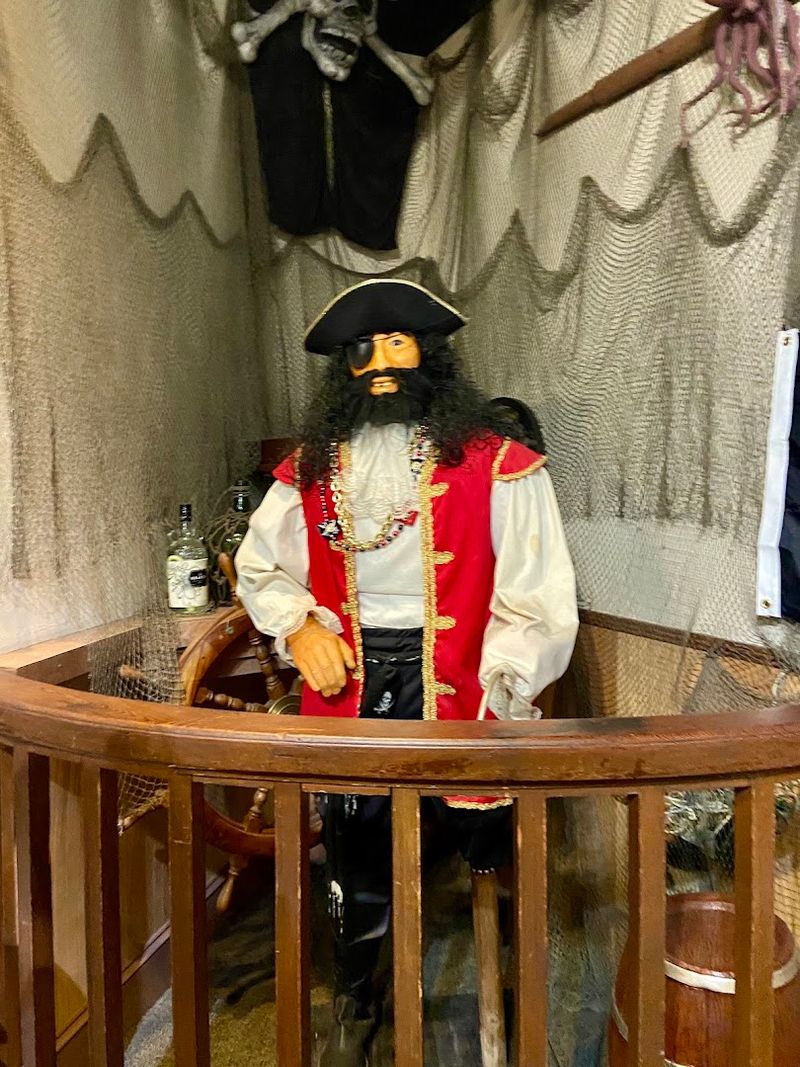
Savannah is widely regarded as one of the most haunted cities in the United States, and The Pirates’ House fits right into that reputation. Ghost stories connected to the building include sightings of Captain Flint’s spirit wandering the dining rooms, unexplained cold spots in certain hallways, and the general sense that not all of the restaurant’s long-ago patrons have fully moved on. Whether or not someone believes in ghosts, the stories are genuinely entertaining.
Several paranormal investigation groups have visited the property over the years, and the restaurant has been featured in various ghost-hunting publications and television segments. The atmosphere after dark, with low lighting and creaking old floors, certainly does nothing to dispel the spooky reputation. Even skeptics tend to admit the place has an undeniably eerie energy in certain corners.
Savannah ghost tours frequently include The Pirates’ House as a stop, so combining a dinner reservation with an evening walking tour can turn a single night into a full and memorable Savannah experience worth talking about for years.
9. Live Jazz Music Adding to the Atmosphere
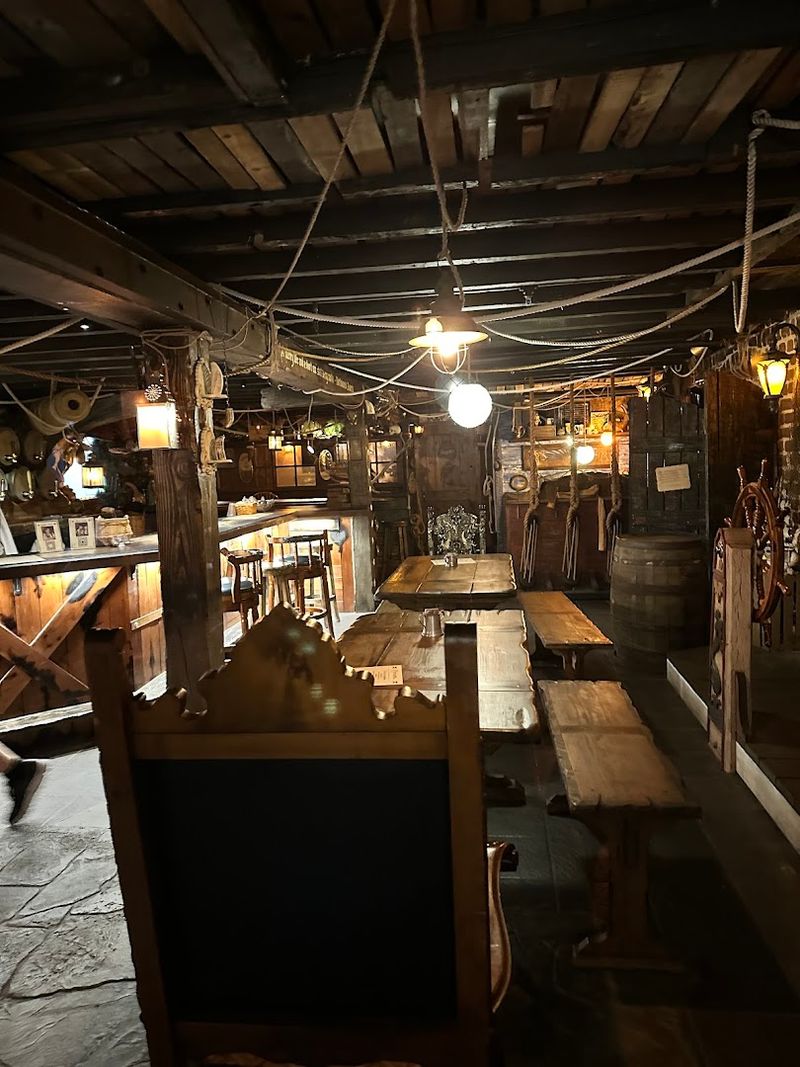
Good food becomes a full experience when live music is part of the equation, and The Pirates’ House understands that well. Live jazz performances take place in the upstairs area of the restaurant, adding a vibrant and soulful layer to an already atmospheric dining environment. Jazz has deep roots in the American South, and hearing it played in a building this old feels genuinely fitting.
The upstairs space tends to carry a slightly more energetic vibe than the quieter dining rooms below, making it a good choice for guests who want a livelier evening rather than a hushed, contemplative dinner. The music schedule can vary, so checking the restaurant’s website or calling ahead at 912-233-5757 before visiting helps guests time their arrival to catch a performance.
Even on nights without scheduled performances, the upstairs area has its own charm. The combination of historic surroundings and the lingering energy of a space that has hosted music and laughter for decades makes it feel alive in a way that is hard to put into words.
10. On-Site Gift Shop for Pirate-Themed Souvenirs
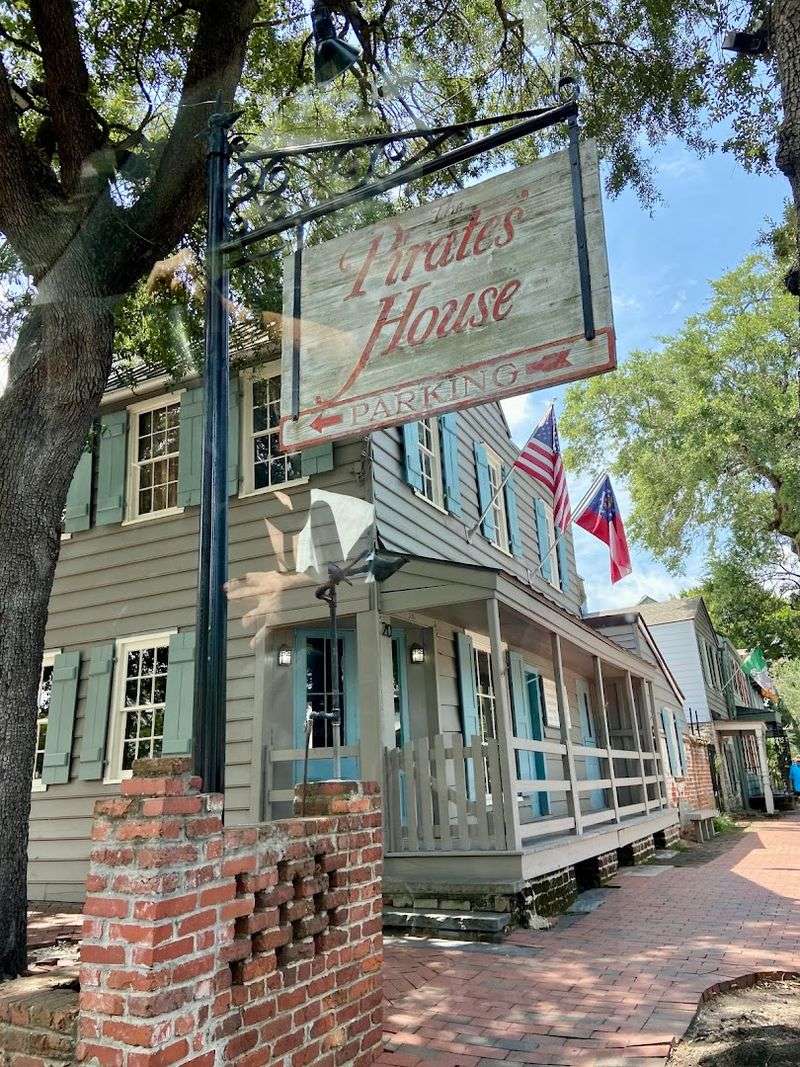
Not every restaurant sends guests home with a tangible piece of the experience, but The Pirates’ House gift shop makes sure visitors leave with more than just a full stomach and good memories. The shop carries a selection of pirate-themed souvenirs, local crafts, books about Savannah’s history, and maritime memorabilia that fit the restaurant’s personality perfectly. It is the kind of gift shop that actually feels worth browsing rather than skipping past.
Items range from small trinkets suitable for kids to more thoughtful keepsakes for adults who want a meaningful reminder of their Savannah trip. Local books covering Georgia’s coastal history and pirate lore are particularly popular picks for readers who leave wanting to know more. Prices vary across a broad range, making it accessible for different budgets.
The gift shop is typically accessible without a dining reservation, so even visitors who stop by just to explore the building can pick up something memorable. Hours may align with restaurant service, so confirming availability before a dedicated shopping visit is a smart move.
11. Proximity to Savannah’s Historic River Street
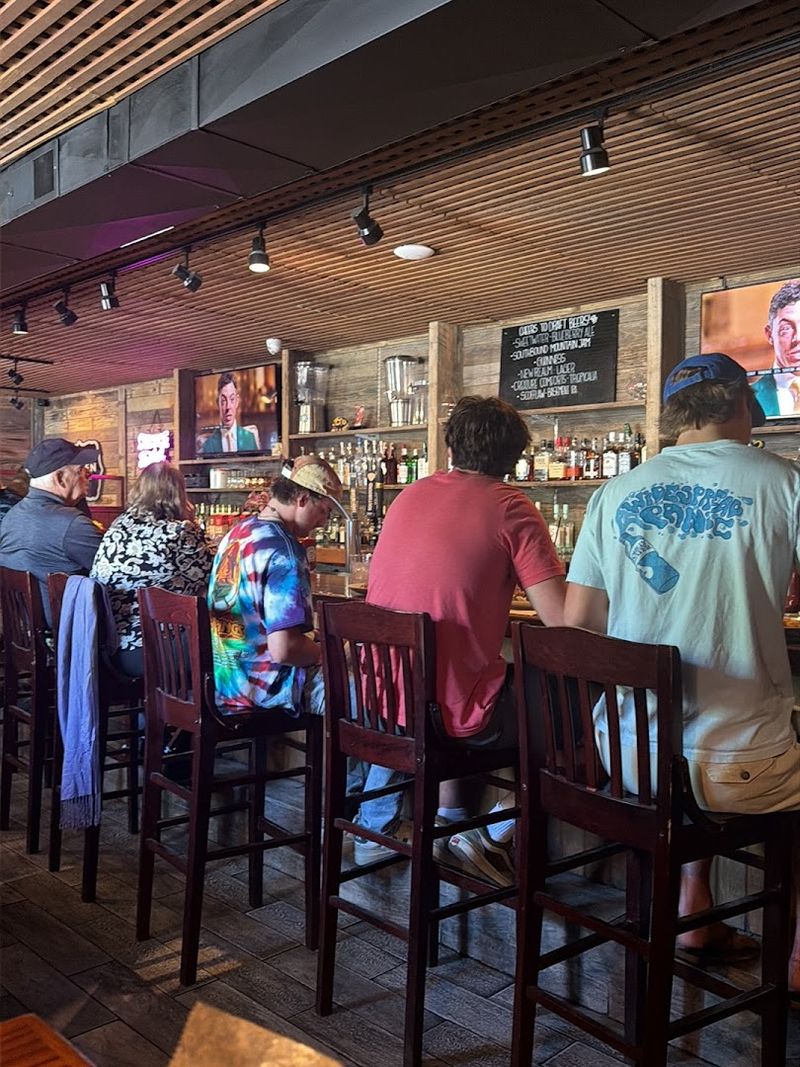
Location matters, and The Pirates’ House sits in one of the most walkable and historically rich parts of Savannah. Just one block from the Savannah River, the restaurant is practically neighbors with River Street, a lively stretch of shops, galleries, bars, and waterfront views that draws visitors from across the country. Making a full afternoon or evening out of a visit here is effortless.
The surrounding area around 20 East Broad Street, Savannah, Georgia 31401, is part of the city’s historic district, meaning almost everything within walking distance carries its own story. Forsyth Park, with its iconic fountain, is also within easy reach for a pre-dinner stroll. Savannah’s grid of streets and shaded squares makes navigating on foot genuinely pleasant.
Parking near River Street can get tight on weekends and during peak tourist season, so arriving early or using one of the nearby parking garages is practical advice. The city’s walkability is a genuine asset once a parking spot is secured.
12. Private Dining Options for Special Events
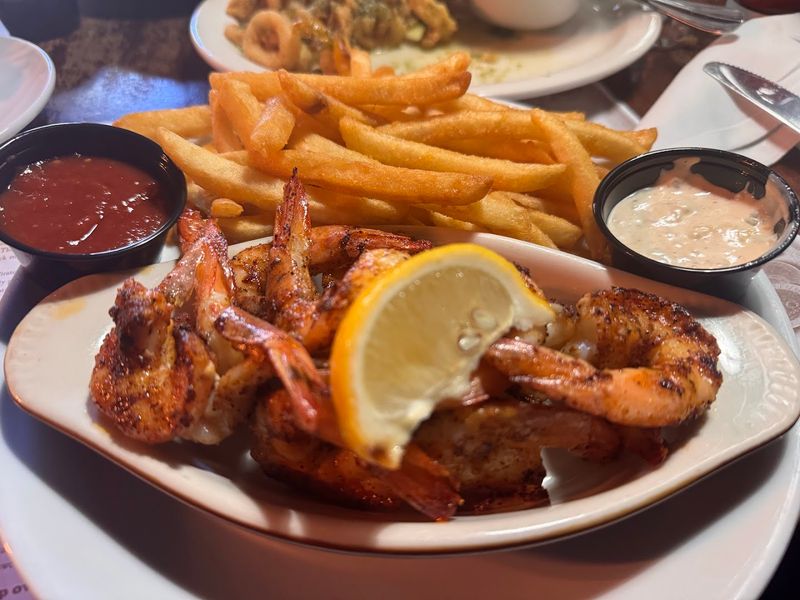
Some dining experiences call for a dedicated space away from the general dining floor, and The Pirates’ House delivers that with its private dining room options. Whether the occasion is a birthday dinner, a rehearsal meal, a corporate gathering, or a milestone anniversary, the restaurant can accommodate groups who want a more exclusive setting. The historic surroundings make any event feel naturally elevated without requiring additional decorating.
Private rooms at The Pirates’ House, carry the same atmospheric details as the public dining areas, including antique decor and original architectural features that set the tone immediately. Guests hosting events here often note that the venue does much of the conversational heavy lifting on its own simply because the space is so interesting. No one runs out of things to comment on.
Booking well in advance is strongly recommended for private events, particularly during Savannah’s busy spring and fall seasons. Contacting the restaurant directly to discuss menu options, capacity, and availability ensures the event is planned smoothly and without last-minute surprises.
13. Careful Historic Preservation of Original Architecture
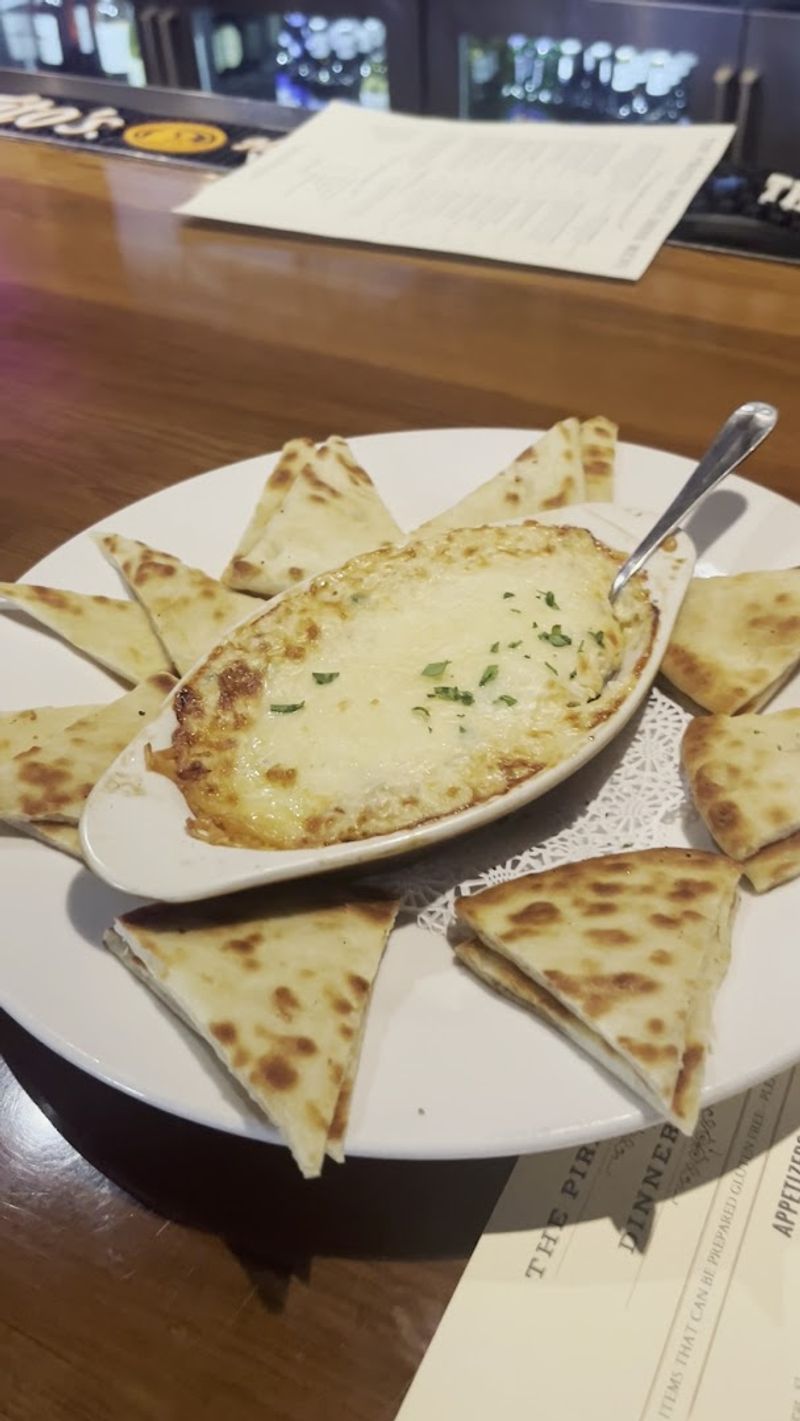
Preserving a building that is nearly three centuries old while still operating it as a functioning restaurant is no small achievement. The Pirates’ House has undergone careful restoration work over the years that prioritizes keeping original materials and structural elements intact wherever possible. The result is a space that feels genuinely old rather than artificially aged, which makes a significant difference in how visitors connect with the history.
Original brickwork, hand-hewn wooden beams, and low-slung doorways that remind visitors how much shorter average ceiling heights were in colonial times all contribute to an authentic atmosphere that modern reproductions simply cannot manufacture. The building’s preservation has been recognized as an important part of Savannah’s broader architectural heritage.
Guests with an interest in historic architecture will notice the care that has gone into maintaining details that many renovations would have removed for convenience. Walking through the restaurant slowly, rather than heading straight to a table, reveals layers of craftsmanship and history that reward a curious and attentive eye at every turn.
14. Culinary Awards and Recognition for Southern Cooking
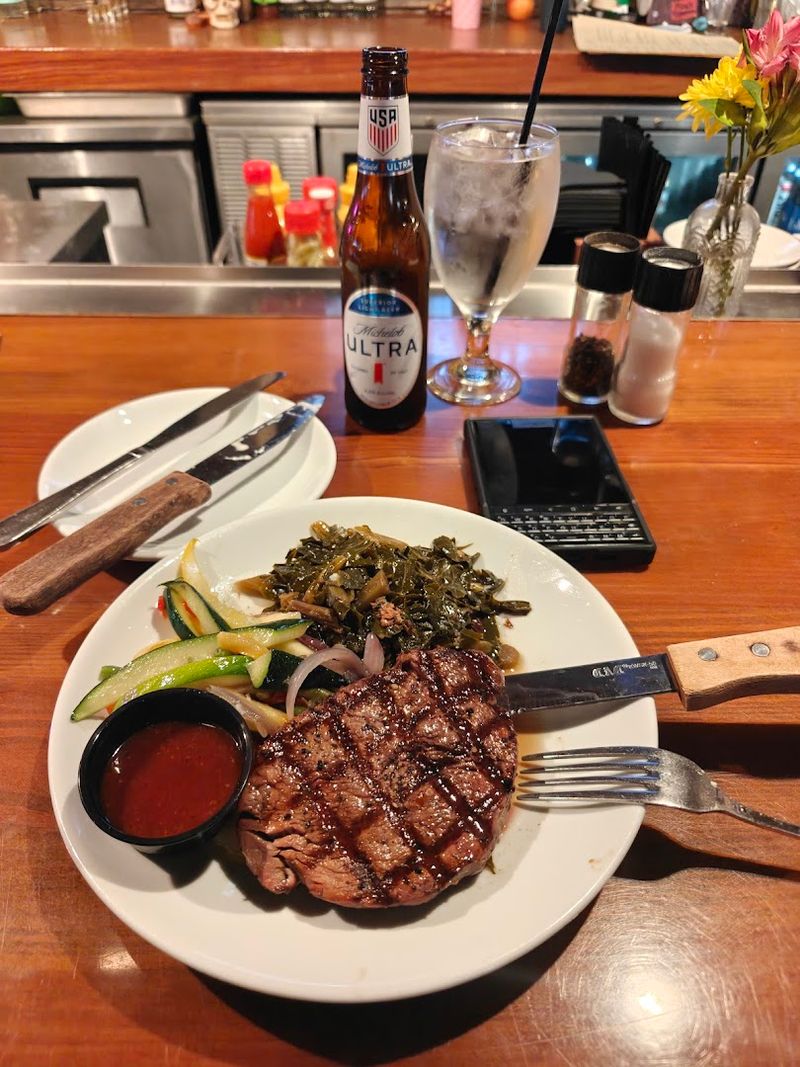
Earning consistent recognition in the competitive world of Southern dining takes more than a good recipe or a pretty room. The Pirates’ House has collected culinary accolades over the years that reflect its commitment to quality food alongside its historic atmosphere. TripAdvisor reviews and food publications have noted the restaurant as a standout Savannah dining experience worth prioritizing on any visit to the city.
The recognition extends beyond just the food itself and often includes praise for the overall experience, which combines attentive service, a memorable setting, and dishes rooted in genuine Lowcountry and Southern tradition. That combination is harder to replicate than it might sound, and it is part of why the restaurant has maintained its reputation across decades rather than fading as a novelty.
For visitors who like to research dining options thoroughly before committing, reading recent reviews on platforms like TripAdvisor or Google gives a current picture of what to expect. Menus and service quality can shift over time, and checking recent guest experiences is always a practical step before booking.
15. A Full Cultural Immersion in Savannah’s Maritime History
Savannah’s identity is deeply tied to the sea, and The Pirates’ House serves as one of the most concentrated expressions of that maritime heritage anywhere in the city. From the building’s origins as an inn for sailors and explorers to its current role as a celebrated dining destination, every corner reflects the port city’s long relationship with the water, the trade routes, and the colorful characters who passed through.
The restaurant functions almost like an interactive history exhibit that also happens to serve excellent food. Maritime maps, ship artifacts, and period-appropriate decor create a visual narrative that guests absorb passively just by being present. No guided tour is required to feel the weight of the history surrounding every table.
Combining a meal here with a visit to the nearby Savannah History Museum or a riverboat cruise on the Savannah River creates a layered cultural experience that gives visitors a much richer understanding of what made this city so important to Georgia’s early development and identity.