9 Connecticut Towns Where Black Bear Sightings Are Becoming Hard To Ignore
Seeing a black bear once can become a story you tell for years. Seeing one stroll through the neighborhood again changes the conversation considerably.
For residents in certain towns, encounters are no longer quite as unusual as they once seemed.
Black bears are appearing regularly enough in parts of the state that some communities have become especially notable for reported sightings.
That does not mean every backyard visit or morning walk comes with a bear encounter. Wildlife is unpredictable, and sightings can shift as animals move in search of food or suitable habitat.
Still, town-level reports help show where human and bear activity increasingly overlap.
For people living in those areas, knowing that bears may be nearby is useful information rather than simply an interesting wildlife fact.
The towns ahead have all seen enough activity to deserve attention, showing just how familiar Connecticut’s largest wild mammal has become in some communities.
1. Avon

Morning surprise? Very possible.
One glance toward the backyard can suddenly turn an ordinary cup of coffee into a bear-watching session through the window.
That possibility has become part of life around Avon, where wooded neighborhoods sit within one of the state’s better-known bear regions. Black bears are now reported in every municipality statewide, and DEEP says human-bear conflicts have continued on a long-term upward trend.
Avon has plenty of the landscape bears use comfortably. Talcott Mountain, wooded parcels, and residential areas all sit close together, so seeing one wander through a neighborhood should no longer feel completely unexpected.
Food around homes can make those visits more likely. Garbage, birdseed, pet food, and other easy meals can attract bears and encourage them to return.
DEEP now recommends avoiding bird feeders altogether where bears are active and keeping garbage secured until collection morning.
That makes a little prevention around the house surprisingly important.
Anyone who encounters a bear should keep plenty of distance rather than approaching for a closer photo. Give the animal a clear way to leave, keep dogs controlled, and slowly move away if the encounter happens at close range.
Sightings can also be reported through DEEP’s online wildlife reporting system, helping biologists monitor how the state’s growing black bear population is moving.
2. Simsbury
Simsbury remains one of state’s busiest towns for reported bear activity, ranking second statewide in 2025 after leading the state in 2024. That title surprises visitors who picture a tidy New England suburb with a charming main street.
Locals, though, know the woods are never far away.
Much of the action centers on the ridge that holds Talcott Mountain State Park, reached from Route 185, Simsbury, CT 06070. Hikers climb its trail to Heublein Tower for wide views of the Farmington Valley, and bears roam the same slopes looking for acorns, berries, and insects.
Seeing one from a respectful distance can be a thrill, as long as you keep your dog leashed and your snacks sealed.
Down in the neighborhoods, the story shifts to trash bins, grills, and bird feeders. Simsbury, like several neighboring towns, has worked hard to spread the word that feeding bears, even by accident, teaches them to lose their natural caution around people.
A clean grill and a locked garage door go a long way.
Here is a fun detail: a black bear’s nose is far stronger than a bloodhound’s, so a single greasy pan left outside can draw attention from far off. Want fewer visits?
Remove the smells, and the bears usually move along to wilder places.
3. Granby
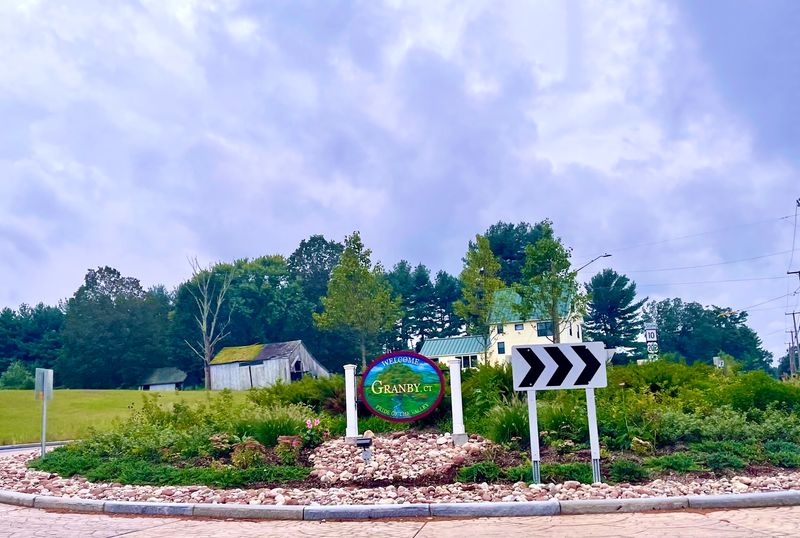
Stone walls, rolling fields, and deep pine woods give Granby a peaceful, old-farm feel. That same scenery also makes it prime bear country.
Residents on the town’s quieter roads often spot mothers leading cubs across lawns in late spring.
A big reason is the McLean Game Refuge, a sprawling wildlife sanctuary of more than 4,000 acres that stretches into Granby, Simsbury, and Canton. Its main trailhead sits at 150 Barndoor Hills Road, Granby, CT 06035, and the paths wind past ponds, hemlock groves, and rocky hills.
Visitors come for birdwatching and calm walks, but they should know bears call this land home too.
Did you know black bear cubs are born in winter dens, weighing less than a pound? By spring they tumble out with their mother, curious about everything.
Seeing a family group is exciting, yet it calls for extra caution, since a mother will protect her cubs if she feels crowded.
Granby Police regularly share bear safety reminders with the community. Their advice matches DEEP’s: take down feeders from late March through November, keep garbage in a garage or shed, clean grills after use, and never leave pet food outdoors overnight.
Small changes like these help keep curious bears wild and wary.
4. Canton
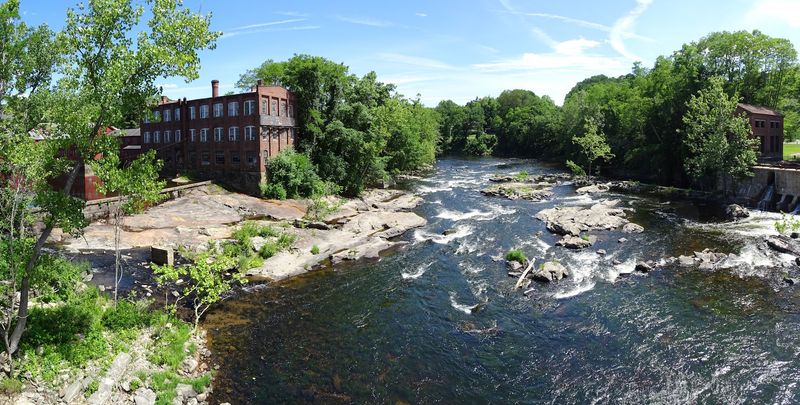
Bear stories travel fast here. A tipped trash bin can become neighborhood news before breakfast, and a surprise backyard visitor certainly gives everyone something to discuss.
Canton has the kind of landscape where black bears can move surprisingly close to homes. Forested hills, the Farmington River corridor, and residential streets overlap, giving wildlife plenty of opportunities to wander beyond deeper woodland.
Food is usually what turns a quick visit into a repeat appearance. Garbage left outdoors is especially tempting, and a screened porch should never be treated as secure storage.
Bears are powerful enough to get through screens when something smells worth investigating.
Keeping garbage inside a closed building until collection morning can reduce that attraction. DEEP also recommends electric fencing as an effective way to protect chickens, beehives, and other backyard food sources from curious bears.
There is also a local place to learn more about the animals sharing the surrounding woods.
Roaring Brook Nature Center operates at 70 Gracey Road, Canton, CT, with exhibits, educational programs, and trails focused on the natural world.
Its programming gives families a closer look at native wildlife without needing an unexpected encounter at home.
Routine bear sightings can be submitted through DEEP’s online reporting system, helping wildlife officials monitor activity and understand where bears are appearing around the state.
5. Burlington
Bear country gets real here. Very real.
Burlington has miles of wooded habitat, and one of the state’s best-known wildlife education areas sits right in town.
Sessions Woods Wildlife Management Area covers more than 700 acres and serves as a base for conservation education. Its forests, fields, ponds, and wetlands support a wide range of wildlife, including black bears.
Visitors can explore marked trails and stop at observation points overlooking natural habitats. The Conservation Education Center adds another layer, with exhibits and educational programs focused on wildlife and habitat management.
The property has also provided reminders that bears deserve plenty of space. In 2015, trails temporarily closed following an encounter involving a bear that approached a hiker.
Wildlife officials emphasized concerns about bears becoming accustomed to people and associating humans with food.
That lesson remains useful well beyond the trail.
Garbage, pet food, and birdseed can encourage bears to spend more time around homes. Removing those attractants reduces the chance of repeat visits and helps keep bears wary of people.
Sessions Woods Wildlife Management Area can be accessed at 341 Milford Street, Burlington, CT.
Hikers who encounter a bear should remain calm, make their presence known, and slowly create distance while leaving the animal an escape route.
Most importantly, skip the close-up photo. Wildlife is far more enjoyable with a comfortable amount of space in between.
6. Farmington
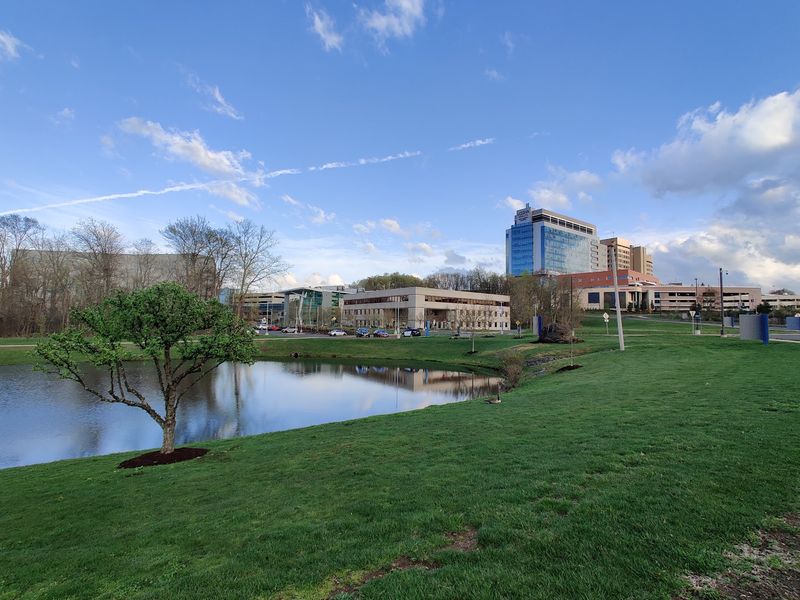
Bear traffic? It happens.
One minute the trail ahead looks completely ordinary, and the next everyone has a very good reason to slow down.
Farmington sits in a part of the state where black bear sightings have become increasingly familiar. DEEP data has repeatedly shown Farmington among municipalities recording substantial numbers of reported sightings, so an occasional backyard visitor is hardly unheard of.
The landscape helps explain why. Wooded areas mix with neighborhoods, while the Farmington River and other green corridors provide natural routes through town.
Bears can move through surprisingly developed areas while searching for food and new territory.
Spring can bring additional movement as young bears separate from their mothers and begin roaming independently. That makes paying attention outdoors especially worthwhile.
Around homes, prevention starts with removing easy meals. DEEP recommends securing garbage, avoiding bird feeders where bears are active, feeding pets indoors, and keeping outdoor areas free of food that might encourage repeat visits.
Trail users should give any bear they encounter plenty of room. Never approach one for a photo or block its escape route.
Dogs should also remain under control.
Residents who notice bears around their property can submit sightings through DEEP’s online reporting system. Those reports help wildlife officials track bear activity as encounters become more common across the state.
7. Barkhamsted
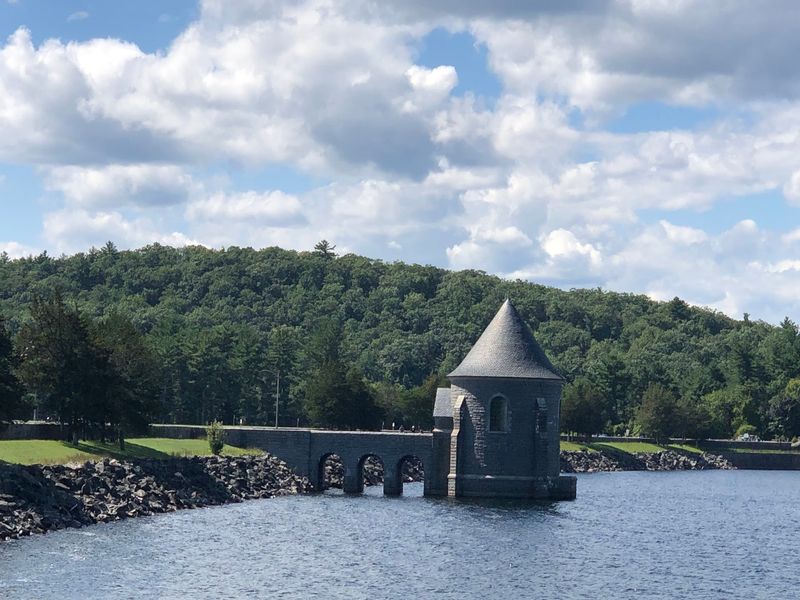
Tall pines, rushing water, and trails that climb above the Farmington River make Barkhamsted a favorite for outdoor lovers. With only a few thousand residents and a great deal of forest, it is no wonder bears feel at home here.
Many locals treat a sighting as ordinary news.
Two state forests shape the landscape. American Legion State Forest follows the west bank of the river, while Peoples State Forest rises on the east side, with its main access along East River Road, Barkhamsted, CT 06063.
Peoples State Forest is also home to a small Nature Museum, open seasonally, that shares the area’s natural and local history.
Barkhamsted also holds the Barkhamsted Reservoir, a key water source for the Hartford region, surrounded by protected woods. All of that undisturbed land supports a healthy bear population.
It also means bears sometimes wander into yards, sheds, and even unlocked cars when food smells drift out.
Here is a simple habit that helps: lock car doors and close ground-floor windows, since bears have learned to open both. Keep coolers and groceries out of vehicles overnight.
On the trails, make a little noise, keep pets close, and enjoy the chance to glimpse one of Connecticut’s largest wild animals from a safe distance.
8. New Hartford
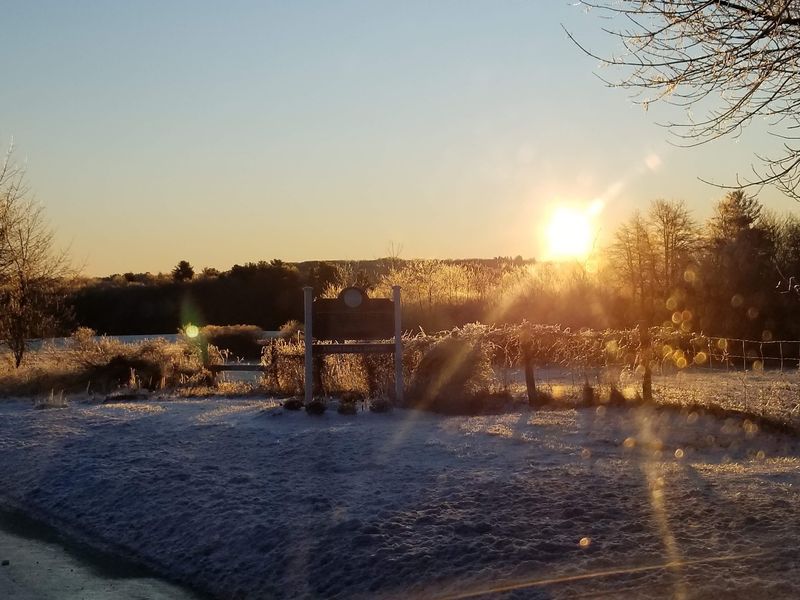
Some towns have one reason for bear activity, and New Hartford has several. The Farmington River cuts through the center of town, forested hills rise on every side, and state land like Nepaug State Forest spreads across the landscape.
Put together, those features create easy paths for bears moving between the woods and backyards.
Residents often joke that they could report a sighting almost every day. Trash cans, compost piles, and bird feeders top the list of bear targets.
Keeping compost free of meat and sweet scraps, and storing garbage inside until pickup day, removes a lot of temptation.
Winter brings a fun contrast. Ski Sundown, at 126 Ratlum Road, New Hartford, CT 06057, fills with skiers and snowboarders during the cold months, just when most bears are resting in their dens.
Come spring, when the slopes turn green again, the bears wake up hungry and start wandering once more.
For anyone hiking, fishing, or tubing along the river in warmer weather, stay alert near thick brush and keep dogs leashed. If you meet a bear, stay calm, face it, and back away slowly while speaking firmly.
9. Torrington
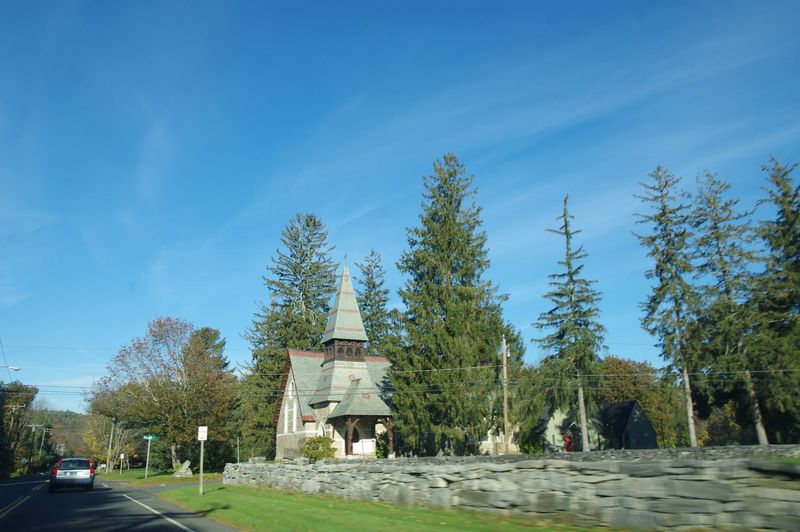
Bear sightings here are serious business. Torrington has become one of the busiest places in the state for reported black bear activity, and recent numbers make that especially clear.
In 2025, the city recorded 521 reported sightings, according to DEEP data. That put Torrington fourth statewide, behind only West Hartford, Simsbury, and Farmington.
The previous year was even busier, with 809 public sightings reported in 2024.
Its location helps explain some of that activity. Torrington sits in northwestern parts of the state, the region where DEEP says the state’s black bear population is most concentrated.
Bears now occur throughout much of the state, but this corner remains particularly active.
Neighborhood encounters are part of the story too. In January 2026, DEEP received a report of a bear attempting to enter a home on Chamberlain Street.
Officers responded, but the animal had already left the area.
Residents can make homes less attractive by securing garbage and removing birdseed, pet food, and other easy food sources. DEEP identifies accessible food around homes as a major contributor to human-bear conflicts.
Sightings can be submitted through DEEP’s online reporting system, giving wildlife biologists valuable information about where bears are appearing and how their range is changing.