Connecticut Has A New Japanese Market Packed With Wagyu, Bento Boxes And Foods Straight From Japan
A grocery run gets much more interesting when half the shelves make you stop and take a closer look.
That curiosity is built into this new market. Familiar Japanese favorites share space with foods that may send shoppers reaching for their phones to learn what they have just discovered.
Connecticut now has a Japanese market where imported specialties turn ordinary grocery shopping into a much more tempting browse.
The refrigerated cases deserve attention too. Ready-to-eat options make it possible to arrive looking for ingredients and become distracted by lunch before you finish shopping.
Then there is the wagyu.
It gives serious home cooks another reason to linger, while imported products offer plenty for anyone interested in exploring Japanese food beyond the usual supermarket selection.
A new market should make shoppers curious. This one seems designed to create the much more enjoyable problem of walking in for one thing and finding several reasons to keep browsing.
1. Japanese Food Culture Fills This Modern Market
Lunch or groceries? Why choose? One stop can easily turn into both at The Loop Market by Hachiroku.
The Japanese market opened in New Haven on July 31, 2026, bringing together specialty grocery shopping and prepared food in one modern space. Someone might arrive looking for pantry staples and leave carrying dinner ingredients plus something ready to eat.
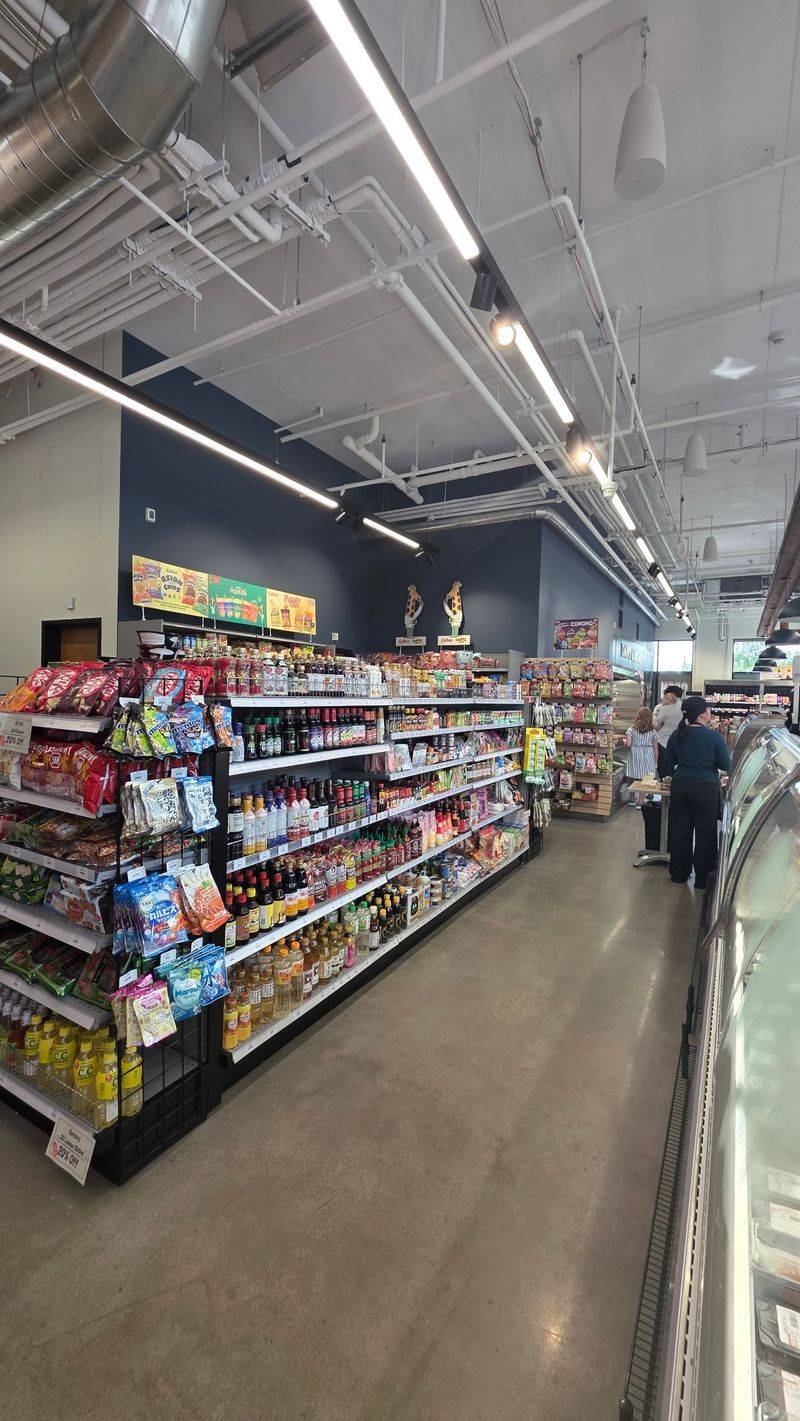
The selection makes browsing especially fun. Shelves hold Japanese snacks, sauces, seasonings, noodles, drinks, and other imported products, while refrigerated sections add fresh choices to the mix.
Produce and premium meats expand the possibilities for shoppers planning to cook at home.
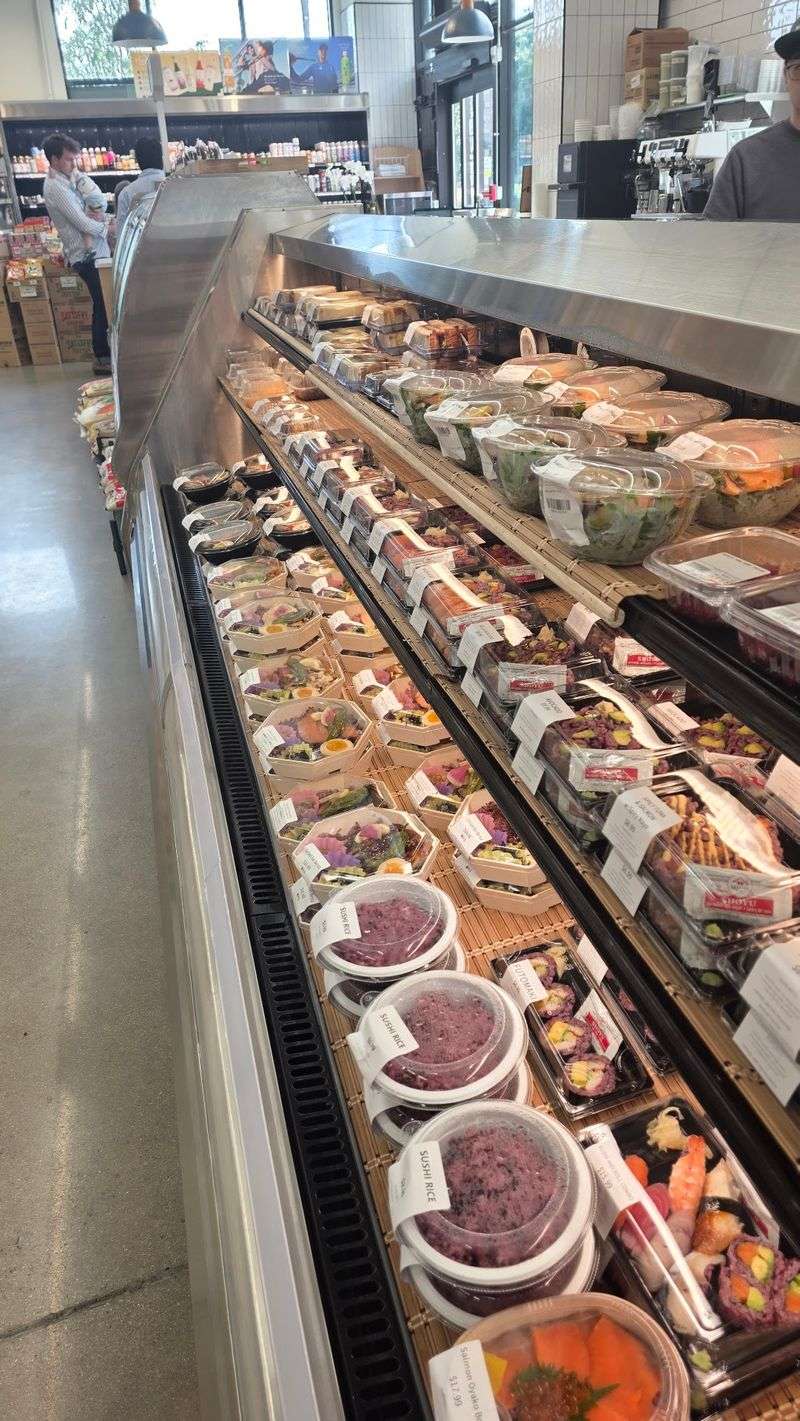
Prepared food gives visitors another reason to linger. Bento boxes, sushi, and other grab-and-go dishes make it possible to turn a grocery trip into lunch without heading somewhere else afterward.
The interior feels bright and contemporary, with plants adding warmth and seating available for customers who would rather eat immediately than take everything home. For Connecticut shoppers curious about Japanese food, the market offers plenty to explore in one stop.
First visits deserve an extra lap around the market. With grocery shelves, prepared dishes, fresh ingredients, and unfamiliar treats competing for attention, grabbing the first thing that looks good can mean missing something even more tempting around the corner.
Come hungry and curious. A quick grocery run has a funny way of becoming the main event here.
2. A Downtown Neighborhood Setting Hides The New Shop
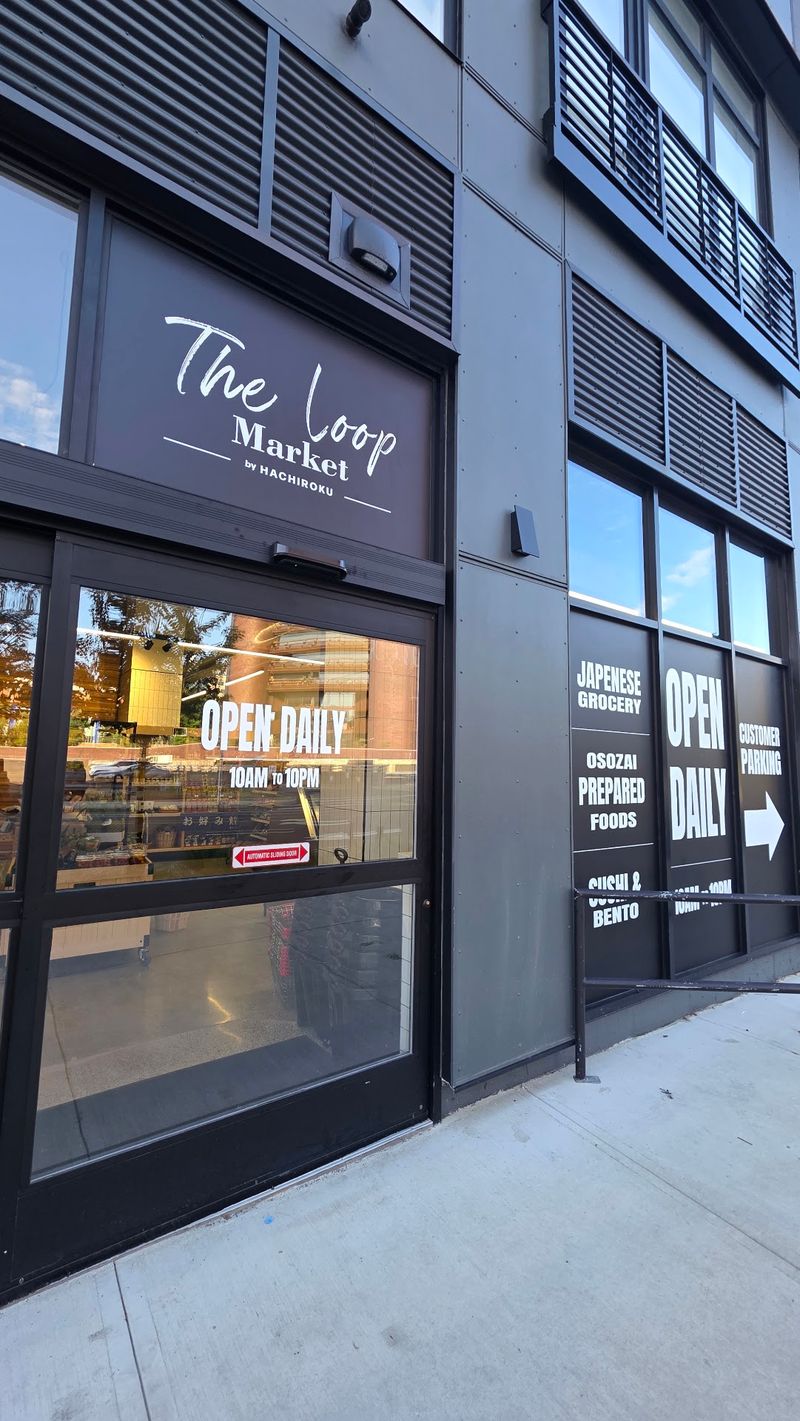
Downtown grocery runs just got more interesting. Much more interesting.
Japanese snacks, prepared meals, and specialty ingredients now have their own destination in the heart of New Haven.
The Loop Market by Hachiroku brings a different kind of shopping experience to George Street. Its modern interior matches the newer mixed-use building around it, creating a bright space where browsing can easily stretch longer than planned.
The downtown setting makes quick visits especially convenient. Nearby residents can stop for groceries, while students, workers, and visitors can swing through for lunch or something to take home for dinner.
The market is also within easy reach of other restaurants, businesses, and attractions around the city center.
Long opening hours add another advantage. The market currently operates daily from 10 AM to 10 PM, leaving plenty of time for an evening grocery run or a late craving for Japanese treats.
Parking options vary around downtown, so people already nearby may find walking or biking particularly convenient.
The Loop Market by Hachiroku welcomes shoppers at 20 George St, New Haven, CT.
Holiday schedules can differ from regular hours, so checking current information before a special trip is worthwhile.
For a city already known for food, this newcomer gives everyday grocery shopping a fresh little twist.
3. Hachiroku’s Team Brings Serious Japanese Food Expertise
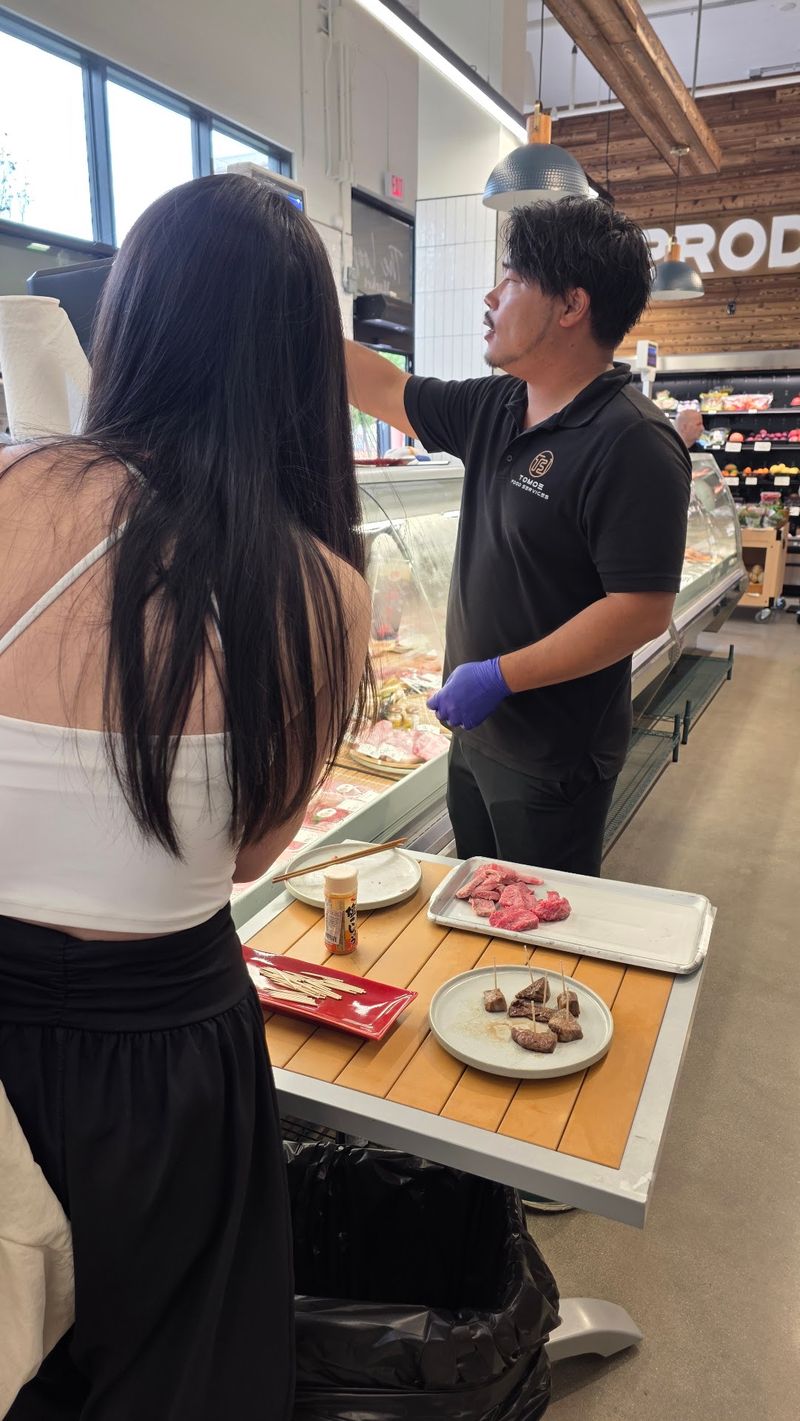
Even the name has a story. Hachiroku translates to “eight six” in Japanese, giving The Loop Market a playful connection to the restaurant world, where “86” is commonly used when an item is no longer available.
The people behind the market already know New Haven’s appetite well. The Loop Market is part of the Hachiroku hospitality group, whose local concepts include Hachiroku Shokudo & Sake Bar, Hachiroku Handroll Bar, and Hachiroku Shokudo & Sake Bar East Rock.
That restaurant experience carries naturally into the grocery side of the business. Rather than filling shelves with a random assortment of Japanese products, the market brings together ingredients, prepared foods, and specialty items selected by a team already deeply involved in Japanese cooking.
That makes browsing especially interesting for customers familiar with the group’s other businesses. Some flavors and ingredients may already feel recognizable, while plenty of unfamiliar products offer an excuse to try something different at home.
New customers do not need any knowledge of Japanese cooking to enjoy the experience, either. Prepared foods provide an easy starting point, while the grocery aisles leave plenty of room for experimenting later.
It all gives the market a more personal identity than a typical specialty grocery store. The restaurant connection is always quietly present, even when you are simply shopping for dinner.
4. Wagyu Gives The Meat Counter Star Power
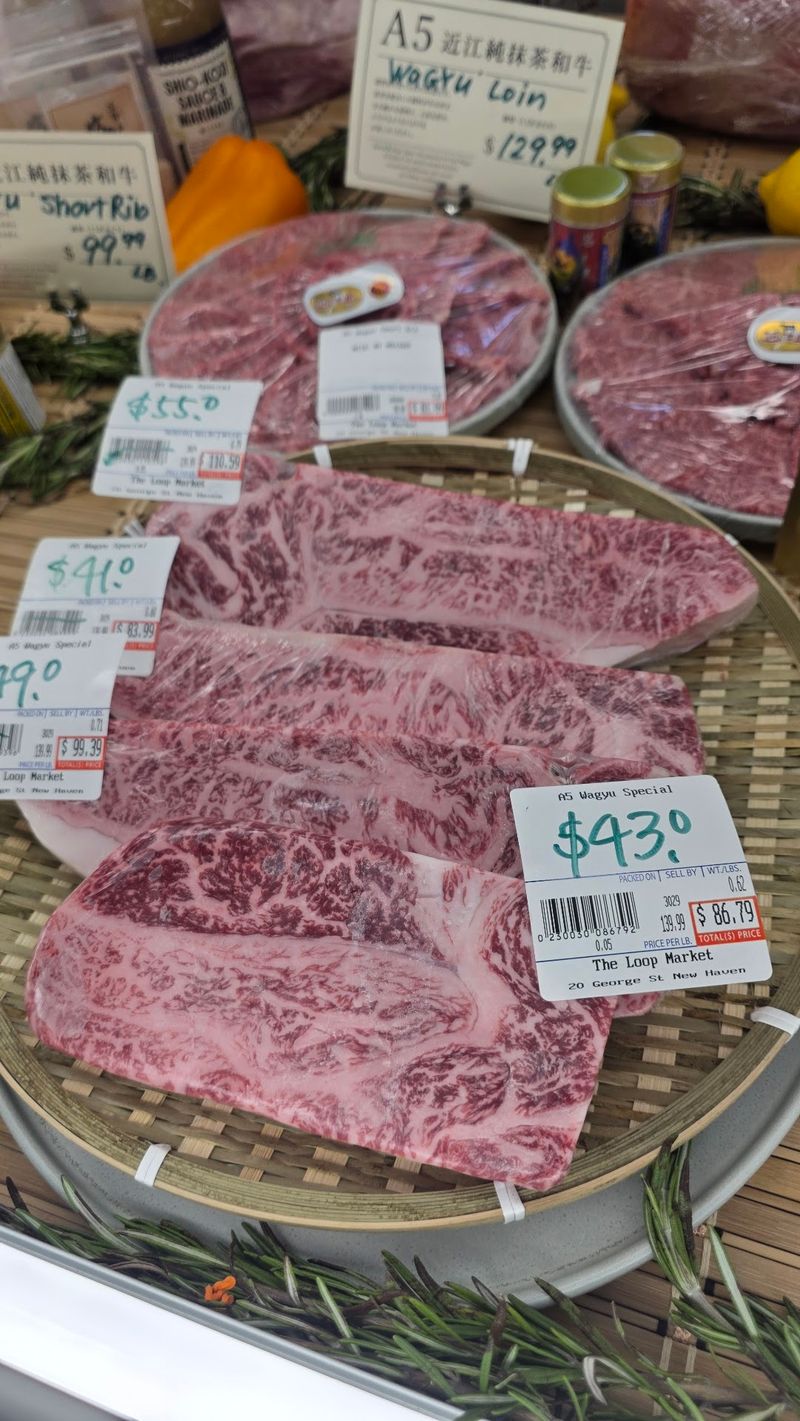
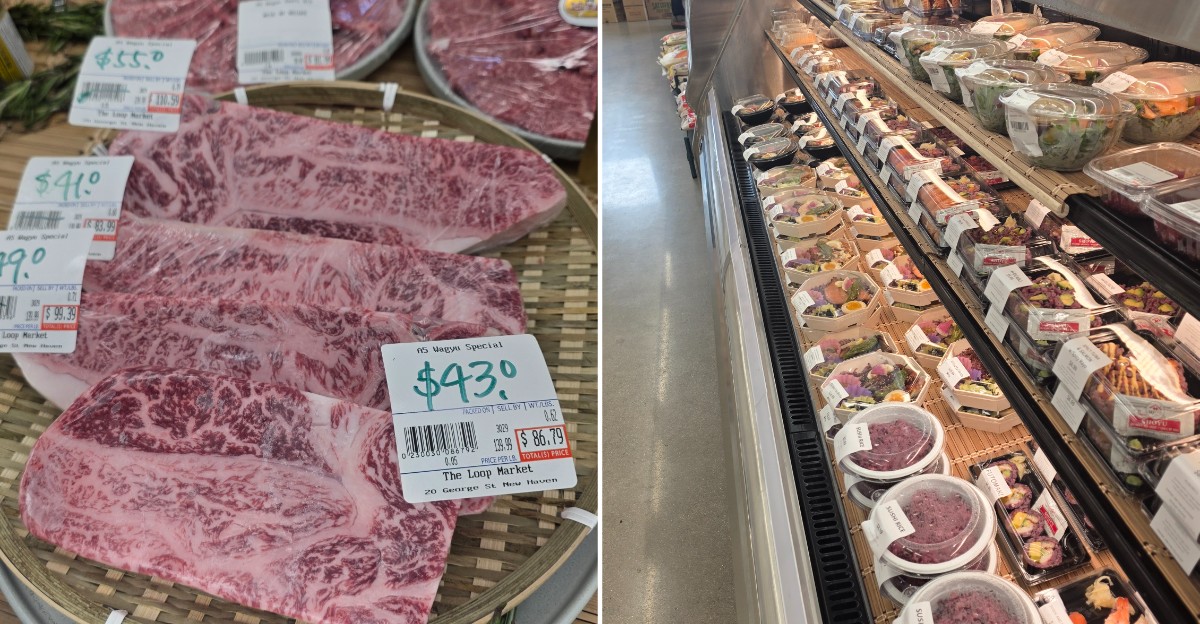
A dedicated Wagyu butcher counter is not something you come across on an ordinary grocery run, and that helps this market stand out. The glass cases hold both A5 and A4 grade Wagyu, among the highest grades in Japan’s beef grading system.
Those cuts are known for their beautiful marbling, with fine ribbons of fat that melt as the beef cooks.
So what do the letters and numbers mean? In Japan, the letter rates how much usable meat comes from the animal, while the number, from 1 to 5, scores qualities like marbling, color, and texture.
An A5 sits at the very top, and A4 is close behind, often with a slightly lighter richness.
Because Wagyu is so rich, a little goes a long way. Thin slices seared quickly in a hot pan, or a small steak shared among a few people, can be more satisfying than a big plate of ordinary beef.
Many home cooks season it with just salt so the flavor stays front and center.
Not ready to cook it yourself? Keep an eye on the prepared foods, where Wagyu sometimes appears in ready-to-eat dishes, including onigiri with yakiniku-style Wagyu.
Offerings can change, so asking the counter staff what is available that day is always a good idea.
5. Bento Boxes Make Lunch An Easy Grab
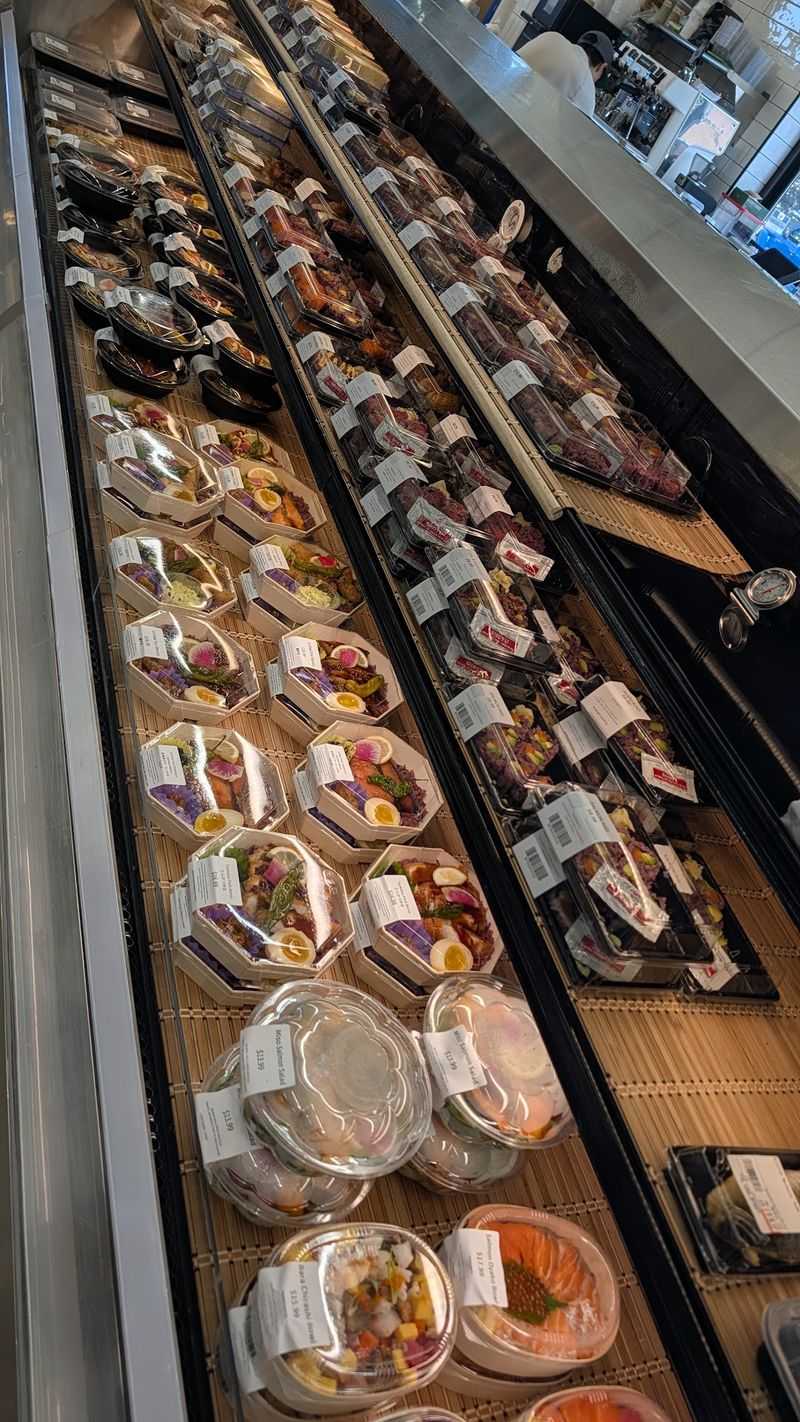
Lunch in Japan has long been an art form, and the humble bento box proves it. These single-serving meals are packed so each section shows off its own color and texture, turning a quick bite into something that looks almost too tidy to eat.
At The Loop Market, bento sit among the prepared foods, ready to grab.
A typical box starts with a base of rice or noodles. From there, the protein might be crispy tonkatsu pork, salt-seasoned shio karaage chicken, grilled mackerel, or grilled eel, served alongside pickled or cooked vegetables.
Some boxes lean fancier, with touches like tuna and uni or salmon topped with shiny roe.
The prepared-food cases offer a rotating selection of bento boxes and other ready-to-eat options throughout the day.Even so, the most popular choices can go quickly around lunchtime. Arriving a bit early gives you the widest pick.
With seating right inside, you can enjoy your box on the spot or carry it back to the office, a dorm, or a park bench. Pair it with a treat from the snack aisle, and you have a complete, colorful lunch that feels a little special without taking much time.
6. Imported Foods Fill Shelves With New Discoveries
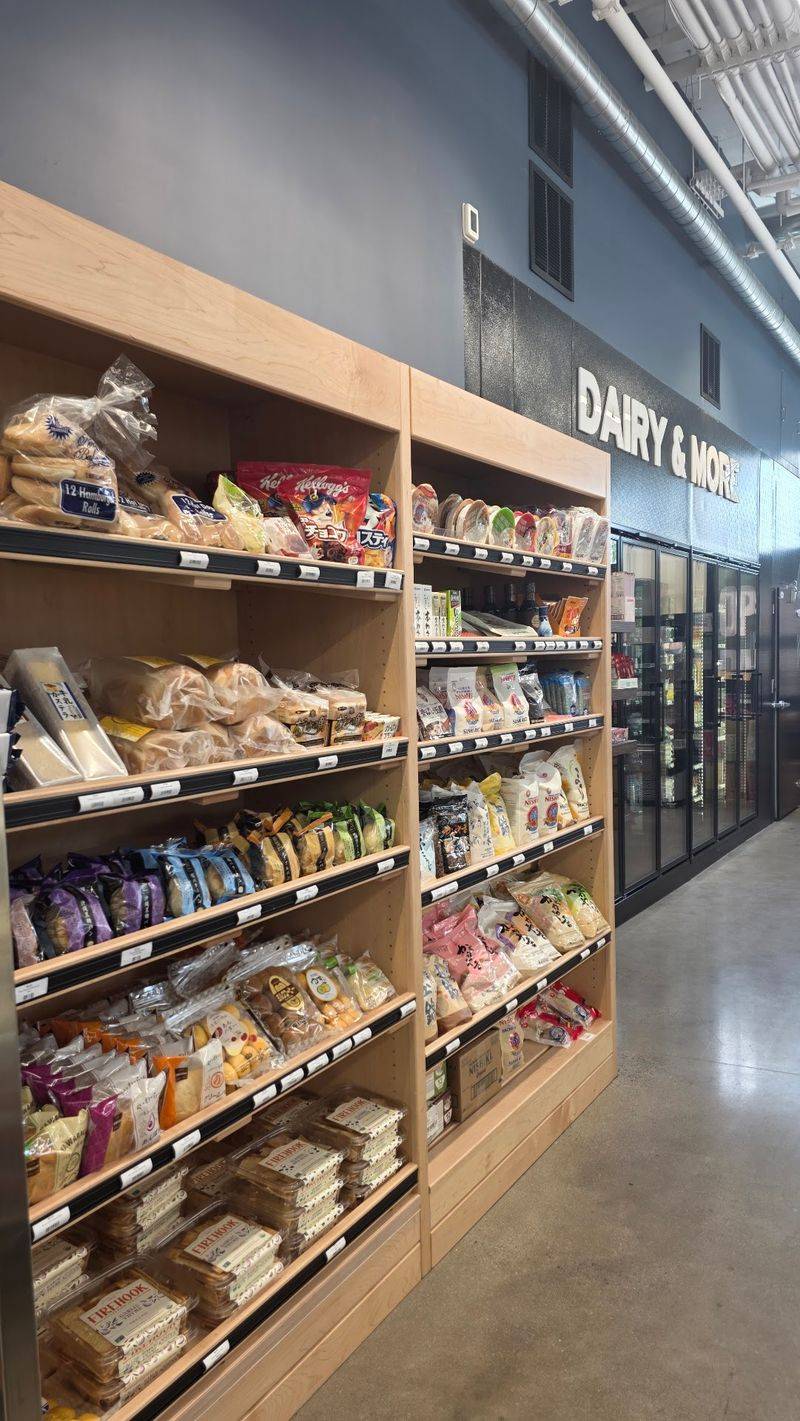
Reading the labels here can feel like a mini language lesson. Many products on the shelves come straight from Japan, with packaging covered in Japanese characters, bright cartoon mascots, and designs you will not spot in a typical American supermarket.
For curious shoppers, that sense of discovery is half the fun.
Seafood is one of the most exciting imports. The market carries imported Japanese fish, giving New Haven cooks access to flavors that usually require a trip to a big city specialty shop.
Ready-made sushi and sashimi are also on offer, and visitors often say the quality rivals what they would expect from a restaurant.
The drinks section deserves a look, too. Sparkling Japanese sodas line up in cheerful colors, and some come in unusual flavors that make great conversation starters at a picnic or party.
Picking one you have never tried is an easy, low-cost way to explore.
If a package puzzles you, snap a photo and use a translation app, or simply ask a staff member for help. Starting with one or two unfamiliar items per visit keeps things fun rather than overwhelming, and it slowly builds a list of new favorites you will want to buy again.
7. Snacks And Pantry Staples Reward Slow Browsing
Rushing through this part of the store would be a mistake. The snack aisles are packed with colorful Japanese candies, crunchy savory bites, and sweet treats, and it takes a few slow laps to see everything.
Kids and adults alike tend to linger here.
Pantry basics get just as much attention. Shelves hold instant ramen, specialty sauces, condiments, miso pastes, Japanese rice, several kinds of nori, pickled vegetables, and seasonings, which covers most of what you need for home cooking.
In the freezer, you can find treats like mochi and dumplings for easy desserts or quick dinners.
Tea lovers should budget some extra time. The market offers a deep selection of matcha at different price points, from everyday grades that work well in lattes and baking to ceremonial grades meant for whisking and sipping plain.
Shoppers also point out a solid tea and coffee section overall.
A practical way to shop is to build a starter kit. Grab a bag of rice, a tub of miso, a pack of nori, and one fun snack, and you have the makings of a simple Japanese meal plus a reward for after.
Next visit, add a new sauce or seasoning to keep expanding your cooking.
8. Hard-To-Find Ingredients Make Shopping More Exciting
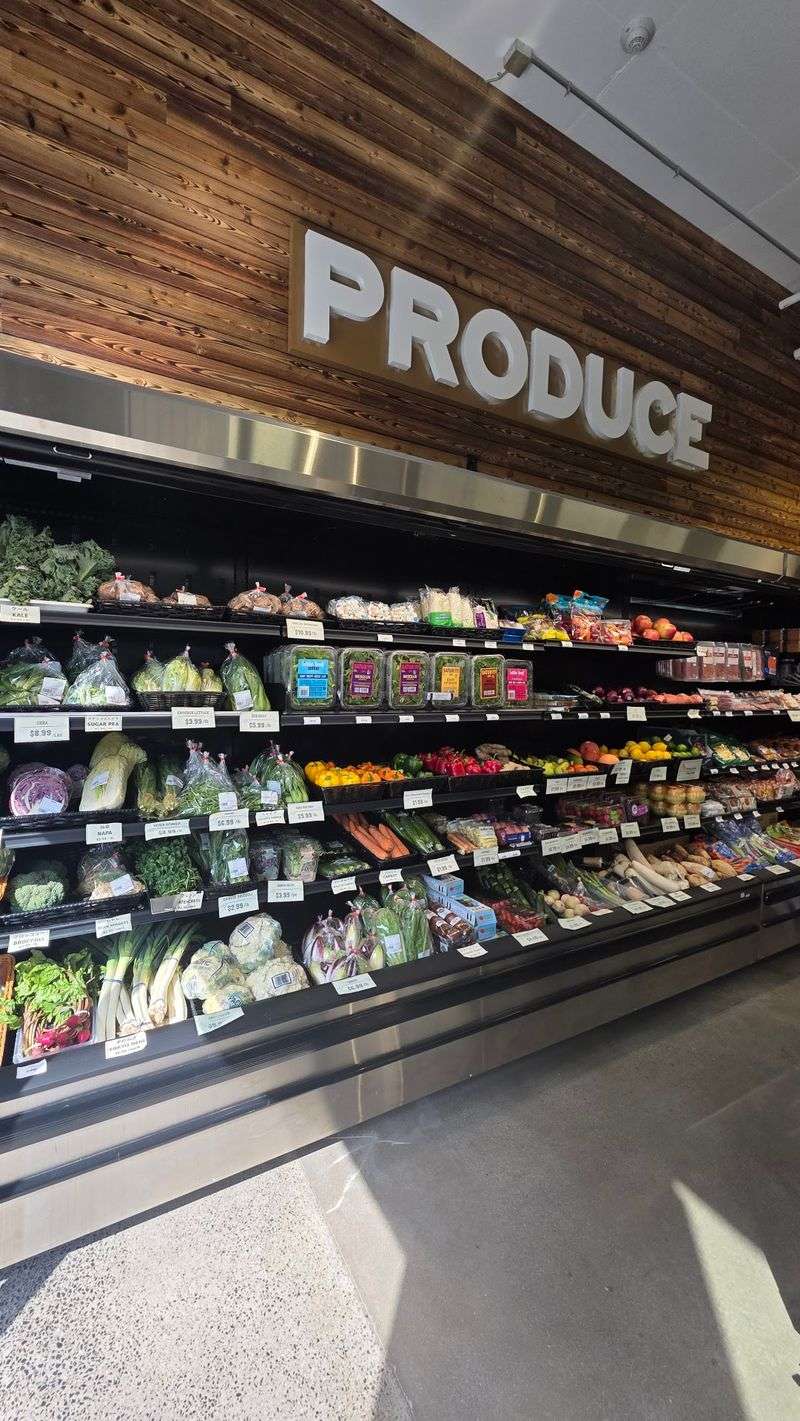
Ever tried to track down fresh lotus root for a recipe, only to leave three stores empty-handed? That kind of frustration is exactly what this section of the market can solve.
Specialty produce such as daikon radish, renkon lotus root, napa cabbage, and a range of fresh mushrooms sits ready for home cooks.
Seafood fans have their own treasures to hunt for. Prized items like otoro, the fatty belly of the tuna, and creamy uni, or sea urchin, show up here, which is rare for a local grocery.
Both are best enjoyed soon after buying, so plan to eat them the same day.
Then come the trendy bites that make the prepared case so much fun. Fluffy Japanese egg sandos and crunchy katsu sandos share space with creative onigiri flavors, and viral treats like fruit-shaped desserts have made appearances as well.
Some shoppers also rave about the pastries.
Because selections can shift with seasons and shipments, each visit may turn up something you did not see before. Following the market’s social media is an easy way to hear about new arrivals.
Bring a cooler bag if you plan to buy seafood or Wagyu, especially on warm days, so everything gets home fresh.