The Connecticut Attraction Where History Comes Alive Like Never Before
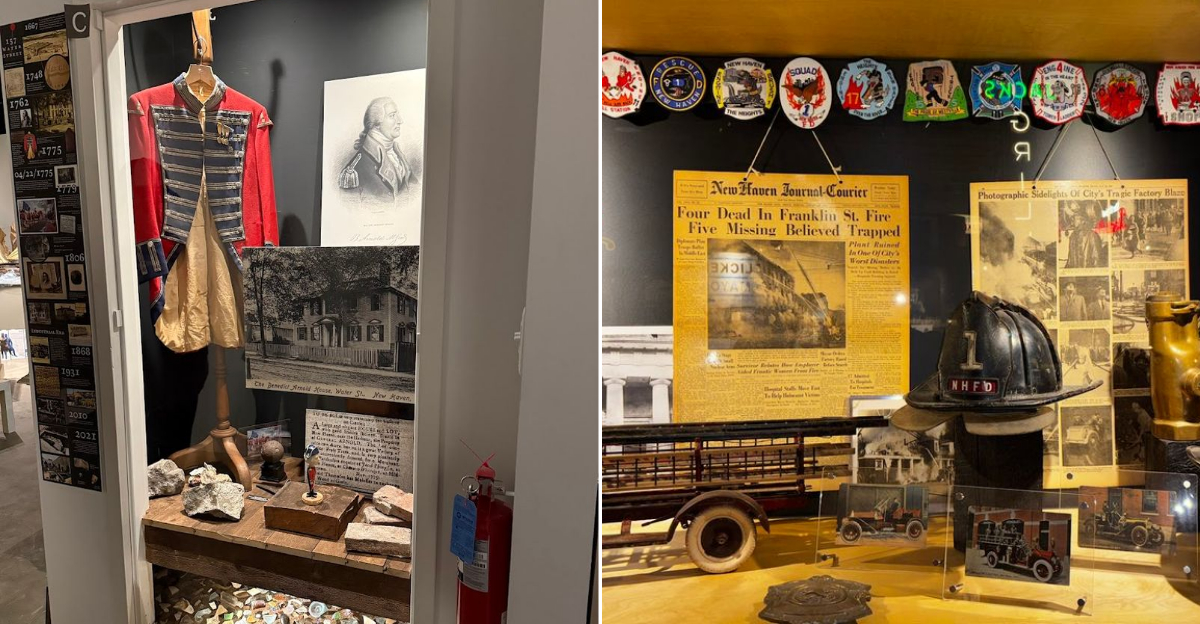
History has a reputation for being a little dry and whoever decided that clearly never walked into a place like this.
There is a spot in Connecticut where history stops being something you read about and actually becomes something you feel – the kind of cultural experience that pulls you in from the first room and doesn’t let go until you’ve seen every single corner.
Thoughtfully curated, deeply rooted in the stories of the people who actually lived them, and presented in a way that makes everything feel relevant rather than distant. The kind of place that makes you leave knowing something you didn’t walk in with – not just facts but actual perspective.
Local history has never felt this alive or this personal and that is exactly what makes this one stand out from anything else on the map.
1. Why This Connecticut Spot Is Worth Visiting

Not every museum manages to feel both educational and deeply personal at the same time, but Lost In New Haven pulls that off with remarkable ease. The collection spans an enormous range of time periods and topics, from the earliest days of the city to modern pop culture moments that longtime residents will immediately recognize.
What sets the space apart is how thoughtfully each item has been chosen and displayed. Nothing feels random or thrown together.
Artifacts are placed with care, and the stories behind them are just as compelling as the objects themselves. Visitors of all ages tend to find something that connects with them personally, whether that is a childhood memory tied to a familiar logo or a surprising fact about a historical figure with deep New Haven roots.
The museum is located at 80 Hamilton St, New Haven, CT 06511, and operates on limited hours, so checking ahead before planning a visit is always a smart move. School groups, families, and solo explorers all seem to walk away with a new appreciation for the city.
2. The Unique History That Sets It Apart
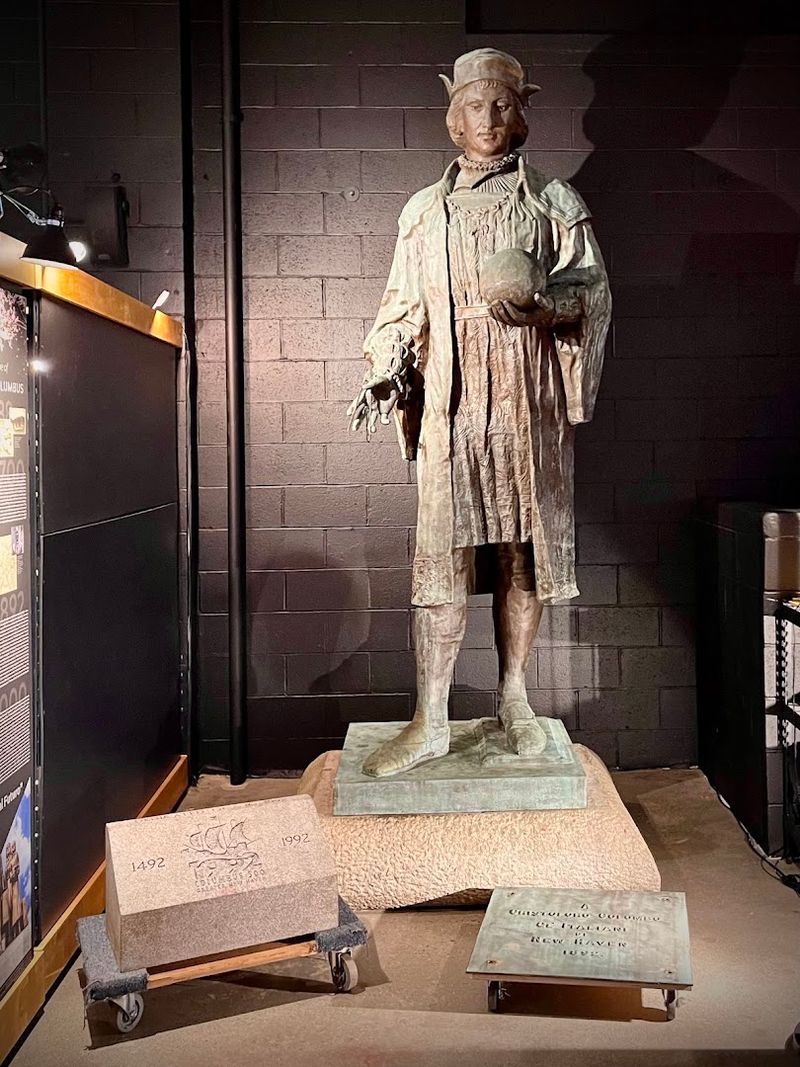
Few places manage to weave together so many layers of a city’s past into a single coherent story, and that is exactly what makes Lost In New Haven stand out among Connecticut attractions. The collection traces New Haven’s history from the indigenous peoples who first lived on this land all the way through Puritan settlement, English colonial rule, wartime periods, and eventually into modern times.
Each era is represented through tangible objects rather than just text panels or photographs.
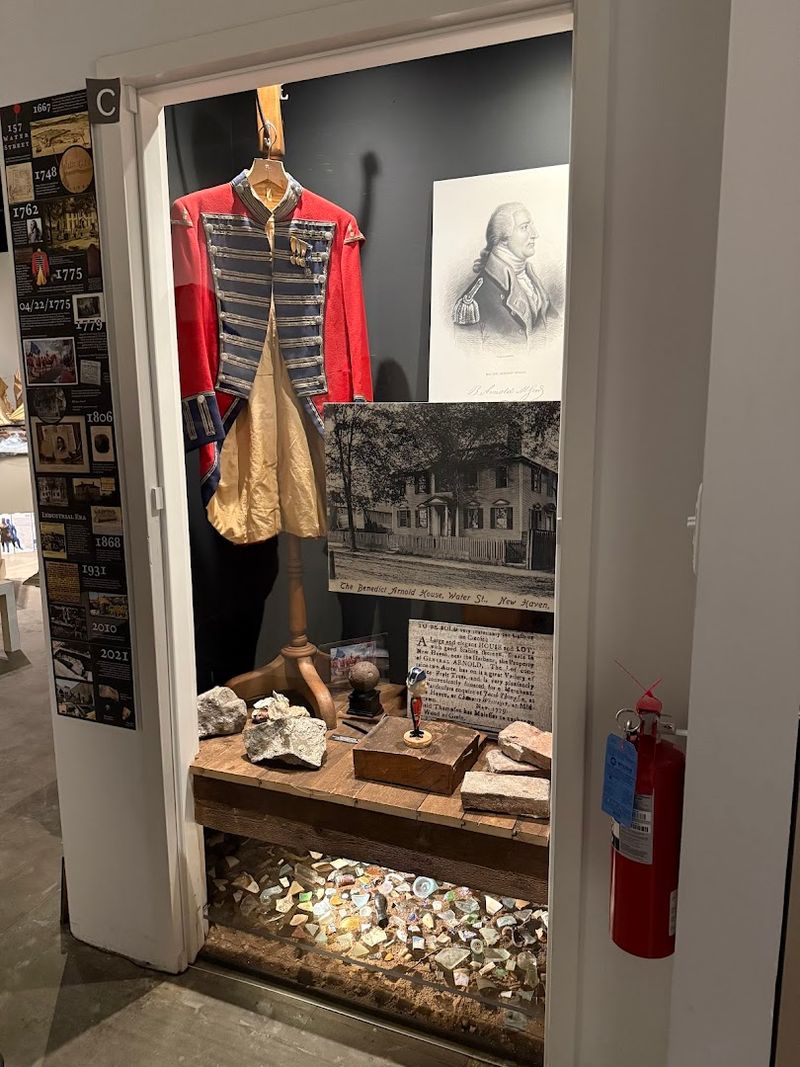
Particularly notable is the section dedicated to figures like Benedict Arnold and Noah Webster, both of whom have significant ties to New Haven. Seeing artifacts and storytelling connected to these well-known names in such an intimate setting gives the history a texture that textbooks simply cannot replicate.
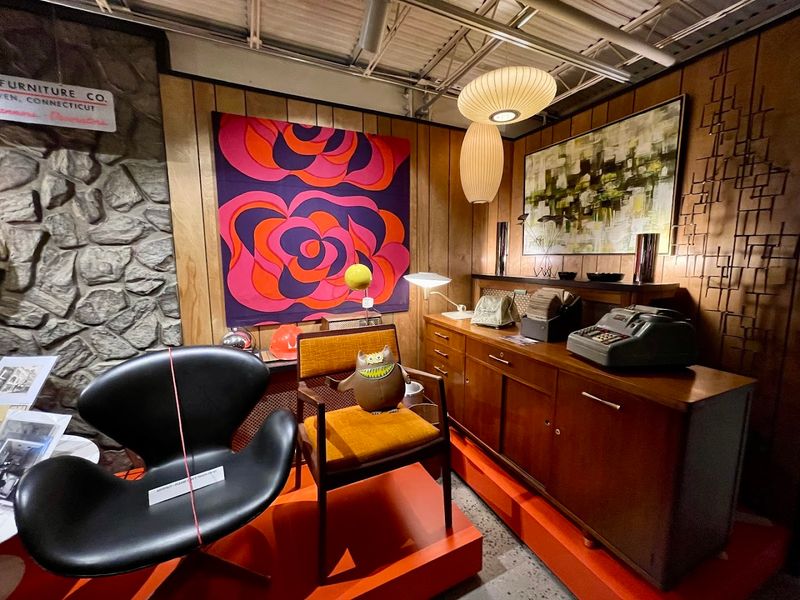
The museum also highlights New Haven’s role in music history, manufacturing, and community life in ways that feel fresh and surprising even for people who grew up in the area. The collection is described as constantly growing, with new items regularly added to the exhibits.
For anyone curious about how a small northeastern city shaped so much of American culture and history, this museum offers a genuinely eye-opening perspective.
3. What Makes The Experience Truly Immersive
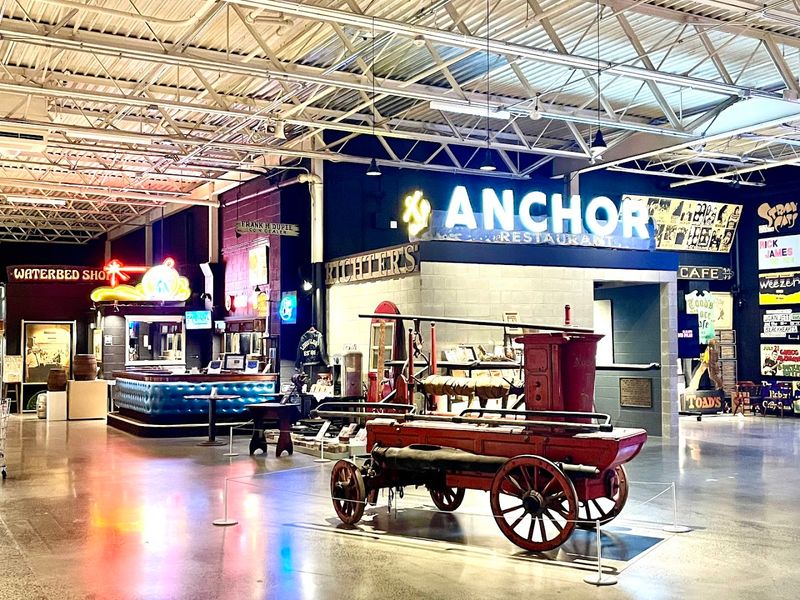
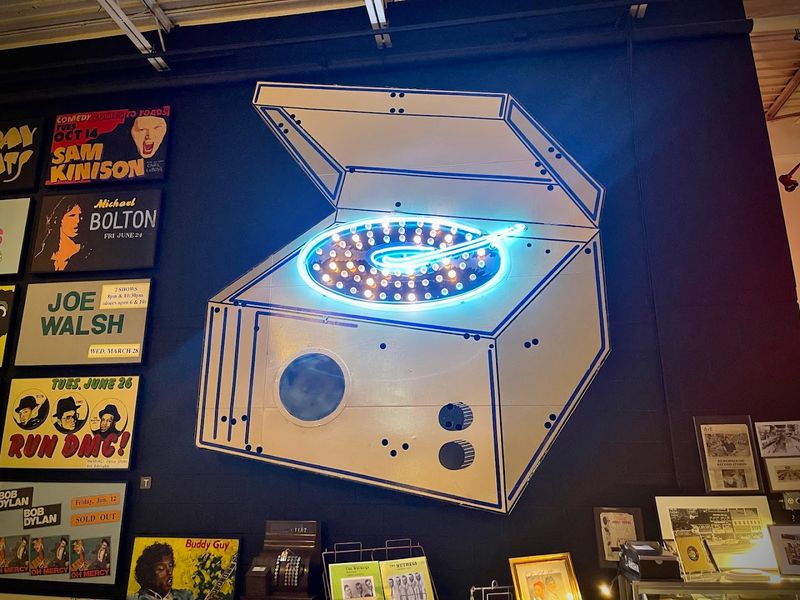
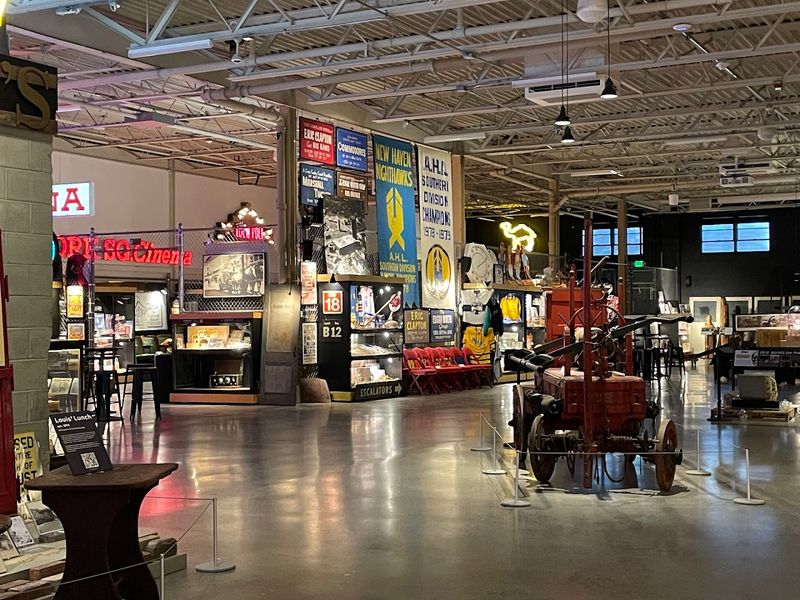
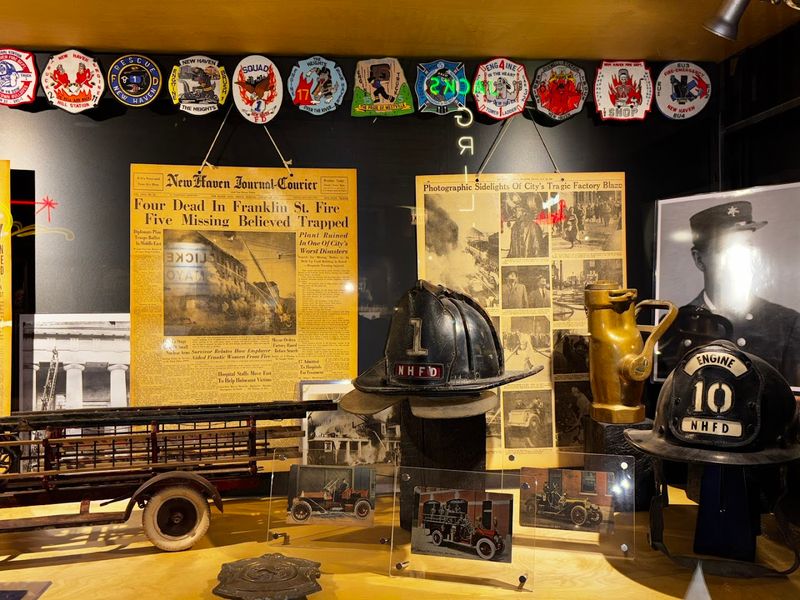
The sheer density of the collection means that every glance in a new direction reveals something unexpected, whether it is a vintage neon sign salvaged from a beloved local business or a piece of equipment that once belonged to a well-known New Haven institution. The space rewards slow, attentive exploration rather than a quick walk-through.
Lighting and layout play a big role in how the experience unfolds. Items are displayed at varying heights and in different configurations, which keeps the visual rhythm interesting and prevents the eye from glazing over.
There is a tactile quality to the atmosphere even when nothing is being touched, simply because so many real, aged, and weathered objects surround the visitor.
Sound also plays a role in the experience, with the stories shared during guided tours adding an auditory layer that brings static objects to life. The founder’s enthusiasm for the collection is reportedly contagious, and visitors often describe leaving the museum feeling energized rather than tired.
For anyone who finds standard museum visits a bit flat, this space tends to feel like a genuinely different kind of encounter with the past.
4. Artifacts And Stories You Can’t See Anywhere Else
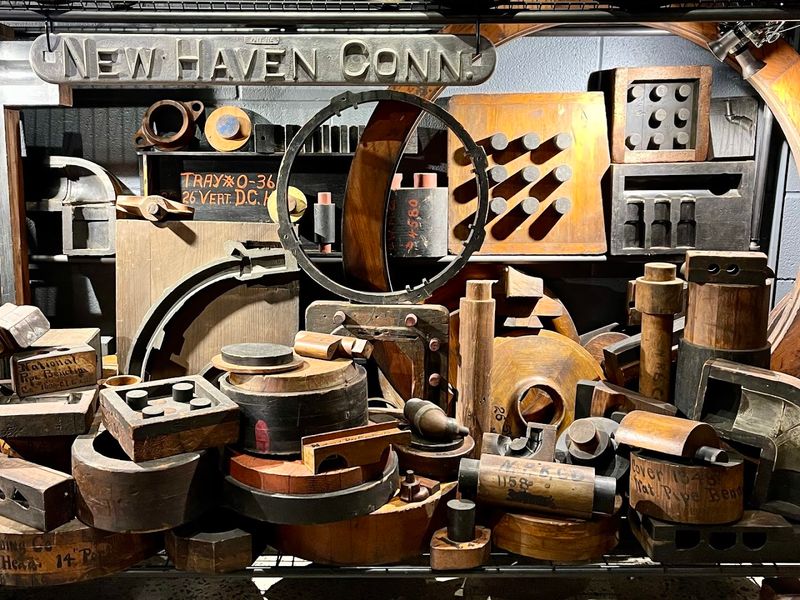
Some of the most talked-about items in the collection are genuinely one-of-a-kind finds that exist nowhere else in a public setting. Among the artifacts on display are discarded neon signs from Cutler’s Records and the old Arena venue, radioactive AC Gilbert atomic energy kits that were actually manufactured in New Haven, and early Frisbee-related pie tins connected to the original concept that went on to become a global phenomenon.
Each of these objects carries a story that stretches far beyond the item itself.
There are also deeply personal pieces in the collection, such as a watchmaker’s bench that belonged to a craftsman who worked at a local jeweler for nearly sixty years. Details like that transform a museum visit into something that feels almost like meeting the city’s residents across time.
The stories behind how individual items were acquired are often just as fascinating as the artifacts themselves.
New Haven’s music history is also well represented, with memorabilia connected to venues and moments that shaped the cultural life of the region. For history enthusiasts, collectors, or anyone with a connection to New Haven, the depth and specificity of this collection is genuinely hard to match.
Visiting more than once tends to reveal items that were easy to miss the first time around.
5. Interactive Displays That Bring History To Life
Beyond simply viewing artifacts behind glass, Lost In New Haven offers experiences that actively engage visitors in the material. Scavenger hunts are available and have been used during private events as well as public visits, turning the exploration of the collection into a playful and participatory activity.
Groups that have used this format often describe it as a surprisingly effective way to absorb information while staying genuinely entertained.
School groups in particular have responded well to the hands-on approach. Third graders visiting on field trips have reportedly remained fully engaged throughout their time at the museum, which is no small feat.
The combination of real artifacts, storytelling, and structured activities seems to create an environment where learning happens almost without effort.
The museum staff, including the founder, are described as actively committed to working with educators to design visits that connect meaningfully with classroom curriculum. That kind of flexibility makes the space useful not just as a general attraction but as a genuine educational resource.
For families visiting with children of different ages, the layered nature of the exhibits means that younger kids and older ones tend to find different things to engage with, making the experience feel tailored even when it is not specifically customized.
6. When To Plan Your Visit For The Best Experience
Timing a visit to Lost In New Haven takes a little planning because the museum operates on a limited weekly schedule. Currently, the museum is open on Mondays and Thursdays from 12 to 5 PM, which means spontaneous drop-in visits may not always be possible.
Guided tours are among the most praised aspects of the experience, and those tend to fill up or require advance coordination. Arriving with enough time to take a full tour rather than just a self-guided walk allows visitors to get significantly more out of the collection.
The stories and context provided during a guided visit add a dimension that simply browsing on one’s own cannot fully replicate.
Weekday visits during open hours tend to offer a quieter, more personal atmosphere. Groups and private events are also hosted at the venue, so scheduling around those occasions could affect the feel of a visit.
For anyone planning a trip specifically to New Haven, building the museum into a Monday or Thursday itinerary ensures the experience is available without disappointment on arrival.
7. Guided Tours And Special Programs Available
The guided tour experience at Lost In New Haven is widely regarded as the highlight of any visit to the museum. The founder leads tours with an encyclopedic knowledge of both the objects in the collection and the broader history of New Haven, and the storytelling style tends to be engaging and entertaining rather than dry or lecture-like.
Visitors consistently describe the experience as one of the most memorable parts of a trip to the city.
Beyond standard tours, the museum has worked directly with educators to create customized visits for school groups. Programs are designed to connect with specific curriculum goals, making the museum a practical resource for teachers looking for place-based, screen-free learning experiences.
Students are able to interact with artifacts from the earliest days of New Haven in a way that no digital resource can replicate.
Private events are another dimension of the museum’s programming, with the space available for rentals that have included retirement parties, corporate gatherings, and holiday celebrations. The combination of a visually rich environment and a knowledgeable host makes the venue well-suited to events where guests want something more memorable than a standard venue.
Reaching out to the museum directly through their website or phone is the best way to explore program availability and event booking options.
8. Where To Find This Hidden Connecticut Gem
Situated in a part of New Haven that is accessible without being immediately obvious to casual passersby, Lost In New Haven has a quality that feels intentional rather than accidental. The museum is located at 80 Hamilton St, New Haven, CT 06511, and sits within a city that is already rich with cultural and historical destinations.
Finding it for the first time can feel like a discovery, which suits the spirit of the collection perfectly.
Parking options in the surrounding area are available, and the location is reachable by car or public transit depending on where a visitor is coming from. New Haven itself is a walkable city in many of its central neighborhoods, and the museum’s location fits within that general character.
Visitors coming from outside Connecticut often combine a trip to Lost In New Haven with other New Haven destinations to make the most of a full day in the city.
The museum’s website provides current information about location, hours, and any updates to programming. For anyone unfamiliar with the Hamilton Street address, using a map application to navigate directly to the building is the most reliable approach.
9. Tips For Making The Most Of Your Trip
Getting the full value out of a visit to Lost In New Haven starts with one straightforward move: booking or confirming a guided tour rather than arriving for a self-guided browse alone. The stories behind the objects are a core part of what makes the collection meaningful, and those stories come through most clearly when the founder is present to share them.
Going in without that context means missing a significant portion of what the museum has to offer.
Wearing comfortable shoes and allowing at least a couple of hours for the visit tends to make the experience more enjoyable. The collection is dense and layered, and rushing through it means missing details that reward closer attention.
Visitors who have returned multiple times often mention noticing things they overlooked on earlier trips, so treating the first visit as the beginning of an ongoing relationship with the museum rather than a one-time stop is a worthwhile mindset.
Bringing children along is entirely appropriate, as the museum has demonstrated a strong track record with younger audiences. Keeping phones available for note-taking or photos of particularly interesting items can help extend the experience after leaving.
Checking the museum’s website before visiting ensures the most current information about hours and any special programming that might align with the planned visit date.