Forget Carrying A Heavy Pack, These Idaho Hiking Trips Come With Llamas
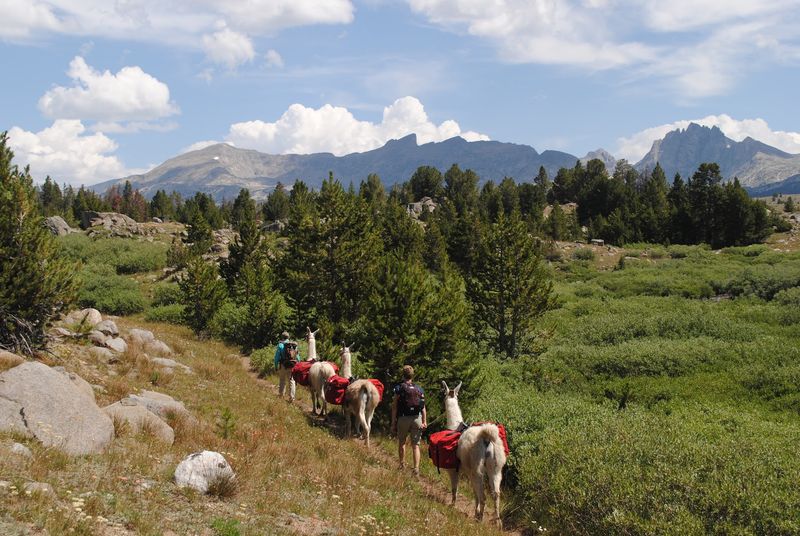
Llamas hum. That small, surprising sound is one of the first things people notice on a backcountry trail in eastern Idaho, right around the time they realize they are not carrying their own tent.
A family outfit near the Snake River has spent years pairing hikers with sure-footed pack animals that haul the heavy stuff while you enjoy the walk. It opens up mountain lakes, wildflower basins, and quiet campsites to folks who never thought a multi-day trek was within reach.
A Llama Ranch East Of Town
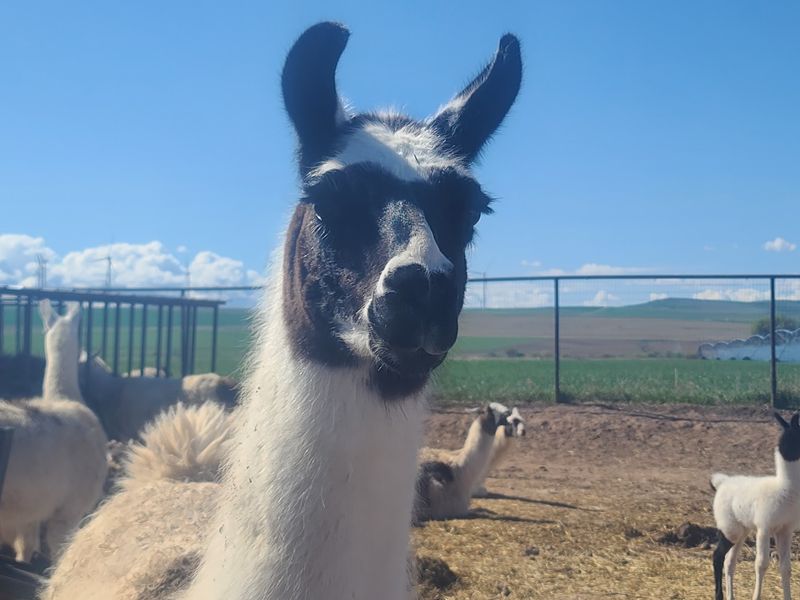
Fuzzy ears poke over a fence line east of Idaho Falls, where farm fields in Bonneville County start rolling toward the foothills near Ririe. Behind them sits the home base of Wilderness Ridge Trail Llamas, a tour operator that does something most Idahoans have never tried: it sends hikers into the mountains with llamas doing the heavy lifting.
The setup is simple to explain. You walk, the llama carries your food, tent, and cooking gear, and a guide keeps the whole string moving in the right direction.
Folks who prefer to go it alone can rent the animals and lead their own trip instead.
Out here on the edge of the Snake River Plain, the ranch feels far removed from the resort crowds farther east. Pickup trucks roll past on the highway, irrigation lines tick across the fields, and the Big Hole Mountains and the high country beyond rise on the horizon.
That horizon matters, because it is where the llamas go to work. The outfit’s trips head into eastern Idaho’s wildest corners, and the ranch is where every one of them begins, with a halter, a pack saddle, and a patient animal waiting to meet you.
Family Roots Since 2010
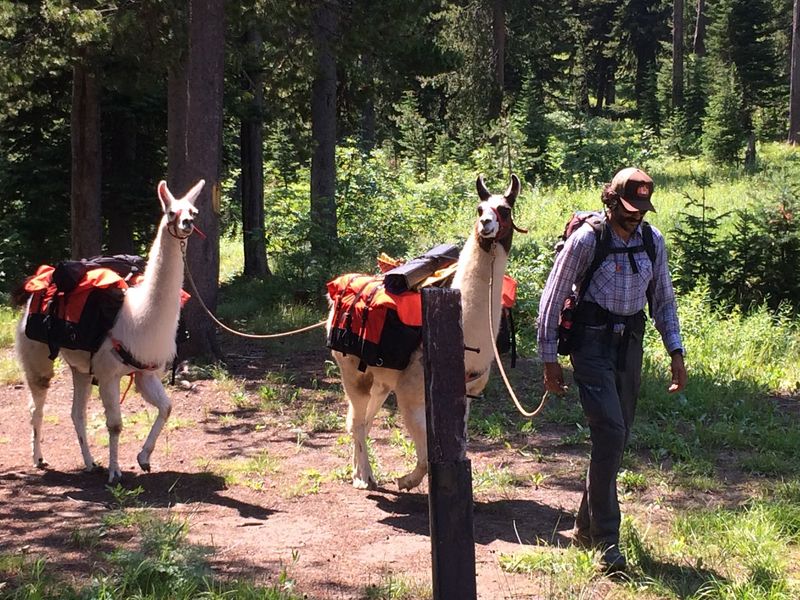
Back in 2010, a family in eastern Idaho decided the backcountry should not belong only to the toughest, most gear-obsessed hikers. Wilderness Ridge Trail Llamas grew out of that idea, and more than a decade later it is still family-owned and run with the same goal of making the high country reachable for more people.
Beau is the name that comes up again and again in conversations about the outfit. Renters describe him walking them patiently through the planning stage, and one buyer spent several months working with him to find the right pair of llamas for his goals.
Yes, the ranch sells llamas too. Alongside guided treks and rentals, it has matched new owners with trained pack animals and even hosted a llama rendezvous, a gathering where packers swapped stories and learned more about working with these animals.
Family touches show up in small ways. Visitors mention staff members greeting them with a smile at pickup, guides bringing along their friendly dogs, and owners who remember individual llamas by name and personality.
The crew has also led trips outside Idaho, including half-day hikes in Utah’s Capitol Reef country. Home has always been here along the eastern edge of the Snake River Plain.
Meet The Ccara Pack Llama
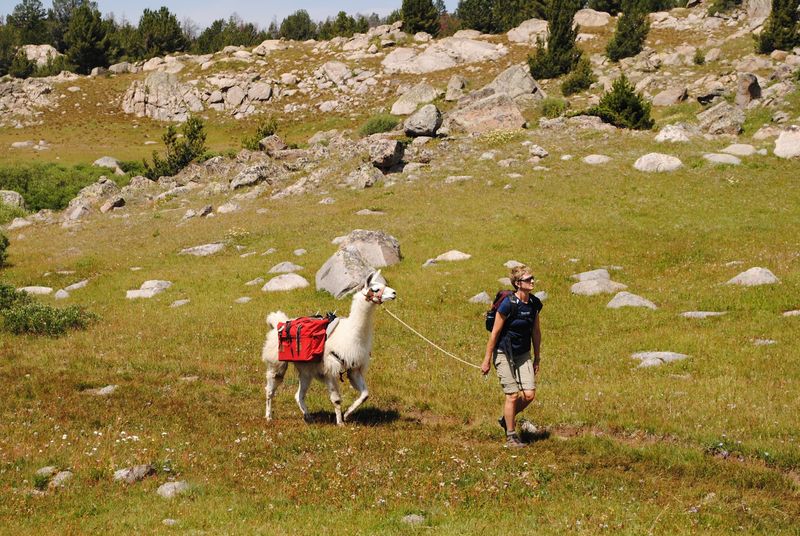
Leaner, leggier, and lighter-coated than the fluffy llamas you might see at a county fair, the Ccara is a working breed through and through. Wilderness Ridge Trail Llamas relies on this pack type because it handles steep, rocky mountain ground with real strength and endurance.
Think of the Ccara as the long-distance athlete of the llama world. The breed traces its roots to the high Andes of South America, so a switchback climb in eastern Idaho sits right in its comfort zone.
Personality counts as much as muscle. Hikers describe their llamas as calm and chill, yet each one seems to have its own quirks, from the fellow who hummed softly down the trail to the watchful one that kept announcing cows on a nearby path.
Names add to the fun. Past guests have trekked beside llamas called Deacon, Milo, Cecil, Chrome, Sully, and Marcus, and one returning hiker even asked by name for a favorite nicknamed Triple F.
Training shows too. Renters with zero livestock background report that the animals responded well to simple commands and settled into the trail rhythm quickly, which says a lot about the hours of handling that happen back at the ranch.
Heavy Loads, Light Daypacks
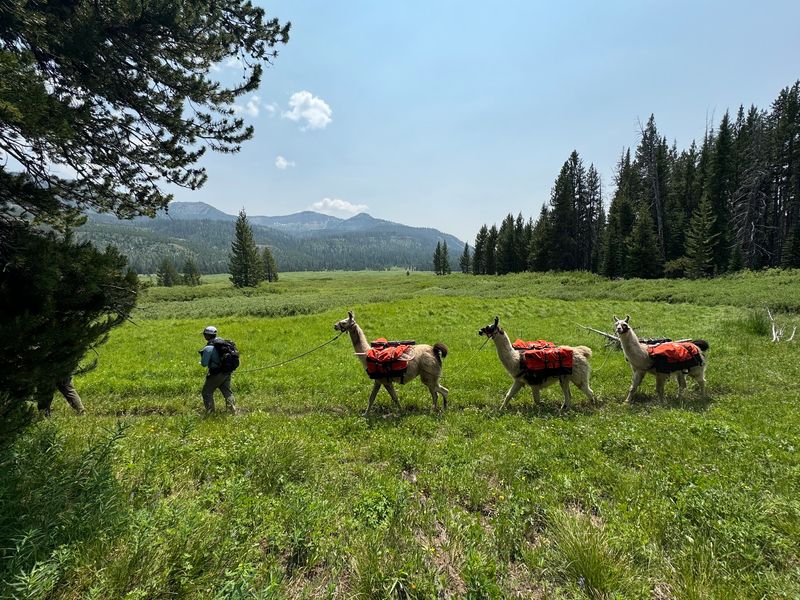
Seventy to one hundred pounds. That is roughly how much a single Ccara pack llama can comfortably carry in a day, and it changes everything about how a trek feels.
Without a llama, a multi-day trip usually means a heavy pack cutting into your shoulders by the second mile. With one, you can hike with a light daypack holding water, a jacket, snacks, and a camera, while the tent, sleeping bags, stove, and food ride along on a sturdy pack saddle beside you.
Extra capacity also means extra comfort at camp. One group that rented three llamas for an eight-day through-hike noted they could go farther, stay longer, and bring more comforts than they would have managed on their own backs.
Small hikers get a boost, too. Some llamas can even carry little children who weigh under about 60 pounds, a detail that turns a tough day for tiny legs into a highlight of the trip.
Hunters in Idaho have caught on as well. One renter took llamas on a fall hunt and watched them haul heavy loads up steep scree slopes with no trail, across creeks, and over fallen timber without a fuss.
Soft Feet On Fragile Ground
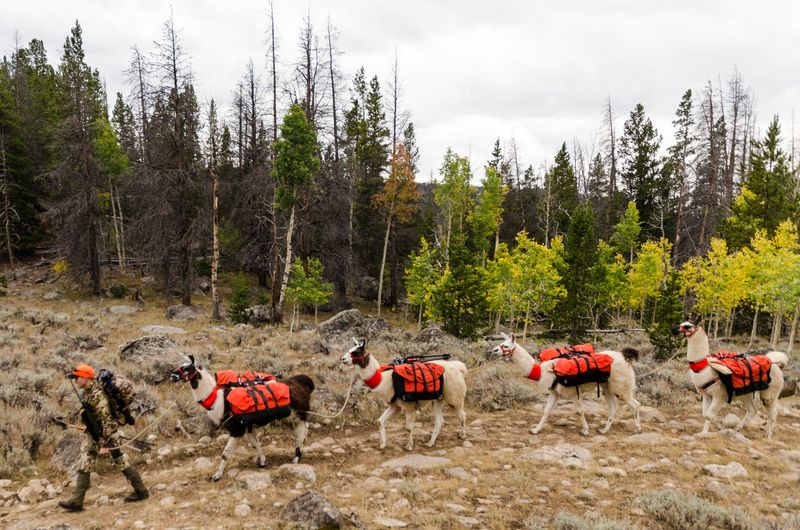
Look down at a llama’s feet and you will find something unexpected: two soft, padded toes instead of a hard hoof. That design spreads the animal’s weight across the ground, so trails and meadows see far less churning and erosion than they would under horses or mules.
Wilderness areas in Idaho are protected for good reason, and low-impact travel helps keep them that way. A string of llamas padding quietly along a path leaves the tread in better shape for the next group that comes through.
Food is another quiet advantage. Llamas are browsers, nibbling a wide mix of shrubs, grasses, and plants, so they need less hauled-in feed than bigger pack stock.
Then there is the matter of what they leave behind. Llama droppings are essentially odorless, which keeps campsites cleaner and a lot more pleasant for everyone sharing the backcountry.
Noise matters in the mountains, too. Llamas move with a calm, steady gait and rarely make a racket, so hikers can still hear a creek rushing below the trail or a bird calling from the lodgepole pines.
For people who head into the wilderness looking for quiet, that low-key presence is a real plus.
Gateway To The Greater Yellowstone
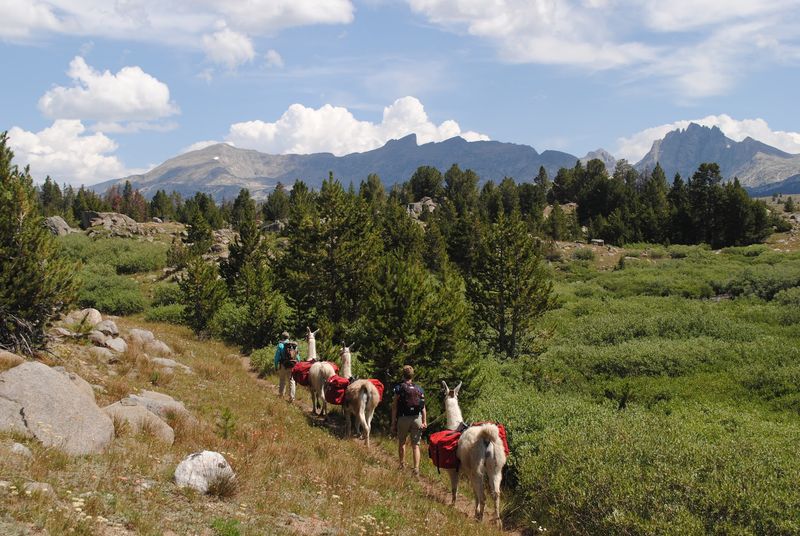
Headquarters for the Caribou-Targhee National Forest sits right in Idaho Falls, which tells you how close this enormous stretch of public land really is. The forest sprawls across southeastern Idaho and spills into western Wyoming, bordering both Yellowstone and Grand Teton national parks.
That location makes it a front door to the Greater Yellowstone Ecosystem, and it is the main playground for Wilderness Ridge Trail Llamas. Guided excursions head into this forest’s high country, where the landscape shifts every few miles.
Variety is the forest’s calling card. Rugged ranges, including slices of the Tetons and the Lemhi Range, rise above thick lodgepole pine stands and green valleys, while the Snake River, Teton River, and Henrys Fork carve through the lower country.
Water shows up in quieter forms as well. Alpine lakes such as Upper Palisades Lake and Henrys Lake reflect the surrounding peaks, and volcanic rock hints at the deep geologic past of the Snake River Plain.
Then come the waterfalls. Mesa Falls, where the Henrys Fork drops over old volcanic cliffs in a roaring white curtain, is a favorite stop in eastern Idaho, and it is only one of many reasons to lace up your boots here.
Sixteen Hundred Miles Of Trail
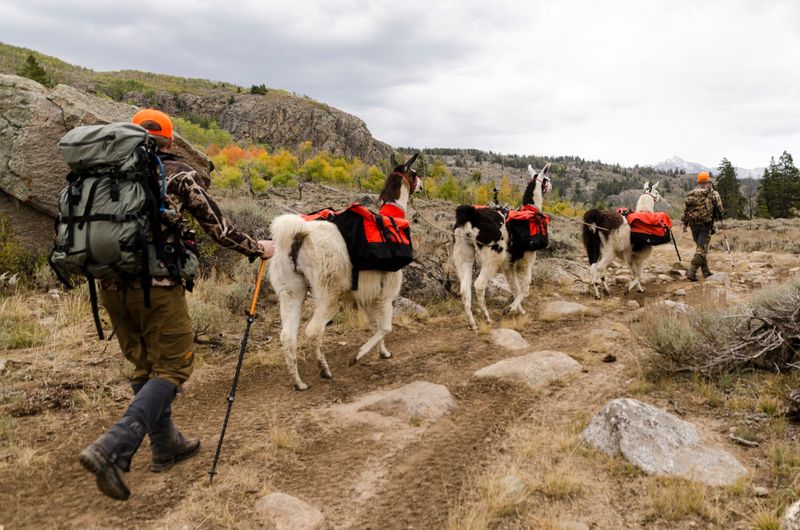
More than 1,600 miles of trail wind through the Caribou-Targhee, enough to keep a hiker busy for several lifetimes of summers. Routes range from gentle nature walks to demanding multi-day backcountry expeditions, which suits an outfit that serves both first-timers and seasoned trekkers.
A few names stand out. The Palisades Creek Trail follows a tumbling creek up a canyon to Upper Palisades Lake, a classic destination for anyone who wants water, cliffs, and a good campsite at the end of the day.
Farther east, the Alaska Basin Trail climbs into the Jedediah Smith Wilderness on the west slope of the Tetons, where open alpine basins and wide views reward the effort. It is the kind of high, rocky country where having an animal carry the load feels like a gift.
Families have gentler options. The Mesa Falls Nature Trail offers a short, friendly outing near the falls, while the steeper Darby Wind Cave Trail rewards stronger legs with a cave opening high on a mountainside.
Which trail your trek follows depends on the trip you book and the season, so ask about route options while planning. Elevation, snowmelt, and group experience all shape the final choice.
Wildlife With A Llama On Watch
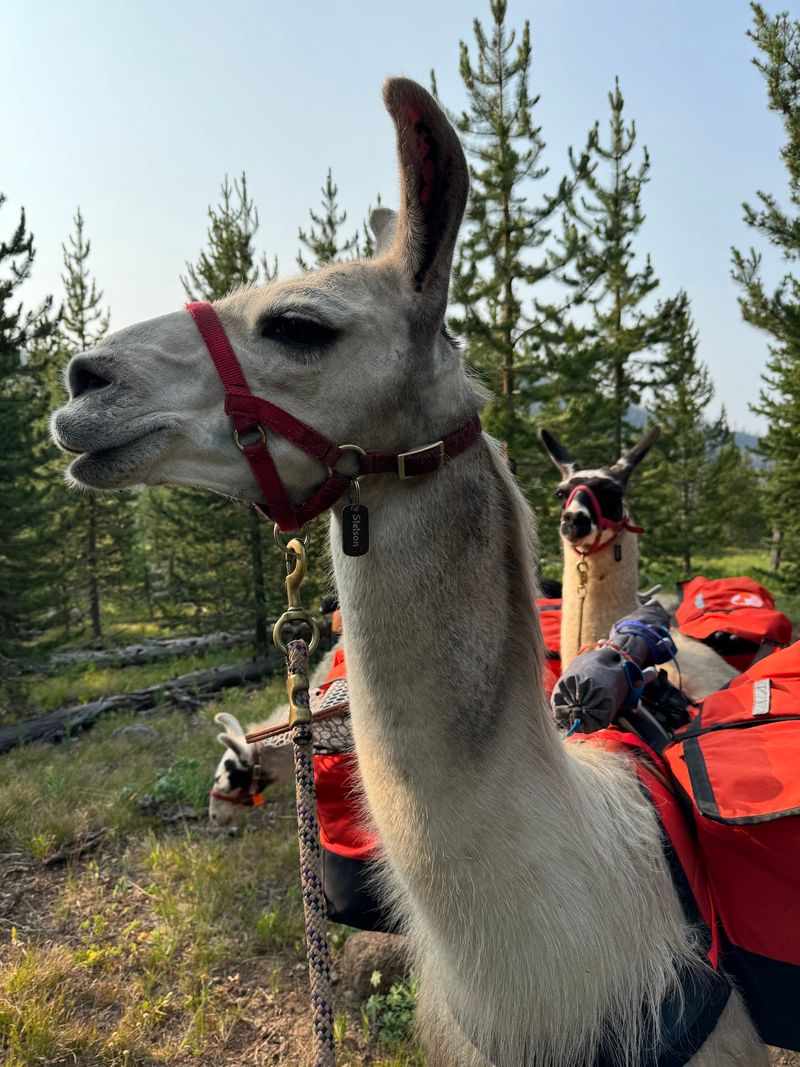
A sharp, high-pitched alarm call from a llama is a sound you do not forget. One group hiking through grizzly country with rented llamas said the animals’ alertness and warning calls helped them feel more at ease on the trail.
That sense of awareness comes in handy, because the Caribou-Targhee is packed with wildlife. Elk graze the meadows, moose browse along willow-lined streams, and mule deer slip through the timber at dusk.
Bigger residents roam here as well. Black bears and wolves live in these forests, and the Targhee side may host grizzly bears, so good food storage and bear awareness are part of every backcountry trip.
Look higher and the cast changes. Rocky Mountain bighorn sheep pick their way across the upper slopes, while bald eagles and peregrine falcons ride the wind overhead.
Anglers get their own reward. Clear streams and lakes hold several kinds of trout, especially cutthroat, and one guest happily fly fished a secluded lake at around 10,000 feet during a guided trip.
A llama that carries the rod case and the lunch makes that kind of side adventure easy to fit into the day.
Guided Trips With Mountain Meals
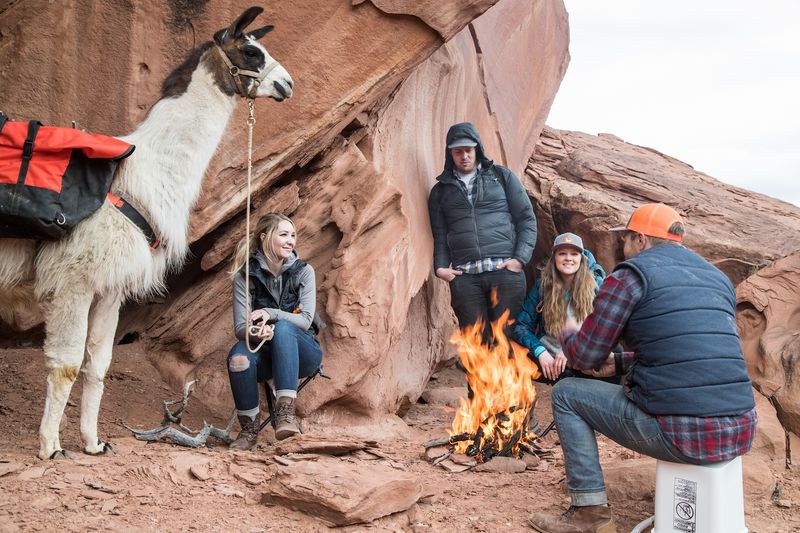
Fine dining at 9,500 feet sounds like a joke until you are sitting beside a mountain lake eating a real meal that someone else carried up. On guided trips, that is part of the deal, since the llamas haul the kitchen and the guides handle the cooking.
Guides on these treks do far more than point the way. Past guests describe them explaining the route as they went, stopping to talk about rock formations, local history, and the plants growing along the trail.
Shorter outings have their own rhythm. Half-day hikes often include a trail lunch or a healthy snack at a scenic stop, and guests have been surprised at how quickly four hours slip by with a llama at their side.
Longer adventures scale up nicely. One crew of ten friends spent five days in the backcountry with twelve llamas and two guides who worked hard to keep everyone fed, comfortable, and entertained.
Comfort levels vary, and the guides seem to know it. Hikers mention being able to settle into the experience at their own pace, whether that meant pushing for a summit view or lingering by camp with a good book.
Rent A String, Lead Your Own Trek
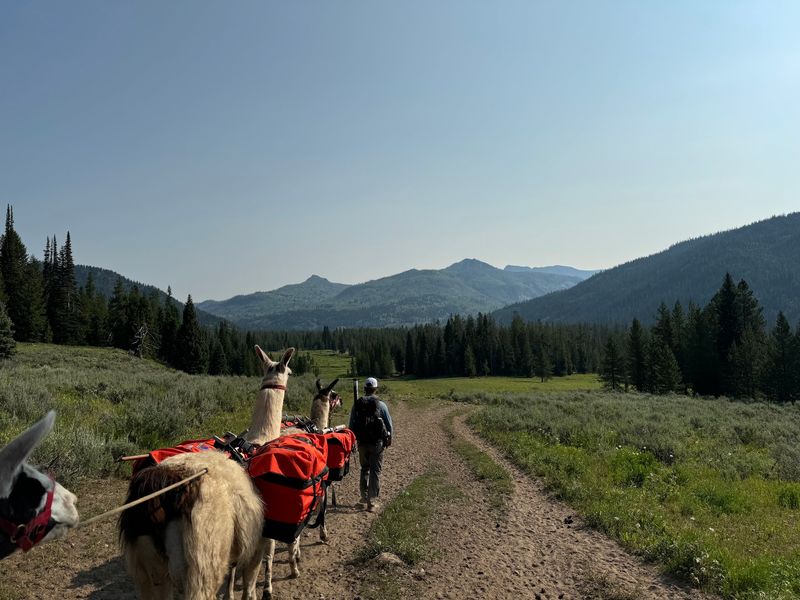
Homework comes first, and it is the fun kind. Before renters ever touch a lead rope, Wilderness Ridge Trail Llamas walks them through a video llama course that past renters describe as thorough, professional, and informative.
Pickup day follows the lessons. Staff meet renters at the ranch, answer every lingering question with patience, and make sure the group heads out properly equipped for the trip ahead.
From there, the adventure belongs to you. Renters have taken these llamas on long self-guided journeys, including an eight-day through-hike of the Bob Marshall Wilderness in Montana, where the animals proved hardy and happy to go on or off trail.
Fall brings a different crowd. Llama rentals stay available after the summer guided season winds down, and hunters use them to reach remote Idaho drainages that would be tough to access with a heavy pack.
Newcomers need not worry about a lack of ranch experience. One young family with a toddler and a baby said they had no livestock background at all, yet found their two llamas easy to manage, and the trip opened up backcountry that would have been out of reach otherwise.
Small Hikers And First-Timers
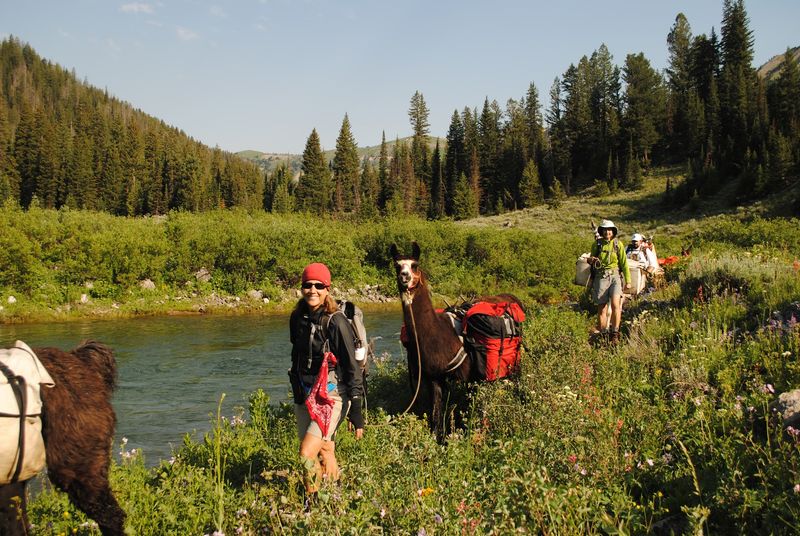
Kids tend to fall for llamas fast, and the feeling seems mutual. Families have brought children as young as two on guided hikes, with one nine-year-old proudly leading his own llama down the trail while a guide helped snap photos of the whole crew.
Scout troops find plenty to love here too. One young trekker came home from a troop trip having learned a pile of new outdoor skills from a guide who managed to be both knowledgeable and genuinely fun.
Not quite ready for a mountain trek? A ranch tour offers a softer introduction.
Families have spent an afternoon at the ranch meeting the llamas and learning all about the breed, and the kids were still chattering about it at bedtime, even after a windy, gray day.
Adults without children get plenty out of it as well. Couples describe the slower pace as a welcome chance to take in the scenery, hand out treats to friendly llamas, and hike without anything heavy on their backs.
Groups of friends, first-time campers, hunters, and seasoned backpackers all show up in the mix. The common thread is simple: people who want the mountains without the misery of hauling everything themselves.
Seasons, Directions, And Booking
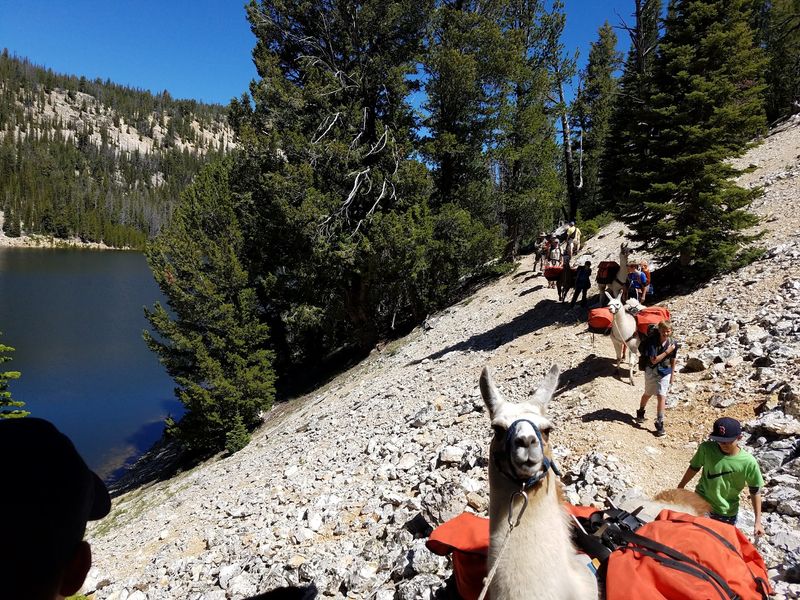
Summer in the Idaho high country is short, and trip planning revolves around it. Overnight guided treks mostly run from July through the first week of September, when snow has melted off the upper trails and the basins are open for travel.
The wider window for overnight excursions generally stretches from mid-June into mid-October, so shoulder-season trips are possible depending on conditions. Rentals continue into fall, which lines up nicely with hunting season.
The ranch sits at 9038 East Ririe Highway, Idaho Falls, Idaho 83401, a short drive east of town in Bonneville County. Rental pickups and ranch tours both happen here, so give yourself time to find the place and get oriented before heading for the trailhead.
Office hours follow a weekday schedule, with weekends typically quiet, but hours can shift with the season and trip calendar. Check before driving out, especially if you plan to drop in without an appointment.
Pricing depends on the trip length, group size, and whether you choose a guided trek, a rental, or a ranch tour. Reach out through the outfit’s official channels for a current quote, and book well ahead if you have your heart set on midsummer.
Worth The Short Drive East
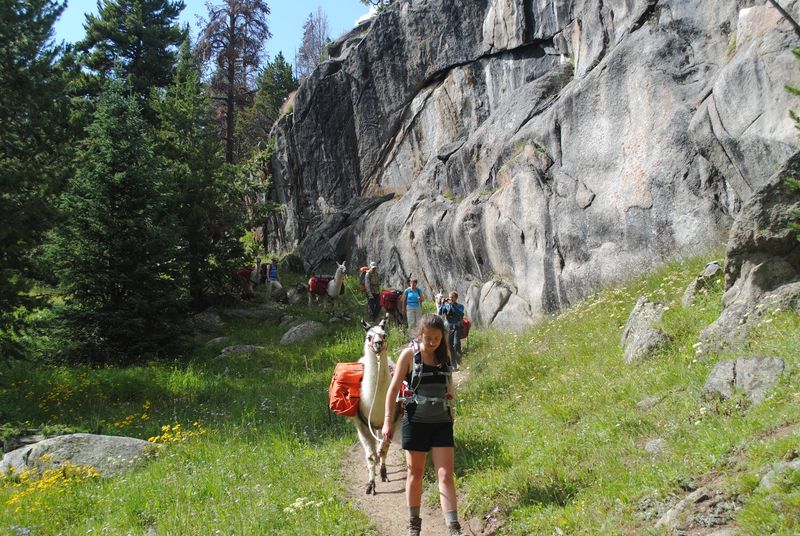
Around the second mile, the llama stops being a novelty and starts feeling like a teammate. It plods along beside you, ears swiveling, carrying the dinner and the tent while you look up at the peaks instead of down at your boots.
For families, that shift can mean a first overnight trip with little kids. For hunters and long-distance backpackers, it can mean reaching farther into the Idaho backcountry with more supplies and less strain.
Wilderness Ridge Trail Llamas has built its reputation on well-trained animals, patient planning help, and guides who clearly enjoy sharing the Caribou-Targhee. Guests who have gone once often talk about returning, some for a longer trek and some just to walk beside a favorite llama again.
Does it take some planning? Yes, especially with such a short summer season.
Yet for people who have always wanted to camp beside an alpine lake and never quite had the back or the gear for it, this might be the most memorable shortcut in eastern Idaho.
Bring a light daypack, good boots, and a few questions. The llama will handle the rest.