Chinese Miners Left Behind A Temple That Still Holds Its Altar In This Idaho Town
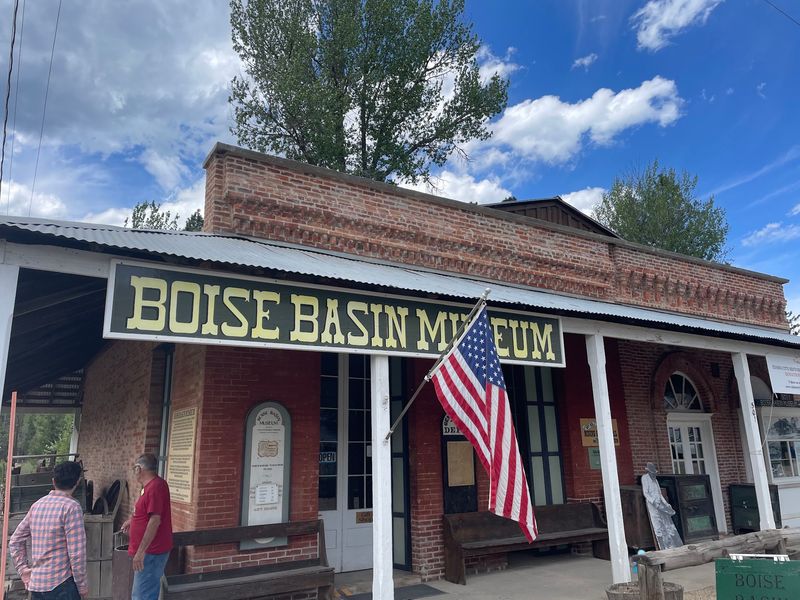
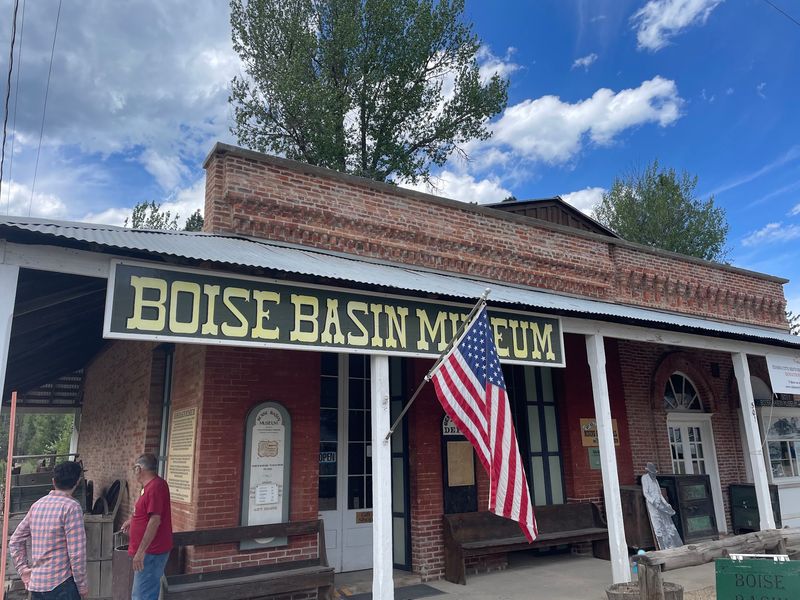
Sturdy old walls rarely make anyone stop in their tracks, but one plain building in an Idaho gold camp has a way of surprising people. It served as the town’s post office after fires swept through in the 1860s, and today it holds the story of the rush that built the Boise Basin.
Part of that story belongs to Chinese miners, who once made up a huge share of the camp and left traces you can still find just across the street. Give it an hour, and the names and faces inside will follow you home.
A Post Office With A Second Life
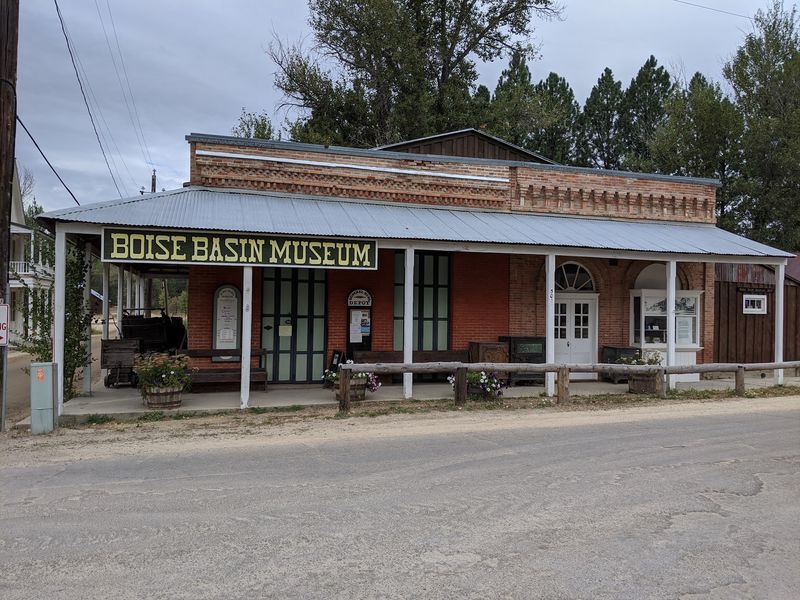
Letters once crossed the counter of this modest building, back when Idaho City was one of the busiest places in the Idaho Territory. After fires swept the town in 1865 and 1867, the structure served as the post office, a lifeline for miners waiting on word from family far away.
Today it houses the Boise Basin Museum, tied to the local historical foundation that looks after several old sites in town. Idaho City is the county seat of Boise County, reached by a winding drive up Highway 21 from the Treasure Valley.
Step inside and the rooms feel compact, almost cozy. Cases and shelves hold artifacts, household goods, photographs, and papers that trace the gold rush from its first frantic years into the early 1900s.
The building itself is part of the exhibit. Old structures crowd the surrounding blocks, and visitors often say those weathered fronts are just as worth a look as anything behind glass.
That makes the museum less of a single stop and more of a front door to an entire historic town. Plan to wander the streets both before and after your visit, camera in hand and no rush at all.
Gold Fever And Rebuilt Streets
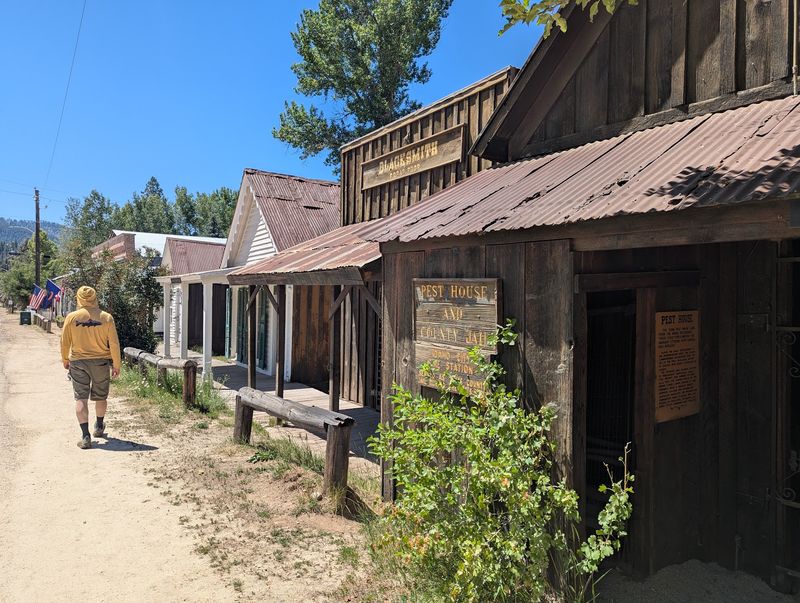
Gold in the creeks of the Boise Basin set off a rush in the early 1860s, and the hills above the Snake River Plain filled with tents, sluices, and hastily built storefronts almost overnight. Idaho City sat right at the center of the frenzy.
Fast growth came with a cost. Wooden buildings packed shoulder to shoulder made the camp easy prey for fire, and major blazes in 1865 and 1867 wiped out much of town.
Rebuilding started quickly, and the structure that now holds the museum took on its job as post office during that recovery.
You will find it at 501 Montgomery St in Idaho City, a short stroll from other historic buildings lining the old streets. Across the way stands one of the town’s oldest houses, built in 1867 for Idaho City’s first attorney, J.F.
Dutton.
Survivors like these give the neighborhood a layered, lived-in feel. Exhibits inside cover the mining years in detail, and they also explain why this camp mattered so much to Idaho as a whole, well beyond the season of easy gold.
Walking out onto the street afterward, the old buildings suddenly make a lot more sense.
Candles, Incense, And Sacred Altars
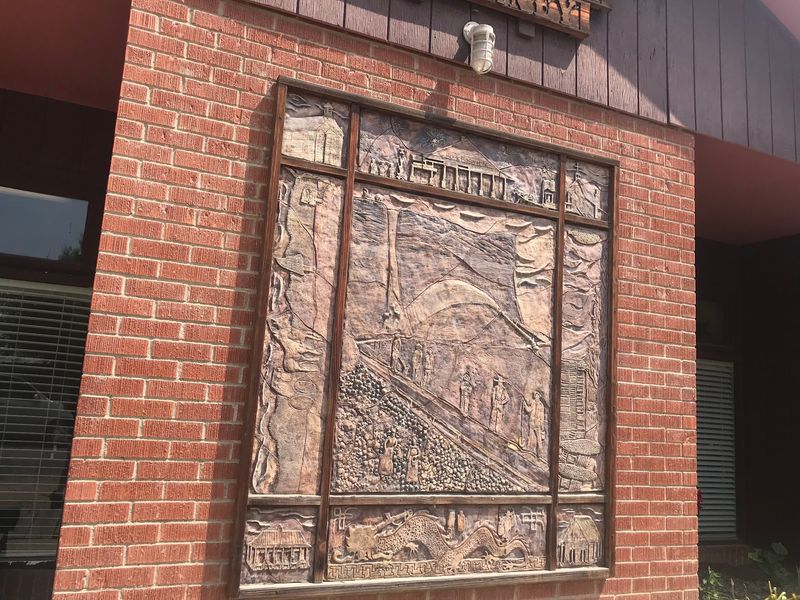
Many guests leave with the same surprise: they had no idea so many Chinese people once lived here. Towns like Idaho City, Placerville, and Pierce saw a huge influx during the gold rush, and some Idaho camps had Chinese-majority populations by the 1870s.
Far from home, these men built joss houses, small temples that doubled as places of worship and social gathering spots. Altars inside held burning candles, incense, and cups of tea set out as offerings.
A temple once stood in nearby Centerville, and photographs from around 1900 show its richly decorated interior, though that camp has almost entirely vanished.
So where does an altar still survive? The best-known example from Idaho’s mining era came from the Bok Kai Mui temple in Lewiston.
That building was torn down in 1959, but its carved altar, covered in Chinese writing, was saved and now sits at the Center for Art and History at Lewis-Clark College.
Back in the Boise Basin, the Chinese story lives on through photos, artifacts, and a merchant’s store just down the street. Keep that Lewiston altar in mind as you tour; it helps the smaller objects here click into place.
Pon Yam’s Storefront Down The Block
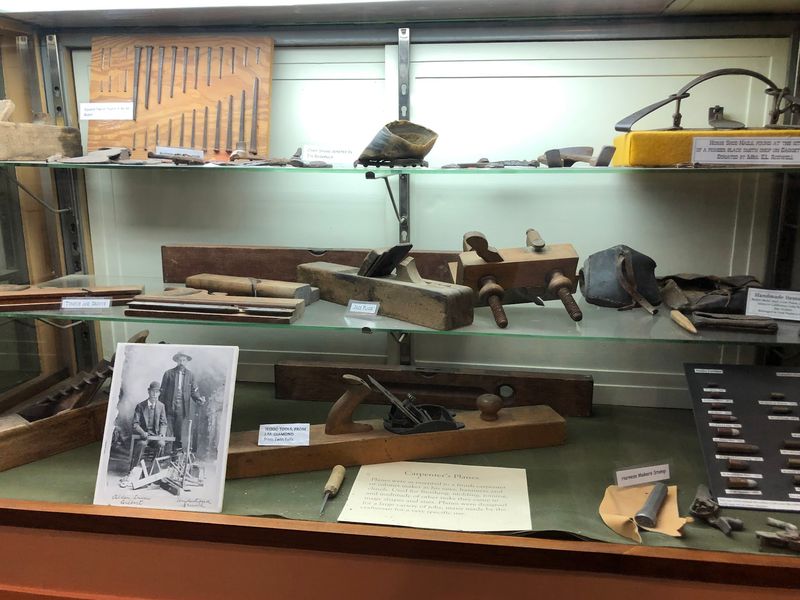
Two museums for the price of one short stroll: that is the setup here. Just down and across the street from the main building sits the Pon Yam Store, a related museum filled with original Idaho City artifacts.
Where the Boise Basin Museum paints the big picture of the gold rush, the Pon Yam Store narrows the focus toward the Chinese community that shaped daily life in the camp. Standing inside a building carrying a Chinese name, in a mountain town this far from any coast, drives home how central these residents were to Idaho’s early years.
Hours at the store have not always matched the main museum. For a stretch it opened mainly on Saturdays, so ask the staff what the current schedule looks like before you cross the street.
Pairing the two makes the visit feel complete. Start with the timeline and photographs in the main building to get your bearings, then head over with fresh context.
Objects that might seem ordinary on their own start telling a bigger story about trade, community, and the long reach of the Boise Basin rush. Suddenly the Chinese chapter of Idaho history has an address you can actually visit.
Timeline, Theater, And Tiny Crannies
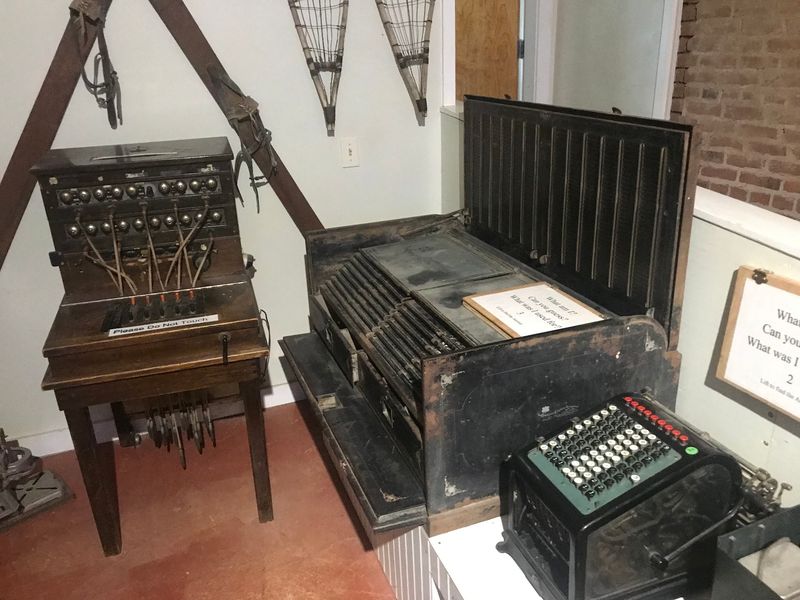
Slow down at the Idaho timeline. Visitors single it out as the exhibit not to rush, and it earns the attention by stitching together territorial days, mining booms, and everything that followed.
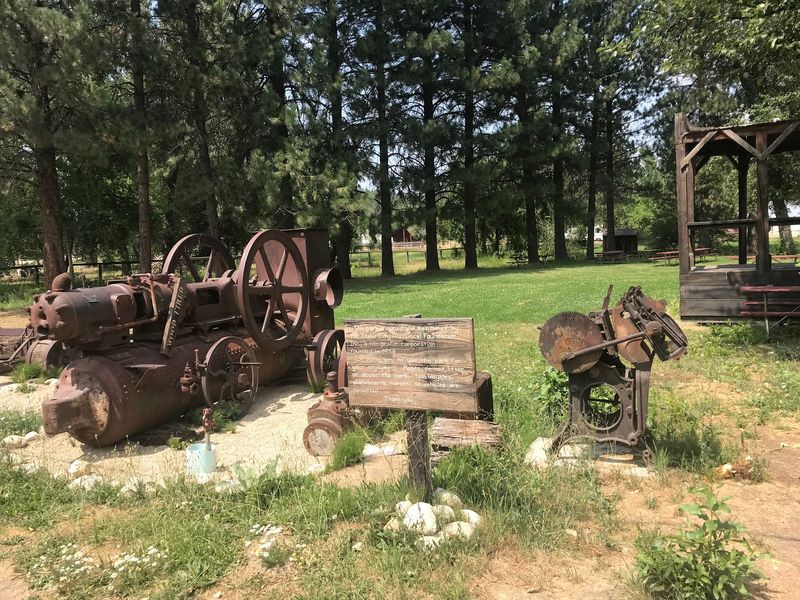
Beyond the timeline, the collection covers a surprising range. Equipment and gadgets show how technology changed from the late 1800s into the early 1900s, giving a real sense of how people in the camp worked and kept house.
Items come from many walks of life, not just the mining crews.
A recreated government office fills one nook, a fitting nod to the building’s own past handling official business. Photographs line the walls, and neat books and odd little crannies reward anyone who likes to poke around.
Short on time? A small theater plays a program outlining the history of the area, which works nicely as an opener before you explore the cases.
Kids who drift past written labels often perk up for a screen.
Staff have encouraged guests to get interactive for photos with certain displays, so bring a phone with room for pictures. A selection of gifts is for sale too, handy for taking a small piece of the Boise Basin home.
Guides Who Love A Good Question
Ask one question here and you may get three stories back. Friendly, talkative staff come up in visitor comments more than anything else, and the people running the place know the Boise Basin inside and out.
That warmth shapes the whole mood. Guides answer questions, point guests toward other sites around Idaho City, and have even let latecomers in for a walk-through after closing.
The rooms feel less like a hushed gallery and more like a chat with a neighbor who happens to know everything about 1860s Idaho.
Who does it suit? History buffs, naturally, but also families wanting an unhurried afternoon, road-trippers who collect small local museums, and anyone curious about the Chinese and Basque communities that helped shape mountain Idaho.
Plenty of visitors mention learning about the Basque presence here for the first time.
Nobody should expect a sprawling, all-day complex. The space is compact, and a recent guest felt the building could use some investment in upkeep.
For most people, though, the scale is part of the appeal, since you can read closely, ask questions, and leave with a clear picture instead of a blur of exhibits.
Timing A Summer Drive Up Highway 21
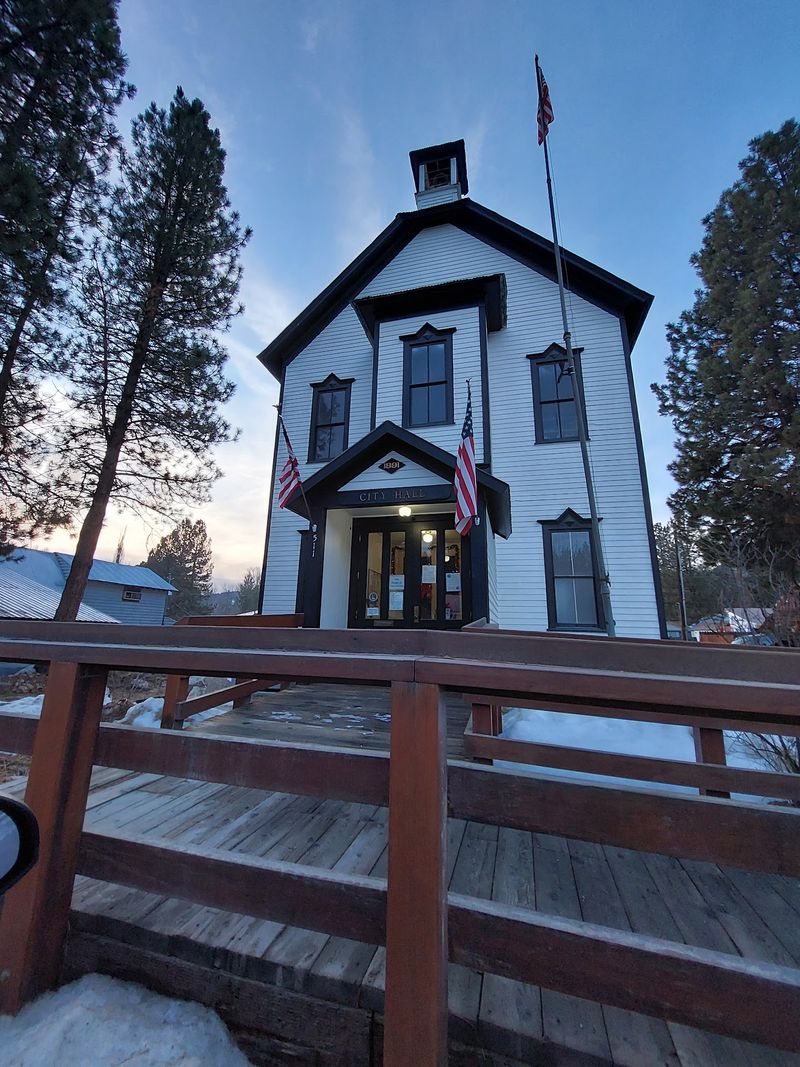
Summer is the season that matters. The museum keeps its doors open from roughly Memorial Day to Labor Day, running daily from late morning into midafternoon, so an early start from Boise leaves plenty of breathing room.
Rolling in late in the afternoon is the most common way people miss it.
Getting there is half the fun. Idaho City sits roughly 40 miles northeast of Boise on Highway 21, the Ponderosa Pine Scenic Byway, a curvy climb through timbered hills along Mores Creek.
Budget about an hour each way, and keep an eye on the weather in shoulder seasons.
Admission is modest, with prices posted at the entrance. Guided tours can be arranged by calling ahead, a smart option for groups or anyone hungry for deeper stories about the historic buildings around town.
Offseason travelers are not completely out of luck. Plenty of history shows on the building’s exterior and in the old structures nearby, so a quiet winter walk still pays off.
Schedules can shift from year to year, so check before driving, especially if you hope to catch the Pon Yam Store open on the same trip.
An Afternoon Well Spent In Gold Country
Plenty of Idaho road trips end with a quick photo and a shrug. A visit here tends to end differently, with a head full of names, dates, and faces from a camp that helped put Idaho on the map.
The Boise Basin Museum does a lot with a small footprint. Between the Idaho timeline, the recreated office, the short history film, and the Pon Yam Store down the block, it covers the gold rush from several angles, including the Chinese miners whose temples and altars have mostly disappeared from the landscape.
Save the Lewis-Clark College altar for a future trip north, and the two stops tell a fuller story together than either could alone. One shows the town those miners helped build, while the other preserves the sacred space they carried with them.
Bring curiosity, comfortable shoes, and a little patience for reading. Stroll Montgomery Street afterward, glance at the 1867 Dutton house, and let the old storefronts fill in the rest.
For families, retirees, and weekend drivers out of the Treasure Valley, it makes an easy, budget-friendly afternoon with far more depth than its modest front door suggests.