10 Enchanting Towns In Florida That Seem Like They’re Straight Out Of A Postcard
Most people picture Florida as theme parks, crowded beaches, and endless traffic. That picture is only half the story, and honestly, it is the less charming half.
This state is also full of small towns that look like someone painted them by hand. Think brick streets, moss-draped oaks, and waterfront docks glowing at sunset.
You might find pastel cottages, old Victorian homes, or historic storefronts full of character. Some of these towns sit along sleepy harbors, while others circle quiet lakes.
Every corner seems ready for its close-up, and your camera will agree. You will want to slow down, grab a coffee, and just wander for hours.
Locals are friendly, the pace is relaxed, and nobody seems to be in a hurry. It is the kind of trip that makes you forget your inbox exists.
So charge your phone and clear some space for photos. These postcard-perfect places are waiting.
1. St. Augustine
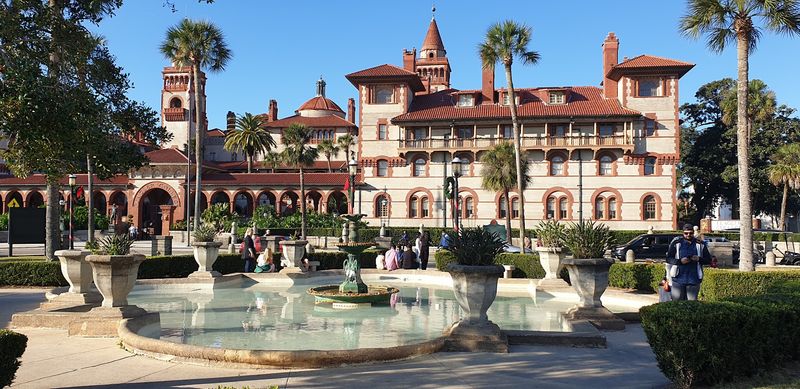
Your history teacher would faint with joy on these streets. St. Augustine was founded in September 1565, making it the oldest continuously occupied European-established settlement in the continental United States.
That is a lot of birthdays. The good news is the town wears its age beautifully, with red-tiled roofs and whitewashed walls glowing in the sun.
Start at the Castillo de San Marcos, the oldest masonry fort in the continental U.S. You can find it at 1 S Castillo Dr, St. Augustine.
The thick stone walls face the water like they are still on duty. Bring comfy shoes, because the fort and the old town beg for wandering.
Next, stroll Avilés Street, which dates back to 1570. It is considered the oldest public street in the country, and it feels like a storybook page.
Art lovers should peek into the Lightner Museum. It sits inside the former Hotel Alcazar, built by Henry Flagler, and holds huge collections.
Then cross the Bridge of Lions for a classic photo. Two Medici lion statues guard the drawbridge like very patient bouncers.
Visiting in winter? Nearly two million white lights sparkle across the historic district.
You will feel like you are living inside a snow globe, minus the snow.
2. Mount Dora
Calendars in this town must be exhausted. Mount Dora is nicknamed Festival City because it hosts over 30 festivals every year.
That means you can show up almost any season and find something happening. Art, music, crafts, and good snacks tend to follow you everywhere.
The setting helps a lot. Winding streets and grand oak trees frame the town, and Lake Dora sparkles right at its edge.
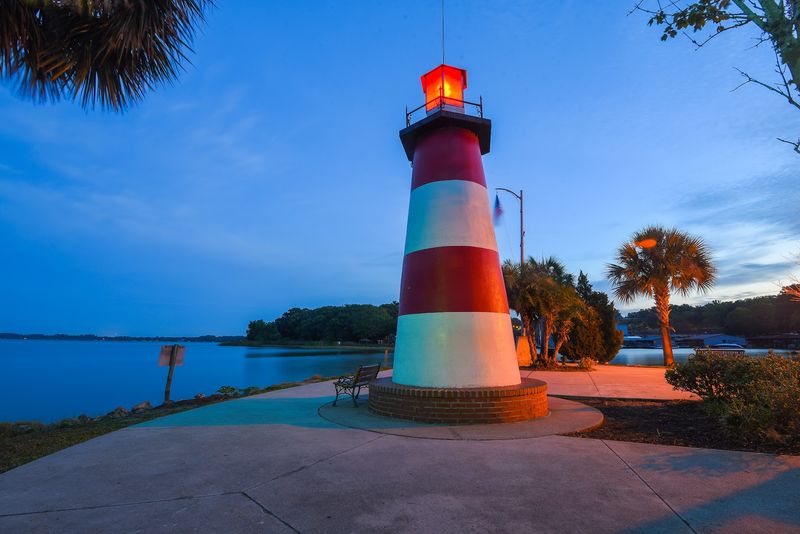
Walk down to Grantham Park for a surprise. The Mount Dora Lighthouse stands there, and it is one of the few inland lighthouses in Florida.
Yes, a lighthouse on a lake. It is small, cute, and ready for its close-up whenever you are.
Want to see the town from the water? Boat tours float across Lake Dora and through the Dora Canal, where tall trees lean over the quiet channel.
Back on land, the downtown shops are fun to browse. Plenty of restaurants wait nearby when your stomach starts sending signals.
Design fans will enjoy the Modernism Museum Mount Dora and its modern furniture. The Mount Dora History Museum sits inside a 1923 fire station.
City Hall anchors the area at 510 N Baker St, Mount Dora. Park nearby and let your feet do the rest.
3. Apalachicola
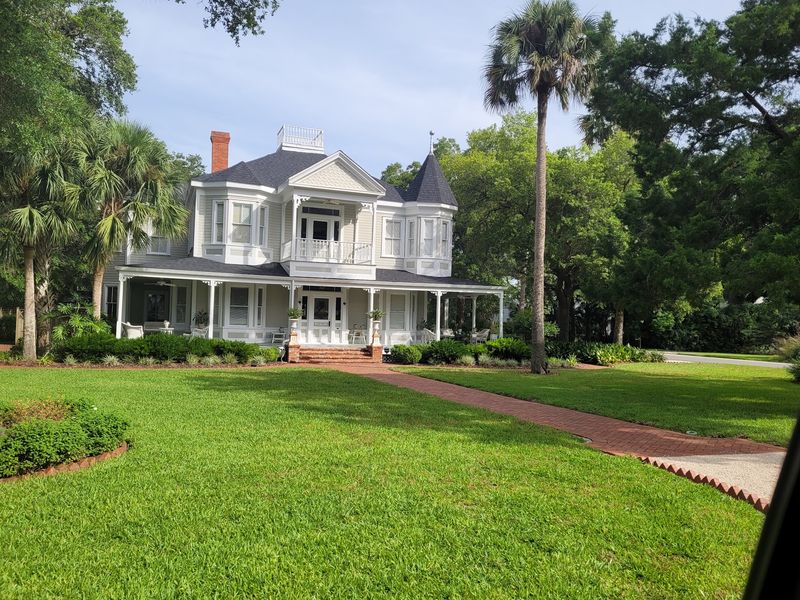
Oyster fans, clear your schedule. Apalachicola is known as the oyster capital of Florida, and the whole town grew up around that tasty reputation.
Historically, Apalachicola Bay produced about 90 percent of the oysters in Florida. That is an impressive number for one stretch of water.
So what makes the bay so special? The Apalachicola River pours fresh, nutrient-rich water into it.
That mix of river and sea helps the bay stay naturally productive. Nature basically runs a very successful kitchen here.
Walk the waterfront and you can picture the old days. Docks and processing houses once lined the shore, keeping the local economy humming.
The historic district gives you a clear window into that past. Old buildings stand proudly, each one hinting at busy years on the bay.
Hungry yet? Seafood is the star around here, so plan your stroll to end at a table with a view.
Take your time exploring the quiet streets between meals. The slower rhythm is part of the charm.
For a handy starting point, head to City Hall at 57 12th St, Apalachicola, Florida. From there, the water and the history are only a short walk away.
Bring an appetite and a camera. You will want both.
4. Cedar Key
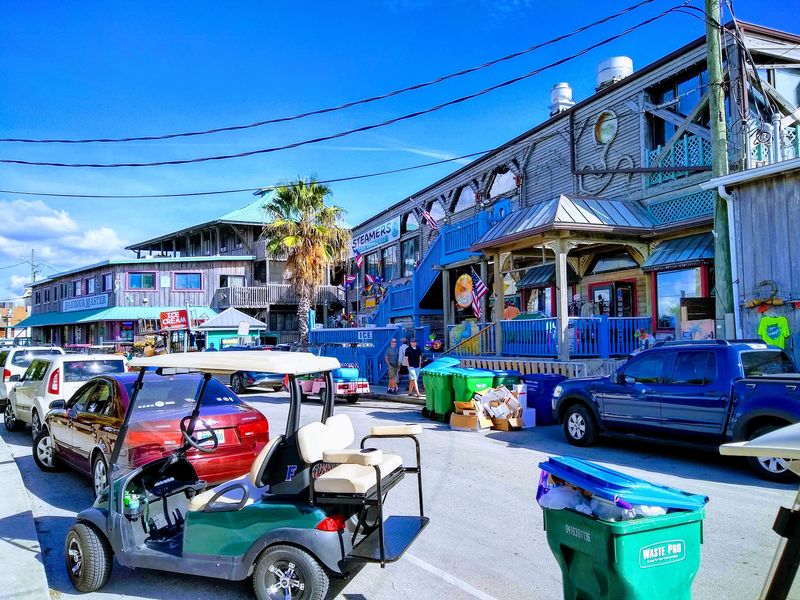
Believe it or not, this sleepy island was once a big deal. In the 1880s, Cedar Key was the second-largest city in Florida.
Today it moves at a much gentler speed. The island sits off the northwest coast and serves up true Old Florida charm.
Start with the main streets. First Street, Second Street, and Dock Street hold historic buildings, and some perch on stilts right over the water.
Those stilted buildings make for fun photos. They look like they tiptoed into the Gulf and decided to stay.
Now, about the food. Cedar Key is famous for its seafood, especially farm-raised clams.
If you like clams, you are in the right place. If you have never tried them, this is a great spot to start.
Curious about the island’s story? The Cedar Key Historical Society and Museum sits at 609 2nd St, Cedar Key.
Inside, exhibits and photographs walk you through the island’s past. It is a quick visit that makes the whole town make more sense.
Writers and artists love Cedar Key, and it is easy to see why. The quiet views and salty breeze seem made for daydreaming.
Leave your rush at home. The island simply does not do hurry.
5. Fernandina Beach
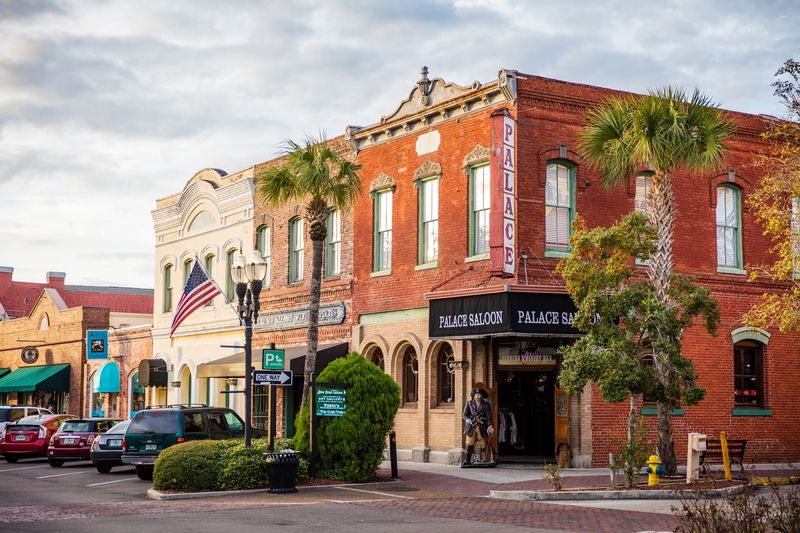
Gingerbread lovers, this one is for you, though you cannot eat it. Fernandina Beach is full of Victorian homes trimmed with fancy woodwork.
The Fernandina Beach Historic District is on the National Register of Historic Places. It holds roughly 300 to 400 historic structures.
That is a lot of porches to admire. Many homes have wide wraparound porches, bright paint, and detailed trim.
Keep an eye out for the Bailey House, built in 1885 in the Queen Anne style. Its turreted bays and fish-scale shingles look like a dollhouse come to life.
The Fairbanks House is another standout. This Italianate beauty is known for its striking tower.
Once your neck needs a break from looking up, head to Centre Street. It serves as the main shopping and dining strip in town.
The street also tells a story. Fernandina Beach grew as a deepwater port with important railroad links.
You can still feel that busy past as you browse. Old storefronts line the way like a living history book.
City Hall sits at 204 Ash St, Fernandina Beach. It makes a handy starting spot for a walking loop.
Bring your camera and extra memory space. Every block seems to want a portrait.
6. Micanopy
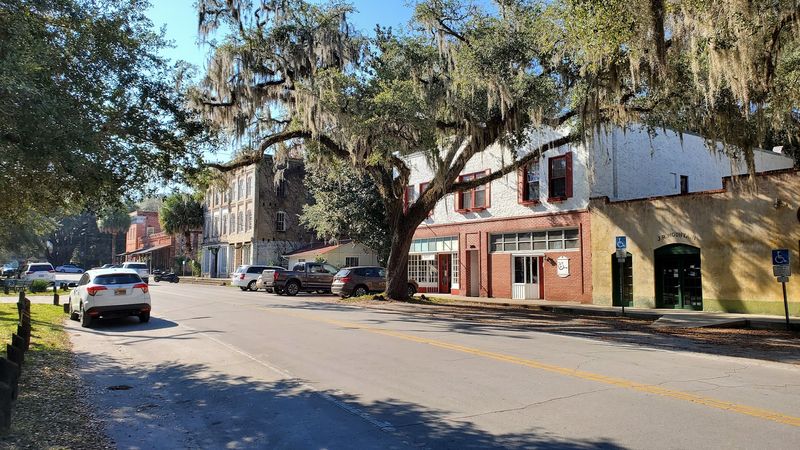
Slow down, because Micanopy will politely insist. This small town is one of the oldest inland towns in Florida.
It began as a trading post in 1821. Today it is loved for its preserved historic district and its many antique shops.
The trees steal the show here. Huge live oaks draped in Spanish moss create shady canopy roads that look almost magical.
Cholokka Boulevard, the main street, is the best place to see them. Walk it slowly and let the green tunnel work its charm.
Antique hunters can lose track of time easily. Old treasures, quirky finds, and dusty surprises wait on shelves around town.
Micanopy sits about 12 miles south of Gainesville in Alachua County. That makes it an easy side trip from the city.
Nature fans get a bonus nearby. Paynes Prairie Preserve State Park offers wildlife viewing and a tall observation tower.
Climb up and scan the wide prairie below. You never know what critters might wander into view.
For a central landmark, look for Town Hall at 706 NE Cholokka Blvd, Micanopy. It sits right along that dreamy oak-lined street.
Plan to linger here. The pace is refreshingly relaxed, and so will you be.
7. Anna Maria
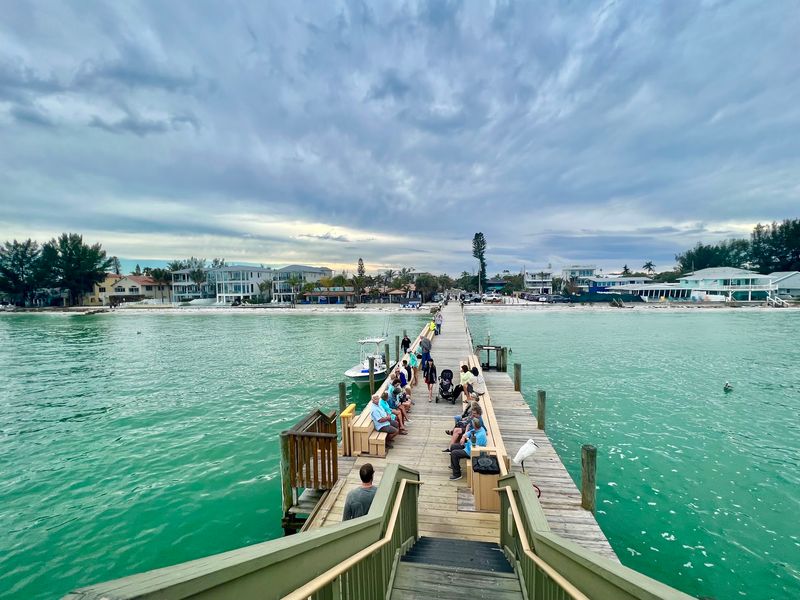
Pack sunscreen and extra patience for sunset photos. Anna Maria sits on Anna Maria Island, a seven-mile strip of soft white sand.
The water here is warm and turquoise. The sunsets are the kind that make everyone stop talking at once.
Piers are a big part of island life. The island has three important public piers: the Anna Maria City Pier, the Rod and Reel Pier, and the Bridge Street Pier.
The City Pier first opened in 1911. From the end, you get wide views of Tampa Bay and the Sunshine Skyway Bridge.
Look down, too. Manatees and dolphins often swim around the City Pier, so keep your eyes on the water.
Find the pier at 100 S Bay Blvd, Anna Maria. It is an easy stop for a morning stroll or an evening glow.
Craving something quieter? Head to Bean Point Beach at the northern tip of the island.
This natural stretch feels peaceful and open. It is also where the Gulf of Mexico meets Tampa Bay, and the views are huge.
Bring a towel and a snack. Stay until the sky turns pink.
You may never want to leave the sand.
8. DeFuniak Springs
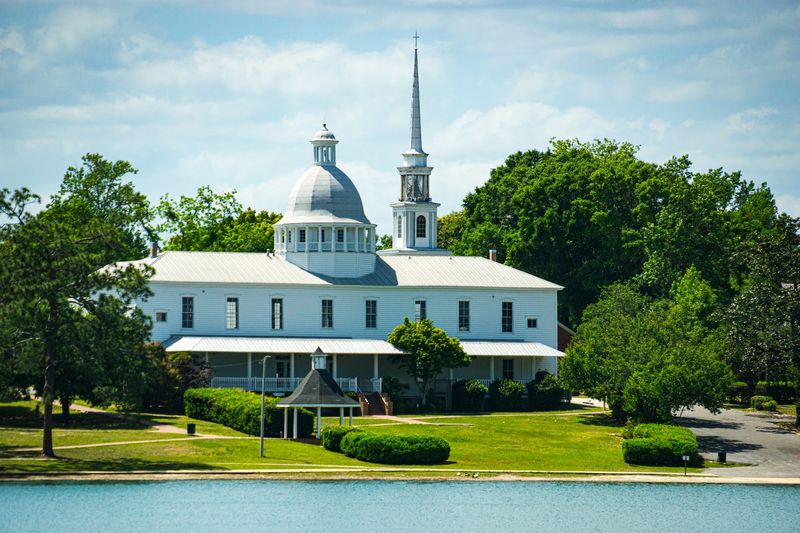
Geometry class never looked this pretty. Downtown DeFuniak Springs circles a lake that is almost perfectly round.
Lake DeFuniak is fed by a spring, and the town gathers around it like friends at a campfire. The whole scene feels like it came from another century.
Circle Drive loops around the water. Along the way, you will spot Victorian homes with turrets and gingerbread trim.
The historic district holds 172 historic buildings. That gives you plenty to admire on a slow walk around the lake.
Here is a fun history bit. The town was a hub for the Florida Chautauqua Assembly, an early American movement focused on learning and culture.
The Chautauqua Hall of Brotherhood, built in 1909, still stands today. Its columns make it one of the most eye-catching buildings in town.
Train fans should not skip the Walton County Heritage Museum. It sits inside a renovated Louisville and Nashville railroad depot.
You can find it at 1140 Circle Dr, DeFuniak Springs. The museum makes a great first stop before your lake loop.
Bring a picnic and grab a bench by the water. The reflections of the old homes are worth the wait.
Round lake, full heart.
9. Dunedin
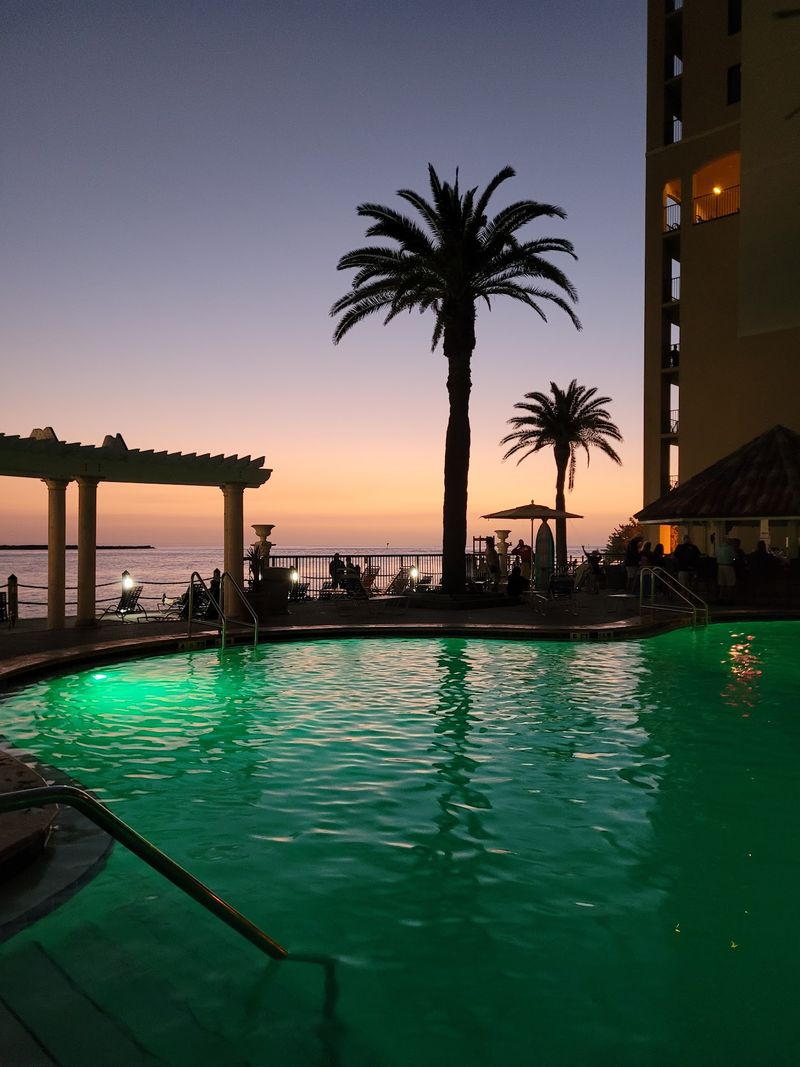
Bagpipes on the Gulf Coast? Absolutely, and they sound fantastic in the sunshine.
Dunedin is proud of its Scottish roots. Even the name comes from Dùn Èideann, the Scottish Gaelic name for Edinburgh.
The town shows off that heritage every year. The Dunedin Highland Games and Festival brings Scottish traditions right into Florida.
Music plays a big role, too. The City of Dunedin Pipe Band includes both teen and adult members, and they keep the tradition going strong.
Of course, you might come just for the streets. Dunedin is known for being very walkable and for its lively arts scene.
Wander past colorful storefronts and local art. Grab a bite, then keep strolling, because the town rewards curiosity.
Beach lovers get a treat close by. Honeymoon Island State Park sits a short distance away with clear emerald water and white sand.
It is a perfect afternoon escape. Shells, sea breezes, and quiet paths make the trip worth it.
Dunedin is part of the Tampa and St. Petersburg area, so it is easy to reach. City Hall stands at 737 Louden Ave, Dunedin.
Come for the plaid, stay for the palm trees. You get both in one happy package.
10. Tarpon Springs
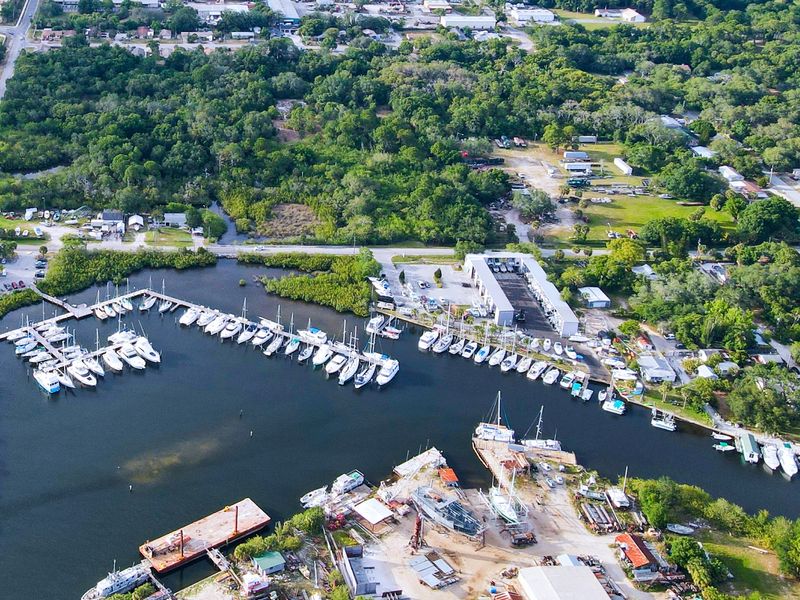
Sponges never looked so fascinating. Tarpon Springs built its fame on a sponge-diving industry started by Greek immigrants in the late 1800s.
That Greek spirit is still everywhere. The city has the highest percentage of Greek American residents of any city in the United States.
Head straight to the Sponge Docks along Dodecanese Boulevard. The address to remember is 735 Dodecanese Blvd, Tarpon Spring.
Shops there sell natural sea sponges in all shapes and sizes. You may never look at a kitchen sponge the same way again.
Now let your nose lead. Greek restaurants and traditional bakeries line the area, and the smells of warm pastry are hard to ignore.
Save room for something sweet and flaky. Your taste buds will thank you all afternoon.
The St. Nicholas Greek Orthodox Cathedral is the heart of the community. Its beauty makes it a meaningful stop on any visit.
Plan a January trip if you can. The town hosts an Epiphany celebration considered the largest Greek Orthodox observance in the western hemisphere.
It is a colorful, joyful event full of tradition. Crowds gather to share the day together.
Leave with a sponge, a pastry, and a big smile.