Thousands Of Pink Shells Cover The Floor Of This Nebraska Sunken Garden Built By Hand

A quick stop to stretch your legs in Nebraska is not supposed to turn into the best hour of your day. Then you walk down a set of stone steps and find a whole world of color sitting below street level.
Ponds shimmer with orange fish, water splashes over rocks, and every flower bed seems planned down to the last petal. It all started with men who needed work, a city that needed hope, and a pile of trash nobody wanted.
A Garden Below the Street in Lincoln
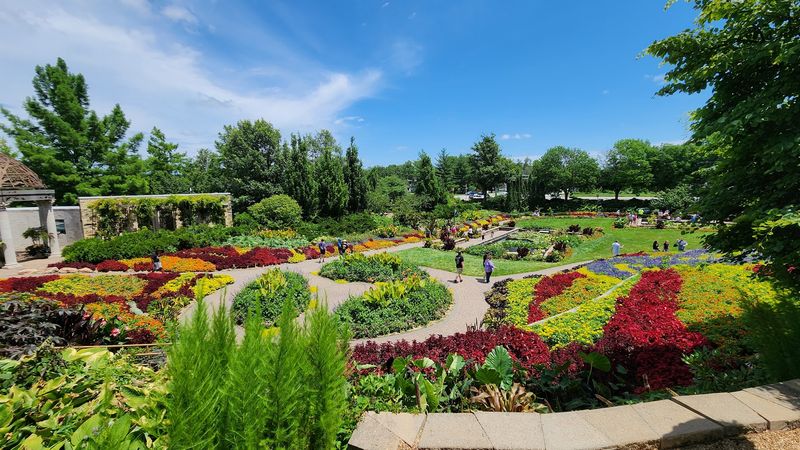
Picture a city block that dips down like a bowl, then fills to the brim with color. That is the Sunken Gardens, sitting at 2600 D Street in Lincoln, a short hop from downtown and right across 27th Street from the zoo.
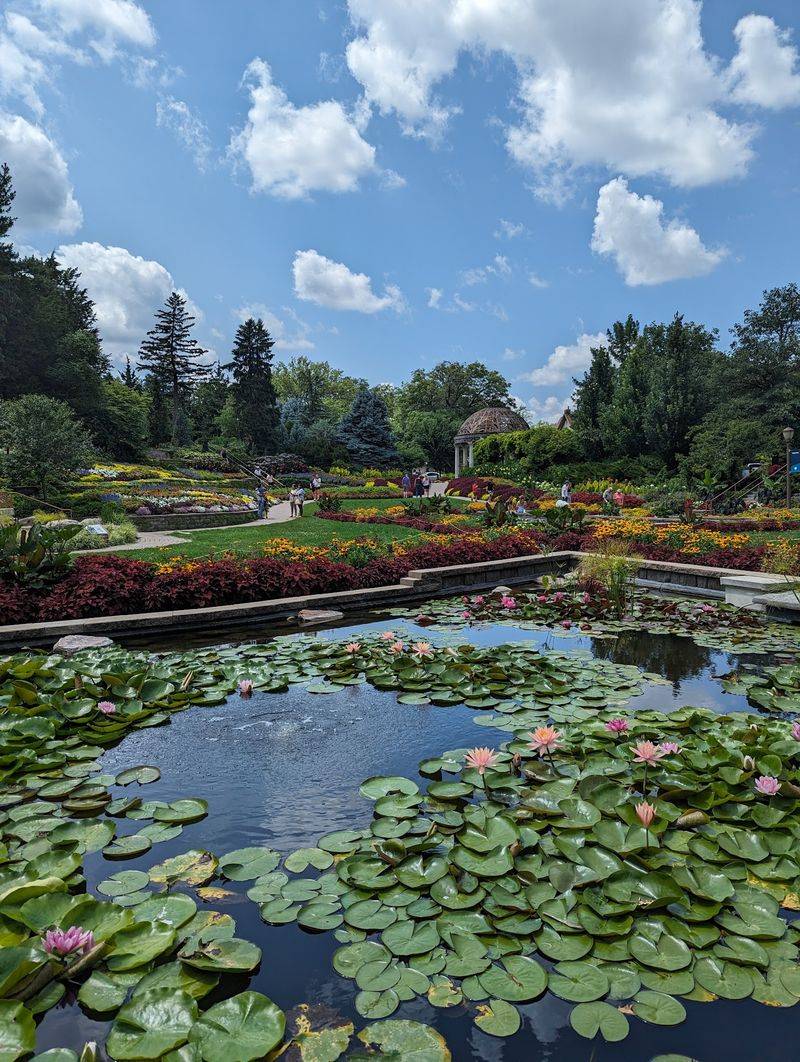
The site covers about one and a half acres. It is a public park and garden run by the city, with lawns, lily ponds, sculptures, winding paths and terraced beds that step down from the sidewalk to the lowest level.
Size can fool you here. From the curb, it looks like a tidy neighborhood park with some nice trees.
Take a few steps down and the noise of traffic fades, replaced by trickling water and the buzz of bees working the flowers.
Admission costs nothing at all. There is no gate to pay at and no ticket booth, just open entrances and a welcome pavilion near the top.
For a place that looks so carefully tended, the free price tag surprises nearly everyone who wanders in for the first time. It sits in a historic district, surrounded by older homes, which makes the burst of color feel even more unexpected.
From Neighborhood Dump to Depression Relief Project
Back in the winter of 1930 and 1931, this spot was a neighborhood dumpsite. Old junk and trash filled the hollow, and nobody saw much future in it.
The Great Depression changed that story. Men across Lincoln had lost their jobs, and the city needed projects that would put paychecks in their pockets.
Building a garden by hand turned out to be a smart answer, since it took a lot of shovels, strong backs and long days of hauling stone.
Ernest M. Bair directed the work.
Land for the project came as a gift from local families, including the Frey, Faulkner and Seacrest families, who handed it over so the whole community could enjoy it.
How fast did it come together? By the spring of 1931, the garden was already blooming, with 416 trees and shrubs planted across the site.
That is a remarkable turnaround for a patch of ground that had been full of garbage just a few months earlier.
Nearly a century later, the work of those crews still shapes every step you take through the place.
Stone Walls and the Original Rock Garden Name
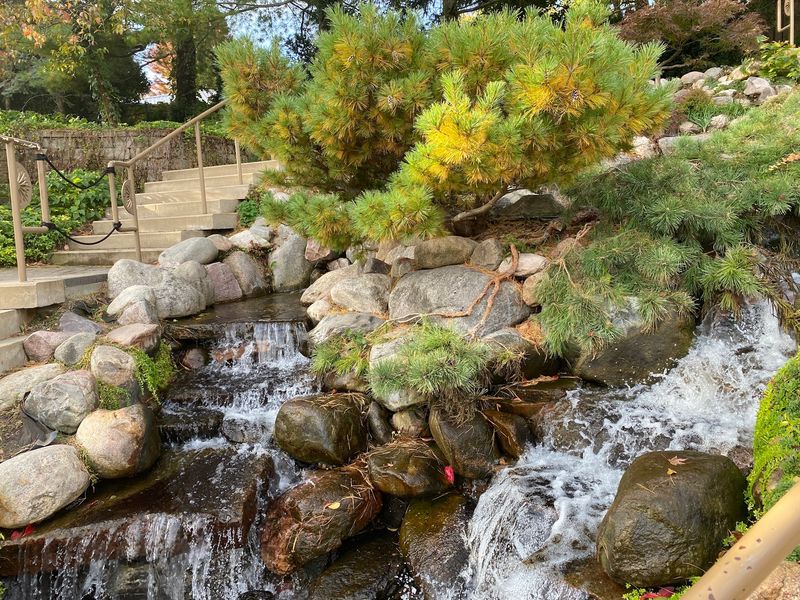
Run a hand along the terrace walls and you can feel the rough edges of stones set in place long ago. Rock was the backbone of this project from day one.
In fact, the site first went by the name Rock Garden. That label fit the early design, which leaned heavily on stone to build terraced retaining walls, cascading waterfalls and decorative fountains.
Plants filled in around the rock, but the stone gave everything its shape.
Those walls do more than look nice. They hold the sloping ground in place and create the stair-step layers that make the whole garden feel like an amphitheater of flowers.
Each level offers a slightly different view down toward the ponds.
Walking the terraces today, it is easy to spot where the old stonework blends with newer paths and beds. The mix shows how the garden has grown without losing its roots.
Kids tend to love the walls as landmarks, pointing out favorite rocks or counting the steps between levels. For grown-ups, the stonework is a quiet reminder that every piece arrived here by hand, carried by crews who needed the work.
The Truth Behind the Pink Shell Floor
So, about those thousands of pink shells. Here is the honest answer: the garden records do not show a floor paved in real seashells.
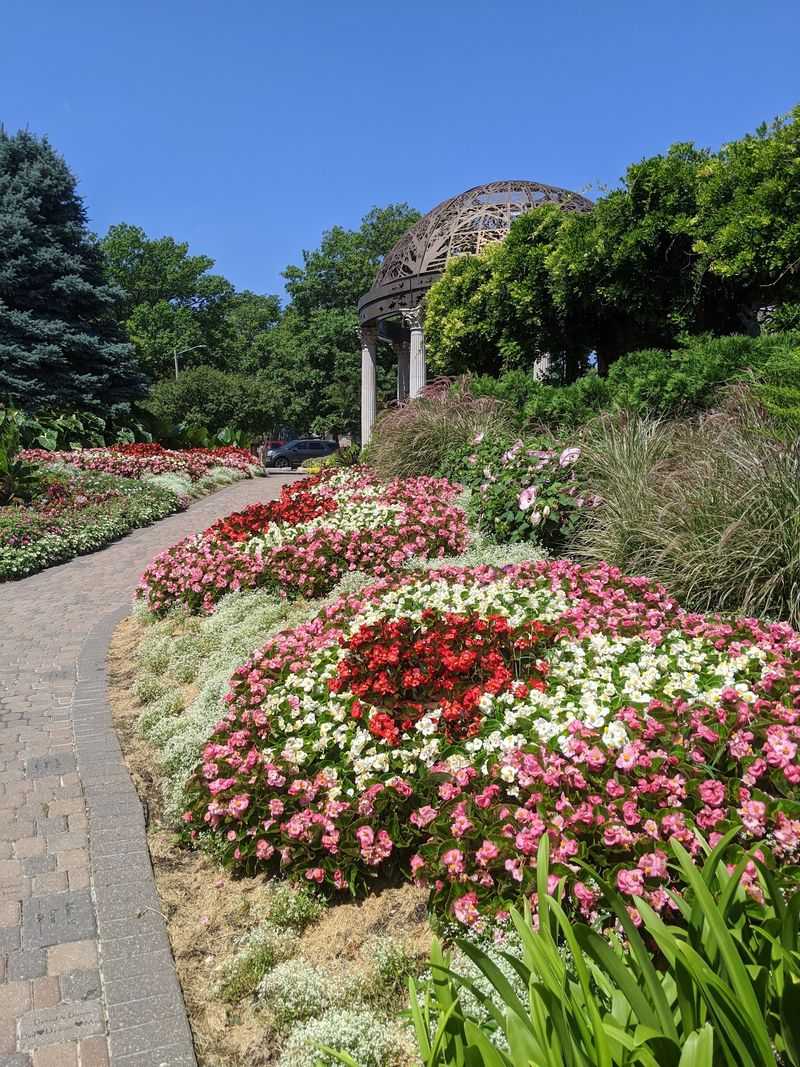
What the Sunken Gardens does have is something that can look a lot like it from the top of the steps. Beds packed with pink blooms spread across the lower levels during certain seasons, and from above they form a soft, rippling carpet of color.
In 2020, the yearly display was called 50 Shades of Pink, a tribute to women that filled the beds with pink flowers and symbols.
The ocean connection is real in another way too. The 2025 theme was titled Enchanted Ocean, bringing sea-inspired designs to a garden sitting in the middle of the Great Plains, about as far from salt water as you can get.
That is part of the fun. A Nebraska garden dreaming up a seaside scene out of petals and leaves says a lot about the creativity behind it.
So come for the pink, and leave the beachcombing bucket at home. The flowers do all the work.
Thirty Thousand Annuals and a Fresh Theme Each Year
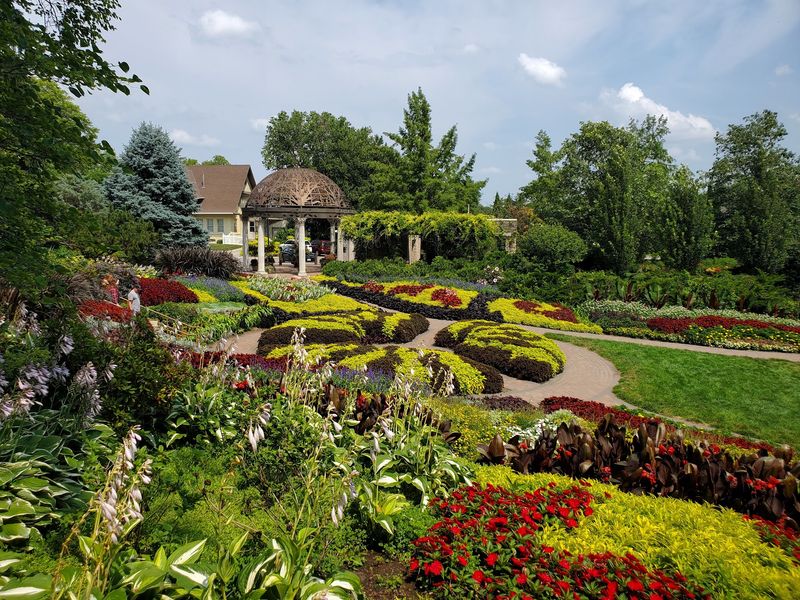
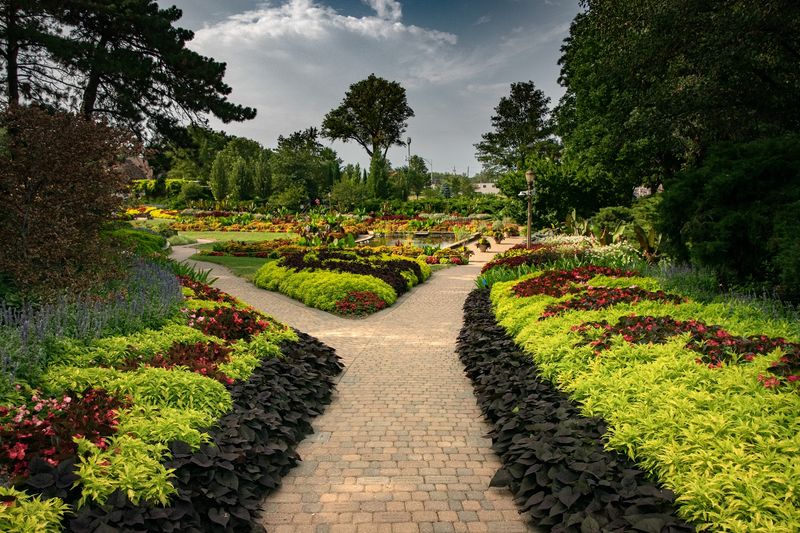
Every spring, the garden gets a brand new costume. Garden artists design a fresh floral scheme each year, then plant more than 30,000 annuals to bring it to life.
The themes can be playful. Golden Hours took the stage in 2024, and the 2023 display, Magical Mystery Tour, pulled inspiration from Beatles album covers.
Enchanted Ocean followed in 2025, turning the beds into an underwater daydream.
Because the design changes, no two years look quite alike. Someone who strolled through last summer will find new color pairings, new shapes and new surprises on the next trip.
That built-in change turns a single park into a place worth checking on again and again.
The beds also shift within a season. Early tulips give way to summer annuals, and the look keeps evolving until frost.
Home gardeners, take note. The arrangements are packed with ideas about which colors sit well together and how to layer tall plants behind short ones.
Plenty of people leave with a phone full of photos and a mental shopping list for their own yards. Volunteers help plant and maintain the beds, and the careful work shows in every row.
Koi Ponds Full of Orange Flashes
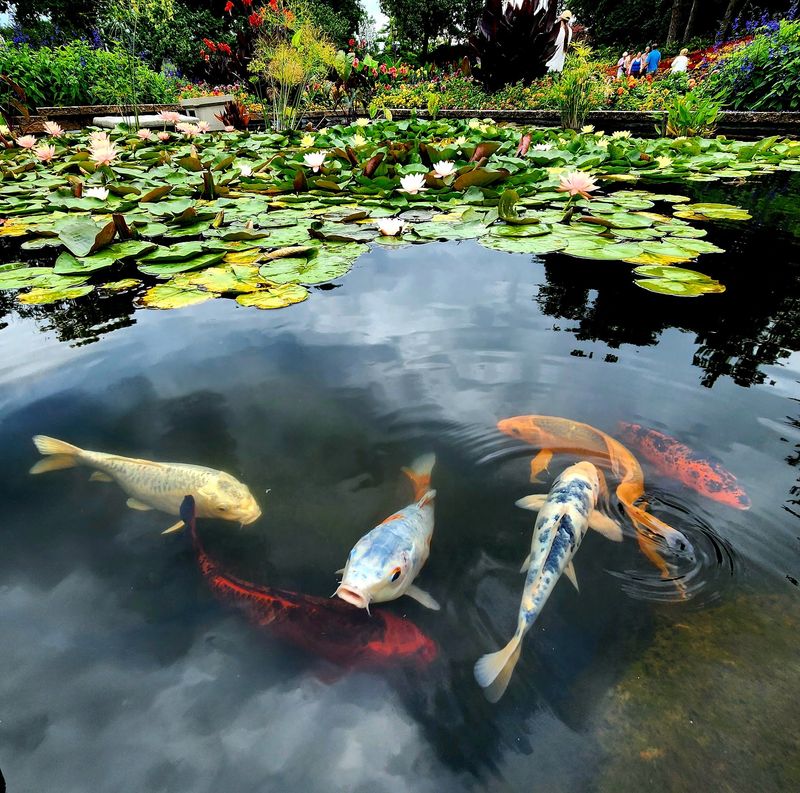
A splash of orange darts under a lily pad, then another, then a whole parade of fish glides past. The koi might be the biggest crowd-pleasers in the entire garden.
Two ponds sit within the grounds, both stocked with colorful koi and dotted with water lilies. The fish come in bright orange, white, gold and spotted patterns, and they move slowly enough that even small children can follow them around the edge.
Why do the ponds draw such a crowd? Part of it is the calm.
Watching fish drift through clear water has a way of slowing down a busy day, and the ponds are ringed with spots to sit and stare.
Families with little ones often spend more time here than anywhere else in the garden. Kids point, count and name the fish, while parents get a few peaceful minutes on a nearby bench.
The lily pads add their own show during warm months, with blooms floating on the surface like small cups. Between the fish and the flowers, the ponds form the heart of the lowest level, and most paths eventually lead right back to them.
Waterfalls, Fountains and the Sound of Moving Water
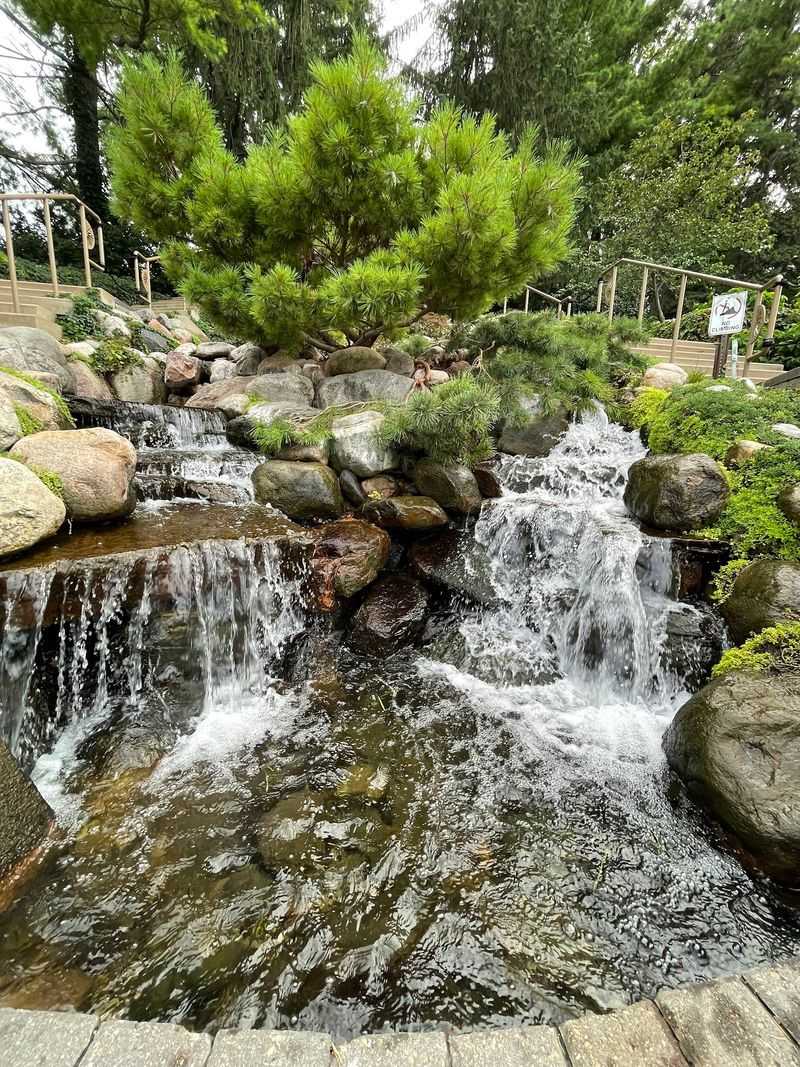
Close your eyes near the bottom of the garden and the first thing you notice is sound. Water trickles over rock, splashes into pools and hums along in the background like a steady song.
Cascading water features were part of the plan from the very start. Early crews built waterfalls and fountains into the stone terraces, and those features have since been restored so they keep flowing today.
The effect is surprisingly powerful for such a compact space. Street noise from nearby roads gets softened by the rushing water, which helps the garden feel farther from the city than it is.
Add the rustle of leaves overhead, and the whole place starts to feel like a small retreat.
Photographers love the waterfall area for good reason. Morning dew on the plants and sunlight bouncing off moving water make for bright, sparkly shots.
For anyone who needs a quiet minute, the benches near the water are an easy pick. Sitting there, listening to the cascade while koi circle below, it is simple to lose track of time.
An hour can slip by without much effort.
Statues, a Gazebo and Plenty of Shady Seats
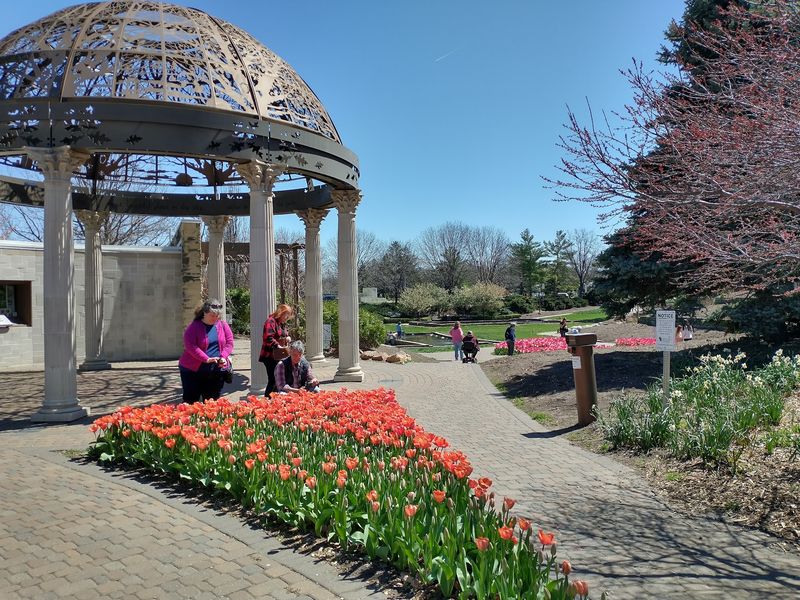
Tucked among the blooms, a few sculptures keep watch over the paths. They give the eye a place to rest between all that color and add a touch of classic garden style.
Along with the statues, a gazebo offers a covered spot to sit, and benches line the walkways. Tables are scattered through the grounds too, which makes it easy to bring a takeout lunch or dinner and eat surrounded by flowers.
Shade matters on a hot Nebraska afternoon. Mature trees spread their branches over many of the paths, so you can move from sunny beds to cool patches without much trouble.
That mix of bright and shady areas lets people linger longer, even in the peak of summer.
The entry garden pavilion near the top acts as a welcome point. Public restrooms are close by as well, a small detail that makes a long stroll far more comfortable for families and older guests.
After dark, soft lighting brightens parts of the garden. An evening walk here feels completely different from a midday one, with glowing paths and cooler air settling over the beds.
The 2005 Makeover That Opened Up the Paths
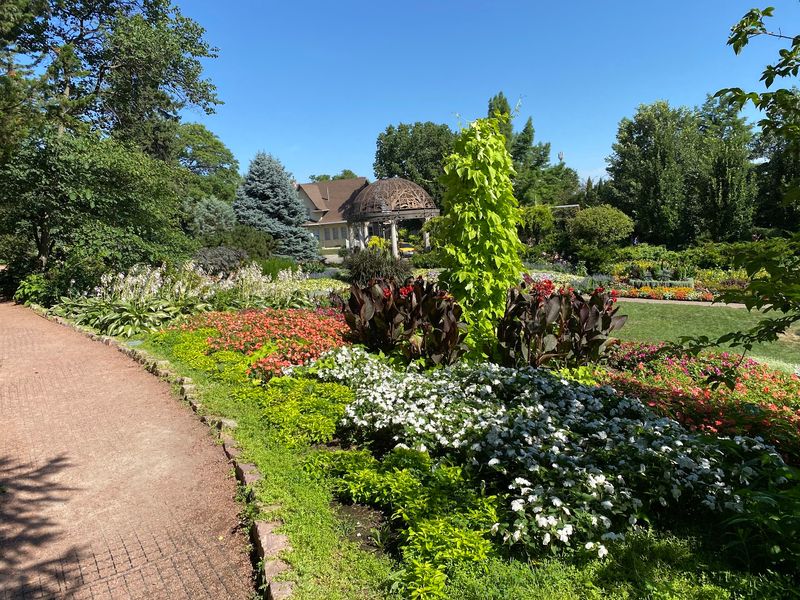
Gardens built in the 1930s were not usually designed with wheelchairs or strollers in mind. Lincoln decided to fix that.
In 2005, the Sunken Gardens went through a major renovation. The work added accessible entrances and walkways, making it much easier for everyone to reach the lower levels and move around the beds.
Extra lawn space came out of the project too, giving room for events and gatherings.
Today, the paths are easy to walk and most areas are reachable for people using wheelchairs. Grandparents, parents pushing strollers and anyone with limited mobility can enjoy the ponds and flowers up close instead of just peering down from the top.
Renovations also helped restore the older water features, bringing the cascades back to life. The upgrades kept the historic stonework while making the space work better for modern crowds.
Small projects still pop up from time to time. The garden occasionally has sections under construction or getting upgrades, but it rarely closes completely.
That ongoing care is a big reason the grounds look so tidy year after year, even with steady foot traffic from sunrise to late evening.
Bees, Birds and Tiny Garden Neighbors
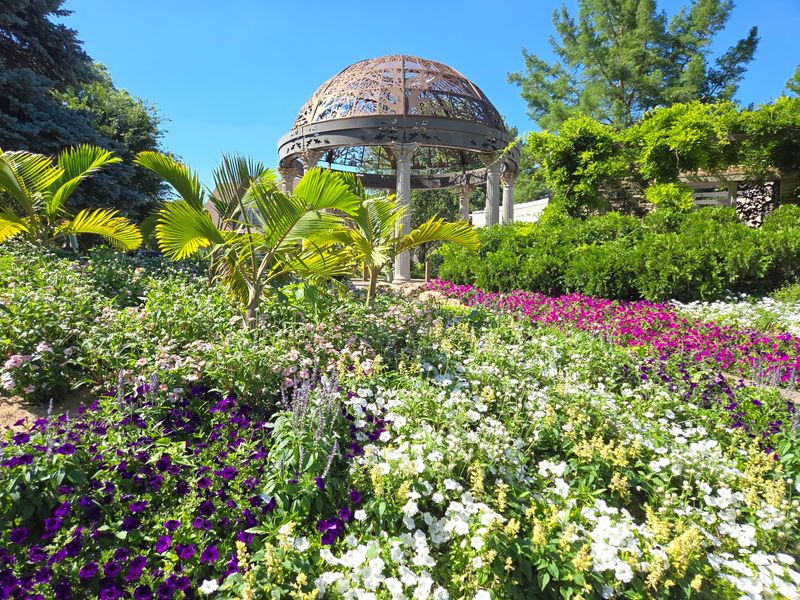
Look closely at a flower stem and you might catch a field mouse climbing up for a sip of nectar. The Sunken Gardens is busy with life far beyond the koi.
Bees drift from bloom to bloom all summer. Beetles, grasshoppers and crickets hide among the leaves, and birds flit through the trees looking for snacks.
With so many flowers packed into one spot, the garden works like a small buffet for creatures of all sizes.
What makes this fun is that you have to slow down to notice it. Rush through, and you will see pretty flowers.
Stop for a minute beside a bed, and a whole tiny world starts moving around you.
Kids can turn a walk into a scavenger hunt. How many bees can you count on one plant?
Can you spot a grasshopper before it jumps?
Autumn brings its own shift in wildlife as the season winds down and the plants change. For curious minds of any age, the garden doubles as an outdoor nature lesson, all without a single sign telling you what to look for.
Weddings, Photo Shoots and Quiet Afternoons
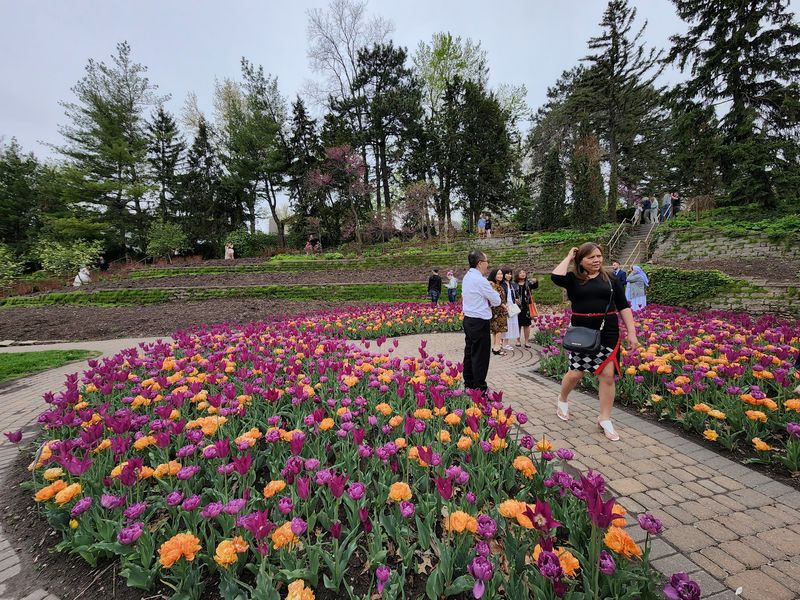
On a sunny Saturday, you might spot a bride in white posing beside the ponds while a family snaps graduation photos a few beds away. The garden serves as a backdrop for plenty of big life moments.
Weddings happen here, and some couples come back years later to stand in the same spot where they said their vows. Portrait sessions are common too, since the layered beds and stone walls make natural frames for pictures.
Still, the garden is just as good for small, ordinary days. People come for walks, quiet moments on a bench or simply to be outside.
Artists and crafters find color ideas in the plantings, and home gardeners jot down combinations to try later.
Who fits best here? Almost anyone with an hour to spare.
Couples on a date, retirees on a day trip, parents with toddlers and road-trippers needing a break all find something to enjoy.
Weekdays tend to be calmer than weekends. A Monday morning stroll can feel almost private, with just the fish, the bees and a volunteer or two tending the flowers.
Timing Your Trip Around Nebraska’s Bloom Season
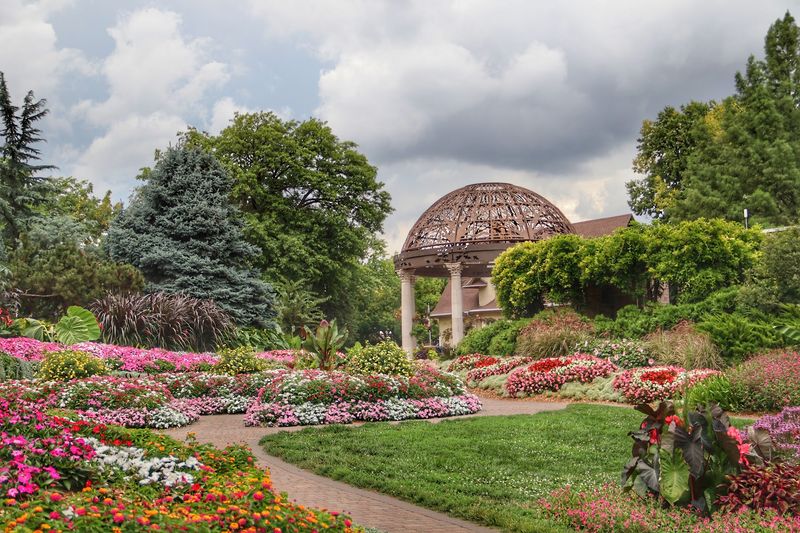
Tulips kick things off. In early spring, they pop up across the beds in bright bursts, often before much else is growing.
Early May can still show patches of bare soil, since many annuals go in around that time. Once the last freeze passes, the plantings fill in fast, and the garden hits its peak as summer rolls in.
From then on, the display keeps shifting as different flowers take their turn.
Here is the good news for planners. Because the look changes across the growing season, there is no single perfect week.
A June walk, an August walk and a September walk will each feel different, and that makes repeat trips rewarding.
Fall brings a softer mood as the beds age and the trees start turning. Winter strips things back to stone, water features and structure, which has its own quiet appeal for a brisk stroll.
For the full blast of color, aim for the warm months between late spring and early fall. Morning visits catch dew sparkling on the petals, while evenings bring cooler air and glowing path lights.
Parking, Hours and the Zoo Next Door
Getting there is simple: head to D Street near 27th Street in Lincoln. Finding a parking space can be the trickier part.
The small lot fills quickly on busy days. Street parking in the surrounding historic neighborhood usually has open spots, so plan on a short walk if the lot is full.
Be kind to the neighbors and watch for driveways.
Hours are generous. The garden opens early in the morning and stays open until late evening every day of the week, so sunrise walks and after-dinner strolls both work.
Admission stays free no matter when you arrive.
The Lincoln Children’s Zoo sits right across 27th Street, making it easy to pair the two for a full family day. Traffic on 27th moves quickly, so use a proper crossing instead of darting across the road.
A few handy extras make the outing smoother. Public restrooms are near the top of the garden, and tables are available for a picnic or takeout meal.
Pets may or may not be allowed, so check the city parks rules before bringing a dog along. Plan on about an hour to see everything at a relaxed pace.
Why a Hand-Built Garden Still Matters

Nearly a hundred years ago, men with shovels turned a trash heap into something beautiful because they needed the work. That same ground now hosts weddings, picnics, koi watching and quiet mornings, all for free.
There is something very Nebraska about that story. Families gave away land, workers built it stone by stone, and volunteers still kneel in the dirt each spring to plant thousands of annuals.
It is a community project that never really ended.
No, the floor is not paved with real seashells. Instead, it changes its outfit every year, sometimes pink, sometimes golden, sometimes dreaming of the ocean.
That shifting design keeps the place fresh for anyone who returns.
Is it big? Not especially.
A relaxed loop takes about an hour, and you can see most of it from the top terrace.
Size was never the point, though. The Sunken Gardens packs history, color, water and wildlife into a single city block, then hands it to anyone who walks in.
For a free afternoon close to home, few spots in Lincoln offer this much to look at.