The Lasagna At This Homey Italian Restaurant In West Virginia Keeps Diners Coming Back
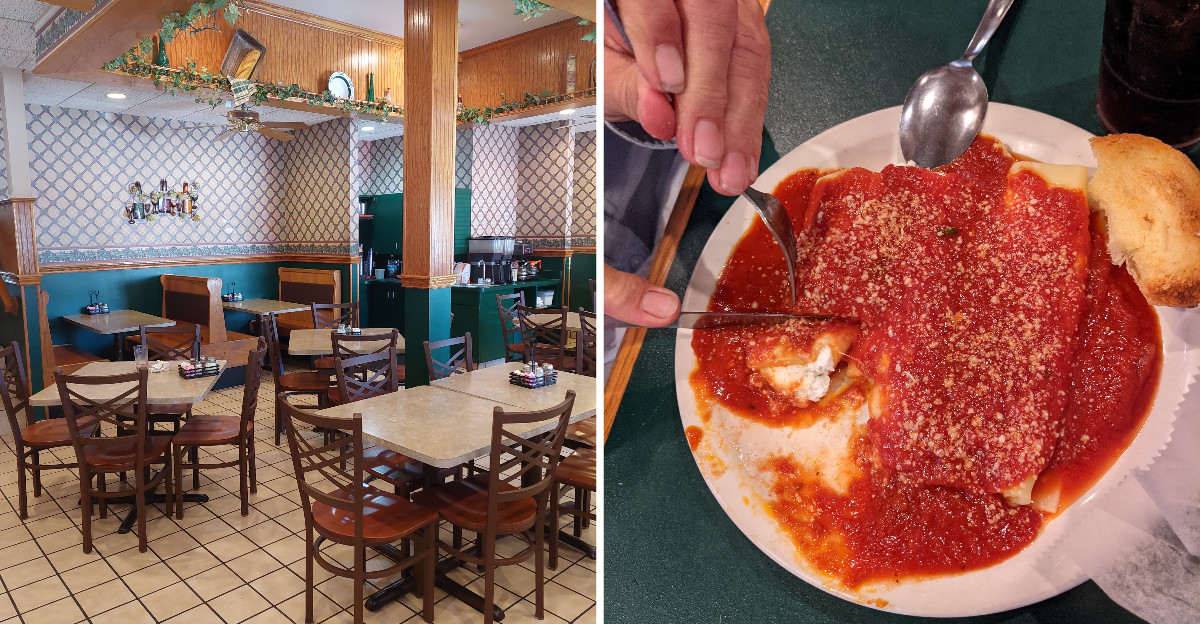
Lasagna has a way of making dinner feel serious before anyone takes the first bite.
At one homey West Virginia Italian restaurant, those layers of pasta, sauce, and cheese have become the kind of comfort people return for again and again.
The room does not need to be flashy because the food already knows what it is doing.
Family history gives the place depth, but the real pull is simpler: a warm plate that feels familiar in the best way.
This is the kind of meal that slows conversation down for a minute. Then somebody reaches for another piece of bread and everyone starts talking again.
Lasagna Takes Center Stage
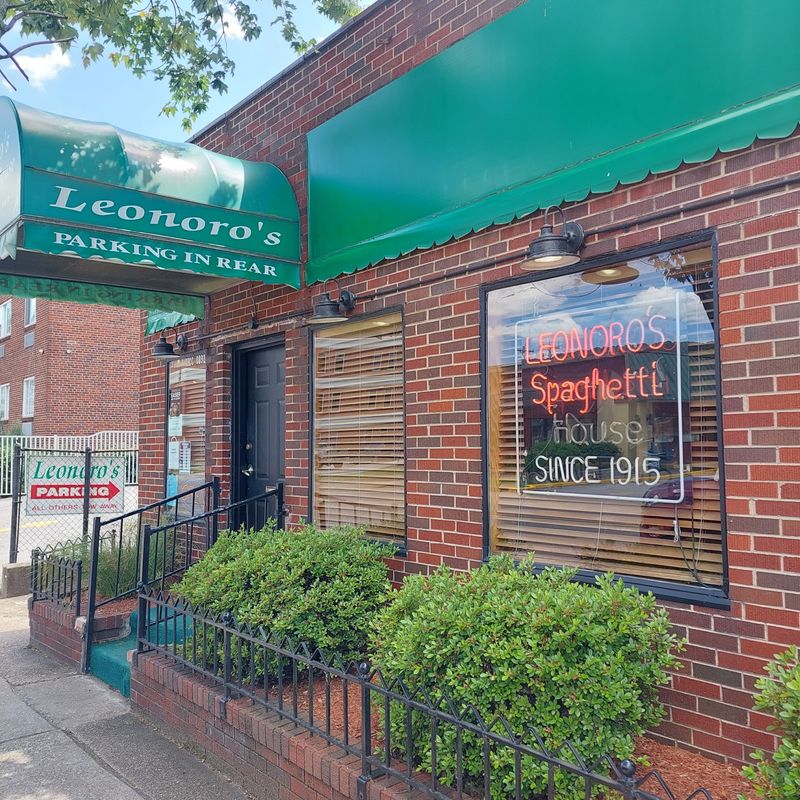
Lasagna remains one of the current pasta choices at Leonoro’s Restaurant, and it is served with meatballs rather than listed as a stand-alone entrée.
That pairing makes the dish more filling than a basic square of layered pasta. The restaurant’s online menu places it beside spaghetti, rigatoni, linguine, ravioli, stuffed shells, and manicotti.
The sauce matters just as much as the pasta. Leonoro’s describes its sauce as homemade, and the same red-sauce tradition runs through much of the menu.
Nothing about the dish needs an elaborate explanation. It fits the restaurant’s broader approach of keeping recognizable Italian-American standards at the center of the meal.
For anyone dining with another person, choosing two different pasta dishes is an easy way to see how the same kitchen handles different shapes and fillings.
The plate is substantial enough that taking time with it makes more sense than treating it like a quick stop. The current menu keeps the presentation straightforward, with the focus staying on pasta, sauce, and meatballs rather than extra flourishes.
Leonoro’s is at 1507 Washington Street East in Charleston.
Sauce With A Past
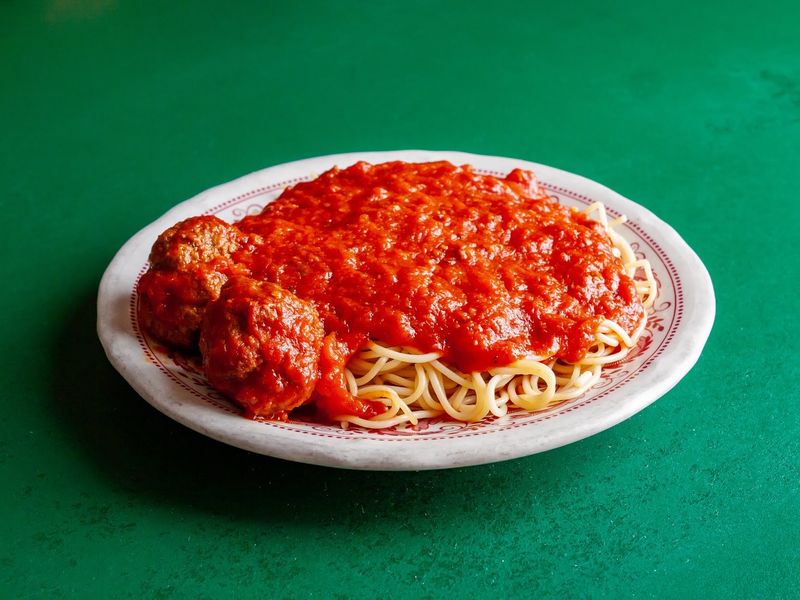
Good sauce does more than cover pasta. At Leonoro’s, it connects the present menu to a family business that has been operating in Charleston since 1915.
The restaurant still identifies homemade sauce as one of its defining features, and its FAQ notes that the standard sauce contains meat. Marinara is also available for diners who want a meatless option.
That distinction is useful because the same sauce appears across several pasta choices rather than being tied only to lasagna.
A 2015 profile of the restaurant documented family members starting the sauce early in the morning as part of the daily kitchen routine.
That history helps explain why sauce has remained central to the restaurant’s identity for so long.
The current menu also offers a special mushroom sauce and a white clam sauce for diners who want something different from the standard red version.
Bread can take care of whatever sauce remains on the plate, which becomes useful later in the meal. That simple combination is one reason the menu feels cohesive even though several pasta shapes are available.
Meatballs Join The Party
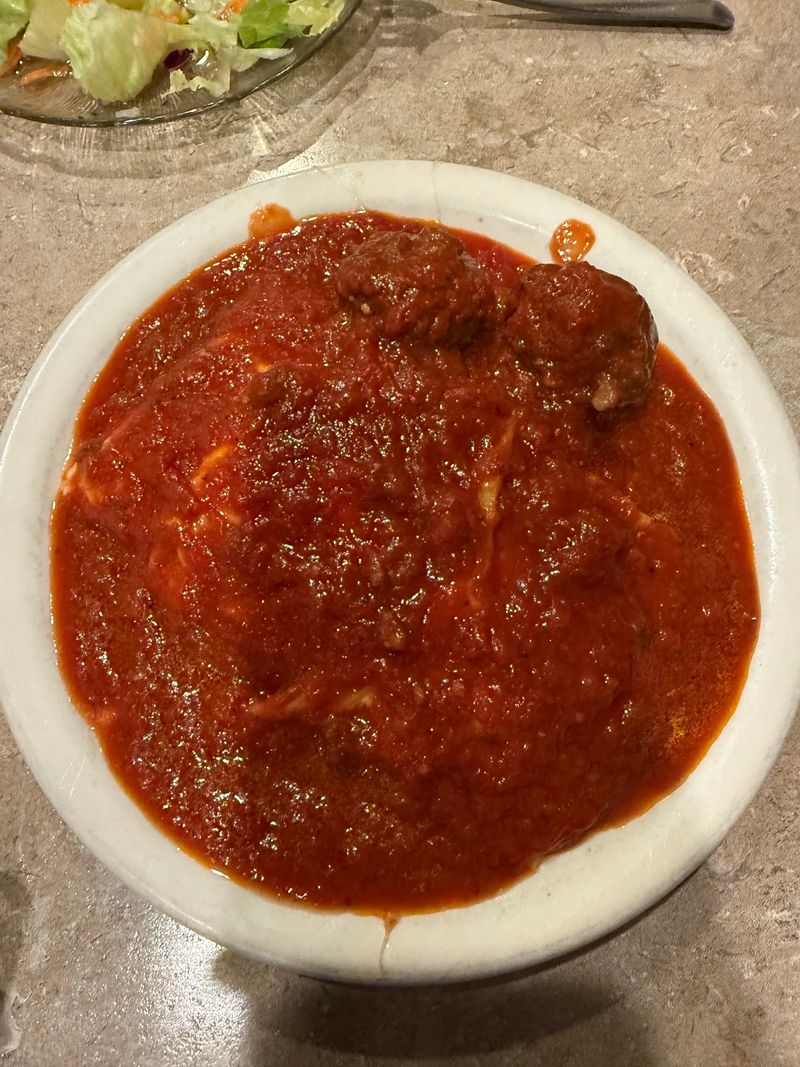
Meatballs beside lasagna may sound like a heavy combination, but that is exactly how the dish appears on Leonoro’s current menu.
The restaurant lists lasagna and meatballs together, just as it does with several of its other pasta choices. Spaghetti, rigatoni, linguine, and ravioli can also be ordered with meatballs.
That structure keeps the menu easy to understand. Diners choose the pasta they want, then see familiar accompaniments repeated across the lineup.
Leonoro’s currently describes its meatballs as homemade, which fits the restaurant’s long emphasis on in-house preparation.
A historical profile from 2015 went further, documenting family members hand-rolling meatballs during the morning prep routine.
That specific account is older, so the safer current claim is simply that homemade meatballs remain part of the restaurant’s menu.
For the lasagna plate, they add another component without changing the basic character of the meal.
The pairing also gives the plate a more substantial finish without turning it into something unfamiliar. It stays rooted in the same straightforward Italian-American comfort food that defines much of Leonoro’s menu.
A Room Made For Supper
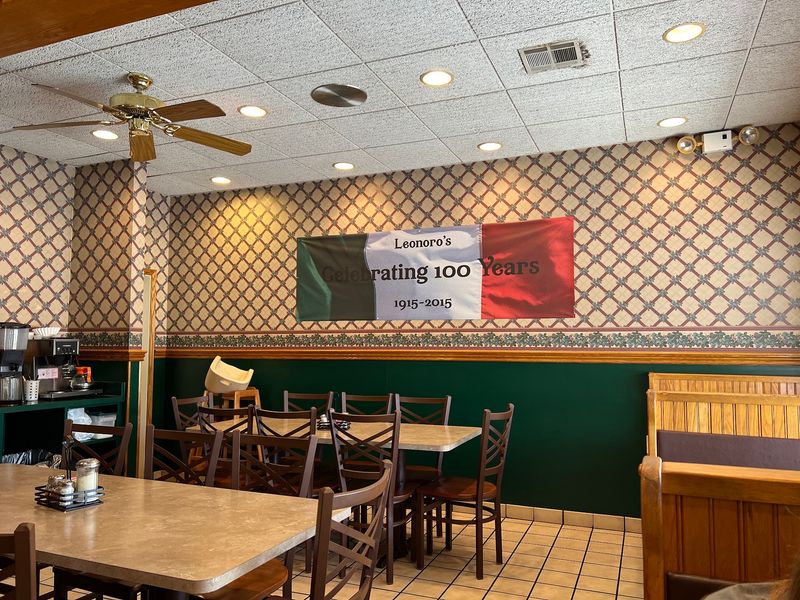
Leonoro’s describes its atmosphere as cozy, and the dining room keeps the focus on the meal rather than a highly designed restaurant concept.
That suits a business built around a short list of familiar Italian dishes. The setting is more traditional than theatrical, with the food carrying most of the identity.
The restaurant has occupied its current Charleston location since the 1970s, giving the room its own layer of continuity.
A slower meal makes sense here because many of the dishes are substantial and served as full lunch or dinner plates.
There is little need to turn the experience into a formal occasion. Pasta, bread, and conversation fit the room without much ceremony.
Solo diners can approach it the same way. The menu is compact enough to order without much planning.
The result is a West Virginia dining room that feels connected to the restaurant’s age without needing to imitate a historic attraction.
The official site still describes the atmosphere as cozy, which matches the scale and menu better than a more formal label would.
More Than A Century
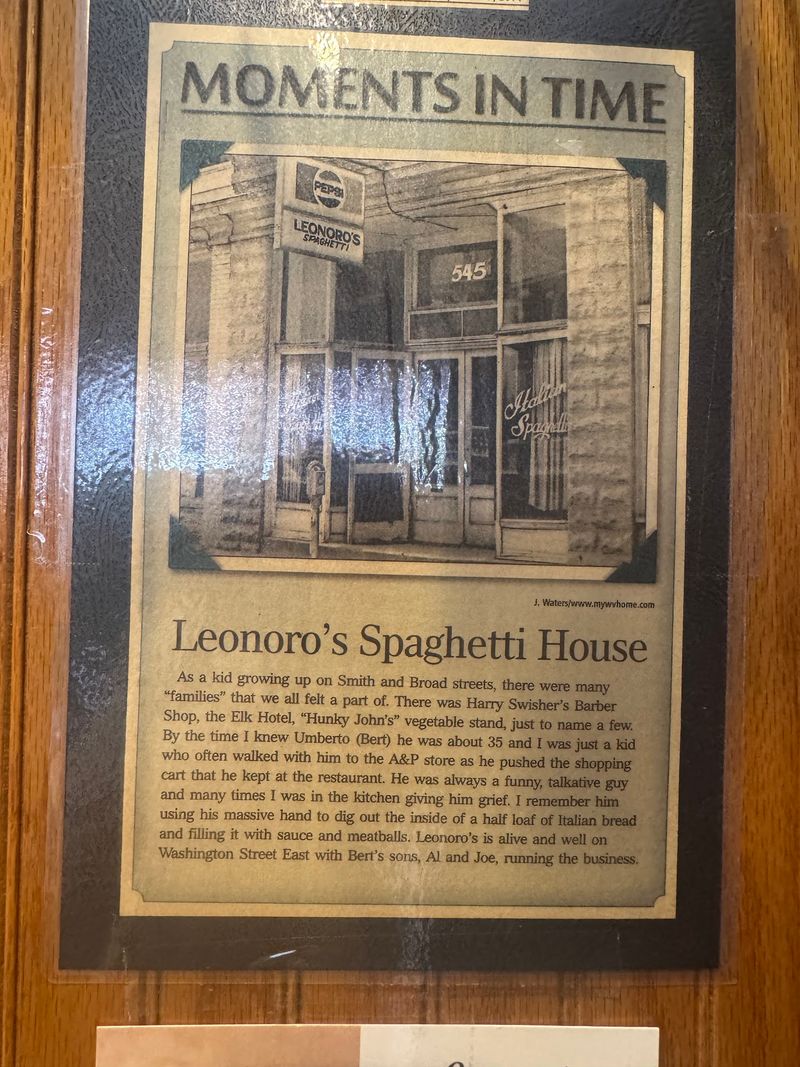
Leonoro’s traces its history to 1915, when Frank and Joe Leonoro opened a confectionery on Broad Street in Charleston.
The business began with sweets before shifting toward pasta in the 1930s, eventually becoming the Italian restaurant Charleston knows today.
That change gives the current menu more context. Pasta was not a one-time reinvention but the direction the family business settled into decades ago.
The restaurant’s official site still describes Leonoro’s as family-owned and operated since 1915.
Another major change came in 1973, when construction of Charleston’s interstate system forced the restaurant to leave Broad Street.
The family moved the business to the East End location where it continues to operate today.
That history makes the current lasagna, spaghetti, and meatballs part of a much longer Charleston restaurant story rather than a recently created concept.
Leonoro’s is also listed among West Virginia businesses founded in 1915 in the state’s Centurion records.
More than a century of operation has carried the restaurant through major changes in both Charleston and its own surroundings.
Its longevity also helps explain why the menu remains closely tied to the Italian dishes that became central to the business generations ago.
A Menu That Stays Focused
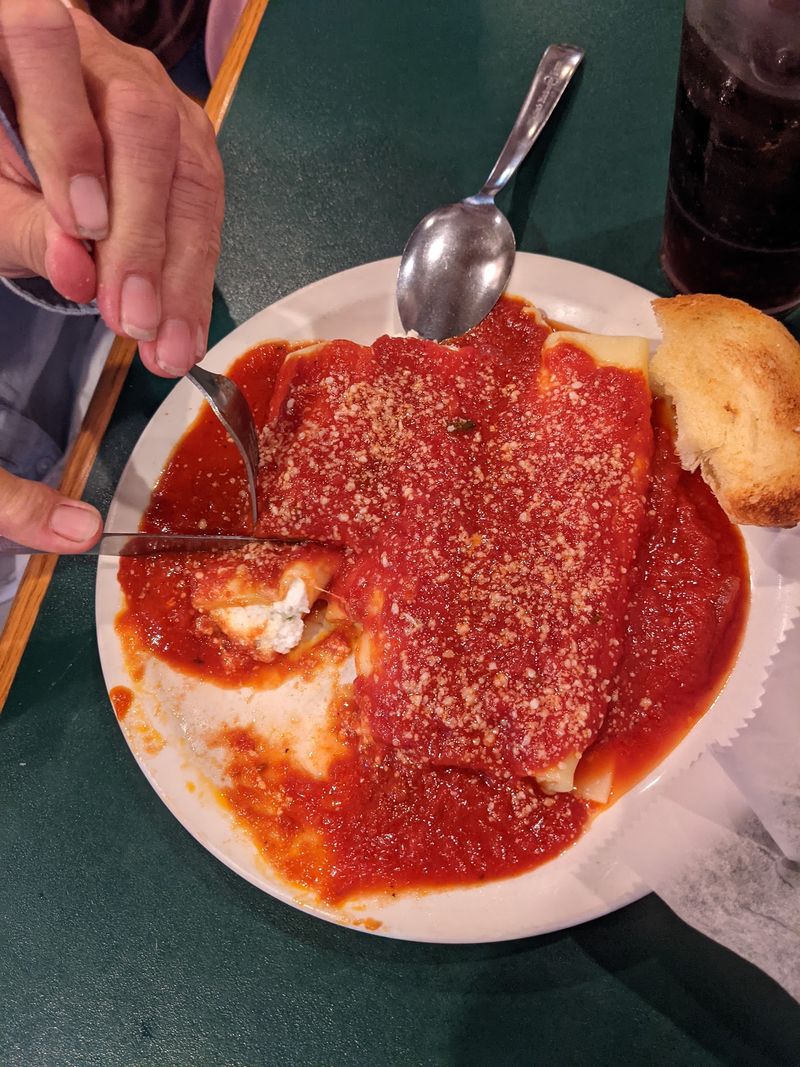
A large menu is not part of Leonoro’s approach. The current pasta list stays centered on spaghetti, rigatoni, linguine, ravioli, lasagna, stuffed shells, and manicotti.
Lasagna is one option among several rather than the only reason to visit. The same menu also gives diners a choice between meat and cheese ravioli.
For anyone who prefers a traditional plate of noodles, spaghetti and meatballs remains one of the restaurant’s specialties.
The dinner menu adds veal parmigiano, chicken cacciatore, and Italian sausage, each served with salad and pasta.
That limited range gives the restaurant a clear identity. It is built around red-sauce classics rather than a long collection of unrelated dishes.
Daily lunch specials are also part of the current schedule from Tuesday through Friday until 4 p.m.
A focused menu can make choosing easier, especially at a restaurant where many of the core dishes share the same homemade-sauce tradition. Garden salad and antipasto add a lighter counterpoint, while the current dessert list stays just as concise.
Bread Makes It Better
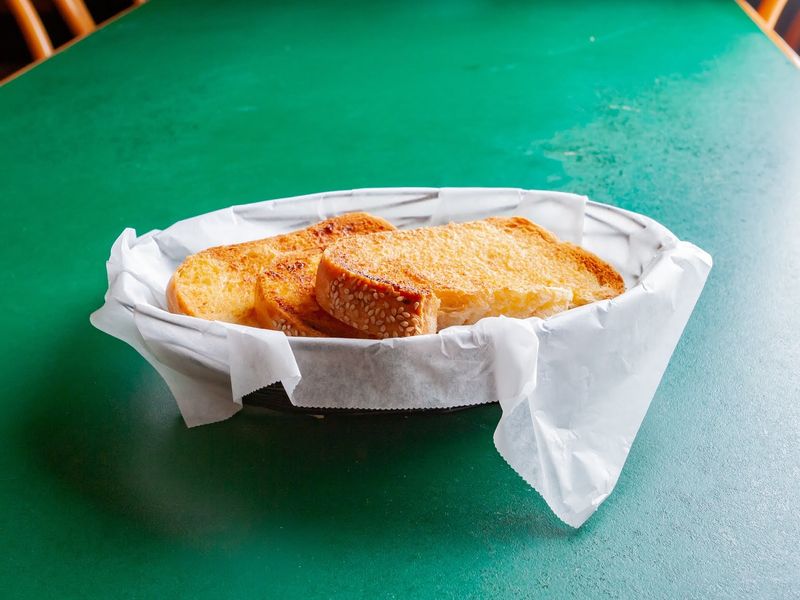
Bread is a small part of the menu, but it has a practical place beside pasta and sauce.
Leonoro’s current lunch special includes bread along with spaghetti, meatballs, and a garden salad.
For diners who want something more specific, garlic toast and butter toast are both listed as current extras.
That makes it easy to add bread without assuming that every pasta plate automatically comes with the same side.
Garlic toast makes particular sense beside a red-sauce dish because it gives the meal another texture without changing the main flavors.
There is no need to rely on old menu descriptions here. Both garlic toast and butter toast remain clearly listed on the restaurant’s current extras page.
The same section also lists extra meatballs and Italian sausage, giving diners a few simple ways to make a pasta meal larger.
This West Virginia restaurant’s FAQ also confirms free parking off Washington Street, which keeps a dine-in stop relatively straightforward.
Plan A Return Trip
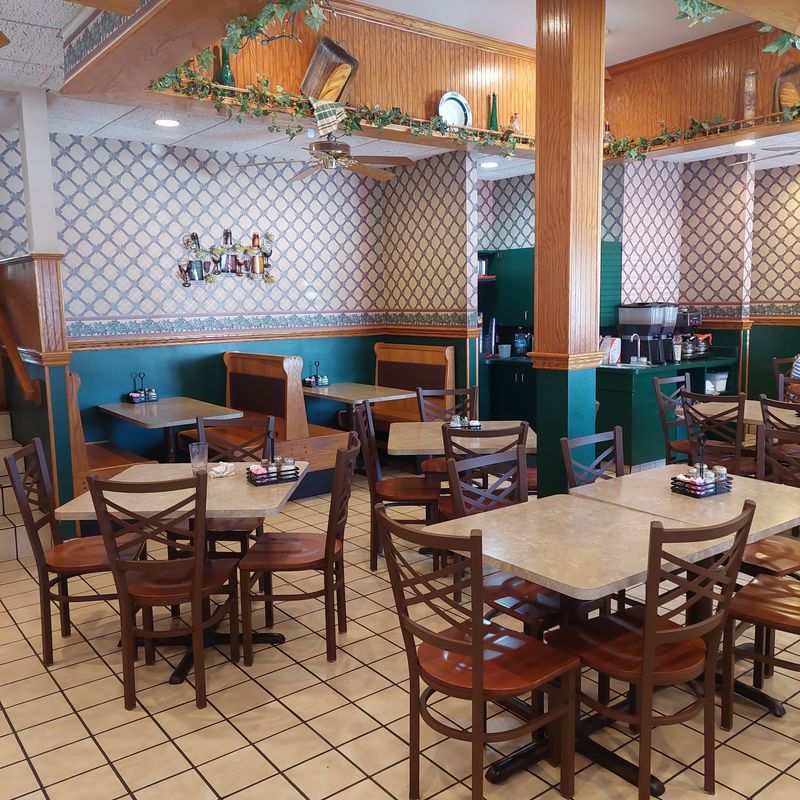
Leonoro’s current menu has enough variation to make a second visit different without changing the restaurant’s basic style.
Someone who starts with lasagna can choose spaghetti, ravioli, stuffed shells, manicotti, or another pasta on a later meal.
Dessert provides another direction. The current dessert list includes tiramisu, chocolate chip cannoli, and spumoni ice cream.
Planning around the schedule matters because the restaurant is closed on Sunday and Monday.
Current posted hours are 11 a.m. to 8 p.m. Tuesday through Thursday, 11 a.m. to 8:30 p.m. Friday, and 2 p.m. to 8:30 p.m.Saturday.
Lunch specials run Tuesday through Friday until 4 p.m., so the experience changes slightly depending on when you arrive.
More than a century after the original confectionery opened, Leonoro’s still centers its identity on pasta, homemade sauce, meatballs, and a relatively small menu.
Pickup and third-party ordering are available, but the restaurant still presents itself first as a traditional Charleston dining room. The history gives the restaurant context, while the current menu keeps that story connected to the present.