This Unforgettable Road Trip Will Take You To 10 Illinois Towns Full Of Small-Town Magic
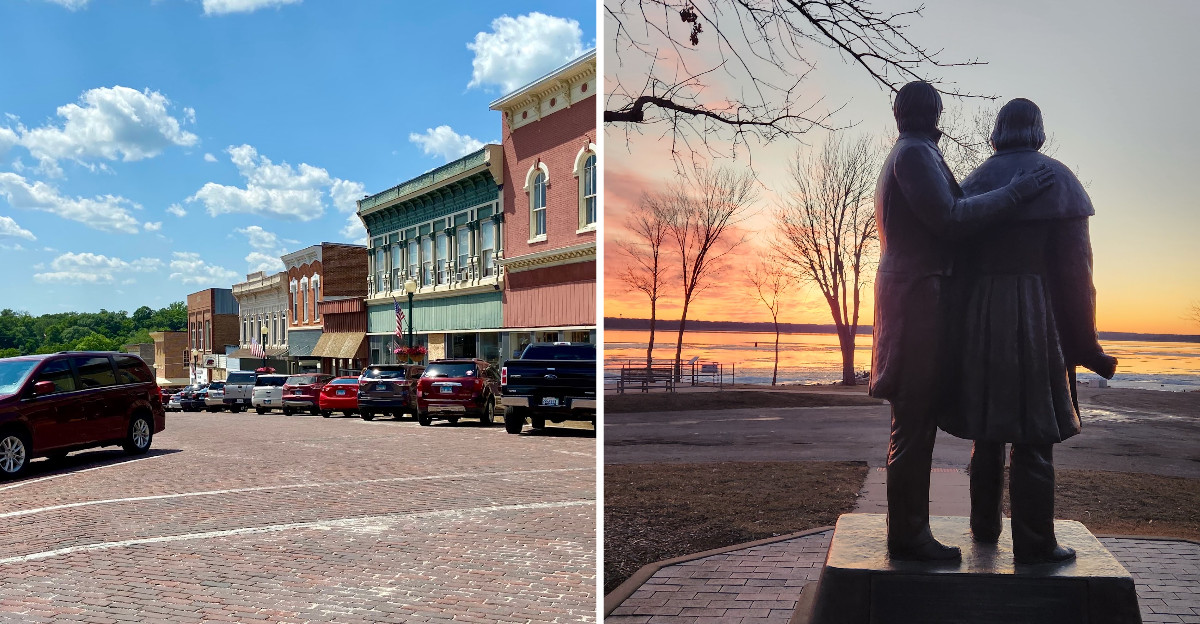
A road trip needs at least one moment where somebody suddenly says: “Wait, can we stop here?”
Illinois gives you plenty of chances for exactly that.
Riverfront walks, old theaters, covered bridges, town squares, and wide-open views keep changing the mood along the way.
The route gets better once the schedule loosens up a little.
One town may steal half the day. Another might charm you in under an hour. That unpredictability is where the magic lives.
The goal is not collecting destinations like trophies. It is finding the places that make everyone forget what time you were supposed to leave.
1. Galena
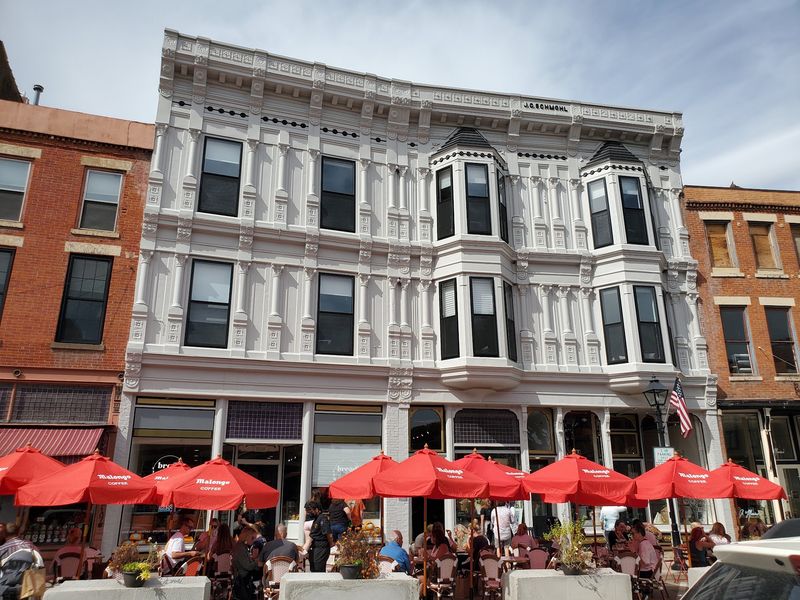
Even the road into town gives you something to admire. Rolling hills appear before the storefronts, so keep your camera within reach.
Galena, in northwestern Illinois, rewards a slower pace. Its preserved Main Street is lined with nineteenth-century buildings that now hold shops, galleries, restaurants, and other small businesses.
Begin on foot and expect hills. The historic street pattern can mean sloped sidewalks, steps, and a little extra walking between parking areas and the busiest blocks.
The Ulysses S. Grant Home adds an important piece of local history. The 1865 residence contains original furnishings and remains open as a state historic site, with schedules worth checking before arrival.
Across the Galena River, Grant Park offers landscaped grounds, monuments, a playground, and broad views back toward the historic hillside. A pedestrian bridge makes it easy to connect the park with downtown.
For a longer outing, the Galena River Trail extends eight miles one way on a crushed-stone surface. One section near Aiken remains affected by a collapsed culvert in 2026, so current city alerts matter before heading south.
Spring softens the surrounding hills, while autumn adds strong color. Busy weekends can tighten parking around Main Street, making an earlier arrival useful.
2. Woodstock
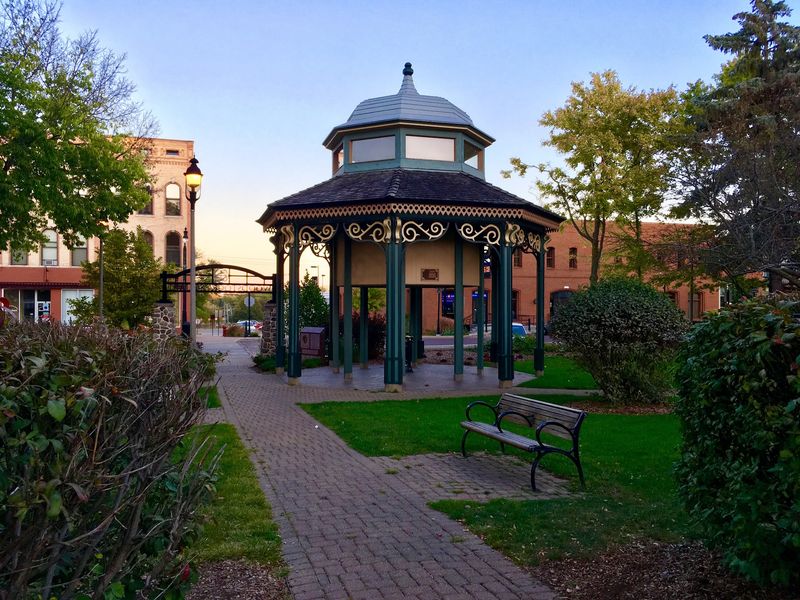
Wait, did that street corner seem familiar? A famous movie used this town square, but the real neighborhood deserves attention.
Woodstock, in McHenry County, centers its appeal around a compact historic square.
The park, surrounding storefronts, buildings, and walkable streets make it easy to explore without constantly returning to the car.
The 1889 Woodstock Opera House remains one of the district’s anchors, presenting theater, concerts, and dance throughout the year. Nearby, the former county courthouse dates to 1857 and adds another major piece of Victorian architecture.
Film fans will recognize locations from Groundhog Day, which was filmed almost entirely in Woodstock in 1992. The city still marks that connection with annual Groundhog Days events and walking tours of sites.
Do not let the movie theme consume the whole stop. Older facades, independent businesses, and residential streets beyond the square give downtown more texture than a single screen connection can capture.
Park in the Square also hosts seasonal activity. Farmers markets run during warmer months, while concerts, art events, and holiday celebrations change the atmosphere throughout the year.
Benches and shaded areas make it easy to pause between blocks. Event days can alter parking and traffic patterns, so checking the city calendar helps.
3. Geneva
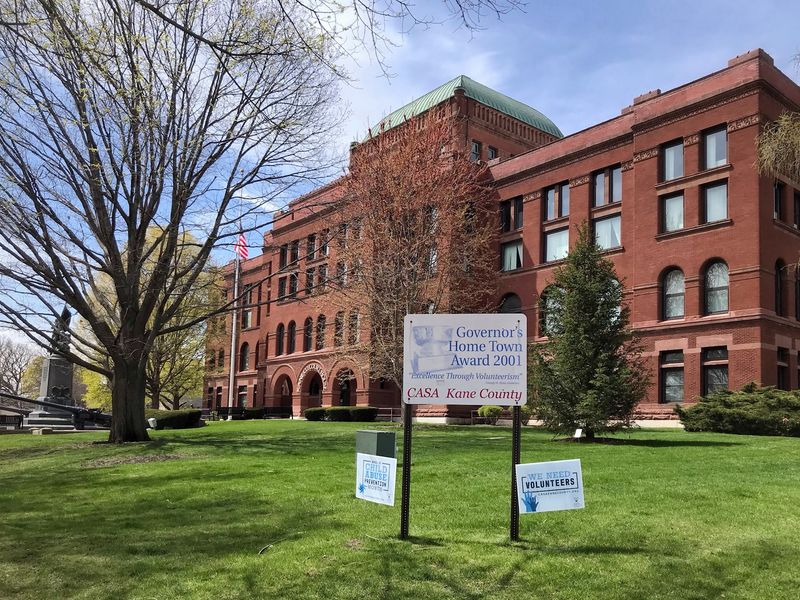
Here is a pleasant problem: should the river path or shop windows come first? I would leave enough time for both instead of choosing.
Geneva, in Kane County, pairs a historic downtown with the Fox River.
Island Park sits within walking distance of the central shopping district and connects with the Fox River Bike Trail, making it easy to shift from storefronts to open space.
Downtown streets hold specialty shops, restaurants, and older commercial buildings. Hours vary by business, so anyone building the day around one stop should check ahead.
Peck Farm Park adds a larger outdoor option on the west side of town.
The 385-acre property includes paved trails, an observation silo, a nature playground, wetlands, and a seasonal butterfly house that operated from May 16 through September 19 in 2026.
Fabyan Forest Preserve offers another change of scenery along the river. Its grounds include a Japanese garden, a museum in the former Fabyan home, and a five-story Dutch windmill dating to about 1870.
Geneva’s calendar can reshape a visit. Swedish Days fills downtown in June, while Festival of the Vine brings food and music in September.
Quieter weekdays make browsing simpler. Supportive footwear helps combine downtown blocks with park paths.
4. Ottawa
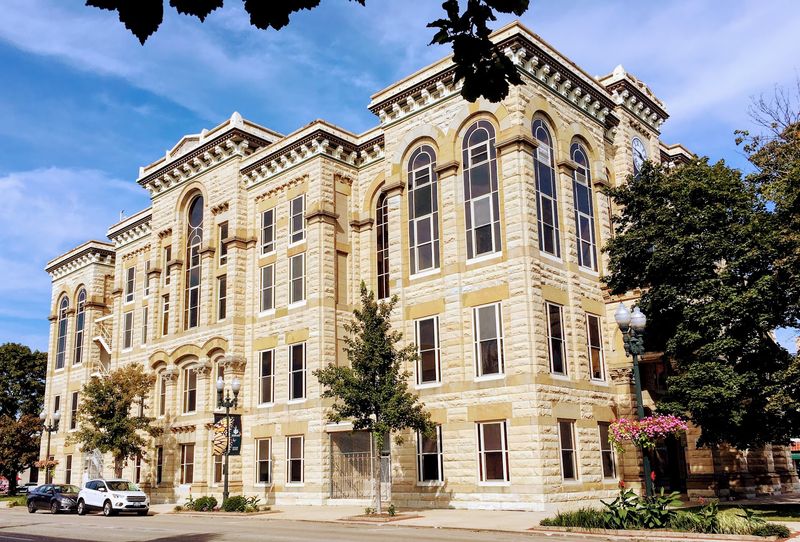
Before reaching for your hiking boots, take a look at the river. It hints at why this stop suits travelers who enjoy active days.
Ottawa, in LaSalle County, links a walkable historic core with quick access to Starved Rock State Park.
The city’s Old Town streets include shops, restaurants, landscaped public spaces, and a commercial district listed on the National Register of Historic Places.
Washington Square adds an important historical stop. The first Lincoln-Douglas debate took place there in 1858, and monuments now mark that nationally significant event.
Starved Rock sits only a short drive away, but 2026 requires more planning than usual.
A major trail-improvement project has temporarily closed access to LaSalle, Tonti, Pontiac, Basswood, and Lonetree canyons, along with Sandstone Point. Most of the park remains open.
French Canyon, Wildcat Canyon, Starved Rock itself, and several western routes continue to offer hiking options. Waterfalls depend on recent rain, so conditions matter as much as the calendar.
Back downtown, the Illinois River and preserved streets provide a slower contrast to stair-heavy trails. The Ottawa Visitors Center can supply current maps and local information before heading out.
Hot weather favors an earlier hike and a later downtown walk. Cooler days make combining both easier.
Save some daylight for the river before leaving. Ottawa feels most complete when its urban history and nearby sandstone landscape share the same itinerary.
5. Princeton
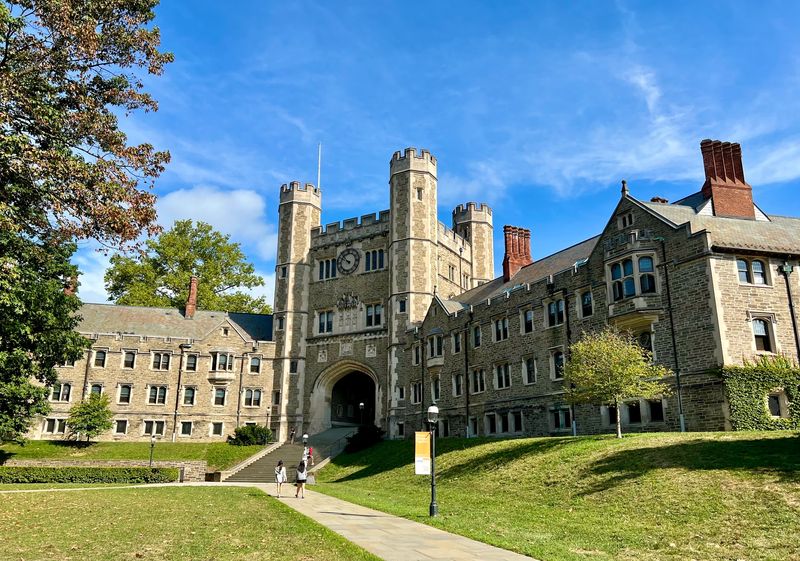
A short bridge stop can lead to an entire history lesson. I would keep this day open for unexpected discoveries.
Princeton, in Bureau County, brings downtown together with two different covered bridges.
The Red Covered Bridge dates to 1863 and crosses Big Bureau Creek, but it has remained closed since an oversized vehicle badly damaged it in 2023.
Restoration work is moving toward construction in 2026, so admire the National Register landmark from a safe area rather than expecting to drive across it.
The nearby Captain Swift Bridge is much newer, built in 2006 with a Burr arch design and recognized as Illinois’ only two-lane covered bridge.
Back in town, the Owen Lovejoy Homestead adds a deeper historical layer. The 1838 house interprets the life of the abolitionist and congressman closely associated with the Underground Railroad.
The Bureau County History Center operates museums and research collections for anyone wanting context. Hours are limited, making advance planning useful.
Festival 56 brings professional theater to Princeton during summer, with additional performances during the year.
September’s annual Homestead Festival honors Lovejoy’s legacy while filling the city with parades and community events.
Downtown walking reveals older homes, storefronts, and public spaces between the larger attractions. Leave enough time to connect the pieces.
6. Lebanon
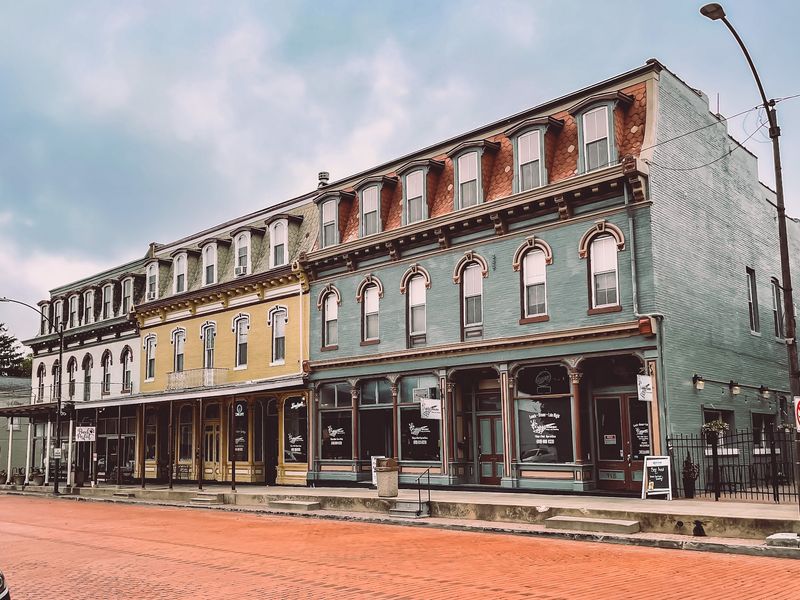
Did a travel writer really stay here long ago? Yes, and that literary detail adds fun to an easygoing afternoon.
Lebanon, in St. Clair County, centers its historic core along brick-paved streets and a National Register district filled with varied nineteenth- and early twentieth-century architecture. St. Louis Street is the natural place to begin.
The Mermaid House Inn supplies the best-known literary connection. Built in 1830, the former inn hosted Charles Dickens during his 1842 American tour, and he later wrote about the stop in American Notes.
The building no longer functions as lodging. Interior access is limited to appointments and special occasions, while the surrounding garden remains a pleasant historic setting.
Nearby shops and restaurants keep the district active rather than museum-like. Older facades, brick paving, and residential streets make the walk more interesting, though uneven surfaces deserve attention.
Looking Glass Playhouse adds a current arts stop. The community theater continues to stage plays and musicals, so its calendar can turn a daytime visit into an evening outing.
The wider historic district also includes McKendree University and preserved homes, but many residences are private. Public sidewalks and designated attractions keep the visit respectful.
7. Arthur
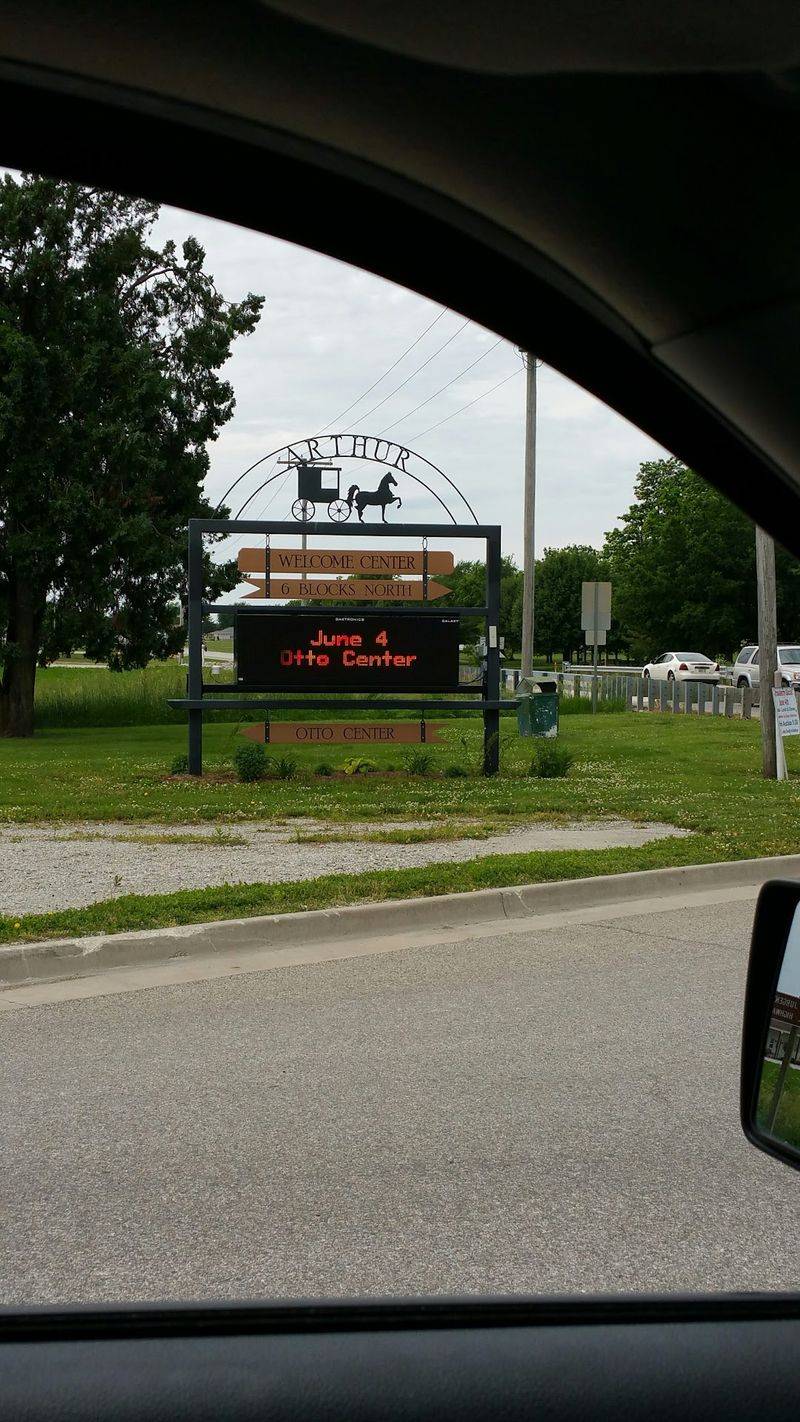
Look twice before crossing that rural road; traffic may move differently here. Taking your time helps you notice more than a passing car.
Arthur, in central Illinois, sits beside the state’s oldest and largest Amish settlement, established in 1865.
Horse-drawn buggies, bicycles, and slower-moving traffic remain normal parts of surrounding roads.
Driving patiently matters. Leave generous space when passing and avoid stopping abruptly for photographs, especially on narrow country roads.
Local businesses reflect craft and farming traditions. Furniture, quilts, fabrics, baked goods, bulk foods, and seasonal produce appear across the area, though hours vary.
Sunday requires extra planning because nearly all Amish businesses close. A few restaurants and the welcome center may remain available, but most shopping should happen another day.
The Illinois Amish Heritage Center offers the clearest historical context east of town.
Its seven-acre site includes the 1865 Moses Yoder House, the oldest known Amish house in Illinois, while work on a larger museum and visitor center continues in 2026.
Photography deserves care here. Local visitor guidance asks travelers not to photograph Amish people from the front or capture identifiable faces without permission.
Roadside stands and farm offerings change with harvests and weather. Keep to public roads and marked businesses rather than private lanes.
Arthur is most rewarding when curiosity comes with patience. The goal is understanding the community without turning everyday life into a spectacle.
8. Nauvoo
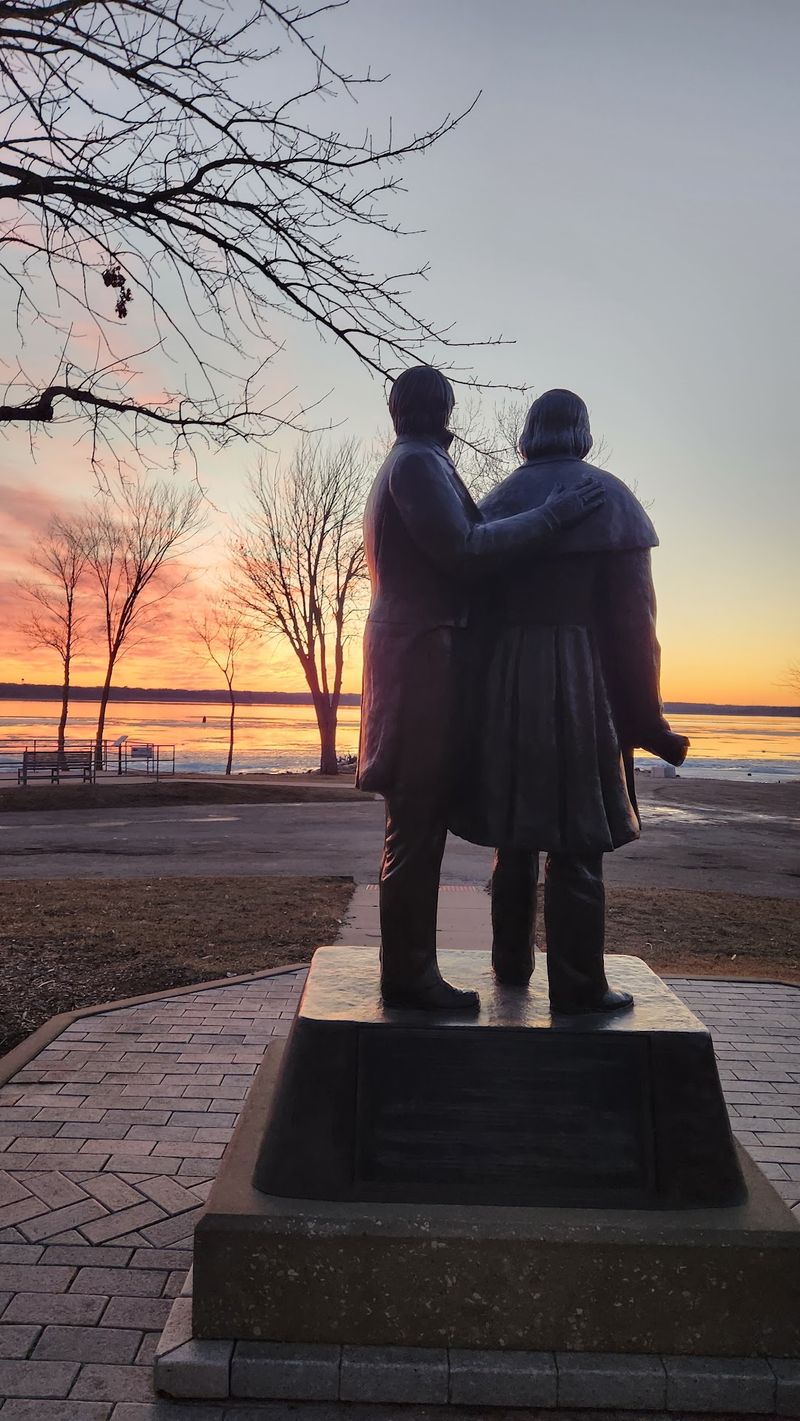
Imagine planning an afternoon and finding enough history for several. I would arrive early rather than try to hurry through it.
Nauvoo, on the Mississippi River in western Illinois, preserves a large concentration of nineteenth-century historic sites.
The National Historic Landmark district includes restored homes, workshops, streets, and interpretive spaces connected to the city’s rapid growth during the 1840s.
The Latter-day Saint story is central here, but several organizations preserve different parts of the district. Beginning at a visitor center helps clarify which buildings are open and how the sites connect.
Many historic properties currently offer guided or self-guided visits. Demonstrations at places such as the blacksmith shop help explain trades that supported everyday life in the early city.
A horse-drawn wagon ride offers an overview. The approximately 35-minute route passes homes and shops, and reservations open shortly before each ride, so availability is worth checking.
The Mississippi deserves time apart from the buildings. River views help explain why transportation, commerce, migration, and settlement became important to Nauvoo’s story.
Some locations remain active religious sites, including the temple, so posted access rules deserve attention. Historic interpretation and worship exist side by side.
9. Elsah
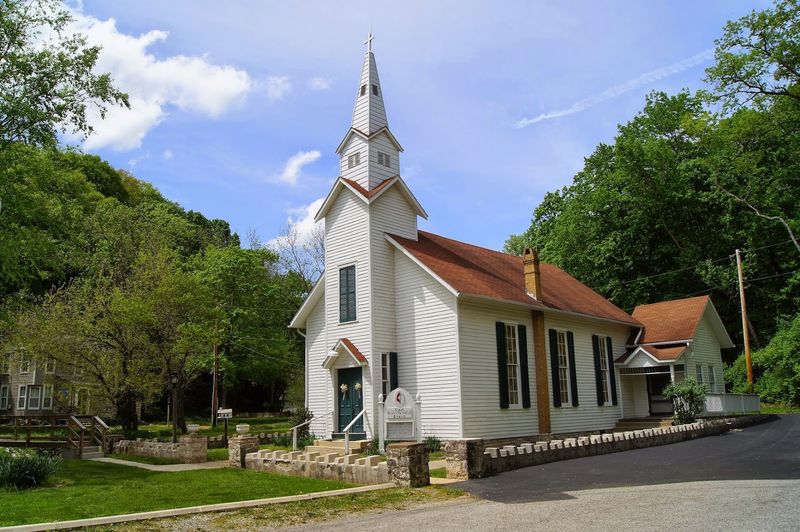
Could a shorter walk leave a bigger impression? I think so, especially when every turn asks you to look closely.
Elsah, along the Great River Road in southwestern Illinois, is small enough to explore slowly on foot.
Much of the village is protected within a historic district known for nineteenth-century homes, stone buildings, narrow lanes, and wooded bluff surroundings.
Parking carefully matters because streets are compact and many buildings remain private residences. Public roads and sidewalks offer plenty to see without crossing onto private property.
The Village of Elsah Museum grounds the visit in local history seasonally. It is currently open on Saturdays and Sundays from April through October, with exhibits focused on community history and preservation.
Farley Music Hall is another landmark worth noticing. Built in 1885, the restored hall has served many roles and remains an active meeting and event space rather than a static display.
Stone walls, porches, rooflines, and older facades create most of the visual interest. The village rewards attention to small details more than a checklist of attractions.
The surrounding river bluffs deepen the setting, especially when foliage changes in autumn. Good shoes help on slopes and older surfaces.
Special events occasionally open additional buildings, including the annual holiday house tour.
10. Mount Carroll
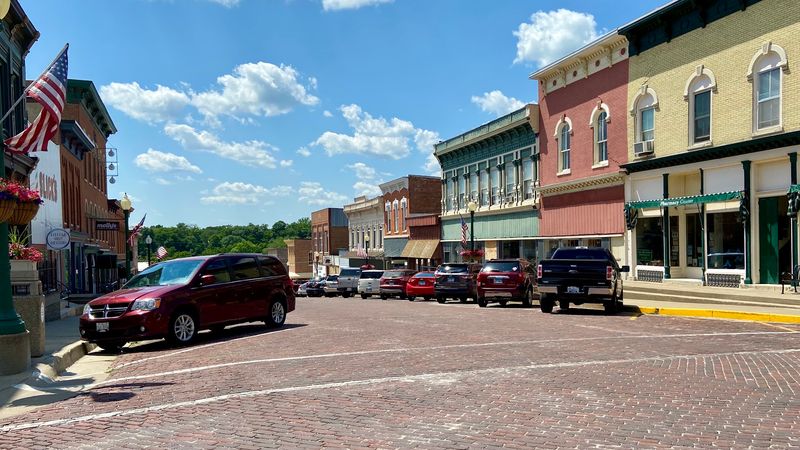
One last turn, and the brick streets ask you to slow down. I would happily take the hint before ending the drive.
Mount Carroll, in Carroll County, has a compact historic center with architecture from several periods.
Its National Register district includes Italianate, Queen Anne, and Colonial Revival buildings, giving downtown walks plenty of variety.
Older commercial buildings are easiest to appreciate from across the street, where upper-story windows, cornices, brickwork, and rooflines come into view. Older paving and crossings deserve steady footing.
Point Rock Park provides a quieter break from downtown. The park offers recreation space and walking areas when the day needs more trees and fewer storefronts.
The strongest seasonal draw sits outside town. Timber Lake Playhouse, a professional summer theater nearby, celebrated its 65th season in 2026 with productions running from late May through August.
That schedule means a theater stop requires planning rather than assuming a performance is available year-round. The wooded setting extends the change of pace.
Back downtown, preserved buildings and small businesses give the historic district an everyday purpose beyond preservation. A slower second pass often reveals details missed the first time.