10 North Carolina Towns Where Coyotes Keep Showing Up And Locals Know To Stay Alert
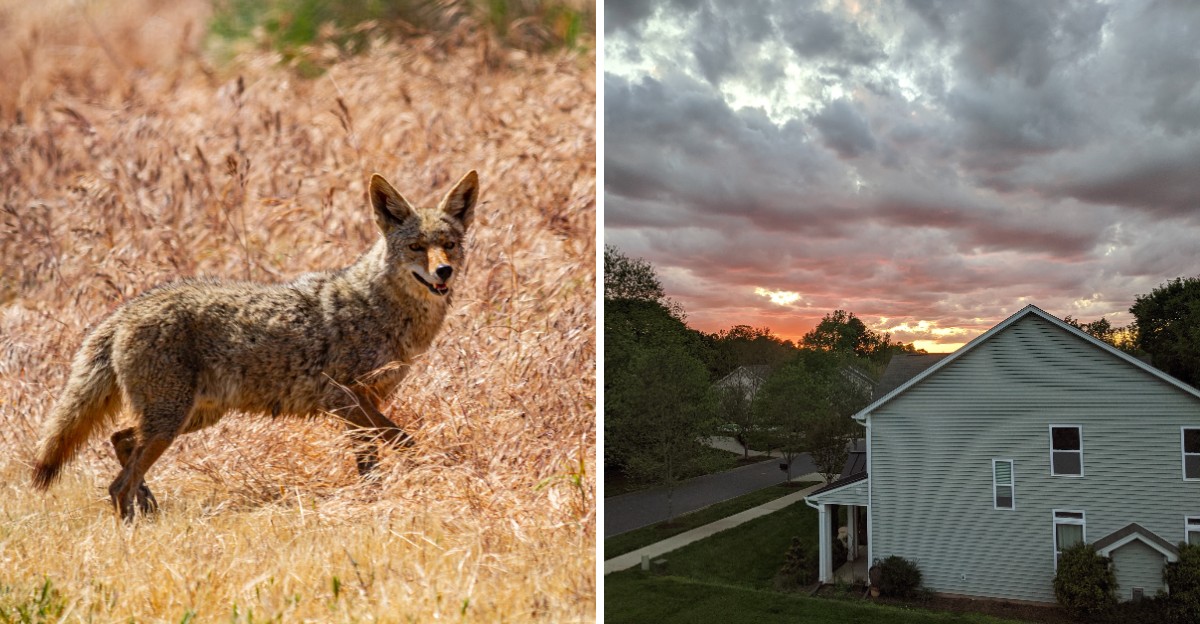
Yip yip, surprise. You thought the neighborhood belonged to people with lawn mowers and delivery trucks. Coyotes have other ideas.
Across North Carolina, these clever wanderers have gotten very good at slipping through towns without asking permission.
One may appear at the edge of a street and vanish again before you finish saying was that really a coyote? Yes. Probably.
From the coyote’s point of view, your neighborhood is just another shortcut with suspiciously good smells.
For people walking dogs, that means paying attention matters.
Give wildlife space and keep pets close.
The coyote would like to thank you for respecting its extremely unofficial commute.
10. Charlotte

Morning traffic may be picking up, but a narrow strip of trees can still feel surprisingly wild.
Charlotte has greenways, creek corridors, and wooded edges that give coyotes room to travel between neighborhoods.
Coyotes are established throughout Mecklenburg County and have been documented from residential Charlotte neighborhoods to more urban parts of the city.
In Charlotte, the easiest safety habit starts before you open the door for your pet.
Check the yard, especially near shrubs or a fence line, and go outside with small dogs. Keep cats indoors and bring pet food inside after meals.
A secure fence helps, but it should not replace watching an animal that is outdoors.
If you spot a coyote during a walk, pause and give it space. Keep your dog close on a short leash, rather than letting it run toward the animal.
Make yourself noticeable by speaking firmly or clapping, and back away without turning the moment into a chase.
The city provides coyote safety guidance for residents, which is useful when a sighting raises questions.
Most encounters call for distance and calm action, not a crowd gathering for photos.
Afterward, a stroll past leafy yards or a stop for a warm biscuit can feel pleasantly ordinary again.
The goal is to share the neighborhood without inviting wildlife onto the porch.
9. Cary
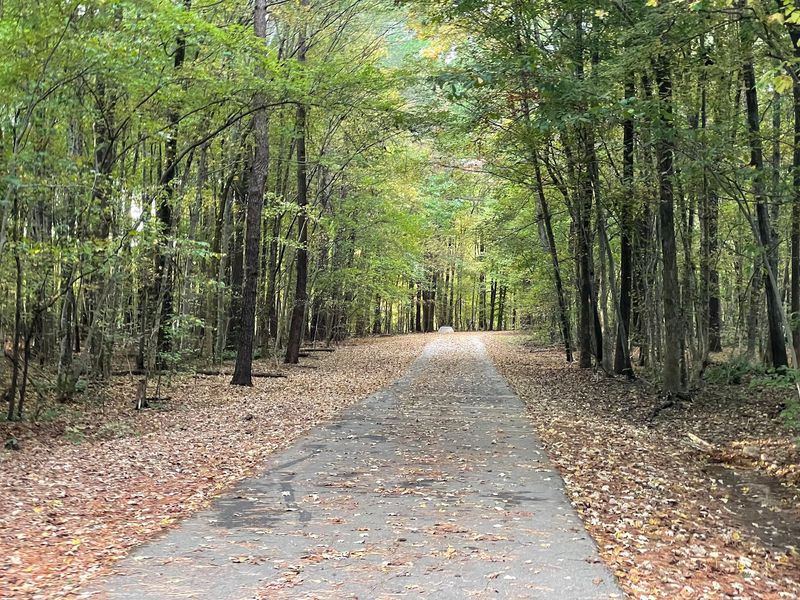
A park path feels different when the trees rustle before the birds start singing.
Cary has a documented history of coyote sightings, and town officials have previously cautioned residents after local sightings and reports of howling.
Those places offer cover and connecting routes, even when homes and shops are nearby.
For a walk in Cary, choose a leash you can hold close if wildlife appears. Letting a dog explore far into brush can make a calm outing harder to manage.
Coyotes are often most active around dawn and dusk, although seeing one in daylight does not automatically mean something is wrong.
At home, simple cleanup makes a difference. Close trash lids, pick up fallen fruit, and avoid leaving pet food on a patio overnight.
If you feed birds, clear spilled seed that might attract small animals, which in turn can attract coyotes.
Give a coyote an open path to leave if you see one beside the trail. Stand tall, make noise if it lingers, and move away with your pet.
You can still enjoy the shade, pond views, and picnic spots that make a day outdoors inviting.
Staying aware is part of enjoying them, just like carrying water and checking the weather before heading out.
Share unusual behavior with local animal services instead of approaching the animal yourself.
8. Durham
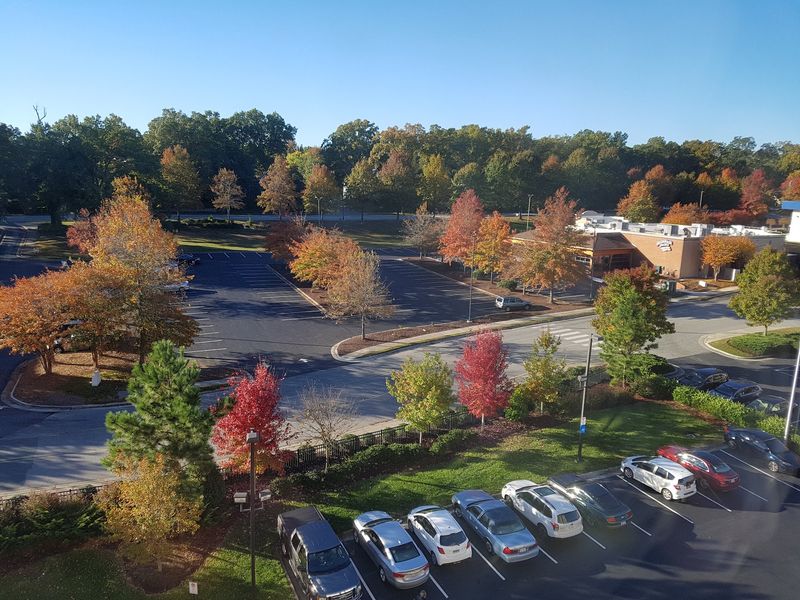
City streets can go still for a few minutes before the day begins.
That quiet gives wildlife a chance to move, even where sidewalks and houses fill the view.
Durham County has documented coyotes in developed areas, including repeated reports of one in the Parkwood area that Animal Services ultimately assisted in 2024. A sighting in a built-up area can be surprising, but coyotes are able to use small patches of cover.
Durham dog walkers can make their routes easier by paying attention near brushy lots and wooded creek edges.
Keep a leash handy and stay alert when visibility is low.
If a coyote appears, gather children and pets close, face the animal, and allow it room to move off.
Running after it or trying to take a close photograph adds risk without helping anyone.
Back at home, consider what a coyote might find around a yard.
Loose trash, outdoor pet meals, and easy access beneath a porch can make a property more inviting.
Removing those draws is more useful than hoping the animal will simply stop visiting. A daytime sighting alone is not proof of illness.
Behavior matters more: an animal that seems disoriented, unusually bold, or unable to move normally should be reported to local animal services.
With a little care, you can still enjoy neighborhood walks, leafy streets, and a relaxed breakfast stop without losing sight of the wildlife nearby.
7. Apex

A backyard camera can catch a visitor that slips past too quickly for anyone to notice.
Coyotes have been documented in Apex, including two animals captured crossing a homeowner’s front yard on a security camera.
The sounds may travel farther than expected on a quiet evening. Hearing several calls does not tell you exactly how many animals are nearby.
In Apex, a brief yard check before letting a small pet outside is a useful routine. Look along hedges, behind sheds, and toward any opening that leads to trees.
Stay nearby while your pet is out, particularly at dawn or after sunset.
If a coyote enters the yard, bring pets indoors first, then make noise from a safe position to encourage it to leave.
Growing neighborhoods can sit close to older patches of woods, so wildlife may cross familiar streets.
A tidy yard offers fewer reasons to stop.
Keep garbage covered, remove leftover pet food, and avoid feeding wild animals.
Talk with neighbors about sightings without turning an unconfirmed report into a warning about every animal seen at night.
There is still plenty to enjoy on an Apex outing, from tree-lined walks to a snack after an afternoon outdoors. Awareness need not spoil the view.
Give coyotes distance, watch your pets, and let the animal continue on its way.
6. Greensboro

One minute, a greenway is full of bike wheels and birdsong.
The next, movement at the tree line reminds you that it serves as a route for wildlife, too.
Greensboro has documented coyote activity, and city trails have previously been temporarily closed after a sighting while wildlife officials assessed the area.
When enjoying a Greensboro path, keep children nearby and dogs on a short leash. Give the animal room to leave, rather than gathering around it.
If a coyote holds its ground, stand tall, clap, and speak firmly while you move away. Never offer food, even if it looks curious or calm.
Wildlife officials note that coyotes can live in cities and may raise pups near people.
During spring, an adult might be more visible as it looks for food or uses a route around a den.
That does not mean every coyote on a trail is guarding pups. Staying on marked paths and avoiding thick brush are sensible choices either way.
Before an evening stroll, a quick look at the trail ahead can help you spot animals early.
At home, secure trash and supervise outdoor pets.
The reward for those habits is simple: you can enjoy leafy shade, open sky, and a picnic afterward while giving a wild neighbor the space it needs to pass.
5. Winston-Salem
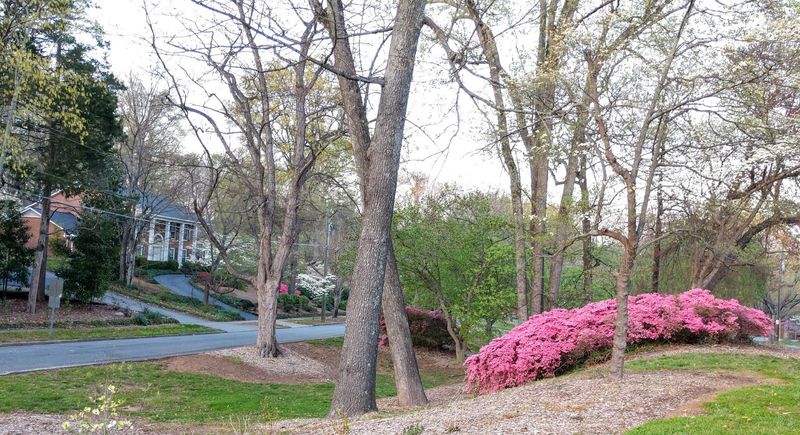
On a still evening, a chorus from the woods can sound much closer than it is.
Coyotes have been documented in Winston-Salem’s Ardmore neighborhood, where trail cameras captured repeated activity and residents saw one cross a nearby business parking lot.
The calls are part of how coyotes communicate.
They are a good reason to pay attention, but not a reason to assume the animals are headed toward you.
In Winston-Salem, make the last pet outing of the day a supervised one. Turn on an outdoor light, check the yard, and keep a small dog close.
Bring food bowls inside afterward.
Coyotes may travel through neighborhoods looking for natural prey, and easy meals can encourage repeat visits.
Wooded neighborhoods, creek banks, and other green corridors around Winston-Salem provide the kind of habitat coyotes commonly use near development.
Whether you are walking near a park or along a residential sidewalk, leave earbuds low enough to hear what is happening around you.
If you encounter a coyote, do not move closer for a picture. Give it an escape route and use a firm voice if it stays nearby.
Wooded slopes and older streets give the city much of its welcoming look. A morning walk can still end with a fresh pastry and time to enjoy the scenery.
Sensible pet care and a little attention let everyday routines continue without treating each distant call as an emergency.
4. Asheville
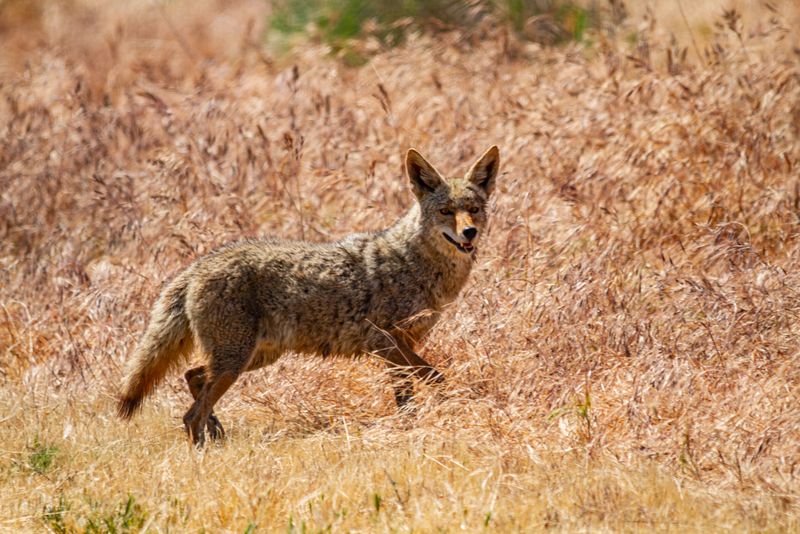
Mountain views do not stop at the edge of a neighborhood, and neither does wildlife.
Buncombe County’s current wildlife guidance specifically lists coyotes among the wild animals residents may encounter around developed areas.
Wooded hillsides, yards, and small green spaces can put an animal’s travel route close to a front door. Seeing one is a reminder to make room, not a reason to follow it.
For Asheville visitors, the same habits that help residents work well on an evening walk.
Keep dogs leashed and leave cats safely indoors.
If your route passes a brushy slope, stay on the path and scan ahead. A coyote that notices you will often have somewhere else to go if you give it space.
At a rental home or backyard picnic, clean up food scraps promptly and close the trash lid.
Do not put out food to draw wildlife into view.
A close encounter may make an exciting story, but feeding an animal can make future encounters less safe for everyone.
City neighborhoods offer their own pleasures: porch gardens, changing mountain light, and the smell of breakfast from a nearby bakery.
Enjoy those details without forgetting what lives beyond the sidewalk.
If a coyote seems injured, confused, or unusually willing to approach people, contact local animal services and let trained staff decide what to do next.
3. Chapel Hill
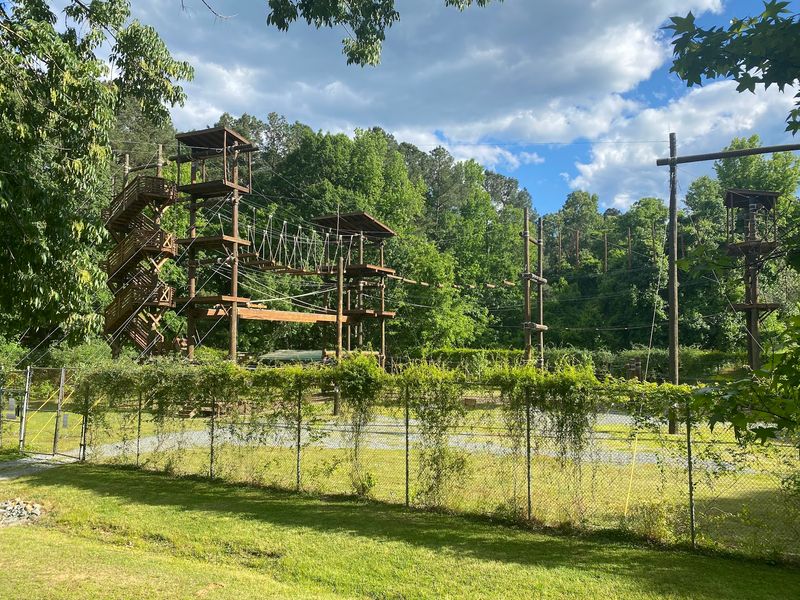
A leafy path can feel like a peaceful shortcut between busy parts of town.
In Chapel Hill, coyotes have been reported near homes as well as around paths and parks.
Orange County Animal Services has noted sightings in more developed areas, too.
The mix of green space and neighborhoods makes a little awareness useful on an ordinary walk. Near Chapel Hill homes, take a moment to look outside before a small dog goes into the yard.
Supervise pets, pick up food dishes, and make sure household trash is not easy to reach.
On a trail, a short leash keeps a curious dog from racing toward movement in the trees. Reports from the Carolina North area have included a coyote near dogs.
Give wildlife extra space if you think pups could be nearby, and choose another route rather than lingering.
If an animal follows you, face it, stand tall, make noise, and keep moving away without running.
An encounter that feels unsafe is worth reporting to local animal services.
There is no need to give up the pleasure of shaded sidewalks or a family stroll. Listen to the birds, notice the changing leaves, and leave room for animals that use the same landscape.
The best plan is easy to remember: do not feed coyotes, protect pets, and avoid getting close.
2. Huntersville

A fence can mark the end of a yard, but it does not mark the end of wildlife habitat.
Huntersville residents have reported coyotes near backyards, so a little care around pets matters.
In June 2026, Mecklenburg County reported that a coyote involved in a Huntersville encounter tested positive for rabies. That was a specific case, not a reason to assume every coyote is ill.
For Huntersville households, keeping pet vaccinations current is a practical first step.
Never approach, touch, or feed a wild animal, even one that seems unusually calm.
If a person or pet has direct contact with a coyote, follow public health guidance promptly.
Let officials handle an animal that appears sick or behaves strangely.
Most days call for simpler habits. Check a yard before opening the door, stay outside with small pets, and clear away food scraps.
A coyote moving along a wooded edge should have space to continue without people or dogs following it.
Families can still enjoy neighborhood walks and time outdoors near the town’s green spaces.
Keep a comfortable distance when watching wildlife, just as you would around an unfamiliar animal anywhere else. Staying alert is not about fear.
It is about protecting pets, respecting a wild visitor, and knowing when a sighting deserves a call to the proper local office.
1. Wilmington

Before the coastal day gets busy, quiet streets can belong to more than early walkers.
Wilmington residents have reported coyotes near homes, including sightings in the early morning.
Wilmington has a documented history of neighborhood coyote sightings, including reports from the Pine Valley area.
On a Wilmington morning, keep a dog close while you pass wooded lots or water. If you see a coyote across the street, do not approach to get a better look.
Give it room, and guide your pet away without running.
A calm response helps keep an ordinary sighting from becoming a close encounter.
Coastal neighborhoods offer inviting porches and outdoor meals, but leftovers should not stay outside overnight.
Close trash containers and take in pet dishes. Cats are safer indoors, and small dogs need company during yard time, especially when the light is low.
Afterward, there is plenty to notice besides wildlife: damp morning air, shade along older streets, and the smell of breakfast before the shops fill up.
Enjoy the setting while staying aware of its less visible residents.
If a coyote acts strangely or refuses to leave people alone, contact local animal services rather than trying to deal with it yourself.
Distance is useful for both you and the animal in North Carolina.