People Drive From All Across Florida For Cuban Sandwiches At This Century-Old Bakery
I made the rookie mistake of eating breakfast before this drive, and I regretted it the whole way there. Florida has a bakery that has been pulling long, golden loaves out of its ovens for more than a hundred years, and its pressed Cuban sandwich can turn an ordinary Saturday into a road trip.
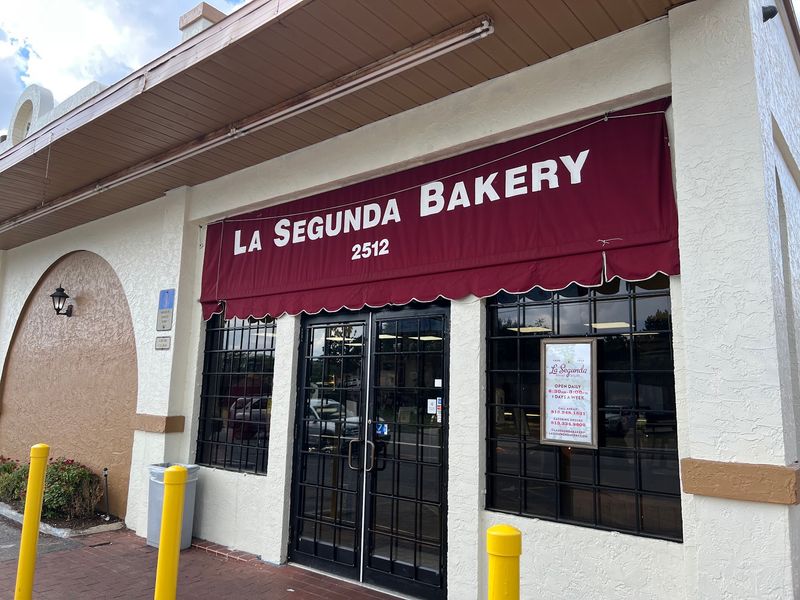
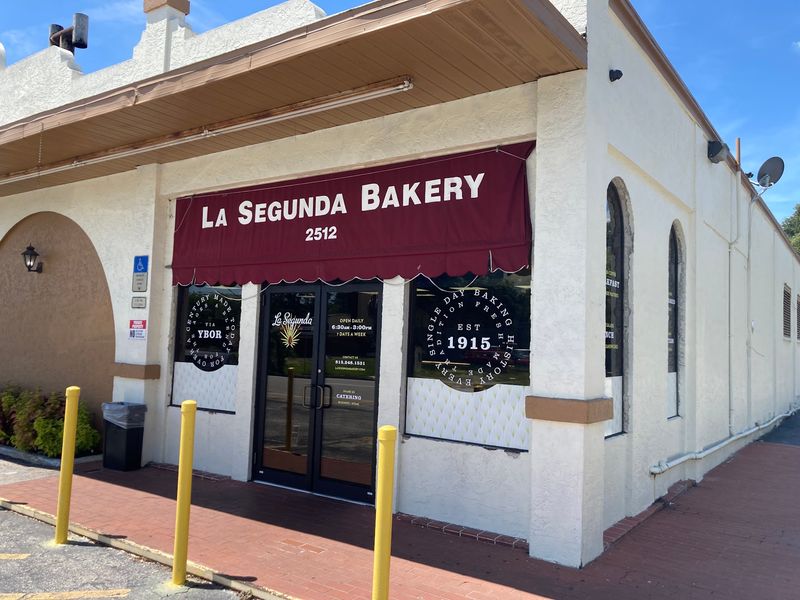
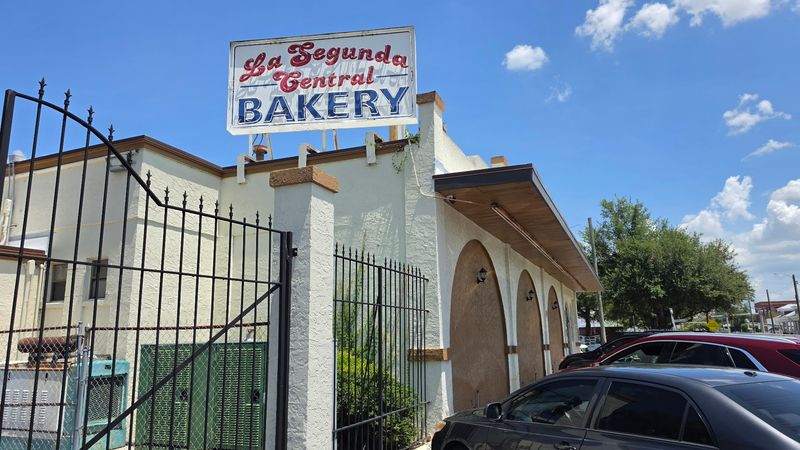
From the street, the building looks like an old warehouse that never bothered with a fancy sign. Come hungry, order ahead, and leave room in the car for bread.
An Old Industrial Building on 15th Street
Early on a weekday, the corner of 15th Street already smells like warm dough. A man in paint-splattered work boots holds the door for a woman juggling two coffees and a paper bag the length of her arm.
Behind them sits a squat, vintage industrial building that looks more like a factory than a café.
La Segunda Bakery and Cafe has baked in Ybor City, Tampa’s historic Cuban and cigar-making quarter, since 1915. The retail counter up front is the part the public sees, while the ovens that feed much of the Tampa Bay area run nonstop in the back.
The streets around it feel residential and workaday, a few blocks removed from the busier tourist stretch of Seventh Avenue.
Why would anyone cross Florida for a spot without a single dining table? One breath of that air answers half the question, and the pressed sandwiches sliding off the grill take care of the rest.
Treat it as takeout from the start, because there is no seating inside. Grab your bag, find a shady curb or head back to the car, and sort out the eating part from there.
The address is 2512 N 15th St, Tampa, Florida 33605.
Juan Moré and the Bakery Called Second
Most bakery origin stories begin in a grandmother’s kitchen, but this one begins overseas. Juan Moré, a Spanish immigrant, spent time in Cuba during the Spanish-American War and brought a Cuban bread recipe back with him to Tampa.
In 1915 he set up shop in Ybor City, then a thriving Cuban neighborhood built around cigar factories. There were originally three bakeries, named La Primera, La Segunda, and La Tercera, which translate to the first, the second, and the third.
Fresh crust and strong coffee were everyday fuel in a neighborhood like that, where long shifts at the rolling tables left little time for fancy meals. The bakery grew up alongside those workers, and its bread became part of the daily rhythm of the quarter.
So how did La Segunda end up standing on its own? Moré eventually became its sole owner, and the other two names faded from the story while the second kept going.
A small numbering choice made more than a century ago now appears on bread bags all over town, and his descendants still carry that decision forward.
A Fire, a Rebuild, and Four Generations
In 1961 a fire destroyed the original bakery building. The family rebuilt on the same block, and the name La Segunda picked up an unplanned second meaning, since it was now, quite literally, the second bakery on that spot.
For a neighborhood that has watched cigar factories close and storefronts change hands over the decades, that continuity stands out.
Plenty of family businesses fade after a setback like that, especially ones built around ovens that fire up before dawn. La Segunda kept baking.
It has stayed family-owned and family-operated for four generations, which is rare for any Florida business, let alone a bakery.
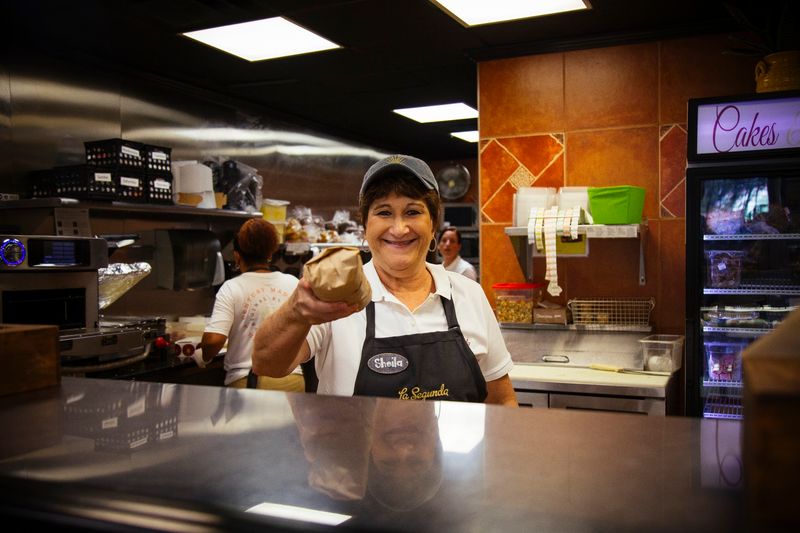
Flour, yeast, and hot shortening still scent the air in the rebuilt space, and the counter staff move with the brisk rhythm of a place that has never slowed down for long.
Who runs it now? Anthony Copeland Moré oversees operations, carrying forward the recipe Juan Moré brought back from Cuba.
Staying in one family this long means the formula has never been handed off to strangers, and very little about the core loaf has changed.
The Palmetto Leaf Trick
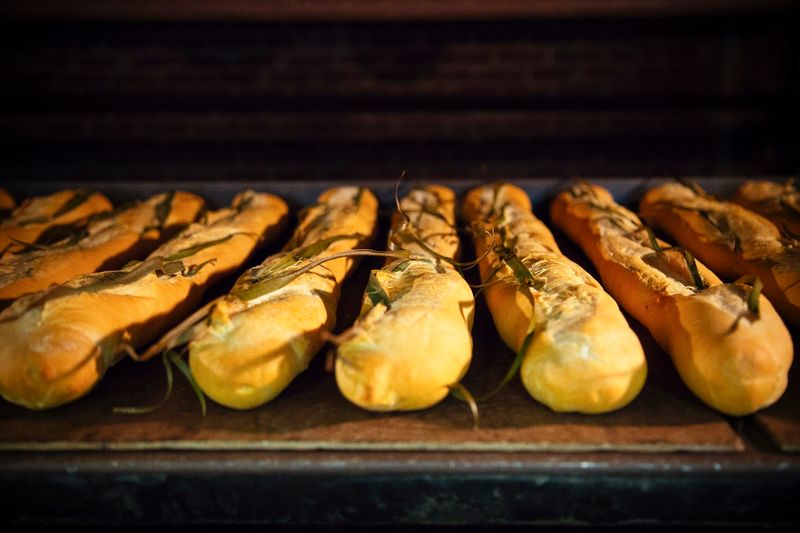
Tap the top of a fresh loaf and it crackles like thin paper. The crust is barely there, flaky and brittle, while the inside stays soft with a faint sour tang.
The recipe is simple on paper: flour, water, yeast, salt, and shortening. From mixing to cooling, each batch takes more than eight hours, and every loaf is shaped by hand.
Right before the loaves slide into the oven, a baker presses a long strip of palmetto leaf along the top of each one. As the dough rises in the heat, it splits along that line, leaving the signature seam and shallow trench running down the center.
Does a leaf make that much difference? That split gives the bread its look and helps the crust open up as it bakes, and it comes from an old tradition rather than a modern gimmick.
Skip it, and you get a plain loaf; keep it, and you get the bread Tampa grew up on.
Buy a loaf to take home, eat the heel in the parking lot, and feel zero guilt about it. Cuban bread tastes best the day it is baked, which is part of why the ovens here never rest for long.
Thousands of Loaves Before Lunch
Every day, the ovens here turn out between 18,000 and 22,000 loaves of Cuban bread. That output supplies a long list of restaurants across the Tampa Bay area and beyond, along with the steady flow of people walking in off the street.
Some of the Cuban bread served at sandwich shops around the region started its morning right here, even if the menu never says so.
A number that big usually means machines and shortcuts. Here, the loaves are still formed by hand and scored with palmetto, so the scale comes from sheer effort rather than automation.
At the counter, a customer asks for a single loaf and gets handed something close to three feet long in a paper sleeve. It pokes out of tote bags, rides across back seats, and occasionally gets nibbled before the car leaves the lot.
Can’t make it to Ybor City in person? The bakery ships nationwide through Goldbelly, so a Tampa-style loaf can land on a doorstep in another state.
Still, bread with a crust this thin tastes its best within hours of baking, which gives the in-person run a clear edge.
How a Tampa Cuban Gets Built
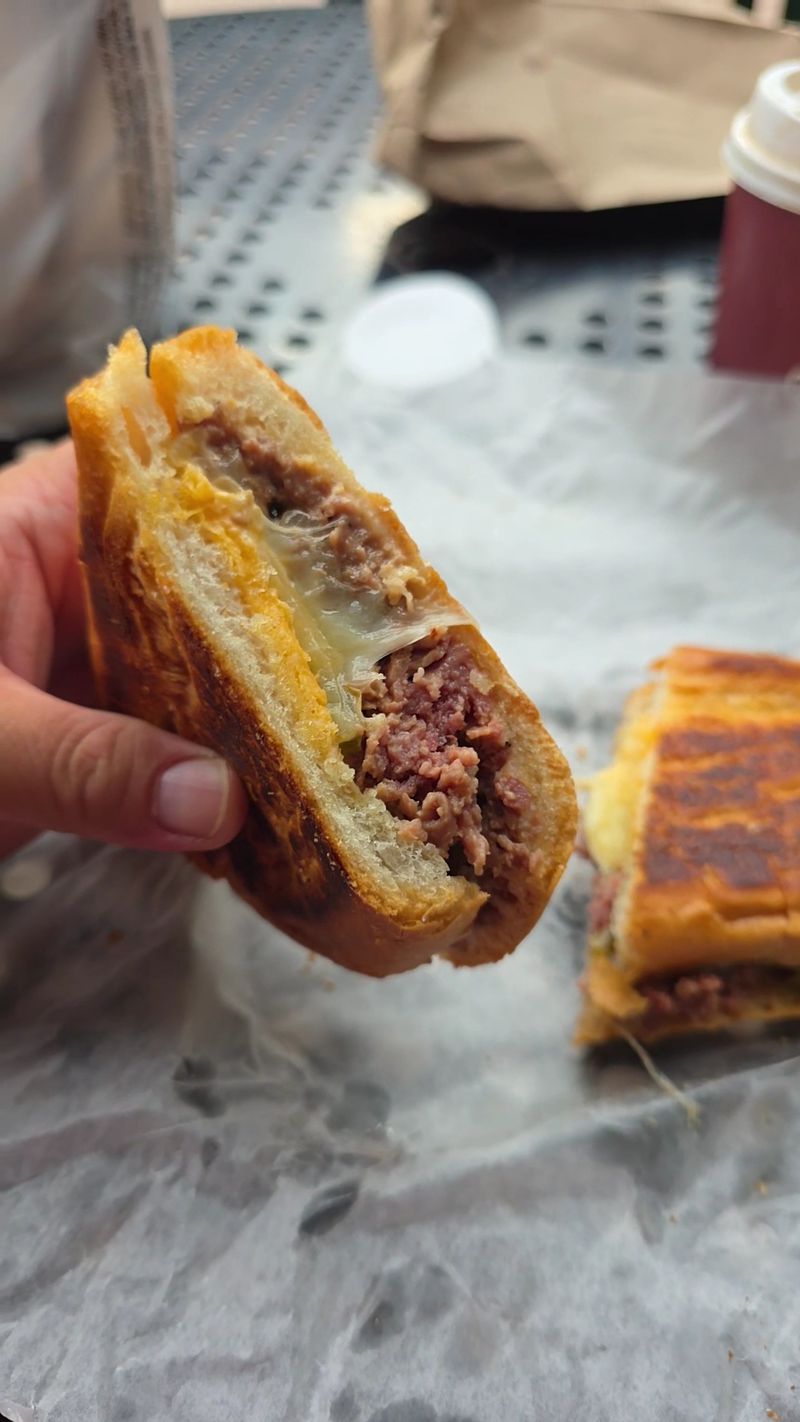
The grill hisses when a buttered sandwich hits it, and the smell of toasting bread and roast pork fills the whole front room within seconds.
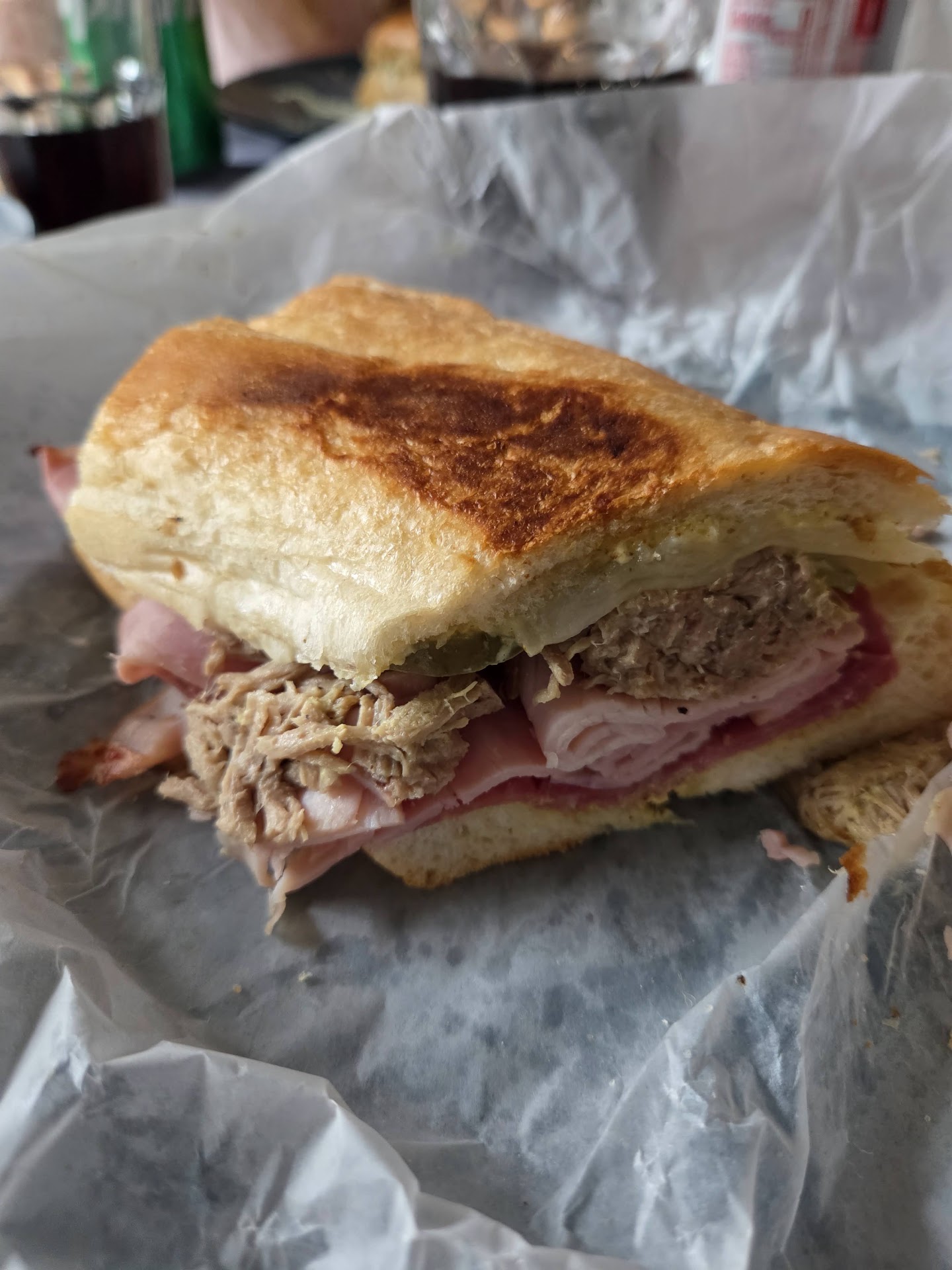
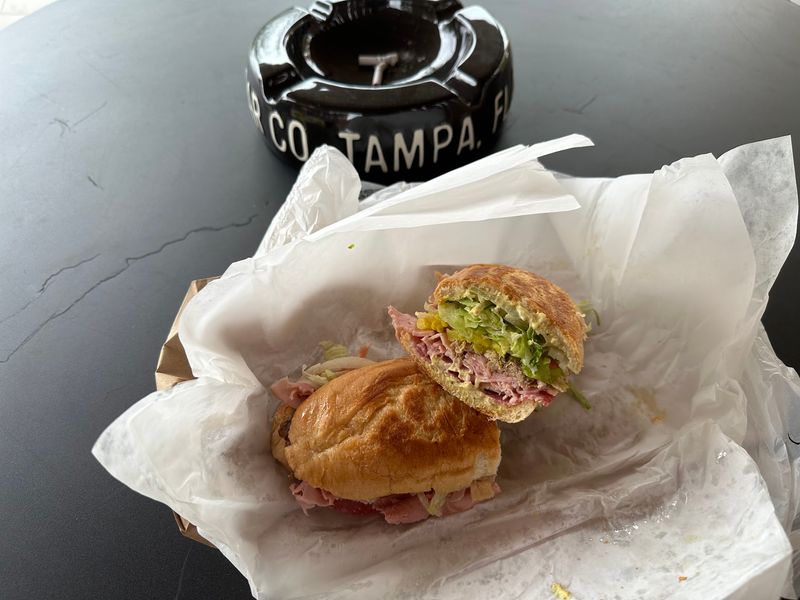
A traditional Tampa-style Cuban at La Segunda starts with mojo pork that slow-cooks overnight for more than six hours. On top go smoked ham, Genoa salami, Swiss cheese, and dill pickles, plus a spread of mustard and mayonnaise sometimes seasoned with garlic and black pepper.
Miami-style Cubans usually leave out the salami, and that thin slice is the calling card of the Tampa version. It nods to the Italian immigrants who lived and worked alongside Cuban and Spanish families in Ybor City.
After assembly, the sandwich goes onto a buttered press until the cheese melts and the bread turns shatteringly crisp. The pork tends to be pulled rather than sliced, which helps it tuck into every corner of the loaf.
No single ingredient shouts over the others, and the bread holds everything together without going soggy.
Order at least two. The one meant for later rarely survives the drive home, and a pressed Cuban eaten hot in a parked car beats a reheated one every time.
More Than One Sandwich on the Board
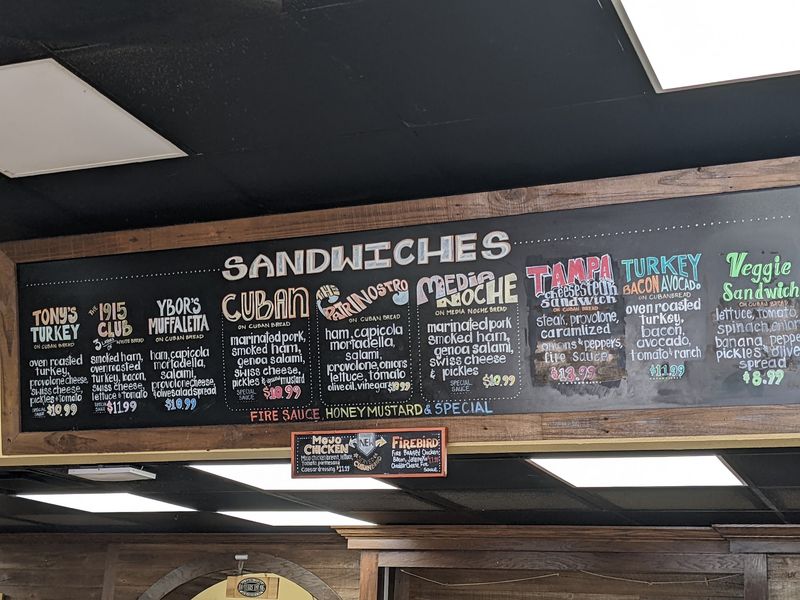
What if someone in the car does not want a Cuban? The menu board covers that, with a wide lineup of sandwiches built on the same bread.
Nothing on it feels like an afterthought.
The 1915 Club, named for the founding year, comes stacked with meat, cheese, and all the trimmings. It makes a solid pick for the person who wants something familiar with a Tampa twist.
Empanadas arrive golden and packed with seasoned filling, and stuffed potatoes, those fried balls of mashed potato wrapped around savory meat, make an easy snack to eat standing up. Both travel well, which matters at a counter with nowhere to sit.
Early risers get a head start, because the doors open not long after sunrise. An avocado breakfast served on Cuban toast is one of the lighter morning options, and it pairs neatly with a hot coffee from the same counter.
Portions here run large, not dainty. One sandwich can easily cover two light appetites, and prices stay reasonable for how much food lands in the bag.
Splitting a Cuban and a 1915 Club between two people is a smart way to sample both without needing a nap afterward.
A Pastry Case Ruled by Guava
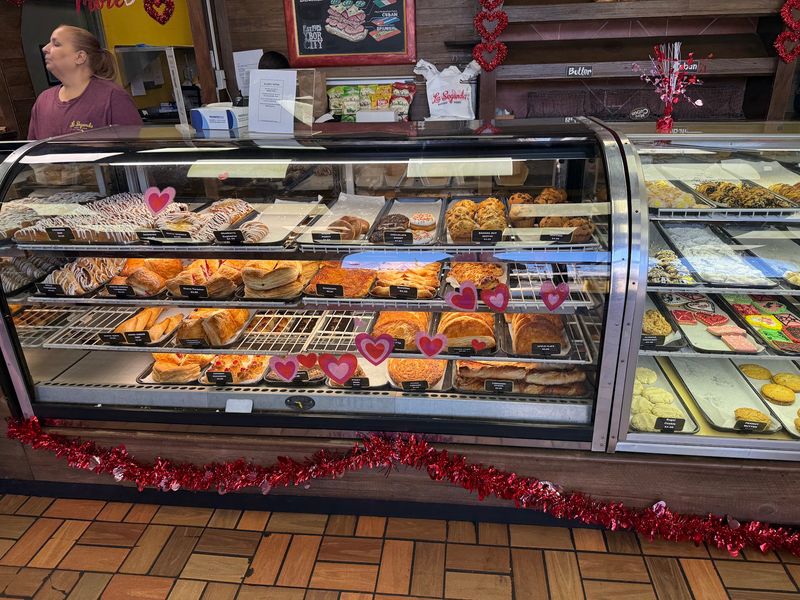
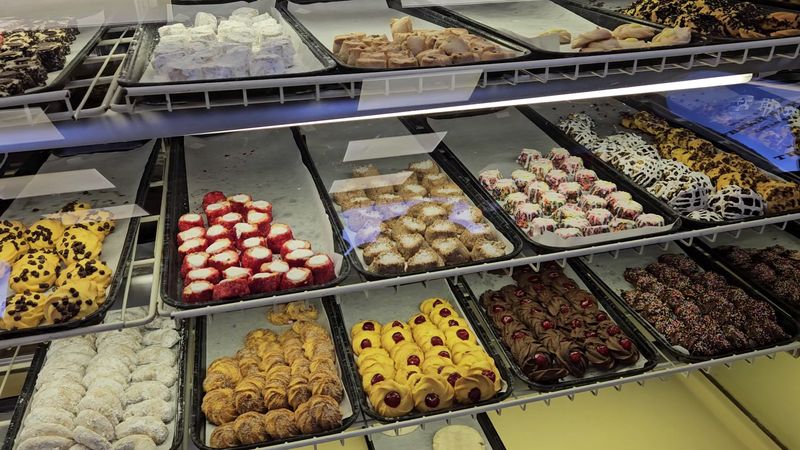
Walk up to the glass case with a plan, or it will make the plan for you. Rows of pastries stretch from one end to the other, and choosing just one takes more willpower than most mornings allow.
Guava rules the case. There are guava turnovers, guava flips folded like small tarts, and guava-and-cheese pastelitos that pair the sweet fruit paste with tangy cream cheese inside flaky layers.
Each costs a few dollars, so trying several barely dents the budget.
Bite into a turnover and the top layer shatters into buttery crumbs that end up on your shirt, your seat, and your steering wheel. The filling underneath is sticky, bright, and sweet without tipping into sugary.
Farther down the counter sit custard horns, coconut pastries, bear claws, gingerbread men, slices of strawberry shortcake, and squares of pineapple upside-down cake. Butter cookies are sold by the pound for anyone building a gift box.
One tip for the long haul home? Delicate turnovers crumble easily in transit, so pack them on top or eat them first, and let sturdier cookies sit in the trunk.
Café Con Leche at a Standing-Room Counter
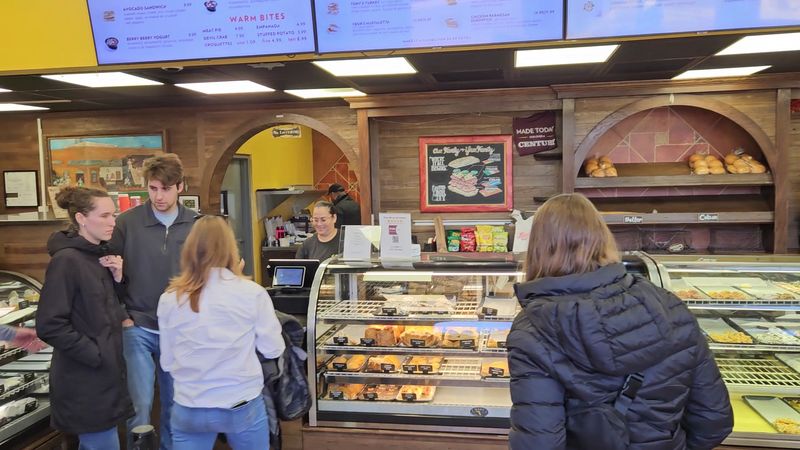
Sweet, dark Cuban coffee hits the tongue like a small jolt of rocket fuel, and a steamed café con leche softens that punch into something mellow and creamy.
The coffee feels slow and comforting, yet the counter around it runs at full speed. Orders fly across in quick bursts, bags get handed over almost as fast, and hesitating too long at the front of the line earns a patient but hurried smile.
There are no tables inside, which keeps the place feeling like a working bakery instead of a café. The crowd mixes construction crews, office workers, grandparents buying bread, and out-of-towners snapping photos of the pastry case.
First-timers should scan the menu online before arriving. Knowing your order before reaching the counter makes the exchange smoother for everyone, and the staff stays friendly and courteous even at the busiest moments.
Who suits this stop best? Anyone who likes food with a story, people happy to eat on the go, and families who can split a big sandwich.
Anyone needing a sit-down meal with air conditioning should carry the bag somewhere else.
Planning a Florida Sandwich Run
Doors open around sunrise and close by midafternoon, so this is a breakfast or lunch stop, not a dinner outing. Check the current schedule before driving out, especially around holidays.
By mid-morning, the front room fills shoulder to shoulder, and the lunch hour brings the longest lines of the day. Arriving early, or slipping in after the lunch crush, trims the wait noticeably.
Skip the line entirely by ordering online, then walk in and grab the bag. Parking is limited, so expect to hunt for a spot on the street or use the dirt lot across the road.
Getting there is simple from most of the state. Ybor City sits just off I-4 near downtown Tampa, roughly an hour and a half from Orlando and within easy reach of St. Petersburg and Clearwater across the bay.
Prices stay modest, but portions do not. Most pastries cost a few dollars, and a single sandwich can feed more than one person.
Bring a cooler if sandwiches or bread are headed back to Tallahassee, Jacksonville, or beyond, because a three-foot loaf deserves a safe ride.
One Last Bite Before the Drive Home
On the way out, a woman loads a three-foot loaf across her back seat like a sleeping passenger, and a teenager tears into a pastelito before reaching the curb. Nobody seems eager to leave the smell behind.
What keeps a sandwich pulling people off the interstate for more than a century? Part of it is the bread, still scored with palmetto and baked the old way.
Recipes that old rarely survive intact, and this one has.
La Segunda has stayed in one family since 1915, came back from a fire, and kept a working bakery in the middle of Ybor City while the neighborhood around it changed. Few Florida businesses can point to that kind of track record.
The rest comes down to the food itself: tender pork, sharp mustard, a crackle of crust, and a guava turnover dusting your lap with crumbs.
Pair the stop with a stroll along Ybor City’s brick streets or a tour of the last working cigar factory nearby. Order the Cuban, add something with guava, and pick up an extra loaf for whoever stayed home.
They will be glad you did.