7 Nebraska Towns People Are Quietly Moving Away From
Drive across Nebraska long enough and you start noticing the quiet details: a shuttered storefront here, a half-empty school parking lot there. Nothing dramatic happens in these places, yet the numbers slowly slide year after year.
Most of the state’s counties have lost people over the past decade, and even some well-known regional hubs are feeling it. The seven towns below still have plenty going for them, which makes their slow slip even more interesting to understand.
1. Sidney
Picture a small Panhandle town that once hosted one of the most recognizable outdoor retail headquarters in the country. For decades, Sidney was the home base of Cabela’s, and the company shaped everything from the job market to the housing demand along Interstate 80.
Then came the 2017 merger with Bass Pro Shops. Corporate offices shifted away, and hundreds of well-paying positions went with them.
Families who had moved to Cheyenne County for those careers began looking elsewhere, and some houses sat on the market longer than anyone in town was used to.
How does a place bounce back from losing its biggest name? Sidney has been working on that question ever since.
Former company buildings have found new tenants, and local leaders have pushed to attract smaller employers rather than relying on a single giant.
The town still has real strengths. Its spot right on the interstate makes it an easy stop between Omaha and Denver, and the historic downtown carries plenty of frontier-era character from its days as a military post and trail town.
Still, the population trend points in a gentle downward direction. Sidney is a clear example of how one corporate decision can ripple through a whole community for years.
2. Alliance, Where the Rails Still Run
Freight cars rumble through Alliance at almost every hour, a sound that has defined this Box Butte County town for more than a century. The BNSF rail yard here moves enormous amounts of coal, and for generations it provided steady union jobs that kept young families rooted.
Coal demand has been falling across the country, though. Fewer trains can mean fewer crews, and fewer crews can mean fewer households buying groceries on Main Street.
Alliance feels that chain reaction in slow motion rather than all at once.
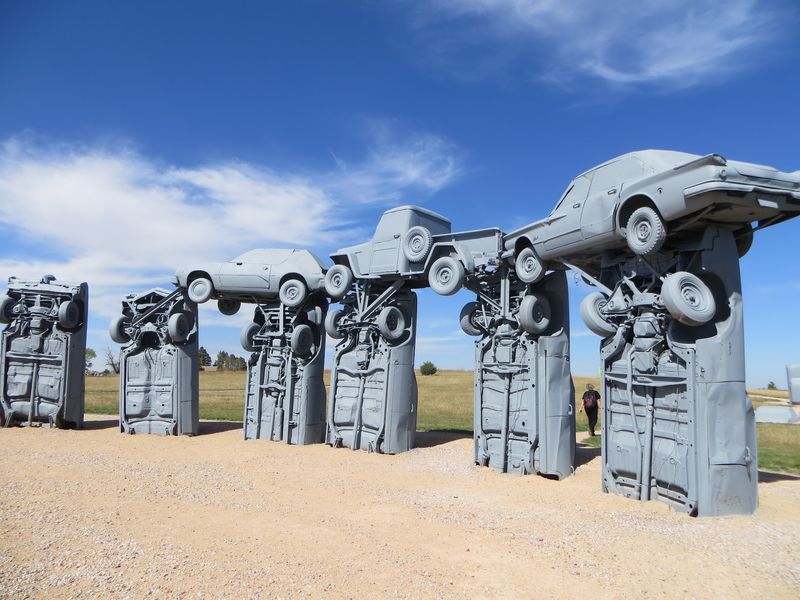
On the lighter side, the town owns one of the quirkiest roadside attractions in America. Carhenge, a full-size replica of Stonehenge built from vintage cars spray-painted gray, sits just north of town and costs nothing to wander through.
Inside the city limits, you’ll find a brick downtown, a community college campus and a solid regional hospital. Those anchors help, but they haven’t fully offset the drift of younger workers toward Scottsbluff, Denver or eastern Nebraska.
Alliance isn’t emptying out. It’s thinning, quietly, as the industry that built it changes shape.
Anyone who has watched a long coal train roll past knows the town still has plenty of motion left.
3. McCook
Did you know McCook was once home to a senator who helped reshape American politics? George W.
Norris lived here, and his house still stands as a museum honoring the man behind public power in Nebraska.
That kind of history gives McCook a sense of pride that many towns its size lack. Set in the Republican River valley of Red Willow County, it serves as the shopping, medical and school hub for a wide stretch of southwest Nebraska and northwest Kansas.
Yet being a hub doesn’t guarantee growth. The farms around McCook keep getting bigger and more automated, which means fewer families working the land.
When rural neighbors leave, the town that serves them feels the pinch.
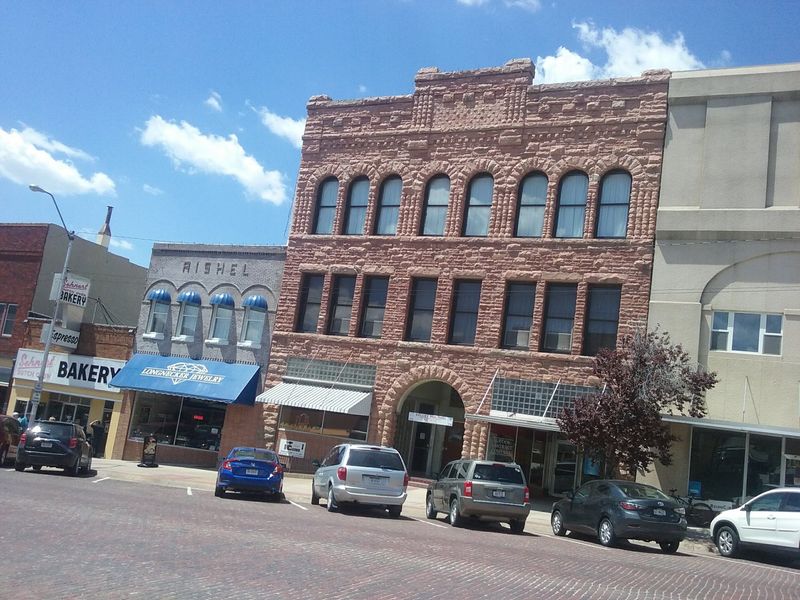
Walk the brick streets downtown and you’ll spot tidy storefronts, a community college and a restored theater. The bones are strong.
What’s missing is a steady stream of newcomers to replace graduates who head off for jobs in bigger cities.
McCook’s population has edged down over recent decades rather than crashing. It’s a slow leak, the kind that doesn’t make headlines but shows up clearly when you compare old census counts to newer ones.
For a town with this much story behind it, that quiet slide stings a little.
4. Beatrice
Tallgrass sways in the wind just west of Beatrice, on land tied to one of the first claims filed under the Homestead Act. Homestead National Historical Park tells that story, and admission is free, which makes it an easy family outing from Lincoln.
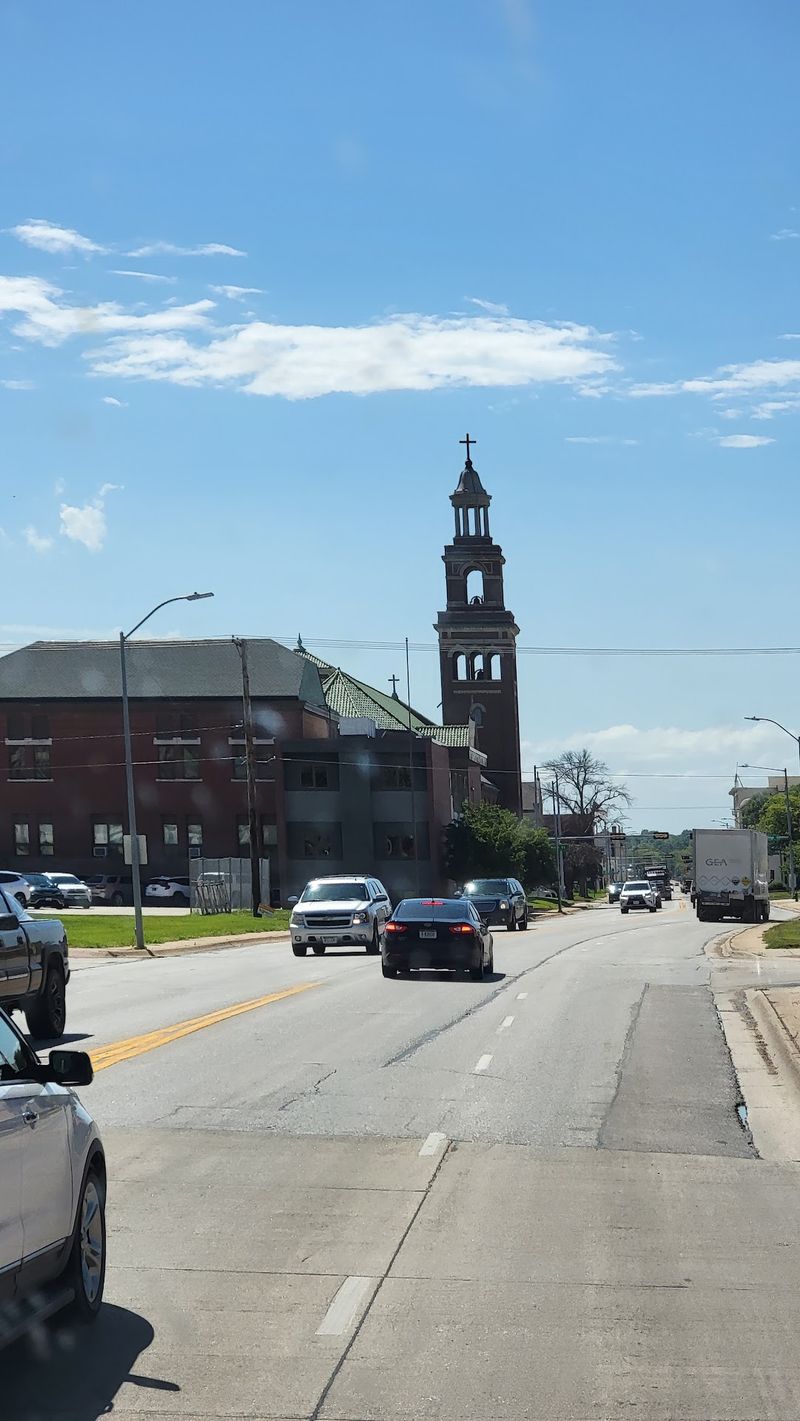
Beatrice itself sits along the Big Blue River in Gage County, roughly an hour south of the capital. The city has a fine old downtown, a steady manufacturing base and a history as a regional center for southeast Nebraska.
So why is it slipping? Proximity to Lincoln works both ways.
Plenty of people now live in Beatrice and commute north, but just as many decide it’s easier to simply move closer to work, taking their spending and school enrollment with them.
The city maintains an active municipal website and has pushed downtown improvements to hold onto residents. Old buildings have been refreshed, and events bring folks back to the square during warmer months.
Population numbers have drifted lower over the last several decades, even as Lincoln grows steadily. Beatrice ends up as a fascinating case of a town standing in the shadow of a booming neighbor.
It has the history and the amenities. It just needs more people choosing to stay put.
5. Chadron and the Pine Ridge Edge
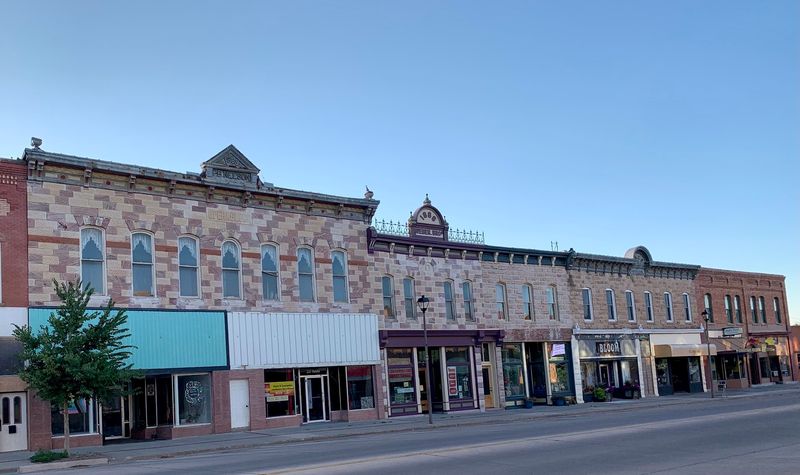
Ponderosa pines and chalky buttes surprise anyone who thinks Nebraska is flat. Chadron sits right at the edge of the Pine Ridge, and the scenery here looks closer to the Black Hills than to the cornfields back east.
A college town at heart, Chadron is home to Chadron State College, which brings in students and faculty every fall. The Museum of the Fur Trade outside town holds a remarkable collection tied to frontier trading history, and Chadron State Park offers trails and cabins among the pines.
In contrast to its beauty, the math is tough. Dawes County is remote, and the nearest large city is hours away.
Graduates often leave once classes end, and ranching families across the region keep getting smaller.
Enrollment swings at the college can shift the local economy noticeably. When student numbers dip, apartments empty and shops notice slower weekends.
Chadron remains a lovely spot for a fall drive through the Pine Ridge, and the town’s campus keeps it livelier than many neighbors. Still, the long-term trend leans gently downward.
It’s a reminder that great scenery alone can’t always hold a population together when jobs and distance work against it.
6. Broken Bow
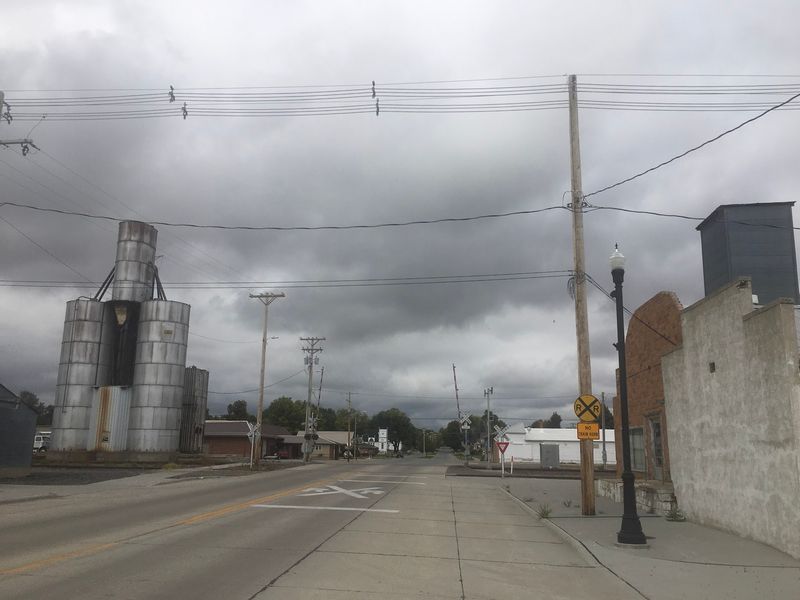
A town square with a green park at its center gives Broken Bow a postcard look. Brick storefronts ring the lawn, and the Custer County Courthouse anchors a community that has served ranchers and farmers since pioneer days.
The name comes from a broken bow found near the original settlement, a detail that still sparks curiosity for first-time passersby. Broken Bow sits where cropland meets the Sandhills, which makes it a natural supply stop for cattle country stretching north and west.
What’s pushing people out? Mostly the same forces hitting all of central Nebraska.
Ranches consolidate, young adults head to Kearney, Lincoln or Omaha for college, and many never return.
The town has fought back with energy. A modern hospital, local manufacturing and a busy square help keep services close to home, and Highway 2 through the Sandhills brings seasonal traffic from scenic-drive fans.
Even so, Custer County has seen its population shrink over time, and Broken Bow feels that as the county seat. The square still looks lively on a summer afternoon.
Behind it, though, the number of people calling this place home keeps easing downward, one moving truck at a time.
7. Kimball
Nebraska’s highest point sits just south of Kimball. Panorama Point rises a little over 5,400 feet, and while it feels more like a gentle hill than a summit, reaching it is a fun detour for anyone chasing state trivia.
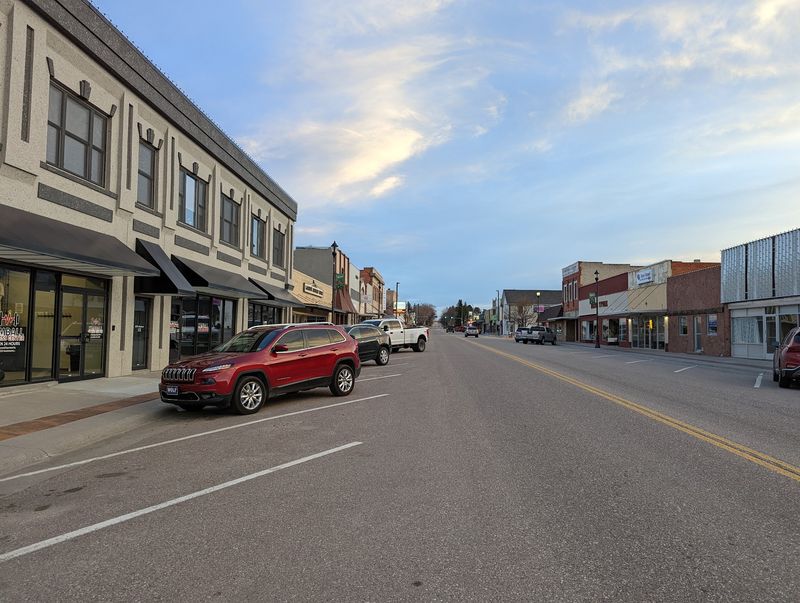
Kimball lies in the far southwest corner of the Panhandle, close to both Wyoming and Colorado. Wheat fields, oil wells and wind turbines surround the town, and Interstate 80 runs right past on its way west.
Here’s the tricky part. Being close to Cheyenne and the Colorado Front Range pulls residents toward bigger paychecks and more amenities, often just an hour’s drive away.
Kimball County has seen its population decline steadily, and the town has felt most of that loss.
Energy work once brought bursts of new families, but those jobs rise and fall with markets. When things slow, people pack up.
Local leaders have looked at housing projects and business incentives to steady things.
A drive through reveals wide streets, a quiet downtown and a strong sense of neighborliness. Kimball hasn’t given up by any stretch.
It simply shows how a small Nebraska town near a growing border region can quietly lose residents to the next state over.