Nebraska Has A Century-Old Water Tower That Was Saved From Demolition And Now Tells Its Town’s Story
You can spot it from the highway before you know what it is, a tall steel tank on skinny legs rising over a quiet Nebraska town. Most water towers are something you pass without a second look.
Pull over at this one, though, and you find hundreds of engraved bricks, bright murals, and a rescue story that almost ended very differently. It turns a quick stretch break into the kind of stop you keep telling people about.
A Steel Landmark Above Garden County
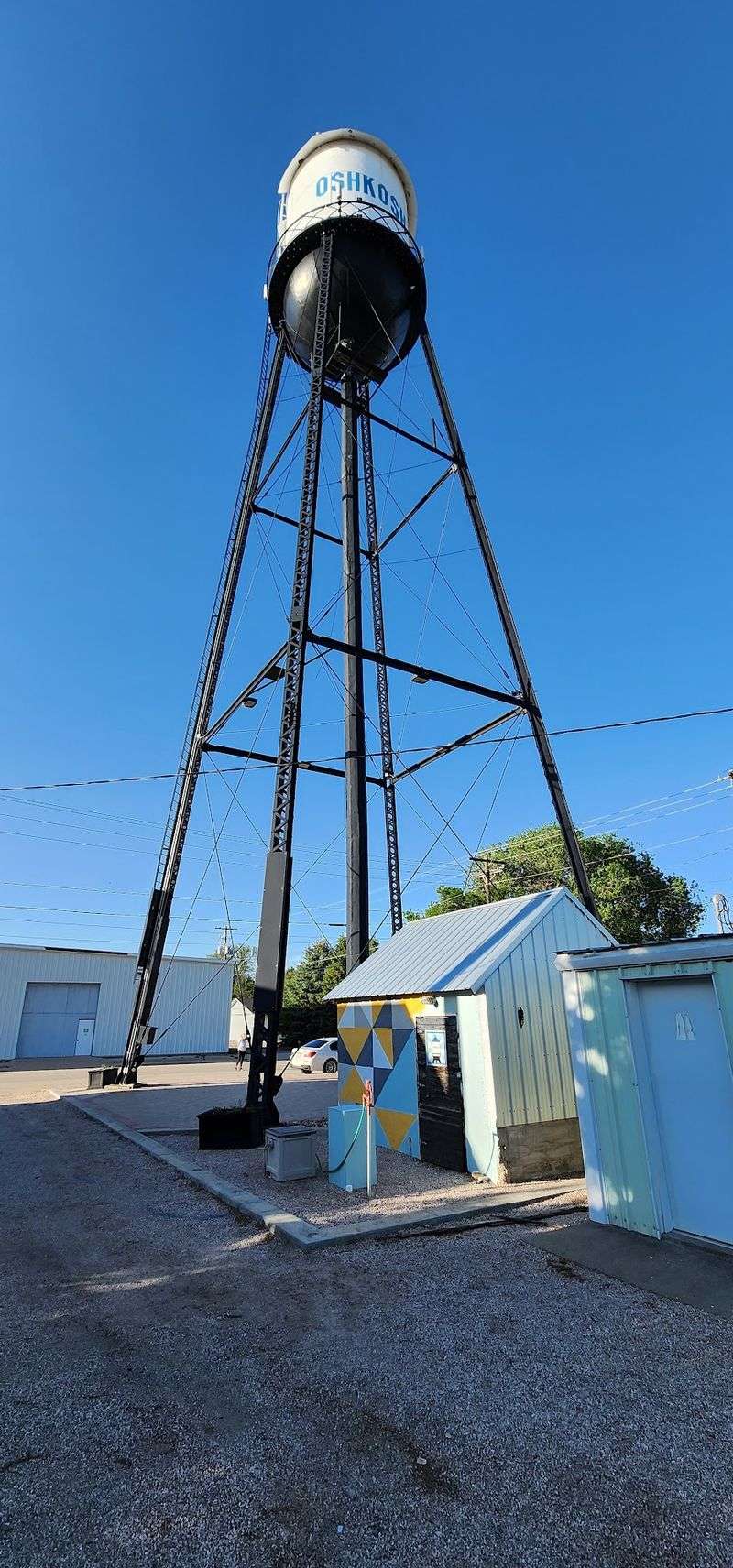
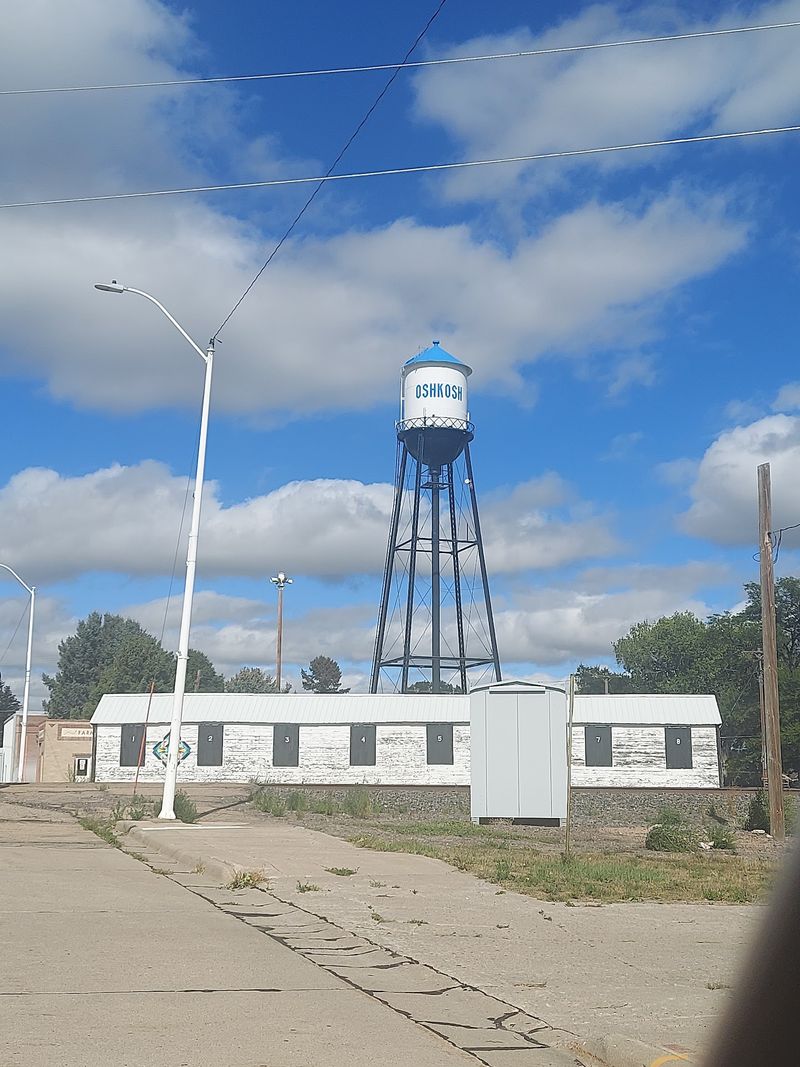
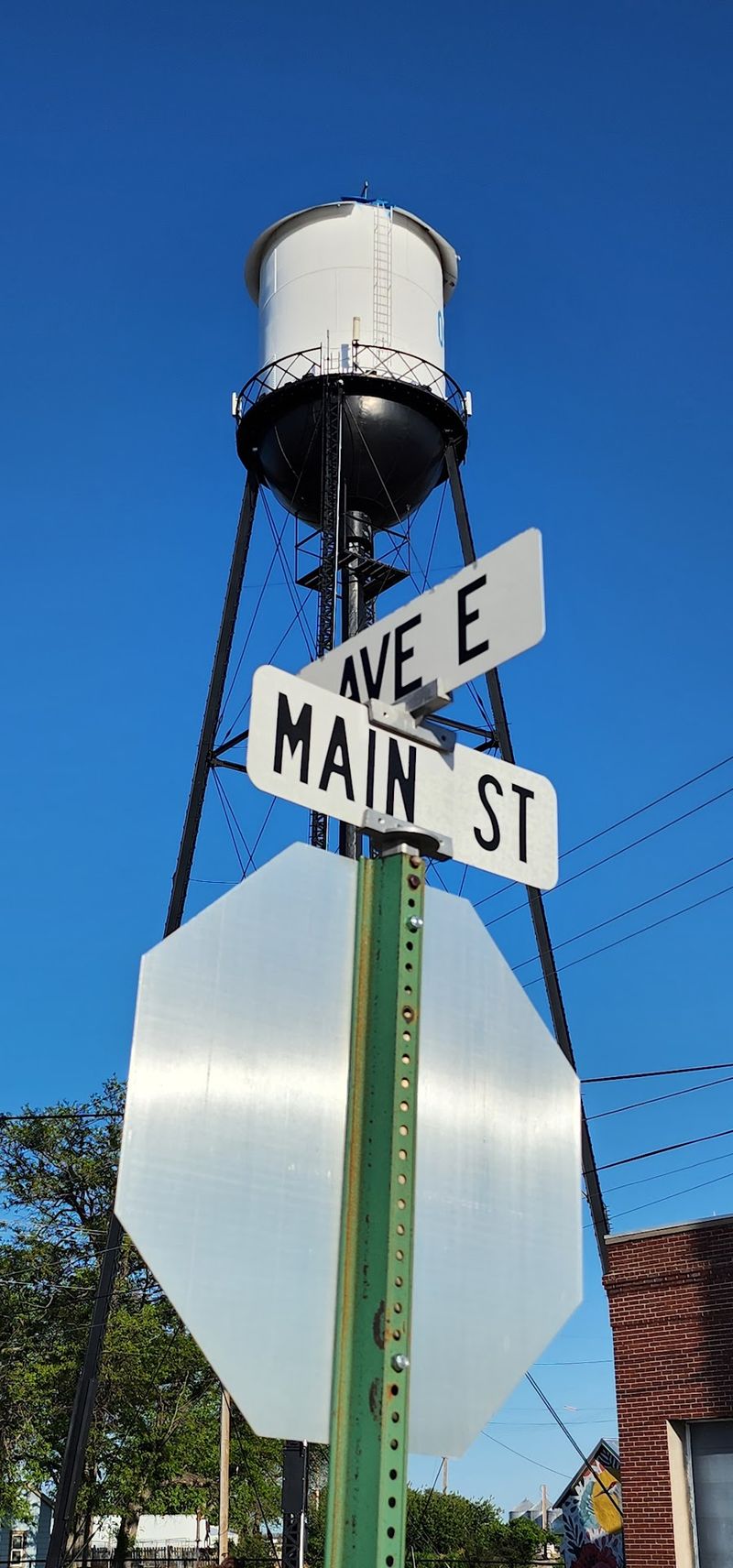
Oshkosh sits in Garden County in the western Panhandle, and its tallest resident is easy to find. The Historic Oshkosh Water Tower stands at 103 E Ave East, close enough to the heart of town that you can walk to it from almost anywhere.
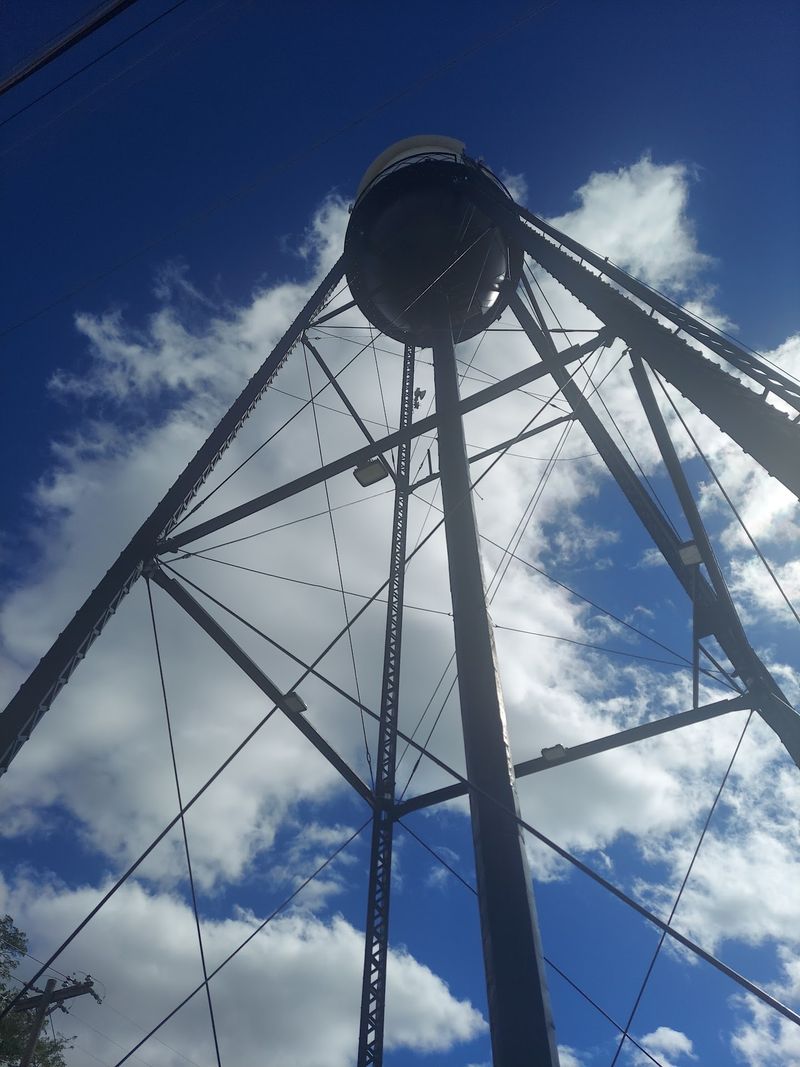
Picture a round steel tank perched on slender legs, the classic silhouette of small-town Nebraska. It went up in 1920, which makes it more than a century old.
For nearly a hundred years it did one plain job, holding water for the people below.
A quick correction belongs here, because the tower gets described in all sorts of ways. It is steel, not stone, and it is not a traditional indoor museum.
What surrounds it is something better suited to an open prairie town: a public plaza that works like an outdoor history exhibit.
That plaza, the restored tower, and the story of how both came to be are the reasons to stop. Garden County is not a place most people pass through by accident, so when you do end up here, the tower makes the detour feel planned all along.
The Year It Almost Came Down
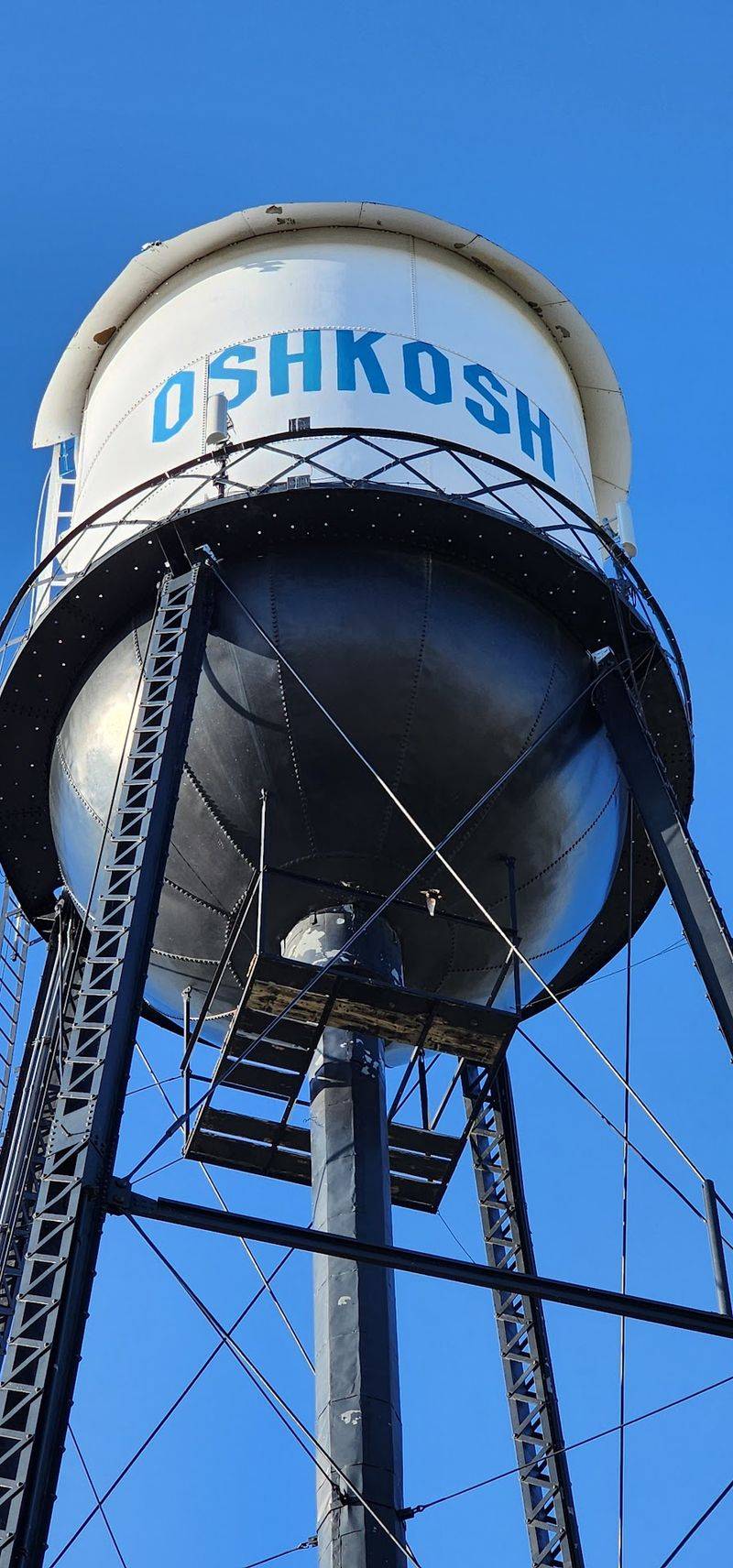
In 2018, after close to a century of service, the old tower was headed for demolition. Aging water infrastructure gets replaced all over the state, and most of those structures simply vanish from the skyline without much fuss.
Oshkosh refused to let that happen quietly. The community rallied around the tower, and a nonprofit organization stepped in to acquire it.
Instead of scrap metal, the structure got a second life through a full restoration.
Why fight so hard for a water tank? Anyone who grew up in a small Nebraska town knows the answer.
The tower is how you spot home from miles out on the highway, the thing kids point to on the drive back from a ballgame, the backdrop in decades of family photos.
Losing it would have meant losing a piece of the town’s face. Saving it took organizing, fundraising, and plenty of stubbornness, the kind of effort that small places tend to be very good at when something they care about is on the line.
The result stands today as proof that a town of this size can decide what stays and what goes.
Nebraska’s Only Water Tower on the National Register
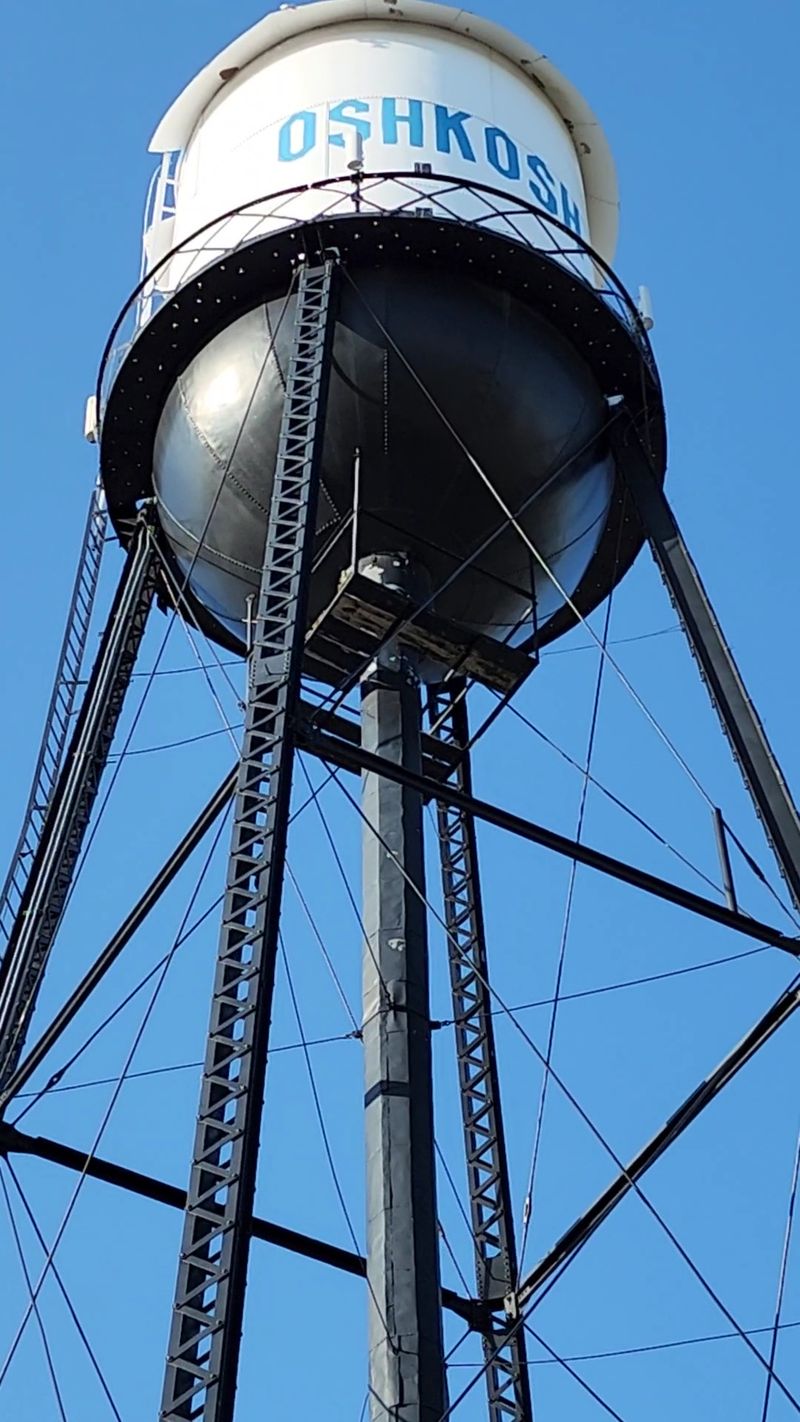
Here is a fact that surprises plenty of Nebraskans: this is the first and only water tower in the state listed on the National Register of Historic Places. The listing came in 2019, just one year after the tower nearly disappeared.
That is a remarkable turnaround. Most buildings on the register are courthouses, mansions, depots, and churches, places designed to impress.
A working water tower earning the same recognition says a lot about how carefully the restoration was handled and how much history the structure carries.
More honors followed. In 2020 the restoration earned the History Nebraska Preservation Award, a statewide nod to projects that protect the past with skill and care.
So when you stand at the base and look up, you are looking at something with an official pedigree. It sits in a category of one within Nebraska, which makes for a fun bit of trivia to share on the drive home.
Few small towns can claim a statewide first. Oshkosh can, and it earned the title by refusing to accept that an old tank was just an old tank.
That Tin Man Silhouette
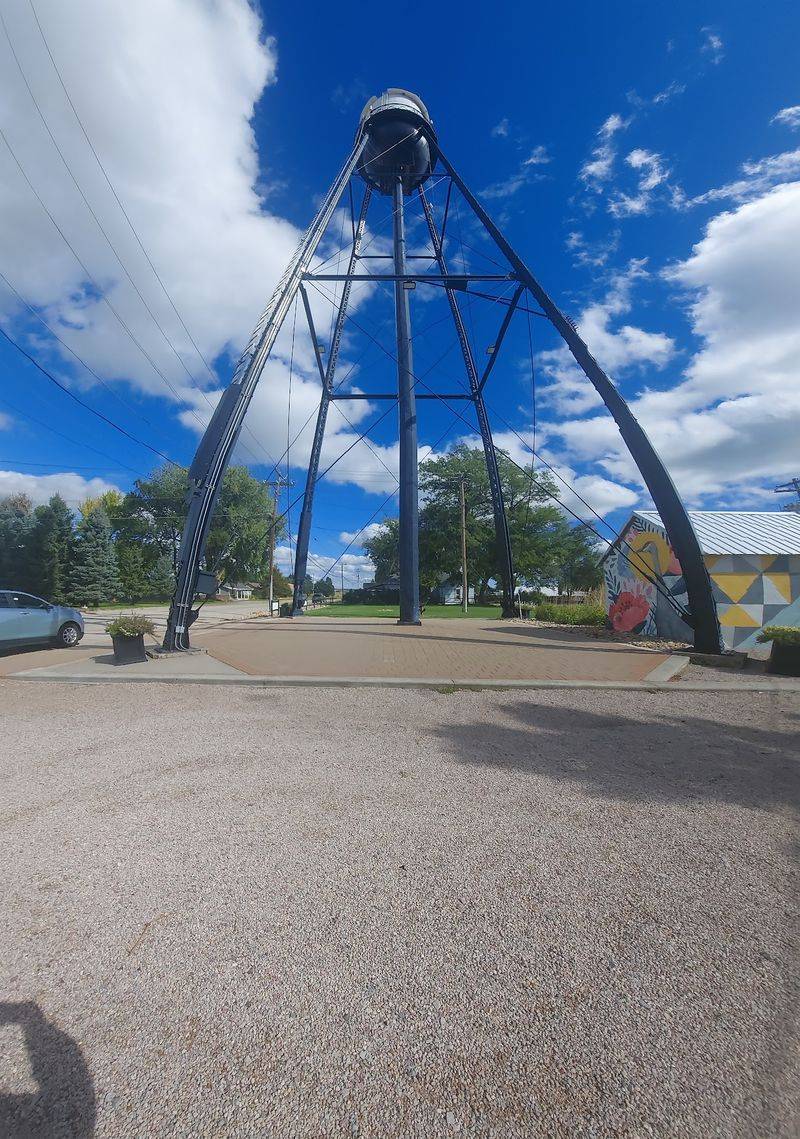
Round tank, pointed cap, long legs braced with crisscrossing steel. The design is often called tin man style, and one glance explains the nickname.
It looks like a friendly metal figure keeping watch over the rooftops.
Towers like this once dotted towns across Nebraska. Many have since been swapped for modern spheres or squat standpipes that do the job without much personality.
The older style has become rarer, which is part of why this one stands out.
Walk a slow circle around the base and notice how the legs frame different slices of town. From one angle you get sky and rooftops, from another a mural wall, from another the brick plaza fanning out below.
Photographers will want a few minutes here, especially when the light is low and warm.
Kids tend to have their own take on it. To them it can look like a rocket, a robot, or a giant with a funny hat, and that reaction is half the fun.
Built in 1920 and refreshed through restoration, the shape feels both old-fashioned and freshly cared for at the same time.
Four Hundred Bricks With Stories to Tell
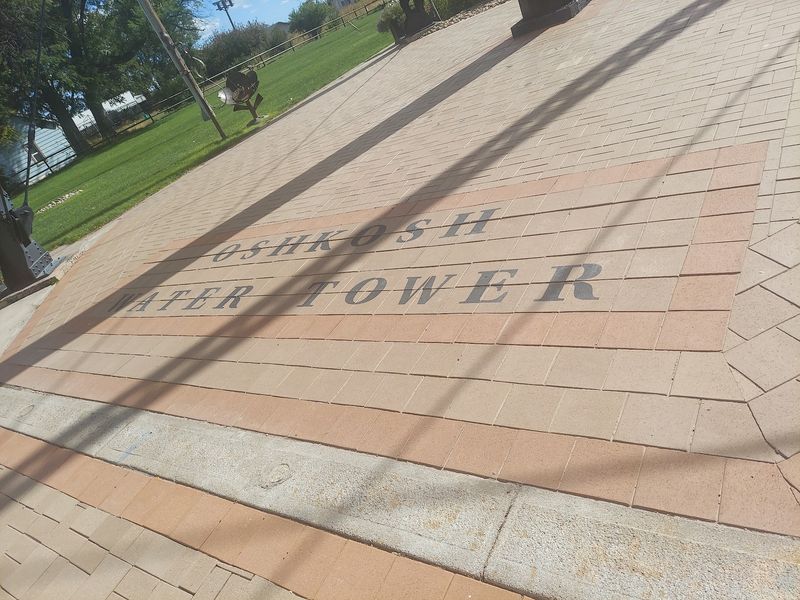
Look down. The plaza beneath the tower is paved with 400 bricks, and each one carries a piece of Garden County’s history, stretching from pioneer roots all the way to the present day.
Reading them becomes an unexpected little treasure hunt. One brick might honor a homesteading family, another a beloved teacher, another a milestone the whole town remembers.
Together they build a timeline you can walk across in a few minutes or study for an hour.
Think of it as a museum without walls, doors, or a ticket booth. The exhibits sit right under your shoes, weathering the same prairie wind that has shaped the county for generations.
If your family has roots in this corner of Nebraska, you may find a familiar name. That moment of recognition is powerful, especially for anyone who moved away and came back to visit.
Even strangers to the area can piece together a sense of the place. Ranching, farming, schools, churches, and ordinary people who stuck it out through hard winters all show up here in brick form, one short inscription at a time.
Murals and Hometown Art
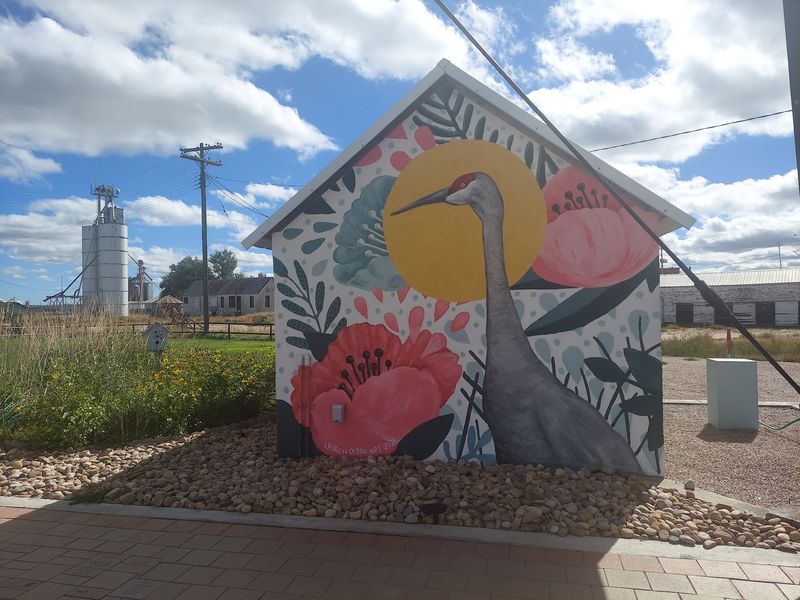
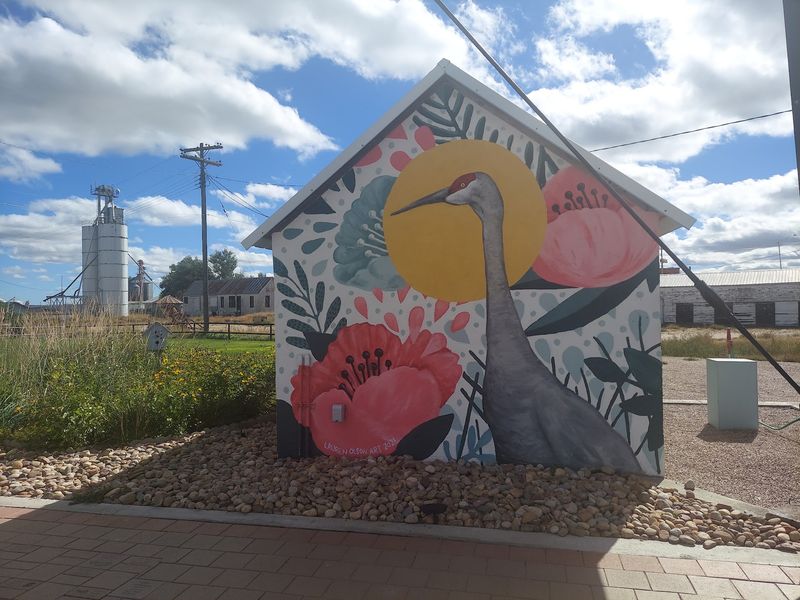
Color is the first thing that catches your eye after the tower itself. Local artwork and murals surround the plaza, adding bold images to a scene that might otherwise be all steel and brick.
Art made by neighbors carries a different feeling than something ordered from a catalog. These pieces belong to the town, created with the same community spirit that saved the tower in the first place.
They help turn the space from a historic site into a gathering spot with personality.
Plan to wander. The murals give you a reason to step back from the base, see the tower from new angles, and take in how the whole plaza fits together as one project.
The artwork also works as a storytelling partner to the bricks. Where the bricks give names and short notes, the murals fill in mood and imagery, the wide skies and hardworking spirit of western Nebraska.
Family photos come out especially well here. A bright wall on one side and a century-old tower rising behind you makes for a picture that clearly says where you were and why you stopped.
If These Bricks Could Talk
Every brick has a longer story than an engraving can hold. To capture those tales, the project compiled a book titled If These Bricks Could Talk, chronicling 150 stories connected to the tower.
What a clever idea. The plaza gives you a glimpse, and the book gives you the full conversation.
Family memories, local history, and the reasons people chose to be part of the tower’s rescue all find room on its pages.
Books like this tend to become treasured keepsakes in small towns. They sit on coffee tables, get passed between cousins, and settle debates about who lived where and when.
Decades from now, they will be a record of what Oshkosh looked like at the moment it chose to save its landmark.
For a curious traveler, it adds depth to a stop that could otherwise last ten minutes. Knowing that real stories stand behind the names changes how you read the plaza.
It also shows how thoroughly the community approached the whole effort. Restoring the steel was one task, and preserving the memories around it was another, handled with equal care.
Lights After Dark
Sunset changes everything here. The tower lights up every night, glowing above Oshkosh like a beacon for anyone rolling into town after dark.
Out in the Panhandle, night skies get deep and wide, with very little to compete for your attention. A lit tower against that darkness makes a striking sight, and it gives drivers on the way through a good reason to slow down and pull in.
Summer Saturdays bring something extra. On those nights the tower offers special light displays, turning a regular evening into a small event without any tickets or crowds required.
Consider timing a stop around dusk if your route allows. You get two versions of the same landmark in one visit, the daytime view with murals and bricks, then the evening glow once the sky turns navy.
Bring a jacket, even in warm months, since prairie evenings can cool off quickly. Sitting nearby and watching the tower brighten is a simple pleasure, the kind of low-key moment that fits a slower small-town pace.
Kids who fight bedtime may find this the rare evening outing they remember long after the road trip ends.
Party at the Tower Every July
Once a year, the tower becomes the center of a celebration. Party at the Tower is an annual block party held in July, with the restored landmark serving as the focal point.
Small-town block parties have their own rhythm. Neighbors catch up, kids race around, and people who moved away often time their trips home to be there.
The tower, lit and looming overhead, gives the whole evening a sense of place you cannot fake.
Picture summer air, a crowd spread across the brick plaza, and a century-old structure that almost disappeared now standing as the guest of honor. That contrast is the heart of the event.
It is a party, yes, but also a reminder of what the town pulled off together.
If you can plan a western Nebraska trip for July, this is a natural anchor for the itinerary. Check with the tower organization ahead of time for the year’s schedule and details.
Even outside party season, knowing that the plaza hosts gatherings like this adds meaning to a quiet visit. The space was built to be used, and that shows.
Getting There and Planning Your Visit
Finding the tower takes no guesswork. Head for 103 E Ave East in Oshkosh, and the structure itself will guide you the last few blocks, since it rises well above everything around it.
The site is an outdoor landmark, open around the clock. There is no indoor exhibit hall to wait on, so you can stop whenever your route brings you through, whether that is midmorning or late evening.
Cost is easy to explain as well. Walking the plaza, reading the bricks, and admiring the murals involves no admission fee, which makes it a friendly stop for travelers watching their budget.
Daylight is best for the bricks and artwork, while nighttime brings the illumination. Summer Saturdays add special light displays, and July offers the annual block party if you want to see the plaza full of people.
Give yourself at least twenty or thirty minutes to read a good sampling of bricks. Comfortable shoes help, and so does a camera with some battery left.
For event details or questions, the tower’s nonprofit organization is the best source of current information before you head out.
A Small Town’s Big Decision, Still Standing
Some landmarks are built to impress. This one was built to hold water, then nearly erased, then saved by the people who decided it still mattered.
That arc is what makes the Oshkosh Water Tower special. The steel and the tin man shape are lovely, sure, but the lasting impression comes from the plaza below, where 400 bricks and a book of 150 stories prove the town cared about more than a structure.
It cared about its own memory.
The area around the tower has been made beautiful by the community, and it shows in every detail, from the murals to the nightly glow. Few places pack a statewide first, an award-winning restoration, and a living history exhibit into a single block.
So next time the Panhandle is on your route, plan a pause here. Read a few bricks, look up at the legs and tank, and if the timing works, wait for the lights.
You may leave thinking about the landmarks in your own hometown, and which ones deserve the same fight. That quiet question might be the best souvenir of all.