12 California Towns That Have Been Quietly Losing Residents In Recent Years
Population change rarely announces itself with a dramatic goodbye.
More often, it shows up slowly as families relocate, job opportunities shift, housing needs change, and a town begins looking a little different from one year to the next.
That makes shrinking communities especially interesting to examine. Some once depended heavily on a particular industry, while others face costs or economic pressures.
California keeps growing and changing, but not every town is moving in the same direction when it comes to population.
The numbers can reveal stories that are easy to miss during a quick visit.
A place may still have busy restaurants, familiar neighborhoods, and plenty of local pride while quietly recording fewer residents than it did several years earlier.
Population loss also does not have one simple explanation.
Looking at where declines are happening, and how substantial they have been, offers a revealing glimpse at how communities across the state are changing.
1. California City: A Big Name With Shrinking Numbers
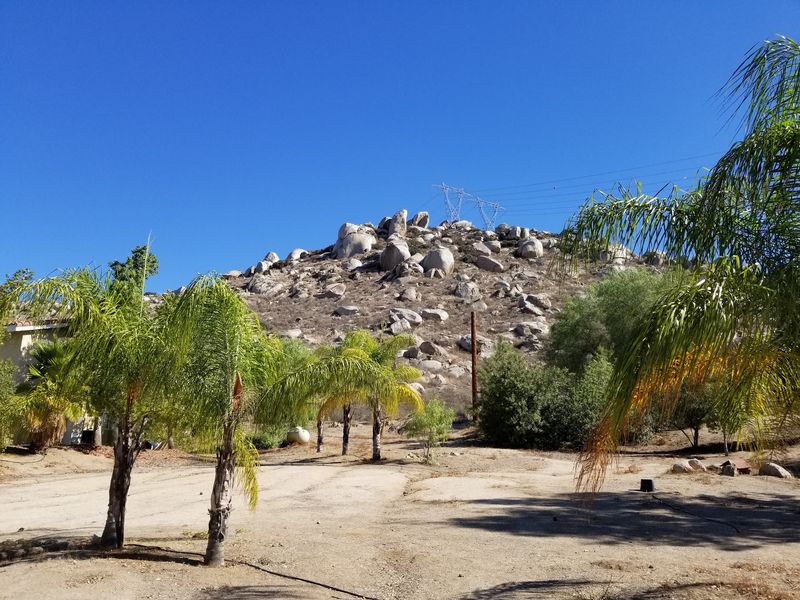
Think of a town laid out to become one of the biggest cities in the state, with streets carved into the Mojave Desert for hundreds of thousands of future residents.
That dream never quite came true, and lately the count has been heading the other way. California City in Kern County is one of the clearest examples on this whole list.
Census estimates show the population dropping from about 14,971 in 2020 to roughly 13,300 in 2025. That is an 11.2 percent decline, which is a lot for a small community.
Imagine one out of every nine neighbors packing up in just five years.
Here is a fun fact for you. By land area, California City is one of the largest cities in California, yet much of it is empty desert with roads that lead to nowhere in particular.
So what does a shrinking town mean for you? If you are hunting for cheap land or a quiet desert escape, prices here can be far lower than in coastal areas.
Just remember that fewer people can also mean fewer stores, longer drives for groceries, and limited jobs nearby.
2. Twentynine Palms: Desert Stars, Fewer Neighbors
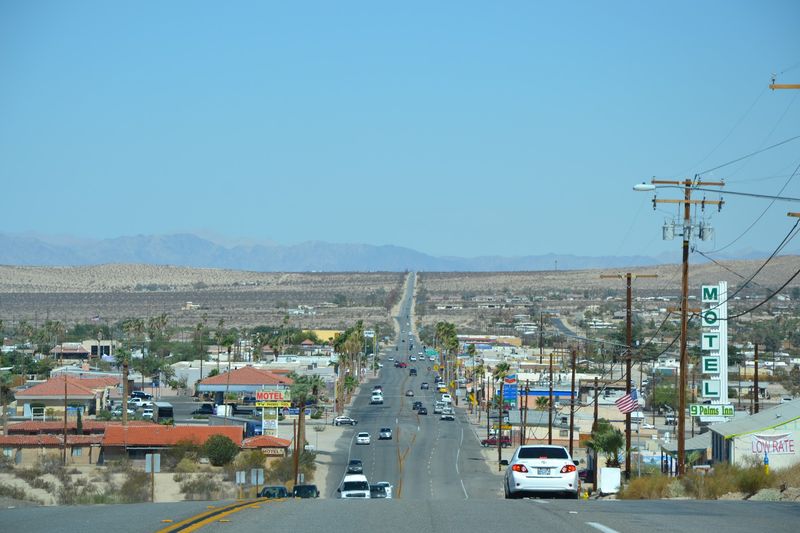
Stargazers love it here. Twentynine Palms sits right beside Joshua Tree National Park, where the night sky is so dark you can sometimes see the Milky Way with your bare eyes.
Still, even this dreamy desert spot in San Bernardino County has been losing people.
Census estimates show Twentynine Palms declining from its 2020 population base to about 25,939 residents by July 2025.
California’s latest state estimate, however, shows the population rebounding in 2026, so the recent trend is no longer a steady decline.
A big part of local life ties to the Marine Corps Air Ground Combat Center, one of the largest military training bases in the country.
When military assignments shift, families come and go, and population totals can swing. That is a good reminder that a town’s size is often linked to its biggest employer.
Thinking about visiting or moving? Here is some practical advice.
Summers can be scorching, so plan outdoor adventures for early morning. Winters, though, are wonderful for hiking and photography.
Even with fewer residents, this place still has plenty of charm. The murals around town tell stories of its history, and the quiet desert mornings are hard to beat anywhere in Southern California.
3. Union City: The Bay Area Surprise
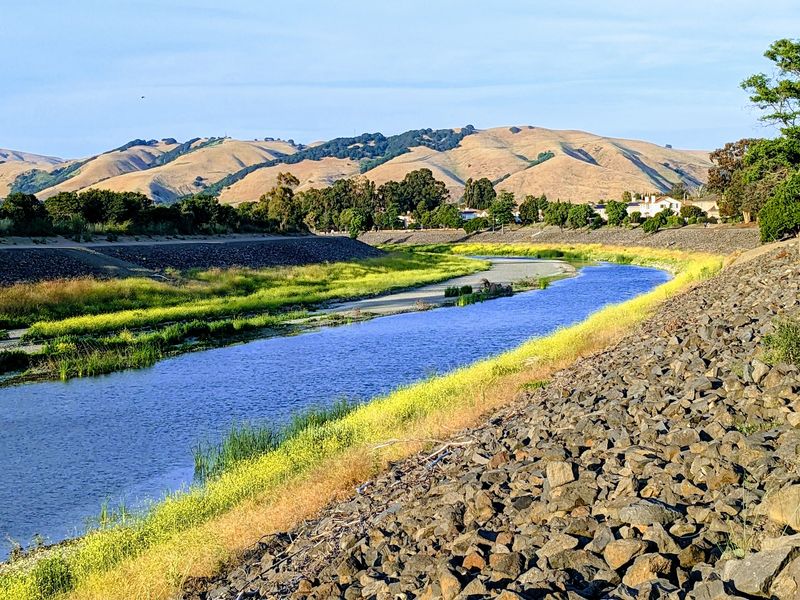
Out of all the California cities with more than 50,000 people, guess which one shrank the fastest between 2020 and 2025? Not San Francisco, not Oakland, but Union City in Alameda County.
Its population dropped by about 6.9 percent, which surprised plenty of folks who barely knew its name.
You might be wondering why a pleasant East Bay suburb would lose so many people.
Nobody can speak for every family that left, but high Bay Area housing costs push many households to look for cheaper places. When rent eats up most of a paycheck, moving can feel like the only choice.
Union City actually has a lot going for it. There is a BART station, easy access to tech jobs in Silicon Valley, and parks with views of the rolling hills. It also has a diverse community with delicious food.
If you live nearby, here is something useful. A shrinking population can sometimes mean slightly less competition for rentals or homes, so it may pay to keep an eye on listings. .
4. Santa Cruz: Surf Town Feeling The Squeeze
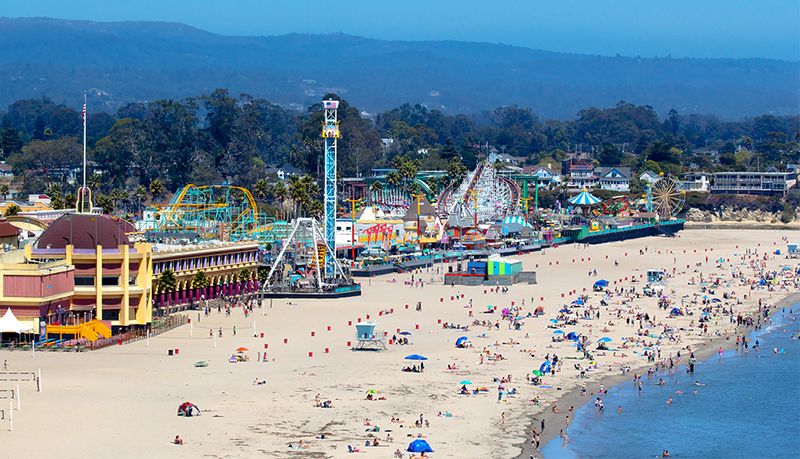
Surfboards, a classic seaside roller coaster, and redwoods just up the hill. Santa Cruz sounds like a place nobody would ever want to leave, right? Yet the numbers tell a different story.
The city is down roughly 3.7 to 3.8 percent since 2020, and it dropped another 1.3 percent between 2024 and 2025 alone.
The latest Census estimate puts the population at about 61,797 in 2025, down roughly 3.8 percent from its 2020 estimate base.
Housing is the elephant in the room here. Santa Cruz regularly ranks among the most expensive rental markets in the whole country.
That’s partly because students from UC Santa Cruz compete with workers and families for a limited number of homes. When costs climb that high, some people head inland or out of state.
Here is a fun bit of history. The Giant Dipper roller coaster on the Santa Cruz Beach Boardwalk opened in 1924 and is still thrilling riders today. It has even appeared in movies.
If you visit, go on a weekday to skip the crowds, and try the local farmers market for fresh strawberries. Parking downtown fills fast, so biking is a smart move.
5. Blythe: A Quiet Stop On The Colorado River
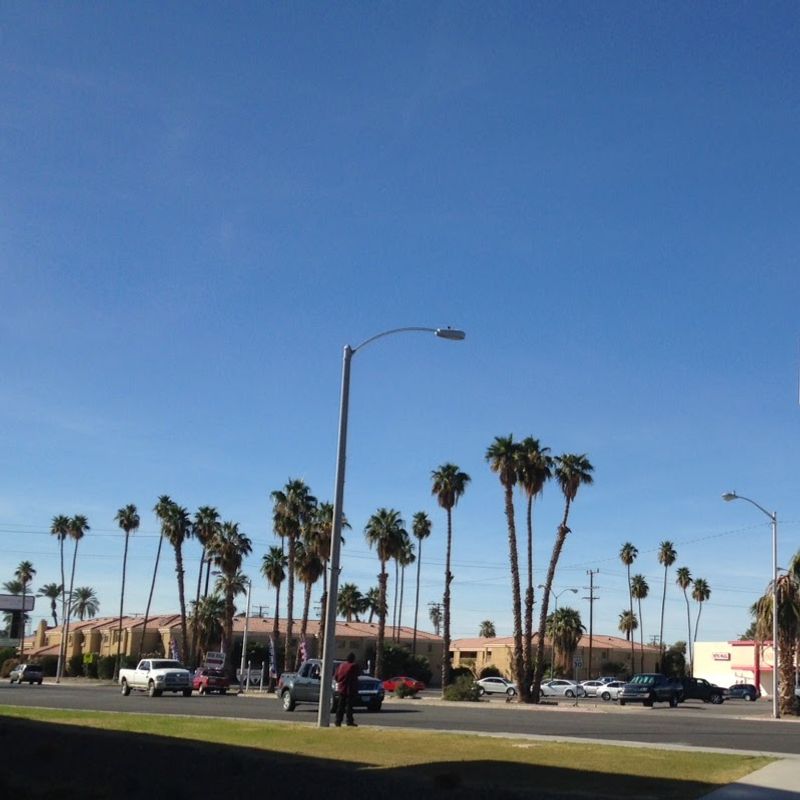
Road trippers know Blythe as the last big stop before crossing into Arizona on Interstate 10.
Many folks grab gas, a snack, and keep driving. But if you slow down, you will find a small farming town with a big story about change.
Census estimates put Blythe at about 15,042 residents in 2025, down roughly 17.9 percent from its 2020 estimate base, making it one of the sharper declines on this list.
It is still shrinking at roughly 3.18 percent per year, which is a fast pace for any community.
State data also showed Blythe had a particularly large numerical decrease heading into 2025.
A big factor in towns like this can be changes at nearby state prisons, since inmates are counted as local residents. When facilities downsize or close, the population number can drop quickly.
Near Blythe lie the Blythe Intaglios, giant human and animal figures scraped into the desert ground long ago by Native Americans. Some are over 150 feet long and are best seen from above.
For visitors, the Colorado River offers fishing, boating, and relaxing riverside camping. Bring sunscreen and lots of water, because summer heat is intense.
6. National City: Small Slide Near San Diego Bay
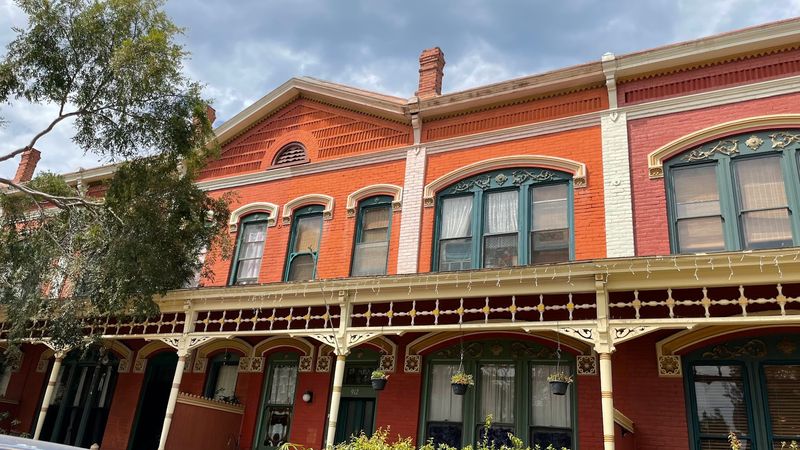
Between San Diego and Chula Vista, National City is one of the oldest cities in San Diego County.
It is known for its busy auto dealerships, working waterfront, and friendly neighborhood vibe. Lately, though, fewer people are calling it home.
Census estimates put the city about 1.5 percent below its 2020 base by 2025.
The Census Bureau’s current estimate series puts National City at about 57,807 residents in 2025, roughly 1.5 percent below its revised 2020 population base.
Rising rents across the San Diego region are one pressure many families mention.
National City was once part of a huge Mexican-era ranch called Rancho de la Nación, which is where the city got its name. Its historic Brick Row homes from the 1880s still stand today.
If you live in the area, local programs sometimes offer help for first-time homebuyers or renters, so it is worth asking around.
7. Redding: Pandemic Boom, Then A Gentle Dip
Remember when lots of people fled big cities during the pandemic to find more space?
Redding, up north in Shasta County, got a nice share of those newcomers. For a while, it looked like the town would keep growing and growing.
That wave has cooled. After gaining residents around the pandemic period, Redding was losing people again by 2025.
Overall, the population is still up about 0.31 percent from the 2020 census, but the 2026 estimate of 94,063 shows a tiny yearly decline of around 0.03 percent.
So this is less of a crash and more of a gentle tap on the brakes. Things like wildfire risk, insurance costs, and remote workers returning to offices might play a role for some families.
Still, Redding remains the biggest city in far Northern California.
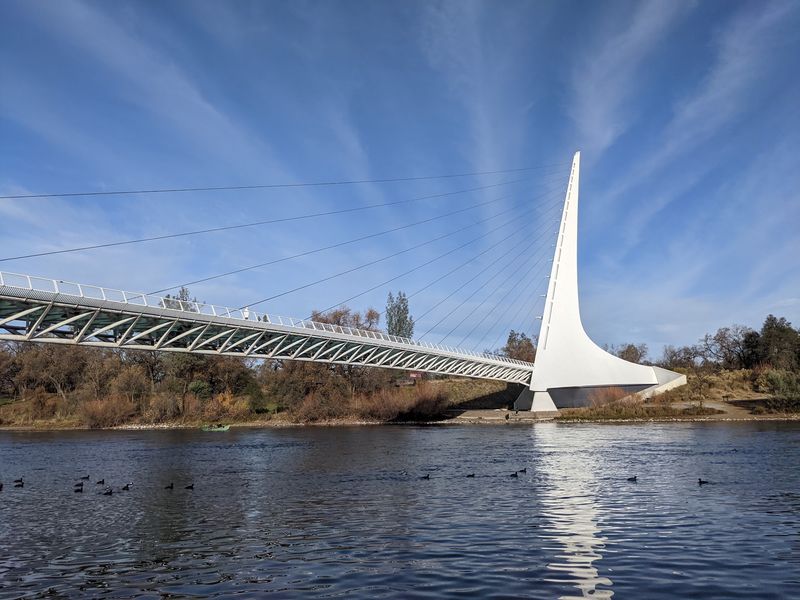
The Sundial Bridge over the Sacramento River actually works as a giant sundial, casting a shadow that tells time. It is made with a glass walkway, so you can peek down at the water below.
If you are planning a trip, spring and fall bring the best weather for hiking nearby trails and visiting Whiskeytown Lake. Summers get very hot, so pack light clothes.
8. Delano: Farm Country With a Fresh Dip
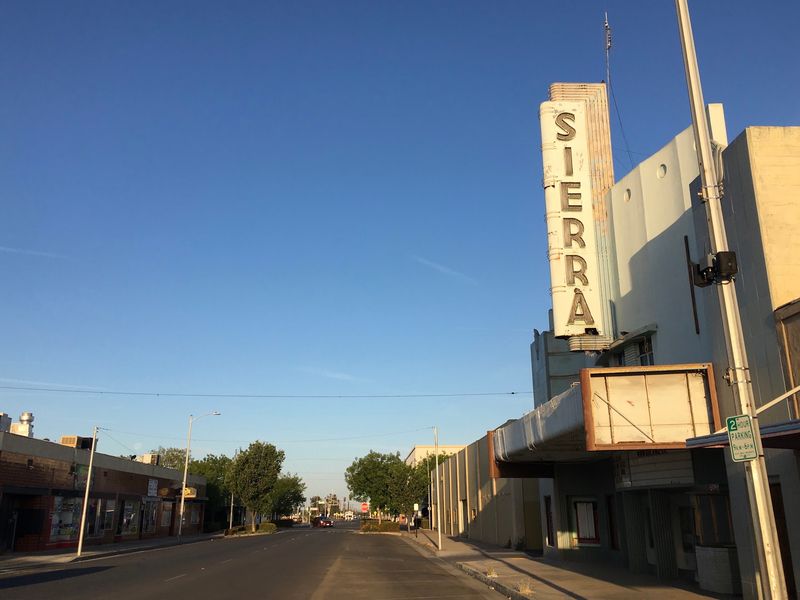
Grapes, history, and hard work. Delano, in the heart of the San Joaquin Valley, is where the famous farmworker grape strike began in 1965. That movement changed farm labor across America.
Today, Delano shows up in a different kind of headline. Between 2024 and 2025, the city’s population fell about 1.4 percent.
Recent Census estimates list it among California cities seeing renewed population losses.
Here is the twist, though. Since 2020, Delano has actually grown overall, reaching an estimated 52,334 residents in 2025, about 1.8 percent above its 2020 estimate base.
Like Blythe, Delano has state prisons, and changes in inmate numbers can nudge the totals up or down.
For anyone living in farm towns, jobs can rise and fall with harvest seasons and crop prices.
A smart tip is to look into local community colleges and training programs, which can open doors to steady work in fields like health care or logistics.
Visiting? Stop by the Forty Acres, a historic site linked to the farmworker movement, to learn more about this important chapter.
9. Escondido: Hidden Treasure, Fewer Treasure Hunters
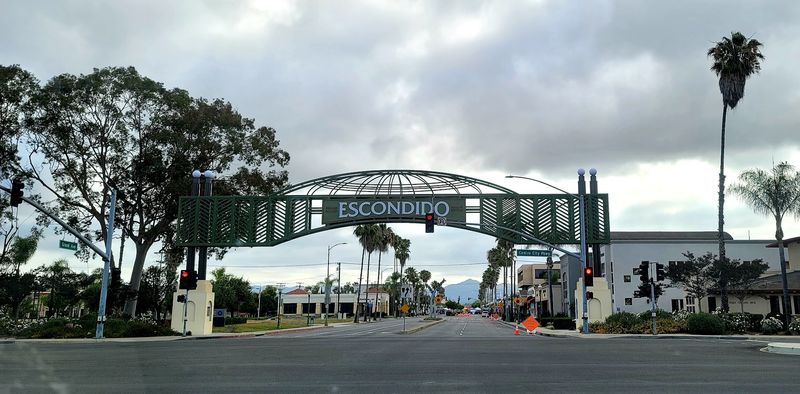
The name Escondido means hidden in Spanish, and locals like to joke that the town’s charm is a well-kept secret.
With a classic downtown, avocado groves, and wineries in the hills, it has plenty to love. Even so, fewer people have been sticking around.
Escondido counted 151,038 residents in the 2020 census, while the latest Census estimate puts the city at about 146,030 residents in 2025, roughly 3.3 percent below its revised 2020 estimate base.
The city is currently shrinking at about 0.53 percent each year, and the latest Census estimates list it among declining Southern California cities.
Why might folks leave? Housing across San Diego County is pricey, and some residents move to more affordable areas in Riverside County or out of state.
Of course, every family has its own reasons.
The San Diego Zoo Safari Park, where giraffes and rhinos roam wide open spaces, sits just outside Escondido. Many visitors do not realize it is so close to town.
If you are exploring, try the Thursday evening Cruisin’ Grand event in warmer months, when classic cars line Grand Avenue. It is free and super fun for families.
Also, keep an eye out for local farmers markets, where you can pick up fresh avocados and citrus grown right in the area.
10. San Francisco: The Big City Still Slipping
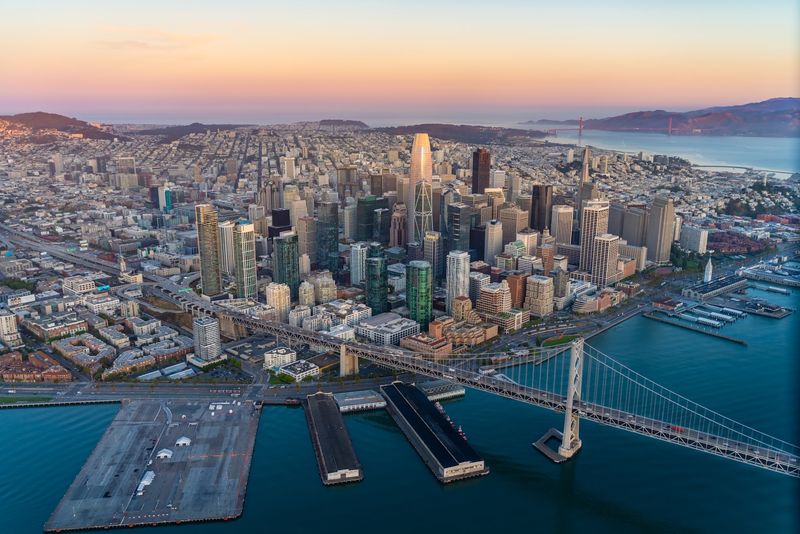
Okay, so San Francisco is not exactly a quiet little town. It is one of the most famous cities in the world!
Still, its population losses deserve a spot on this list because the numbers are hard to ignore.
California’s 2025 estimates showed San Francisco dropping yet again, losing more than 3,300 people. That was the largest numeric loss of any city in the state.
Earlier, between 2021 and 2022, the city shrank about 0.8 percent as remote work let many tech employees live almost anywhere.
Sky-high rent is a major reason people give for leaving. A small one-bedroom apartment can cost more than a mortgage in many other states.
Some folks moved to cheaper areas like Sacramento, while others left California entirely.
For visitors, fewer residents has not dimmed the fun. Walk across the Golden Gate Bridge, grab clam chowder at Fisherman’s Wharf, or explore Golden Gate Park.
The iconic cable cars are the only moving National Historic Landmark in the United States. They have been climbing San Francisco’s steep hills since 1873.
11. San Jose: Silicon Valley’s Small Step Back
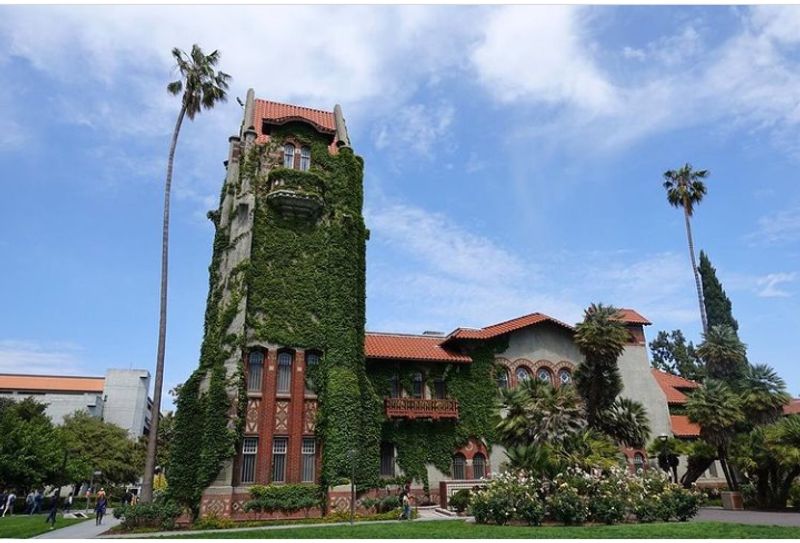
Home to tech giants and startup dreams, San Jose calls itself the Capital of Silicon Valley.
It is the third biggest city in California, just behind Los Angeles and San Diego. You would think a place this busy would only get bigger.
Not quite. San Jose lost about 1.5 percent of its population between 2021 and 2022, when many workers took remote jobs and moved away.
The state’s 2025 estimates also recorded a slight decline, so the city is still dipping a little.
Think about it like a crowded classroom where a few students switch schools. The class is still full, but you notice the empty desks.
Housing costs, long commutes, and changing tech jobs can all push families to rethink where they live.
San Jose was California’s very first state capital back in 1850, long before Sacramento took over the title. Not many people know that!
If you are nearby, check out the Tech Interactive museum downtown, which is packed with hands-on science exhibits.
The Winchester Mystery House, with its stairways leading to nowhere, is another fun and spooky stop.
12. Anaheim: A Tiny Dip In The Happiest Place
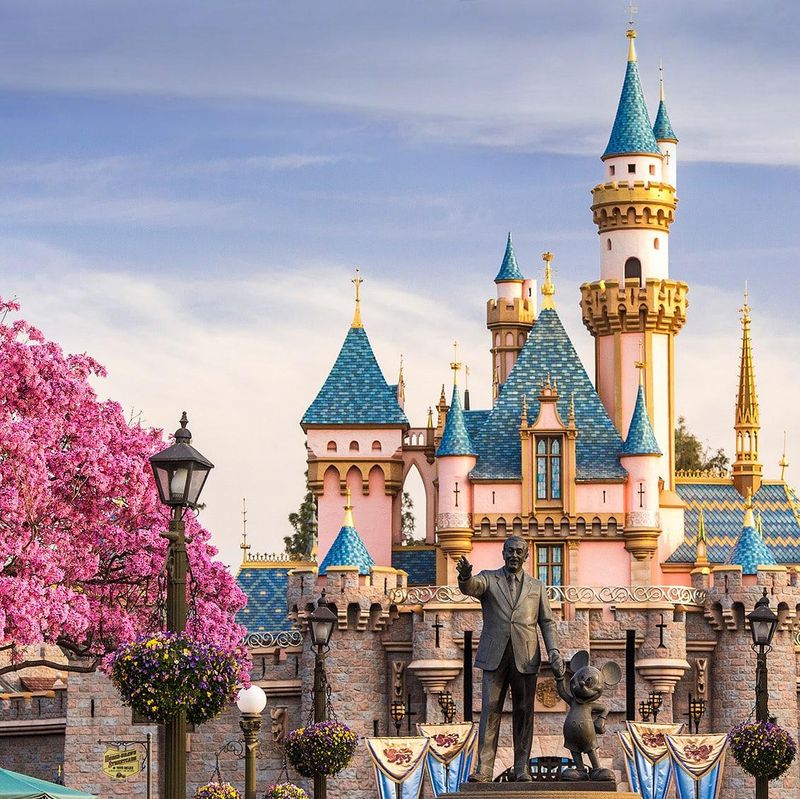
Mickey Mouse lives here, so how could anyone leave?
Anaheim, in Orange County, is best known for Disneyland, but it is also a real city with neighborhoods, schools, and hardworking families. And recently, a few of those families have moved on.
The state’s 2025 estimates showed Anaheim recording a small population decline. Orange County as a whole dipped about 0.05 percent during fiscal year 2025. So this is more of a gentle slip worth watching.
For many residents, the biggest challenge is the price of homes and rent across Southern California.
Even people with good jobs can struggle to afford a place near work. Some head to the Inland Empire, where homes cost less but commutes run longer.
If you visit, remember that the city offers more than theme parks. You can catch an Angels baseball game, a Ducks hockey game, or explore the Anaheim Packing District, a food hall inside an old citrus packing house.
Whether you live here or just visit, it is interesting to watch how even famous cities change over time.