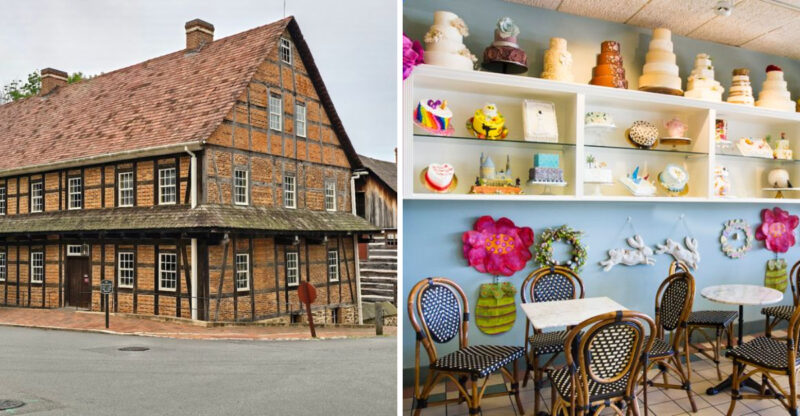
The Oldest College For Women In America Is Right Here In North Carolina
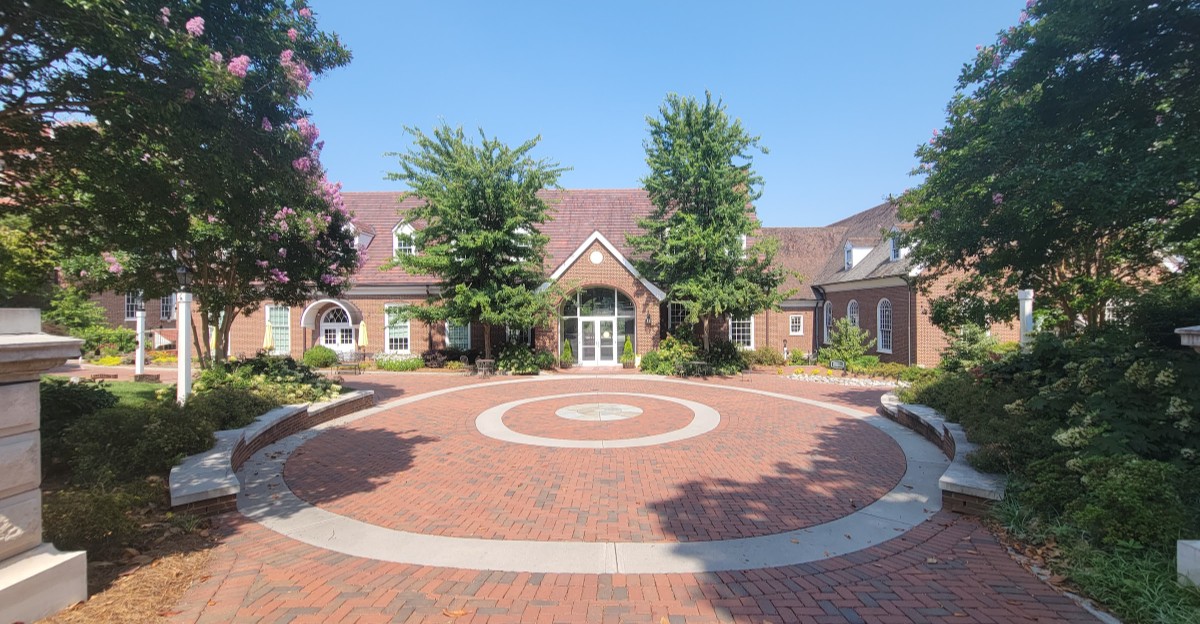
Before America had presidents, this North Carolina campus was already opening doors for girls and women.
That alone gives the place a kind of grandeur most colleges could never manufacture.
Founded in 1772, it has watched revolutions, wars, social change, and generations of students pass beneath the same historic skyline.
The remarkable part is not simply how old the institution is, but how continuously its original purpose has endured.
Walking the campus feels a little like stepping into a living chapter of American education. Brick paths and centuries-old buildings carry the story forward without needing much explanation.
Some schools have history.
This one has witnessed the country grow up around it.
See How A School Founded In 1772 Became Part Of American Education History
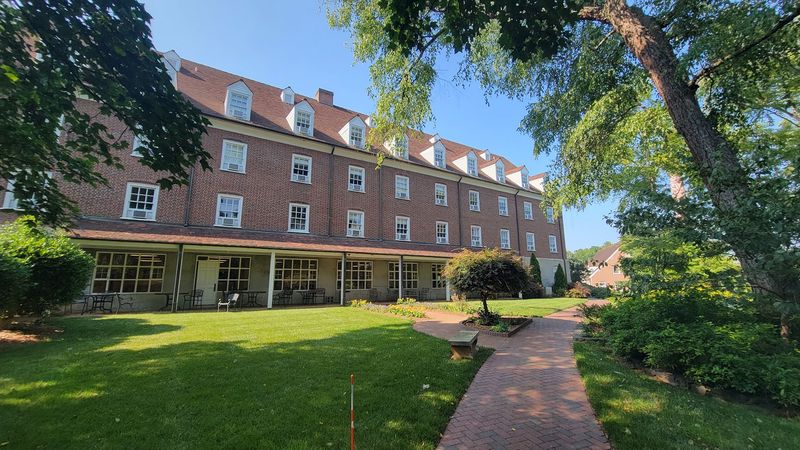
Picture a classroom opening before the United States had a name. On April 22, 1772, the Moravian community began a school for girls in Salem.
That small beginning grew into an institution that has continued educating women through more than 250 years of change.
Salem College, Winston-Salem, gives visitors a place to connect that early story with a working college today. The school did not become a college overnight.
It developed from a school for young girls into an academy, then expanded its higher education offerings.
By 1890, students were receiving college diplomas.
The name Salem Academy and College first appeared in the school’s 1897-1898 catalog, reflecting the institution’s academy and college-level programs.
As you walk the grounds, think about what those steps meant for students at each stage.
A girl learning basic lessons in the 1700s would have had a very different day from a college student now, yet both were part of the same commitment to education.
For a simple way to follow the timeline, remember three points: the 1772 founding, the first college diplomas in 1890, and the Salem Academy and College name appearing in 1897.
Together, they show how a modest school became a lasting part of American education.
Its street address is 601 S Church St, Winston-Salem, NC 27101.
Walk A Campus That Predates The United States Itself
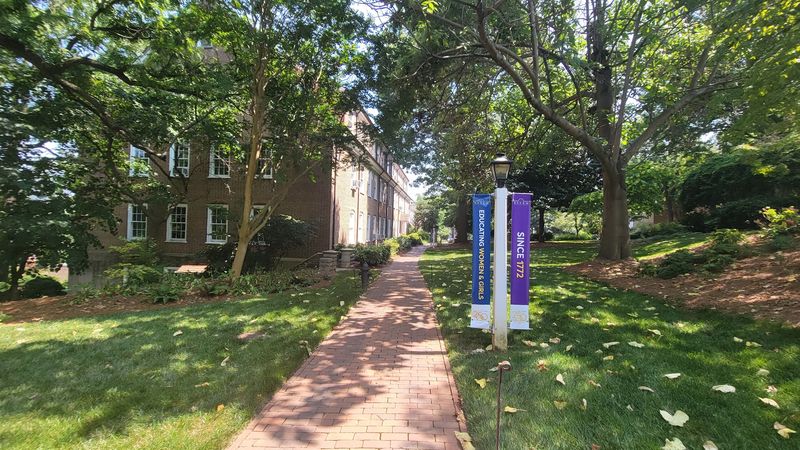
Four years separate Salem’s founding in 1772 from the Declaration of Independence in 1776.
That gap makes an ordinary walk feel like a short trip through time.
The school began before the nation did, though the campus and its buildings have changed over the centuries. One place to notice is the Single Sisters’ House, built in 1785.
It is recognized as the oldest building in the country dedicated to educating women.
Its age is easier to grasp when you compare it with the paths nearby, where present-day students still head to class.
Slow down as you move between older structures and newer spaces.
Brickwork, window shapes, and building size can help you spot different periods without needing an architecture guide.
If you are visiting for the first time, take a campus map and check which areas welcome visitors before setting out.
North Carolina has many places that tell early American stories, but this one adds the story of girls learning together. Rather than expecting every corner to look eighteenth century, look for the contrast.
A historic house beside an active college is a reminder that the school did not stop growing after its earliest days.
The pleasure of walking here comes from noticing both the old and the new.
Discover How Moravian Roots Still Shape The Historic Setting
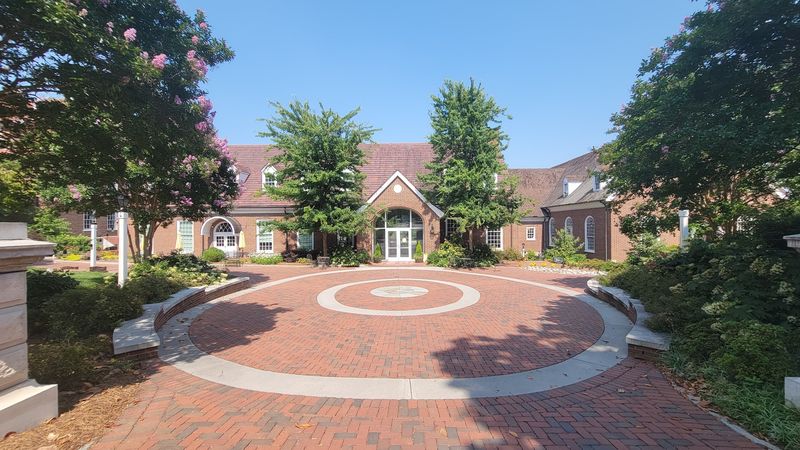
Salem’s earliest teachers came from a community with a clear idea: girls deserved serious lessons.
Moravian women known as the Single Sisters helped establish the school in 1772.
They were unmarried women who lived and worked together, and their role in teaching gave the new school its start. The college no longer has a formal connection to the Moravian Church, but its beginnings remain part of the campus story.
Its motto, Knowledge and Virtue, offers a brief clue to the values its founders hoped students would carry beyond the classroom.
Here, learning was meant to shape both ability and character.
Look at the older buildings with that history in mind. They were part of a community where daily work and education were closely linked.
You do not need to know every detail of Moravian history to appreciate why a school for girls mattered in the eighteenth century, when many had few chances to study.
If you are exploring the area with children, ask them to imagine a lesson before electric lights or computers.
What might students have written with, and how would they have shared books?
Those questions make the past easier to picture.
They also point to the lasting idea behind Salem: a chance to learn can change what a young person believes is possible.
Explore Buildings Right Beside Old Salem
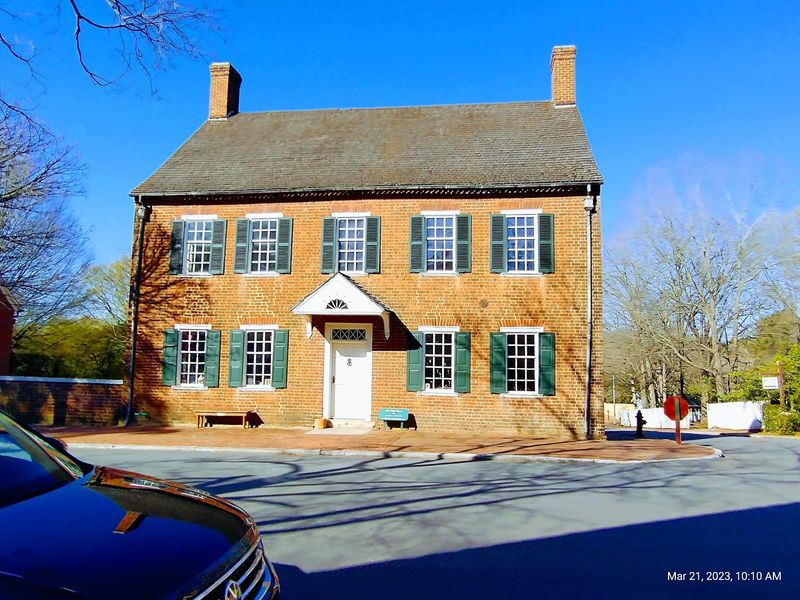
A short stroll can carry you from an active college campus to streets shaped by Salem’s early Moravian community.
Salem College stands beside Old Salem, so the two settings make a natural pair for a day of exploring. Their closeness helps explain why the college’s history feels tied to the surrounding neighborhood.
Start by noticing how the buildings relate to one another.
Historic brick structures give parts of the campus a quiet, settled look, while newer facilities show that classes and college life continue here.
The Single Sisters’ House, built in 1785, is especially meaningful because of its connection to women’s education.
You can enjoy the setting without trying to enter every building.
Stay on public routes, follow posted signs, and remember that classrooms and residences are working spaces. Before making a special trip, check the college’s visitor information and any access rules that may apply to campus grounds.
For an easy outing, set aside time to walk slowly rather than rushing between stops.
Compare the shapes of old windows, the color of brick, and the way pathways connect the buildings. Those small details give the area its character.
They also help you see the college as more than a landmark: it remains part of a living neighborhood.
Learn Why Women’s Education Has Been Central Here For More Than 250 Years
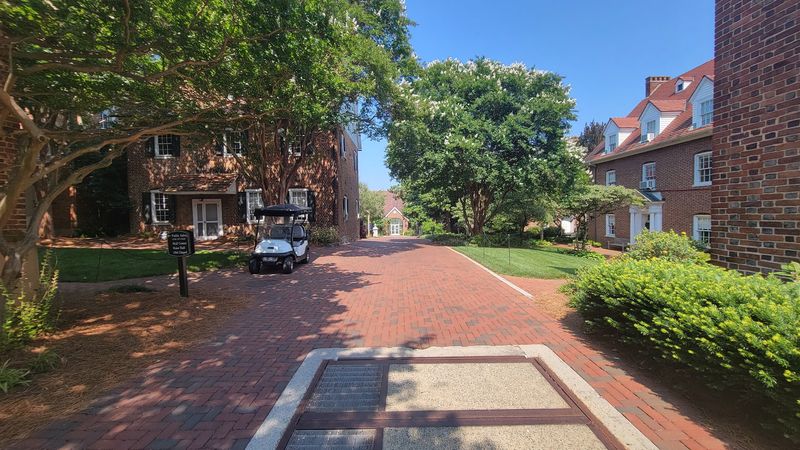
A school can last for centuries and still have a clear reason for being.
At Salem, that reason began with giving girls an education when such chances were limited.
The first students were young girls, but the school’s steady growth opened the way for college-level study.
That path was not simply a change of name.
Over time, students gained access to more advanced lessons and, eventually, college diplomas.
For readers today, it is a reminder that opportunities many students expect were built step by step. Each new class inherited what earlier teachers and students had helped create.
Salem College continues to center women’s education in North Carolina.
Its current focus includes preparing women for leadership in health, connecting academic study with ways to serve others.
A prospective student might use a visit to ask how courses, advising, and hands-on learning support that goal. There is also value in coming simply to understand the history.
Imagine the difference between a girl’s first lessons in 1772 and the choices open to a college student now.
The subjects, tools, and plans for the future may have changed, but the basic belief remains easy to recognize.
Education gives students room to test ideas, build skills, and choose their own next steps.
Find Out How The College Has Changed While Keeping Its Original Mission
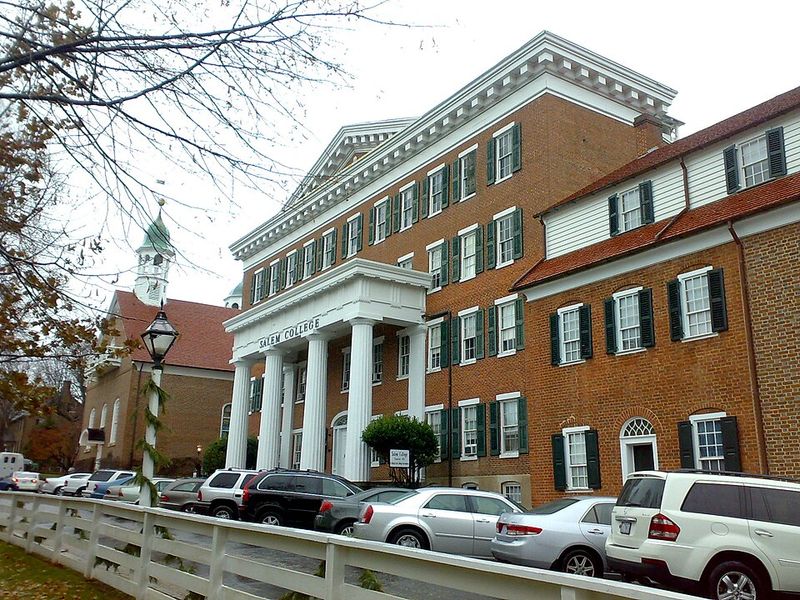
Imagine bringing a student from Salem’s first school into a classroom today.
Books and lessons would be familiar, but nearly everything else would surprise her.
The institution that began as a school for girls now offers college study, with programs shaped for a world its founders could not have pictured.
Salem awarded its first baccalaureate degrees in 1890, and the Salem Academy and College name first appeared in the 1897-1898 catalog.
Salem Academy remains a school for younger students, while Salem College serves students pursuing higher education. Understanding that difference can make the shared history easier to follow.
The college’s present focus on women in health leadership is another example of change.
It connects the long mission of educating women with questions that matter now, including how to care for communities and lead with good judgment.
Academic programs can change, so prospective students should check the college’s current offerings rather than relying on an old list of majors. During a visit, look for that balance between purpose and change.
Historic walls may catch your eye first, but the classes taking place within the campus tell the rest of the story.
Salem has lasted because generations kept finding new ways to make learning useful while protecting the belief that began the school.
Take In A Campus Where History Feels Woven Into Everyday Student Life
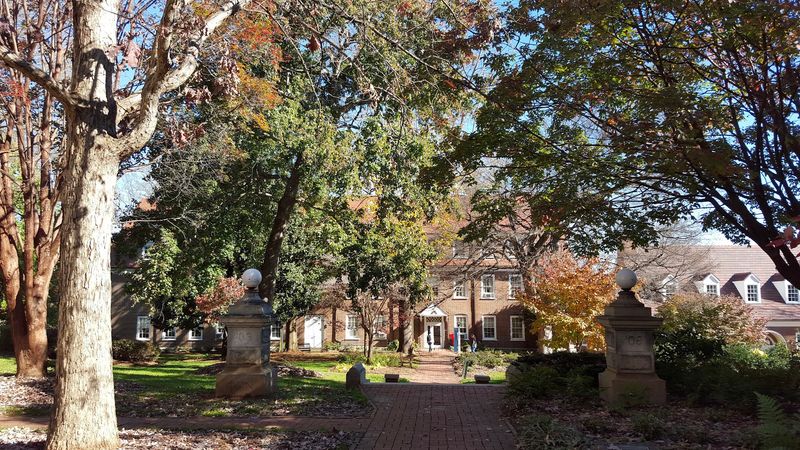
Morning footsteps on a campus path can tell two stories at once.
Students are heading to today’s classes, yet some of the buildings around them recall the school’s first centuries.
At Salem College, history is part of the setting rather than something kept apart from daily life.
The campus is shared with Salem Academy, which serves younger students.
That makes it useful to remember that the two schools have a connected past but different roles today. A visitor may notice both old and newer spaces while moving through the grounds, each serving the needs of a school that is still active.
Elisabeth Oesterlein, the first teacher, helped begin lessons in 1772. Thinking about her work adds a human face to the dates on a timeline.
Students now carry laptops and plan for careers that did not exist then, but the habit of meeting classmates, asking questions, and learning from teachers links the generations.
Give the campus its everyday space if you visit during a school day.
Keep pathways clear, respect private areas, and let the scene unfold without interrupting classes. The most striking detail may be a simple one: a student passing an old brick wall on the way to the next lesson.
Know What To Look For When Visiting This Remarkably Old Institution
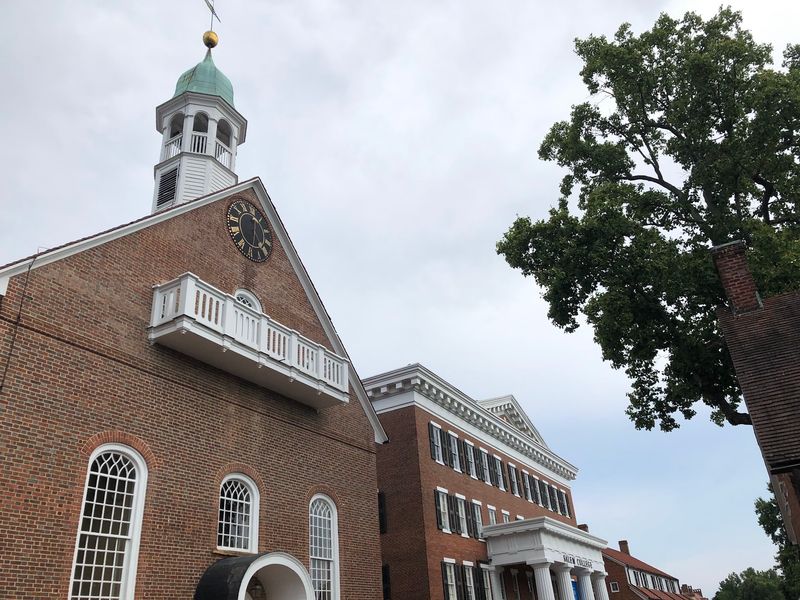
A little planning helps you get more from a walk around Salem College.
Begin by checking the college’s current visitor guidance, especially if you hope to see a particular building.
This is a working school, so access to interiors and some outdoor spaces may be limited. Outside, keep an eye out for the Single Sisters’ House, built in 1785.
It is an important part of the story because it was dedicated to educating women.
Notice how its age contrasts with spaces used by students today, and look for the college motto, Knowledge and Virtue, where campus materials display it.
The setting beside Old Salem makes the surrounding streets worth a careful look, too. Allow enough time to understand where the college meets the historic district rather than treating them as one site.
If you bring children, a simple challenge can keep them interested: find an old building feature, then spot something that shows the campus still serves students.
North Carolina’s oldest continuing school for women rewards a curious visitor more than a hurried one. Comfortable walking shoes and a current campus map are useful companions.
Leave room in your plans for a pause among the brick buildings, where the long history of learning becomes easier to picture.