7 Idaho Towns People Are Quietly Moving Away From
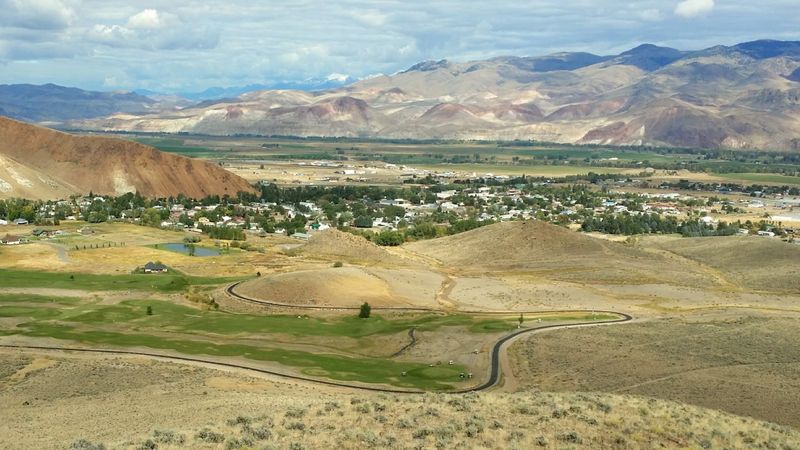
Moving trucks rarely make the news in small-town Idaho, but they tell a story all the same. While Boise and the Treasure Valley keep booming, a handful of mining and ranching towns have been slowly thinning out, one family at a time.
Shuttered storefronts, emptier school hallways, and quieter main streets hint at bigger shifts in jobs and daily life. Here are seven Idaho towns where the population has been drifting away, and what still makes each one worth knowing.
1. Kellogg
Silver built Kellogg, and when the big mines went quiet in the 1980s, the town felt it in every paycheck. Families who once counted on steady underground work packed up for Spokane, Coeur d’Alene, and beyond.
The population today sits well below its mining-era peak, and you can sense that gap walking past older homes along the hillsides. Some storefronts have changed hands several times, and a few have simply stayed dark.
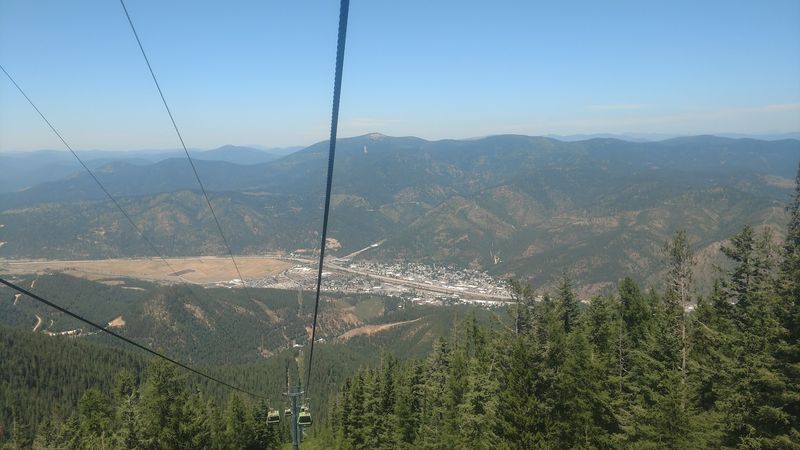
Still, Kellogg tried something bold. The town leaned into recreation, and the long gondola climbing toward Silver Mountain became a symbol of that reinvention.
Skiers and mountain bikers roll through on weekends, giving the Silver Valley a seasonal pulse.
That visitor traffic has not fully replaced year-round residents, though. Housing prices have climbed with vacation interest, which can make it tough for younger workers to stay put while wages remain modest.
Drive in along Interstate 90 and you get a clear picture of an Idaho town caught between two identities. One is gritty and proud of its mining roots, and the other is hoping trail riders and snow lovers keep the lights on.
Check local conditions before a winter trip.
2. Wallace
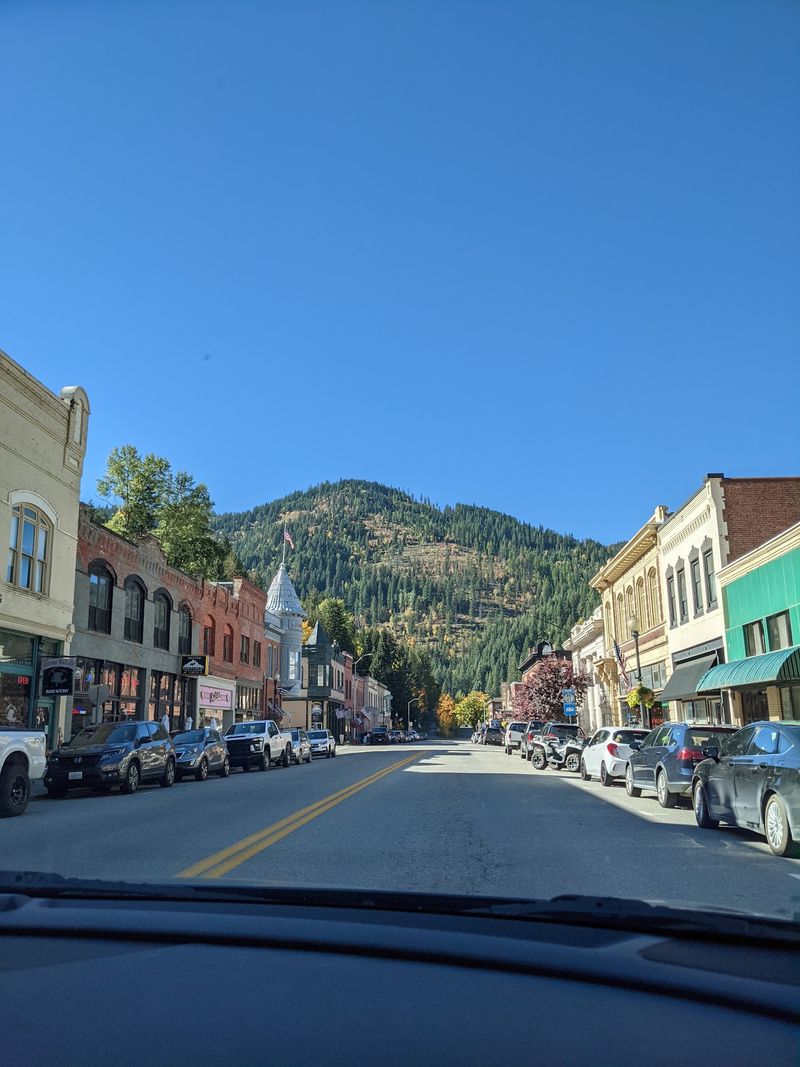
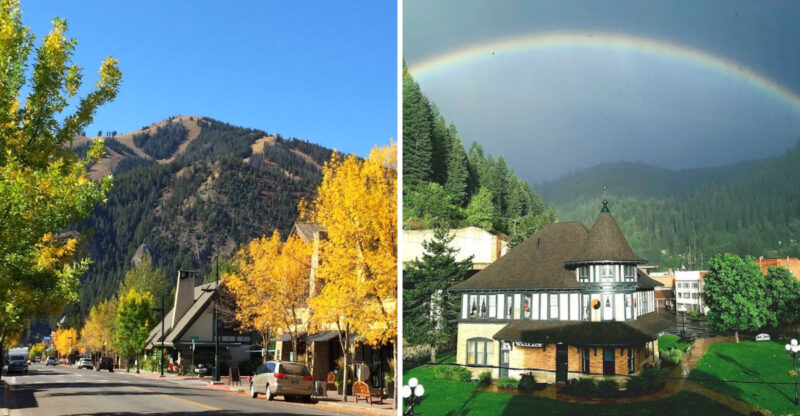
Every single building downtown is on the National Register of Historic Places, a fact that surprises plenty of first-time visitors. Wallace looks like a movie set, with ornate brick facades squeezed into a narrow Silver Valley canyon.
Behind that postcard look is a shrinking headcount. Wallace now has fewer than 1,000 residents, down from several thousand during its silver heyday, and the steep canyon walls leave little room for new growth.
Here is a quirky bit of history worth sharing. For years, Wallace held the last stoplight on Interstate 90 between Seattle and Boston, until a freeway viaduct finally bypassed downtown in 1991.
Townspeople even held a mock funeral for the traffic signal.
The bypass saved travel time, but it also meant fewer drivers accidentally rolling through town. Tourism helps, especially with mining museums and nearby trail access, yet many jobs are seasonal.
Young families often head west toward bigger Idaho cities for schools and steady work. What stays behind is a tidy, walkable downtown where museums, gift shops, and old hotels hold the line.
Visit in summer or early fall for the easiest canyon driving.
3. Pinehurst
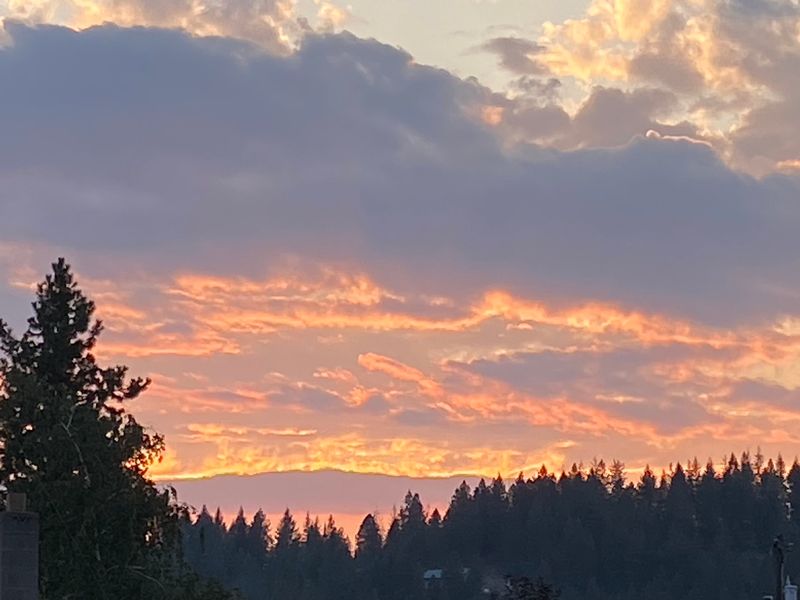
Just west of Kellogg, Pinehurst feels more like a neighborhood than a destination. Modest homes line quiet streets, and tall pines frame nearly every view.
Pinehurst grew as a bedroom community for miners and smelter workers. When the Bunker Hill operations shut down, the reason many families lived here disappeared almost overnight.
Some residents stayed out of loyalty, while others slowly drifted toward the Coeur d’Alene area for work.
The town’s population has hovered in the low thousands for years, with little of the growth seen elsewhere in North Idaho. Older residents make up a large share of the community, and school enrollment across the valley reflects that aging trend.
Environmental cleanup also shaped daily life here. Decades of work to replace contaminated yard soil across the Silver Valley brought crews and equipment, but it also reminded people of the region’s tough industrial past.
On the bright side, Pinehurst sits close to the Trail of the Coeur d’Alenes, a paved rail trail stretching across the Panhandle. Cyclists pedal past on summer mornings, and the easy access to Interstate 90 keeps commuting realistic for those who choose to stay.
4. Osburn
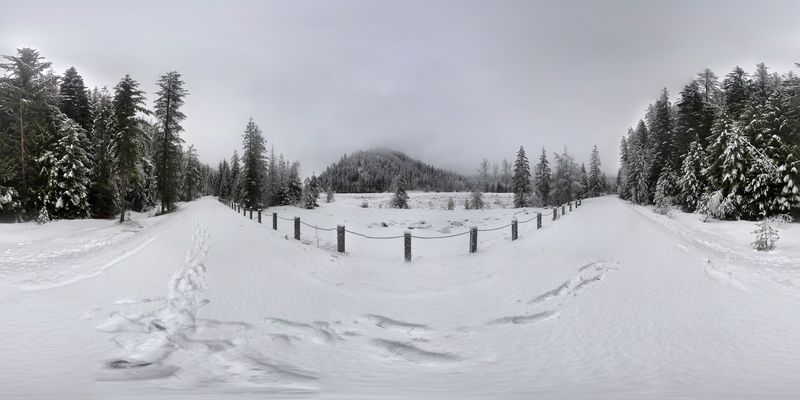
Blink along Interstate 90 and Osburn might slip right past your window. Sandwiched between Kellogg and Wallace, this small town has long served as home base for workers at nearby mines.
Mining still happens in the Silver Valley, but with far fewer workers than decades ago. Modern equipment and mine closures trimmed payrolls, and each lost job tends to mean one more household thinking about leaving.
Osburn’s population has held somewhere around 1,500 people, yet that number masks a slow turnover. Longtime families age in place while their grown kids often settle in Spokane or the Treasure Valley, where job choices feel wider.
Life here moves at an unhurried pace. You will find a handful of local businesses, a few churches, and the South Fork of the Coeur d’Alene River running alongside town.
Deer wander through yards at dusk, and neighbors still recognize each other at the gas station.
For some, that quiet is exactly the draw. For others, especially younger workers, it can feel a little too still.
Osburn captures the Silver Valley story in miniature, steady and proud but gradually graying.
5. Mullan
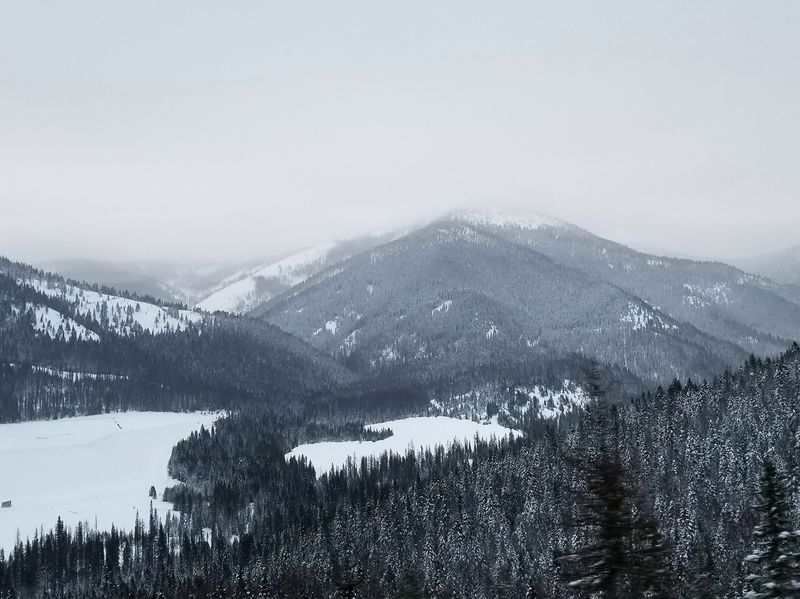
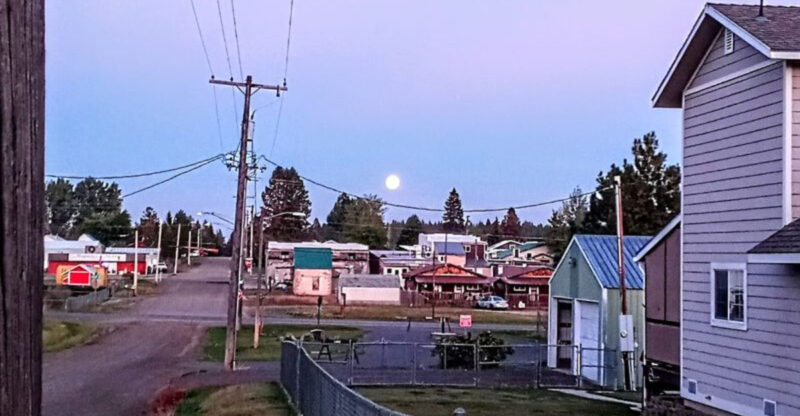
At the far eastern end of the Silver Valley, Mullan sits just a few miles below Lookout Pass and the Montana line. It is the kind of place where snowbanks linger long after spring shows up in Boise.
Mullan’s fortunes have ridden on the Lucky Friday Mine for generations. When the mine runs strong, the town hums.
When operations pause or cut back, as they have several times over the years, families start weighing their options.
With fewer than 700 residents, every departure is noticeable. Enrollment at the local school has thinned, and a few buildings on the compact main street have sat empty for stretches.
Fun fact worth tucking away: the town takes its name from Captain John Mullan, who oversaw construction of the Mullan Road, an early wagon route connecting the Columbia River region to the Missouri River in the 1860s.
Today, Mullan offers quick access to winter sports at Lookout Pass and summer riding on the Route of the Hiawatha nearby. Housing costs stay lower than much of Idaho, which keeps some newcomers curious.
Whether that curiosity turns into lasting growth remains an open question.
6. Arco
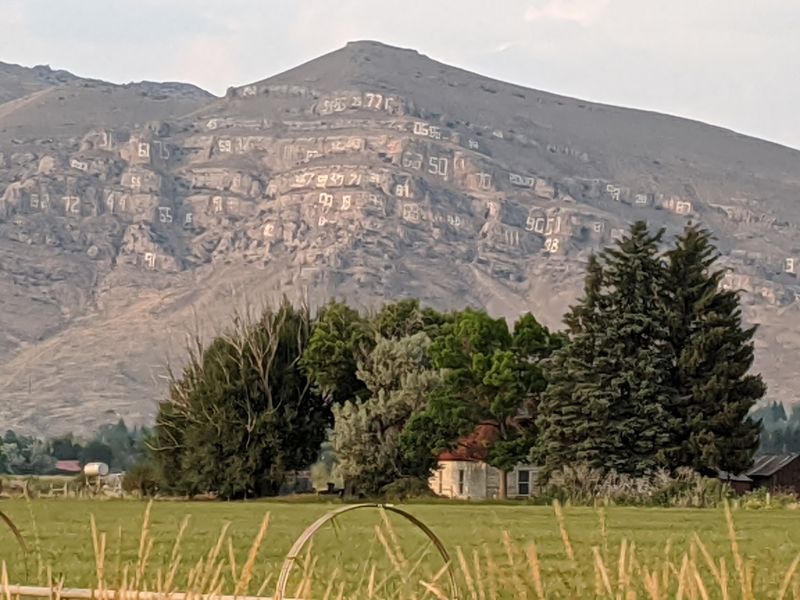
Painted numbers cover the cliff above town, one for every high school graduating class going back decades. Number Hill is Arco’s family scrapbook, and newer numbers remind you how small some of those classes have become.
Arco made history in 1955 as the first community in the world lit entirely by nuclear power, thanks to a nearby reactor at what is now Idaho National Laboratory. That lab still anchors the regional economy, but many of its workers choose to live in Idaho Falls or Blackfoot instead.
As a result, Arco’s population has slid over the years and now sits around 900. Main street keeps a few diners and shops going, though empty storefronts are easy to spot.
The high desert location on the Snake River Plain adds to the feeling of distance. Winters bring biting wind, and the nearest big grocery run can mean a long drive.
Tourists still pass through on their way to Craters of the Moon National Monument, just down the highway. Stopping to read Number Hill makes for a memorable break, and it offers a quiet look at a proud town holding steady.
7. Challis
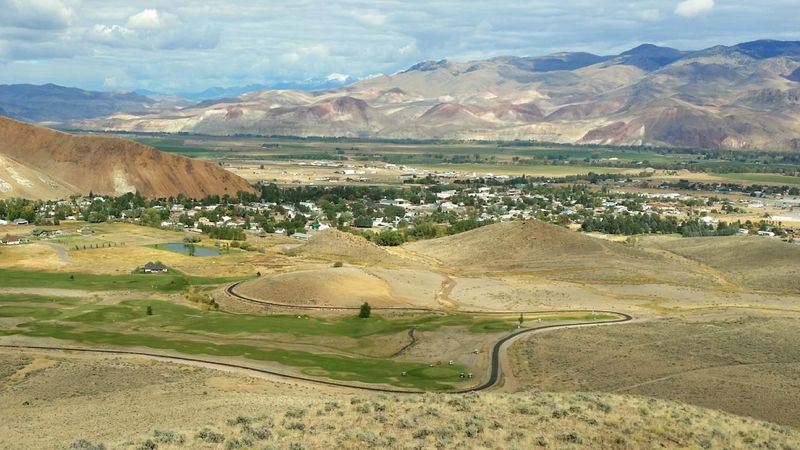
Mountains wrap around Challis on nearly every side, and the Salmon River carves its way through the valley just outside town. Few places in Idaho feel this far from everything, and that remoteness cuts both ways.
For years, the nearby Thompson Creek molybdenum mine supplied some of the best paychecks in Custer County. When the mine went into care and maintenance in 2014, hundreds of jobs vanished, and the ripple spread through local stores and schools.
Challis now has roughly 1,000 residents, and some families who came for mining work eventually moved on. Ranching and government jobs with land agencies help fill the gap, but opportunities stay limited.
Summer tells a different story. Rafters, anglers, and hot springs seekers pass through on Highway 93 and Highway 75, heading toward the Salmon River or the Sawtooths.
For a few months, motels and cafes stay busy.
Once the snow arrives, the rhythm slows sharply. That seasonal swing makes Challis a fascinating snapshot of rural Idaho, rich in scenery and history while quietly wrestling with how to keep its next generation close to home.