10 Scenic Idaho Bike Trails With Woods, Meadows, And Memorable Stops Along The Way
A good bike ride should feel like the road is letting you in on a secret.
Not every great route needs a crowd, a famous overlook, or a parking lot full of people pretending they checked the tire pressure.
Some of the best ones start quietly.
The path rolls forward, the air changes, and suddenly the whole day feels bigger than expected.
Idaho has trails where a simple ride can turn into forest shade, open country, river bends, and the kind of scenery that makes coasting feel like a reward.
The fun comes from the surprise.
A stretch that looks ordinary at first can lead into views, small-town corners, or peaceful miles that make the ride feel almost stolen.
These ten under-the-radar routes are made for riders who like fresh air, a little discovery, and a reason to keep going past the next bend.
Helmet on, tires ready, curiosity fully activated.
1. Trail Of The Coeur d’Alenes
Smooth pavement makes this North Idaho classic feel approachable, but the scenery keeps it from ever feeling ordinary. Trail of the Coeur d’Alenes runs 73 miles across the Panhandle, connecting communities and landscapes from Plummer to Mullan on a former railroad corridor.
Riders can choose short out-and-back sections or build a longer day around lakes, wetlands, river views, and historic towns.
The paved surface works well for casual cyclists, road bikes, families, adaptive users, and anyone who prefers big scenery without technical singletrack.
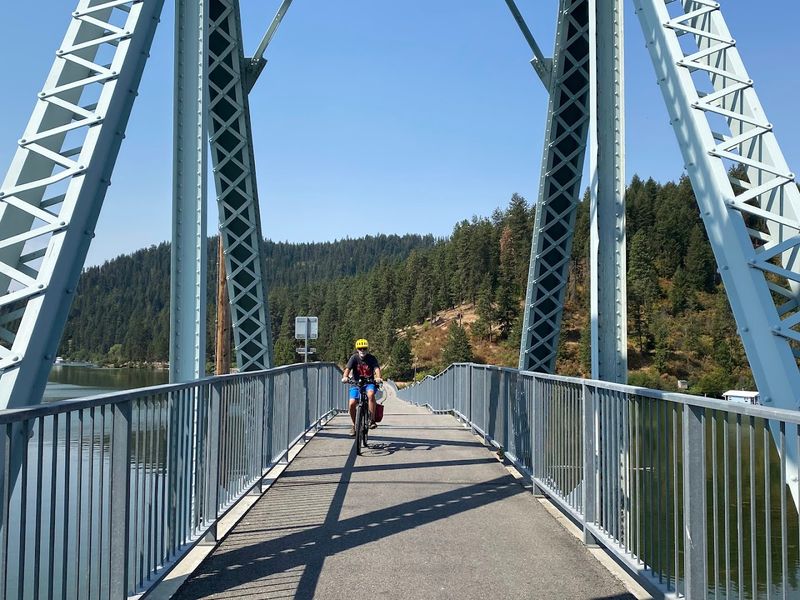
Around Lake Coeur d’Alene, the Chatcolet Bridge delivers one of the trail’s signature moments, rising over the water with views that make people slow down even when the riding is easy.
Harrison makes a natural food or ice cream stop, while Kellogg and Wallace bring Silver Valley history into the ride.
Marshy stretches can be excellent for birdwatching, with eagles, waterfowl, and other wildlife adding surprise to quieter miles. Heyburn State Park sits close to the route, giving riders picnic areas, lake access, and a deeper reason to linger.
This trail is not exactly unknown, but its length spreads people out enough that plenty of sections still feel peaceful. Pick a segment, ride at your own pace, and let North Idaho keep changing the view.
2. North Idaho Centennial Trail
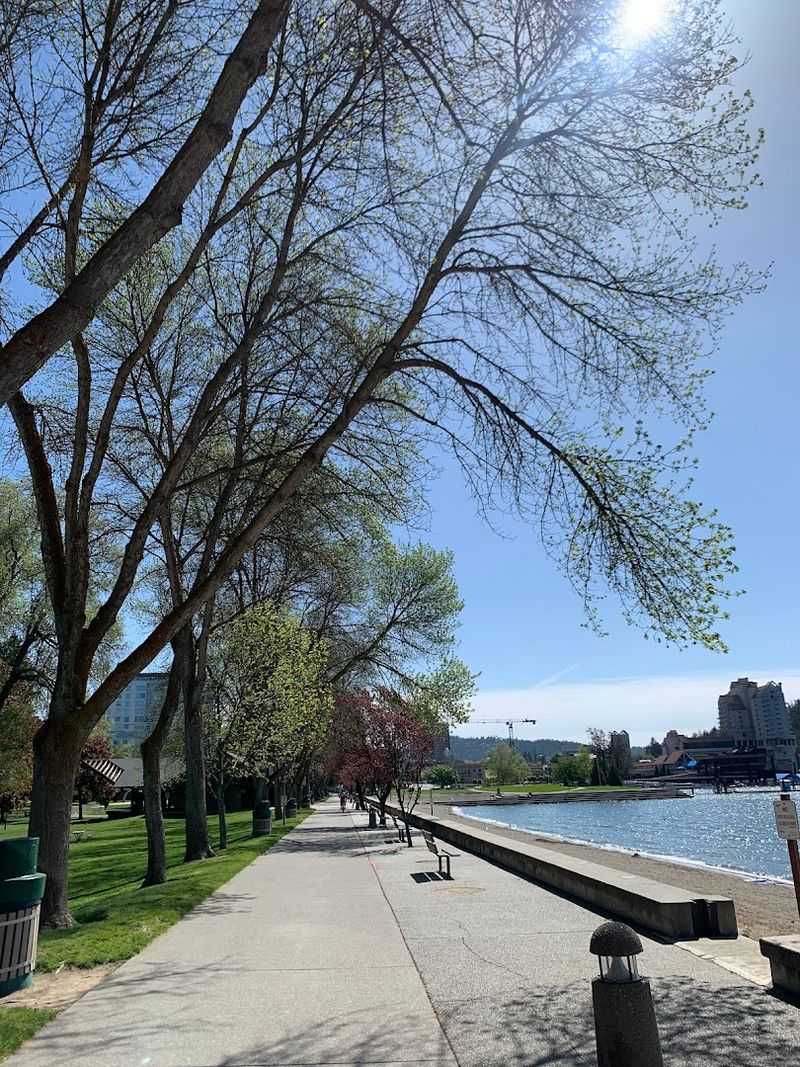
Urban convenience and lake-country scenery meet beautifully on this 24-mile paved route between the Washington state line and Higgins Point on Lake Coeur d’Alene.
North Idaho Centennial Trail works well for riders who want flexibility because they can start in Post Falls, downtown Coeur d’Alene, Riverstone, McEuen Park, or near the lake depending on the day’s plan.
The route follows parts of the Spokane River corridor, passes through busier city sections, and eventually reaches one of the most scenic ends of any paved trail in the region.
Higgins Point is especially worth the ride, with Lake Coeur d’Alene views and seasonal bald eagle watching that can turn a simple bike outing into a wildlife stop.
Downtown Coeur d’Alene adds food, shops, parks, and waterfront energy, while Riverstone offers an easy break with restaurants and public art nearby.
The trail does include road crossings and busier urban stretches, so families should plan sections carefully instead of assuming the entire route feels remote.
That mix is the point, though. Riders can move from river path to city stop to lake overlook without loading the bikes twice.
It is a practical, pretty, and very Idaho way to spend a summer morning.
3. Route Of The Hiawatha
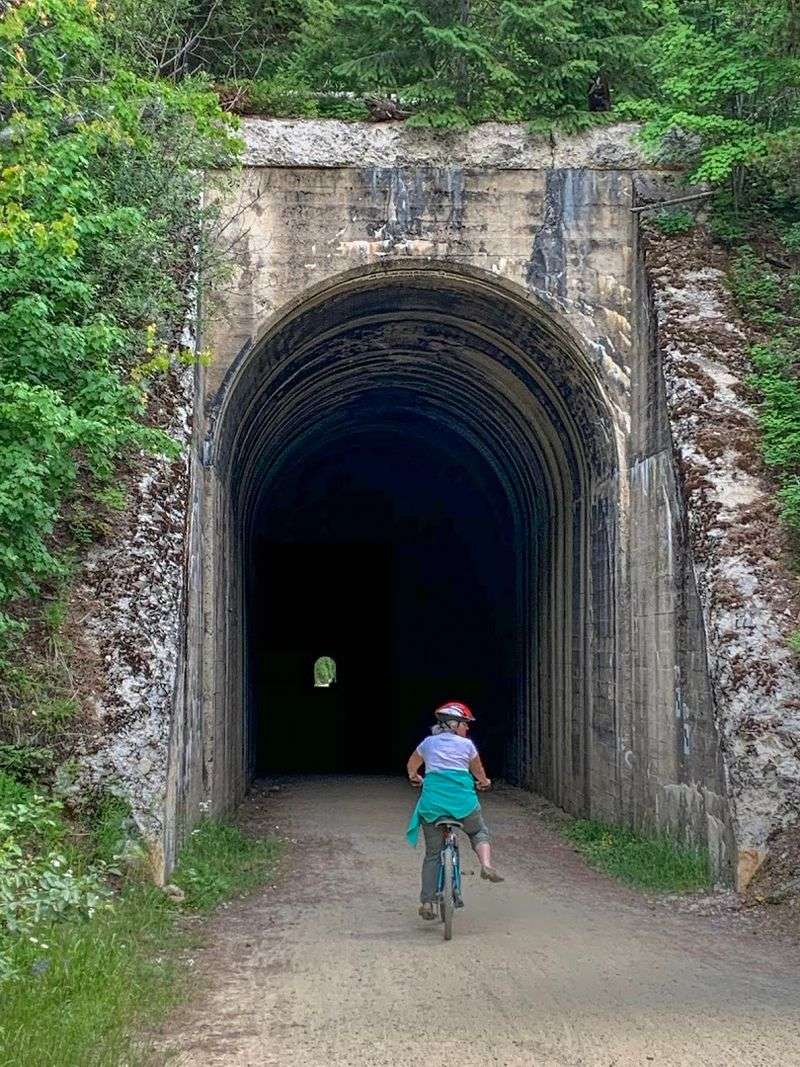
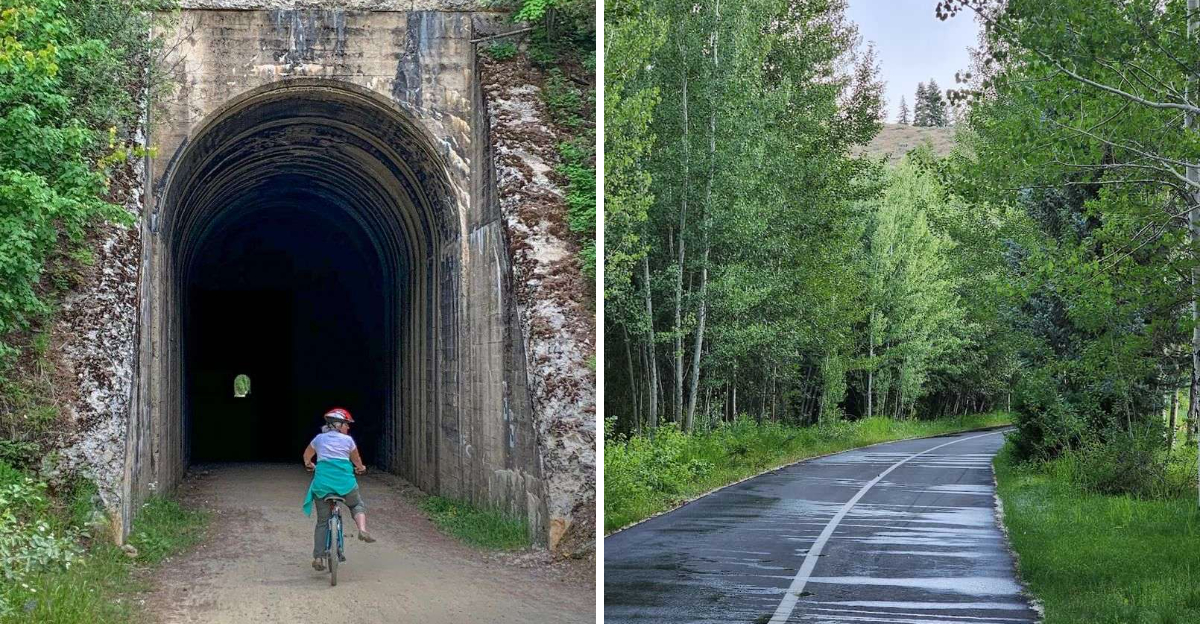
Dark tunnels, tall trestles, and mostly downhill riding make this rail-trail feel like a bike ride designed by someone with a flair for drama.
Route of the Hiawatha stretches 15 miles through the Bitterroot Mountains near Lookout Pass, with 10 train tunnels and 7 sky-high trestles along the way.
The St. Paul Pass Tunnel, also called the Taft Tunnel, is the unforgettable opener, running about 1.6 miles through near-darkness beneath the Idaho-Montana line. Lights are mandatory, and warmer layers are smart because the tunnel can feel chilly even when summer is roasting outside.
After that, the route drops gently through forest, mountain cuts, interpretive signs, railroad history, and bridge views that make riders stop more often than expected.
Shuttle service, trail passes, rentals, and lights are handled through Lookout Pass, which makes logistics easier for visitors who do not want to plan every piece separately.
This trail is popular, so “under-the-radar” applies more to first-time Idaho travelers than locals who already know its reputation. Still, the ride earns every bit of attention.
Families with older kids, casual riders, and rail-history fans can all enjoy it if they are comfortable with darkness, heights, and the occasional splash of tunnel mud.
4. Wood River Trail
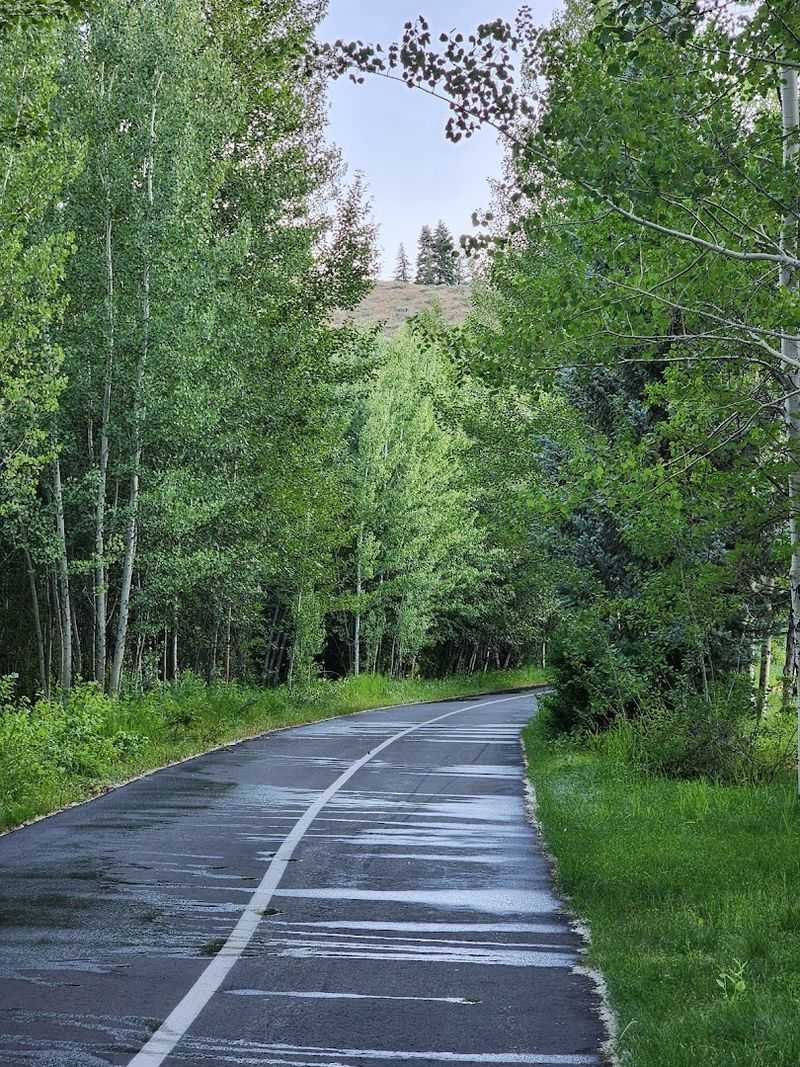
Sun Valley’s famous outdoor polish gets a practical backbone from this paved valley route. Wood River Trail, often called the bike path by locals, runs 20-plus miles through the Wood River Valley, connecting Bellevue, Hailey, Ketchum, and Sun Valley.
The trail gives riders a smooth non-motorized corridor with mountain views, river access, town stops, and enough flexibility to make the day as easy or ambitious as needed.
Casual cyclists can cruise a short section near Ketchum or Hailey, while stronger riders can piece together a longer valley ride with food, museums, shops, and parks along the way.
Cottonwoods, river bends, open meadows, neighborhood stretches, and mountain backdrops keep the route changing without making it technically difficult.
Ketchum adds cultural stops like the Sun Valley Museum of Art and the Wood River Museum of History and Culture nearby, while Ernest Hemingway’s grave offers a quiet detour for literary-minded riders.
Autumn turns the valley especially photogenic, but summer evenings are hard to beat when the heat softens and the light stretches across the ridges. This trail works because it is useful as well as beautiful.
It lets riders experience several Idaho mountain communities without spending the whole day fighting traffic.
5. Ponderosa State Park Bike Trails
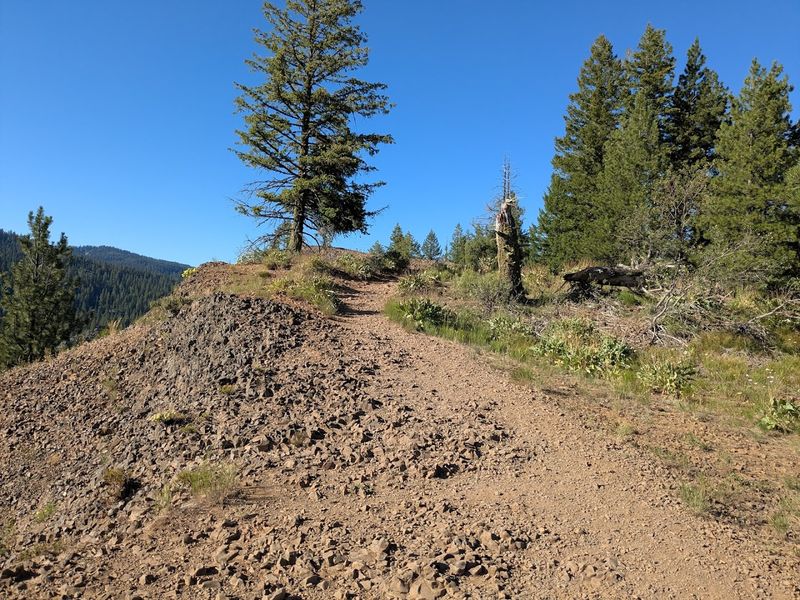
Payette Lake wraps around this McCall park so beautifully that even a short ride can feel like a vacation.
Ponderosa State Park sits at 1920 Davis Avenue in McCall, ID 83638 on a forested peninsula reaching into the lake. Biking and hiking trails run through ponderosa pines, meadows, lake overlooks, and wildlife habitat.
The park is not a single long-distance route like a rail-trail. It is better for riders who want to explore shorter loops, connect trails, pause at viewpoints, and build a relaxed outdoor day around the lake.
Osprey Point is the big scenic reward, offering one of the park’s best views over Payette Lake and the surrounding mountains. Wildlife sightings can include deer, foxes, birds, and sometimes larger animals, so riders should stay alert and respectful.
Families can enjoy easier sections, while riders wanting more effort can link paths and add nearby McCall routes for extra mileage. The park also offers camping, cabins, lake access, interpretive programs, and plenty of post-ride picnic potential.
Summer weekends can be busy, so early starts help. Ponderosa works because it gives visitors that classic McCall combination: pine shade, blue water, mountain air, and a ride that does not have to be extreme to feel rewarding.
6. Tamarack Resort Bike Park And Meadow Trails
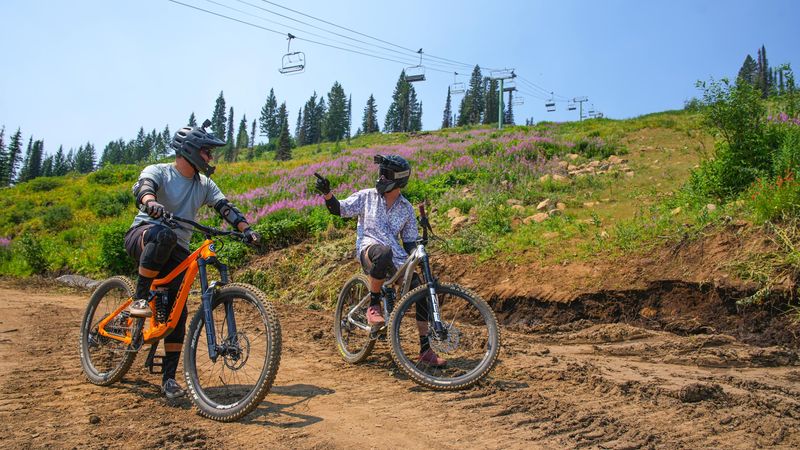
Lake Cascade views give this resort ride setting a big advantage before the tires even hit dirt.
Tamarack Resort is at 311 Village Drive, Tamarack, ID 83615, and its mountain biking network includes more than 41 miles of dedicated trails across downhill, cross-country, and meadow-style terrain.
The resort has also noted that its Downhill Bike Park is temporarily closed, so riders should check current operations before planning a lift-served day.
When available, Tamarack’s bike offerings can include flow trails, berms, jumps, forested routes, cross-country loops, and mellow meadow riding with views toward the lake and surrounding mountains.
The Meadows trail system is especially useful for riders who want scenery and movement without committing to the most aggressive downhill features.
Resort infrastructure makes the outing easier than a remote backcountry ride because rentals, dining, lodging, and other activities may be close by depending on the season.
That convenience is part of the appeal. Families can split interests, advanced riders can chase tougher trails when open, and casual visitors can enjoy a scenic pedal or chairlift-supported adventure when operations allow.
Tamarack is not a hidden secret, but its trail variety makes it easy to find a quieter corner if you move beyond the obvious base-area buzz.
7. Land Of The Yankee Fork State Park Trails
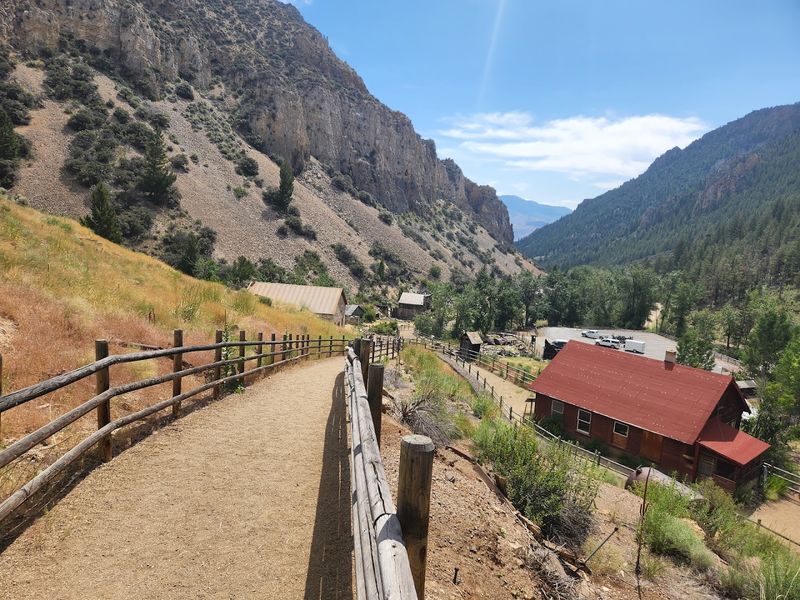
Mining history gives every ride near Land of the Yankee Fork an extra reason to slow down.
Yankee Fork Interpretive Center is located at 24424 State Highway 75 in Challis, ID 83226. The surrounding area connects riders and visitors to ghost towns, old mining roads, the Yankee Fork Gold Dredge, Bayhorse, Custer, Bonanza, the Custer Motorway, and rugged central Idaho scenery.
This is not a polished paved path with snack stops every mile. It is a historic mountain landscape where route choice, road conditions, season, and rider ability matter.
Gravel roads, old mining corridors, and nearby trails can create memorable bike outings, especially for riders who enjoy combining pedaling with ruins, interpretive signs, and big views.
The state park itself highlights hiking, mountain biking, ATVing, and wildlife viewing, but visitors should confirm which routes are bike-appropriate and open before setting out.
Bayhorse ghost town can be a fascinating stop, while Custer and Bonanza add more mining-era atmosphere for riders willing to plan a longer outing. High elevations and remote terrain mean weather can change fast, so water, repair gear, and realistic mileage matter.
This area rewards riders who like history with their dust. The fun is not just getting somewhere.
It is realizing how much Idaho’s mining past still sits along the route.
8. Castle Rocks State Park Trails
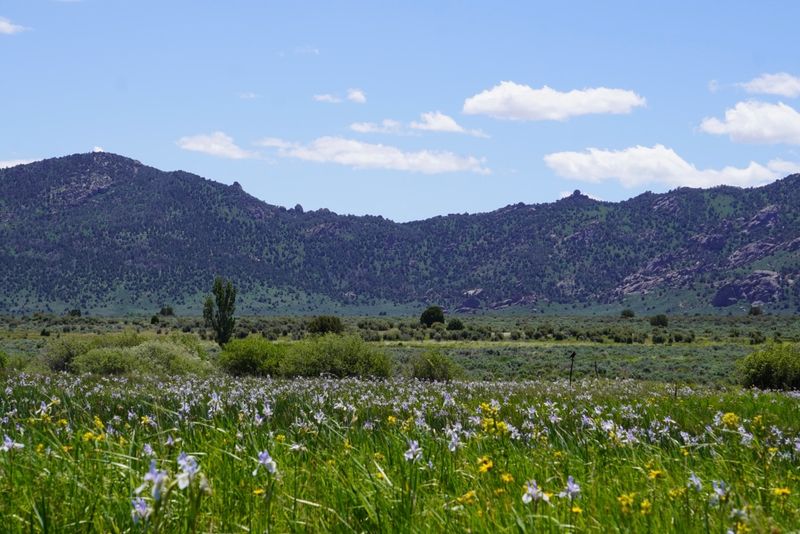
Granite spires make the riding near Almo feel older, stranger, and more cinematic than the mileage suggests. Castle Rocks State Park is reached near 3035 S.
Elba-Almo Road, Almo, ID 83312, close to City of Rocks National Reserve, and it offers mountain biking amid dramatic rock formations, ranchland, sagebrush, pinyon-juniper habitat, and views toward Cache Peak.
The five-mile Castle Rocks Trail is one of the better-known bike options in the area, climbing around the geological formations and gaining enough elevation to feel like a real ride rather than a casual roll.
Other nearby routes and connector options can add variety, but riders should use current park maps and check trail designations because not every hiking path is meant for bikes.
The scenery is the real draw: weathered granite, open high-desert light, old ranch traces, and a landscape that feels remote without being impossible to reach.
City of Rocks next door adds even more history and geology, including routes tied to emigrant travel and climbing culture. Summer heat can be intense, so morning or evening rides are smarter.
Castle Rocks works best for riders who want a compact adventure with big visual payoff. The trails may not be endless, but the setting makes every turn feel unusual.
9. Caribou-Targhee National Forest Bike Trails
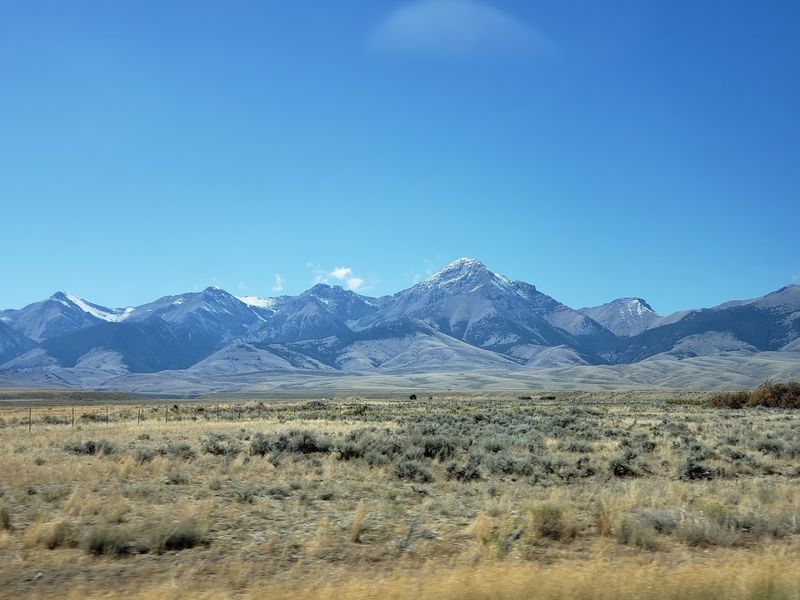
Eastern Idaho opens up fast once riders start exploring the Caribou-Targhee National Forest.
This enormous forest covers mountains, high plateaus, Teton views, river corridors, meadows, and wooded singletrack near places like Teton Valley, Island Park, Ashton, Victor, Driggs, and Swan Valley.
The challenge is choosing the right ride because the forest is not one tidy trail system. Routes vary widely by district, difficulty, surface, elevation, motorized use, e-bike rules, seasonal closures, and maintenance.
Teton Valley options such as Horseshoe Canyon and other local singletrack can offer forested climbs, fast descents, wildflower meadows, and huge mountain views.
Island Park and Ashton-area routes can feel more open, with volcanic terrain, lodgepole pine, and long stretches of backcountry quiet.
Ranger offices, local bike shops, and current trail reports are the best starting points because conditions can shift with snowmelt, mud, downed trees, and wildlife activity. That planning pays off.
A good ride here can combine pine shade, open grass, distant Tetons, creeks, wildlife sightings, and the feeling that Idaho still has plenty of room left. This is the pick for riders who want flexibility and do not mind doing homework.
Caribou-Targhee rewards preparation with trails that feel wild, varied, and deeply eastern Idaho.
10. Idaho Panhandle National Forests Bike Routes
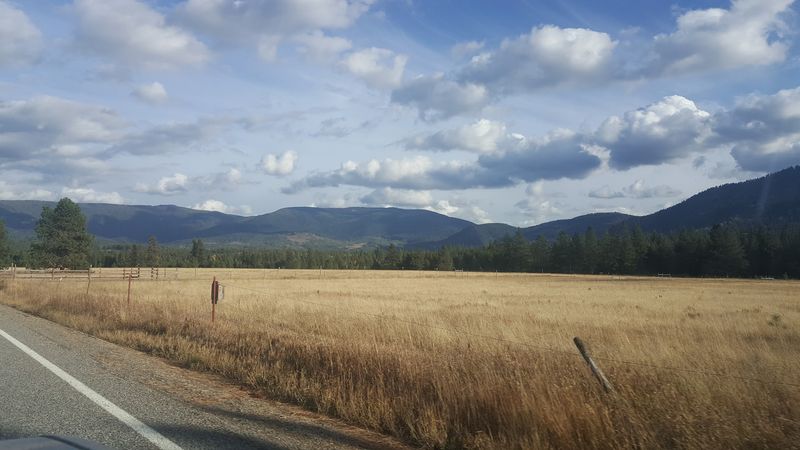
North Idaho forest riding can feel like entering a green tunnel with lake views hiding at the exits.
Idaho Panhandle National Forests stretch across the northern part of the state near Coeur d’Alene, Sandpoint, Priest Lake, and the Selkirk and Cabinet Mountain ranges. The area offers everything from lakeside routes to steep singletrack and resort-accessed trails for riders.
Near Sandpoint, Gold Hill Trail is a popular mountain bike route with a tough climb and rewarding views of Lake Pend Oreille and the surrounding mountains.
Schweitzer adds resort biking above Sandpoint, with lift-served and cross-country options when summer operations are running.
Around Priest Lake, forested routes can bring riders close to beaches, campgrounds, and deep shade, making it easy to build a weekend around biking and water.
Farther south, Mineral Ridge near Coeur d’Alene is better known as a hiking interpretive trail, but the broader area has riding options that connect visitors to lake scenery and public-land access.
Trail rules, e-bike access, closures, and seasonal conditions should always be checked with the forest or local trail groups before riding. The reward is classic Panhandle atmosphere: cedar, fir, ferns, lake air, quiet roads, and that damp forest smell that makes every break feel like part of the ride.