10 Idaho Towns Where Rising Property Taxes Are Affecting Homeowners

Idaho home values have climbed sharply for several years running, and that growth brings a quieter side effect worth understanding: shifting property taxes.
Across the booming valleys and the mountain resort towns, those changes are reshaping what ownership looks like. I drove through a run of these communities to see the picture up close.
Certain ones are fast-growing suburbs, while some are long-quiet communities waking up to fresh attention. Homeowners are adjusting, planning ahead, and comparing notes with their neighbors.
The trend says a lot about where the state is headed next, and grasping it early helps anyone thinking about putting down roots here.
What do you think, how much has the boom reshaped life in these towns?
1. Boise
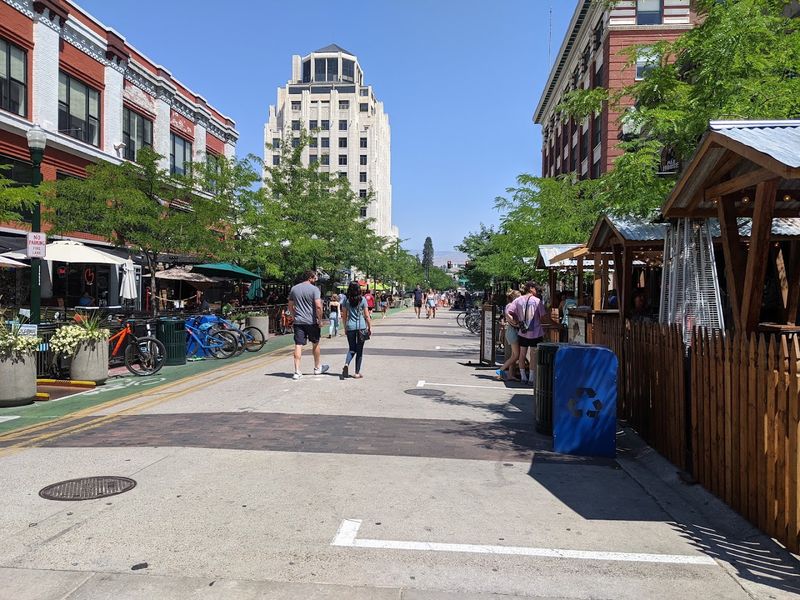
Few cities in the American West have transformed as dramatically as this one.
Boise, the capital of Idaho and the heart of Ada County, has become a magnet for remote workers, retirees, and young families. That growth has pushed home values through the roof.
Ada County has grown at a pace that caught many longtime residents off guard. Property assessments have climbed sharply, and the homeowner exemption, which offsets some of the tax burden, has not kept up with appreciation.
Many owners are paying significantly more than they budgeted for when they first bought. The city still draws people in with its outdoor access, mild climate, and strong job market.
But the financial reality is setting in. Long-term residents on fixed incomes feel the squeeze hardest.
A home purchased decades ago for a modest sum now carries a tax bill that strains monthly budgets.
This state does offer some relief programs, including the Circuit Breaker program for seniors and low-income owners. Applying early makes a real difference.
Staying informed about annual assessment notices is one of the smartest moves a Boise homeowner can make right now.
2. Meridian
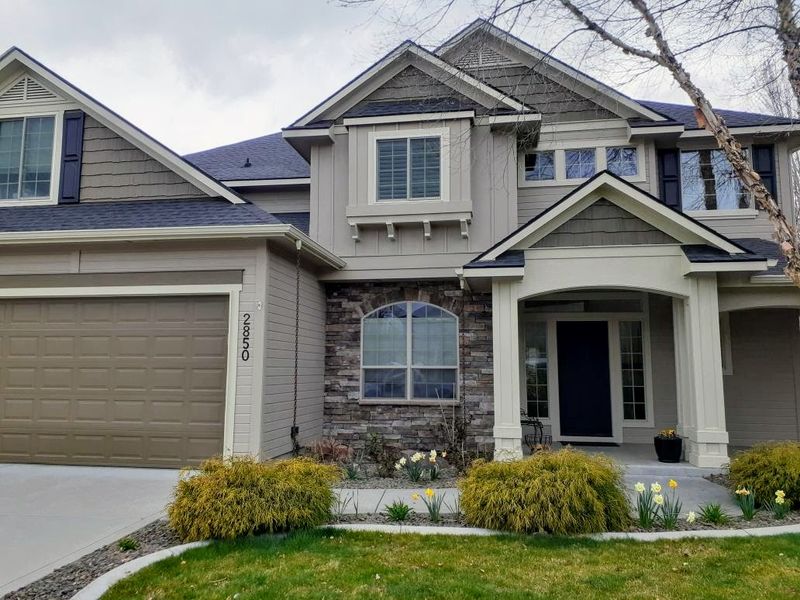
This suburb has gone from a quiet farming community to one of the fastest-growing cities in the entire United States.
Meridian, located in Ada County just west of Boise in Idaho’s Treasure Valley, has seen explosive residential development over the past decade. That growth has a price tag.
New subdivisions pop up constantly, and with them come higher assessed property values across the board.
Even older homes in established neighborhoods have seen their assessments jump simply because nearby land is selling at premium prices. Homeowners who bought in early are now watching their tax bills rise year after year.
The city has worked to expand infrastructure to match growth, which also means local budgets need funding. Schools, roads, and public services all draw from property tax revenue.
Residents benefit from those services, but the cost lands directly on their annual statements.
For homeowners here, understanding how the county assessor calculates value is a key first step. You have the right to appeal your assessment if you believe it does not reflect your home’s actual market value.
Many Meridian residents have successfully challenged inflated assessments and saved hundreds of dollars annually by going through that process with proper documentation.
3. Eagle
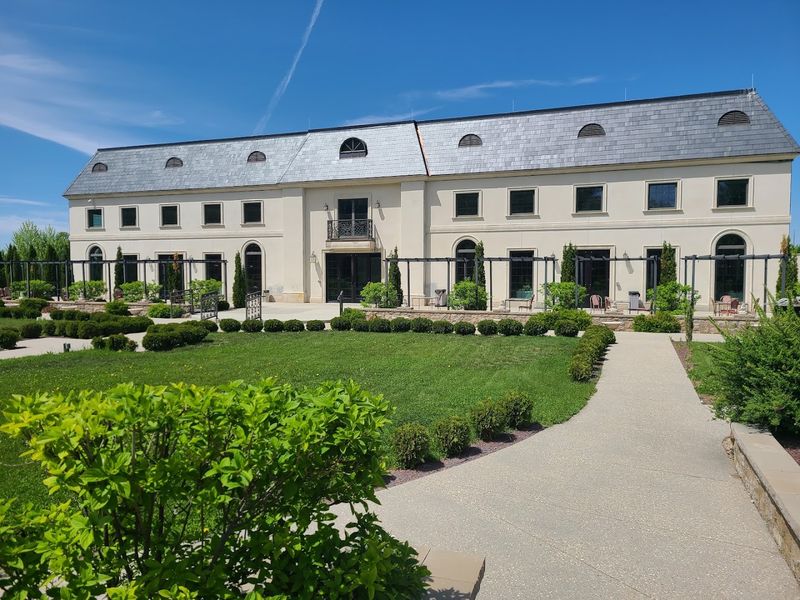
Just imagine for a second living in a town where home prices climb so fast that even long-term owners feel like newcomers in their own neighborhood.
Eagle, a high-end community in Ada County along the Boise River corridor, has become one of the state’s most desirable addresses. That desirability comes with consequences.
High-value homes mean high assessed values, and Eagle has seen some of the steepest appreciation in all of Ada County.
Luxury properties that were already expensive have appreciated further, pulling up valuations for more modest homes nearby. The ripple effect hits everyone on the same street.
Eagle attracts buyers who want space, good schools, and proximity to Boise without the urban density.
Many of those buyers come from California and other high-cost states, and they are often willing to pay prices that surprise local sellers. Those sales become the comps that assessors use to set everyone else’s value.
Homeowners here should pay close attention to comparable sales data in their neighborhoods. If recent sales in your area are skewing high due to out-of-state buyers, that data directly influences your assessment.
Working with a local property tax consultant can help Eagle residents identify whether their assessment is truly in line with fair market conditions.
4. Sandpoint
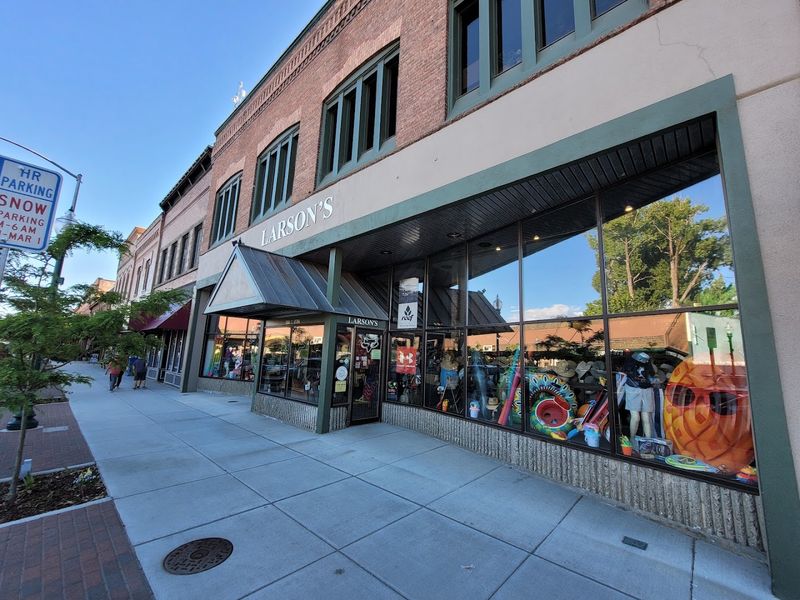
What happens when a small resort town suddenly becomes a bucket-list destination for wealthy buyers from across the country?
Sandpoint, nestled along the shores of Lake Pend Oreille in Bonner County, is finding out firsthand. The answer involves some very large property tax bills.
Resort-area real estate has its own pricing logic, and Sandpoint sits squarely in that category. Proximity to Schweitzer Mountain Resort, stunning lake access, and a charming downtown have made this small city a trophy market.
Vacation home buyers and full-time relocators compete for limited inventory, and prices have responded accordingly.
For full-time residents who work locally, those prices are disconnected from their economic reality. A teacher or healthcare worker living in Sandpoint earns a local wage while their home is assessed at resort-market values.
That mismatch creates real financial stress for working families trying to stay in a community they have called home for years.
Bonner County does have some exemption programs, but awareness of those programs remains low among residents who need them most.
Community organizations in Sandpoint have started hosting information sessions to help homeowners understand their options.
Reaching out to the county assessor’s office directly is always a smart first move for anyone feeling blindsided by a sudden tax increase.
5. Hailey

Living in the shadow of Sun Valley is glamorous, but it is not cheap.
Hailey, the county seat of Blaine County in the Wood River Valley of south-central Idaho, sits in Blaine County. It has the highest median home values in the state and, by average tax collected, one of the highest property tax burdens.
The Sun Valley resort economy drives real estate prices in this entire valley to extraordinary heights. Celebrity properties and luxury vacation homes set the market ceiling, and that ceiling pulls up assessments for everyone below it.
A working-class family in Hailey ends up being assessed in the same market as multi-million-dollar retreats nearby.
Blaine County’s tax revenue funds services for a full-time population that is far smaller than the assessed property wealth might suggest. Many of the high-value properties sit empty for much of the year.
Meanwhile, full-time residents bear the ongoing financial weight of a tax structure shaped by a luxury market they cannot personally afford.
Some advocacy groups in the Wood River Valley have pushed for reform that better distinguishes between primary residences and vacation properties.
Until those policy changes arrive, Hailey homeowners benefit most from carefully reviewing their annual assessments and consulting with a local tax professional who understands the unique Blaine County market dynamics deeply.
6. Twin Falls
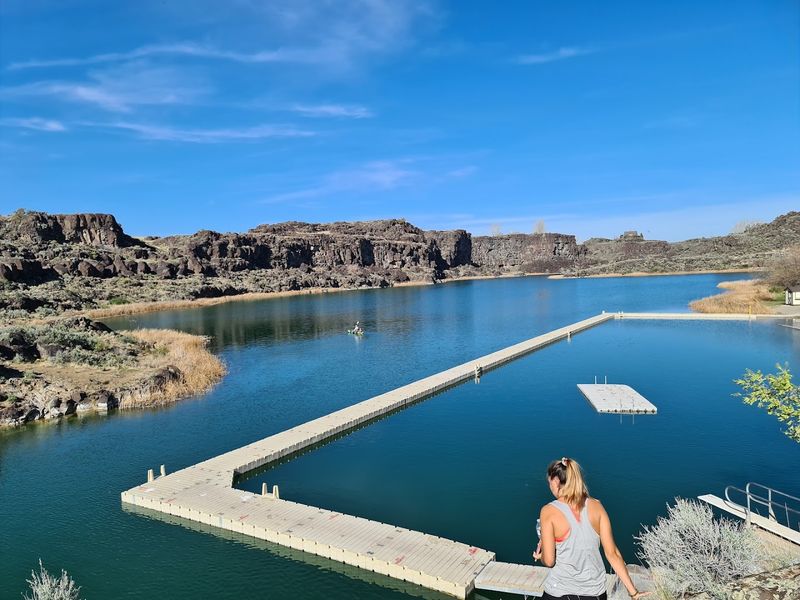
This Magic Valley city in Twin Falls County has experienced steady, consistent appreciation that is quietly reshaping what homeownership costs here. Slow growth can surprise you just as much as fast growth.
Twin Falls has benefited from a diversified local economy anchored by food processing, healthcare, and retail serving a wide rural region.
That stability has attracted buyers looking for affordability without sacrificing amenities. As demand has grown, so have home prices, and the assessor’s office has tracked that appreciation closely.
The city sits near the dramatic Snake River Canyon, and natural features like Shoshone Falls give it genuine appeal beyond just economics.
Lifestyle draws are real here, and they contribute to sustained buyer interest that keeps pressure on the housing market. Even modest homes in established neighborhoods have seen meaningful value gains.
Twin Falls County homeowners should familiarize themselves with the Idaho State Tax Commission’s resources, which explain assessment methods and exemption eligibility clearly.
The homeowner’s exemption is one of the most accessible tools available, but it requires an application that not every owner knows they need to file.
Checking your exemption status before the next assessment cycle is a simple step with potentially significant savings.
7. Idaho Falls
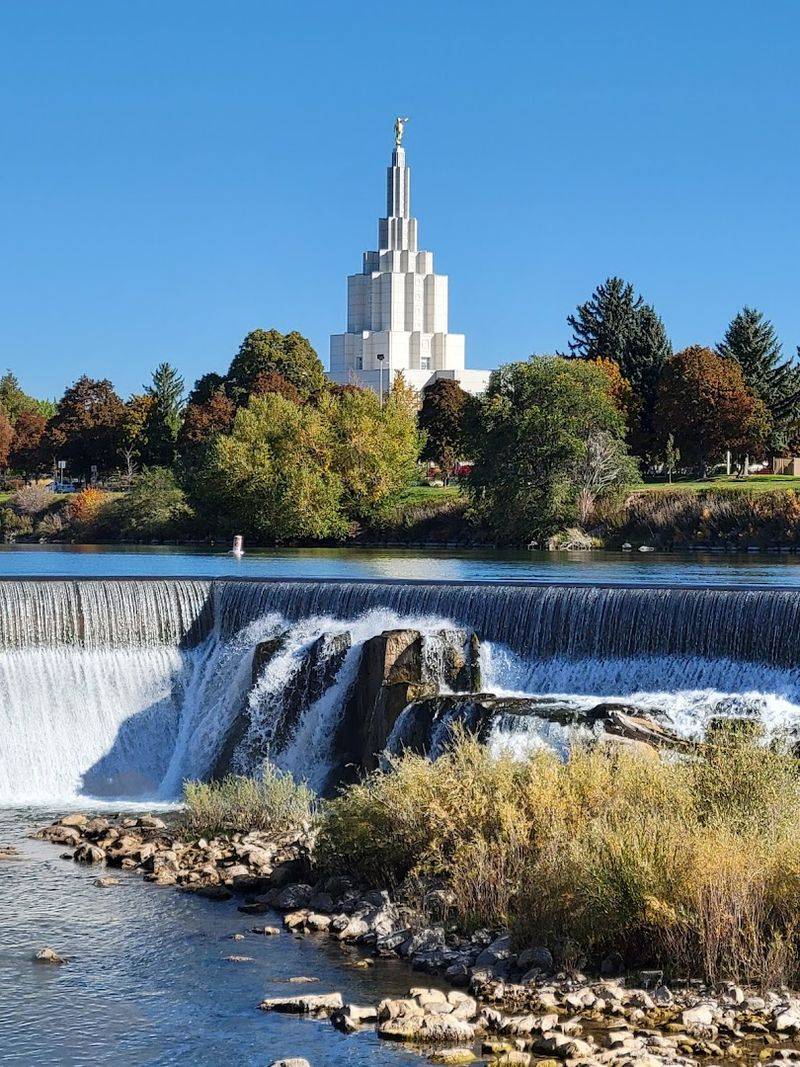
The largest city in the eastern part of the state and the population hub of Bonneville County, Idaho Falls has been drawing families and businesses at a pace that is changing its character noticeably.
Growth here is not a rumor.
Eastern Idaho’s economy has long been tied to the Idaho National Laboratory, agriculture, and regional commerce.
Those anchors have kept the local economy stable even during national downturns. Stability attracts investment, investment raises property values, and higher values translate directly into larger tax bills for homeowners.
The city along the Snake River has a distinct identity separate from the Treasure Valley boom, but the financial pressures are similar.
Families who moved here years ago for affordable living are now seeing assessments that feel misaligned with their incomes. The gap between rising home values and flat wages is a conversation happening at kitchen tables across Bonneville County.
Idaho Falls has a relatively organized county assessor’s office that responds well to homeowner inquiries. Residents who take the time to request a review of their assessment and bring supporting documentation often find the process more accessible than expected.
Being proactive rather than reactive is the most effective approach when your tax bill feels out of proportion to your home’s realistic value.
8. Moscow
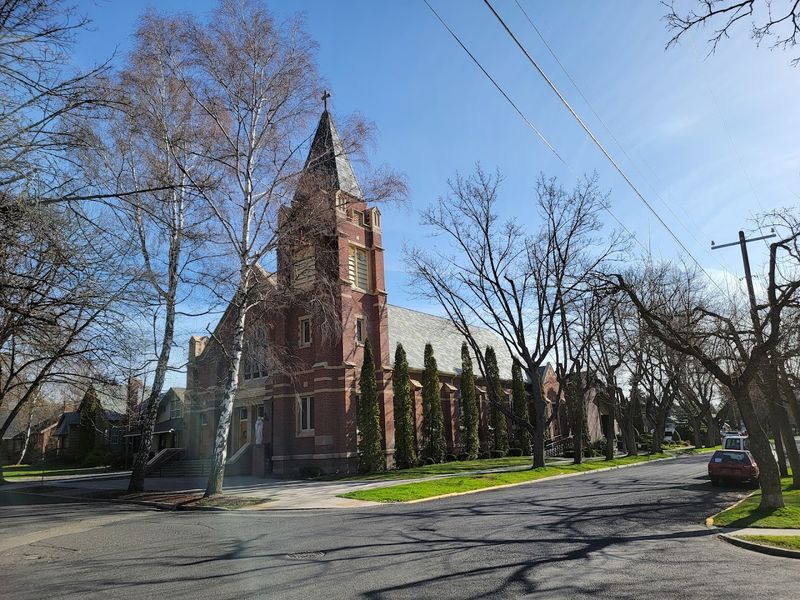
I am still trying to wrap my head around this one: Moscow, a small university town n the rolling Palouse hills of northern part of the state, has one of the highest median property tax bills in the entire state.
Latah County homeowners carry a median tax bill of around $2,911, which places it among the state’s most expensive counties for property owners.
The presence of the University of Idaho shapes everything about this town, including its housing market. A steady demand for housing from faculty, staff, and off-campus students keeps vacancy rates low and prices elevated.
That consistent demand creates a market dynamic that surprises people who associate college towns with affordability.
Moscow sits near the Washington border, and its cultural connection to Pullman across the state line adds another layer of buyer interest.
People who want the Palouse lifestyle without Washington state taxes look at Moscow seriously, and that cross-border appeal supports prices in ways that purely local demand alone would not.
Homeowners here, especially those on university salaries or fixed incomes, feel the weight of Latah County’s relatively high tax burden acutely.
The Circuit Breaker property tax reduction program is worth investigating for anyone who qualifies based on age or income.
Connecting with the Latah County assessor’s office early in the year gives you the best chance of understanding and managing what you owe before the bill arrives.
9. Nampa
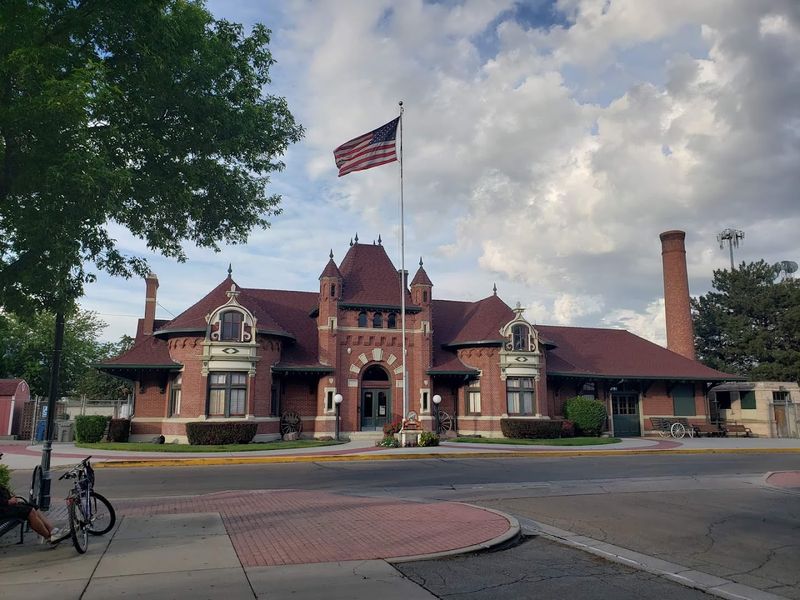
A city known for its agricultural roots and working-class character is now facing the same property tax pressures as its wealthier neighbors.
Nampa, the largest city in Canyon County and a cornerstone of Idaho’s Treasure Valley, sits just west of Boise and Meridian. Growth is pushing hard in this direction.
As Ada County prices have climbed, many buyers have crossed the county line into Nampa looking for more affordable options.
That demand has driven up home values in Canyon County faster than many residents anticipated. Longtime homeowners who never expected their modest homes to appreciate rapidly are now receiving surprising assessment notices.
Canyon County has historically had lower property taxes than Ada County, but that gap is narrowing. The influx of new residents requires expanded services, and local governments are adjusting their budgets accordingly.
Homeowners who bought here specifically for affordability are now rethinking those calculations. Nampa also has a strong rental market, which adds another layer of complexity to property values.
Investors purchasing rental properties drive up neighborhood prices, which affects owner-occupied home assessments too.
For residents here, keeping a close eye on neighborhood sales and filing timely appeals when assessments seem out of step is the most practical form of financial self-defense available.
10. Coeur D’Alene

My jaw dropped when I first saw the price tags attached to homes along the waterfront here.
Coeur d’Alene, the seat of Kootenai County in the Panhandle, has become one of the most talked-about real estate markets in the Pacific Northwest. Out-of-state buyers have transformed this lakeside city dramatically.
Remote workers fleeing higher-cost West Coast cities discovered Coeur d’Alene during the pandemic years and never looked back.
That wave of demand pushed home prices to levels that longtime locals still find hard to believe. Assessors followed those sales closely, and property tax bills reflected the new reality quickly.
The lake draws visitors and buyers alike, and the surrounding natural beauty makes it easy to understand why people want to be here.
But beauty has a price, and in this case, that price shows up in the annual tax statement. Residents who have lived here for decades are now sitting on homes worth several times what they paid, with tax bills to match.
Kootenai County does have appeal processes in place, and residents can challenge assessments they believe are inaccurate.
The key is acting within the appeal window, which opens after assessment notices arrive each spring. Missing that deadline means waiting another full year to contest a bill that may feel deeply unfair.