Fishermen Have Been Buying Hand-Tied Flies At This Idaho Shop On The Henry’s Fork For Decades
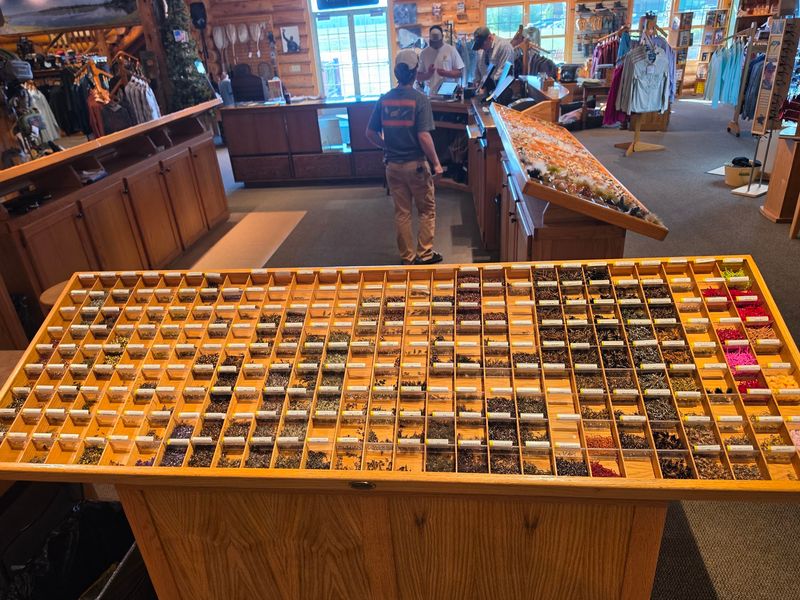
A log building beside a highway in eastern Idaho does not look like much from the road. Step inside, though, and you find bins of tiny flies, each one wrapped by hand to fool some of the pickiest trout on Earth.
Anglers have been stopping here since the 1970s, and many now bring their kids and grandkids. It is a small shop with a big story, and the river across the road is the reason it all began.
A Log Shop Facing The River
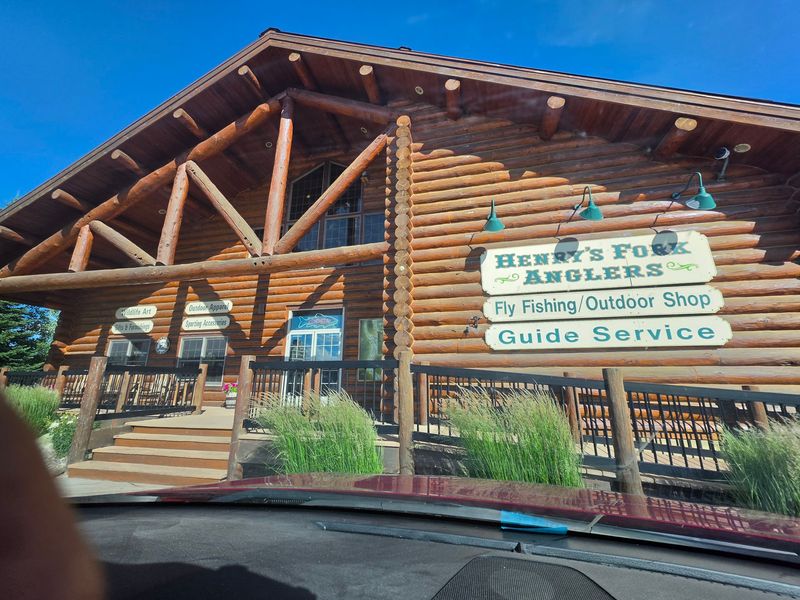
Across Highway 20 from one of the most famous trout rivers anywhere sits a log building with drift boats parked out front. Henry’s Fork Anglers has called the tiny crossroads of Last Chance home for decades, serving fly fishers who travel to eastern Idaho from all over the country.
The shop lives in Fremont County, inside the stretched-out community of Island Park. Its street address is 3340 US-20, Island Park, Idaho, and you really cannot miss it if you are driving toward Yellowstone.
The Henry’s Fork of the Snake River flows right across the pavement.
Inside, the store works as a fishing store, a guide service, and a meeting point all at once. Some people come in for a single fly and a quick tip.
Others arrive before sunrise to meet a guide for a full day on the water.
Visitors often mention how clean and well organized the place feels. Even people who have never cast a line describe it as a fun place to wander.
That mix of serious gear and easy welcome sets the tone for everything else here, from the fly bins to the guide desk.
Where Mike And Sheralee Began
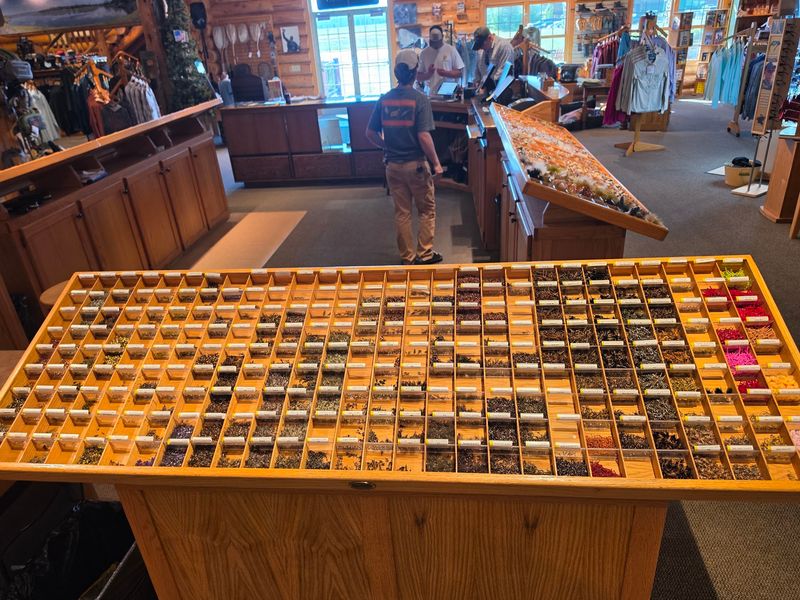
Back in 1976, Mike and Sheralee Lawson started with a fly-tying business, not a storefront. Their flies caught on quickly, and soon they opened a modest log shop right across from the river in Last Chance.
Mike Lawson became a big name in the fly-tying world. He was one of the first signature tiers for Umpqua Feather Merchants, which meant his patterns were produced and sold far beyond Idaho.
His Henry’s Fork Hopper, a grasshopper imitation, became a well-known pattern that anglers still tie on today.
René Harrop, a close associate in those early days, also ran a hugely successful fly-tying business and made flies for major outfitters like Orvis. Together, these tiers helped turn a quiet stretch of eastern Idaho into a place where fly design moved forward.
Family still runs through the story. One longtime customer recalls his father bringing him to Mike Lawson’s place for the first time in the 1970s.
Others have met Mike himself, who has taken time to chat with guests while they get outfitted. Chris Lawson helps set up trips too, so the shop remains a family affair across generations.
Thirty-Three Miles Of Main Street
Island Park claims the longest Main Street in the world, and it is not joking. The town stretches roughly 33 miles along the highway, yet in many spots it is only about 500 feet wide.
Fewer than 200 people officially live in Island Park, making it one of the smallest towns around with one of the biggest reputations. It also sits high up, ranking among the highest cities in Idaho.
Summers feel cool and fresh, and mornings can be surprisingly chilly even in warm months.
Last Chance is one small cluster along that long ribbon of road. You get a handful of lodges, cabins, and shops, with pine forest pressing in on both sides.
It feels less like a town and more like a friendly string of stops between the trees.
One guest described fishing the river right above his great-grandmother’s old house, which says a lot about how deep roots run here. People return to Island Park for decades, and their stories pile up along that endless Main Street.
For many families in eastern Idaho, a drive up Highway 20 is a summer tradition.
Bins Full Of Tiny Bugs
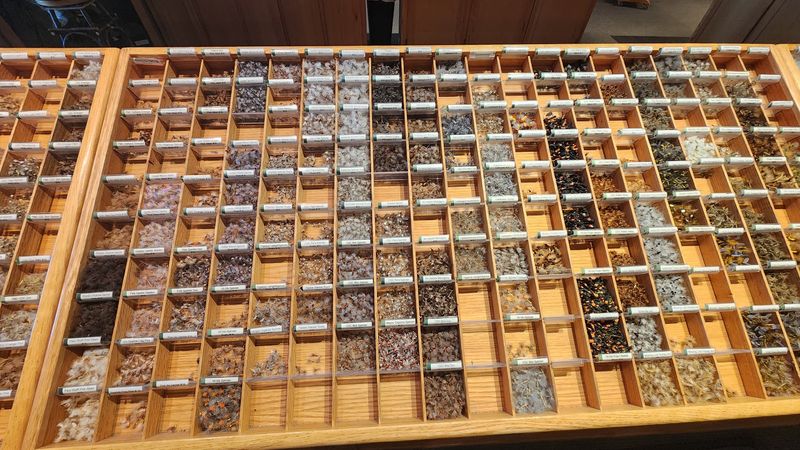
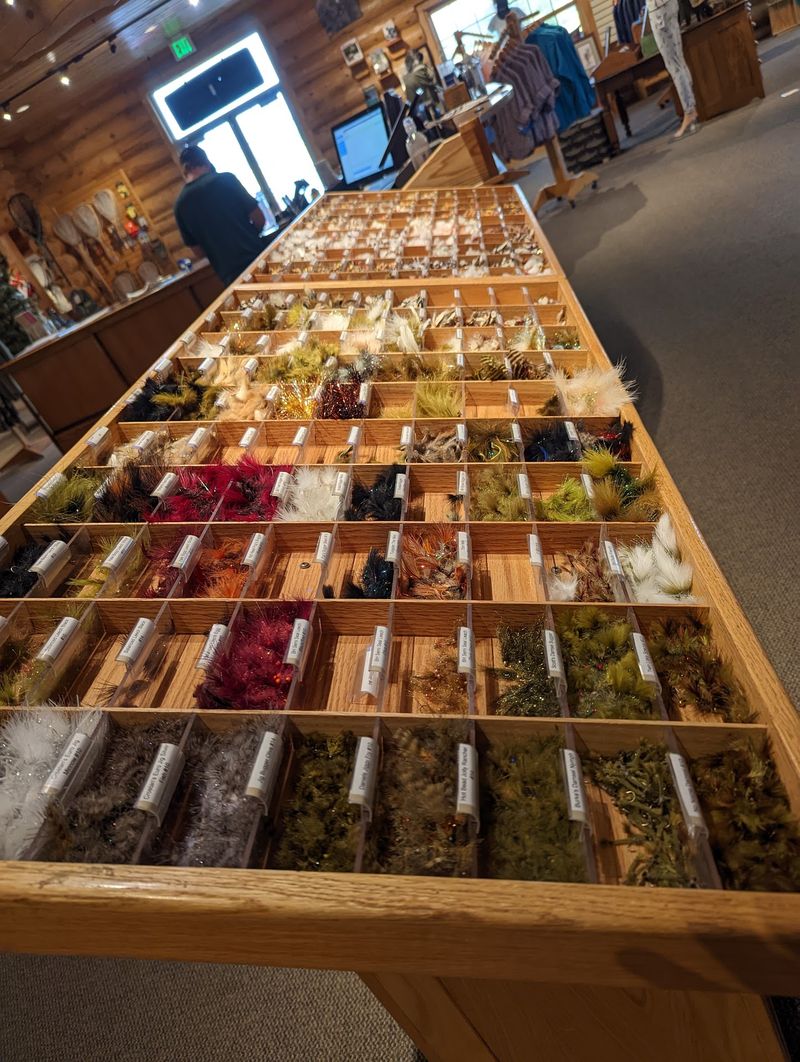
Flies are what people talk about most when they describe this shop. Rows of bins hold patterns in every size, from fat hoppers to mayflies smaller than your pinky nail.
Picking the right fly matters on the Henry’s Fork. The trout here see a lot of anglers, so they get choosy.
Matching the bug that is hatching that week can make the difference between a quiet morning and a great one.
Staff members help with that choice. Travelers who hauled a drift boat all the way from Colorado said the crew told them where fish were biting and exactly which bugs to set up with.
That kind of local advice is hard to find in a big-box store.
Shoppers also mention quality gear beyond flies. You can find rods, reels, clothing, and fishing essentials, and the shop even rents waders and boots.
Some items cost a bit more than you might expect, but visitors say the quality matches the price.
Fishing licenses are sold here too. And yes, there are shop T-shirts, which some regulars pick up every single year as a souvenir from their trip.
Green Drakes And Picky Rainbows
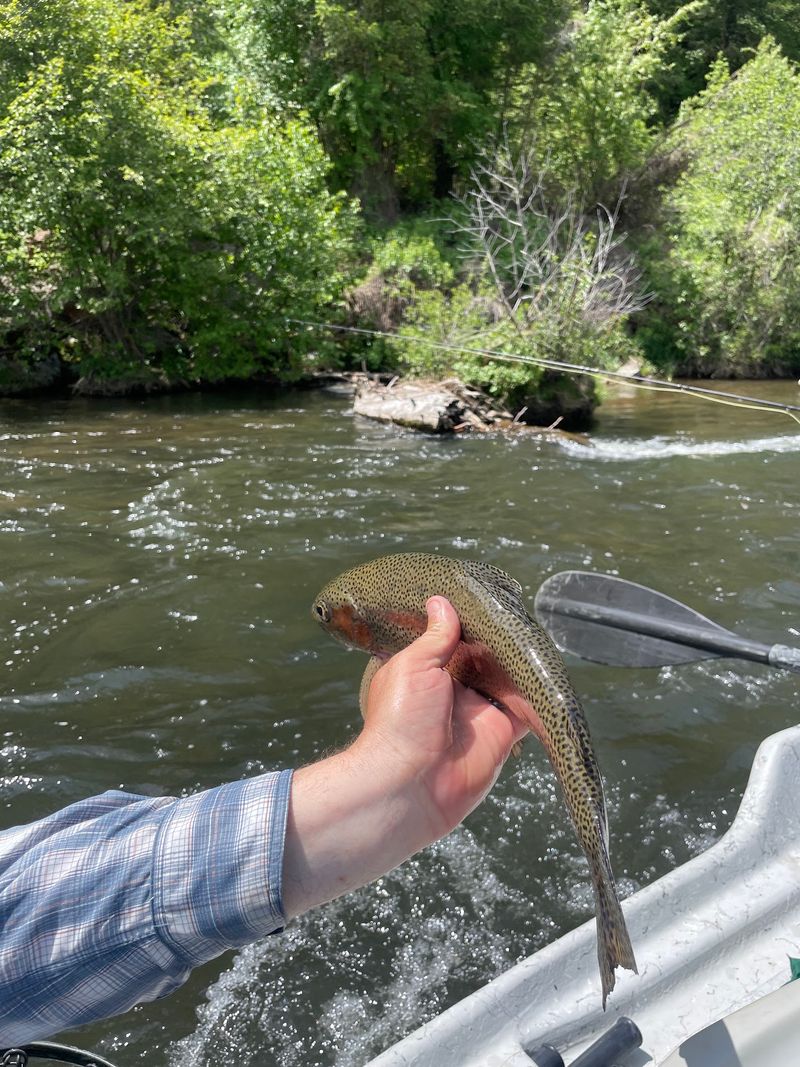
Crystal-clear spring water gives the Henry’s Fork its magic. Because the flow stays steady and cold, insects thrive, and huge hatches of Green Drakes, Salmonflies, caddisflies, and mayflies fill the air in season.
All those bugs grow big rainbow and brown trout. The catch is that these fish are smart.
They sip insects gently and can spot a clumsy fly from far away, so the river is famous for technical dry-fly fishing that tests even skilled anglers.
One well-loved stretch, the Railroad Ranch, is now part of Harriman State Park. Its wide, smooth water looks easy, but many anglers leave humbled and happy at the same time.
Shop guides also head to other waters. Guests report great days on the South Fork, the Teton River, and even the Gallatin over the line.
One group landed seven large cutthroat and released every one carefully.
Wildlife often joins the show. A couple floating with a guide watched a mother moose and her two calves cross the river right in front of their boat, a moment they still talk about.
Guides Who Read The Water
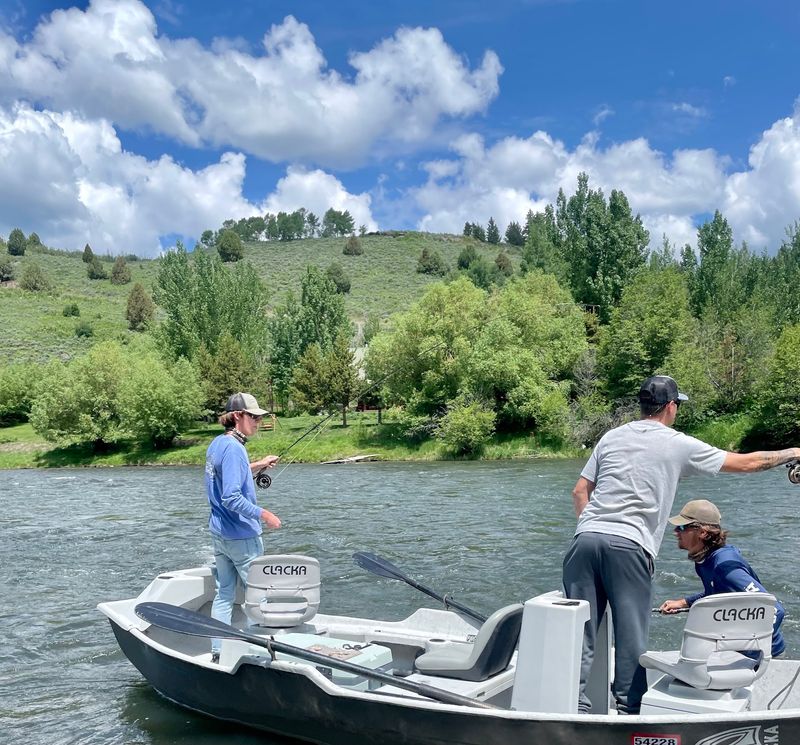
Sam, Pierce, Cassie, Andy, Jesse, Owen. Guest after guest remembers their guide by name, which tells you something about the people working out of this shop.
Guides here do their homework. One pair of brothers noticed their guides scouting the night before, weighing weather, water temperature, and how much pressure each spot had seen.
Another angler spent four days with four guides on two rivers and never fished the same place twice.
Beginners get lots of patience. A group of mostly first-timers said their guides worked hard all eight hours, untangling line again and again without ever getting frustrated.
Everyone in that group caught trout, and they eventually stopped counting.
Trips can include dry flies, nymphs, streamers, and dry-dropper setups, so you learn different ways to fish in one outing. Casting instruction comes built in when you need it.
Some anglers have fished with the same guide for so many seasons that they now call him a friend. That kind of loyalty grows slowly, one good day on the water at a time, and it keeps people booking a year ahead.
Sandwiches, Cookies, And Kind Staff
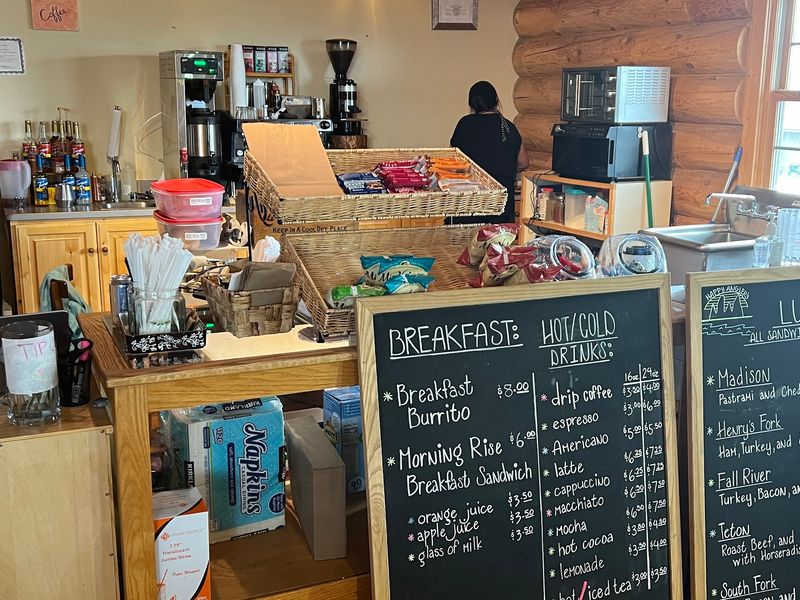
Lunch on a guided trip is a bigger deal than you might think. Folks upstairs in the shop prepare meals for the day, and guests have been pleasantly surprised by what shows up in the boat.
One first-time angler described a packed lunch with a sandwich, greens and condiments, napkins, an apple, and a cookie that clearly made her day. She also caught 13 fish, beating her more experienced dad, and she was not even sure she liked fishing before the trip.
Friendliness comes up constantly when people talk about this shop. From the front desk to the guides, staff answer questions happily and share tips on nearby rivers, including trips into Yellowstone country.
Planning help starts well before you arrive. One couple praised the booking crew for quick communication even in the off season, and their guide reached out the day before to set a meeting time around tricky spring weather.
Families, couples, and total rookies all seem to fit in. Seasoned anglers appreciate the expertise, while newcomers appreciate never feeling silly about asking basic questions.
Protecting The River Out Front
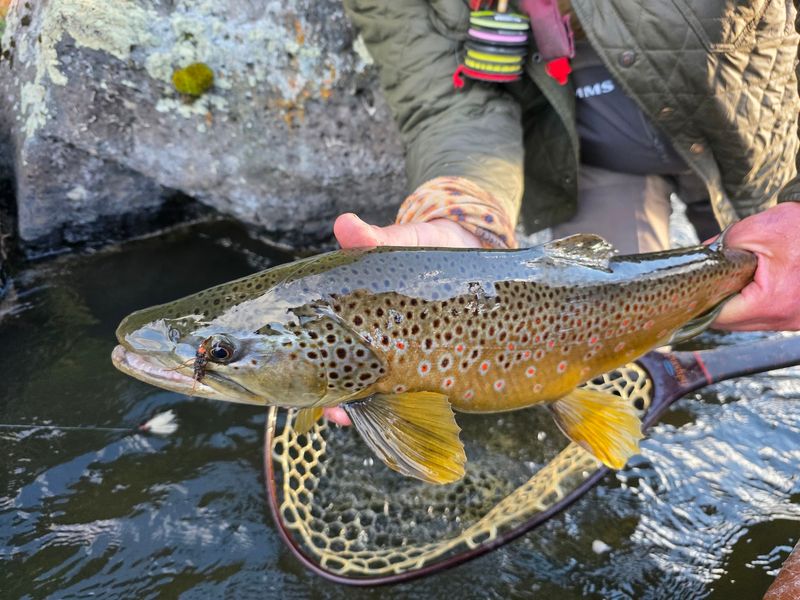
Good fishing does not happen by accident. Mike Lawson knew that, and he became a founding member of the Henry’s Fork Foundation when it formed in 1984.
That foundation has played a major role in keeping the river healthy. Its work on water quality, flows, and habitat helps the insects and trout that make the Henry’s Fork special.
The shop itself supports stewardship too. Guides handle fish carefully and release them, and several guests noticed how much care went into every catch.
One group said all seven of their big cutthroat went back into the water gently.
Guides also love teaching about the natural world, not just fishing. Visitors describe learning about hatches, fish behavior, and the whole river system while floating along.
For locals across eastern Idaho, the Henry’s Fork is more than a fishing spot. It is part of family history and regional pride.
Keeping it healthy means the next generation can wade the same riffles, watch the same hatches, and come home with their own story about the one that got away.
Before You Head Up Highway 20
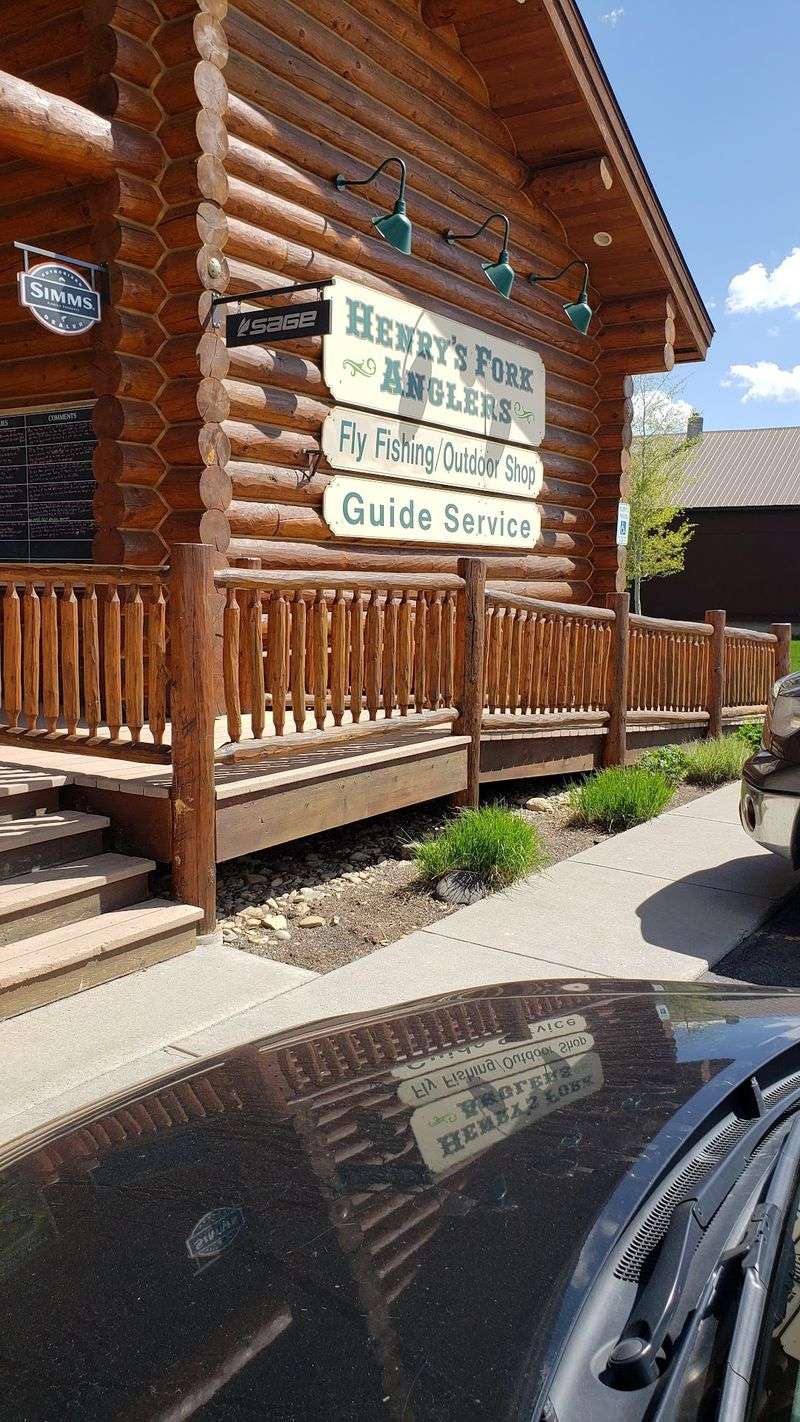
Early birds will feel right at home here. The shop opens early in the morning during its regular season and stays open into the evening, though schedules shift, so check before you drive up.
Getting there is simple. Follow US Highway 20 north through Fremont County toward Island Park and watch for the log shop in Last Chance, right across from the river.
It makes an easy stop on the way to or from Yellowstone.
Guided trips book up, so plan ahead. Some couples reserve their float trips a full year in advance, and they are glad they did.
Pack layers even in summer. High elevation means cold mornings, and one full-day guest remembered the trip as amazing but very chilly.
Is it worth the drive? For anyone who loves trout, it is hard to beat a place where hand-tied flies, patient guides, and a legendary river all meet on one stretch of Idaho highway.
Even non-anglers may leave with a shirt, a story, and maybe a new hobby waiting for next summer.