7 Idaho Hiking Trails Locals Avoid In October Because Hunting Season Is In Full Swing
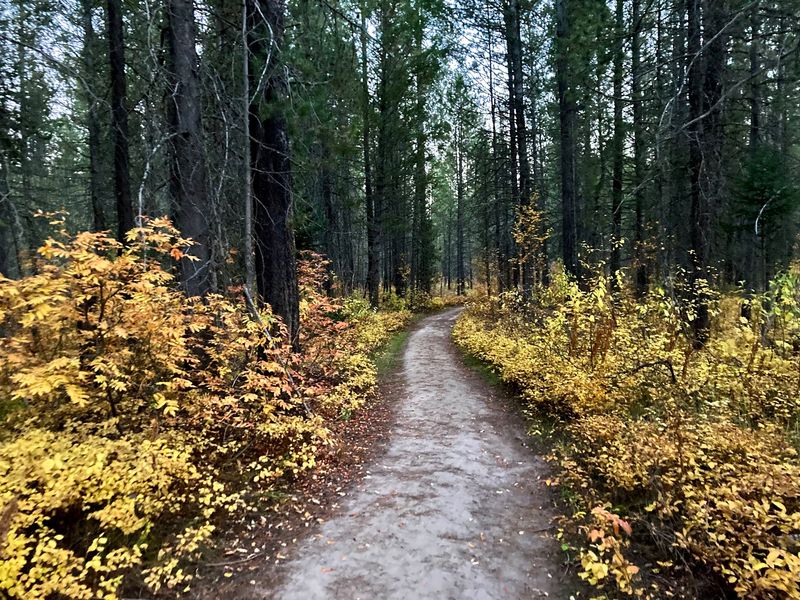
Blaze orange starts showing up at Idaho gas stations right around the time the aspens turn gold. October is when deer season opens across much of the state, elk season follows in places like the Sawtooths, and upland bird hunters fan out across public ground.
Plenty of favorite trails sit right next to that action, so many locals quietly shift their plans for a few weeks. Here are seven well-loved Idaho trails worth rethinking, or at least dressing brightly for, until the season winds down.
1. Freddy’s Stack Rock Trailhead In Horseshoe Bend
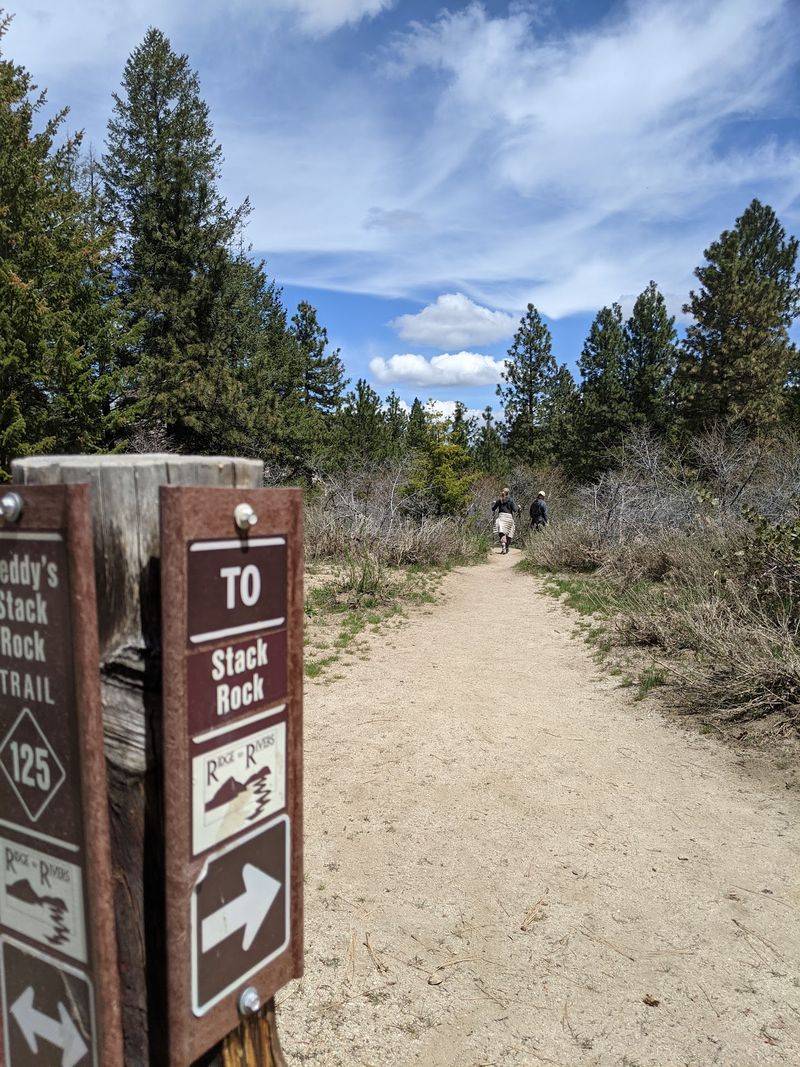
Views of Boise and the whole Treasure Valley spread out below this trailhead, which sits off North Bogus Basin Road near Horseshoe Bend. The dirt paths are well kept, the parking lot is free, and a bathroom waits at the start, so summer weekends fill up fast.
October changes the mood up here. The foothills above Boise hold mule deer, and general deer season opens around the tenth of the month on surrounding public ground, so hunters head into the same folds of hillside that hikers love.
The trail itself offers routes of varying difficulty, mostly out-and-back walking with a moderate grade. Footing gets rocky in spots, so watch each step, especially on the way down when your eyes drift toward the valley.
Dogs are welcome outside, which is one more reason to think carefully this month. A pup ranging off into the brush is exactly what you do not want during deer season.
Plenty of Boise regulars simply hike here earlier in September and save October for town trails. If you still go, pack extra water, wear bright orange on both you and your dog, and stay on the marked path the whole way.
Midday tends to be quieter than dawn and dusk, when hunters are most active.
2. Mesa Falls Nature Trail In Ashton
Few Idaho waterfall walks feel as easy as this loop through the Caribou-Targhee National Forest off Upper Mesa Falls Road near Ashton. The path stays gentle and well maintained until the end, where a short climb down leads to the overlook for Lower Mesa Falls.
Trouble is, that same national forest is prime elk and deer country. Eastern Idaho hunters spend October working the timber around the Henrys Fork, and the woods between the upper and lower falls are not off anyone’s map.
The trail finishes at the lower falls lookout, and from there you head back to the main Upper Mesa Falls parking lot. Parking includes both free and paid options, so bring a few dollars just in case and check conditions before driving.
Honestly, the waterfall does not stop being worth it in autumn. The river roars, the air turns crisp, and the crowds thin out.
Families who still want the view often stick to the busiest daytime hours and stay within sight of the boardwalk areas near the parking lot. Bright clothing helps, and so does keeping kids close on the forested stretch.
Save the longer wandering for late spring, when the canyon belongs mostly to hikers again.
3. Myrtle Falls Trail In Bonners Ferry
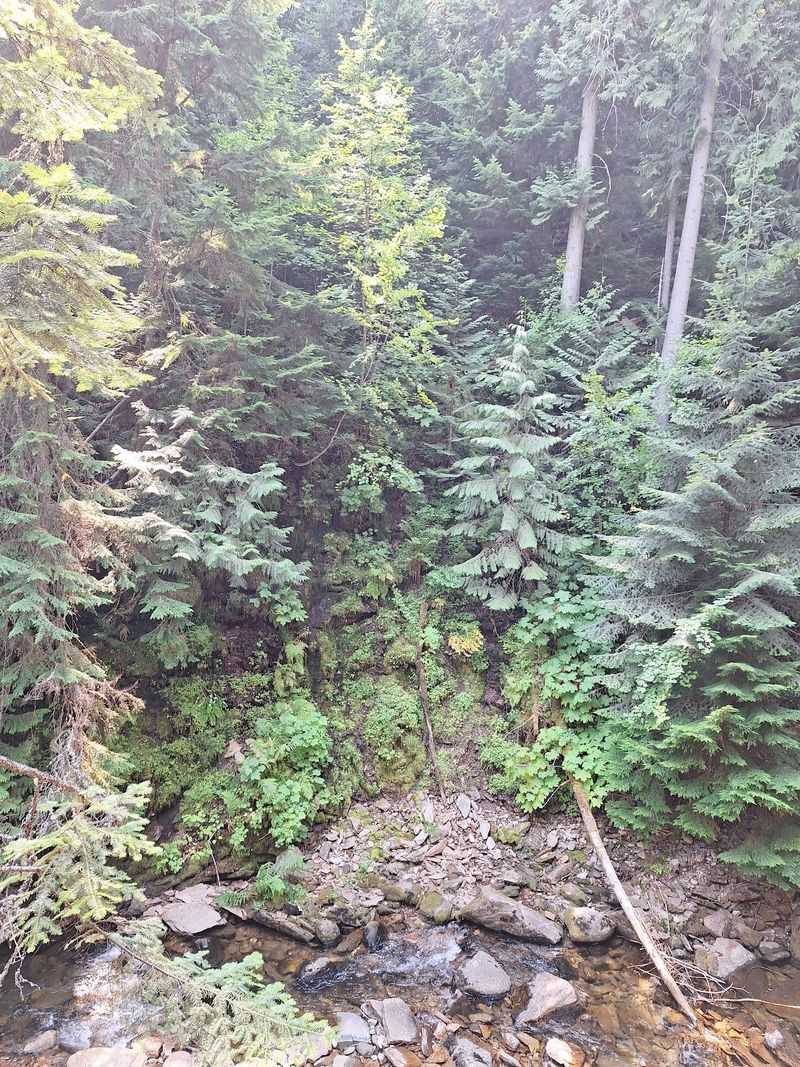
Less than half a mile is all it takes to reach the stone bench overlooking Myrtle Falls, making this one of the easiest waterfall payoffs in the Idaho Panhandle. Informational signs line the path off West Side Road outside Bonners Ferry.
Its location is exactly what makes October tricky. The trail sits right beside the Kootenai National Wildlife Refuge, and the surrounding valley draws waterfowl hunters in fall, along with deer hunters in the nearby timber.
Wildlife sightings are common along the creek, which is lovely in spring and a bit more complicated when hunters are tracking the same animals a short walk away. Early morning shots across the valley can echo off the hillsides and startle first-time visitors.
Spring remains the best time to visit anyway. Snowmelt pushes the falls to full volume, and the creek runs sparkling clear.
Some sections get steep, and fallen trees have unearthed parts of the trail, so sturdy shoes matter any time of year. The trail stays open around the clock, but daylight hours are the sensible window.
Anyone making the trip in October should keep it short, wear orange, and treat the bench at the overlook as the turnaround point rather than exploring the surrounding woods.
4. Tubbs Hill In Coeur d’Alene
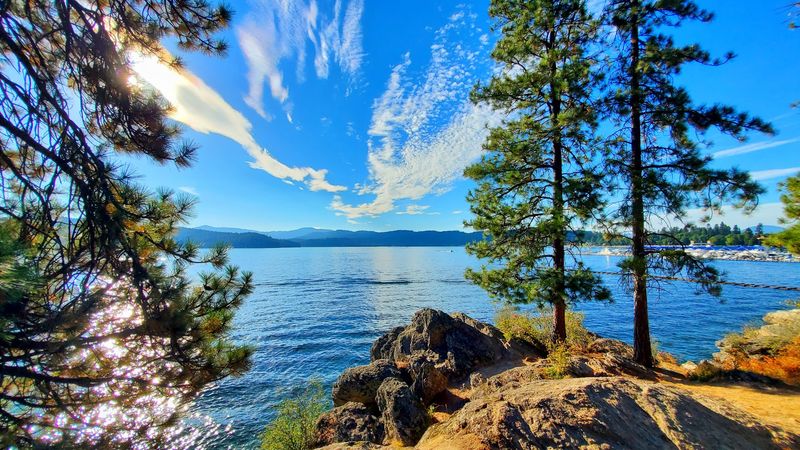
Anyone who grew up around Coeur d’Alene has walked the 120 acres of Tubbs Hill at least once, usually starting from the southwest corner of McEuen Park downtown. A roughly two-mile loop hugs the lakeshore, with rocky stretches and a steeper cut through the middle for those wanting a workout.
Hunting is not allowed on a city park, so why is it here? Because October is when Panhandle locals who normally head into the national forest for long hikes crowd onto Tubbs instead, and the hill gets busier than you might expect.
That shift tells you something useful. The bigger trail systems ringing the lake see hunters this month, and Tubbs becomes the safe fallback.
The park is open from early morning into the evening, with a public restroom, picnic spots, and dogs welcome. Parking comes in free lots, paid lots, and paid street spaces.
Paths turn muddy after rain, and fall rain is common, so good tread helps. Sunday afternoons pack the loop, while weeknights are much calmer.
Go on a Tuesday evening, watch the light drop over the water, and you will understand why so many people trade the backcountry for this little hill every autumn.
5. Stanley Lake Trailhead In Stanley
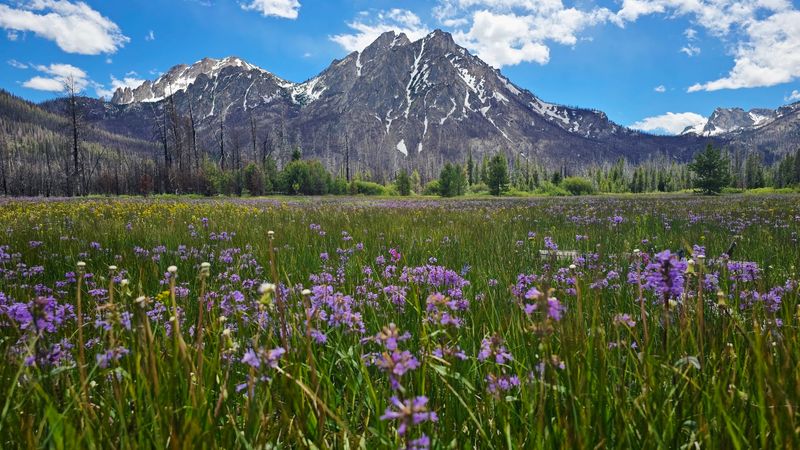
Sunrise over Stanley Lake, with the Sawtooths glowing across the water, is a scene that sells itself. From the trailhead off Stanley Lake Road, a path climbs and then descends toward Lady Face Falls and Bridal Veil Falls.
Here is the catch. General elk season typically opens around mid-October in the Sawtooths, and the country around the lake is classic elk ground, so the quiet trails suddenly share space with hunters from across Idaho.
The route itself is mostly easy, with one moderate section. Trails are carefully maintained, though high water and a damaged bridge have blocked access in some seasons, so checking with the Sawtooth National Forest before driving is smart.
Cold arrives early in this basin. October mornings can drop well below freezing, and snow is always possible.
Many people who love Stanley shift their visits to August or September, when the trail stays uncrowded and hunters have not yet arrived. If an October trip is already planned, stick close to the lakeshore, dress in bright orange from head to torso, and skip dawn and dusk hikes deep in the timber.
The lake views are just as memorable from the water’s edge, and far less complicated.
6. Adams Gulch Trailhead In Ketchum
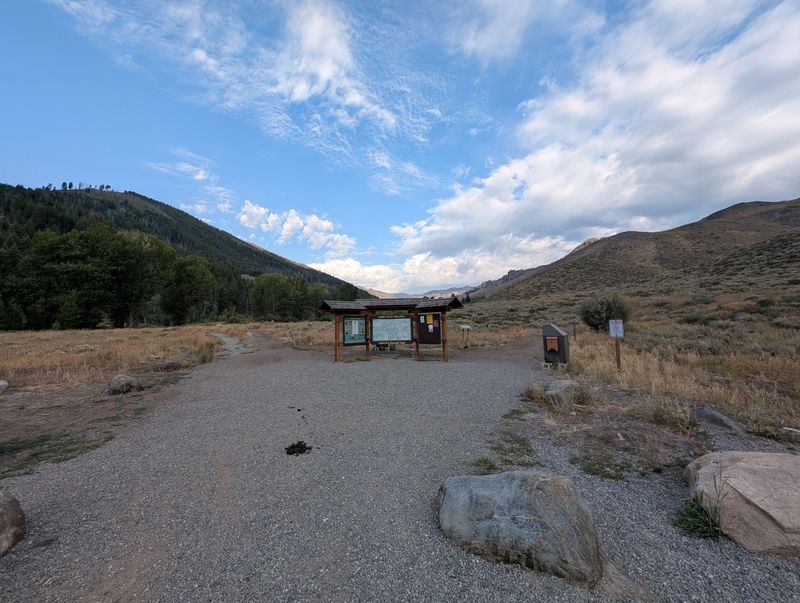
Runners, mountain bikers, dog walkers, and adaptive riders all share this trail network just north of Ketchum along Forest Road 141. Loops of different lengths branch out from the trailhead, with picnic tables waiting when you return.
So what changes in fall? Adams Gulch reaches into national forest land in the Wood River Valley, and deer and elk move through these draws as the weather cools, putting the outer loops within reach of hunters.
Most of the network rolls along flat ground with mild to medium climbs, and the trails are clearly marked. Being so close to town keeps traffic steady, which many solo hikers find reassuring.
Dogs are allowed outside, and they are everywhere here. During October, a bright orange vest on your dog is just as important as one on you.
Aspens turn gold along the gulch in early fall, which makes it tempting to push farther up the drainage. Locals tend to stay on the shorter loops closer to the trailhead this time of year, where foot and bike traffic is heavy.
The trailhead is open around the clock, but midday hours bring more people and fewer surprises. Save the long ridge loops for late spring and summer.
7. Pillar Falls Trailhead In Twin Falls
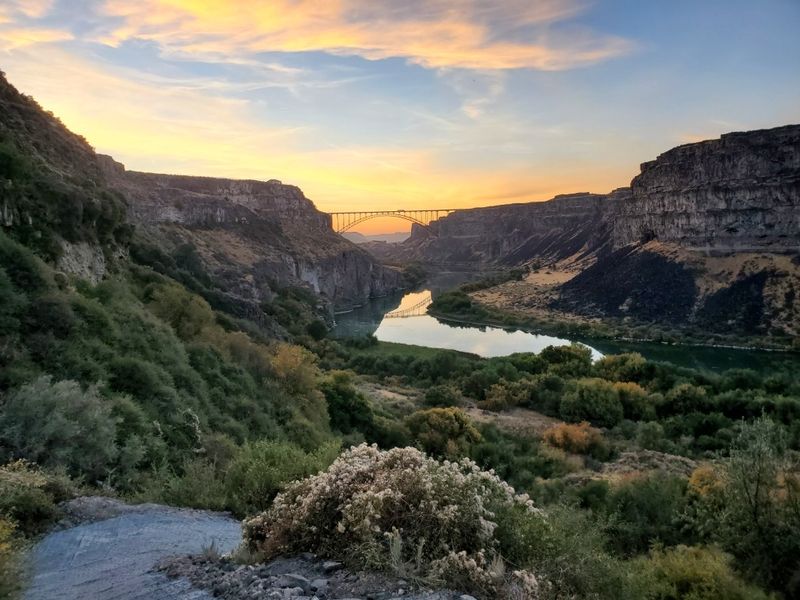
Six hundred thirty-four feet. That is the drop into the Snake River Canyon on this 2.64-mile round trip near Twin Falls, where rock pillars split the river into a string of small falls.
Pillar Falls lands on this list for a different reason than the forest trails. The Magic Valley opens pheasant season on October 1, and upland bird and waterfowl hunters work the canyon rim and river corridor across the region, so autumn visits call for a little extra awareness.
The trail is foot traffic only, with a newly paved upper section that turns dusty where the pavement ends. Loose gravel and sand make parts slippery, and the path forks halfway down, giving you two routes to try.
Getting there takes some care. The trailhead sits in a neighborhood with private roads, and parking is in a paid lot, so bring a few dollars.
Updrafts cool the canyon, and birds glide overhead most afternoons. Hours are limited to daytime and evening, which already keeps visits within daylight.
October hikers here can wear orange, stay on the trail, and enjoy one of the quieter canyon walks in southern Idaho while the leaves along the river turn.