This Michigan Gallery Blends Museum-Quality Art With Bold Street Murals
Why should the art stop at the gallery door? In Michigan, it does not!
Contemporary works fill the indoor space, then bold murals outside pull the experience straight into the street. That contrast makes the visit feel much looser than a traditional gallery trip.
Inside, the mood invites closer looking. Outside, color and scale hit you all at once. The best part is how naturally the two sides connect.
One does not feel like an afterthought to the other. You start inside thinking about individual pieces and leave scanning every nearby wall.
Apparently, once art gets your attention here, it refuses to give it back.
An Alley Leads To Art
The art experience can begin before reaching the gallery door.
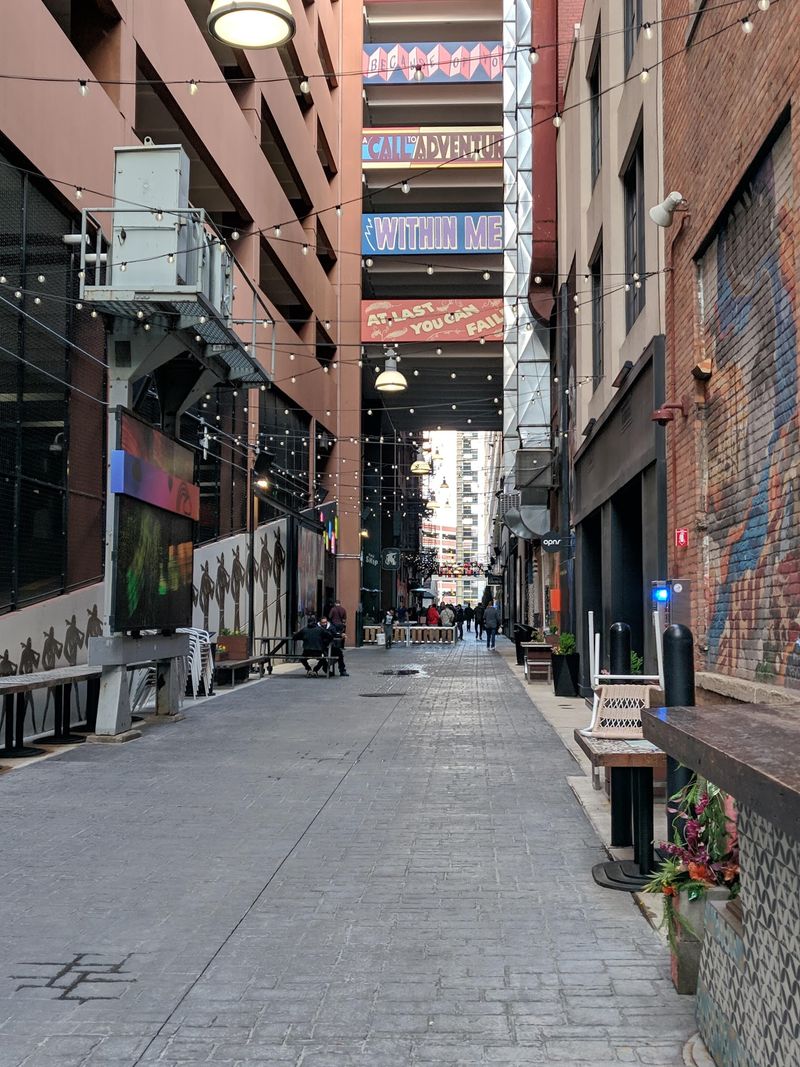
Library Street Collective sits beside The Belt, a downtown alley transformed into a public art space. Murals, installations, and large-scale paintings turn the passage itself into part of the visit.
The Belt runs between Broadway and Library Street and connects Gratiot Avenue with Grand River Avenue. Its location within Detroit’s former garment district also explains the name. LSC
A quick walk through the alley reveals how differently each work responds to its surroundings. Some pieces fill entire walls, while others use architectural details already built into the passage.
Viewing them from several distances helps with scale. Stepping farther back reveals how a piece fits the wall, while moving closer brings smaller marks and surface details into view.
Starting outdoors can also change how the indoor exhibition feels afterward. Strong colors and large compositions along The Belt create a different visual rhythm from the quieter gallery space.
Daylight gives the outdoor work the clearest visibility, although changing weather and shadows can alter the appearance throughout the day.
The official visitor address is Library Street Collective, 1274 Library Street (Alley), Detroit.
The Belt Changes The View
An alley can hold more than a route between streets.
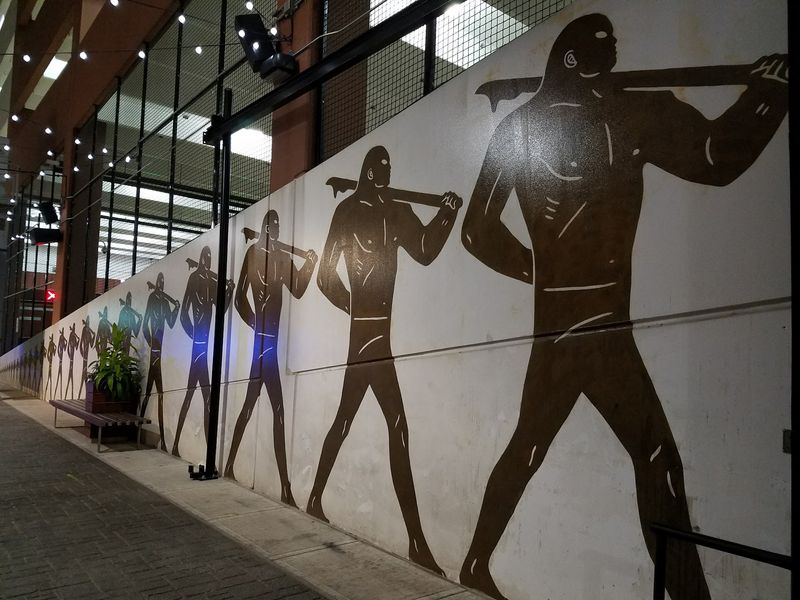
Library Street Collective conceptualized and curated The Belt as part of a broader effort to bring contemporary art into public spaces.
What had been an underused downtown passage became a pedestrian-oriented setting for murals and installations.
Public art remains the driving idea behind the project. Works by artists from Detroit and elsewhere appear throughout the corridor, giving the alley a changing visual identity.
The Belt also contains Public Matter, an accessible outdoor exhibition platform managed by the gallery. Instead of functioning as a permanent mural collection, Public Matter presents rotating displays of large-scale paintings.
That distinction matters when planning a visit. An image seen online several years ago may no longer represent what is currently installed.
Some works make their strongest impression from across the passage. Others reward closer attention to layers, texture, lettering, or smaller painted details.
The variety makes the outdoor setting approachable even without extensive knowledge of contemporary art. Michigan visitors can begin with color, composition, scale, or whatever catches the eye first.
Inside The Exhibition Space
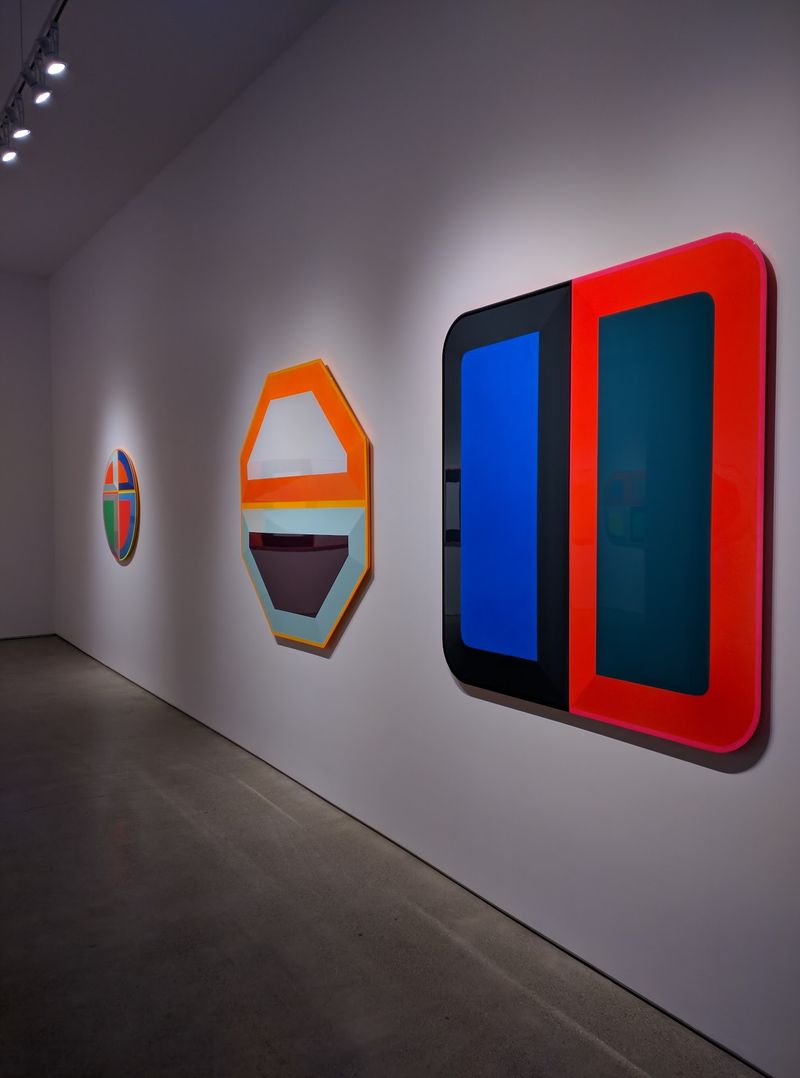
After the visual intensity of The Belt, the indoor gallery offers a different pace.
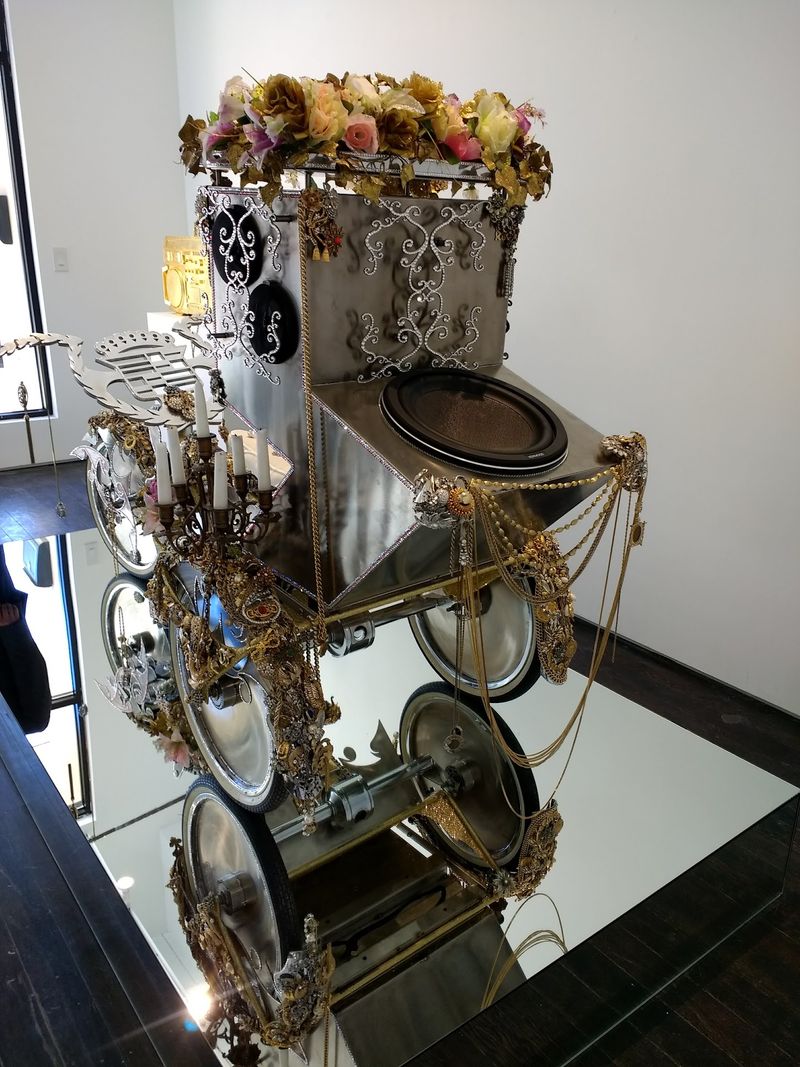
Library Street Collective presents contemporary exhibitions involving both emerging and established artists.
Shows change throughout the year, so the experience depends heavily on when a visit takes place.
The current flagship gallery occupies the ground floor of the historic L.B. King and Company building. Its newer interior was completed in 2021 with a flexible exhibition layout designed to accommodate changing presentations.
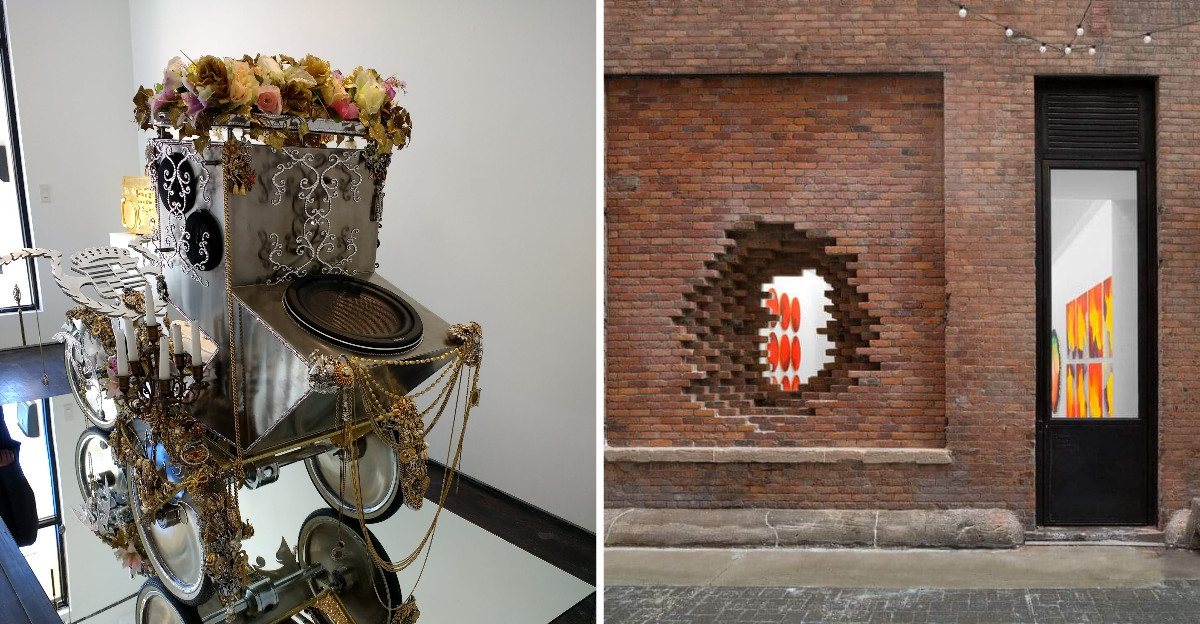
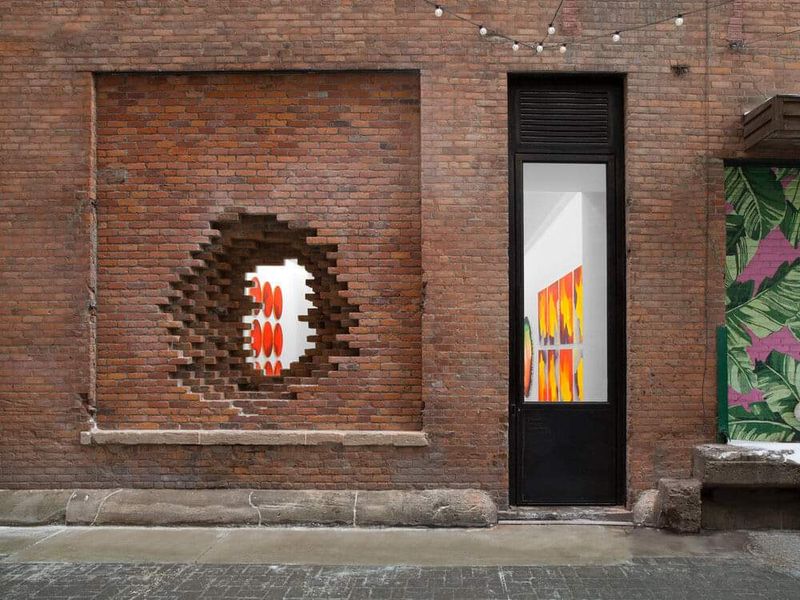
Original brick remains part of the exterior, while a sculpted opening in the façade connects the architecture with The Belt.
Inside, the display walls can adapt to different exhibitions. That flexibility matters because the gallery presents painting, sculpture, textile work, mixed media, and other contemporary forms rather than maintaining one permanent installation.
A first pass through the room provides a sense of the exhibition as a whole. A second look often makes relationships between neighboring pieces easier to notice.
Available labels and exhibition text can add useful context without replacing direct observation.
The quieter indoor setting also makes comparison easier. Materials, repeated forms, and shifts in scale become more noticeable when several works can be viewed together.
Why The Gallery Began
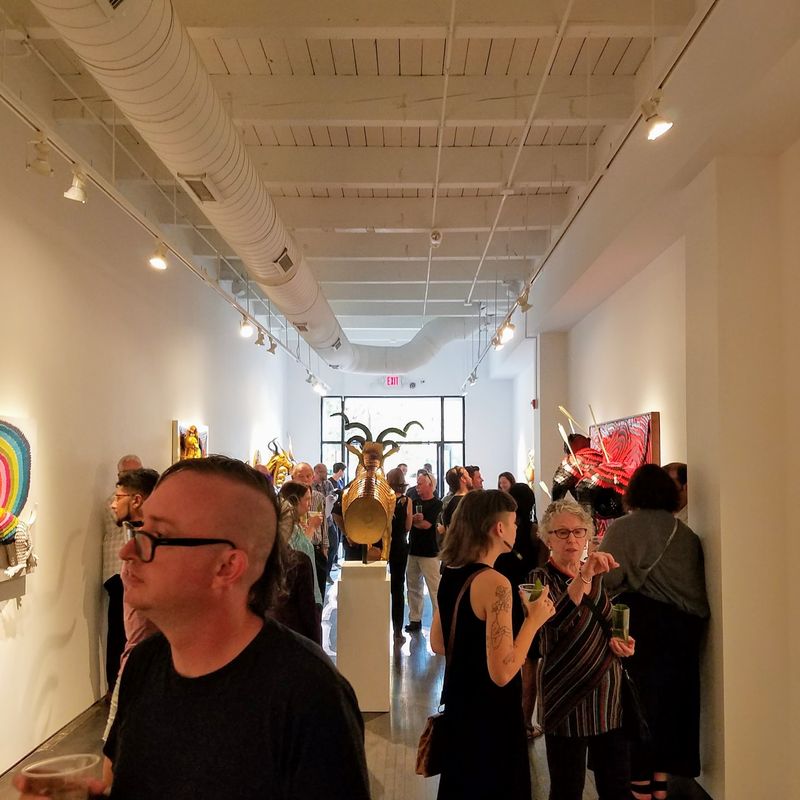
A little backstory makes the downtown location more interesting.
Library Street Collective began in 2012 after a planned restaurant tenant dropped out of a downtown redevelopment project.
The unfinished opportunity became the starting point for a Michigan contemporary art gallery instead.
Public art was part of the concept from the beginning rather than something added years later.
Early projects extended beyond conventional gallery walls and brought large-scale work into downtown spaces. That approach eventually helped shape projects such as The Belt.
The timing also placed the gallery within a period of major change across downtown Detroit. Its model combined commercial exhibitions with projects intended to reach people who might never deliberately enter an art gallery.
That history helps explain why the indoor and outdoor portions still feel connected today.
The collective has continued presenting contemporary exhibitions while working with museums, public spaces, nonprofit organizations, and other cultural partners.
Its official mission still emphasizes connecting Michigan’s and Detroit’s creative community with the international art world while supporting projects within the city.
Two Ways To Look
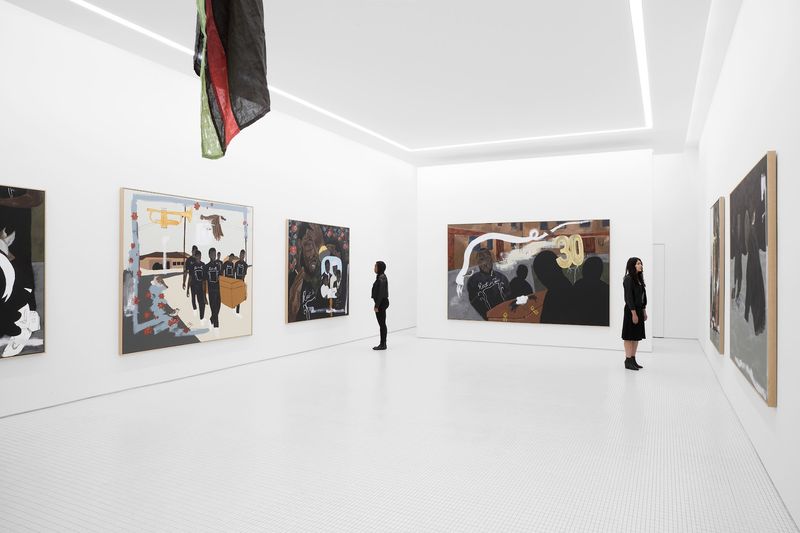
Moving between quiet gallery rooms and large painted walls creates two very different ways to experience contemporary art.
Inside, attention can stay on composition, materials, and how individual works relate to one another. Outside, the size of a piece and its relationship to nearby buildings become much harder to ignore.
Neither setting needs to determine which work matters more.
A strong outdoor use of color can sharpen attention to similar choices inside. Small details discovered in the gallery can have the opposite effect, encouraging a closer look at the murals afterward.
That back-and-forth can be helpful when contemporary art initially feels unfamiliar.
Starting with visible details keeps the experience straightforward. Color, shape, texture, scale, and repetition provide useful entry points before any deeper interpretation.
The collective regularly works with artists whose practices extend into public settings, which strengthens the connection between the indoor exhibitions and surrounding projects.
Leaving enough time for both settings makes more sense than treating The Belt as decoration around the gallery.
A Wider Creative Mission
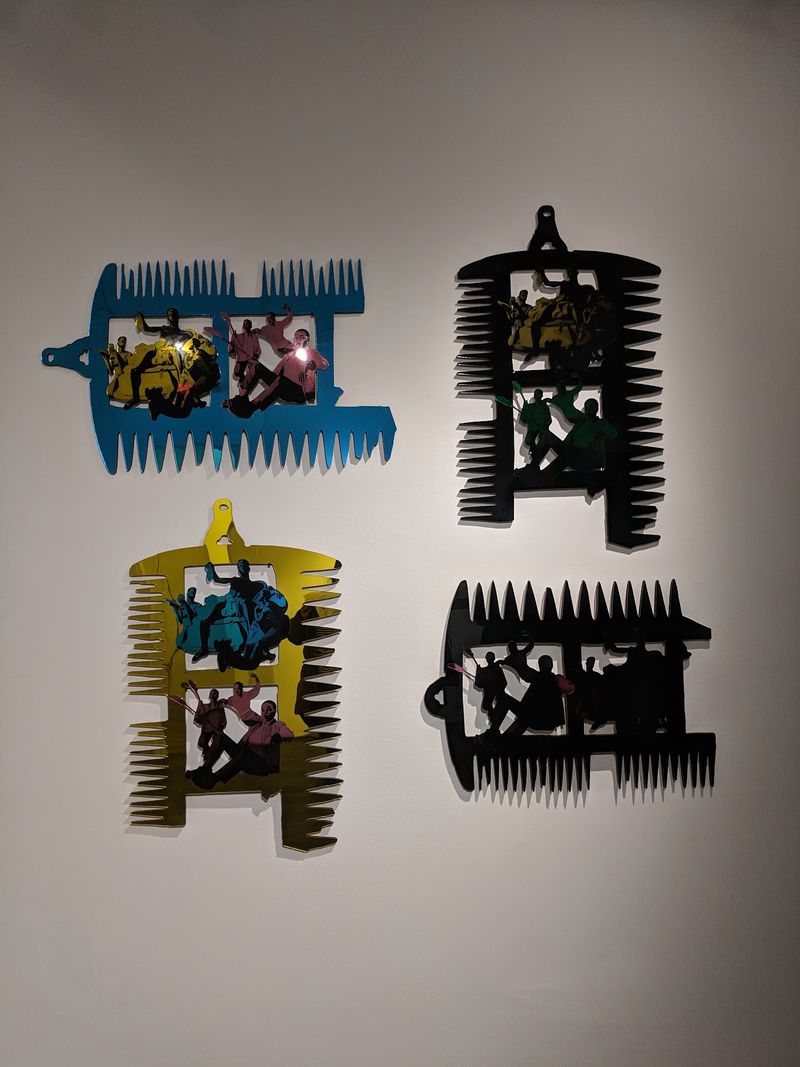
The work extends beyond one exhibition room.
Since opening in 2012, Library Street Collective has developed exhibitions, public installations, museum collaborations, fundraising initiatives, and other Detroit-based cultural projects.
The Belt remains one of the clearest examples because anyone passing through can encounter the art without planning a formal gallery visit.
The indoor gallery provides a different kind of access. Visitors can spend more time with individual works and explore the context supplied by an organized exhibition.
The collective now operates another major Detroit arts space called The Shepherd. A historic church on the city’s East Side has been transformed into a cultural arts center with galleries and broader programming.
That space is separate from the downtown gallery and should be treated as its own destination rather than an extension of the same visit.
Other projects around Detroit similarly show that the organization works beyond a single address.
For anyone visiting downtown, however, Library Street Collective and The Belt already provide the clearest introduction to that larger approach.
One offers focused exhibitions indoors. The other demonstrates what can happen when contemporary art moves directly into a shared city space.
A Comfortable Visiting Pace
Good art rarely benefits from being rushed.
A slower first pass through the indoor exhibition can establish its overall range before individual pieces begin drawing more attention.
Written information is useful after that initial look. A title, material, or short explanation may reveal something that was easy to miss at first.
The amount of time needed changes with each exhibition. A physically smaller show can still reward a long visit when the works contain dense details or unfamiliar materials.
The adjacent outdoor art deserves separate time rather than being treated as a shortcut to the door.
Weather and daylight naturally affect The Belt more than the interior gallery. Bright midday conditions reveal one set of details, while shadows can change how large paintings appear later in the day.
Visitors taking photographs should follow any posted gallery guidance and avoid blocking the alley.
Anyone unsure where to begin can simply choose one artwork and describe what is visible before searching for a larger meaning. That simple approach works equally well indoors and outside.
Plan Around The Current Show
A little planning keeps the visit straightforward.
Library Street Collective changes exhibitions regularly, so checking the official calendar before leaving is worthwhile. The gallery currently operates Thursday through Saturday from noon to 6 p.m.
The outdoor art deserves daylight if seeing details clearly matters. Arriving with enough time before closing makes it easier to explore The Belt before or after going inside.
Specific murals should never be treated as permanent. Public Matter is intentionally built around rotating outdoor exhibitions, and the wider alley has also changed through new installations over time.
The same principle applies indoors. A previous exhibition may look completely different from the show currently occupying the gallery. That constant change is part of the appeal.
One visit can begin with large public works in a former downtown alley, move into a carefully arranged contemporary exhibition, then return outside with a different eye for the surrounding walls.
For a compact Michigan art stop, the transition between those two settings is what makes Library Street Collective stand apart.