The Eerie 19th-Century Castle In Vermont That Could Be The Setting Of A Chilling Novel
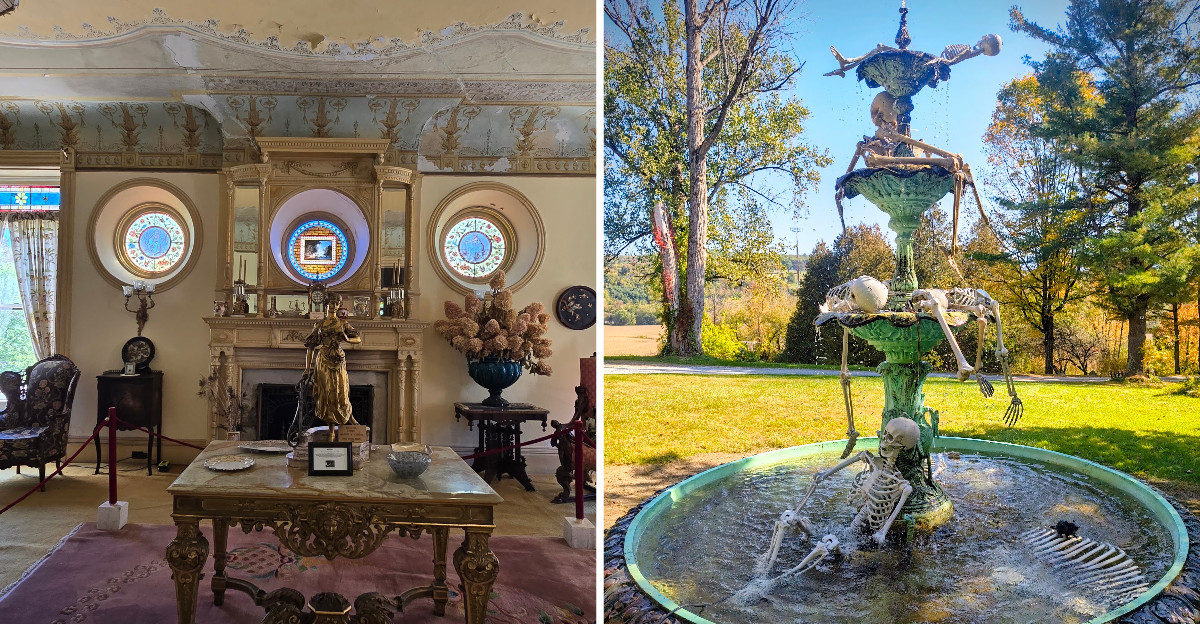
If this castle had a secret passage, would anyone really be surprised?
Vermont hides a 19th-century mansion with stained glass, a tall turret, shadowy rooms, and enough Gothic personality to make every creaky corner feel important.
The peaceful countryside around it only makes the contrast more dramatic.
Inside, old furnishings and family history keep the place grounded in something real, but imagination still runs wild.
You start wondering who stood at that window or what stories belong to the darker rooms.
It feels like somebody built the perfect setting for a mystery novel and then forgot to add the detective!
A Castle With Big Ambitions
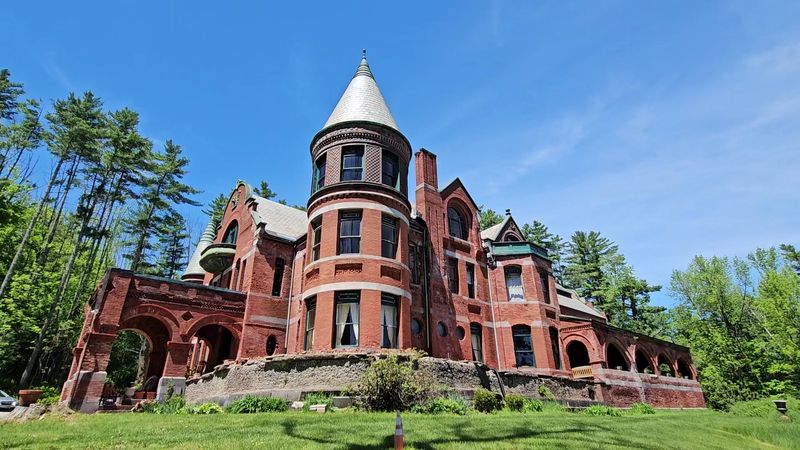
I first noticed how much space the castle claims on its hillside. Even before entering, I could tell someone planned a home meant to impress.
Wilson Castle claims plenty of visual space on its hillside. Even outside, the scale reveals an ambitious country estate.
Construction began in 1885 and continued for several years. The project drew on European revival styles rather than copying one single type of castle.
That mix explains why the building feels so unexpected in rural Vermont. Its grand rooms and elaborate exterior were part of that plan.
The castle later changed ownership, adding new chapters to its story. The property passed through several hands before finally finding long-term stability.
In 1939, the family whose name it bears acquired the property. Public tours followed in 1962.
That timeline is more interesting than any made-up mystery. A bold private estate survived decades of ownership changes and became a multigenerational preservation project.
The house also stands out for the variety of its late-19th-century design. Towers, arches, balconies, and steep rooflines keep the eye moving. Wilson Castle stands at 2970 W Proctor Rd in Proctor.
Styles Around Every Corner
The roofline pulls attention in several directions at once. Turrets, arches, parapets, balconies, and decorative gables all compete for attention.
Wilson Castle does not follow just one architectural style. Architectural historians identify Queen Anne, Richardsonian Romanesque, Renaissance Revival, and Palladian elements.
The exterior changes constantly as you move around it. Rounded arches give way to projecting bays, balconies, and Flemish-inspired gables.
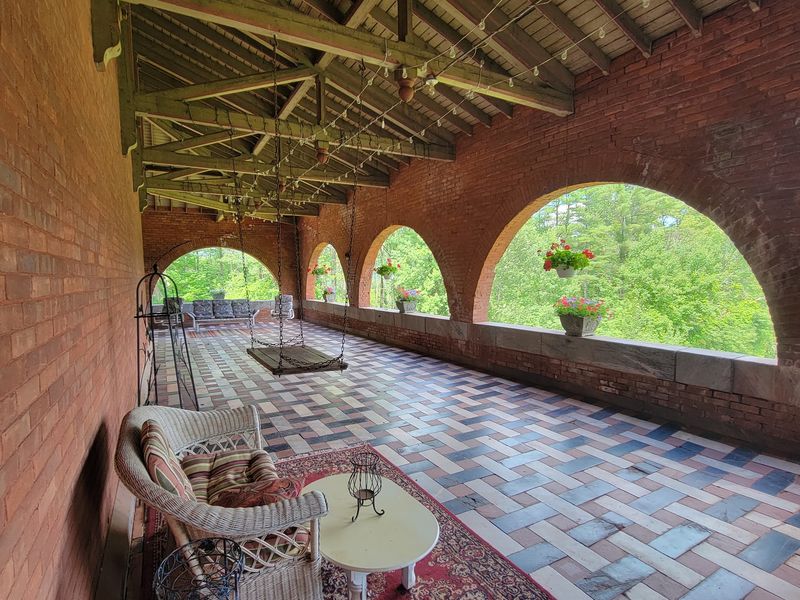
The nineteen open arches create a repeating pattern across parts of the building. They are among the most recognizable features of the facade.
Brick contributes much of the exterior’s warm color. Marble and terra-cotta details add contrasting texture.
The building is easier to understand from more than one angle. Broad views reveal the asymmetrical massing, while closer views show materials and details.
Different light changes how strongly those textures read. Brick, stone, slate, and stained glass respond differently to sun and cloud.
Upper walls deserve as much attention as the entrance level. Balconies, towers, and shaped gables carry much of the building’s visual character.
Rooms Full Of Character
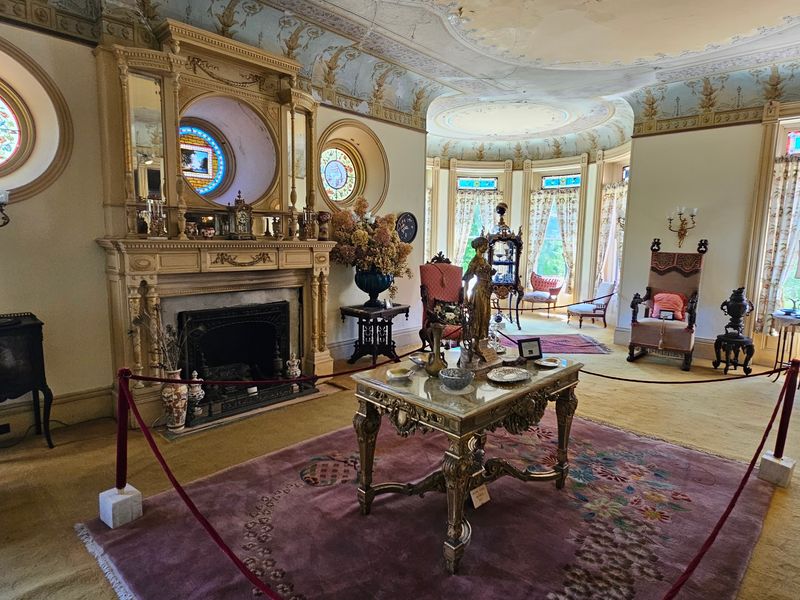
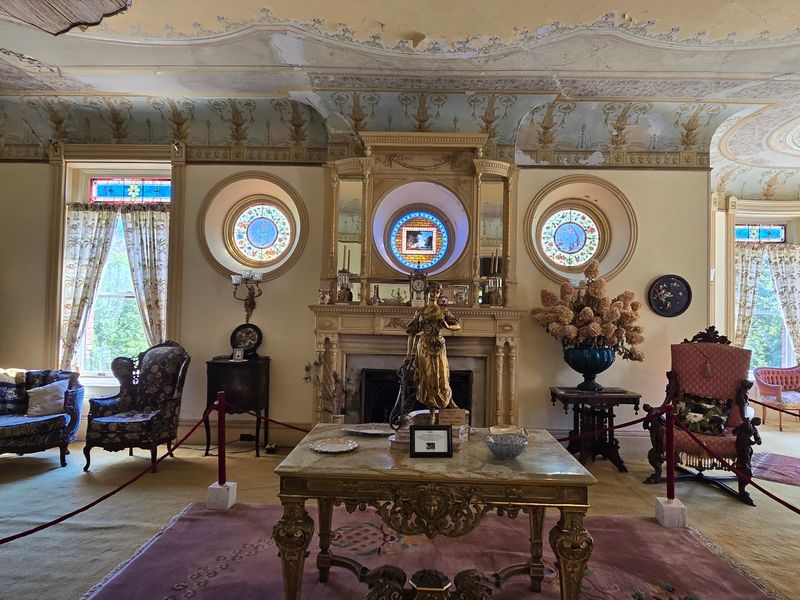
Inside, the emphasis shifts from the silhouette to the workmanship. The castle has 32 rooms across three floors, each offering something different.
Fine woodwork gives many spaces their own character. Carved paneling, ceilings, and furnishings compete with the scale of the rooms.
Thirteen fireplaces add another set of details to examine. Decorative tiles and bronze finishes show how much attention went into ordinary comforts.
Antiques bring a wider world into the house. Pieces associated with Europe and East Asia share space with rugs, statuary, and scrolls.
The contrasts reward a slower look. A quick pass can miss carved edges, painted ceilings, unusual tile, or decorative panels.
Some areas show the effects of age and ongoing preservation. Those signs of wear belong to a historic house still in use.
Access to particular rooms may change during preservation work. Visitors should follow current staff directions and posted limits.
Restoration remains an active part of the property today. Tour and event revenue helps support continuing work on the building.
Color Behind The Windows
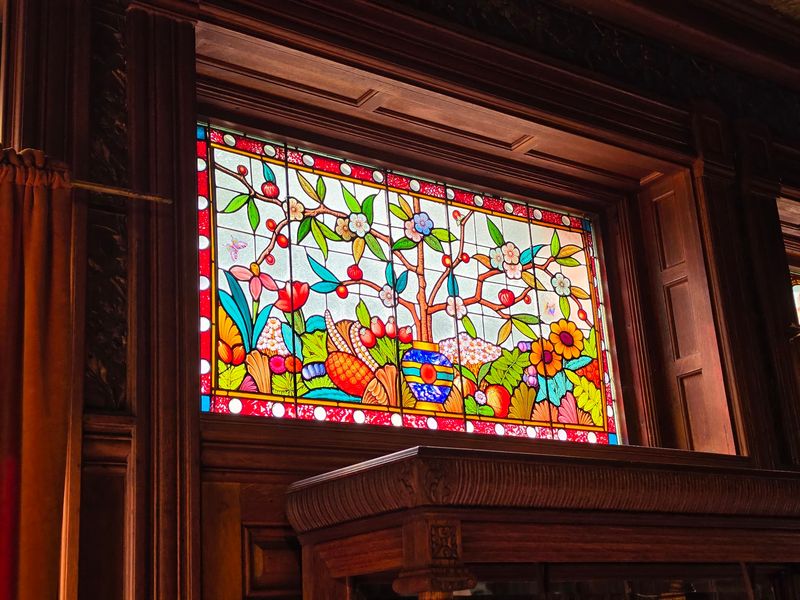
Stained glass changes the character of the rooms as daylight moves through the house. Colored light can fall across woodwork, walls, and stair landings.
Wilson Castle is known for its many stained glass windows. The property officially lists 84 throughout the house.
The number is impressive, but the variety matters just as much. Different windows combine patterns, figurative details, strong color, and varied scales.
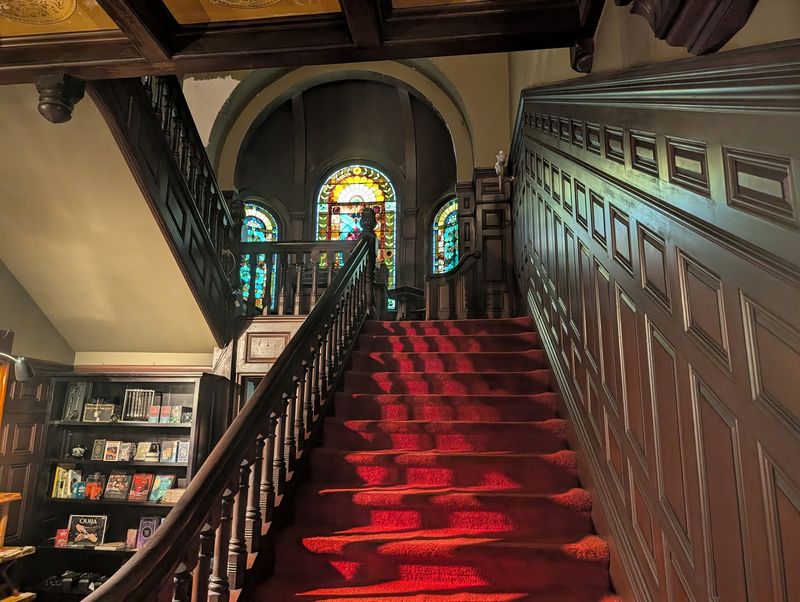
One distinctive feature is a stair-landing oriel filled with stained glass in a modified Palladian arrangement. The glass is integrated into the architecture.
Daylight affects how the glass appears during a visit. A panel can look subdued under clouds and brighter when sunshine returns.
Viewing the windows from across a room shows how they shape the space. Moving closer reveals smaller details in the glass and surrounding woodwork.
Photography policies can vary with events and preservation needs. Visitors should follow the rules in place on the day of the tour.
The windows are also important to the home’s architecture. Large stained-glass sections were planned into stair landings, bays, and wall openings.
Views Beyond The Walls
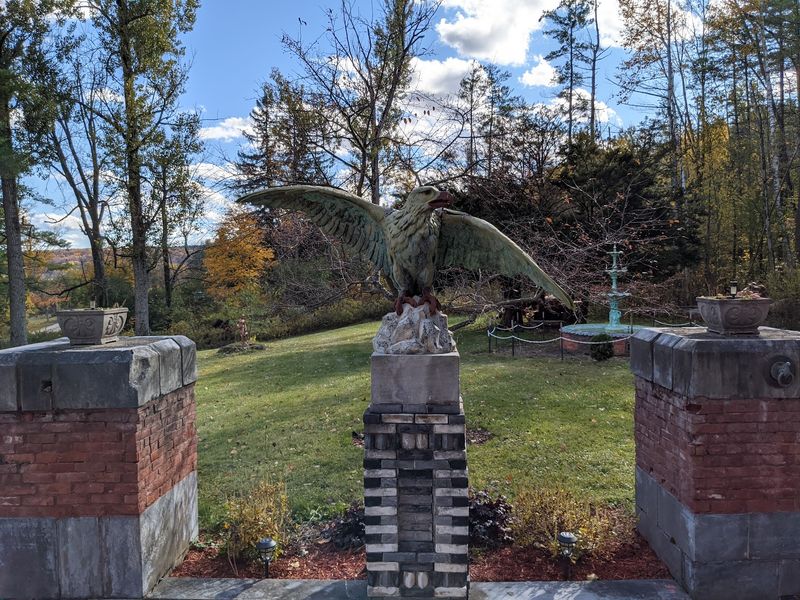
Outside, the building’s height and irregular outline become easier to read. The surrounding land gives the towers and roofline room to stand apart.
The estate covers 115 acres. The grounds include open land, cattle barns, stables, a carriage house, and a glass house.
A broad view makes the mansion’s asymmetrical form especially clear. Turrets, gables, balconies, and arches read differently from each side.
The Green Mountains add depth to the scene. Changing leaves can alter the setting dramatically from one season to the next.
The estate was built for practical use as well as appearance. Historical accounts describe livestock, carriage facilities, barns, and greenhouse space.
Those features help explain daily life beyond the formal rooms. This was a working country estate, not simply a showplace.
Not every part of a historic property is necessarily open at all times. Visitors should respect barriers, signs, and staff directions.
The hillside setting can include grass, uneven surfaces, and changing weather. Comfortable footwear makes outdoor exploring easier.
Including the surrounding land in the view helps explain the mansion’s scale. The castle looks especially dramatic because it was designed as part of a much larger estate.
An Eerie Side To Explore
Quiet corridors and old rooms give the castle atmosphere without requiring a supernatural explanation. Its age, unfinished areas, and unusual details already create plenty of mood.
Wilson Castle has long attracted interest in paranormal stories. Those claims are best treated as folklore rather than established fact.
That distinction leaves room for the eerie reputation without confusing it with documented history. Creaks, shadows, and unusual sounds do not need a definite explanation.
The third floor was never fully finished, and parts retain a rougher appearance than the formal lower rooms. That contrast adds another layer to the house.
Changing light can make the interior feel different from room to room. Bright stained glass and dark woodwork create noticeably different atmospheres.
Special evening experiences are offered on selected dates. Current listings include seasonal candlelight tours and paranormal investigations.
Guided visits can provide useful context for unusual architectural and historical features. Questions about original room use can reveal easy-to-miss details.
Private or closed spaces should remain off limits. Respecting boundaries protects both visitors and the property.
The Story Still Continues
A historic house does not stay ready for visitors by accident. Preservation now shapes the experience as much as decoration.
Five generations of the Wilson family have been associated with the property. Public tours began in 1962.
That long connection helps explain why the property has remained more than a static museum. It has also been a family home and event space.
Large old buildings require continuing attention to roofs, walls, windows, masonry, and interior finishes. Repairs can take time without diminishing its historic value.
Visible wear also explains why preservation work continues. Imported brick, stained glass, woodwork, and other historic materials require specialized care.
Vermont’s climate adds another challenge for an aging structure. Visitors can help by following staff guidance and avoiding restricted areas.
Events also give the castle a role beyond daytime historical tours. The schedule can include weddings, candlelight evenings, and paranormal programs.
Room access can vary with restoration work and special events. Staff guidance is the best measure of what is open.
Preservation funding comes largely from visits and special events. Public use helps keep the estate standing.
Make Time For The Visit
The most useful planning step is simple: check the current schedule before setting out. Tour dates, hours, and room access can change during the season.
Wilson Castle welcomes visitors during its operating season. The current 2026 schedule lists historical tours Thursday through Monday.
Daytime historical tours are the standard way to see the mansion. Group tours and selected seasonal candlelight experiences are offered separately.
Stairs and time spent standing are worth considering. Anyone concerned about mobility should contact the property for current guidance.
A complete visit should leave time for both the interior and the grounds. The 115-acre setting adds context to the mansion’s scale.
Weather can shape the outdoor portion of a visit. Conditions inside an old multi-story house can also feel different from the temperature outdoors.
Photography rules should be confirmed when you arrive. Special events or preservation work can affect what visitors may photograph or enter.
For me, the stained glass is the detail that lingers longest. It changes from room to room as the light moves.
Vermont offers a striking setting for this unusual late-19th-century home. The castle’s real history gives its dramatic appearance something solid beneath the mystery.