10 Best Things To Do In Burlington, Vermont For An Unforgettable Weekend
Two days in Burlington can disappear faster than expected when a lake monster, waterfront paths, and brick-lined streets all start competing for your attention.
The city rewards curiosity in small doses.
A museum visit can stretch into public art, a theater stop, or an unplanned detour toward the water without turning the weekend into a race.
That easy pace is part of the charm. You still get plenty to do, but the day leaves room to wander, snack, and change plans.
Vermont weekends rarely feel this flexible, and that may be exactly why Sunday arrives much too quickly for once.
1. Church Street Marketplace
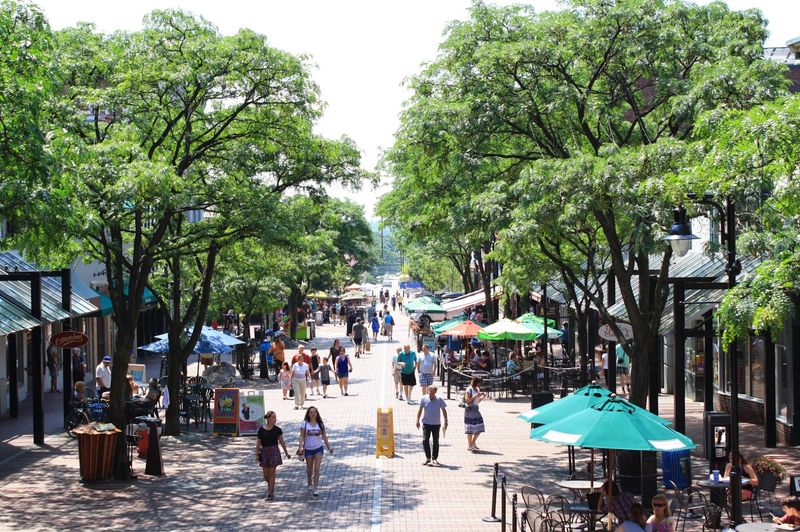
Just imagine for a second a downtown with no honking horns at all. Only footsteps, chatter, and the smell of fresh coffee drift through the air.
That pedestrian-friendly atmosphere defines Church Street Marketplace, a four-block stretch between Main and Pearl streets.
Brick paving, storefront displays, and sidewalk seating give the downtown corridor an inviting rhythm from morning onward.
There are more than forty-five retailers and thirty-five restaurants in the marketplace district, so browsing can easily turn into lunch or an afternoon snack.
Clothing shops, galleries, gifts, and homeware share the street with cafes and places to find local sweets.
The buildings deserve a look above their shop windows. Older brick facades, decorative cornices, and the church steeple at the northern end give the pedestrian corridor its recognizable skyline.
Spring brings Maple Madness, with maple samples, demonstrations, and music. Summer adds performers and outdoor dining, while winter brings festive lights and seasonal decorations across the bricks.
For a relaxed first morning, arrive before the busiest shopping period and walk the entire four blocks. Take a side street whenever an interesting storefront catches your eye.
The marketplace is open to pedestrians throughout the day, although individual businesses set their own hours.
Start near 149 Church Street and explore at an easy pace. It is a lively introduction to Vermont’s biggest city without requiring a strict schedule.
2. ECHO, Leahy Center For Lake Champlain
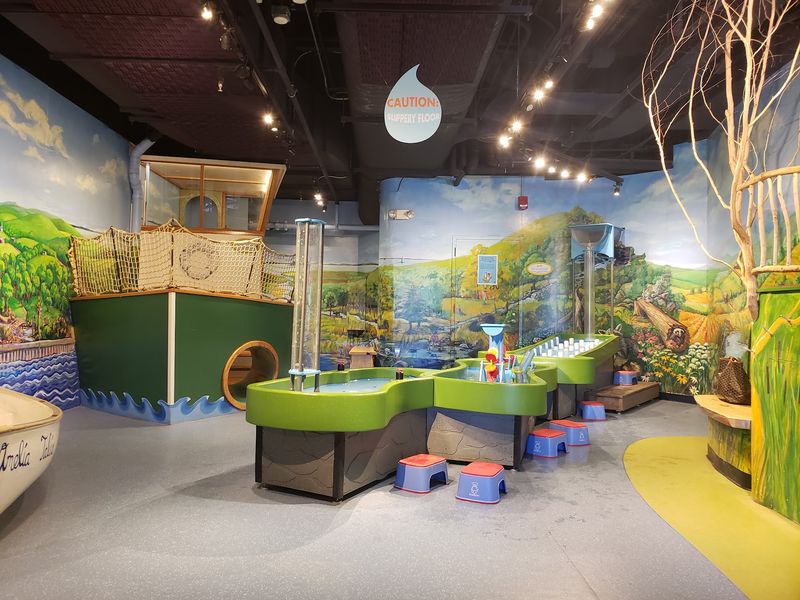
Would you believe me if I told you a lake monster lives downtown? Well, sort of, and he is surprisingly friendly.
At ECHO, the legendary Champ appears in an interactive exhibit devoted to the stories and science surrounding Lake Champlain.
A large creature sculpture makes an entertaining introduction, while the displays separate folklore from questions scientists can investigate.
The waterfront science and nature museum also houses more than fifty species of animal ambassadors.
Fish, reptiles, and amphibians help explain the region’s aquatic habitats, and daily demonstrations provide another opportunity to learn about their care.
In the renovated Into the Lake gallery, a 15,000-gallon aquarium reveals an underwater world usually concealed beneath the surface. Other exhibits explore plankton, lake ecosystems, and the challenges of protecting freshwater environments.
Awesome Forces turns weather and physics into hands-on experiments. Watch water freeze, explore moving air, and create miniature watersheds. Young children have a separate play area called Champ Lane, with activities designed for early learning.
A three-dimensional theater shows science and nature films, while large windows overlook the lake and distant mountains.
Aquariums make the watershed’s biodiversity visible at eye level. The museum stands at 1 College Street beside the waterfront promenade.
3. Waterfront Park
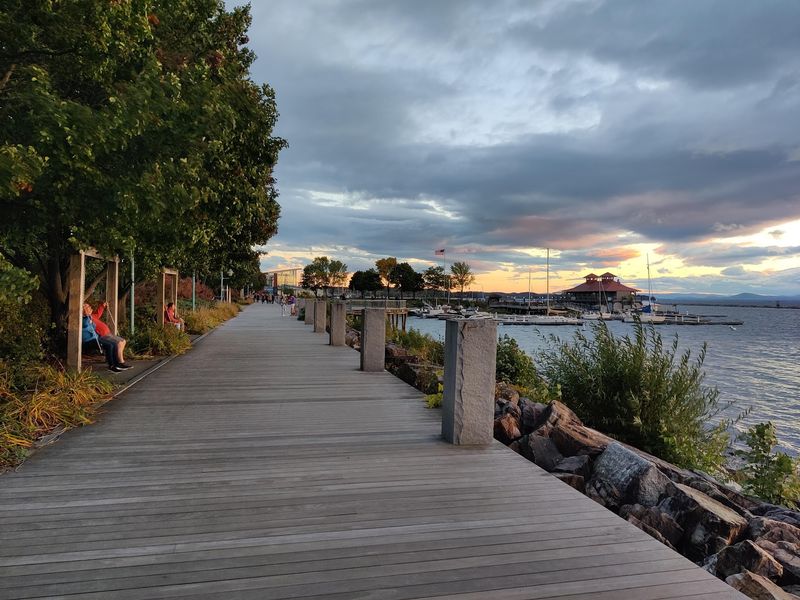
A perfect lakeside sunset can stay in the memory long after the weekend ends. Some evenings here look painted by hand in orange and pink.
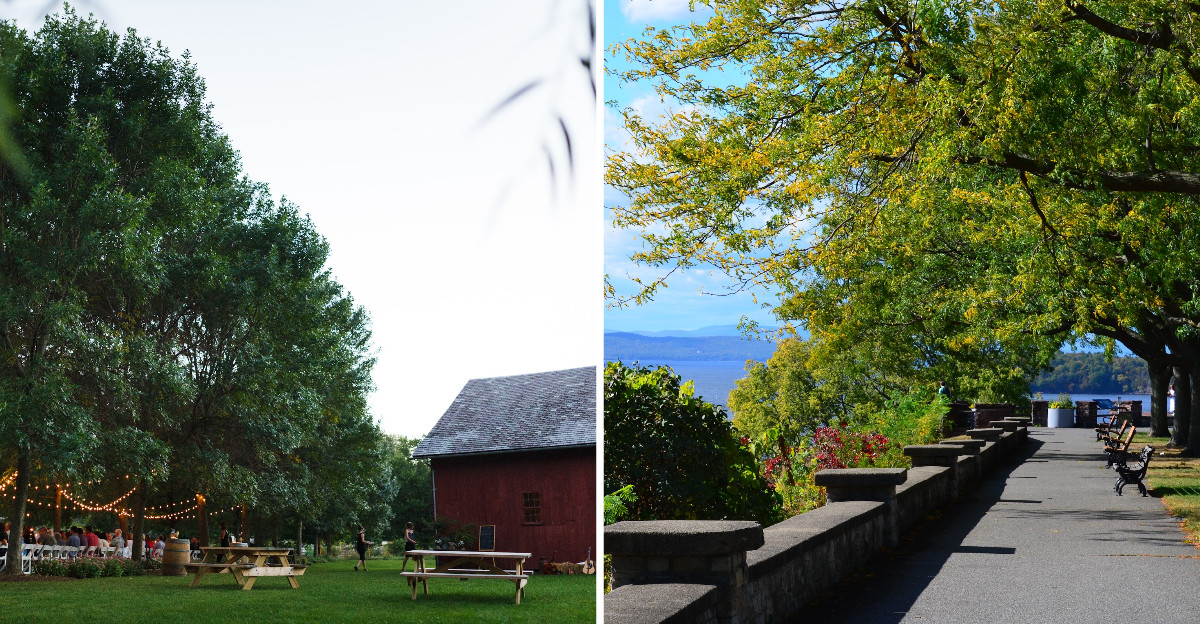
Waterfront Park spreads across the shore of Lake Champlain, with broad grass, a boardwalk, and views toward the Adirondack Mountains. It is a short downhill walk from downtown, so a casual visit fits easily between other activities.
The Burlington Greenway runs beside the park. This paved, eight-mile route links waterfront neighborhoods and green spaces, making it useful for a leisurely walk, a longer bike ride, or a relaxed morning jog.
Bicycle rentals nearby provide another way to follow the shoreline. Swings and benches along the shoreline encourage slower moments.
Watching boats move across the harbor can be entertainment enough, especially with a snack from nearby downtown shops.
During warmer months, the waterfront becomes a gathering place for festivals and outdoor performances. Burlington’s annual July 3 celebration brings music, activities, and a large fireworks display over the bay.
The lawns also make an appealing picnic stop. Bring a blanket, choose a spot with a lake view, and allow time for the light to change across the mountains.
Access the park near 10 College Street, where paths connect the boardwalk with the downtown hill. Even a brief pause here explains why Lake Champlain remains such a central part of Burlington’s identity.
4. Ethan Allen Homestead Museum
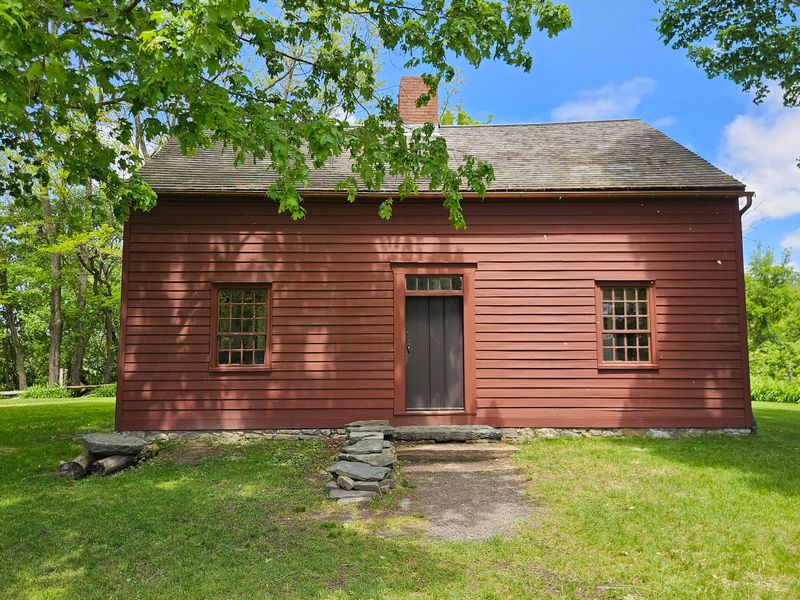
You would take the words right out of my mouth if you said time travel sounds fun. This 1785 farmhouse makes the idea surprisingly convincing.
Ethan Allen Homestead Museum preserves the final residence of Ethan Allen, an important figure in Vermont’s early political history.
The modest house offers a different perspective from grand historic estates, focusing on domestic life during the late eighteenth century.
Guided tours explore the restored rooms and the everyday routines associated with the period. Household objects, furnishings, and storytelling reveal how families used spaces that now seem remarkably compact.
The museum also examines the much longer history of the Winooski River intervale. Abenaki communities have longstanding ties to this landscape, and exhibits address their cultural presence alongside the experiences of later residents.
Outside, the surrounding public park provides riverside paths and opportunities for birdwatching. The grounds remain accessible throughout the year during daylight hours, independently of museum tours.
Inside the house, scheduled guided visits operate daily from May through October, generally between 10 a.m. and 4 p.m. Monthly lectures and seasonal living-history programs offer additional ways to explore the site’s past.
The address is 1 Ethan Allen Homestead, north of downtown. Plan around a scheduled tour, then leave extra time for the paths and open fields nearby. The combination makes history feel part of the wider landscape.
5. Fleming Museum Of Art
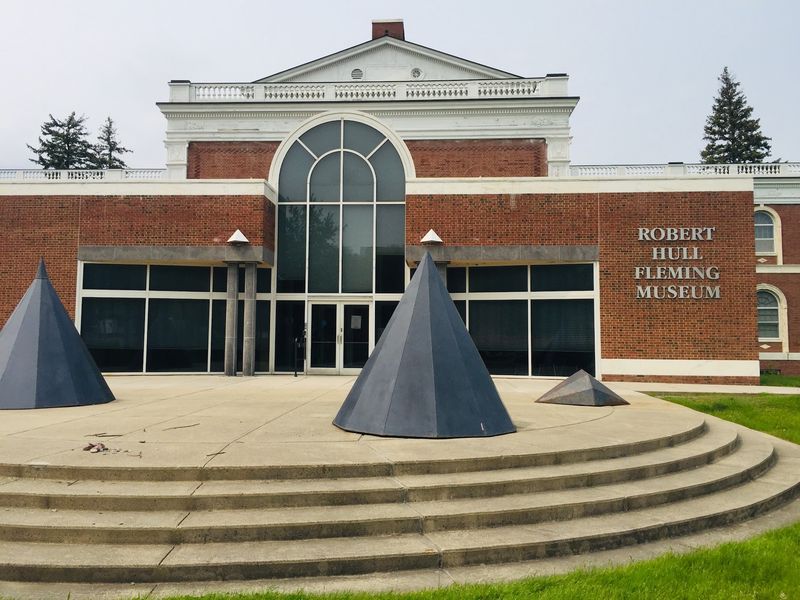
It makes you wonder, doesn’t it, how much history fits in one building? The answer here is roughly five thousand years of it.
The Fleming Museum of Art at the University of Vermont cares for approximately 25,000 works of art and cultural heritage objects.
The collection stretches across continents and centuries, although only a small portion appears in the galleries at any one time.
Rather than presenting a fixed procession of everything the museum owns, its changing installations invite connections between materials, ideas, and different periods.
Paintings, textiles, sculptures, and objects from varied traditions can appear in thoughtful combinations.
The 2026 exhibitions include Catalyst: Art as Inquiry, highlighting work by university studio art faculty, and Wolf Kahn: Conversations in Color, exploring relationships among color, light, and artistic practice.
Collections displays offer another route into the museum’s holdings.
The displays reward a closer look at their materials. The Fleming first opened in 1931 and remains part of campus life, with gallery activities and educational programs accompanying its exhibitions.
Find it at 61 Colchester Avenue. During the academic year, galleries generally open Tuesday through Saturday, with extended Wednesday hours.
The museum closes for university breaks, including much of the summer, so the calendar matters when arranging a weekend visit.
6. Flynn Center For The Performing Arts
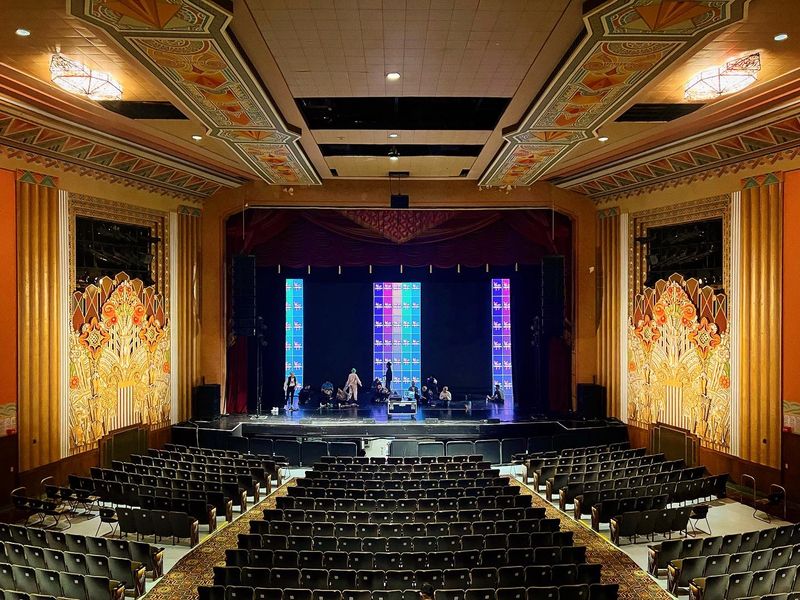
Here’s a thought: what if your weekend ended with a standing ovation? Your hands might get tired, but your heart will thank you.
The Flynn has welcomed audiences to Main Street since 1930, beginning as a grand theater for films and live entertainment. Its Art Deco architecture still gives an evening performance a sense of occasion before the curtain rises.
The ornate surroundings are part of the experience. Today, the 1,439-seat Main Stage hosts a wide range of productions, including touring musicals, dance, concerts, comedy, and family shows.
A changing calendar makes it possible to build an evening around the kind of performance that appeals most.
For a smaller setting, Flynn Space is a flexible black-box theater seating approximately two hundred.
The intimate room accommodates emerging artists, experimental performances, and local productions, providing a different experience from the main auditorium.
The Amy E. Tarrant Gallery, just off the main lobby, presents rotating visual-art exhibitions by regional artists. Some visits can therefore include both a gallery stop and a performance.
Classes and camps also form part of the Flynn’s community programming, extending its role beyond the public stage.
The theater stands at 153 Main Street, a convenient walk from Church Street restaurants and shops. Performance times vary, and popular events benefit from advance planning.
7. BCA Center
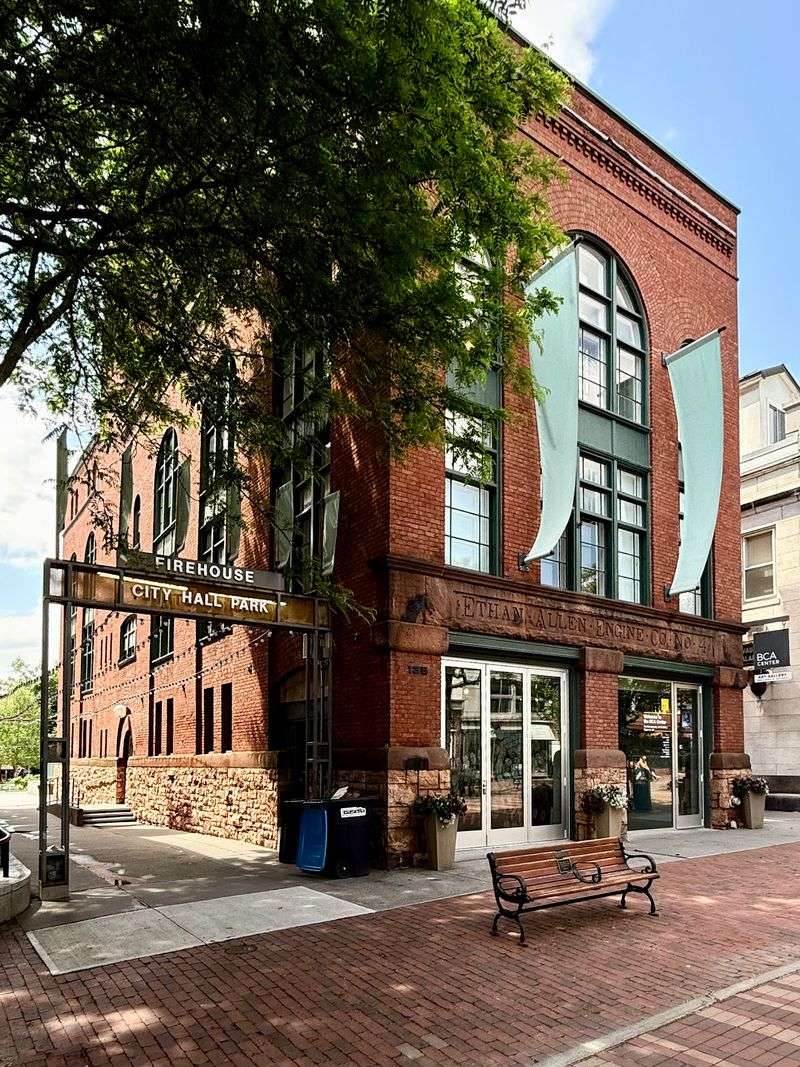
Correct me if I’m wrong, but art often changes how we see things. One old firehouse here proves that idea pretty well.
The BCA Center occupies the historic Ethan Allen Firehouse at 135 Church Street, where brick walls and tall windows now frame contemporary art instead of emergency equipment.
The building dates to 1889 and gives the galleries a character distinct from a purpose-built museum.
Burlington City Arts presents changing exhibitions focused on contemporary artists and ideas. Painting, sculpture, textiles, and installations provide different ways to explore themes connected to daily life, memory, and community.
For fall 2026, new exhibitions opening October 16 include Dark Botanica, Taken to Heart, and Forms of Connection. Together, the shows offer contrasting approaches to nature, personal experience, and the relationships between people.
The organization also offers hands-on opportunities through BCA Studios. Art classes, camps, and workshops introduce creative techniques to adults and children, while occasional family activities take place at the center itself.
A gallery visit fits particularly well into a walk along the pedestrian marketplace. The art inside provides a different perspective from the busy storefronts outside, without requiring a separate trip across town.
Exhibition schedules and gallery hours can shift during installations, so plan around the current program. Even a short stop can turn an ordinary shopping afternoon into a conversation about something unexpected.
8. World’s Tallest Filing Cabinet
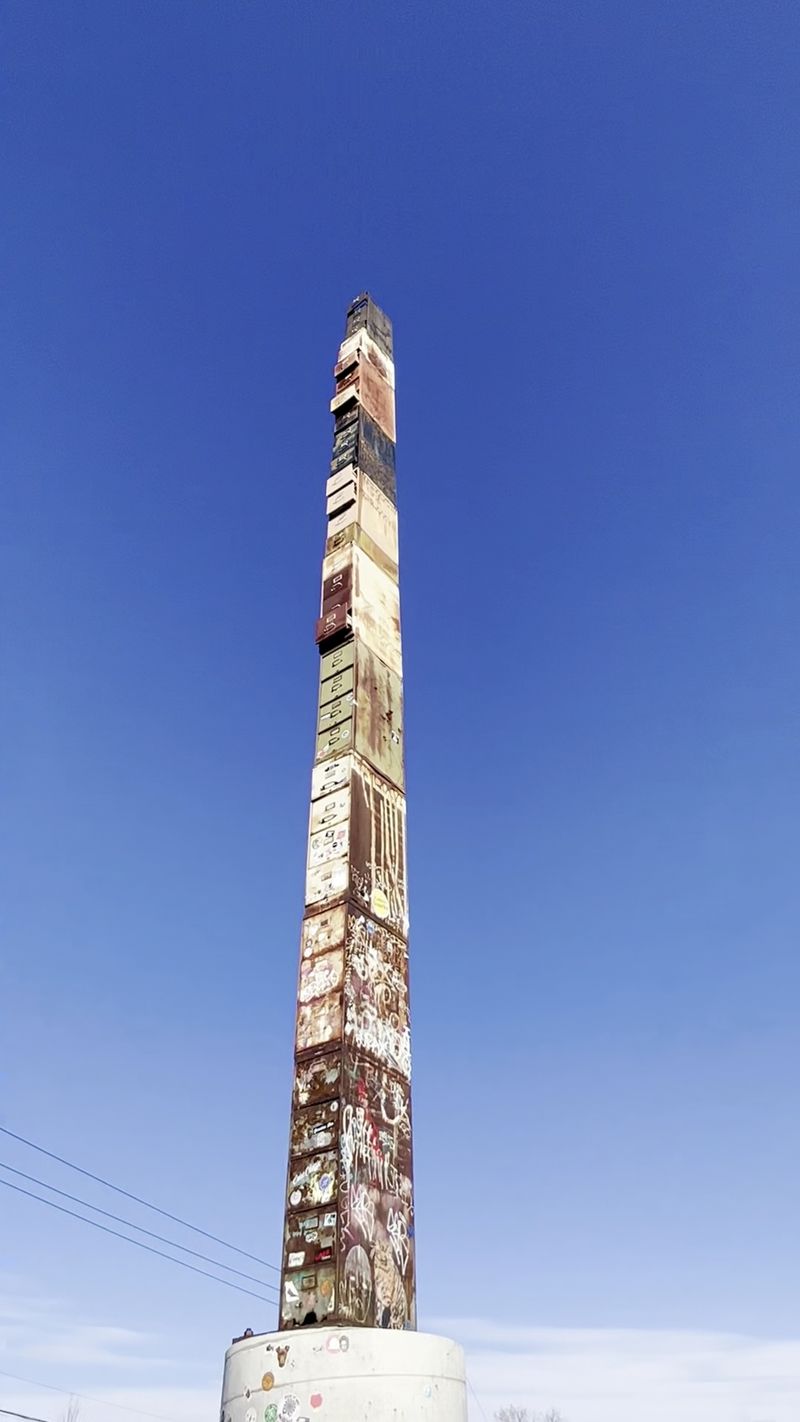
A towering stack of office drawers is bound to earn a double-take. Paperwork has never looked so dramatic or so tall.
The sculpture commonly called the World’s Tallest Filing Cabinet stands on Flynn Avenue in Burlington’s South End. Created in 2002, it began as a playful statement about a long-delayed road project rather than an attempt to create practical storage.
Its original thirty-eight drawers represented the years between the roadway proposal in 1965 and the artwork’s completion. Stacked metal cabinets made the point in a way that ordinary signs never could.
The road later became known as the Champlain Parkway. When work advanced in 2020, the sculpture moved a short distance to a more permanent setting, gaining a raised base and additional elements.
The installation now anchors a small art space outside 208 Flynn Avenue. Its weathered metal and improbable proportions make it easy to recognize from the street.
Despite the nickname, the world-record claim is not firmly established. That uncertainty hardly diminishes the humor of an enormous filing cabinet turned into public art.
The stop usually takes only a few minutes, leaving time to explore other creative corners of the South End. Nearby studios and independent creative businesses give curious travelers reasons to linger a little longer.
It offers a wonderfully specific reminder that local debates can sometimes produce something surprisingly memorable.
9. Intervale Center
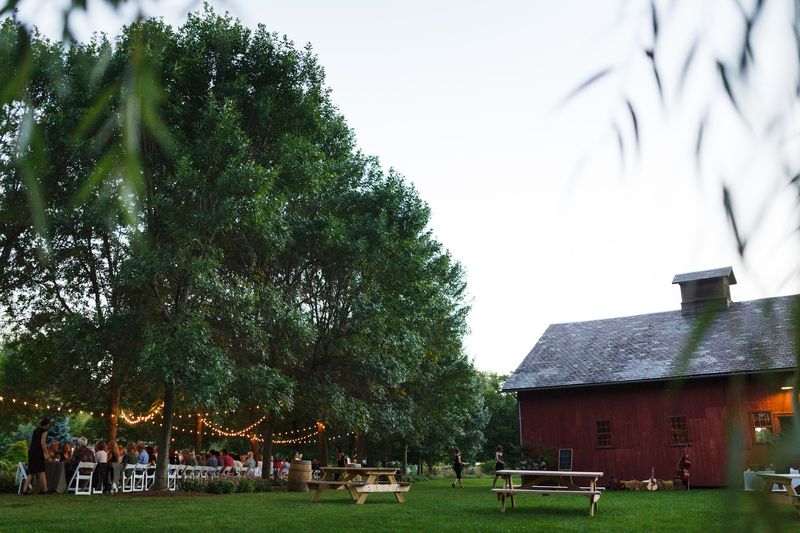
Look, I’ll be the first to admit city trips can wear you out. Sometimes you just need dirt paths, birdsong, and open fields.
The Intervale Center provides exactly that along the Winooski River, just minutes from downtown Burlington.
Its work has helped return more than 360 acres of historic agricultural land to active production, combining working farms with natural areas and public trails.
Walking and cycling routes pass fields, woodland, and river habitat. The longer trail network connects toward Ethan Allen Homestead, while winter conditions sometimes allow groomed cross-country skiing and snowshoeing.
The nonprofit supports local growers by leasing farmland and helping strengthen community food systems. Seven farms cultivate vegetables, herbs, flowers, and other crops within the agricultural landscape.
Its Conservation Nursery grows native trees and shrubs for restoration projects across Vermont. The plants help improve river corridors and support healthier natural habitats, with volunteer opportunities available at different times of year.
Another farm-based program, New Farms for New Americans, connects immigrant and refugee families with land for growing culturally meaningful foods.
The program is operated by a partner organization, adding another important agricultural tradition to the area.
Bring comfortable shoes. Start at 180 Intervale Road, where an information kiosk helps orient walkers. Follow marked routes, respect working farm spaces, and enjoy a quieter side of the city that feels refreshingly open.
10. Battery Park
Sounds too good to be true, but one park mixes sunsets with centuries of local history. Save this stop for the end of your weekend.
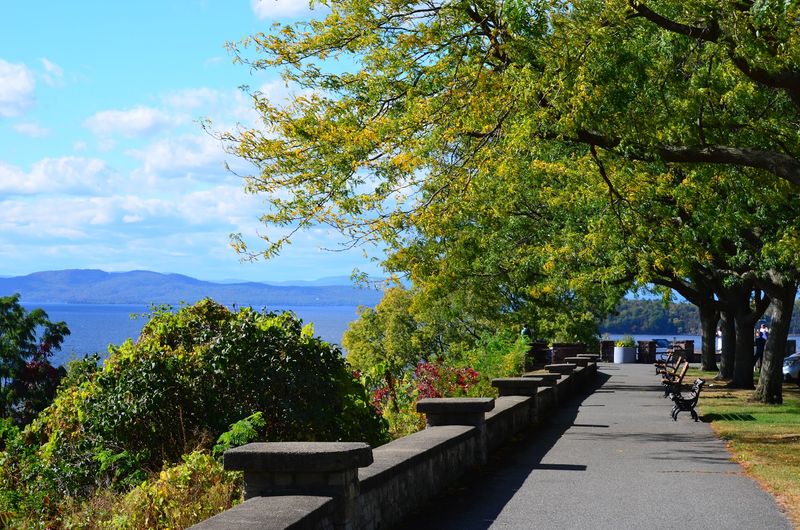
Battery Park occupies fourteen acres on a bluff above Lake Champlain, offering broad views across the water to the Adirondack Mountains.
The higher vantage point gives the landscape a different perspective from the shoreline paths below.
The park takes its name from defenses established on the bluff in the early nineteenth century. Its position overlooking the harbor made the hillside significant long before it became a public gathering place.
The city acquired the grounds in 1870. Today, the park includes a promenade, benches, a playground, monuments, and a bandshell used for seasonal concerts and other community events.
A bronze statue honors nineteenth-century Burlington figure William W. Wells. Historical markers and other features add context without changing the park’s everyday appeal as a place to walk or rest beneath mature trees.
Summer performances bring music to the lawns, and the elevation offers a fine place to appreciate the lake’s changing light.
Access is available from Battery, College, and Sherman streets, with North Avenue nearby. Arriving near sunset gives the water and distant hills time to shift through several colors. It is a fitting final stop before heading home.