You Can Get Up Close To Hundreds Of Hummingbirds At This Magical Oregon Sanctuary
Blink and you missed it!
Hummingbirds have zero interest in posing politely, which is exactly why spotting one in this Oregon garden feels so exciting.
Native flowers create places for the tiny birds to feed, and suddenly every flash of color near a bloom gets your full attention.
One great sighting can be enough to make the whole visit feel magical. That unpredictability is part of the charm.
You slow down, they speed up, and somehow the whole experience works.
Few creatures make standing perfectly still feel this entertaining.
A Small Garden With Purpose
A tiny patch of flowers can change how an entire park feels.
Orchard Park added its hummingbird demonstration garden in summer 2025, giving native pollinators a dedicated space. The planting covers roughly 650 square feet, keeping the project compact and easy to observe.
The garden began as a shared project involving the local park district and conservation groups.
Volunteers prepared the site, cleared existing growth, and helped turn a plan into living habitat. The work included removing existing vegetation and roots before native plants went into the prepared soil.
Its purpose is simple: show how native planting can support hummingbirds and other pollinators.
The project was designed as the first hummingbird demonstration garden of its kind in Central Oregon. That makes the space useful even when no bird appears during a visit.
Because the site is small, visitors can observe it without entering the planted area. Giving both flowers and feeding birds some space helps the habitat serve its intended purpose.
The full location is Orchard Park, 2001 NE 6th St in Bend.
Flowers Built For Tiny Beaks
Color is only part of this garden’s appeal. Its plant choices offer nectar and other habitat benefits across different blooming periods.
Penstemon, scarlet gilia, hummingbird mint, fireweed, serviceberry, lupine, spreading phlox, buckwheat, and western columbine are among the plants growing here.
Some blossoms have narrow openings that suit a hummingbird’s long bill. Others attract insects, which are another important part of a hummingbird’s diet.
A bird may visit several flowers quickly before disappearing into nearby cover. Watching one active cluster of blooms for a few minutes can make those brief feeding stops easier to notice.
The planting also teaches a handy lesson for gardens at home. Native plants adapted to local conditions can provide food without demanding a formal flower bed.
Choosing plants suited to the available sun, water, soil, and space matters more than copying every species in the demonstration garden.
Every stem has a job while it is growing. Picking blooms would remove food and reduce the value of the display for both pollinators and the next visitor.
Watch For Feeding Feuds
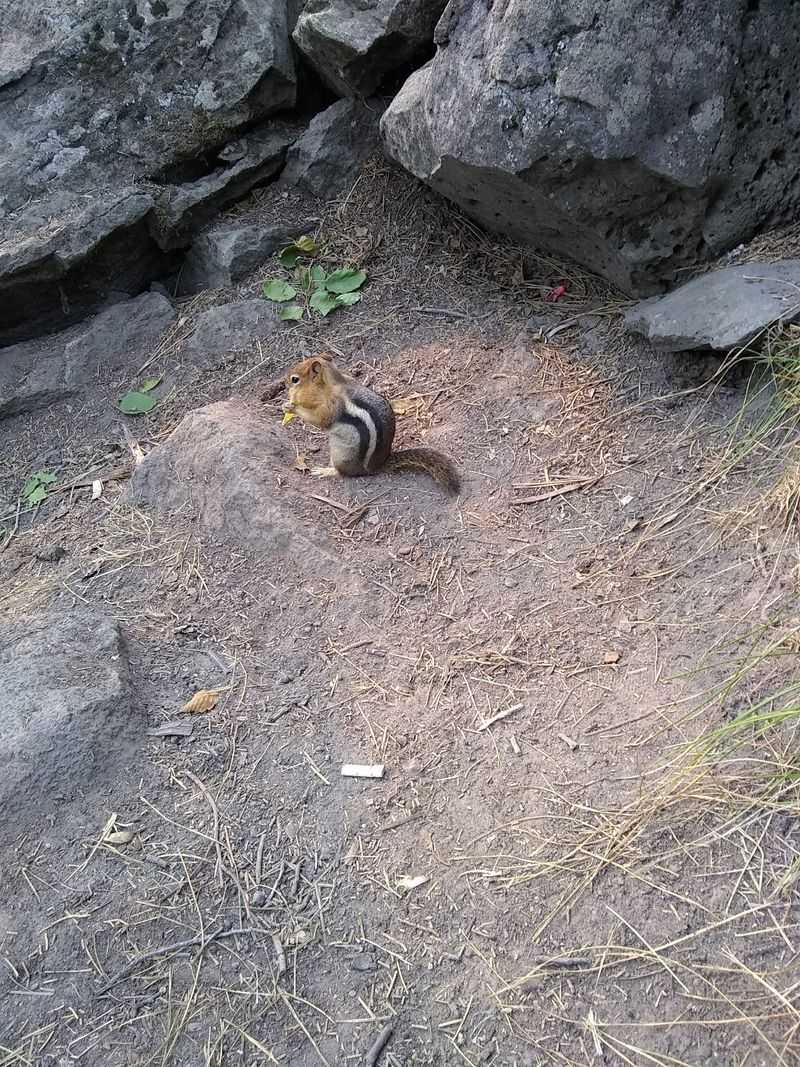
One bird can make a flower patch feel surprisingly busy. Hummingbirds can become territorial around productive feeding areas, and a quick chase may break out when another bird approaches.
Rufous and Anna’s hummingbirds are the two species identified as the most common hummingbird visitors around Bend.
Other species may appear occasionally, but no particular bird should be treated as guaranteed.
Bill shape, tail pattern, general size, and overall coloring can help with identification. Light can change how the feathers look, especially when a bird turns and iridescent areas catch the sun.
Territorial behavior can be interesting to watch without interfering with it. Staying back protects the birds’ normal feeding routine and often gives a steadier view.
A small pair of binoculars can help without bringing anyone closer to the plants.
For children, counting flower visits can be easier than trying to establish how many individual hummingbirds are present. One bird may return repeatedly to the same productive patch.
The garden was created to attract hummingbirds, but sightings and numbers depend entirely on the birds themselves.
Let The Season Lead
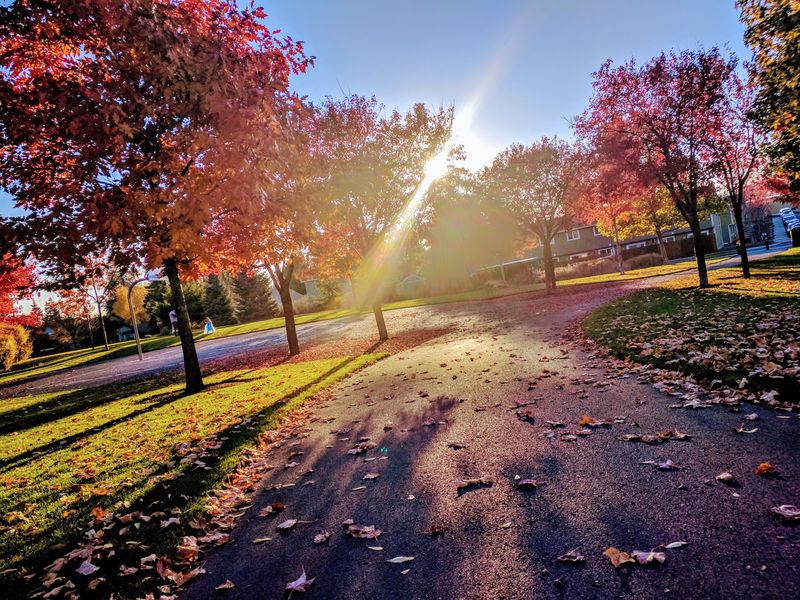
A hummingbird garden changes as its plants bloom and visiting birds move through Bend. Timing can make a noticeable difference in what appears around the flowers.
Spring can bring early blossoms as migratory birds return. Summer offers another reason to watch, with Rufous hummingbirds moving through the region.
Southbound Rufous migration can begin surprisingly early, with birds already appearing on their return journey during July and August.
Anna’s hummingbirds can remain in Oregon throughout the year, and wintering birds have been documented in Central Oregon. That does not mean the demonstration garden will provide steady sightings during every cold month.
Orchard Park recommends spring and summer for the best chance of seeing hummingbirds there. Weather, available food, flowering cycles, insect activity, and simple luck all affect what a visitor sees.
Daylight makes both flowers and moving birds easier to watch. If the garden seems quiet, waiting several minutes before moving along can help. A feeding visit may last only seconds.
Even without a sighting, seasonal changes give visitors something to notice. New leaves, seed heads, fresh blossoms, and insect activity reveal different parts of the garden’s work.
More Room To Roam
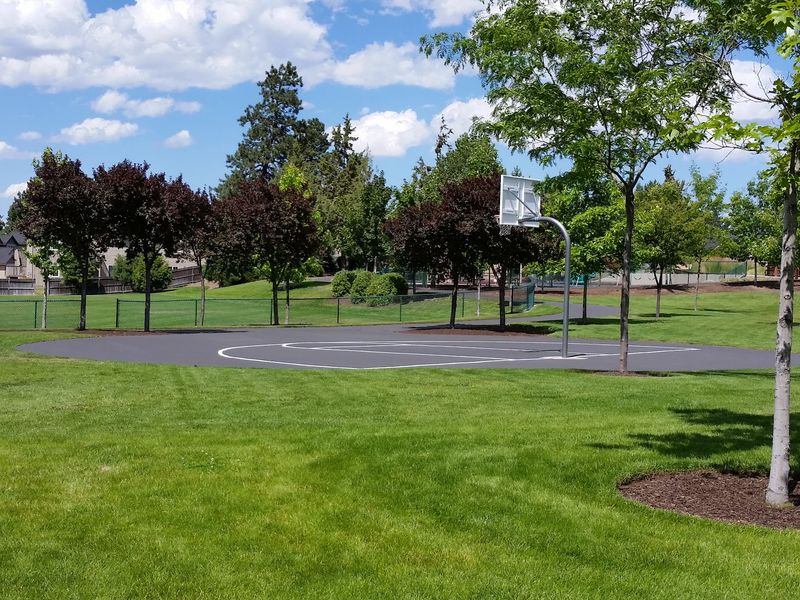
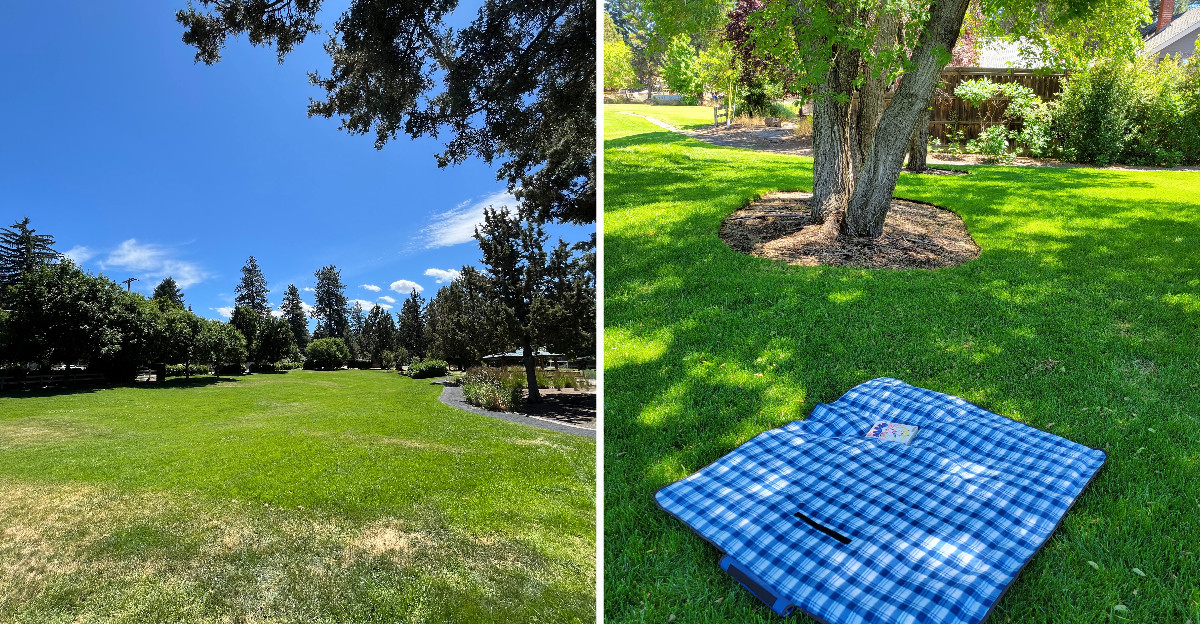
Orchard Park covers about 3.7 acres and offers more than its small garden. An open field gives families room to play without crowding the planting.
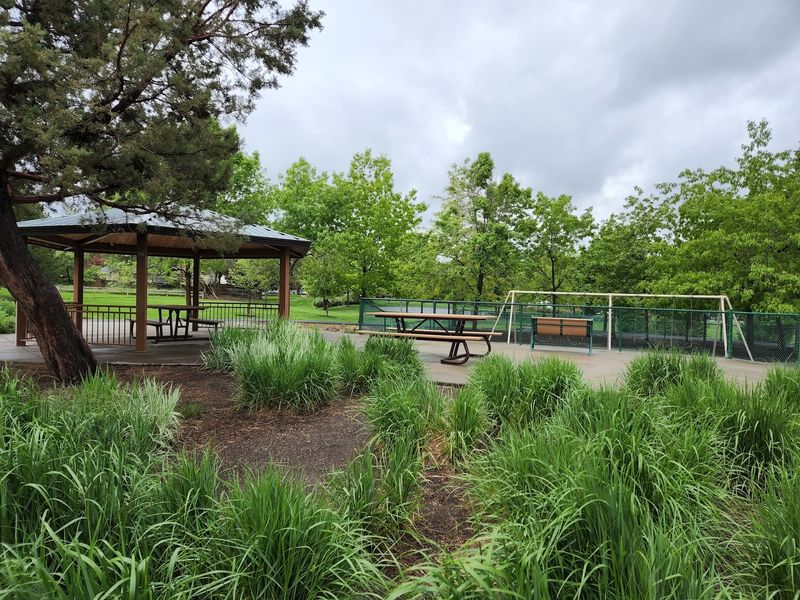
The playground makes a natural next stop for children. There is also a half-court basketball area, a small soccer field, picnic facilities, water fountains, and paths linking different parts of the park.
The hummingbird garden sits beside the gazebo near the play area, making it easy to include in a broader neighborhood-park visit.
Active recreation can stay around the field, playground, and basketball area while the planted space remains a quieter place to watch.
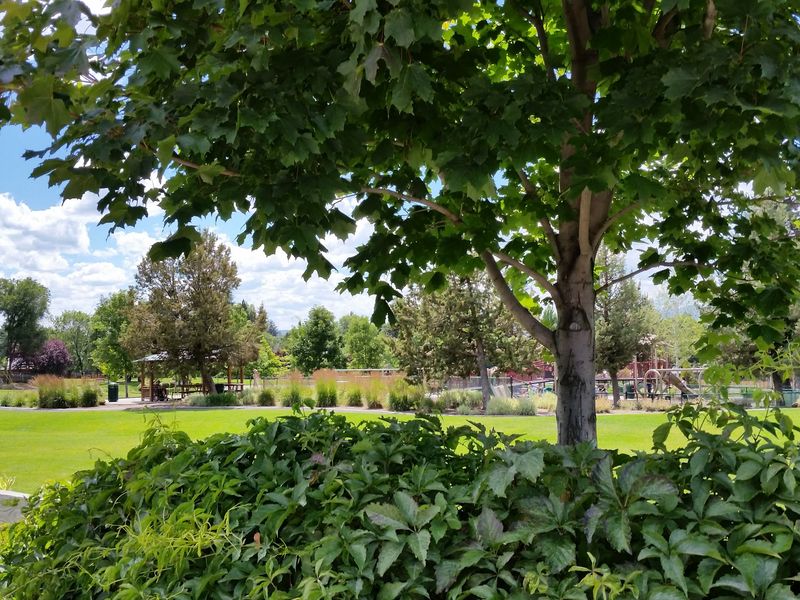
Paths help create an easy route through the compact property. Open grass, mature trees, and landscaped sections give the park more variety than its acreage might suggest.
For families, a short period of birdwatching can pair naturally with more active time elsewhere in the park. That keeps the demonstration garden from having to carry the entire outing.
Water and sun protection are useful during warmer weather, particularly around open grass where shade is more limited.
Pause Beneath The Trees
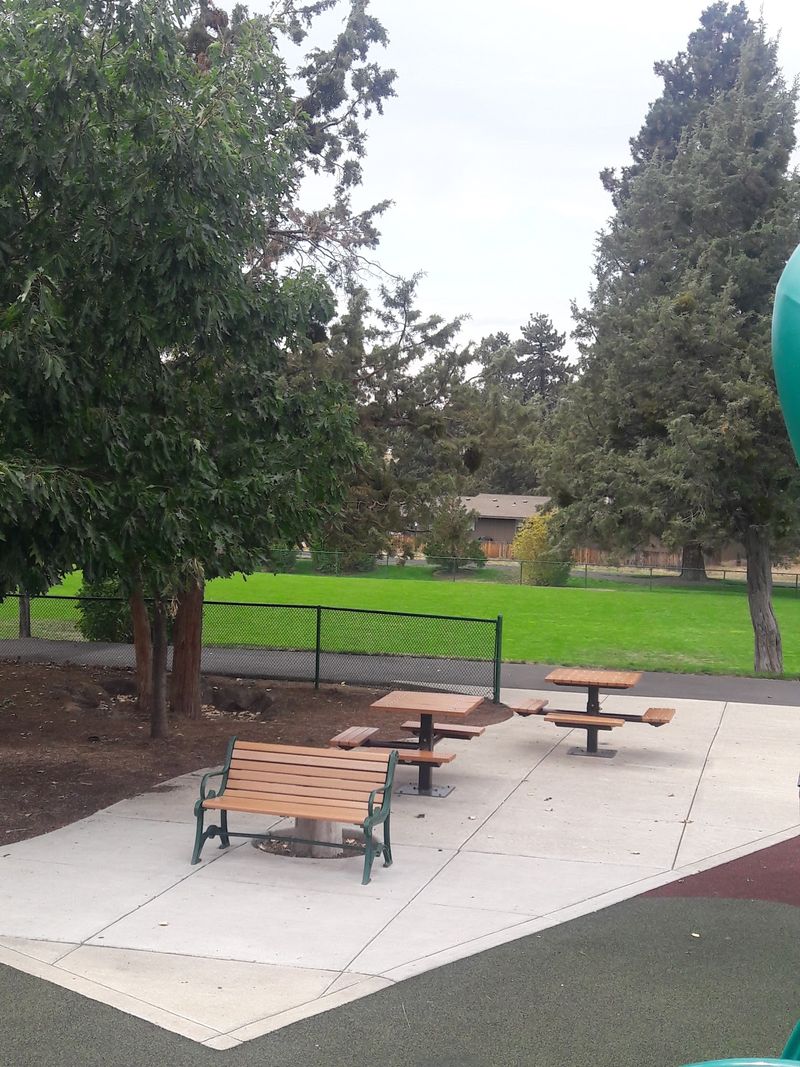
Orchard Park includes a picnic area with a shade gazebo, giving visitors a place to pause after exploring the hummingbird garden.
The park’s tree cover adds welcome shade during warmer parts of the day. Its landscape includes giant sequoias, an oak forest, and an orchard area.
Those larger features create a useful contrast with the much smaller native plants in the demonstration garden. Looking beyond the flowers reveals another layer of the park’s established landscape.
The park also lists a seasonal restroom, so availability can depend on the time of year. Water fountains are among the other published amenities.
For lunch or snacks, keeping wrappers and other loose items secured prevents them from blowing across the lawn or into planted areas. Clean grounds help everyone, including the wildlife using the shared space.
There is no need to fill every minute here. Sitting quietly gives the eyes time to adjust to movement around the flowers and trees.
Sometimes the nicest part of watching nature is simply staying long enough to notice it.
Learn From A Living Example
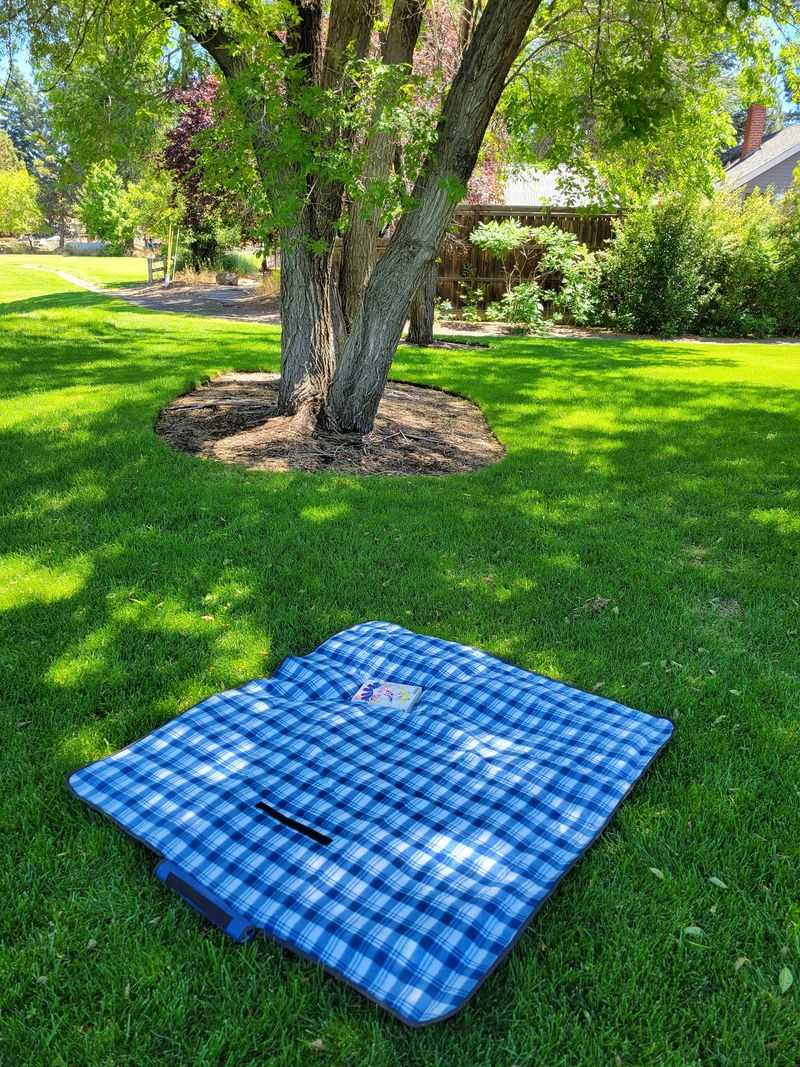
Orchard Park shows how a small planted area can offer useful habitat.
The hummingbird garden was designed as a demonstration project rather than simply another decorative flower bed.
Local groups helped create this example as part of broader habitat efforts. The idea is to create and connect places where native pollinators can find useful food and habitat.
Several plants offer nectar, while others support the insects hummingbirds eat for protein. That makes the garden valuable to more than the birds named in its title.
A home version does not require 650 square feet. One suitable native plant can be a practical beginning, provided it matches the light, water, soil, and space available.
The project’s published plant list makes it possible to see exactly which species were selected for Orchard Park.
It includes multiple penstemons along with western columbine, hummingbird mint, fireweed, lupine, scarlet gilia, serviceberry, buckwheat, and spreading phlox.
Flowers, seeds, and cuttings should stay in place unless collection is specifically permitted.
There is a useful lesson in the garden’s modest size. Community habitat does not have to begin with a huge project. Small planted spaces can contribute when they are designed and maintained with pollinators in mind.
Make A Quiet Visit Count
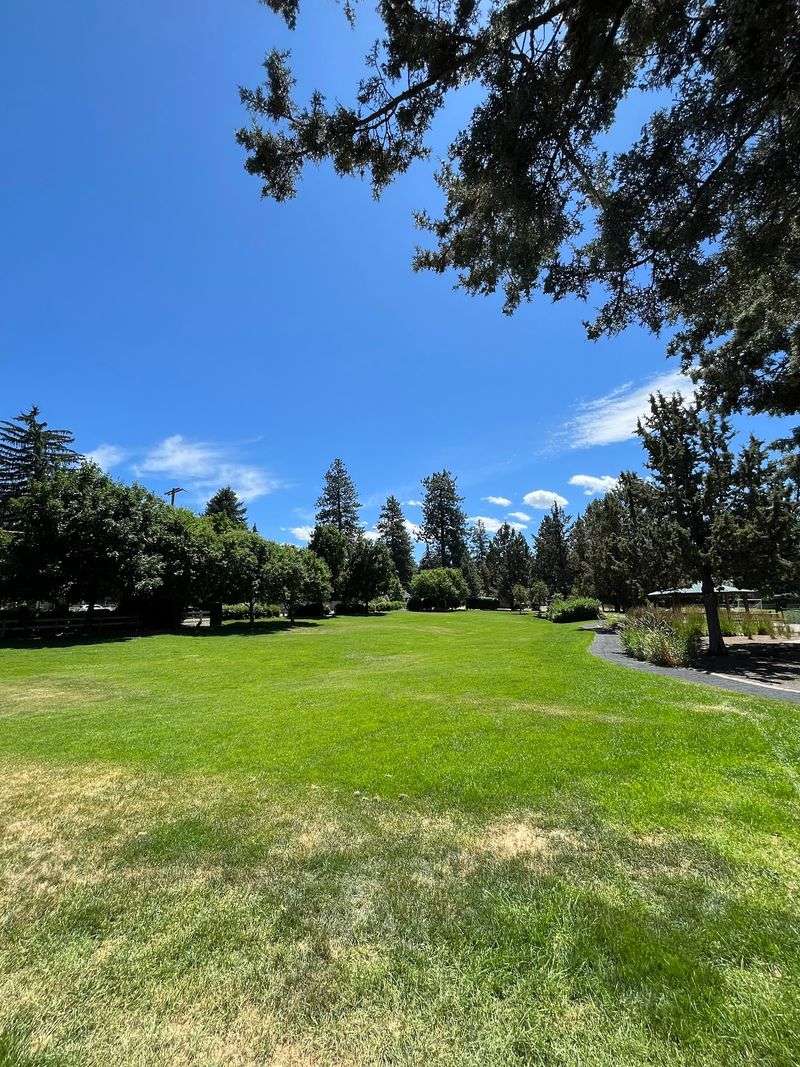
Orchard Park is open daily, with posted hours of 5 a.m. to 10 p.m. Daylight remains the practical choice for watching flowers and moving birds.
Street parking serves the park. Comfortable shoes are enough for exploring the paths without stepping into planted beds, and binoculars can make quick bird sightings easier to study.
For photographs, waiting beside an active flower patch is better than following a bird around the garden. Keeping paths clear and leaving the habitat undisturbed matters more than getting a perfect frame.
Families can set simple expectations before reaching the planting. Hands should stay off the flowers, and every bird needs enough room to feed normally.
A short, focused watch can work better than expecting children to remain completely still for a long stretch.
A possible expansion of the garden has been discussed, but it remains a future possibility rather than a current feature. The existing planting covers roughly 650 square feet.
That is small enough to pass quickly if no one knows it is there. Slow down, watch the flowers, and let any hummingbird sighting arrive on its own terms.