Why Crafters Are Traveling To Connecticut Just To Take This Stained Glass Workshop
Making something beautiful out of sharp pieces of glass sounds like a hobby that should require equal parts creativity and courage.
Fortunately, beginners do not have to figure it out alone.
A hands-on stained glass workshop in Connecticut gives curious crafters the chance to learn the process instead of simply admiring finished pieces from a distance.
That changes the experience completely.
Colors look different once you are choosing them for your own design, and each step gives you a better appreciation for how much work hides inside a finished window or decorative piece.
Even mistakes can become part of the story.
The real reward is watching separate pieces slowly turn into something recognizable under your own hands. Buying stained glass is one thing, but being able to say you actually made it carries considerably more satisfaction.
Would you travel a little farther if the souvenir at the end was something you created yourself?
1. Colorful Glass Covers Nearly Every Corner
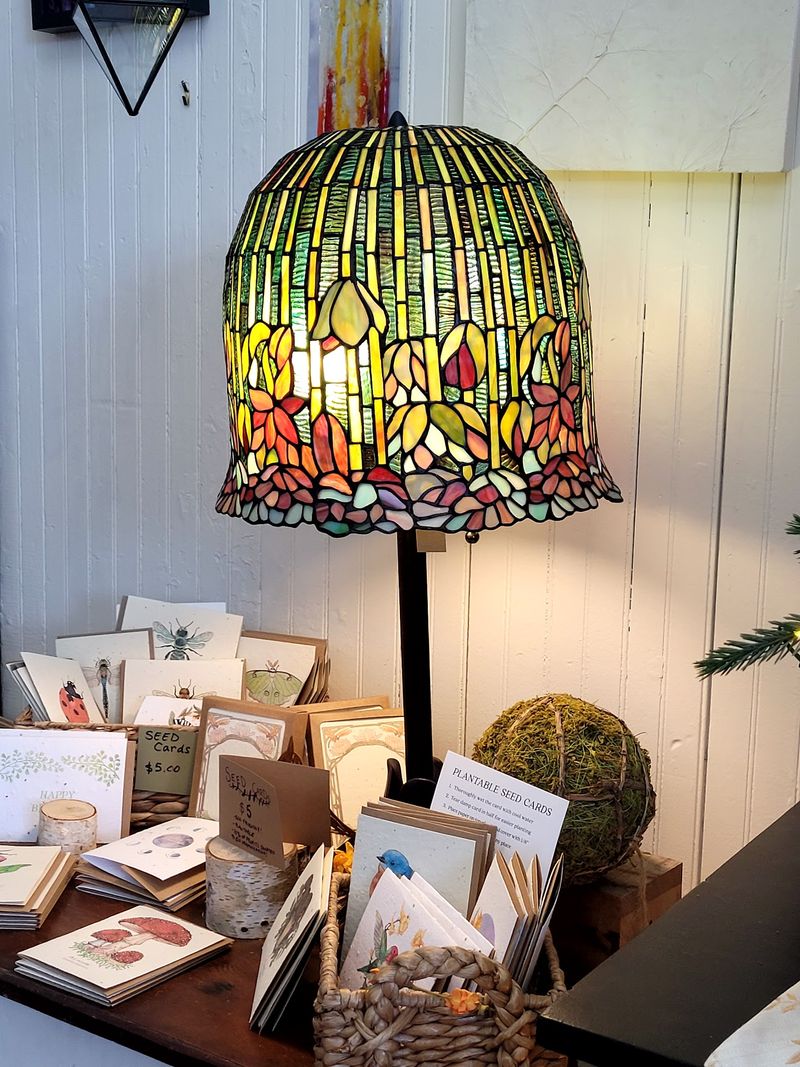
Ready to play with color? Things get creative fast.
Bright glass, unusual textures, and plenty of hands-on fun give this workshop an instant pull. At The Glass Source Stained Glass Studio & Gallery, beginners and experienced crafters can transform colorful pieces of glass into something completely their own.
Workshops change throughout the year, bringing new projects and techniques to try. Depending on the class, participants might create ornaments, vases, coasters, mirrors, or other decorative pieces worth taking home.
Many fused-glass workshops welcome complete beginners. Instructors explain the process and provide the materials and tools needed to bring each design together.
Color choices can include Bullseye COE 90 fusible glass, tiny pieces known as frit, and slender glass stringers that add lines and extra detail.
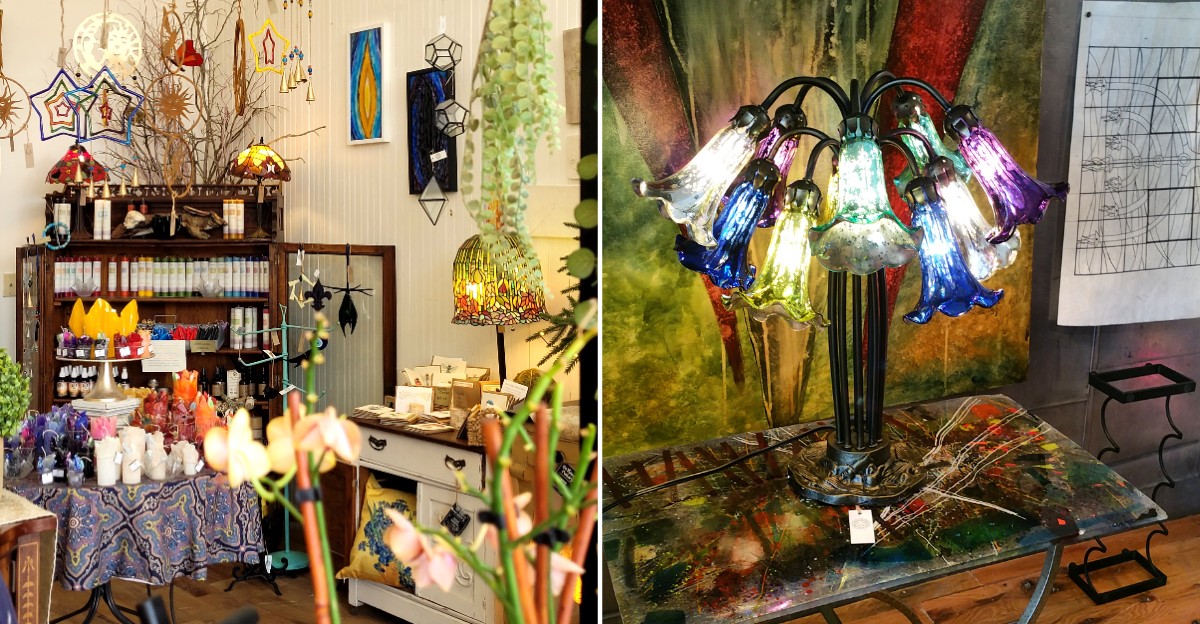
Creativity does not stop when class ends. The gallery showcases decorative and functional glass alongside pieces from local artisans.
Jewelry, candles, soaps, dishes, vases, and other giftable items make browsing part of the experience.
There is serious craftsmanship behind the fun, too. The team handles custom work along with stained and leaded glass restoration.
The studio and gallery are at 18 Bank Street, Suite 101, in Seymour.
Leave a little time to browse before heading home. One finished piece might spark the idea for your next project.
2. Seymour Makes This A Fun Creative Day Trip
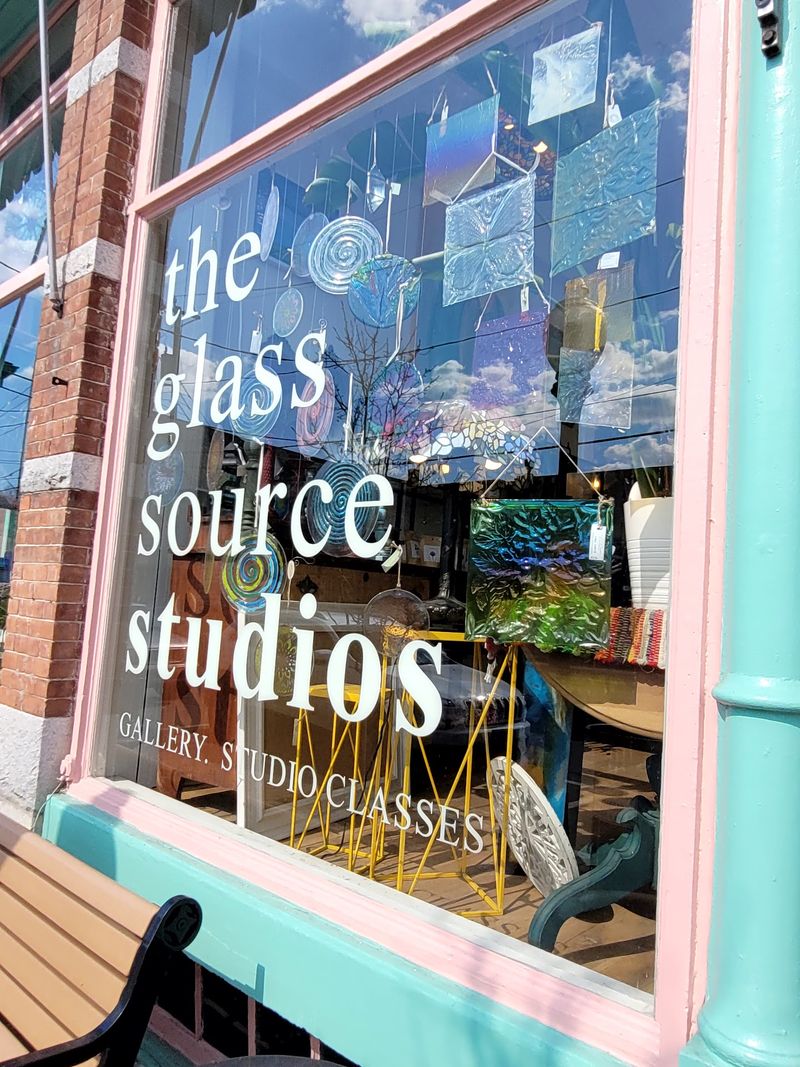
Craft first. Explore later. Make a whole day of it. A stained glass workshop becomes even more fun when the surrounding town gives you reasons to stick around.
The Glass Source Stained Glass Studio & Gallery sits in downtown Seymour, Connecticut, where small businesses and historic surroundings make it easy to stretch a creative afternoon into a relaxed outing.
The business has plenty of history of its own. Before moving to Seymour in 2017, it spent more than 50 years in nearby Shelton, building extensive experience in stained glass restoration, preservation, and custom work.
Classes add a much more hands-on side to that expertise. Friends can create together, compare designs, and leave with pieces that feel far more personal than something picked from a store shelf.
Private workshops are also available for groups, making the experience an interesting choice for a shared outing or celebration.
Current public hours run Wednesday through Saturday from 10 a.m. to 5 p.m. and Sunday from 11 a.m. to 5 p.m., with the studio closed Monday and Tuesday.
The studio is at 18 Bank Street, Suite 101, placing it right in Seymour’s downtown area.
Arrive with extra time if you can. Browsing nearby businesses before or after class gives the trip another layer.
Suddenly, learning a new craft feels like a pretty good excuse for a road trip.
3. Beginners Can Learn The Basics From Scratch
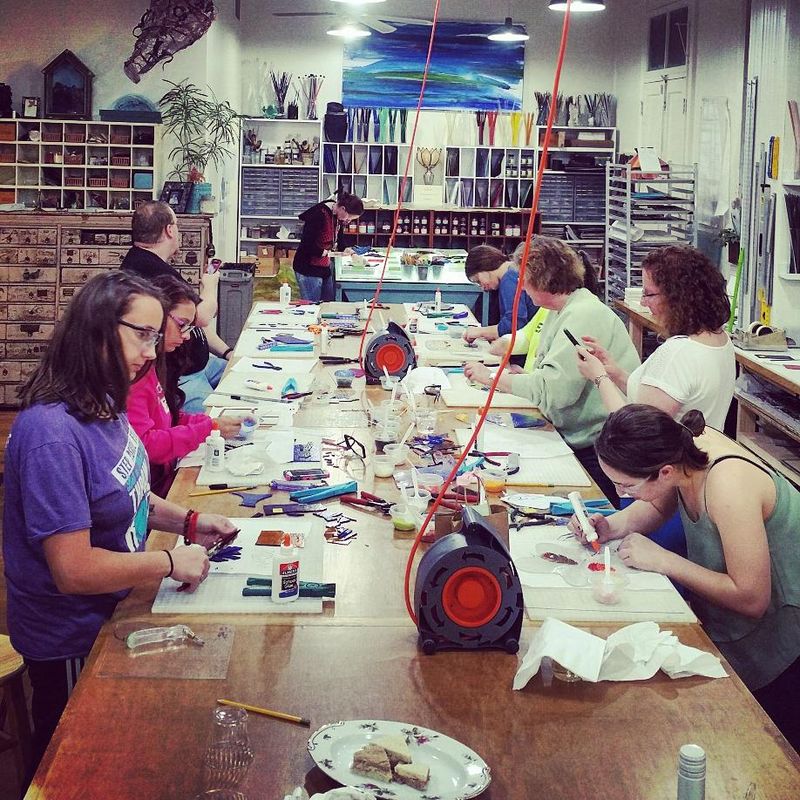
Never held a glass cutter before? Good news. Plenty of people show up with zero experience and leave with something they made themselves.
The studio teaches all skill levels in both stained glass and fused glass. For newcomers, there are Beginner and Intermediate Stained Glass Courses that walk you through the core skills one step at a time.
Many fused glass workshops, like the popular wind chime class, are also built for people with no background at all.
Students get to use the studio’s tools, so you do not need to buy a pile of equipment first. Instructors explain each step, show how to handle tools safely, and check in as you work.
Past students often mention that questions are welcome and that they could learn at their own pace without feeling rushed.
Safety is part of every lesson. Safety glasses are required for cutting, grinding, and soldering.
Open-toed shoes are not allowed in the studio area, so wear sneakers or other closed shoes. A first aid kit is also kept on site.
A smart first step is to start with a single workshop. It lets you feel how glass behaves, how the tools work, and whether you want to sign up for a longer course later.
4. Hands-On Classes Turn Ideas Into Real Projects
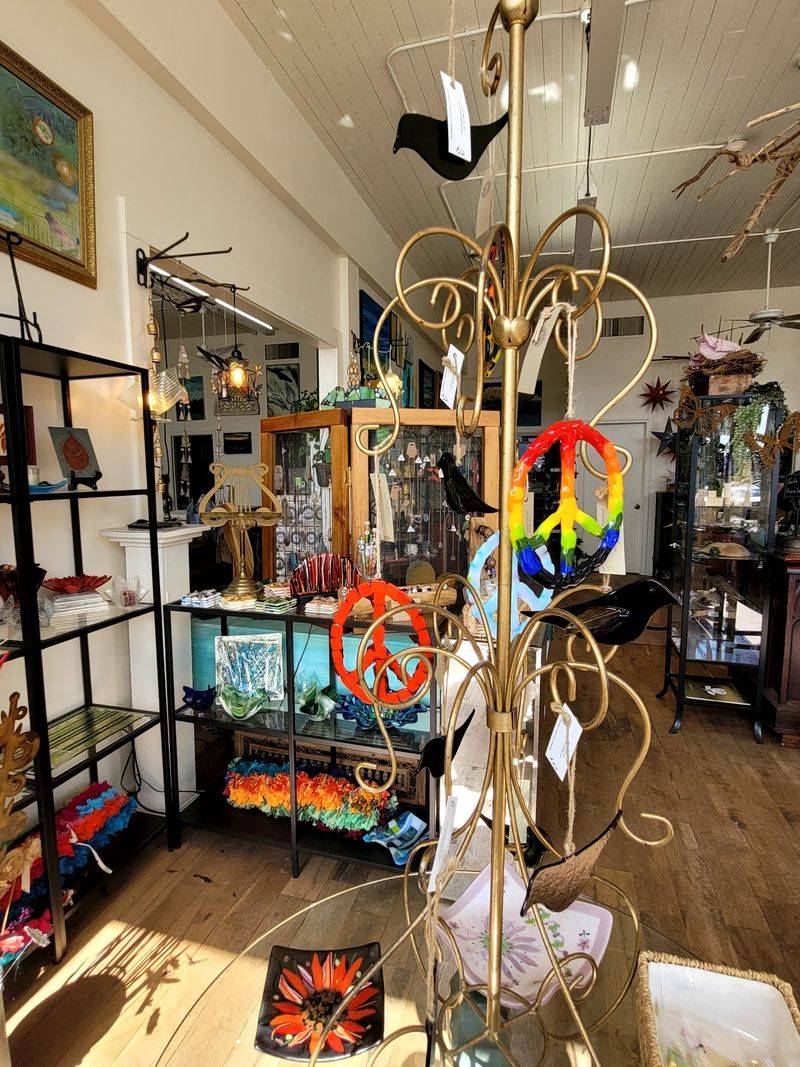
Pick a color. Add another. Now things get interesting. Creating your own glass art is the main attraction at The Glass Source, where workshops turn an ordinary afternoon into a chance to make something completely personal.
Instead of simply admiring finished pieces, participants get the materials and guidance needed to create their own.
The workshop calendar regularly changes, so projects can look very different from one visit to the next. Past offerings have included fused glass flower bowls, colorful coasters, wind chimes, funky mirrors, and slumped vases.
Seasonal classes bring another round of possibilities, including ornaments, snowflakes, and festive designs around the holidays.
Participants work with fusible glass, frit, and slender stringers to build patterns and experiment with color. Instructors demonstrate the tools and techniques before helping students develop their individual designs.
Some creations become even more interesting after firing. Glass colors can shift inside the kiln, giving the finished piece a different appearance once the process is complete.
Traditional stained glass gets attention here as well. Multiweek classes allow students to spend more time developing techniques and building confidence with the craft.
That variety keeps the experience fresh. One visit might produce a bright little coaster, while another could end with a decorative bowl or mirror ready to display at home.
5. Experienced Artists Can Build Their Skills Too
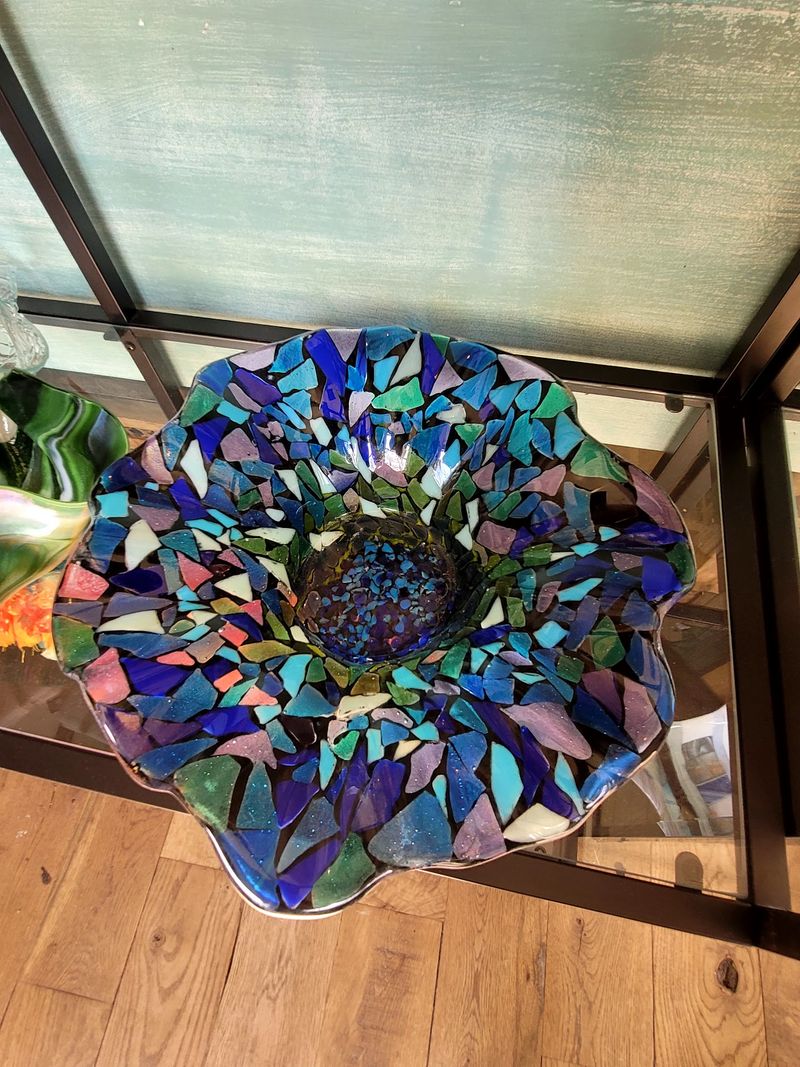
Once the basics click, many crafters want more room to grow. The studio makes space for that stage too, and it is a big reason some students keep coming back week after week.
Advanced stained glass courses give skilled students new challenges. One of these runs on Wednesday evenings, a handy option for people who work during the day.
Advanced lessons can help with tighter cuts, more detailed patterns, and larger panels.
Then there is Open Studio. This option lets experienced artists work on their own while using the studio’s grinders, saws, and other tools.
You can finish a project you started in class or begin something completely new. Open Studio is typically offered on Sundays during regular business hours, though it is wise to confirm before you visit.
Access to real equipment is a big deal for glass artists. Grinders and saws take up space and cost money, so being able to use them in a bright, organized room can help a hobby keep moving forward.
The studio also has deep roots in restoration and preservation of stained and leaded glass, plus custom design work. For serious students, being around that kind of long experience offers plenty of chances to learn by watching and asking.
6. Supplies Make It Easy To Continue At Home
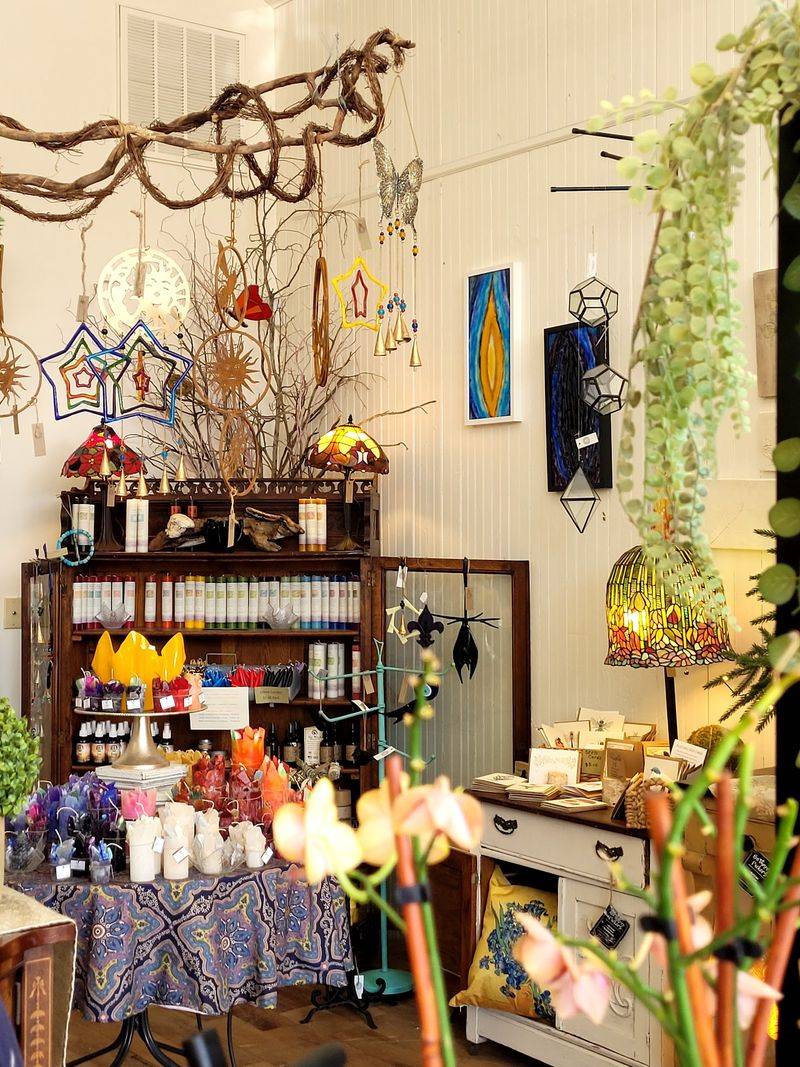
Finishing a class often leaves you with one thought: what should I make next? Having supplies close by turns that spark into your next project.
The studio runs a retail area with a wide selection of art glass and tools. It carries the gear needed for stained glass work, the kind of items that let you keep practicing at your own table.
Visitors often praise the large, colorful glass assortment and the helpful service when picking out materials.
Choosing glass in person has real perks. You can hold a sheet up to the light, compare textures, and see how two colors look side by side.
That is much harder to judge on a screen. Staff members can also offer advice if you are unsure which tools fit your project.
A simple way to shop is to bring a sketch or pattern with you. Knowing roughly how much glass you need and which colors you want keeps the trip focused and saves money.
One thing to keep in mind is that the studio mainly sells art glass. Much of its fusible glass is set aside for its own work and for classes.
If you plan to fuse at home, ask in advance what is available so you can plan ahead.
7. Finished Pieces Become One-Of-A-Kind Keepsakes
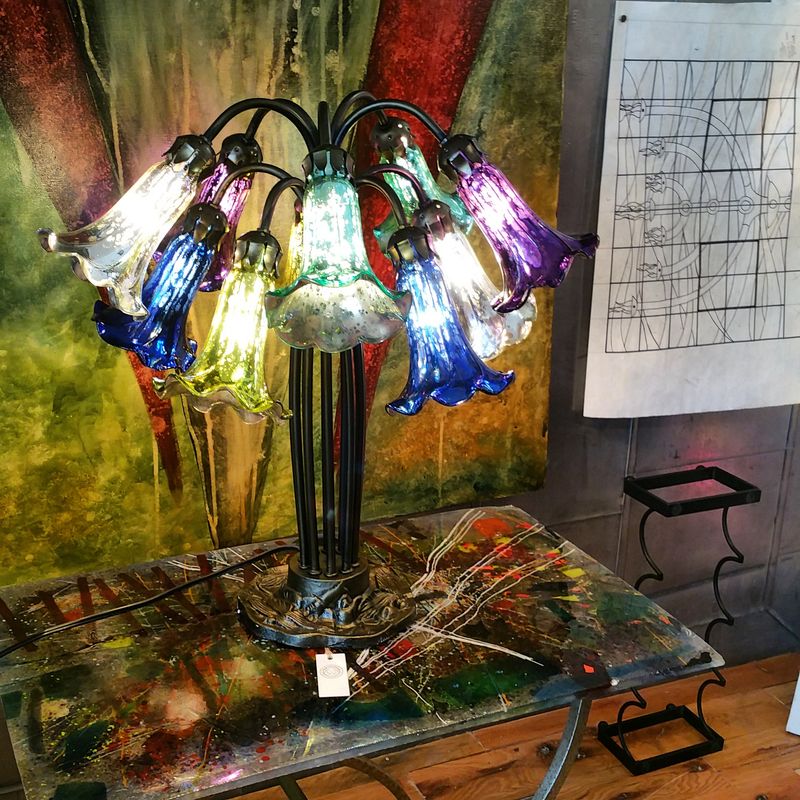
Nobody else on earth will own your exact wind chime. The swirl of color, the spot where you placed a stringer, even the tiny quirks make it yours alone.
That personal touch is why so many workshop pieces end up as treasured keepsakes. Students leave with plans for bowls, coasters, chimes, mirrors, and vases that they designed themselves.
Plenty of them become gifts for birthdays and holidays, too.
Fused glass needs a little patience, though. Most projects go into a kiln, a very hot oven that melts the pieces together and shapes them.
Because of that step, finished work is generally ready for pickup in about a week. If you are traveling from far away, plan a return visit or ask the studio about your options.
Waiting can actually be part of the fun. Glass often looks a bit different after firing, with edges softening and colors settling in.
Seeing the final result feels like opening a small present.
For bigger dreams, the studio also creates custom stained and leaded glass windows, panels, cabinet inserts, and fused glass sculptural pieces. Browsing that work can show you how far the craft can go once your skills grow.
8. Workshops Make Crafting Feel More Social
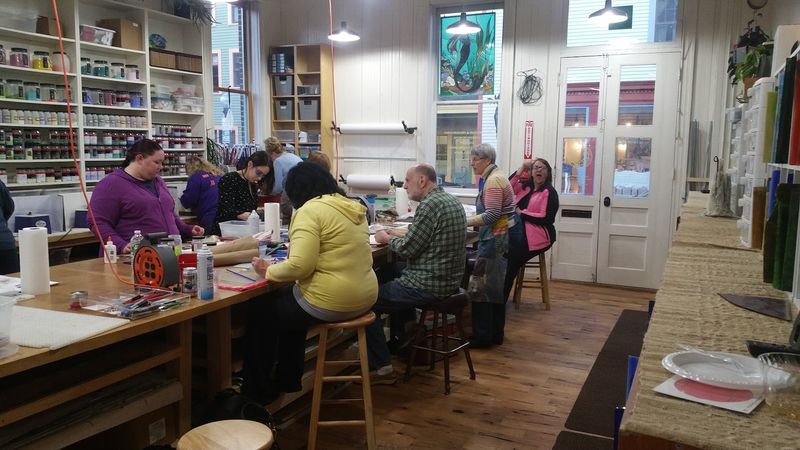
Crafting alone at home can be peaceful, but sharing a table with others brings a whole new energy. Laughter, swapped ideas, and a little friendly admiration all add to the afternoon.
Classes here tend to feel welcoming and relaxed. Past students describe small groups where they got to know one another while still getting plenty of personal help from the instructor.
People mention having enough elbow room, a high ceiling, and a bright space that makes it comfortable to settle in.
Private group workshops are a great choice for gatherings of about 8 to 10 people. Think birthdays, family reunions, club outings, or a day out with coworkers.
Everyone works on a fused glass project, and the group leaves with matching memories but totally different creations.
Solo visitors fit right in too. Signing up alone is common, and many people find it easy to chat with classmates who share the same curious streak.
Some return regularly and become part of the studio community over time.
Here is a friendly suggestion. Bring a friend to your first class and compare designs at the end.
Seeing how two people use the same materials in wildly different ways is half the fun.