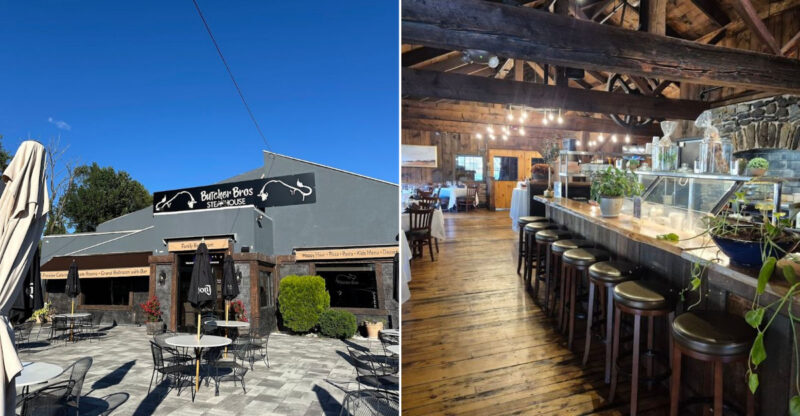
Buyers Can Still Find Homes Around $300,000 In This Connecticut City
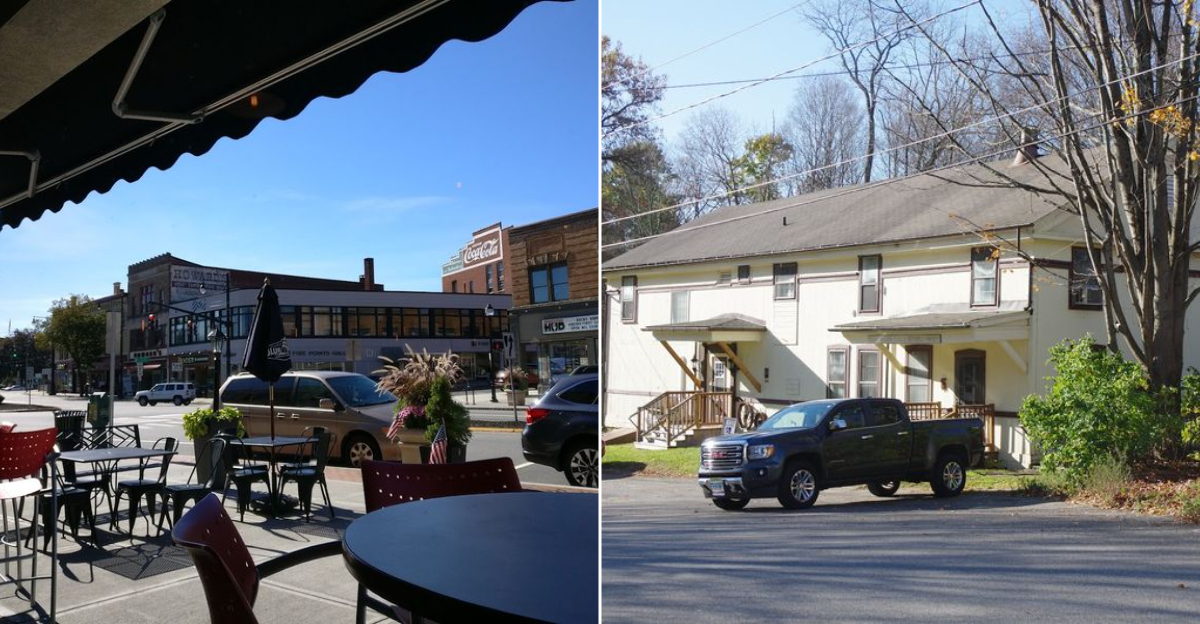
Buying a home at an approachable price can feel difficult across much of the state. One northwest city still offers a more realistic option.
Buyers can still find homes around $300,000 in this Connecticut city, along with space and nearby scenery.
The housing stock includes older properties with character. Many have larger yards or extra rooms that would cost far more in other parts of the region.
Downtown adds another layer, led by a historic theater and a center that continues to change.
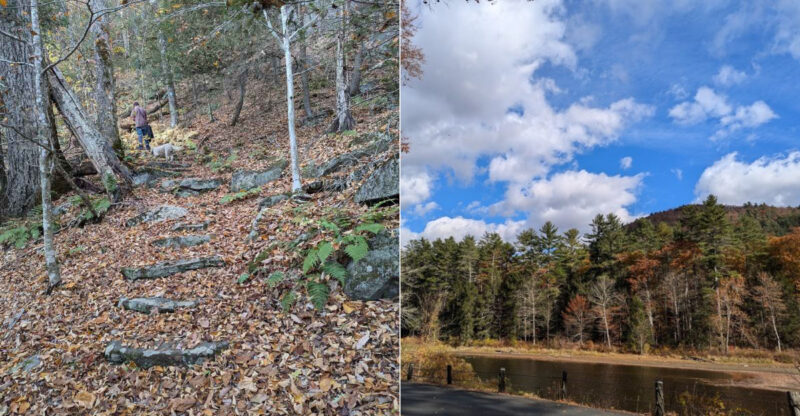
Outdoor access is close. Forest trails sit near residential neighborhoods, while a popular pond offers an easy escape when the weather cooperates.
The city is not polished to perfection, and that works in its favor. It feels practical and lived-in.
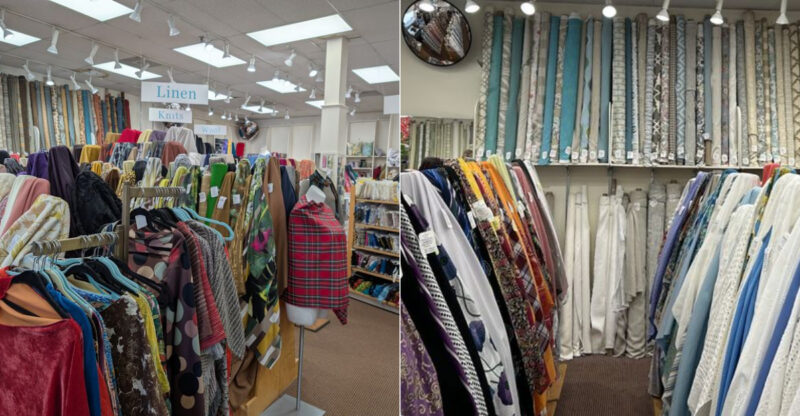
Local shops give the center personality without turning it into a tourist showcase.
For buyers watching their budget, that balance makes the city worth a closer look.
1. Northwest Hills Living Without The Region’s Highest Prices
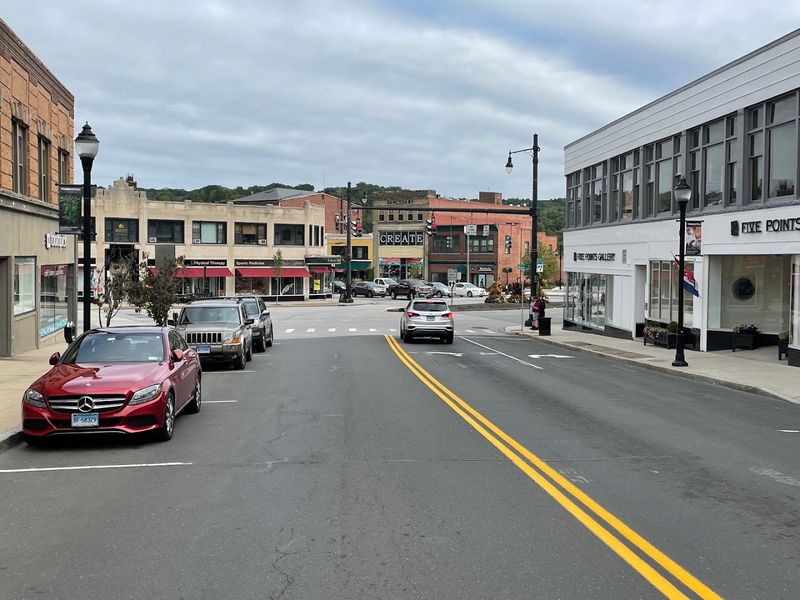
Room to breathe financially can be hard to find in the Northwest Hills, but this city gives budget-conscious buyers a more approachable way in.
Recent figures put the median listing price near $291,000, while homes sold for a median of about $320,000 during the three months ending in May 2026.
That is below the county’s typical home value of roughly $425,000, creating a meaningful gap for shoppers who love the region but not its steepest prices.
Properties spent an average of about 54 days on the market during the three months ending in May 2026. Prices were still up year over year, so affordability here does not necessarily mean a stagnant market.
It simply offers a different entry point, with city conveniences and Litchfield Hills scenery sharing the same map.
Everyday expenses add to the appeal. Some estimates place the cost of living below the statewide average, although comparisons with the national average vary by source and methodology.
For buyers seeking character, outdoor access, and a manageable purchase price, Torrington makes a friendly, practical case without feeling like a compromise.
2. The Warner Theatre Anchoring Main Street After Dark
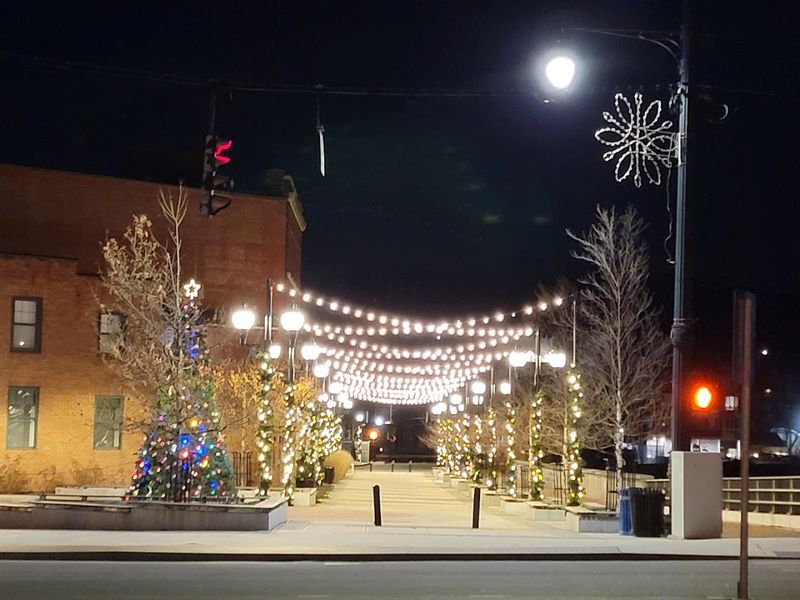
Movie-palace glamour still fills this downtown landmark, where glowing Art Deco details turn an evening performance into a full occasion. Opened in 1931, the Warner Theatre began as a grand cinema and quickly became one of Main Street’s defining buildings.
By the early 1980s, however, it had closed and faced demolition. Local residents rallied to save it, reopening the venue as a performing arts center in 1983.
A major restoration brought the auditorium and lobbies back to life, with work completed in November 2002. Today, the theater presents more than 170 performances and programs each year, including concerts and community productions.
The mix keeps the calendar lively and gives audiences plenty of reasons to return.
Show nights bring extra energy to downtown as guests arrive early, admire the ornate interior, and settle in before the curtain rises. The building’s dramatic ceiling, decorative finishes, and historic atmosphere make even a familiar production feel special.
The Warner Theatre welcomes audiences at 68 Main Street in Torrington. Its survival is a powerful community success story, and its continued presence gives the city a cultural centerpiece that feels both grand and warmly local for residents and regional visitors.
3. Local Shops And Murals Along A Walkable Arts District
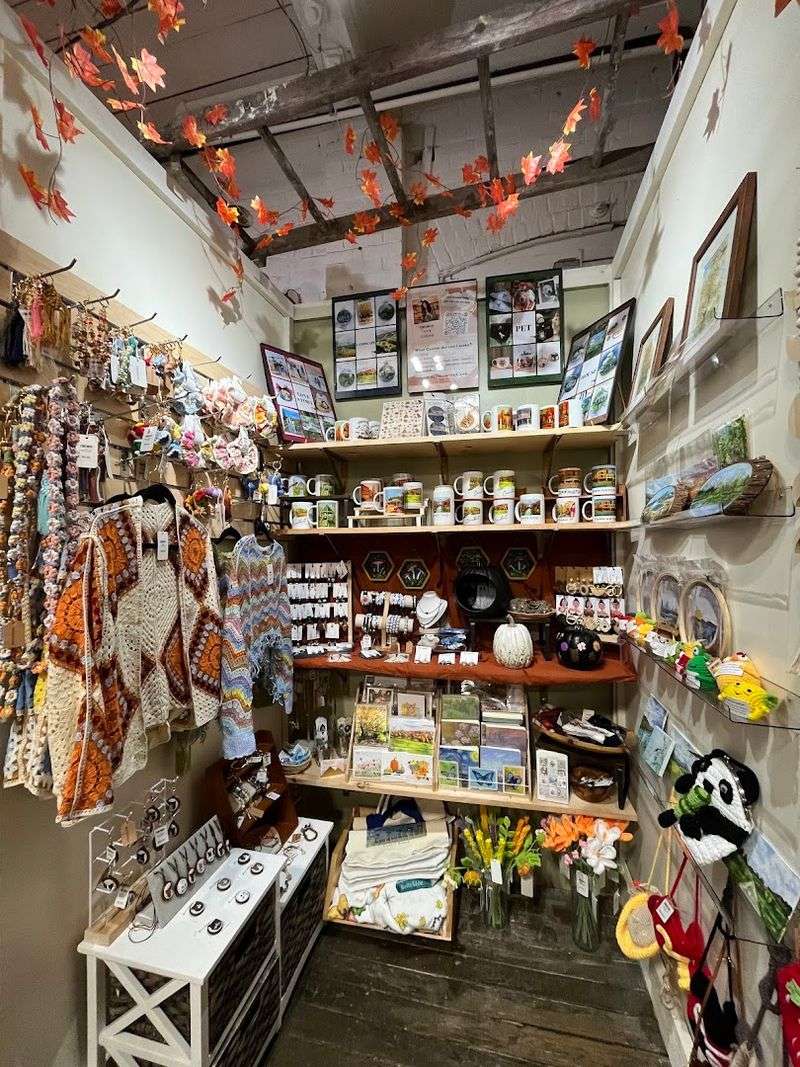
Downtown Torrington has quietly built a walkable arts district that rewards slow exploration. Along Water Street and Main Street, a mix of independent galleries, creative studios, and handmade goods shops give the area a texture that feels earned rather than manufactured.
Public murals punctuate the route, adding color and context to buildings that might otherwise blend into the background.
Market Street Creatives, housed in a former factory building at 100 Lawton Street, Torrington, CT 06790, brings together more than 180 local vendors under one roof alongside art galleries and a coffee bar.
Five Points Gallery at 33 Main Street, Torrington, CT 06790 is a non-profit contemporary art space presenting rotating exhibits from regional and international artists, open Tuesday through Sunday.
The collaborative studio a mano at 17 Water Street, Torrington, CT 06790 connects working artists with the public through curated shows and hands-on programming.
Adding to the visual landscape is a large-scale Civil Rights Mural at 42 Water Street, Torrington, CT 06790, unveiled in 2021 and featuring themes of diversity and equity. A newer community mural celebrating America’s 250th anniversary was completed in Franklin Plaza in July 2026.
4. Former Mill Buildings Revealing The City’s Industrial Past
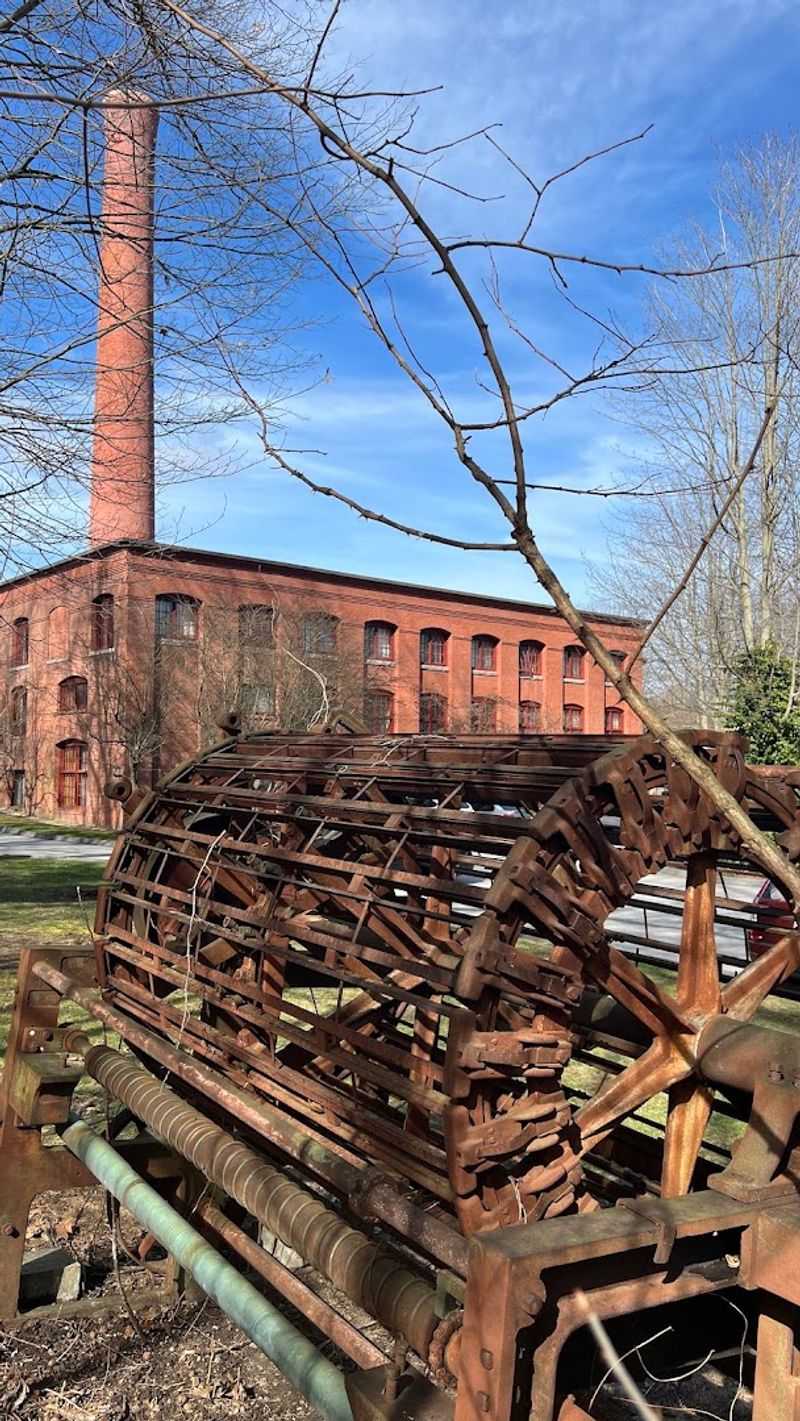
The industrial bones of Torrington are hard to miss once you start looking. Massive brick mill buildings line stretches of the Naugatuck River corridor, standing as physical evidence of a manufacturing era that once defined the city’s economy.
Brass production, needle manufacturing, and textile milling all left their mark on the built environment here, and many of those structures are still standing.
One of the most tangible examples of adaptive reuse is the Warrenton Mill Condominiums at 839 Main Street, Torrington, CT 06790. The original textile mill was founded in 1844 and ceased operations in 1984 before being converted into residential units in 1988.
The renovation preserved exposed brick walls, original wood beams, and high ceilings, giving residents a living space with genuine industrial character rather than a simulated version of it.
Other former industrial sites, including the Torrington Company Excelsior Needle Site on Field Street and the Torrington Standard Plant on Norwood Street, are currently part of state-funded cleanup and redevelopment initiatives.
These projects signal a broader commitment to repurposing rather than erasing the city’s manufacturing legacy.
The result is a city that wears its history visibly, which adds a layer of authenticity to the overall character of the place.
5. Burr Pond And Sunnybrook Waiting Beyond The Neighborhoods
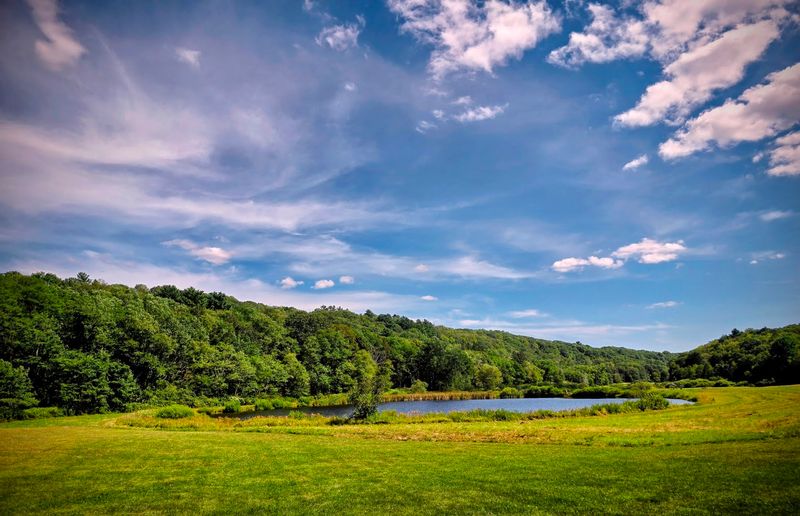
Just beyond the city’s developed areas, two state parks offer a natural counterbalance to the urban environment. Burr Pond State Park at 385 Burr Mountain Road, Torrington, CT 06790, encompasses 438 acres wrapped around an 85-acre man-made pond.
The park provides swimming at a sandy beach, picnic areas, fishing, and a 2.5-mile loop trail that circles the water with easy to moderate terrain throughout.
Boating options are available seasonally from Memorial Day through Labor Day, with canoe, kayak, and paddleboard rentals on-site.
The park carries an interesting historical footnote as the location of Gail Borden’s first commercially successful condensed milk factory, established in 1857, though the original building burned down in 1877.
A bronze tablet marks where the factory once stood. The park opens daily at 8:00 a.m. and closes at sunset, and an alcohol ban is enforced throughout the grounds.
Arriving early on summer weekends is advisable since parking lots may close when capacity is reached.
Sunnybrook State Park, accessible off Newfield Road in Torrington, CT 06790, covers 464 acres of mixed hardwood forest with trails, fishing along the East Branch Naugatuck River, and hunting in designated areas.
The 2-mile John Muir Trail links Sunnybrook directly to Burr Pond through Paugnut State Forest, making longer connected hikes entirely possible.
6. Small-City Convenience At The Gateway To The Litchfield Hills
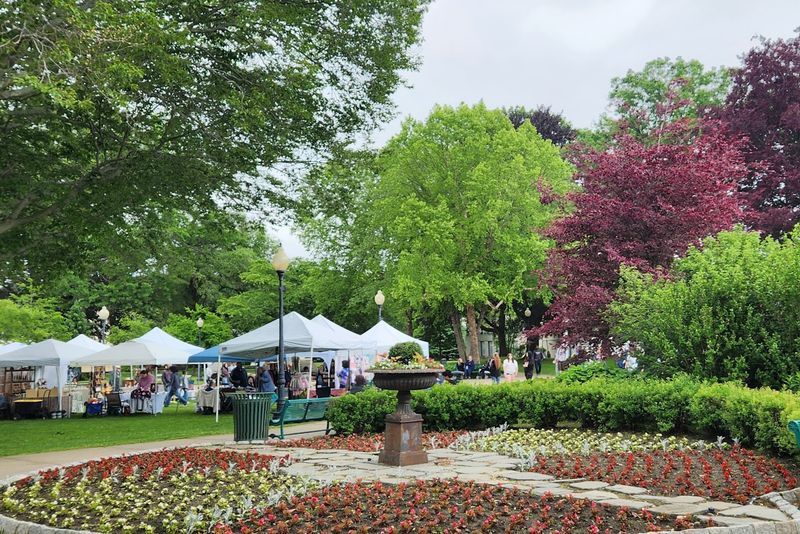
Positioned at the edge of the Litchfield Hills, Torrington functions as a practical base camp for exploring one of state’s most scenic regions. The city provides everyday conveniences including local dining, medical facilities, and retail options, all without requiring a long commute to access them.
That combination of urban utility and rural proximity is genuinely useful rather than just a marketing point.
The surrounding Litchfield Hills region offers easy access to charming small towns, working farms, antique shops, and a landscape that changes dramatically with each season.
Fall foliage along the roads leading out of the city tends to be striking, and the proximity to state parks and forests means outdoor activity is never far away.
Getting to neighboring towns like Litchfield, Norfolk, or Goshen takes a short drive along routes that pass through countryside rather than congestion.
Within the city itself, the rhythm of daily life moves at a manageable pace. Streets are generally navigable, parking in the downtown area is available, and the scale of the place allows residents to feel genuinely connected to their surroundings rather than absorbed into an anonymous sprawl.
For those weighing where to put down roots in northwestern Connecticut, the gateway position of this city adds practical value that compounds over time.
7. Century-Old Homes Near A Reviving Downtown Core
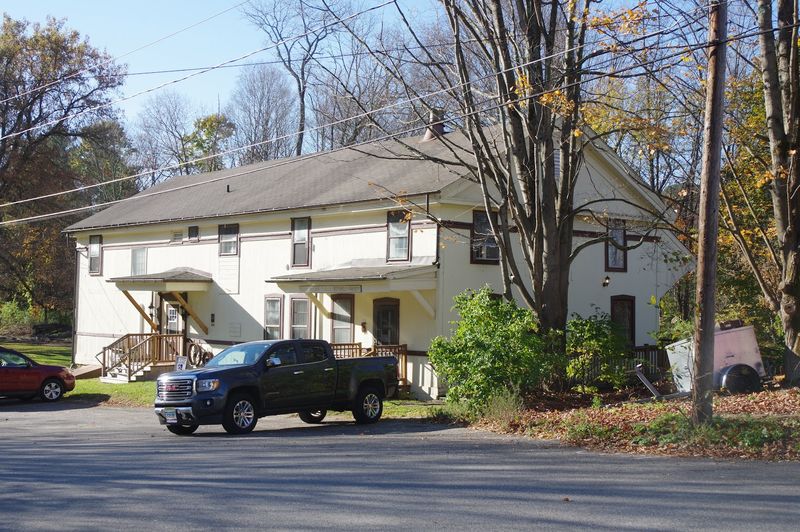
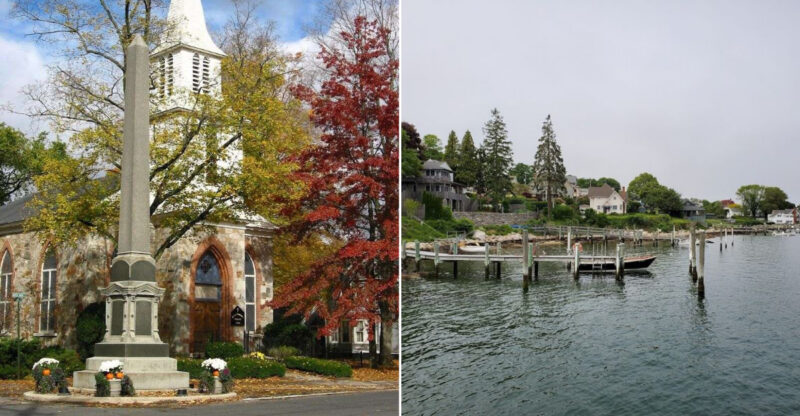
History feels close at hand in downtown Torrington, where brick storefronts and decorative details give a stroll plenty to notice. Main Street features historic commercial buildings from several architectural periods, with the Art Deco Warner Theatre serving as its most recognizable landmark.
Much of the area falls within the Downtown Torrington and Water Street historic districts, both listed on the National Register of Historic Places.
Yet the neighborhood is not being treated like a museum piece. Ongoing redevelopment efforts are pairing preservation with new housing, businesses, public spaces, and cultural activity.
State and federal brownfield funding has supported the cleanup and reuse of former industrial properties, including sites near the Naugatuck River and elsewhere around downtown.
That mix of old character and new purpose gives the district its energy. Restored landmarks, galleries, shops, restaurants, and creative spaces now share streets once shaped by manufacturing.
The city and Torrington Development Corporation continue working to bring neglected properties back into use.
For prospective residents, this evolving center offers more than attractive architecture.
8. A Growing Housing Market Still Near The $300,000 Mark
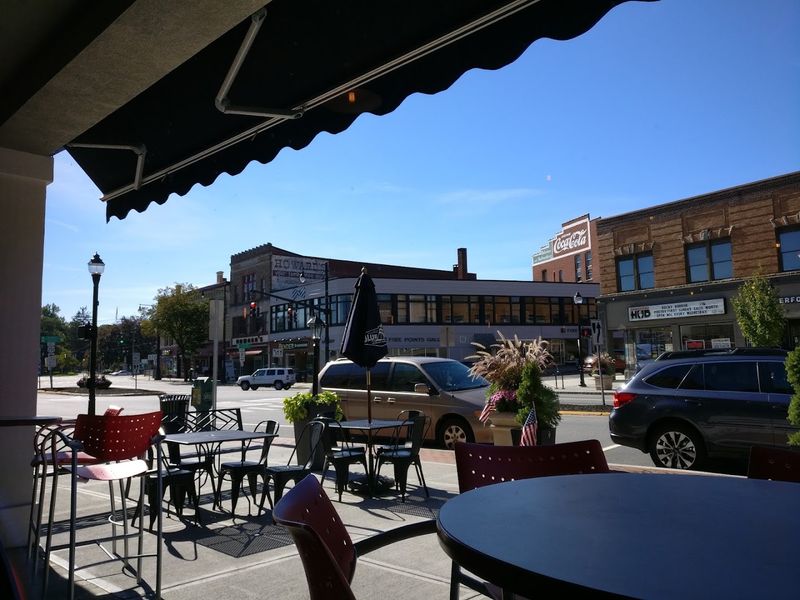
The numbers behind Torrington’s housing market tell a story of steady momentum without runaway inflation. Recent data places the median listing price near $280,000, although the number of active listings changes frequently.
That breadth of inventory is relatively uncommon in a Connecticut market where listings in many towns stay tight.
Over the three months ending in May 2026, the median sale price was about $320,000, up approximately 9.3% from the same period a year earlier.
Despite that appreciation, values generally hold within the mid-$200,000s to low-$300,000s range, keeping the market accessible for first-time buyers and those relocating from higher-cost areas.
Updated homes with modern finishes tend to attract multiple offers and often sell close to or above asking price.
What distinguishes this market from nearby Litchfield County towns is the combination of space, natural surroundings, and genuine community character at a price point that does not require significant financial sacrifice.
Remote workers, young families, and buyers seeking more square footage per dollar have all found Torrington worth serious consideration.
The market moves at a pace that rewards preparation but does not punish careful decision-making.
9. What Makes Torrington Worth Watching In The Years Ahead
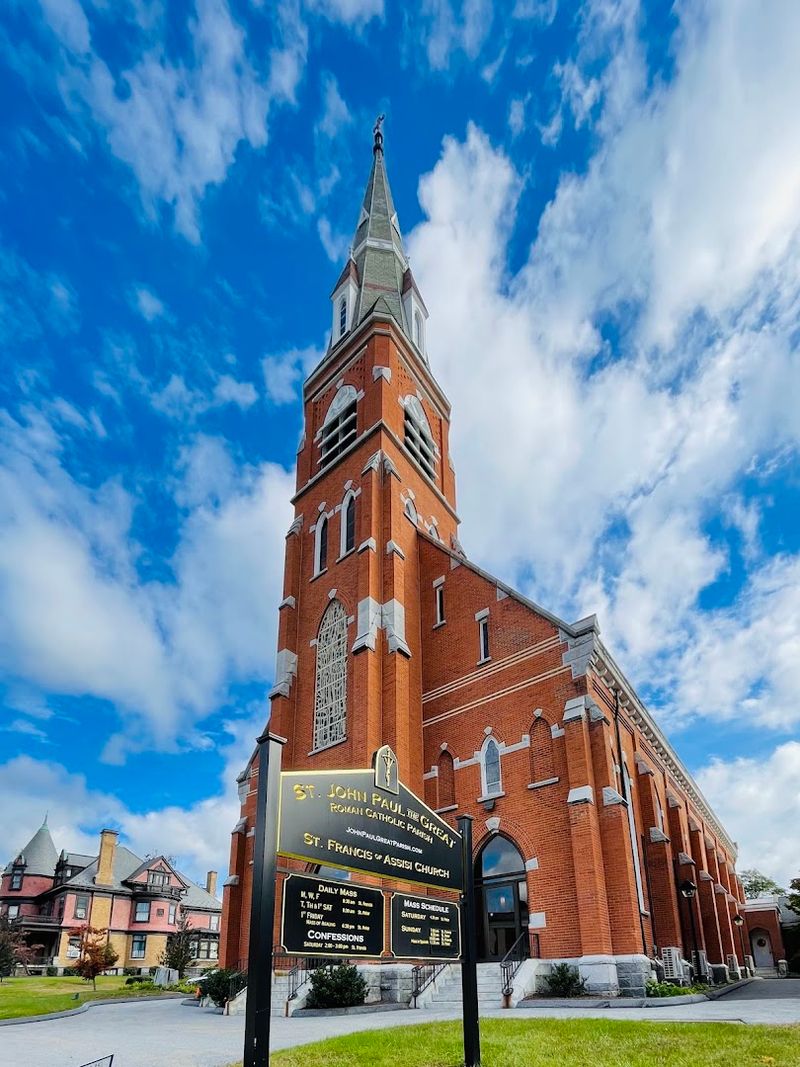
Several converging trends suggest that Torrington’s current affordability window may not stay open indefinitely.
State investment in brownfield cleanup and infrastructure, combined with growing interest from remote workers seeking livable alternatives to expensive metro areas, has positioned the city as one to watch in northwestern parts of the state.
The redevelopment timeline extending through 2040 indicates that the transformation underway is planned and sustained rather than speculative.
The arts community has established genuine infrastructure here, with multiple galleries, a major performing arts venue, and public art initiatives giving the city cultural credibility beyond its size.
That kind of creative ecosystem tends to attract further investment and a more diverse range of residents over time.
The presence of the Warner Theatre alone signals that Torrington has the civic ambition to sustain institutions that smaller cities often cannot support.
Homes near the $300,000 mark in a city with this much existing infrastructure and natural surroundings represent a genuinely unusual opportunity within state’s broader market.
The city is not a hidden gem in the cliched sense, but it does reward those willing to look past more familiar names on the map.