An Entire Virginia Warehouse Is Filled With Architectural Salvage Waiting To Be Rediscovered
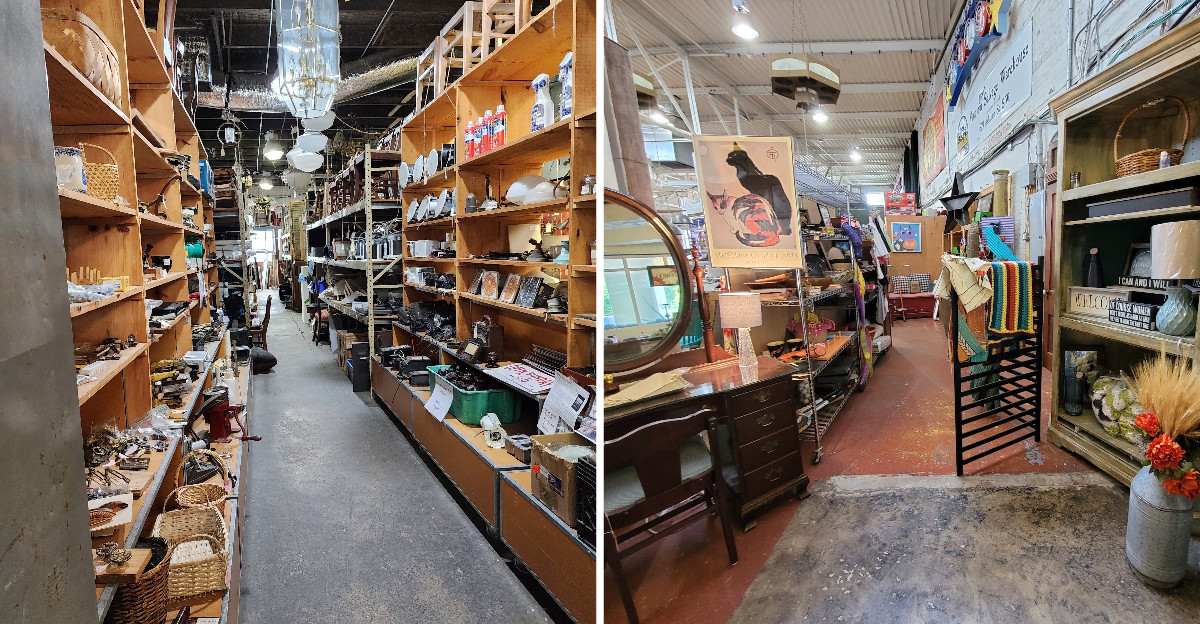
One old door can wreck an entire decorating plan, in the best way.
A Virginia warehouse packed with architectural salvage turns stained glass, lighting, hardware, furniture, and wonderfully odd pieces into an endless stream of “what could I do with that?” moments.
That question is the real fun.
A weathered panel stops looking like scrap. An old fixture suddenly feels perfect for a room you were not even planning to change.
Then another piece appears and starts the process over again.
Nothing here feels finished. Everything is waiting for a second idea, which makes browsing feel less like shopping and more like creative trouble.
The Warehouse Sets The Pace
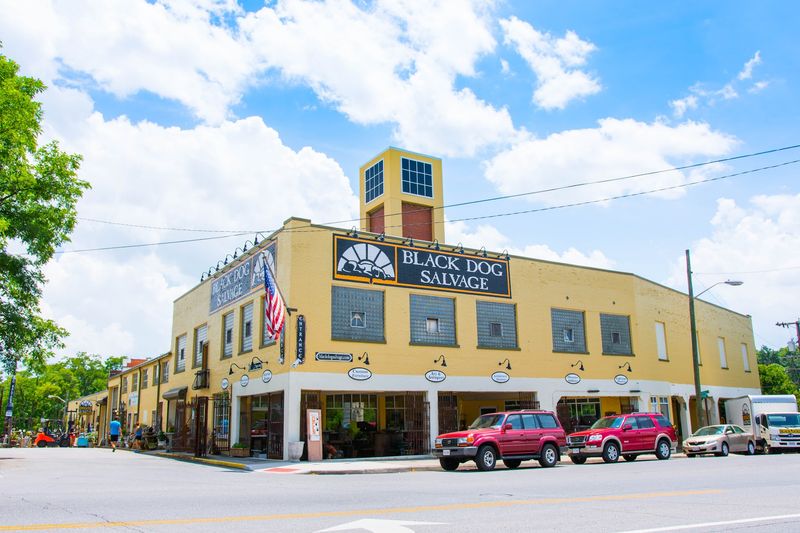
A first look across the showroom makes one thing clear. A quick lap can miss plenty of interesting details.
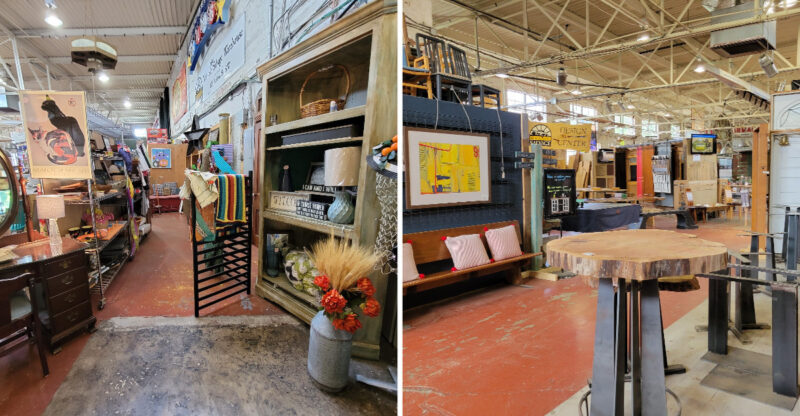
The main showroom gives large architectural pieces room to stand. Doors, windows, and furniture share space with much smaller finds.
Looking across each area before examining individual objects can help reveal displays that are easy to pass.
At Black Dog Salvage, the changing inventory makes an open schedule useful. Leaving extra time keeps the visit from turning into a rush between aisles.
Some pieces make sense immediately, while others invite closer inspection. A carved edge or unusual hinge can change the focus.
Looking upward matters here too. Lighting and taller objects deserve attention above eye level.
The showroom offers more than a search for one specific purchase. Browsing can help visitors learn which materials and shapes suit their own spaces.
Virginia travelers who enjoy design can appreciate the visit without buying anything. The browsing itself can be rewarding and surprisingly absorbing.
For a useful starting point, head to the main showroom at 902 13th St SW in Roanoke.
Doors With Another Chapter
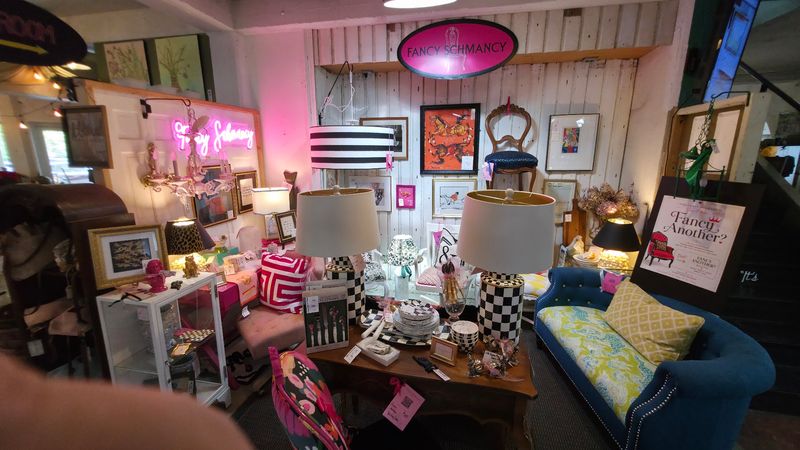
One old door kept me studying its panels longer than expected. Small marks showed how much detail an ordinary object can hold.
The architectural salvage area includes doors, hardware, mantels, and other building pieces. Each category offers different possibilities for a home project.
Measurements should come before choosing anything large. Door height, width, and thickness all affect a useful fit.
Older doors may need careful planning around existing frames. The edges, hinges, and latch position deserve attention too.
Hardware asks for the same close look, despite its smaller size. A knob can be attractive yet unsuitable for a particular door.
Mantels bring another set of practical questions. Available wall space and installation needs should be understood before choosing a design.
Not every salvaged piece needs its original job again. An old door could inspire a project elsewhere in the home.
Condition should be understood before plans get too far. Surface wear, loose parts, and missing pieces deserve a careful check.
The reward is a more thoughtful search, not simply a longer one. Details that are easy to overlook can matter once installation begins.
Windows Worth A Closer Look
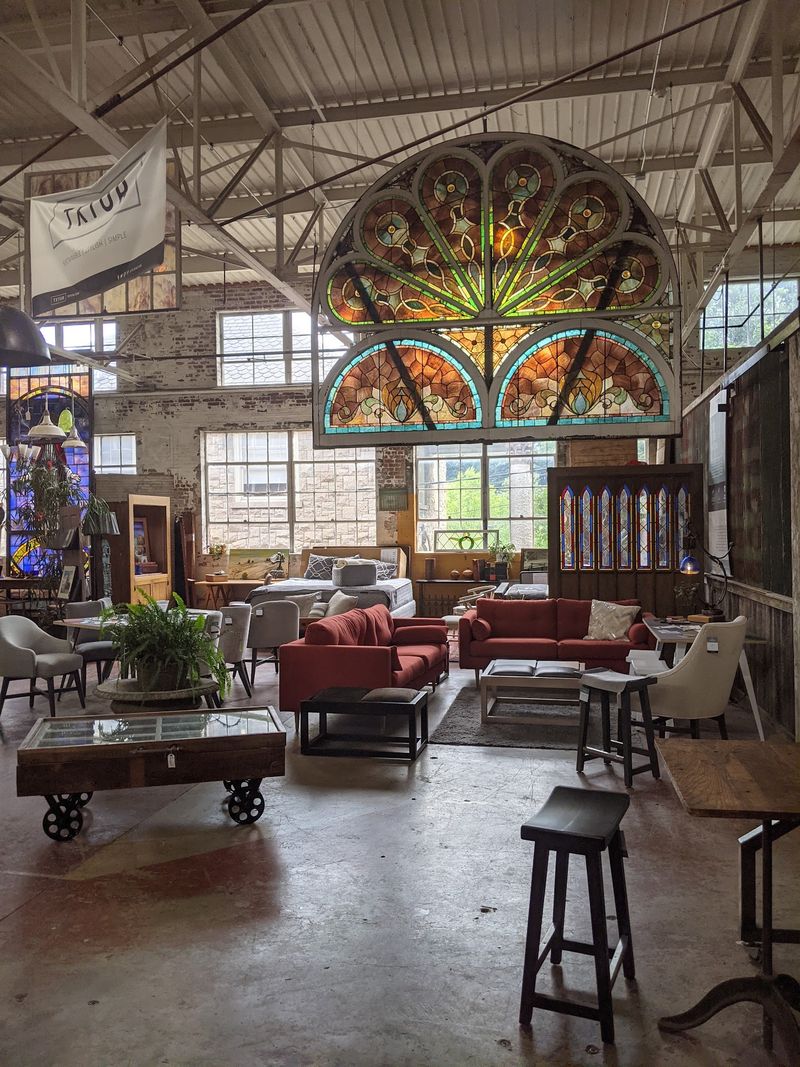
Colored glass can stop a visitor even when no project is planned. Here, stained glass windows add detail to the architectural collection.
Taking a moment to study each pattern can reveal how much the glass changes with the light around it.
That visual appeal does not replace a practical inspection. The frame, joints, and individual glass sections should all be checked.
A window meant for display has different needs than an exterior window. Its intended use should be clear before choosing one.
At Black Dog Salvage, old windows also encourage creative thinking. A frame can offer interest without becoming part of a wall.
For a home project, exact dimensions matter. Safe mounting and the weight of the piece should also be considered.
Glass needs special care during travel and storage. Protective wrapping and enough room in the vehicle can help keep it stable.
Exterior use brings additional questions about exposure, sealing, and installation. Indoor display may be simpler for a decorative piece.
Even without taking anything home, older design choices are worth examining. Patterns, textures, and frames give every window its own character.
Furniture Finds New Purpose
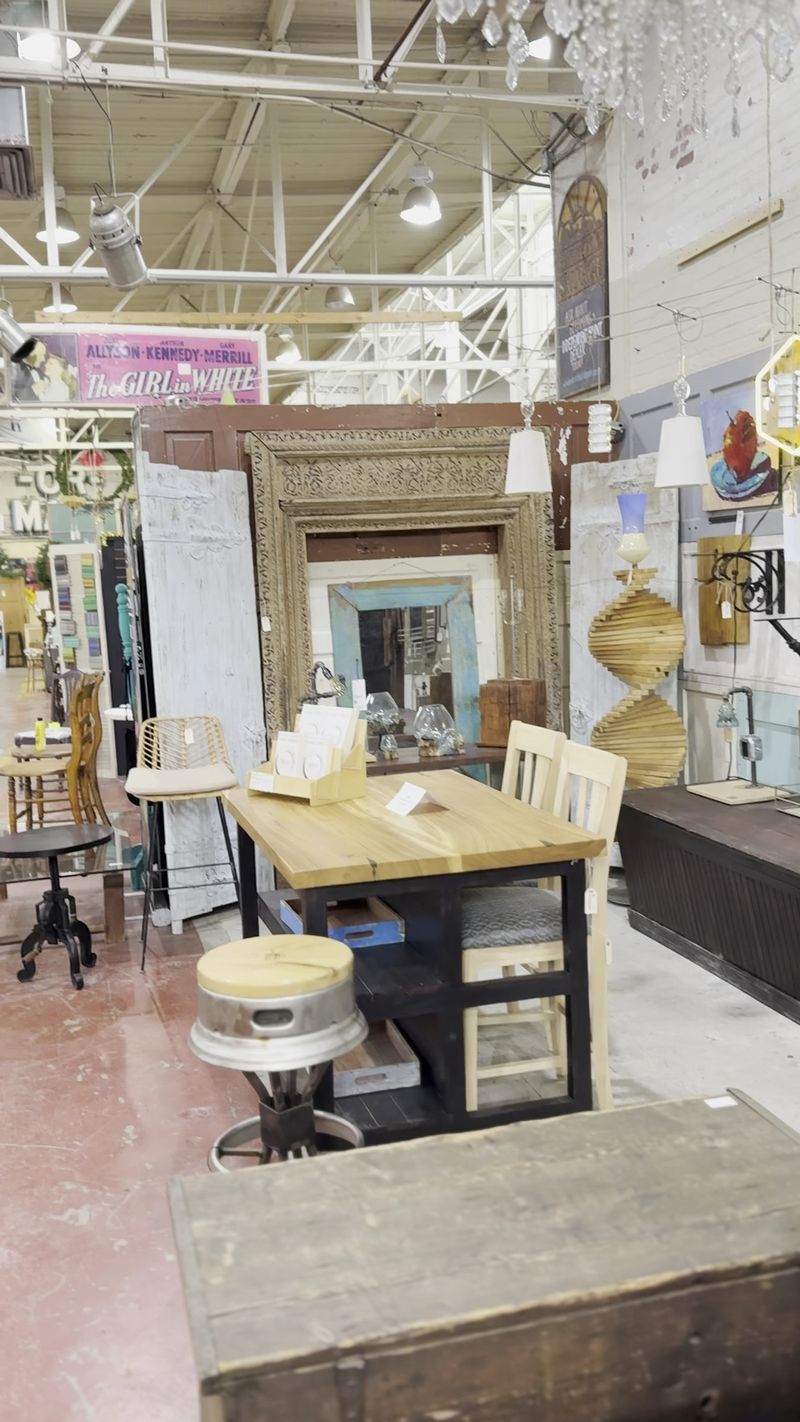
A finished piece of furniture changes how nearby raw materials are understood. It shows what careful reuse can accomplish.
The showroom carries furniture alongside its architectural salvage. That mix offers ideas without requiring a workshop at home.
Black Dog Salvage also creates custom pieces using reclaimed materials. Seeing completed designs can make useful shapes and sizes easier to picture.
Function matters before appearance alone takes over. A table needs to suit daily use, not just photographs.
For seating, comfort and stability matter. For storage, drawers, doors, and available space deserve a closer look.
Reclaimed wood may show marks left by earlier use. Those details can be appealing when the piece still functions well.
The showroom makes it easier to compare finished and unfinished options. Visitors can decide which approach best matches their skills and plans.
Custom work also opens another possibility. The Design Center can work with salvaged materials and build pieces to specific requirements.
Room dimensions are useful before discussing a larger piece. That simple preparation keeps an exciting idea realistic.
Art Beyond The Salvage
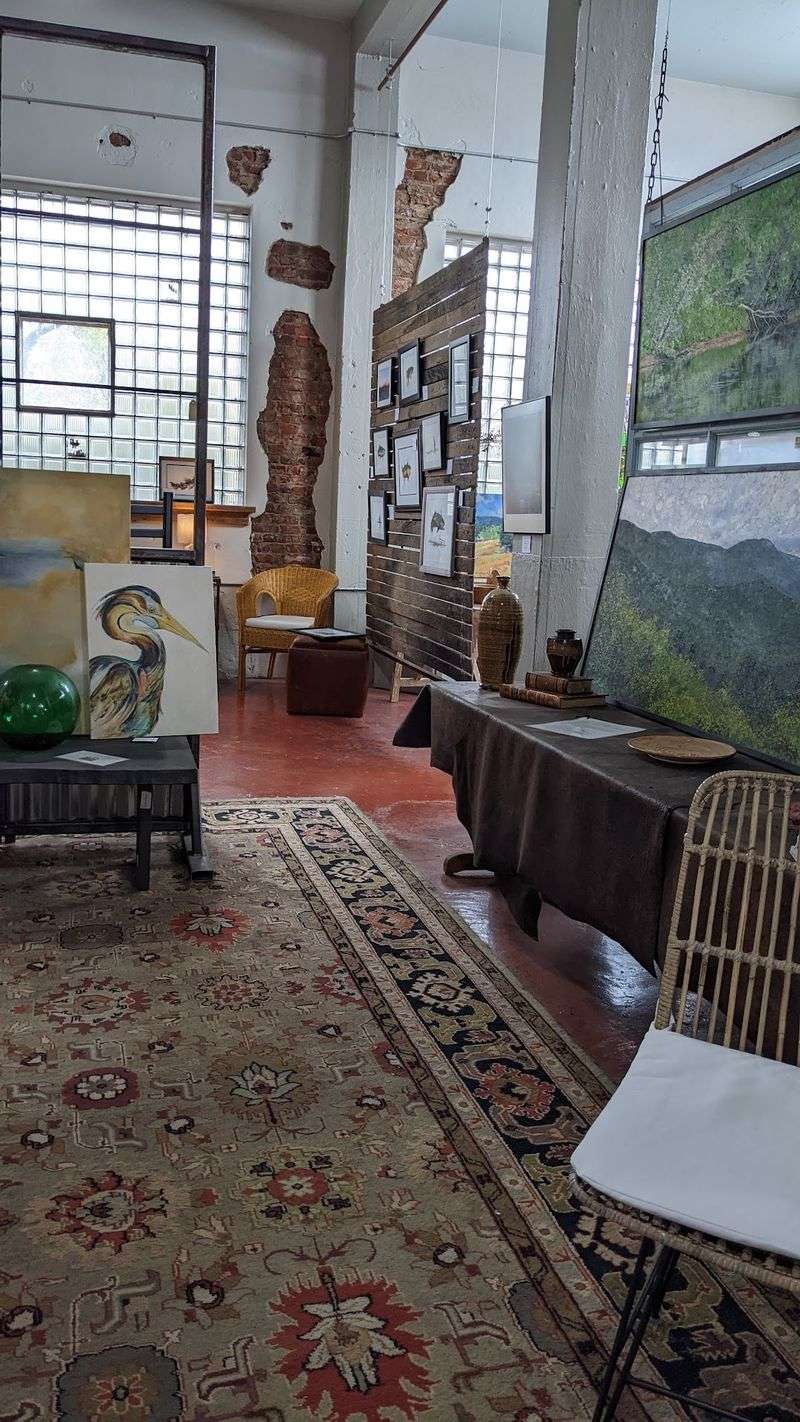
After heavy architectural pieces, artwork and handmade objects offer a useful change of scale.
The marketplace includes home accessories, lighting, and work connected to regional makers. The Loft Gallery adds fine and found art from artists and artisans around the region.
The gallery brings a different kind of creativity into the visit without separating it from the salvage-focused showroom.
Smaller objects can be easier to picture at home. Shelf space, colors, scale, and maintenance still matter when choosing decor.
Lighting calls for more planning than its appearance suggests. Size, mounting, and electrical requirements should be checked before taking a fixture home.
Art deserves a little time without a shopping goal. Textures and materials can feel especially different after viewing heavy architectural pieces.
Black Dog Salvage brings regional creative work beside reclaimed objects. That pairing lets visitors compare fresh designs with older materials.
Virginia visitors seeking a compact keepsake can focus on smaller displays without committing to a large architectural purchase.
The changing mix gives the marketplace a distinct rhythm. A favorite object cannot be assumed to stay there indefinitely.
Small Hardware, Big Possibilities
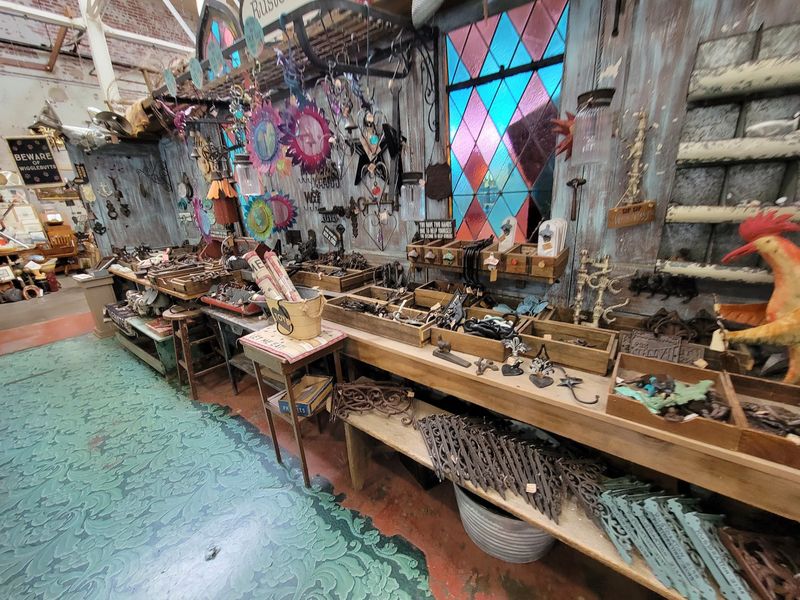
ome of the most interesting finds can fit in one hand. Small hardware can carry more character than its size suggests.
The showroom’s selection includes pieces useful for doors, drawers, cabinets, and other projects. Shape, finish, dimensions, and mounting style all matter.
Bringing an example of existing hardware can make comparisons easier. It helps with sizes and fastening methods.
A drawer pull needs the right distance between mounting holes. A hinge needs to suit its door and frame.
Those details sound fussy until a project reaches installation day. Measuring first can prevent a frustrating return to the toolbox.
Matching pieces also matter when a room needs several. One unusual knob may suit a single cabinet better.
Mixed finishes can work when chosen on purpose. Arranging possible combinations before committing can help show whether the materials work together.
Old hardware may need cleaning or another simple fix. Care should match the material rather than relying on one method for everything.
Browsing these smaller objects slows the pace in a good way. It rewards attention without requiring room for a huge purchase.
Why Reuse Matters Here
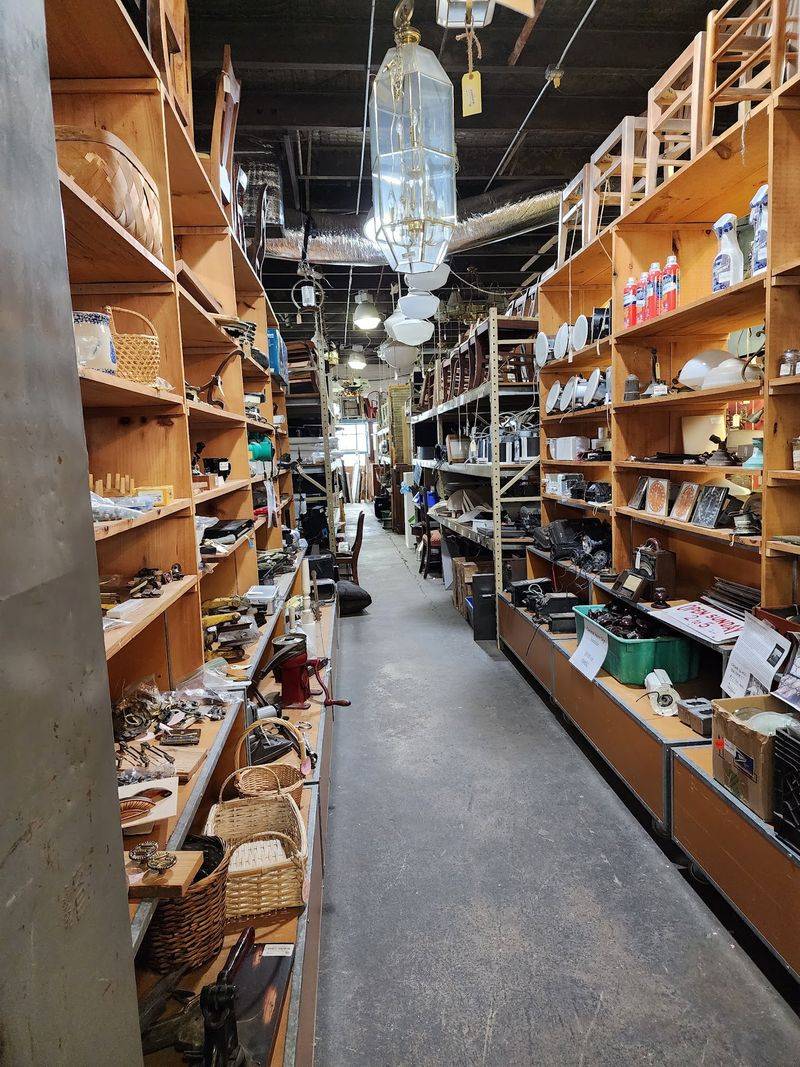
An older building piece can still have useful years ahead. Seeing so many gathered together makes that idea feel practical.
The business grew around saving architectural elements for reuse. Its approach gives materials another opportunity to serve a purpose.
That idea is especially clear among wood and metal pieces. Both can be valuable when their condition suits a project.
Reuse does not mean every item needs a grand transformation. Sometimes a simple repair or careful cleaning is enough.
Before taking on a project, consider the tools and time it will require.
Some pieces need professional help to work safely. Electrical parts and heavy installations deserve particular care.
In Virginia, the showroom gives visitors a direct look at reuse. Actual materials can be examined instead of treated as an abstract design idea.
Transport also matters before choosing a large object. A sturdy piece still needs safe handling on the journey home.
Black Dog Salvage makes preservation visible through its changing inventory. Each suitable reuse helps keep useful materials in circulation.
Plan Time To Wander
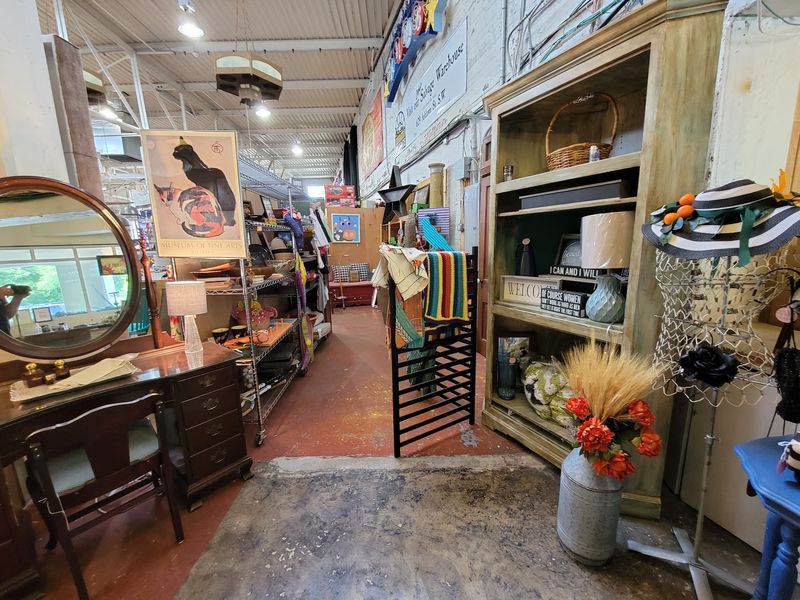
A good visit begins with enough time to explore without constantly checking the clock.
The main showroom sits in Roanoke and welcomes visitors throughout the week.
Its published schedule lists hours from 9 a.m. to 5 p.m. Monday through Saturday and 11 a.m. to 4 p.m. Sunday.
Parking is available in the main lot, alongside the building, and behind it. Larger vehicles can use parking along Midvale Avenue SW.
A list helps when something specific is needed. Exact measurements make that list much more useful.
Still, leave room for an unplanned discovery. The inventory changes daily, and browsing rewards an open mind.
Staff can help with questions about unfamiliar materials, while the Design Center handles custom fabrication and reclaimed-material projects.
Visitors with specific access or project needs can check details before setting out. Planning ahead makes a large showroom more comfortable to explore.
Virginia trips often fill quickly, but this stop deserves breathing room. Allow time for both salvage and art.