Most Visitors Avoid This Alaska Beach In Fall, But Locals Know It’s Perfect For Tidepooling
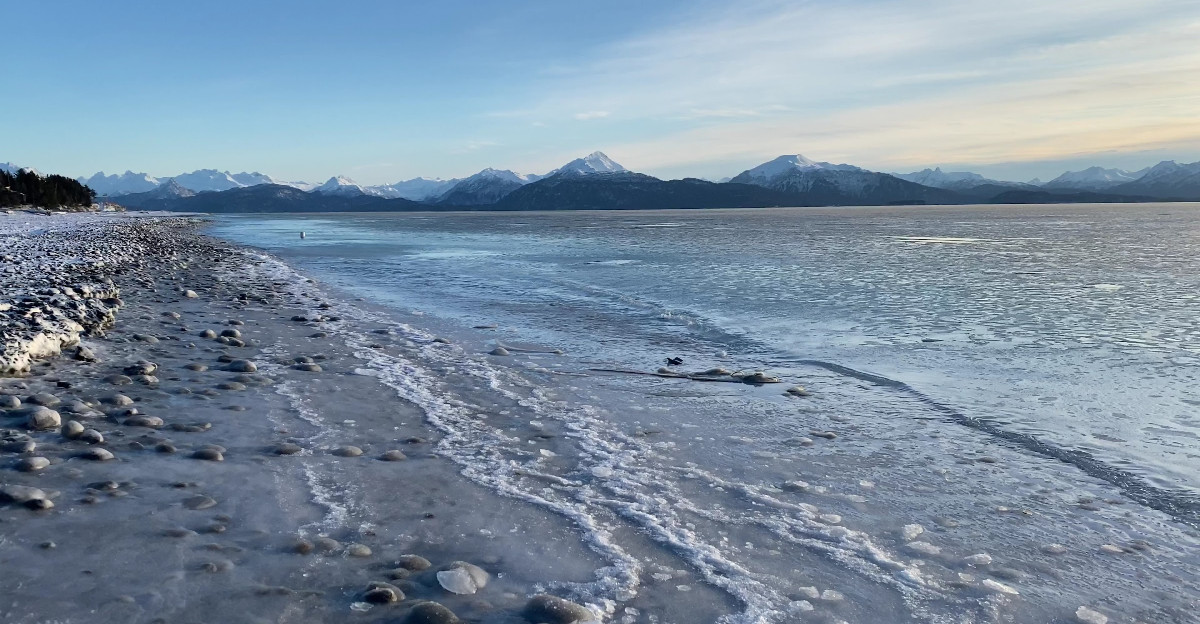
The ocean pulls back, the rocks start shining, and suddenly the beach is full of tiny secrets.
Fall in Alaska makes tidepooling feel like a treasure hunt with the crowds turned down.
Cool air keeps the shoreline quieter, while low tide reveals little pools where sea creatures hide in plain sight.
What is moving under that rock? What just darted through the water?
Every few steps brings another reason to crouch down and look closer. That curiosity is the whole magic.
The discoveries are alive, delicate, and meant to stay exactly where they are, which somehow makes finding them feel even more special.
Catch The Right Tide
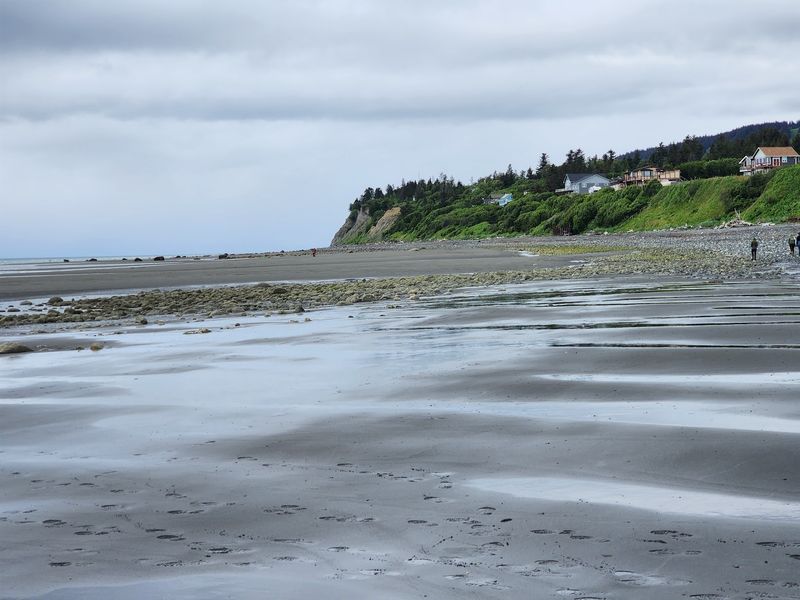
Timing matters more than almost anything else at Bishop’s Beach.
Alaska Fish and Game recommends visiting when the tide is expected to drop to about minus 1 foot or lower.
Beginning roughly half an hour before low tide gives the shoreline time to open gradually while still leaving a comfortable window before the water begins returning.
Homer’s tides can move across a broad stretch of sand and mud, so yesterday’s exposed ground may look completely different today.
Checking an official tide prediction before leaving town is the safest approach. Weather deserves attention too, especially during fall when wind, rain, and shorter daylight can change the feel of an outing quickly.
A particularly low tide exposes rocky areas, mudflats, shallow pools, and other intertidal habitat that remains underwater at higher stages.
The returning tide should always stay in mind. It can cover flat ground faster than expected.
Bishop’s Beach Park provides public parking, restrooms, picnic facilities, and direct beach access, making it an easy place to begin.
Search The Small Pools
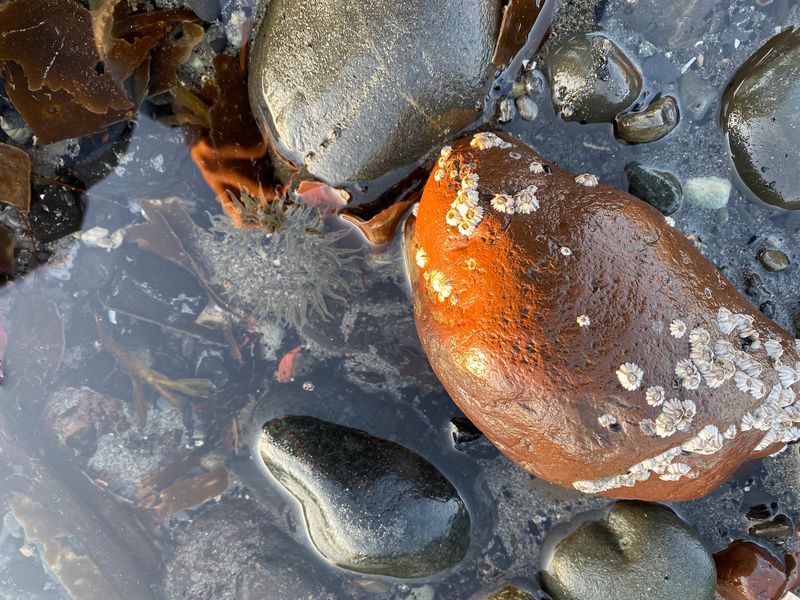
At first, a shallow pool can seem almost empty. Give it a moment before deciding there is nothing inside.
Bishop’s Beach supports a surprisingly varied intertidal community. Burrowing anemones can appear almost level with the sand, while blue mussels and barnacles attach themselves to firmer rocky surfaces.
Crabs may hide in gaps and beneath ledges. Tiny amphipods can move through shallow water, and jellyfish occasionally become stranded in pools as the tide retreats.
Clams are another common part of the beach ecosystem. Some remain hidden beneath sand and mud, with little more than a siphon or sudden squirt of water revealing where they are.
A slow look often works better than stirring anything up.
Marine life changes with the tide and the exact spot, so no visit guarantees the same collection of creatures.
Photos can help with identification later without disturbing anything. A small field guide or wildlife app can also turn an unfamiliar shape into a useful lesson once the beach visit is over.
Children can join the search just as easily. The challenge is noticing what is already there rather than trying to pick it up.
Keep Your Footing
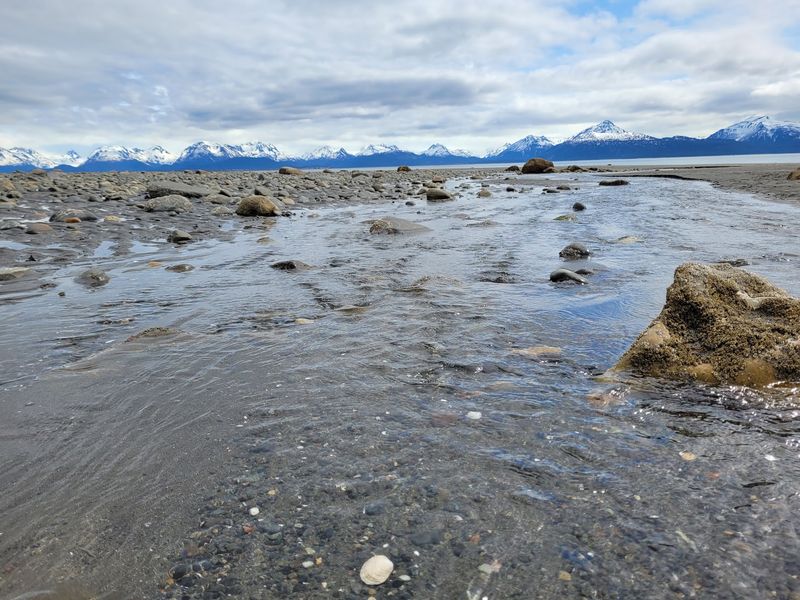
Wet seaweed can make even solid-looking rocks surprisingly slick.
Footwear with good traction helps on the mix of sand, gravel, mud, and rocky ground found around Bishop’s Beach. Waterproof boots are useful when shallow channels or pools sit between exposed areas.
Move deliberately instead of hopping from rock to rock.
NOAA recommends choosing bare footholds when possible because algae-covered surfaces can be both slippery and home to sensitive marine life. Rocks also provide shelter.
Leaving them in place is the least disruptive option. If one is moved for a quick look underneath, it should be returned carefully to exactly the position in which it was found.
Layers matter during fall. Wind can make a cool day feel much colder beside Kachemak Bay, and a dry layer in a small bag can be useful if conditions change.
Keeping both hands reasonably free also makes balancing easier.
When weather becomes rough or visibility begins fading, the shoreline will still be there another day. Tidepooling works best when there is enough time to move slowly rather than hurry across wet ground.
Enjoy The Quieter Shore
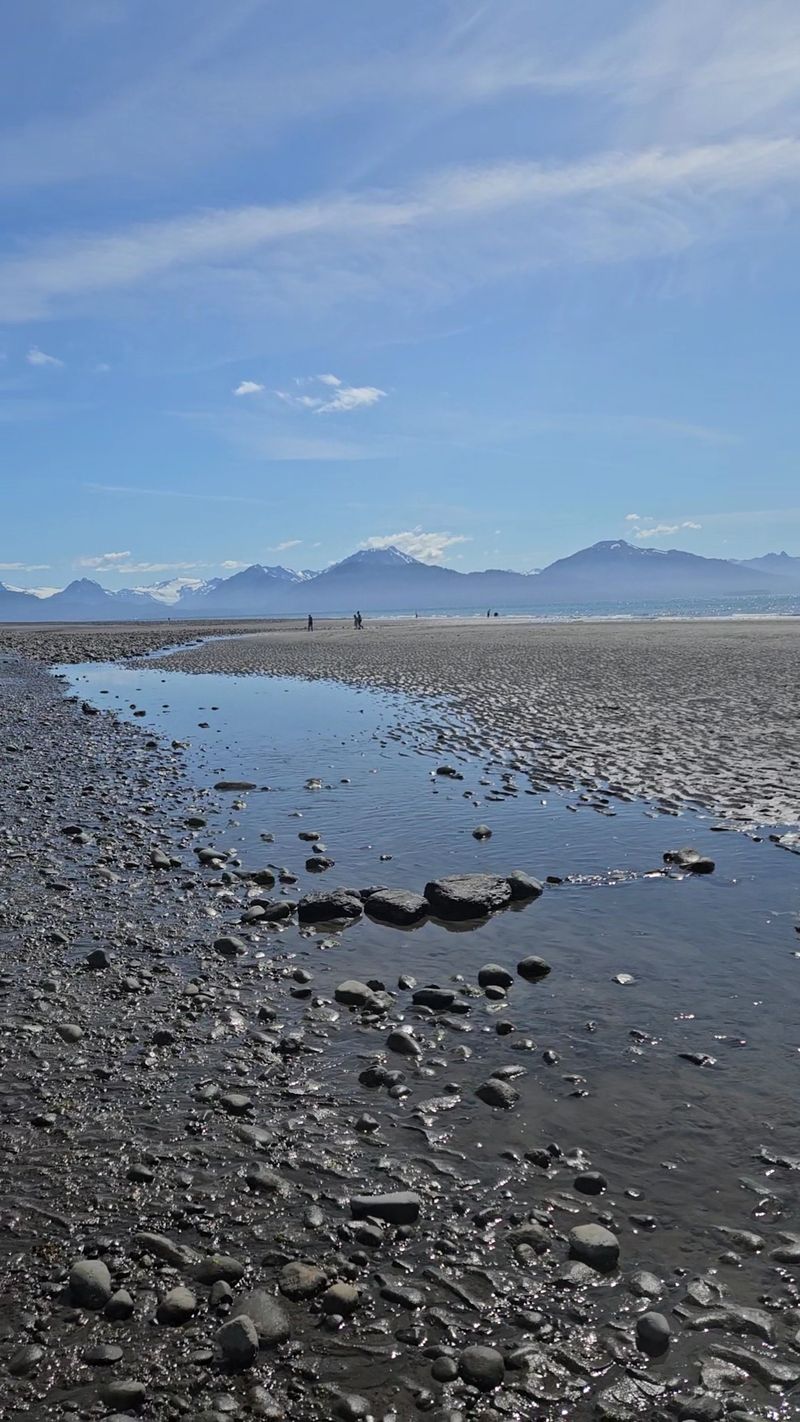
Fall does not make Bishop’s Beach empty, but it does change the character of the shoreline.
Cooler temperatures, shifting weather, and shorter days replace the long daylight of summer. The tide continues reshaping the exposed beach regardless of season.
One visit may reveal wide stretches of wet sand and rock. Another may leave only a narrower strip available for exploring. That constant movement is part of the appeal.
Small waves move over stones, clouds change the light, and channels appear where dry ground existed earlier. Standing still for a minute can reveal more activity than covering a large amount of shoreline quickly.
Bishop’s Beach is popular with Homer residents for beach walking and tidepooling, so giving other visitors space around an interesting pool keeps the experience comfortable for everyone.
The landscape also deserves attention between discoveries.
Kachemak Bay’s large tidal range is responsible for much of what appears at low water. Once the tide reverses, the same pools, rocks, and mudflats gradually disappear again.
Watching that transition can be just as interesting as searching for individual creatures.
Look Beyond The Rocks
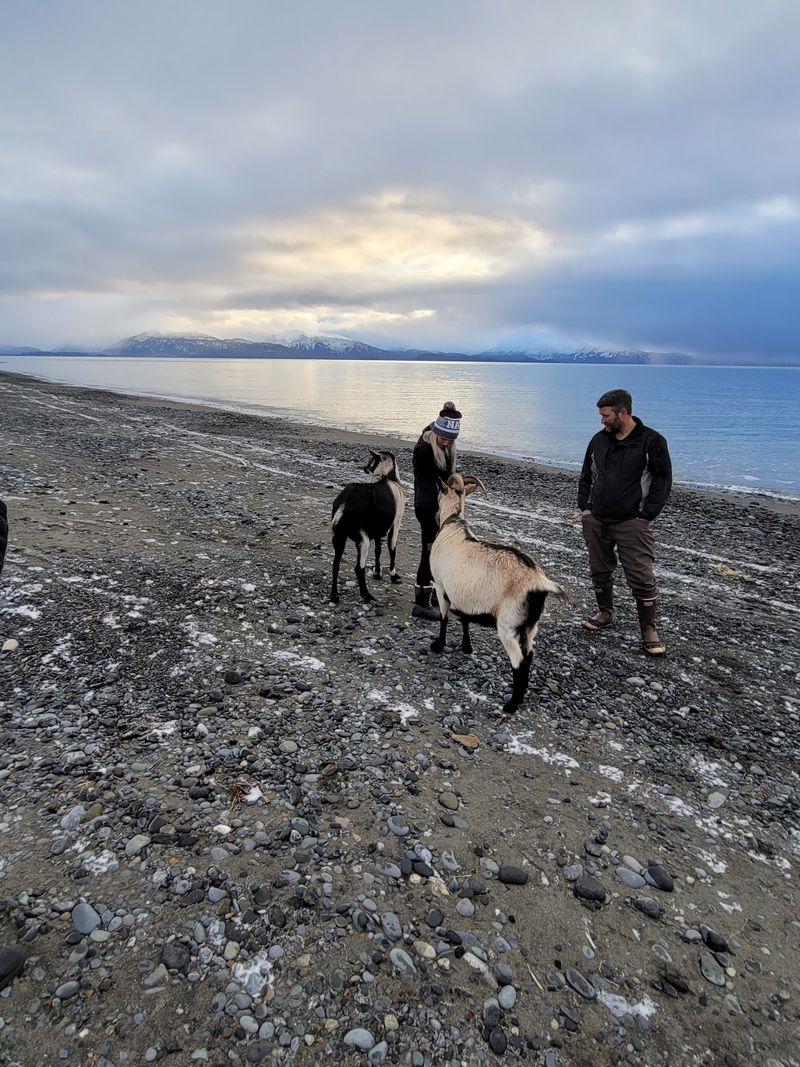
Looking down is only half the experience at Bishop’s Beach.
Kachemak Bay spreads beyond the intertidal zone, giving the beach a much broader sense of scale. Weather moves visibly across the water, and shifting clouds can change the scene within minutes.
Near the shoreline, wet stones and seaweed add muted greens, browns, and reds. Farther out, the water can move between steel gray and blue depending on the light.
Fall sunlight also sits lower in the sky than it does during the middle of summer, which can produce long shadows across exposed ground.
For photographs of tide pools, keeping a shadow away from the water makes small animals easier to see. Wider shoreline photographs work best from secure footing rather than by backing toward the water while concentrating on a screen.
The contrast is part of what makes this beach interesting.
A camera can focus on something only a few inches across, then turn toward a landscape stretching across Kachemak Bay.
Neither view requires rushing. A few minutes without a phone or camera can be just as worthwhile.
Follow The Shorebirds
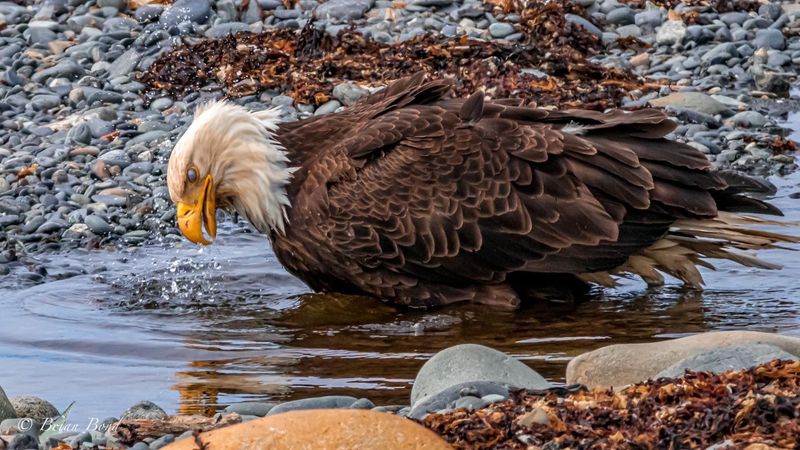
A tidepool search can quickly become a birdwatching stop.
Bishop’s Beach and nearby Beluga Slough sit within an important coastal habitat used by shorebirds, waterfowl, gulls, and raptors.
Shorebirds may forage across exposed ground as the tide drops. Herring gulls and other birds search through material left behind by the water, while bald eagles are regularly seen around the Homer shoreline.
Fall is also an important migration period across Kachemak Bay, although the number and species present can vary substantially from day to day.
Binoculars make it easier to watch without moving closer.
Giving feeding birds space matters, particularly around mudflats and shallow channels where they are actively searching for food. Snacks should stay secured rather than being shared with wildlife.
The adjoining Beluga Slough area adds another option for birdwatching. Its wetlands support ducks, shorebirds, cranes, eagles, and other species during different parts of the year.
This Alaska beach can shift attention quickly. One minute the focus is a crab beneath the water, and the next it is an eagle passing overhead. That variety makes a short outing feel surprisingly full.
Leave Pools Undisturbed
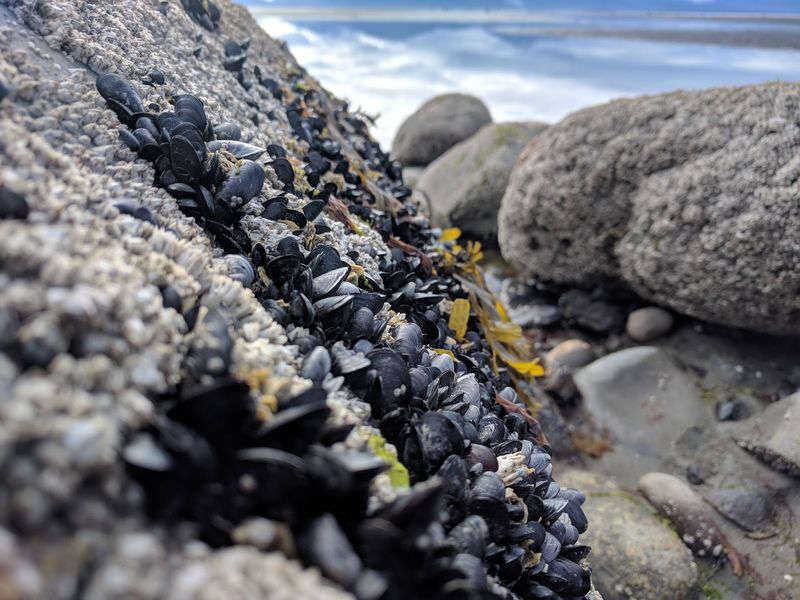
A striking shell or unusual creature can make anyone want a closer look.
The best approach is usually to leave it exactly where it is.
Intertidal animals survive in demanding conditions, and many depend on particular rocks, pools, crevices, or patches of seaweed for shelter. Pulling them loose or moving them to a different spot can cause unnecessary stress or injury.
NOAA recommends leaving animals, plants, rocks, and shells in place while tidepooling.
Step around pools rather than through their centers whenever possible. That keeps sediment from clouding the water and reduces the chance of crushing small organisms underfoot.
Seaweed should remain where it lies, and animals attached firmly to rocks should never be forced loose.
Photography offers an easy way to keep a record without taking anything home.
Litter should leave with visitors as well. Bishop’s Beach Park provides trash receptacles near the developed area, making cleanup straightforward at the end of a visit.
Simple habits protect more than individual creatures. They help preserve the same details for the next person who arrives after the tide has pulled away.
Make Time To Wander
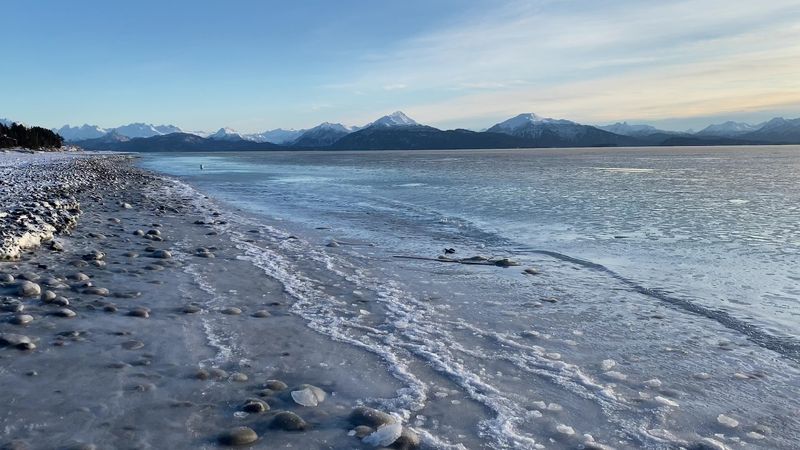
Tidepooling does not have to be the end of a Bishop’s Beach visit.
The park connects directly with the Beluga Slough Trail, a roughly 1.2-mile gravel-and-boardwalk route that links the beach with the Alaska Islands and Ocean Visitor Center.
The trail passes through salt-marsh habitat where freshwater from Beluga Lake meets tidal water from Kachemak Bay. Birds and other wildlife can add another dimension to the outing.
Back at the park, picnic tables and a covered pavilion provide an easy place for a break after the shoreline.
The beach itself continues for miles, although tide conditions, daylight, weather, and private property above the mean high-water line should shape how far anyone wanders.
There is no need to build an overloaded schedule around the visit.
A well-timed low tide, warm layers, sturdy footwear, and enough daylight can easily fill an afternoon.
If conditions change, the trip still offers other possibilities. The bay, birds, beach, public art, picnic area, and nearby trail remain part of the experience even when tide pools are less exposed.
Bishop’s Beach keeps the formula simple: check the tide, respect the shoreline, dress for the weather, and pay attention to what the water reveals.