This Alaska State Park Is So Tranquil You’ll Want To Put Your Phone Away
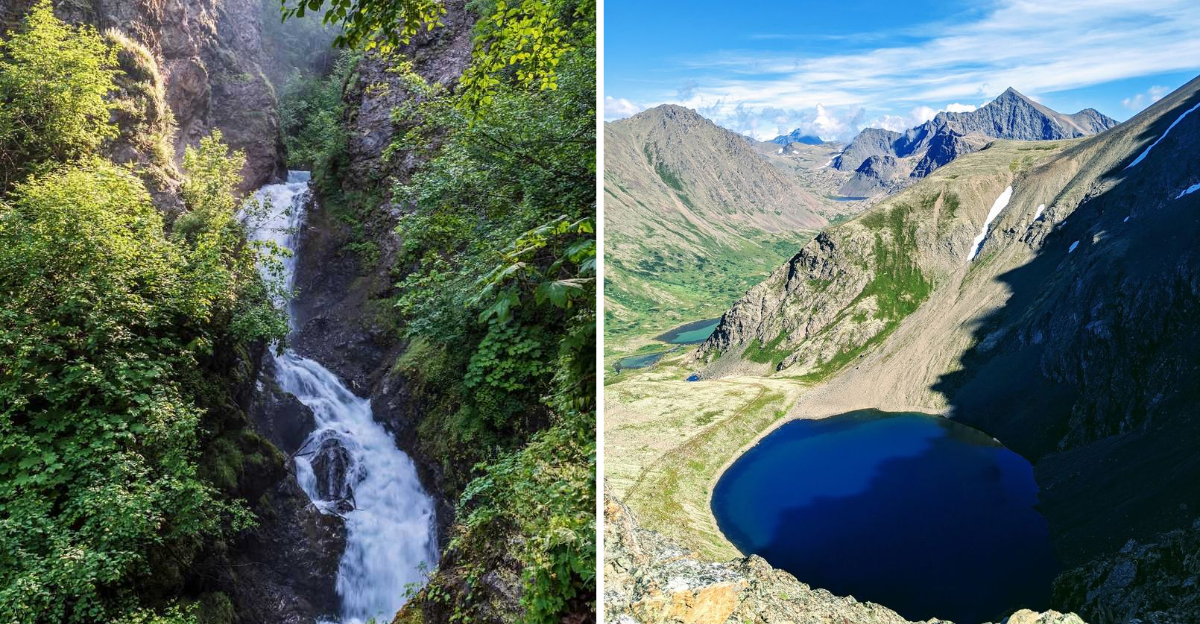
There are places where taking a photo feels urgent. Then there are places where watching quietly feels better.
This park seems made for the second option.
Alaska puts enormous mountain scenery, wildlife habitat, and miles of trails surprisingly close to the edge of city life.
You can spend a few hours hiking, stop beside a lake, or simply watch the ridgelines and see what moves across them. Wildlife sightings depend on timing and luck, which only makes the quiet moments more interesting.
I would bring the phone for practical reasons and probably forget about it anyway.
Sometimes the most memorable part of a day outdoors is how little you felt the need to document it.
Wilderness Seven Miles From Town
Most big wilderness areas demand a long drive and a full day of commitment. Not here.
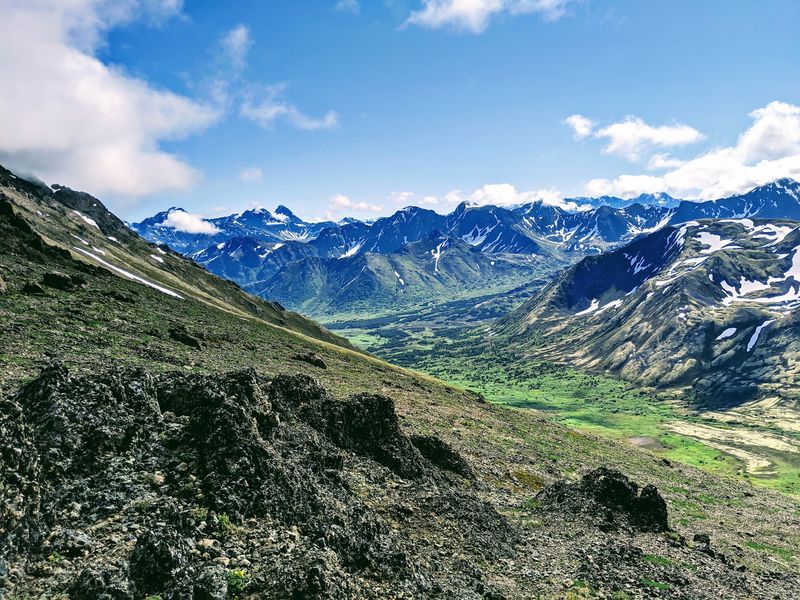
The westernmost boundary of Chugach State Park sits roughly seven miles east of downtown Anchorage. That closeness still surprises me every single time.
You can finish breakfast in the city and be standing on alpine tundra within the hour. There is no single grand entrance gate either.
Instead, dozens of access points and trailheads open along the road network. That layout means you choose your own adventure based on time and energy.
The park covers about 495,000 acres, ranking among the four largest state parks in the country. At roughly 495,000 acres, the park is enormous enough to contain mountains, glaciers, lakes, river valleys, and coastal landscapes within one protected area.
It was carved from the western end of the Chugach Range, which runs over 200 coastal miles toward Canada. Alaska packs enormous country into what locals casually call their backyard.
A vehicle helps enormously, since trailheads spread far apart. Many developed trailheads charge a day-use parking fee, so check the current fee before heading out.
You will find the park headquarters and mailing address at 18620 Seward Hwy, Anchorage.
Gold Rushes And Grand Decisions
Long before any legislature drew a boundary, the Dena’ina Athabascan people lived across the Cook Inlet region. They relied on salmon runs, game, and the land’s steady rhythms for centuries.
European contact arrived in 1778, when Captain James Cook sailed up Cook Inlet. He was chasing the fabled Northwest Passage and did not find it.
The late 1890s brought prospectors swarming the Kenai Peninsula during a gold rush. Turnagain Arm filled with hopeful miners and stubborn homesteaders.
Most of the easy gold was gone by 1908. Development kept rolling anyway, with the Iditarod Trail and the Alaska Railroad pushing through the region.
By the 1960s, commercial logging had grown into a serious industry nearby. Residents grew uneasy about losing the slopes above their city.
In 1970, Alaska established Chugach State Park, protecting an enormous swath of mountain country beside Anchorage.
The decision protected scenery, recreation, and something very practical: Anchorage’s water supply. Supporters later described the effort as a system built out of dreams.
Nine Ecosystems In One Park
Geography nerds, this section belongs to you. The park protects an impressive mix of forests, wetlands, alpine tundra, lakes, rivers, coastal areas, glaciers, and rugged mountain terrain.
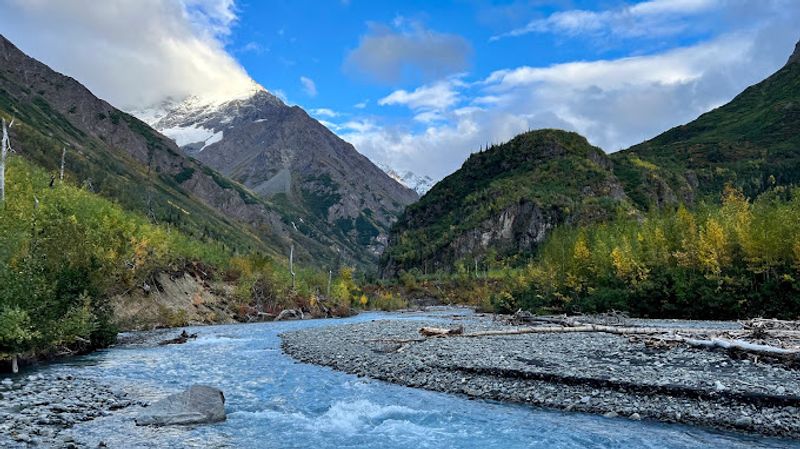
Hemlock and spruce forests cover the lower slopes with deep green shade. Above them, spongy muskeg gives way to open alpine tundra.
Riparian corridors follow the rivers and lakes, full of willow and birdsong. Coastal wetlands and marine waters border Turnagain Arm along the southern edge.
Elevation does most of the heavy lifting here. You can climb through several of these zones in a single afternoon hike.
The rugged summits belong mostly to the Chugach terrane, built from deformed sedimentary rocks and igneous formations. Geologists read these layers like a very slow diary.
Bashful Peak rises above 8,000 feet and is the highest summit within Chugach State Park. Glaciers still grind away at valleys, quietly rearranging the landscape year by year.
Mile-high ridges, scattered lakes, and fast rivers complete the picture. Alaska rarely does anything halfway, and this terrain proves the point.
Moose, Bears And Ptarmigan
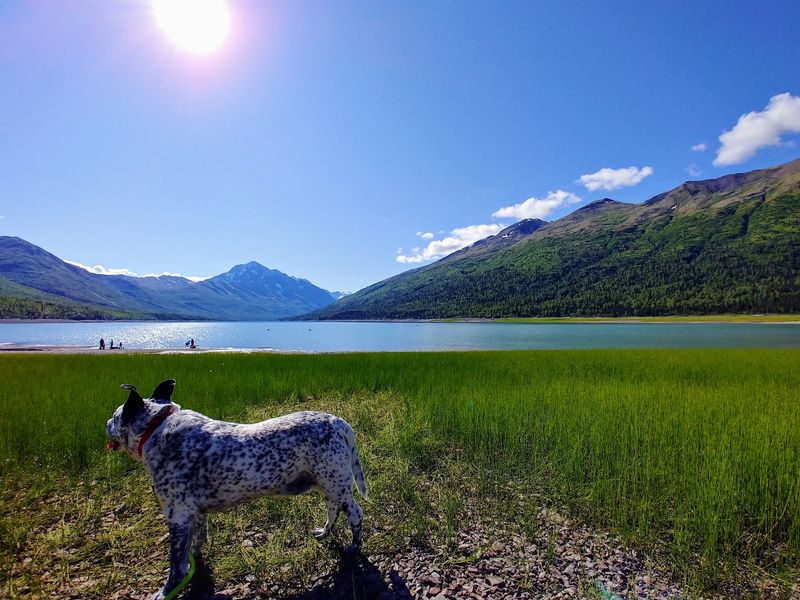
Chugach State Park supports an impressive variety of wildlife, including moose, Dall sheep, mountain goats, black bears, brown bears, wolves, and smaller mammals.
Moose roam throughout much of the park, while both black and brown bears also use its forests, valleys, and alpine terrain.
Moose occasionally wander straight into Anchorage neighborhoods, munching shrubs like they own the block. Bears sometimes do the same, which keeps everyone alert.
Dall sheep favor the park’s steep mountain slopes and can sometimes be spotted high above the trails. Wolf packs pass through, and lynx move quietly enough that sightings feel like winning something.
Beavers, river otters, foxes, and mountain goats round out the roster. Hoary marmots whistle sharply from boulder fields, and arctic ground squirrels dart between rocks.
More than 135 bird species are known to occur within Chugach State Park. Willow ptarmigan, the Alaska state bird, changes wardrobe with the seasons, joined by rock and white-tailed ptarmigan up high.
Glen Alps offers broad views across surrounding mountain habitat, where patient visitors may spot moose and other wildlife.
Carry binoculars and keep respectful distance from every animal. Bear spray belongs in your pack, not buried at the bottom of it.
Trails For Every Ambition
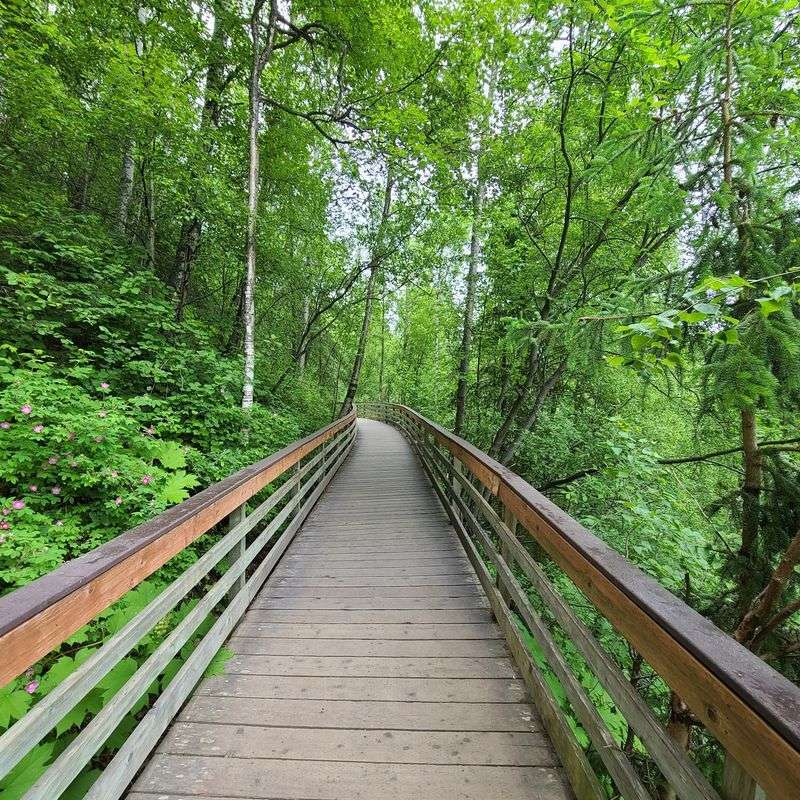
Locals call it Anchorage’s playground, and the trail map explains why. An extensive network of established trails and backcountry routes threads through the mountains.
Over a dozen major trailheads spread the crowds out nicely. Short two-to-five-mile family loops sit alongside multi-day routes demanding real backcountry skill.
The Hillside Trail System draws the most foot traffic, especially the Glen Alps Trailhead. From there you reach one of Southcentral Alaska’s busiest and best-loved hikes.
Hiking is only the opening act. Biking, hunting, fishing, camping, glacier viewing, horseback riding, and gold panning all happen within these boundaries.
ATV riding and snowmobiling are allowed in certain zones under specific rules. Check current regulations before hauling any machine up the highway.
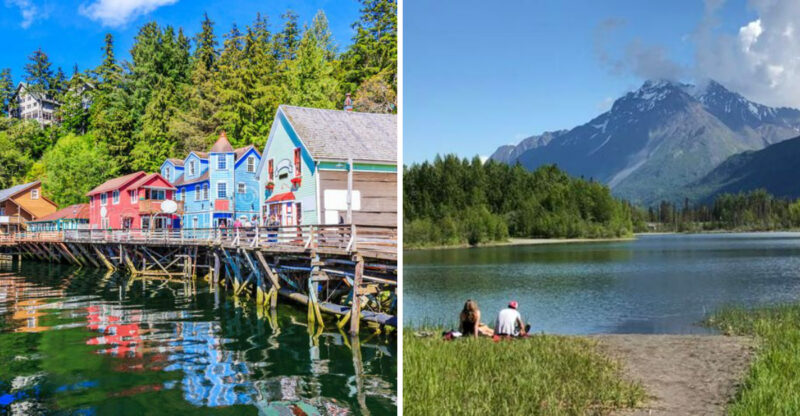
Paddlers gravitate to Eklutna Lake for kayaking and canoeing beneath the surrounding mountains. The Eagle River adds rafting for those wanting moving current instead of glassy calm.
Winter flips the whole system into cross-country skiing, snowshoeing, and fat tire biking. Same trails, completely different personality.
Start smaller than your ego suggests, especially at altitude. The mountains here reward patience and punish overconfidence with equal enthusiasm.
Flattop, Falls And Fjord Lakes
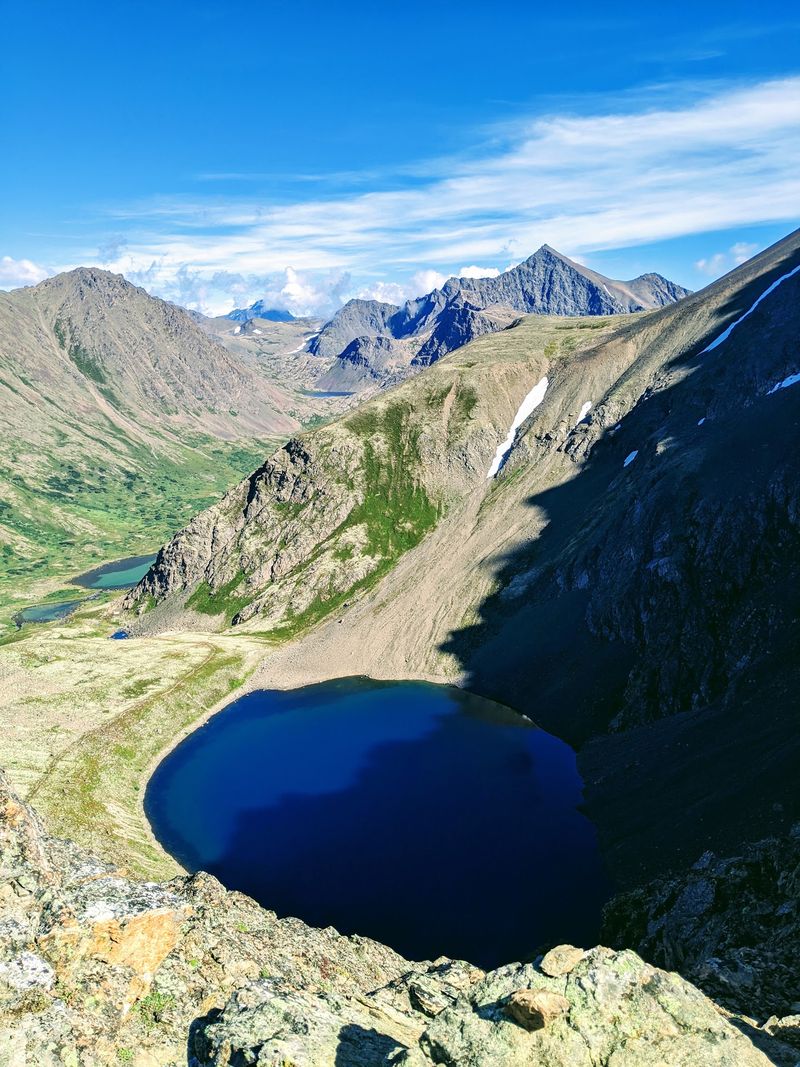
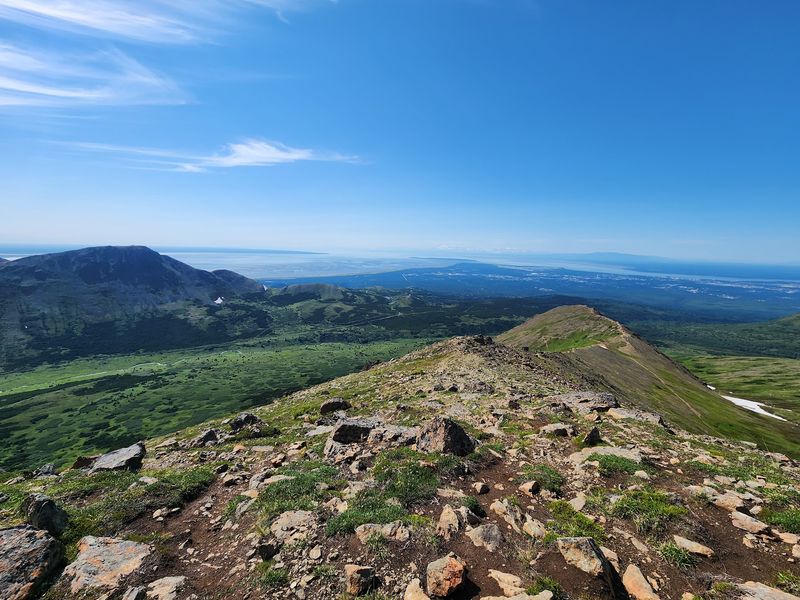
Flattop Mountain holds the title of most climbed peak in Anchorage. Its blunt summit delivers panoramas across the Chugach Mountains and out over Cook Inlet.
Several routes lead up, suiting different fitness levels and nerve. The final scramble asks for careful hands and steady footing.
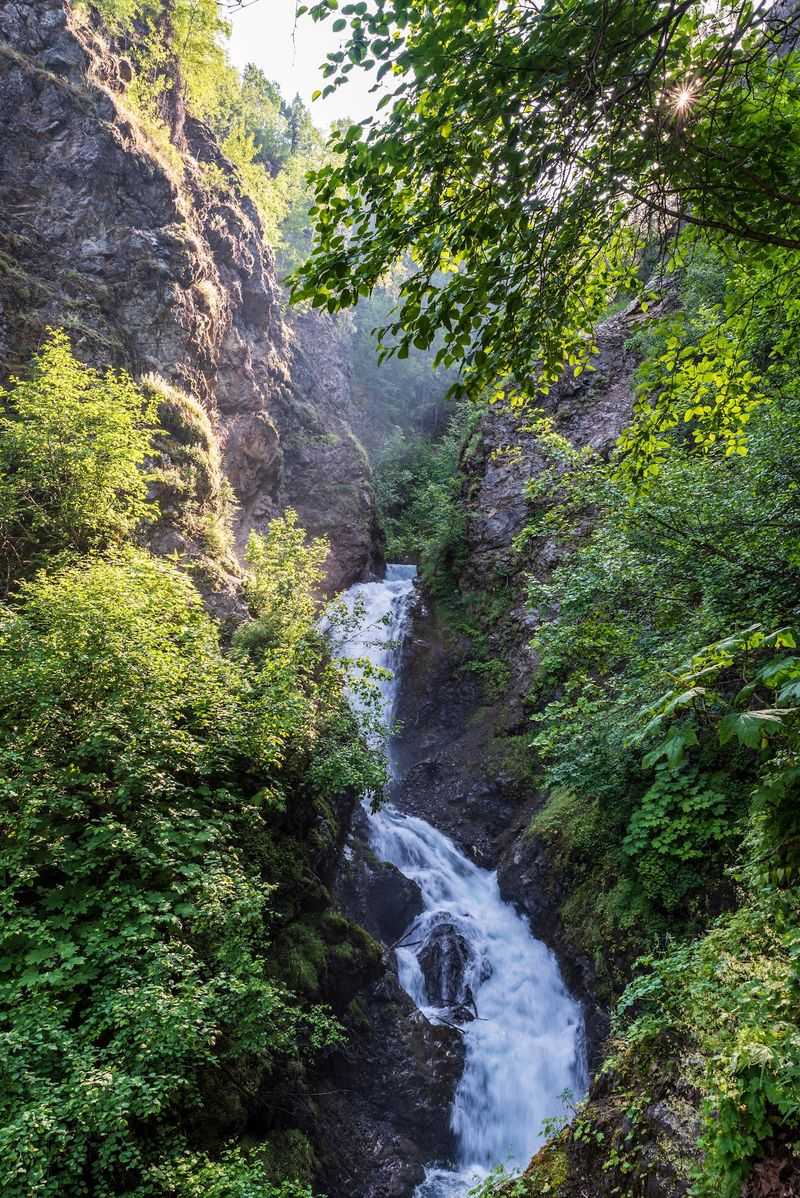
Thunderbird Falls drops about 200 feet over dark, mossy rock. A short family-friendly trail reaches a viewing platform, while a steeper spur descends toward the base.
Eklutna Lake stretches nearly seven miles long and about one mile wide. Towering summits including Bashful Peak frame this freshwater fjord in every direction.
Crow Pass Trail follows part of the historic Iditarod Trail through rugged backcountry between the Girdwood and Eagle River areas.
Along Turnagain Arm, pull-offs on the Seward Highway offer easy roadside spectacle. Beluga whales surface offshore, sheep cling to cliffs, and the bore tide surges up the inlet on schedule.
The Potter Section House adds a historical stop for anyone curious about railroad days. It functions as the park’s administrative base.
Four Seasons, Four Personalities
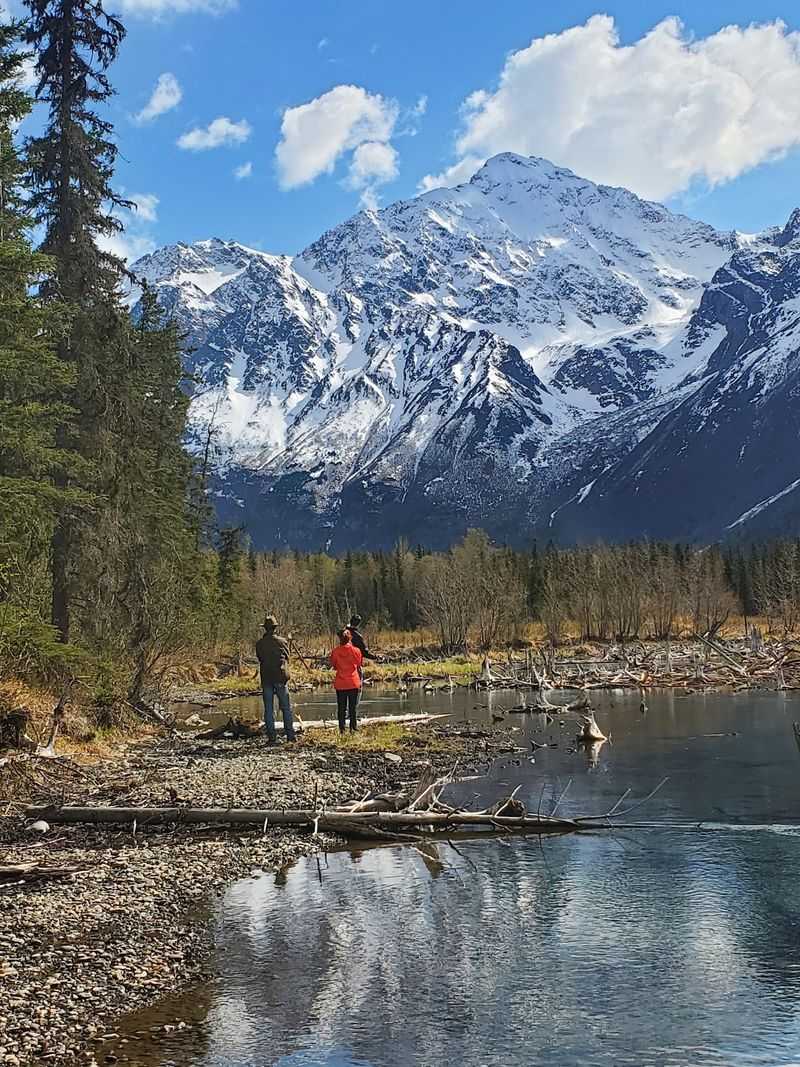
June through August delivers absurdly long daylight and comfortable temperatures. Wildflowers erupt across meadows and most trails shed their snow.
Summer also brings peak animal activity, with bears and moose feeding hard. Plan hikes early to dodge afternoon crowds at popular trailheads.
September paints the hillsides gold, crimson, and bronze. Photographers arrive for the color and stay for the cooler air and thinner crowds.
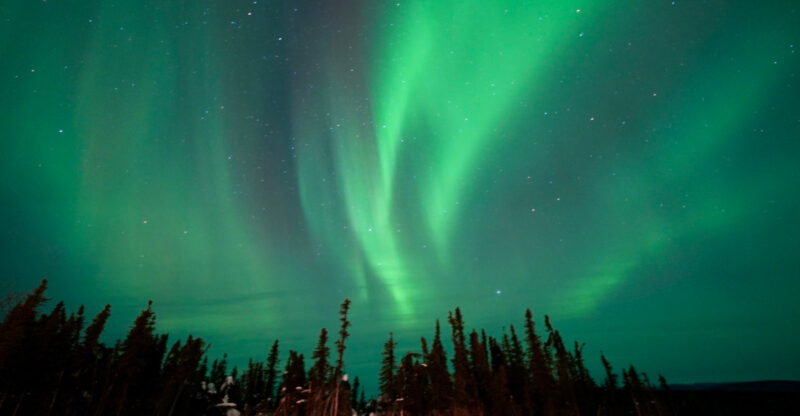
By late summer and early fall, darker nights make aurora viewing possible again when skies and solar activity cooperate.
November through March turns everything white and hushed. Skiers, snowshoers, and snowmobilers claim the terrain while clear skies boost aurora viewing at Flattop and Eklutna Lake.
April and May bring melting snow, emerging wildlife, and the first stubborn blooms. Trails can be muddy, so waterproof boots earn their keep.
Each season here feels like a different park wearing the same mountains. I have visited in both August and February and barely recognized the same valley.
Alaska weather shifts fast regardless of the month. Check conditions the morning you go, not the week before.
Pack Smart, Sleep Close
Layers solve almost every problem in these mountains. Weather here changes fast, and sunshine at the trailhead means very little on a ridge.
Sturdy hiking shoes, rain gear, and extra warm clothing belong in your pack even during July. Wind on exposed slopes cuts sharper than the thermometer suggests.
Water, snacks, a camera, and binoculars round out the essentials. Bear spray deserves a spot on your hip belt where you can actually reach it.
Developed camping options include Eagle River, Eklutna Lake, and Bird Creek, while public-use cabins provide additional overnight choices.
Camping arrangements vary by location, and some campgrounds, including Eklutna Lake and Bird Creek, operate on a first-come, first-served basis. Reservable public-use cabins and group facilities should be booked ahead during busy periods.
Cell service fades once you leave the road corridor. That disconnection is honestly the best part of a day in Chugach State Park.
Tell someone your route and expected return time before heading out. Simple habits keep backcountry days pleasant.