This Nebraska City Has A Healthcare System So Advanced It Is Ranked Among America’s Best
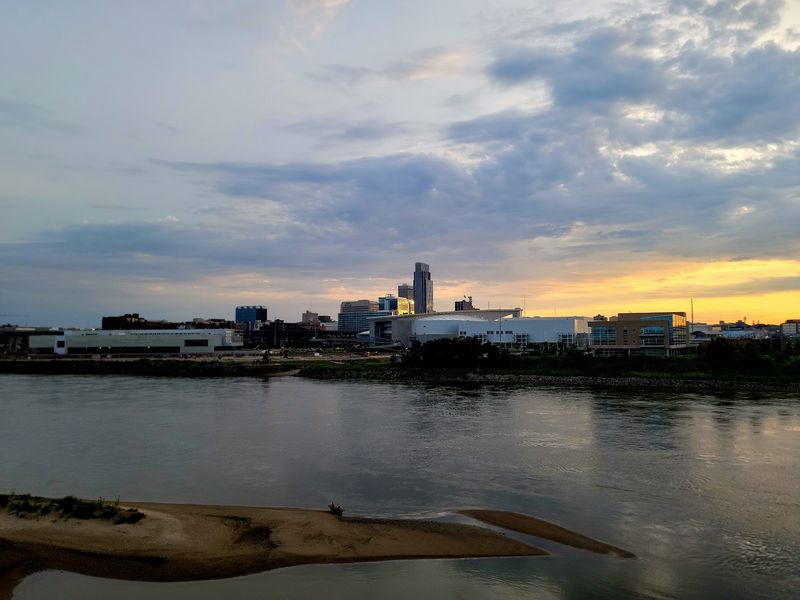
Most people driving across Nebraska picture cornfields, grain elevators, and long, quiet highways. Few expect one of the country’s most respected medical hubs to be waiting along the Missouri River.
Yet a single riverfront city in the state has quietly stacked up national honors for cancer care, children’s medicine, and research. It is the kind of discovery that makes you look twice at a skyline you thought you already knew.
A River City on the Eastern Edge of Nebraska
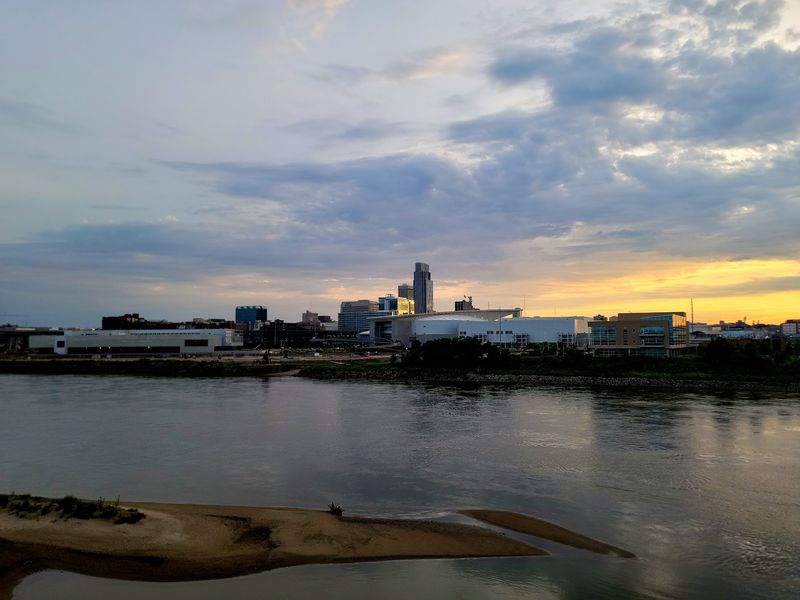
Picture the Missouri River bending past a skyline of glass towers and brick warehouses, with Iowa just across the water. That is Omaha, the largest city in Nebraska and a longtime crossroads for people heading west.
The city began as a stop along the route explored by Lewis and Clark, and it grew on pioneer grit, rail lines, and trade. Today it holds museums, cultural centers, and the Henry Doorly Zoo and Aquarium, where conservation work shares space with an indoor jungle, a desert dome, and a big cat complex.
So where does healthcare fit into all of this? Right in the middle.
Tucked among neighborhoods and busy streets are hospitals and research campuses that draw patients from far beyond the city limits. Families from small towns across the state make the drive here when a diagnosis calls for a specialist, and many come from neighboring states too.
The mix is part of the appeal. A city with a zoo, a riverfront, and a historic downtown also happens to be home to medical teams earning attention on a national stage, and that combination gives Omaha a different kind of reputation than most people expect.
Fifteen Straight Years at the Top

Fifteen consecutive years. That is how long Nebraska Medical Center has been named the top hospital in Nebraska and the Omaha metro area by U.S.
News and World Report, a streak that stretched through August 2026.
Only a small share of hospitals evaluated nationwide earn that kind of distinction. Holding it once is an achievement, but holding it year after year points to something steady behind the scenes, from staffing to safety practices to the way new treatments get adopted.
Consider the specialty rankings, too. In 2026, the hospital’s Cancer program and its Gastroenterology and GI Surgery program both landed among the top 50 in the country.
Neurology and Neurosurgery, along with Pulmonology and Lung Surgery, were recognized as high performing.
The list keeps going. Procedures and conditions ranging from abdominal aortic aneurysm repair to heart failure and stroke received the highest possible ratings for performance that same year.
Becker’s Hospital Review also placed the hospital on its 100 Great Hospitals in America list for 2025, and no other Nebraska hospital made that list. For a state often overlooked on the national map, that is a point of real pride.
Children’s Nebraska and Its Care for the Youngest Patients

Tiny hospital gowns, cartoon murals, and waiting rooms built with little ones in mind set the scene at Children’s Nebraska. Behind the cheerful colors sits some serious medicine.
It is the only full-service pediatric healthcare center in the state, offering more than 50 pediatric specialty services. Kids arrive from across a five-state region, which means a family from the Panhandle or a nearby state can find the same level of expertise under one roof.
U.S. News and World Report recognized the hospital in its 2026-2027 Best Children’s Hospitals rankings for Pediatric Neurology and Neurosurgery, Pediatric Orthopedics, and Pediatric Pulmonology and Lung Surgery.
Those are big titles for any hospital, let alone one serving a largely rural area.
Several firsts and onlys stand out. Nebraska’s sole Level IV regional Newborn Intensive Care Unit is here, caring for the most fragile newborns.
The state’s only Level I Pediatric Trauma Center operates here as well.
There is also a Level 4 Epilepsy Center devoted entirely to children. For parents facing a hard diagnosis, knowing that kind of specialized help sits within a day’s drive can bring real comfort.
More Honored Hospitals Across the Metro
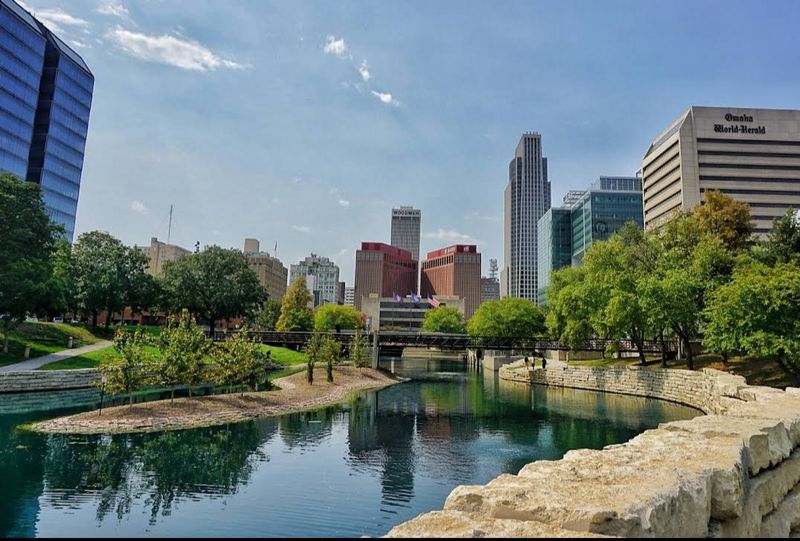
One standout hospital would be impressive enough. Omaha has several.
Methodist Hospital was ranked No. 2 in Nebraska by Newsweek’s America’s Best-in-State Hospitals list for 2026. Back in 2021, it was one of only four hospitals in the entire state to receive a five-star Overall Hospital Quality Star Rating from the Centers for Medicare and Medicaid Services, and the only one in Omaha to do so.
Then there is CHI Health Creighton University Medical Center – Bergan Mercy. It also earned a spot among Newsweek’s top hospitals in Nebraska for 2026.
Healthgrades has honored it with both the America’s 100 Best Hospitals Award and the America’s 250 Best Hospitals Award.
What does all that mean for someone living here? Options.
Families can compare several strong systems instead of relying on one, and each brings its own strengths and specialties to the table.
Competition between well-run hospitals also tends to push everyone forward. When multiple campuses in one city chase national recognition, the result is a metro area where high standards feel less like an exception and more like the local baseline for care.
Research Labs Shaping Tomorrow’s Medicine

Microscopes hum, samples line the shelves, and researchers bend over data that could change treatment plans years from now. At the University of Nebraska Medical Center, discovery is part of the daily routine.
UNMC and Nebraska Medicine lead much of the innovation in Omaha’s growing medical and biotech sector. The region has earned recognition for leadership in infectious disease research, clinical trials, biopreparedness, and advances in medical laboratory technology.
Why should a patient care about lab work? Because research hospitals often offer access to newer treatments through clinical trials, and doctors who teach and study tend to stay close to the latest science.
That knowledge flows straight into the exam room.
Biopreparedness may sound like a mouthful, but the idea is simple. It means being ready to respond when unusual illnesses appear, with trained teams, specialized spaces, and plans already in place.
For a state built on farming and ranching, it might seem surprising that such work happens here. Yet the life sciences have become a real engine for growth in Omaha, drawing talent and investment that help keep the whole healthcare system moving forward.
Project Health, a Bold Build for the Future
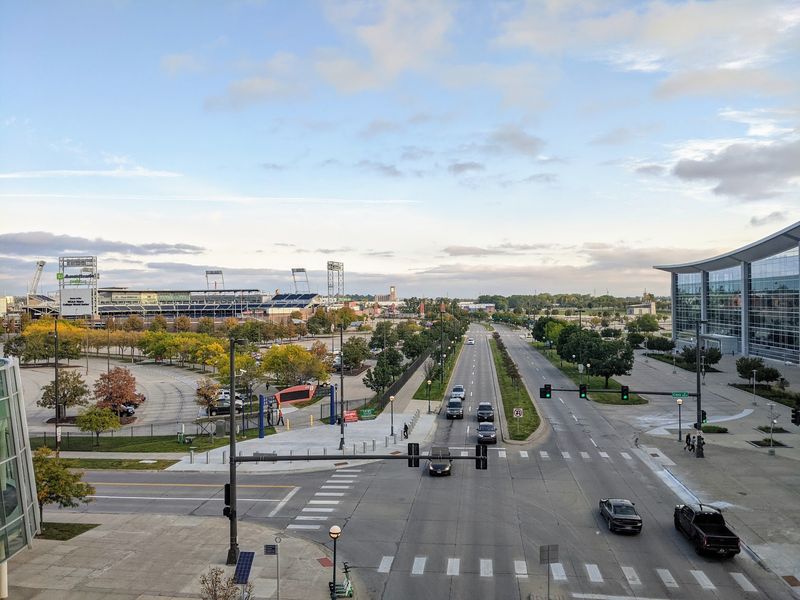
A $2.19 billion public-private partnership does not come along often, especially in Nebraska. Project Health is exactly that, and it aims to reshape how people across the state receive care.
The centerpiece is a new hospital on the UNMC campus in Omaha. It is designed to widen access to specialty care and grow Nebraska Medicine’s patient capacity by 50 percent.
More beds and more specialists can mean shorter waits and fewer trips out of state for complex treatment.
Construction is only part of the plan, though. An Innovation Design Unit opened in early 2025 as a working test site where new care models and technology get tried out and refined before wider use.
Think of it as a rehearsal space for hospitals. Teams can test room layouts, equipment, and workflows with real feedback, then carry the best ideas into the new building.
For people who have watched the campus grow over the decades, the change is easy to spot on the drive past. Cranes, fresh steel, and new signage signal a city investing heavily in the health of its neighbors for years to come.
Inventors, 3D Printers, and the Medical Technology Pipeline
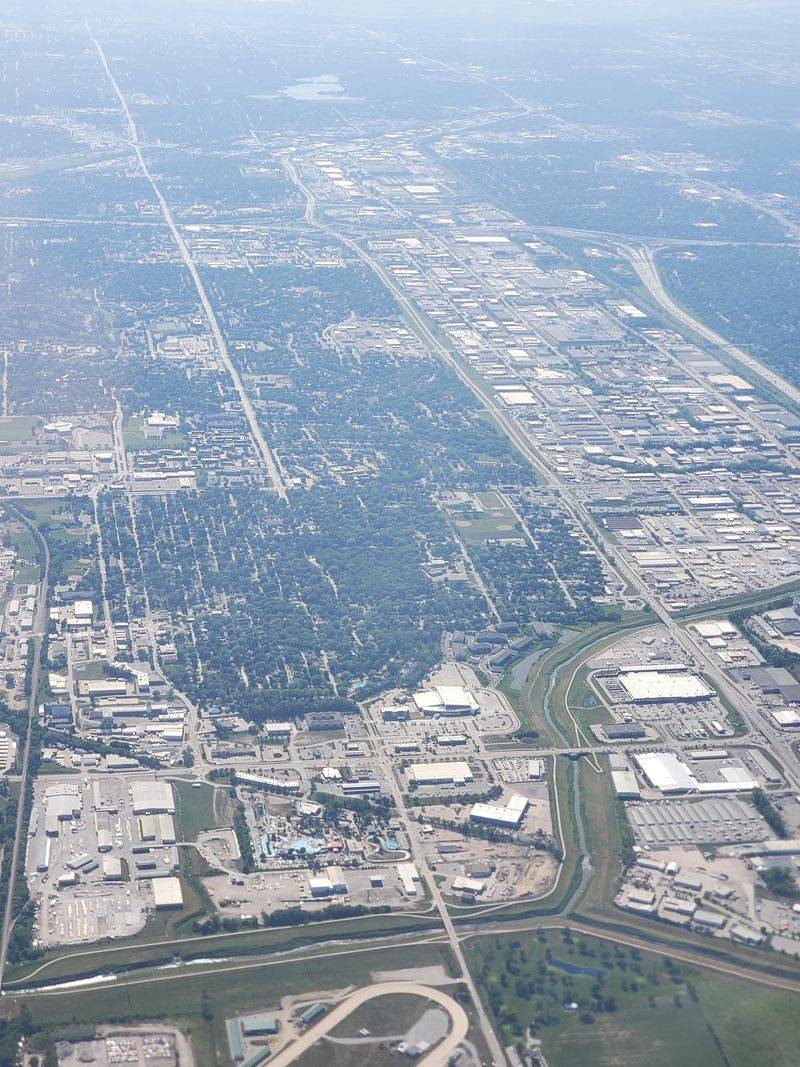
Ever wonder what happens to a clever idea sketched on a napkin by a nurse or surgeon? In Omaha, it might end up inside the Omaha Medical Technology Pipeline.
Established in 2019, the program helps early-stage medical inventions become working prototypes. It connects inventors with prototype designers, 3D printing and manufacturing facilities, and engineering faculty, so a rough concept can turn into something people can hold, test, and improve.
The projects cover a wide range. Some focus on virtual reality training that lets medical teams practice complex procedures before stepping into a real operating room.
Others push forward surgical robotics, where precision matters down to the smallest movement.
Here is the neat part. Many of the best medical tools start with someone on the front lines noticing a problem no one has solved yet.
Giving those people a path to build solutions keeps innovation grounded in real patient needs.
It also keeps talent at home. Instead of carrying their ideas to the coasts, inventors can develop them right here in Nebraska, adding one more layer to a healthcare scene that looks well beyond today.
Why Omaha Deserves More Credit

Lights reflect off the Missouri River at dusk, and the pedestrian paths along the riverfront fill with walkers and families. It is an ordinary evening in a city doing extraordinary work.
Omaha rarely shouts about itself. Still, the evidence adds up: a hospital holding the top spot in Nebraska for fifteen straight years, a children’s hospital with statewide firsts, multiple honored health systems, and a research scene tackling infectious disease and new technology.
For patients, that means specialized care within driving distance for much of the state. For families planning a trip, the same city offers museums, pioneer history, and one of the country’s most ambitious zoos between appointments or on a simple weekend away.
Getting here is straightforward. Omaha sits on the eastern edge of Nebraska along Interstate 80, making it reachable from towns across the state in an easy day’s drive.
Maybe the best takeaway is a quiet sense of pride. The next time someone assumes top medicine only happens in big coastal cities, there is a solid answer waiting right here on the banks of the Missouri.