Buffalo Bill Cody’s Restored Mansion Still Stands At His Ranch In North Platte, Nebraska
A white house with a pointed tower rises out of the flat Nebraska plains, and at first it looks like just another old farmhouse off the highway. Then the painted barn roof comes into view, and the story behind it gets much bigger.
The most famous showman of the Old West once called this place home, and his rooms, posters, and carriages are still waiting inside. It makes a small detour feel like a trip into a Wild West show.
Scout’s Rest Ranch on the Edge of North Platte
Just north of downtown North Platte, a winding road leads to 2921 Scouts Rest Ranch Road and the home William F. Cody built for himself.
He called it Scout’s Rest Ranch, a fitting name for a former army scout who spent decades on the move with his traveling show.
Today the property operates as Buffalo Bill Ranch State Historical Park, managed by the Nebraska Game and Parks Commission since 1964. The preserved core covers about 25 acres, holding the restored mansion, a massive horse barn, a handful of original outbuildings, and open grounds for walking.
Getting there takes little effort. Signs from the highway point the way so clearly that a phone map barely matters, which turns the ranch into a natural stop for anyone crossing the state on a long drive.
The focus here is personal. A separate museum in Cody, Wyoming, leans toward the stage career, while this ranch shows the man at home, with family photos, furniture, and the horses he loved.
That difference gives the site its own identity and a strong claim on Nebraska history, something few other places can match.
From 160 Acres to a 4,000-Acre Operation
Picture treeless prairie stretching in every direction in 1878. That was the scene when Cody bought his first 160 acres near North Platte and started shaping a ranch that would eventually grow to roughly 4,000 acres.
He had big ideas for the land. Cody brought in blooded cattle and thoroughbred horses, pushing ranching in the area toward better breeding stock.
He also planted trees, slowly turning bare grassland into a shaded, green retreat that looked nothing like the surrounding plains.
Why North Platte? The town sat along major travel routes and close to the frontier life that made Cody a household name.
Between tours, he returned here to rest, host friends, and manage his herds.
The ranch later earned National Historic Landmark status in 2021. That honor recognizes how much this property shaped Wild West entertainment in the late 1800s and early 1900s, a style of show that traveled across America and even into Europe.
Walking the grounds now, the trees Cody wanted still throw cool shade over the lawns, a living reminder of his early plans for the place.
An 18-Room Second Empire Mansion
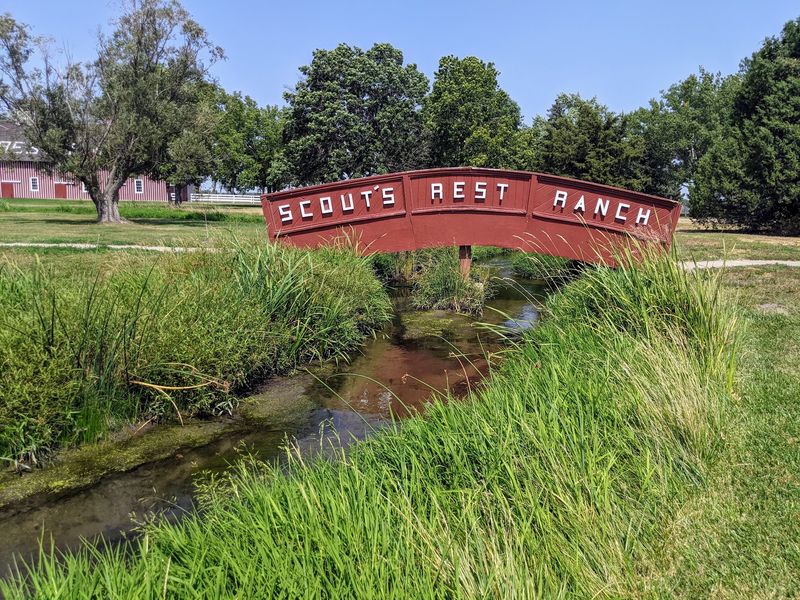
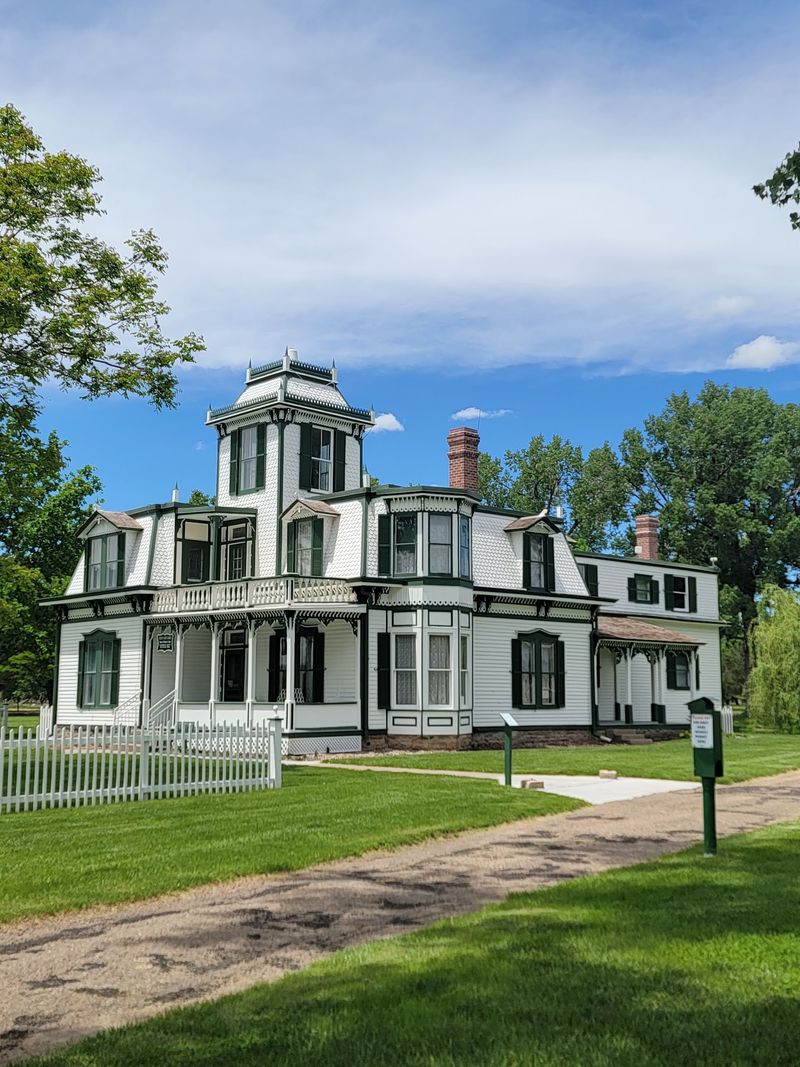
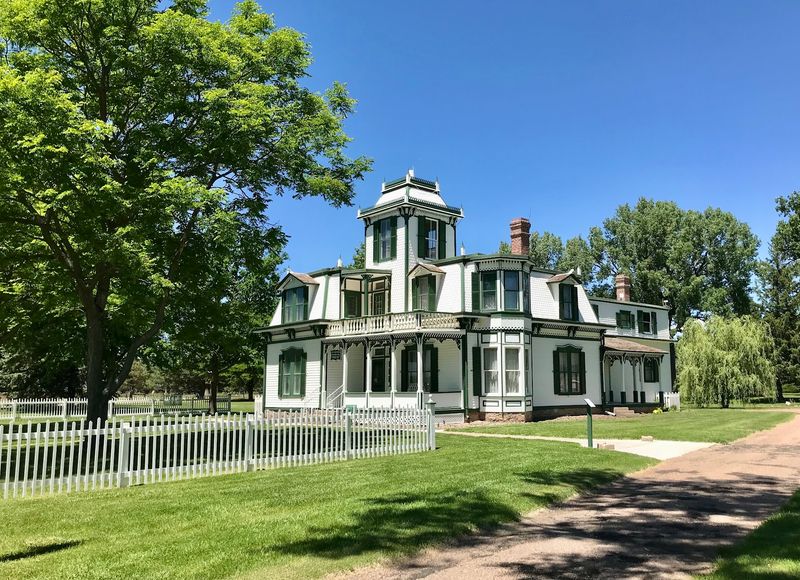
For $3,900 in 1886, Cody got a house fit for a celebrity. Builder Patrick Walsh put up the 18-room home in the Second Empire style, complete with a tall tower that still catches the eye from across the lawn.
Cody lived here from 1886 until 1913. The design, with its sloping mansard roof and fancy trim, stood out sharply against the working ranch buildings around it, and it still does.
Inside, the restoration leans heavily on authenticity. Many rooms hold mostly original furniture, and the rest are filled with period pieces that match how a well-off family lived in the late 1800s.
The parlor, dining room, and bedrooms each show a different side of daily life.
Here is a surprising detail. For all its grandeur, the house feels smaller in person than the old party photos suggest, and it is hard to imagine every guest in those pictures squeezing inside at once.
A printed booklet from the front desk works as the self-guided tour, explaining each room at an easy pace without needing a group schedule.
Parlors, Bedrooms, and Family Keepsakes
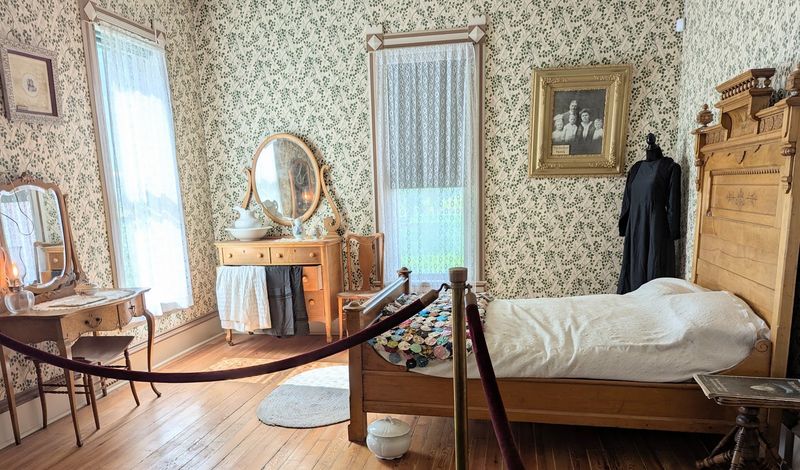
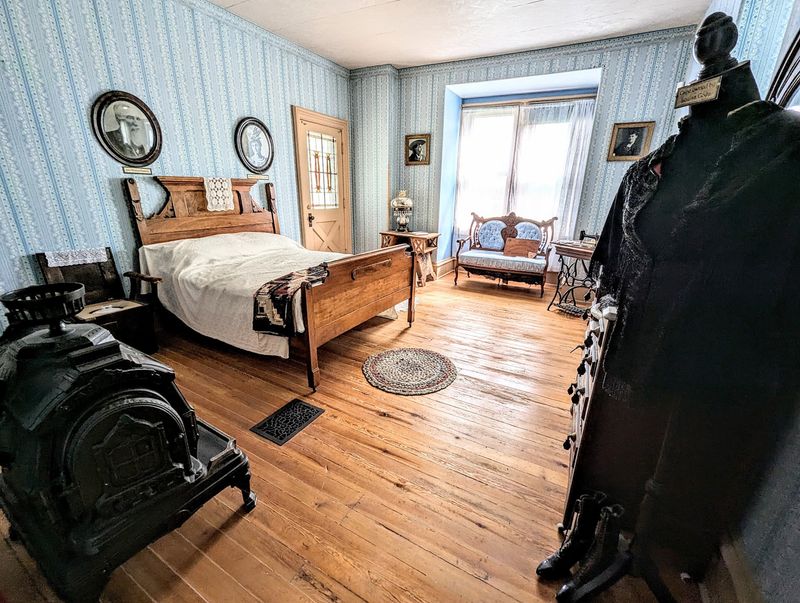
Lace curtains filter the light, and old family portraits line the walls. Moving through the mansion feels less like touring an exhibit and more like visiting a house where the owners just stepped out.
The women’s parlor, the dining room, and the guest quarters each carry their own mood. Personal items, clothing, and photographs of Cody and his family sit among the furnishings, giving a clear sense of who lived in these rooms.
Upstairs, Cody’s own bedroom stands apart. Western decor fills the space, along with some of his stage costumes, a reminder that the showman never fully left his character behind.
Kids tend to connect with these details quickly. A pair of worn boots or a framed snapshot makes history feel closer than any textbook page, which turns the house into an easy teaching spot for families.
Everything is clean and carefully preserved. The rooms stay close to how they looked in the past, and that attention to accuracy makes the walk from one doorway to the next feel natural and personal rather than staged.
The Upstairs Museum of Wild West Memorabilia
Old comic books with Buffalo Bill on the cover? They are here, tucked into display cases on the second floor alongside yellowed newspaper clippings that once followed his every move.
This upper level works like a proper small museum. Artifacts from the Wild West Show fill the rooms, tracing Cody’s rise from scout to international star.
A video plays in a back room for anyone who wants the story told in motion.
The show itself was enormous. Performers, horses, and equipment traveled across the country and all the way to Europe, which seems nearly impossible given how travel worked back then.
The displays explain how the troupe pulled it off.
Interpretive panels are thoughtfully designed, pairing photos with short, readable text. History fans could easily lose several hours studying the pictures and objects, while casual guests can breeze through in a shorter visit and still leave with plenty of stories.
Even people who arrive knowing little about Cody or Western culture find something fun upstairs. The mix of pop culture and frontier life keeps the rooms lively.
A 148-Foot Barn Full of Posters
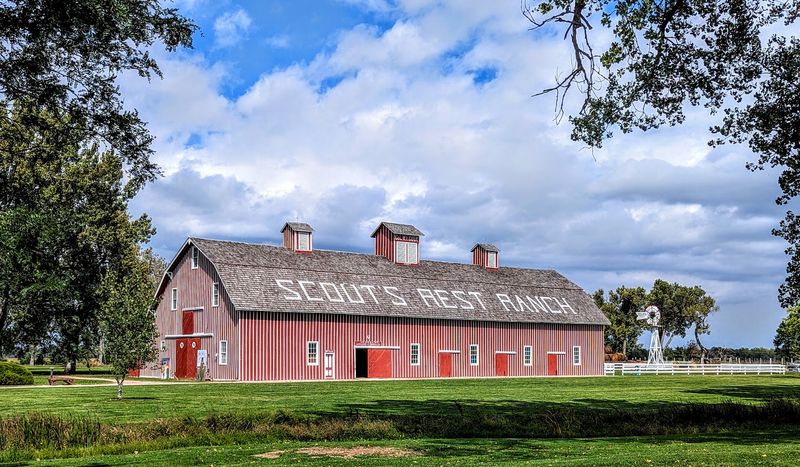
Painted in giant letters across the roof, the words Scout’s Rest Ranch can be read from far away. The barn went up in 1887 and stretches about 148 feet, big enough to house Cody’s prized thoroughbred livestock.
Step inside and the walls do the talking. Old show posters that Cody himself plastered up are still there in the open, so bright and bold that it almost seems he could stroll back in at any moment.
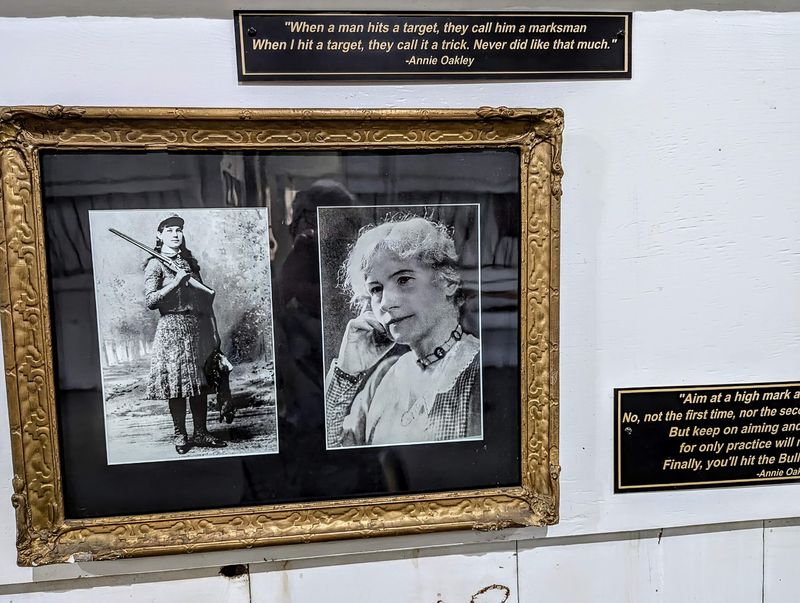
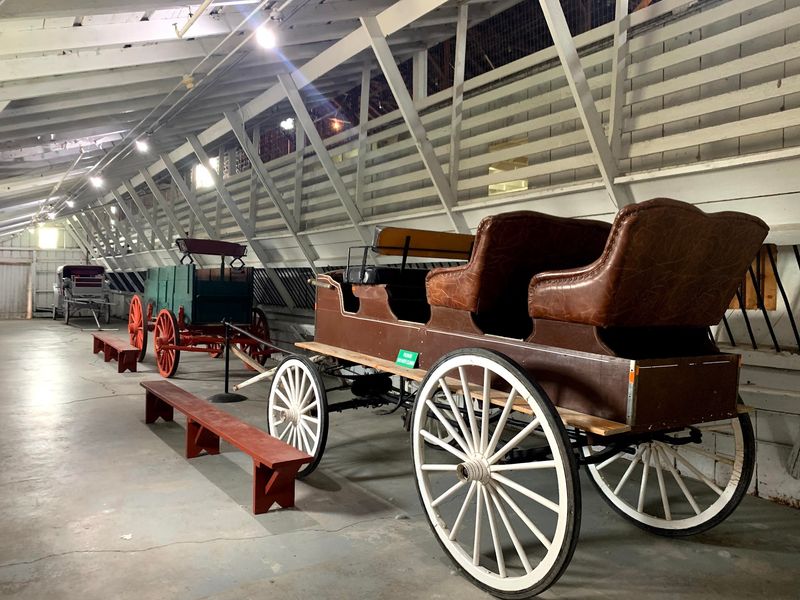
The collection keeps going. Saddles, carriages, and wagons fill the space, along with information and photos about Annie Oakley, one of the most skilled performers in his troupe.
A diorama of the Cody family adds a small, detailed touch.
Along the back wall runs a photo gallery of performers and performances, arguably the best stretch of the whole tour. Faces from more than a century ago stare out in costume, ready for the arena.
The stalls also reveal something softer about Cody. The care built into the horse quarters shows how much he valued his animals.
Little Details Hidden in the Ranch Buildings
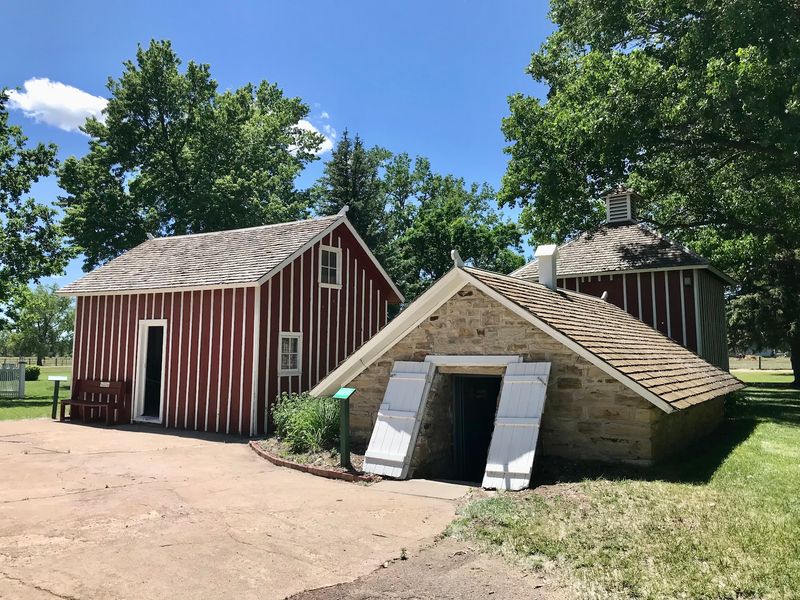
Not every building here is grand. A modest cob house once stored corncobs used to fuel the stoves, a practical fix in a place where firewood was scarce on the open plains.
Nearby stands the ice house, built the same year as the mansion in 1886. Before refrigerators, blocks of ice cut in winter were packed away here to keep food cold through hot Nebraska summers.
How sharp are your eyes? Staff members sometimes point out small features worth hunting for, such as a gunstock shape worked into the barn trim.
Spotting it turns the walk into a quiet scavenger hunt.
These smaller structures explain how the ranch functioned day to day. Cody’s fame paid for the mansion, but chores still had to happen, and the outbuildings show that working side of life.
A log cabin also sits on the property, adding another layer of frontier history. Checking in with the staff at the start of the visit is the easiest way to learn which details to look for before heading out across the lawn.
Bison Pastures and Peaceful Grounds
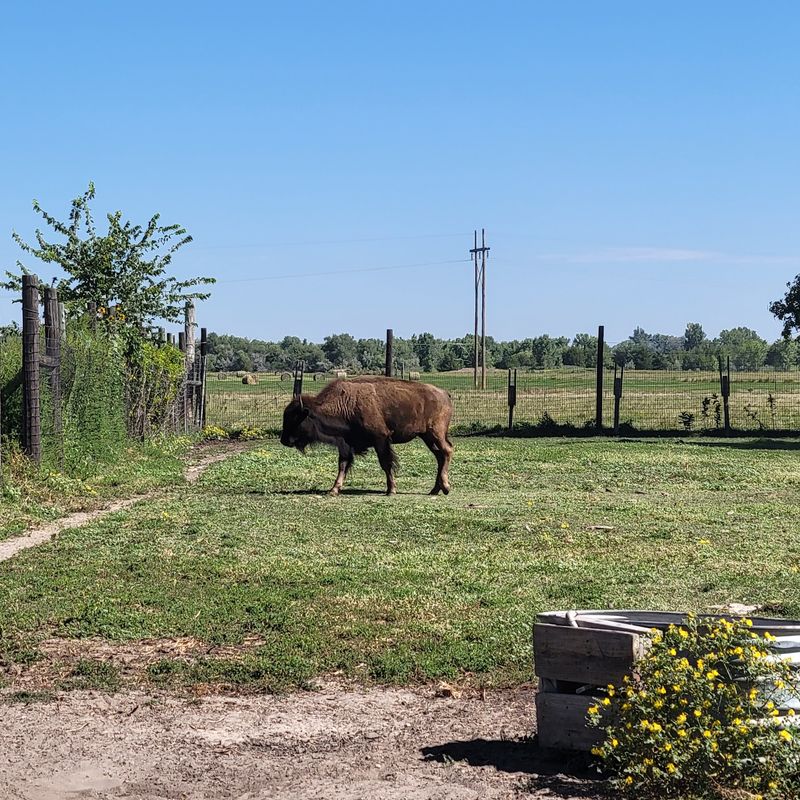
Past the barn, a small herd of bison grazes behind the fence. In the right season, a new calf may be wobbling alongside the adults, a lovely surprise for younger kids.
The grounds themselves are a big part of the appeal. Wide lawns, mature trees, and paved paths connect the mansion, barn, cabin, and pasture, making the whole site easy to navigate at a relaxed pace.
Everything is well kept. The grass is trimmed, the paths are tidy, and the setting feels calm even on a busy afternoon, the kind of place where a slow loop feels just right.
One practical tip applies during warm months. Sprinklers sometimes run across the outdoor paths, so a detour across the grass may be needed between the bison area and the cabin.
Picnic spots scatter the property, perfect for a packed lunch in the shade. Walking trails extend the stroll for anyone with extra energy, and even without going inside the buildings, simply wandering the grounds makes for a pleasant hour outdoors under big Nebraska skies.
Who Gets the Most Out of a Visit
History buffs are the obvious match, but the ranch fits far more people than that. Families find it a cheap, easy outing where kids can learn about frontier life through real objects rather than screens.
Road trippers crossing the state benefit too. Right off a well-marked route, the park works as a stretch-your-legs stop that delivers far more story than a typical rest area.
A couple of hours covers the mansion, barn, and grounds at a comfortable pace. Serious fans of Western history could spend much longer, reading every panel and studying each photograph in the barn gallery.
Comparisons with the Cody, Wyoming museum come up naturally. Pairing the two gives a full picture, with Wyoming covering the showman on stage and North Platte showing the husband, father, and rancher at home.
Retirees and slow travelers enjoy the peaceful setting and shaded benches. Meanwhile, anyone who grew up in western Nebraska probably has a school field trip memory tied to this barn, and returning as an adult brings a fresh look at the familiar painted roof.
Hours, Park Permits, and Getting In
Timing matters here. The mansion and barn keep a seasonal schedule and typically close for the winter months, while the outdoor grounds stay open year-round.
During the open season, the buildings welcome guests Wednesday through Sunday and close Monday and Tuesday. Arriving on a closed day means locked doors, with only printed window notes describing rooms like the women’s parlor, so planning ahead pays off.
Costs stay modest. A small fee covers the house tour, and a Nebraska state park entry permit is required for each vehicle.
Permits can be purchased right in the parking lot by phone, which keeps things simple.
Staffing can vary, especially on weekends. Grabbing the self-guided booklet at the front desk means no one has to wait for a group tour to start exploring.
Parking areas accommodate both cars and RVs. The neighboring Buffalo Bill Ranch State Recreation Area adds camping, hiking, and fishing for anyone hoping to stretch the trip into an overnight stay, and checking the Nebraska Game and Parks schedule before driving out avoids surprises.
A Showman’s Home Worth Seeing in Nebraska
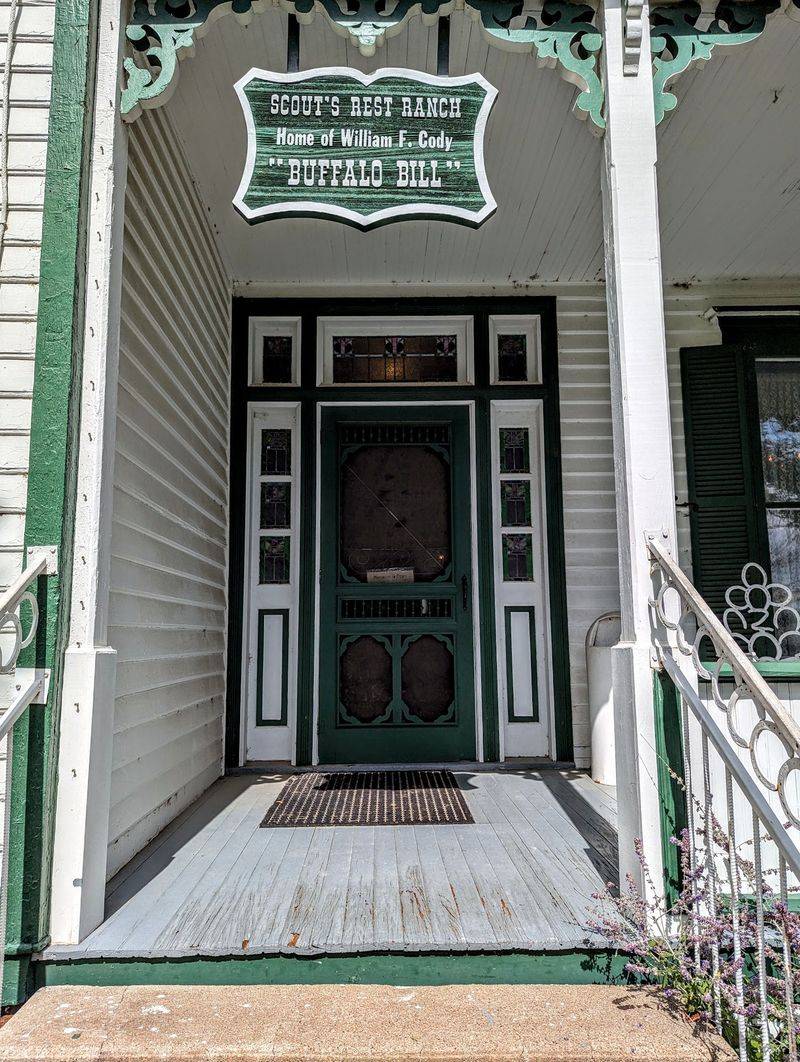
Late afternoon light turns the mansion tower gold, and the barn’s painted roof glows against the sky. Moments like that stick long after the drive home.
The ranch succeeds because it stays personal. Instead of only celebrating a legend, it shows where Cody slept, what he hung on his barn walls, and how he cared for his horses and family between tours.
Few places in the state connect so directly to a figure the whole world once knew. Original furniture, preserved posters, and grazing bison bring a chapter of frontier history into clear focus.
It rewards curiosity more than a rushed glance. Slow down in the photo gallery, look for the gunstock trim, and linger under the trees Cody planted on bare prairie over a century ago.
For western Nebraska, the site is a point of real pride, proof that North Platte played a starring role in American entertainment. An affordable ticket, easy access, and a quiet setting make it an easy choice for a summer afternoon, a family weekend, or a cross-state road trip stop.