10 Slow-Paced Towns In Alaska Where Retirees Can Stretch A Modest Budget Further
What if retirement felt less like filling a calendar and more like finally having room in it?
Alaska offers slow-paced communities where harbor walks, river views, and dramatic skies can make an ordinary morning feel anything but ordinary.
Of course, the dream comes with real math.
Groceries, heating, travel, and everyday services can shape a modest budget quickly. That is why the quieter lifestyle is worth looking at from both sides.
The appeal is not simply spending lesss. It is finding a place where daily life feels peaceful enough to justify the practical tradeoffs.
Sometimes space and silence are part of the luxury.
1. Wrangell, Southeast Alaska
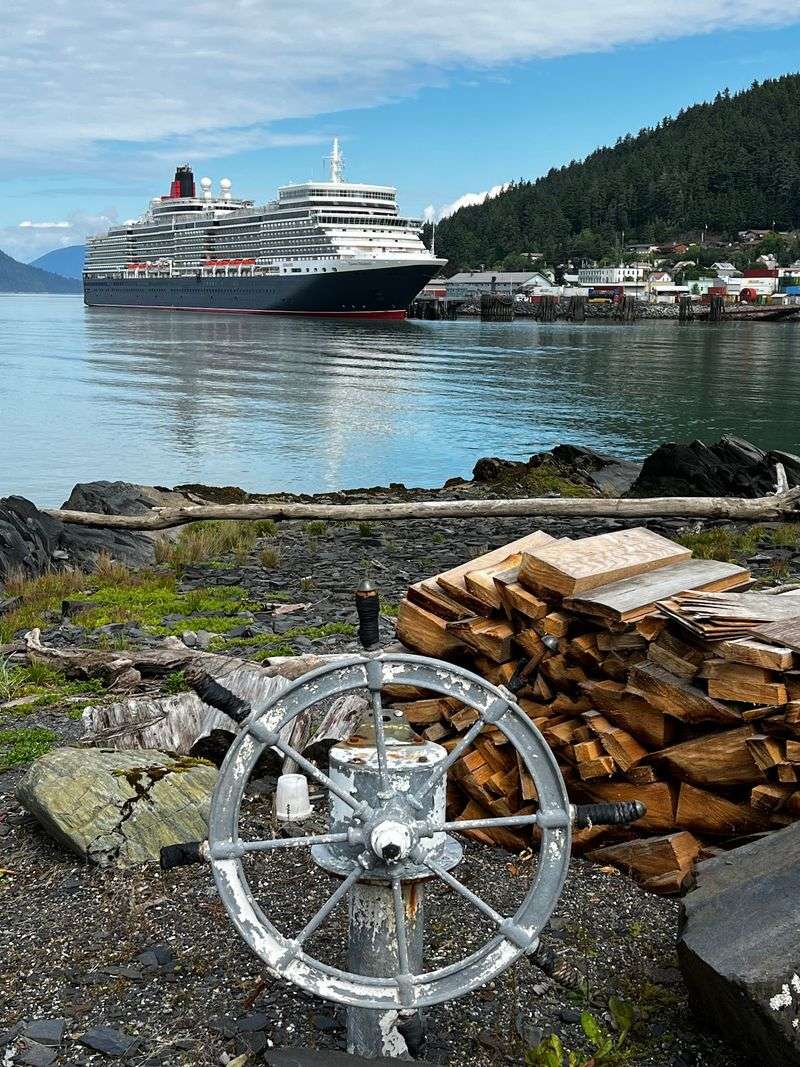
Could a short waterfront walk become your favorite daily habit? A quieter schedule leaves plenty of room for curiosity.
Wrangell sits near the Stikine River Delta in Southeast Alaska, with a compact downtown where everyday stops are often within walking distance. Air service and the Alaska Marine Highway provide its primary connections beyond the island.
Petroglyph Beach State Historic Park offers an accessible boardwalk and viewing deck above a shoreline holding more than 40 documented carvings.
Chief Shakes Island adds another cultural stop, centered on a replica Tlingit tribal house at a historically important site.
Local trails provide options without requiring a full-day excursion. Mt. Dewey climbs through forest above town, while Volunteer Park includes shorter routes through muskeg and spruce-hemlock habitat.
The Stikine River opens the door to larger outings, but those trips depend on boats, weather, tides, and local operators. They make more sense as planned excursions than everyday recreation.
Medical services are broader than many remote communities might suggest. Wrangell Medical Center provides emergency, primary, rehabilitation, pharmacy, acute-care, and long-term-care services, with visiting specialty clinics scheduled through the year.
Transportation creates the sharper tradeoff. No road connects Wrangell to the mainland, so residents depend on flights, ferries, barges, and marine services.
That isolation can affect groceries, freight, travel, and housing choices. Comparing those practical costs across seasons is essential before relocating.
2. Craig, Prince Of Wales Island
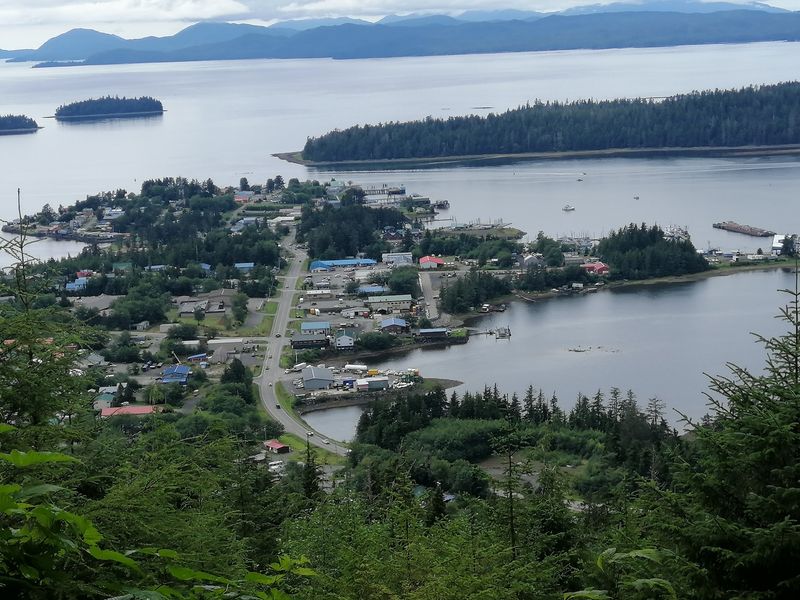
Here is a pleasant puzzle: how much entertainment can a shoreline hold? Quite a lot, especially when your schedule finally belongs to you.
Craig sits on the western side of Prince of Wales Island, where fishing harbors, sheltered water, and forest shape daily life.
A shoreline walk or the Cemetery Island Trail can fill a quiet morning without much planning. The wider island offers hiking, wildlife viewing, kayaking, and extensive forest-road access.
Prince of Wales has one of Southeast Alaska’s broadest road networks. Craig connects by paved roads to several island communities, expanding everyday options well beyond town.
Leaving the island takes more coordination. Travelers commonly connect through Ketchikan, the Hollis ferry terminal, or Klawock Airport, and weather can complicate those plans.
Basic medical care is available locally through the Craig Health Center, including weekday primary care, rehabilitation, behavioral-health support, and visiting specialty services. More complex needs may still involve travel.
That balance matters in retirement planning. Freight, fuel, limited housing supply, and transportation beyond the island can weigh heavily on a household budget.
Rain deserves a realistic test run. Outdoor recreation remains important year-round, but wet weather can change how often trails, shorelines, and forest roads feel inviting.
For someone drawn to water and woods, Craig offers genuine calm, provided island transportation and health-care logistics fit comfortably into daily life.
3. Cordova, Prince William Sound
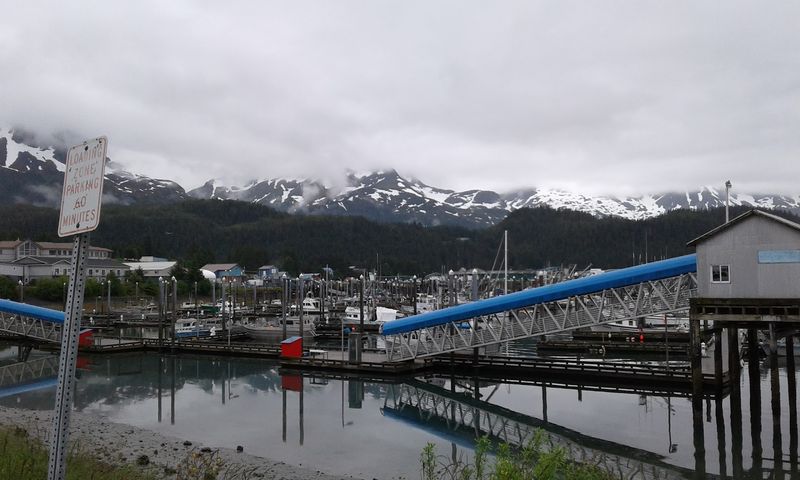
A quiet harbor can still have a busy bird calendar. Spring rewards patient watchers with plenty to see.
Cordova sits on Orca Inlet at the southeastern edge of Prince William Sound, beside mountains, forest, wetlands, and the Copper River Delta.
Each spring, millions of shorebirds use the delta as a migration stopover. Alaska wildlife officials describe it as one of the most important shorebird gathering places in the Western Hemisphere.
Rain is a major part of life here. Cordova lies in a temperate rainforest, so waterproof layers and realistic expectations matter more than an idealized summer forecast.
The Cordova Historical Museum provides an indoor alternative with exhibits on the region’s First Peoples, fishing, rail history, natural environment, and later development. City recreation facilities add year-round choices.
Access is the bigger practical question. Cordova has no road connection to the rest of Alaska, so scheduled air service and the Marine Highway are central to travel.
Local medical care includes a public hospital, emergency services, primary care, long-term care, and a separate Native health center.
Even with those resources, isolation can raise freight, grocery, housing, and travel costs. Weather delays may also affect appointments or family visits.
Water, birding, trails, and a working coastal community create the appeal. A serious retirement test should include a long stay during the rainy season, not only a clear summer week.
4. Seward, Kenai Peninsula
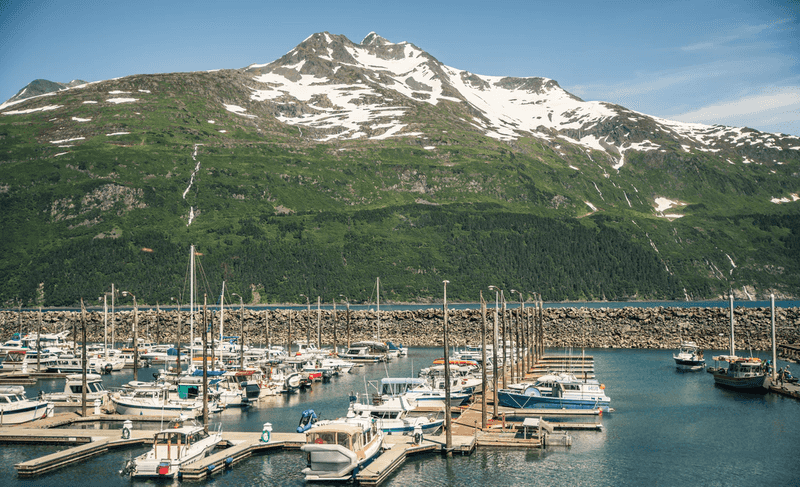
Picture this: your morning walk comes with mountain views and salty air. No complicated itinerary is needed to enjoy either one.
Seward sits at the head of Resurrection Bay on the Kenai Peninsula, where the harbor, paved waterfront trail, and compact downtown support easy daily outings.
The Alaska SeaLife Center offers an indoor option focused on marine research, education, and wildlife response. Nearby city trails range from the easy Two Lakes loop to more demanding routes with steep elevation gain.
Road access is a major practical advantage. Seward connects year-round to Anchorage by highway, while summer passenger rail adds another option.
The community also has a critical access hospital with a 24-hour emergency department, rehabilitation services, laboratory and imaging, plus long-term care at Seward Mountain Haven.
Housing deserves careful scrutiny. Current city planning work continues to identify housing supply, diversity, and affordability as important local issues.
Seward’s 2026 planning priorities specifically include improving affordability and diversifying the housing stock.
Summer also changes the town’s rhythm. Cruise traffic, seasonal workers, and visitors make the community livelier than it feels in winter.
For everyday recreation, the waterfront, harbor, parks, and short trails provide choices that do not require expensive tours. Longer wildlife cruises can remain occasional treats.
5. Soldotna, Kenai Peninsula
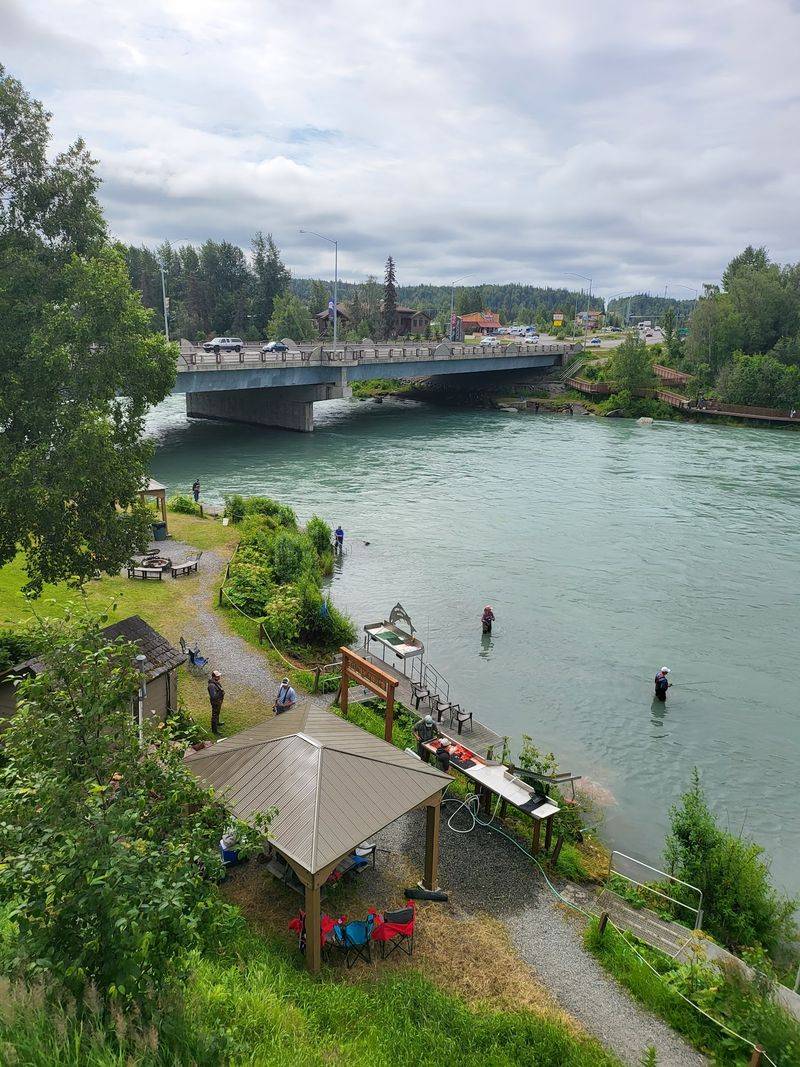
A good river walk can brighten an ordinary Tuesday. You do not need to fish to enjoy the scenery.
Soldotna sits along the Kenai River, where parks, fish walks, paved connections, and nearby trails make outdoor time easy to fit around errands.
Soldotna Creek Park includes river access and an accessible fish-walk section, while the visitor-center area offers another short loop beside the water. Tsalteshi Trails adds a much larger network for walking, biking, skiing, and seasonal recreation.
The local historical museum provides an indoor look at homesteading-era life, including cabins and early community artifacts. That gives colder days a quieter option.
Compared with more remote communities, Soldotna benefits from highway access and a dense concentration of stores and services on the central Kenai Peninsula.
Medical access is another practical advantage. Central Peninsula Hospital and surrounding clinics make Soldotna a regional health-care center rather than a place where routine care automatically means flying elsewhere.
The Kenai River brings heavy seasonal activity, especially during fishing periods. Seeing the town during those busier weeks matters as much as experiencing it in winter.
Housing, utilities, snow management, and transportation still deserve careful comparison against a personal budget. Road access does not eliminate the state’s higher heating and grocery costs.
For retirees who prefer river scenery, nearby services, and regular outdoor options without complete isolation, Soldotna occupies a useful middle ground on the peninsula.
6. Kenai, Kenai Peninsula
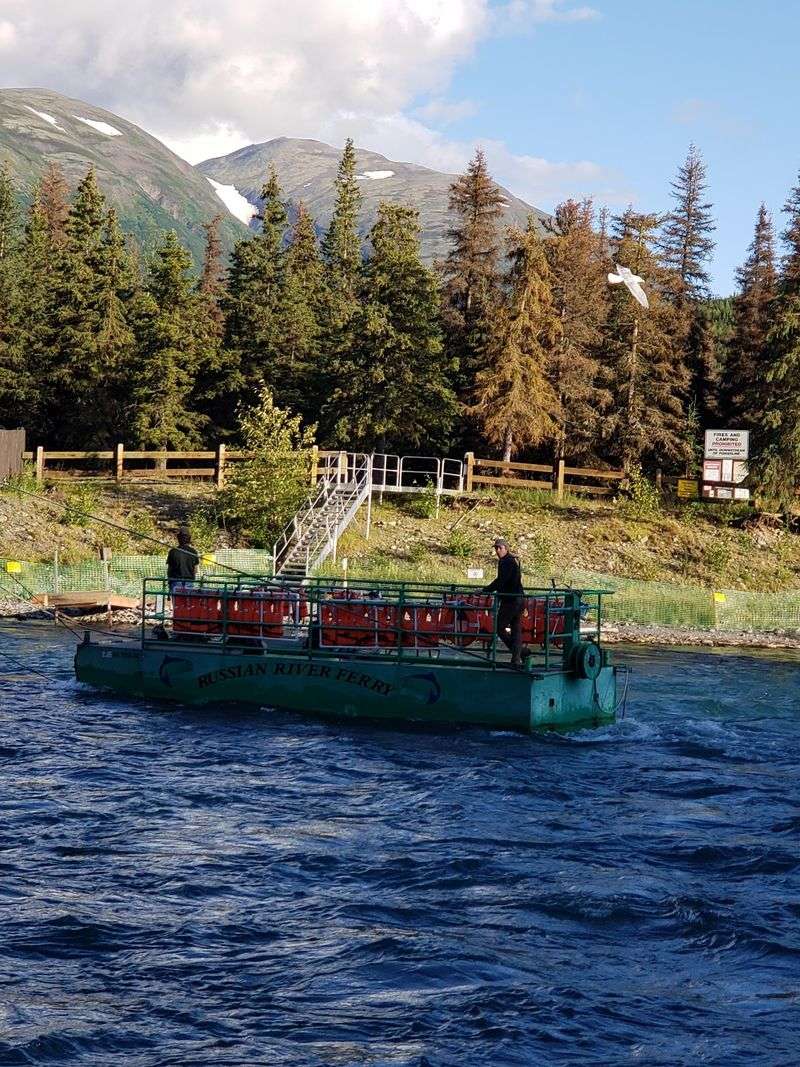
A little history makes an afternoon walk much more interesting. Add an inlet view, and there is plenty to talk about.
Kenai is a coastal city on the Kenai Peninsula, where Old Town overlooks the Kenai River and Cook Inlet.
The area has deep Dena’ina roots as well as a long Russian Orthodox presence. A self-guided Old Town walk can include historic buildings, the active Holy Assumption church, and viewpoints above the river.
The Kenai Visitor and Cultural Center adds indoor context through rotating exhibits on local history and regional culture. It also provides maps for exploring the older part of town.
Shorter outdoor routes avoid committing to a major hike. Meeks Trail links Old Town with Kenai North Beach, while municipal walking and ski trails provide year-round recreation.
Highway connections to Soldotna and other peninsula communities make groceries, appointments, and regional services easier to reach than in fly-in towns.
Winter driving, heating, and home maintenance still require realistic planning. Coastal views do not remove those household demands.
Nearby Soldotna strengthens medical access because the central peninsula’s hospital and many specialty services are concentrated there. Travel time should still be tested under winter conditions.
Local history, shoreline scenery, and road access make Kenai a distinctive option for a slower routine. An off-season stay can show whether the darker months fit comfortably.
7. Valdez, Prince William Sound
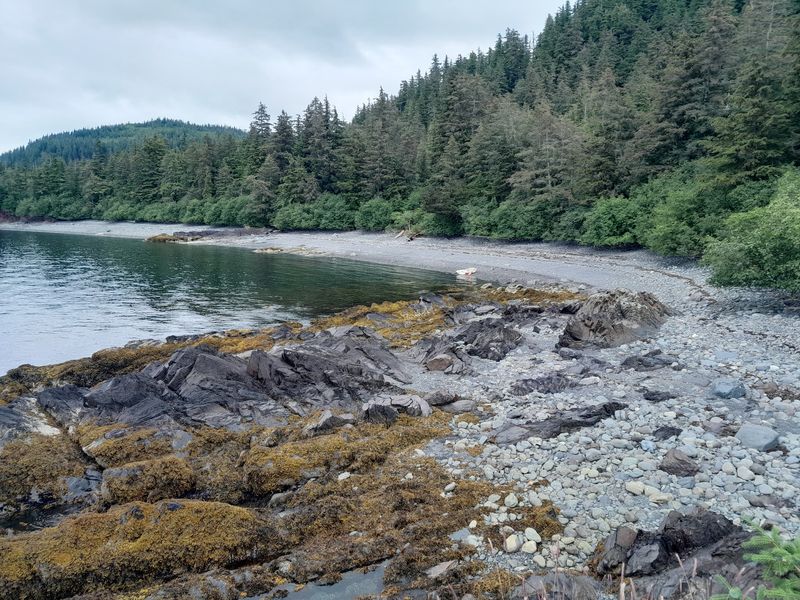
Some mornings call for a camera before breakfast. Steep mountains and shifting clouds can change the view in minutes.
Valdez sits at the northeastern edge of Prince William Sound beneath the Chugach Mountains, with a harbor, parks, and trails built into a dramatic coastal setting.
Short outings are easy to find in town. Dock Point and Mineral Creek offer walking options, while the Parks and Recreation system maintains more than 20 miles of seasonal routes.
Winter does not shut that network down. The city grooms roughly 33 miles of winter trails when conditions allow, supporting skiing, snowshoeing, and other cold-weather recreation.
Medical care is a practical strength. Providence Valdez Medical Center operates as a critical access hospital with emergency, inpatient, outpatient, rehabilitation, specialty, and long-term-care services.
Road access also separates Valdez from many isolated coastal communities. The Richardson Highway connects the city to the state’s road system, while ferries and air service provide alternatives.
Snowfall is the practical counterweight. More than 300 inches is measured annually in town, making snow removal, roof loads, heating, and vehicle preparation routine considerations.
Keystone Canyon and glacier cruises can make memorable outings, but everyday life does not depend on expensive excursions. Local parks and waterfront areas provide simpler routines.
Valdez works best for someone comfortable with serious winter maintenance and dramatic seasonal change. Spending time here during deep winter is essential before deciding.
8. Dillingham, Bristol Bay
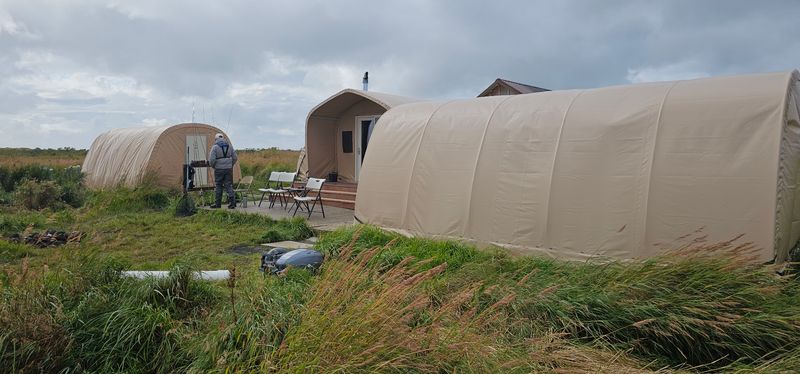
Let me be honest, remote living asks for more planning than daydreaming. The reward is time close to a remarkable landscape.
Dillingham sits near Nushagak Bay in the Bristol Bay region, where fishing, tundra, and Alaska Native traditions remain central to community life.
Outdoor recreation can be simple or ambitious. Birdwatching, berry picking, shoreline time, and local trails need less planning, while trips deeper into the region may depend on boats, aircraft, guides, or changing seasonal access.
The biggest practical difference is transportation. Dillingham is not connected to the state’s highway system, so flights and marine freight shape daily life. Scheduled passenger and freight flights link the community with Anchorage.
Local health care is stronger than the word remote may suggest. Kanakanak Hospital provides emergency, outpatient, pharmacy, imaging, physical-therapy, specialty, and other services.
Serious conditions can still require transfer to a higher-level facility. Weather and flight schedules therefore remain important parts of medical and family planning.
A modest retirement budget deserves particular scrutiny here. Freight, groceries, heating, housing availability, and air travel can all carry the extra costs associated with rural part.
The city’s newly adopted long-range plan also identifies transportation, housing, infrastructure, and access as continuing community priorities. The 2036 plan was formally adopted in September 2026.
9. North Pole, Fairbanks North Star Borough
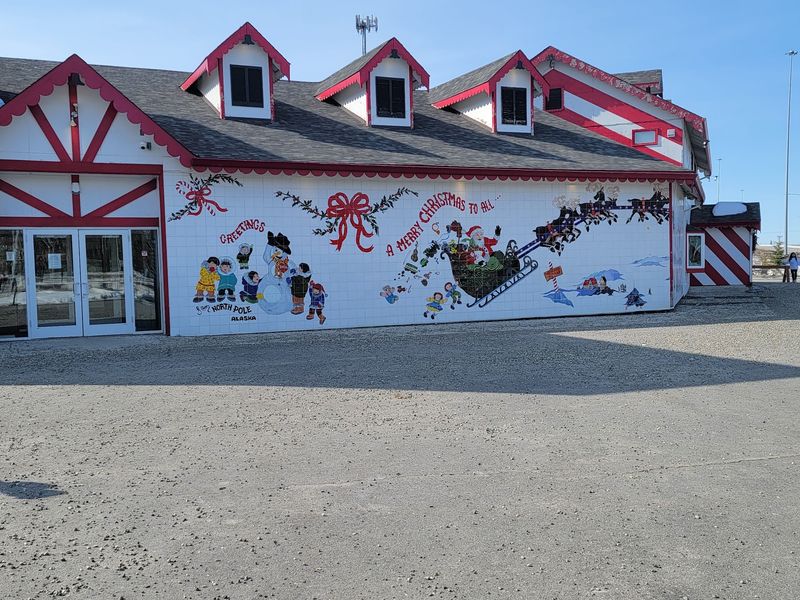
Here is a cheerful thought: your holiday mail can leave from North Pole. Daily life, however, needs more than festive street names.
North Pole sits southeast of Fairbanks in the Fairbanks North Star Borough, combining a year-round Christmas identity with ordinary residential neighborhoods and regional services.
Santa Claus House remains the best-known attraction, and its 2026 schedule confirms that the holiday theme operates well beyond December. Visitors can even mail cards from the property with its North Pole seal.
For everyday recreation, Chena Lake Recreation Area is more useful, with walking, biking, nature trails, water access, and winter activities nearby.
The borough also runs senior recreation programs that include exercise, walking, cultural outings, and activities at Santa Senior Center. VanTran transportation is available to registered participants in those programs.
North Pole connects to Fairbanks by road, and the regional transit system serves both communities. That proximity can make medical appointments, shopping, and other errands easier than in isolated communities.
Winter remains the decisive test. Heating demand, vehicle preparation, snow, ice, and extreme cold need to be treated as routine household issues rather than occasional inconveniences.
Seasonal schedules also affect local recreation. Borough facilities publish current calendars for swimming, walking, ice sports, and other activities, so checking availability before heading out is worthwhile.
10. Fairbanks, Fairbanks North Star Borough
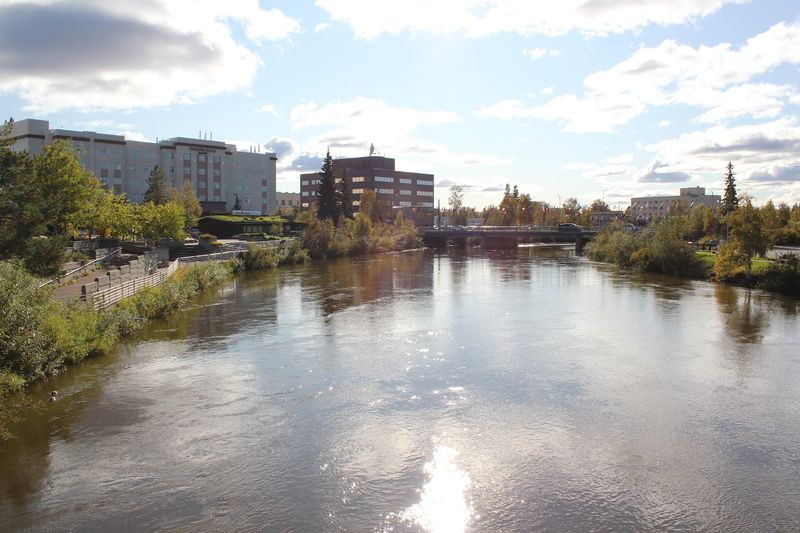
Not every slower retirement requires a tiny community. Sometimes a relaxed routine works best with more services nearby.
Fairbanks is the largest community on this list, giving retirees a broader mix of medical care, recreation, cultural programs, shopping, and transportation than smaller towns can offer.
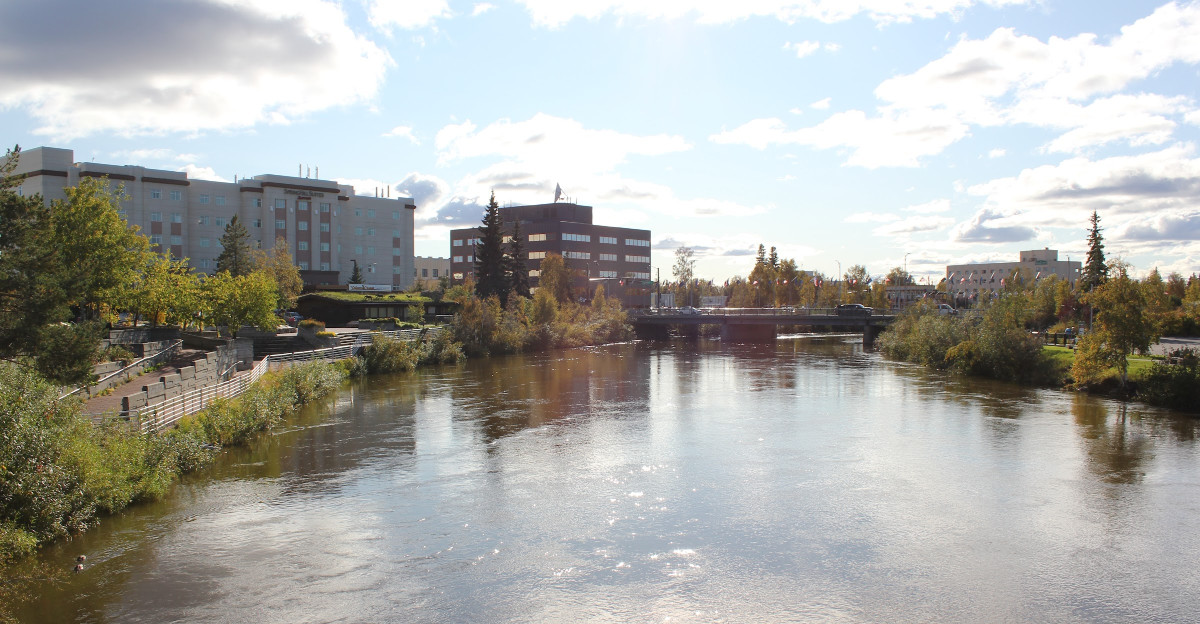
The Chena River runs through the city and creates an easy focus for local outings.
Creamer’s Field Migratory Waterfowl Refuge adds about 2,000 acres of fields, woods, wetlands, trails, and wildlife viewing close to town. More than 150 bird species have been recorded there.
Bird migration is a major seasonal feature there, while winter opens different possibilities.
Fairbanks also supports an extensive borough trail system and organized senior recreation programs, including walking, exercise, cultural outings, and transportation for registered participants.
Medical access is considerably stronger here. Fairbanks Memorial Hospital provides round-the-clock emergency care, while nearby clinics include primary care, specialty services, rehabilitation, and a dedicated senior-care program.
That convenience does not make retirement inexpensive. Heating, utilities, vehicle upkeep, snow management, and housing still need careful budgeting, and current state reporting continues to show relatively high living costs in Fairbanks.
Long summer daylight can make outdoor routines feel expansive. Winter brings deep cold, limited daylight, and aurora viewing, creating a very different daily rhythm.