This California Steakhouse Cooks Its Steaks Straight Over A Blazing Red Oak Pit
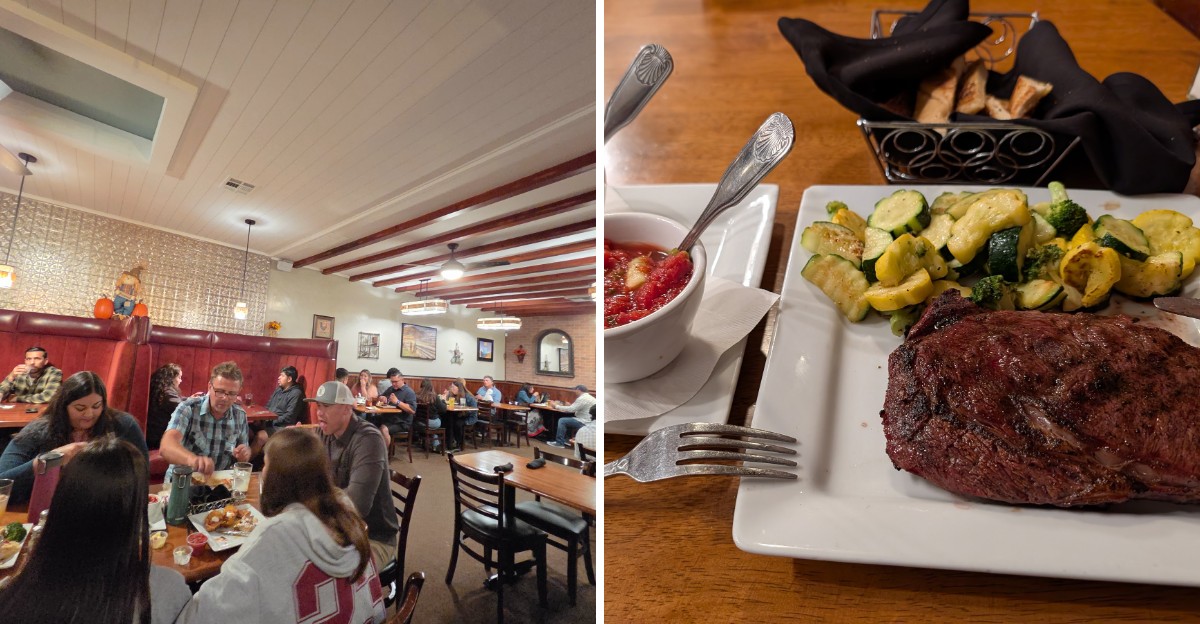
Some steakhouses rely on fancy plating to make an impression. Others put a piece of beef over a blazing wood fire and let the smell drifting through the room handle the introduction.
Red oak gives this old-school cooking method its personality.
The intense heat builds a flavorful exterior while the wood adds the smoky character that makes dinner feel connected to the fire it came from.
In California’s steak country, red oak smoke can announce dinner before the plate ever reaches your table.
Watching that traditional approach in action adds another layer to the meal.
There is something satisfyingly straightforward about seeing steaks cooked over real flames rather than disappearing into a kitchen where all the interesting work happens out of sight.
The result does not need much explaining once it arrives.
When the grill is throwing heat and the room smells like red oak, choosing what to order becomes considerably easier.
The Red Oak Pit Is The Heart Of The Restaurant
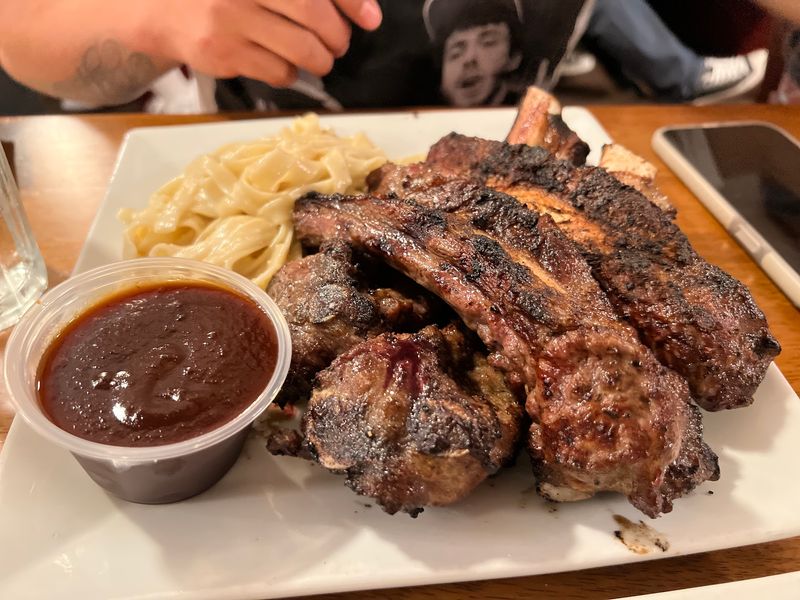
Every great steakhouse has a signature, and the one here burns bright orange.
Grilled meats at The Swiss are cooked over a traditional red oak barbecue pit. That choice gives the steaks the smoky flavor linked to Santa Maria-style barbecue.
The wood is not just fuel, since it also acts like a seasoning that soaks into the crust.
Red oak burns hot and produces a mild smoke that does not overpower the beef. Steaks cooked this way often come out with a darker outside and a juicy center.
The flavor may feel cleaner than heavily sauced barbecue, because the meat and smoke carry most of the taste.
Santa Maria grills often use a hand crank to raise or lower the grate over the coals. Cooks can move the meat closer for a fast sear or higher for gentler heat.
That simple tool gives the grill master a lot of control without fancy gadgets.
First-time visitors can get the most from the pit by ordering something cooked directly over the oak.
Asking for a doneness level like medium-rare or medium can help the smoky crust and tender inside shine together.
Anyone unsure about doneness can ask the server what the kitchen usually suggests for a certain cut.
The Beef Is Aged And Cut In-House
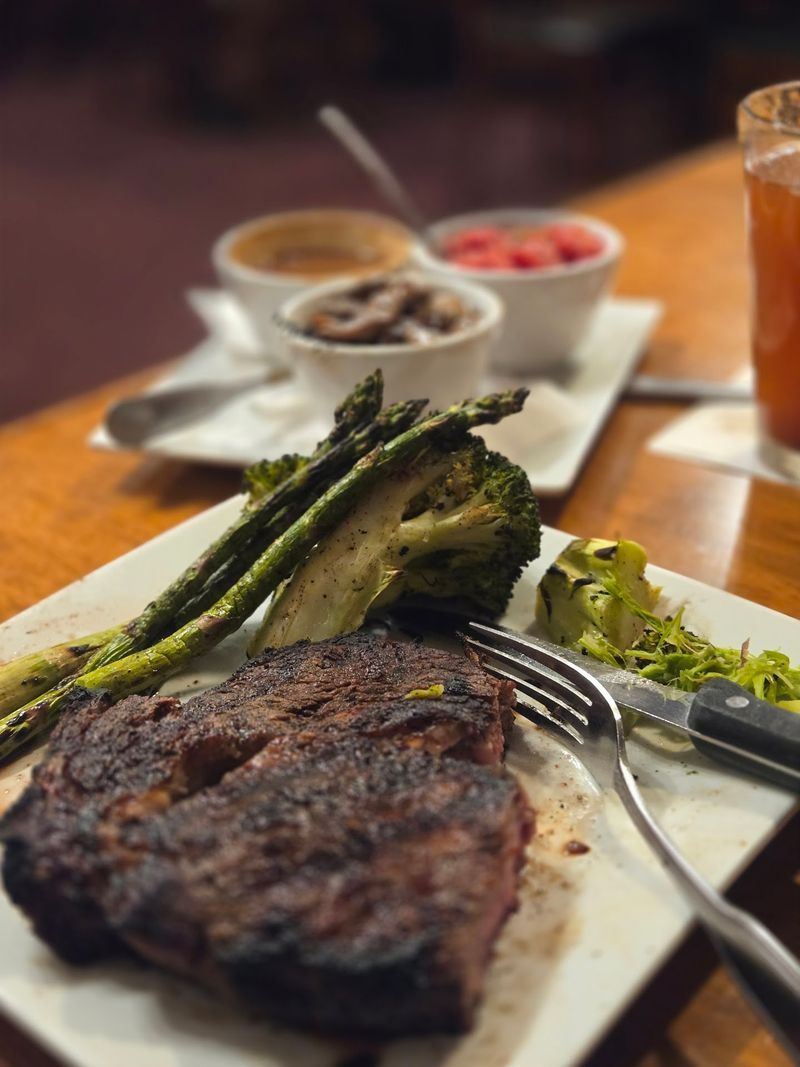
Good steak starts well before the fire gets lit.
The Swiss says it ages and cuts its own steaks in-house. That detail gives the menu a strong hook beyond the live-fire cooking.
Handling the beef from start to finish lets the kitchen keep a closer eye on quality.
Aging beef is a slow process that gives natural enzymes time to work. Those enzymes help break down tough fibers, which can make a steak more tender.
Aging may also deepen the beefy flavor, giving it a richer taste on the tongue.
Cutting steaks in-house matters too. A kitchen that trims its own meat can control thickness, which affects how evenly a steak cooks over open flames.
Home cooks can borrow a lesson from that approach. Buying thicker cuts and letting them sit out briefly before grilling can lead to more even cooking.
A simple salt and pepper rub often works best when the meat itself is high quality.
Guests who enjoy learning about their food can ask the server which cuts are popular that day.
Staff usually know which steaks guests order most and can explain the differences in texture and fat. A quick chat like that can make choosing a cut feel much less confusing.
New York Steak Is Another Classic Choice
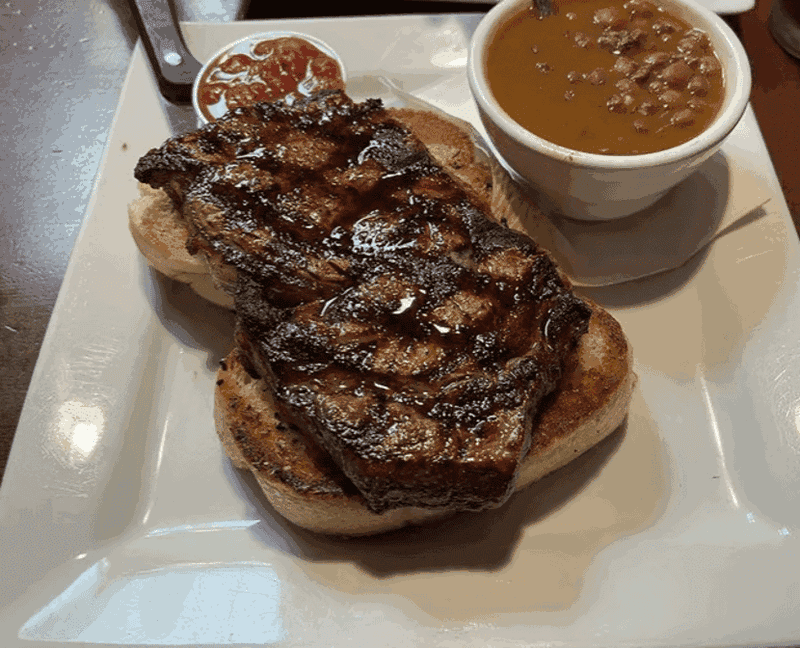
Somewhere between bold and lean sits a steak with a firm, satisfying chew.
The menu includes a 12-ounce New York steak. It keeps the lineup firmly in old-school steakhouse territory. Plenty of diners see it as a balanced pick that never goes out of style.
New York steak, sometimes called strip steak, comes from the short loin. It has a tight grain and a strip of fat along one edge. That edge can crisp up nicely over a hot oak fire.
The texture tends to be firmer than filet but less rich than ribeye. Each bite may offer a strong beef flavor with a pleasant chew.
The smoky crust adds another layer that pairs well with simple seasoning.
Cutting against the grain is a handy tip for any strip steak. Looking at the lines in the meat and slicing across them makes each piece easier to chew.
Small habits like that can make a good steak feel even better.
A 12-ounce size works well for many appetites. It is filling without feeling overwhelming, especially with a side of beans or potatoes.
Diners who cannot decide between richness and tenderness often find the New York steak a happy middle.
Old-fashioned steakhouse fans may feel right at home with this classic on the plate.
Top Sirloin Connects It To Santa Maria Barbecue Tradition
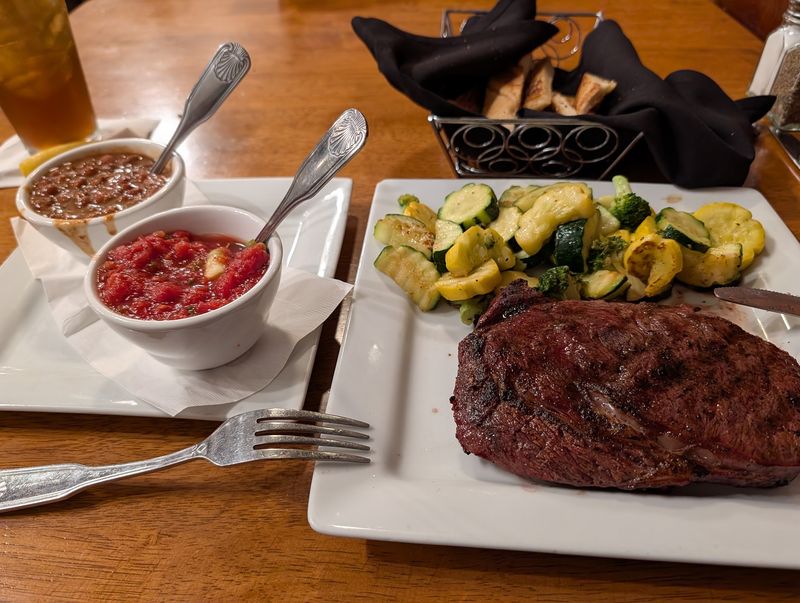
Long before tri-tip became famous, top sirloin was the star of local barbecues.
Top sirloin has deep roots in Santa Maria-style barbecue. The Swiss keeps it prominently represented alongside its other steaks.
Ordering it is a little like tasting a page of local history.
Early Santa Maria barbecues often featured thick cuts of sirloin grilled over oak. Ranch families and their guests gathered around the fire to share big meals.
That social spirit still shapes how many people think about the style today.
Top sirloin is leaner than ribeye but still full of beefy flavor. It holds up well to a simple rub of salt, pepper, and garlic.
Over oak, the outside may char nicely while the inside stays juicy if not overcooked.
Thick sirloin cuts often benefit from resting a few minutes after leaving the grill. Resting lets juices settle back into the meat instead of running onto the plate.
Guests wanting a traditional Central Coast meal might pair it with beans, salsa, and garlic bread.
That combination echoes the classic Santa Maria barbecue plate. The whole setup can feel simple, hearty, and rooted in place.
The Fire Pit Isn’t Reserved For Beef
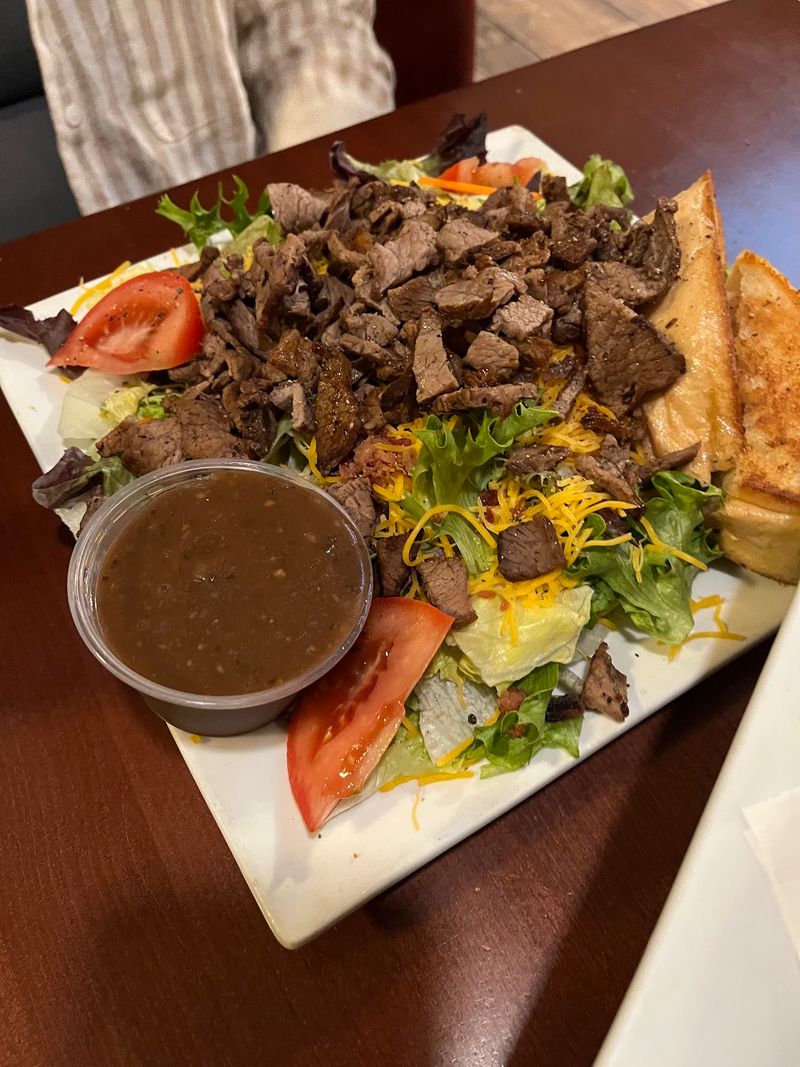
Not a steak person? The oak fire still has plenty to offer.
Pork chops, chicken, beef ribs, and rack of lamb are among the other meats prepared over red oak.
That makes the pit central to much of the dinner menu rather than a steak-only attraction. Oak-grilled salmon and halibut also appear for guests who lean toward seafood.
Each meat reacts to the fire in its own way. Chicken can pick up a golden, slightly crisp skin with a gentle smoky taste. Pork chops may stay juicy inside while gaining a toasty outer layer.
Beef ribs tend to be rich and hearty, with meat that clings to the bone. Rack of lamb brings a different flavor, a bit earthy, that pairs well with smoke.
Fish cooked over oak usually stays light, with just a hint of wood on the edges.
Mixed groups often appreciate this range. One person might order steak while another picks chicken or salmon.
Everyone still shares the same smoky style, which keeps the table feeling connected. Picky eaters or younger diners may find chicken an easy entry point to oak flavor.
Menus can change over time, so checking current offerings before a visit is a good habit. The official website or a quick phone call can help confirm what is available.
The Restaurant Has Been Around Since 1941
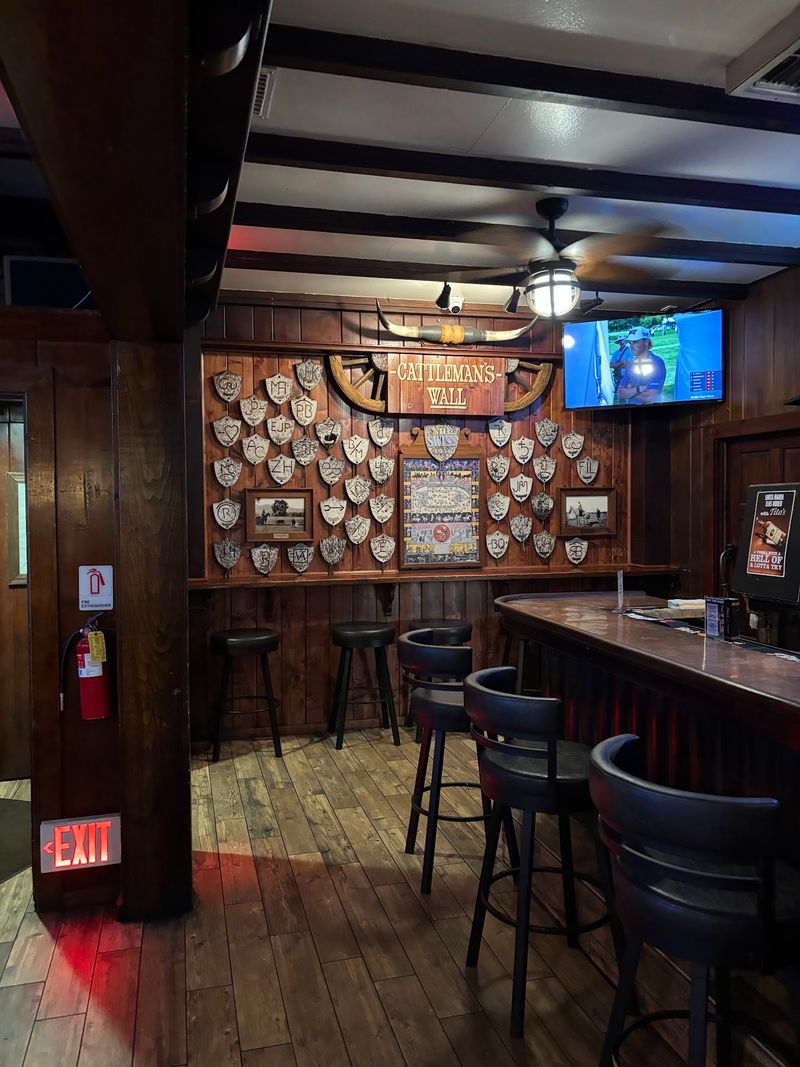
Few restaurants can claim more than eight decades of history, yet this California one comes close to that mark.
The Swiss traces its history back to 1941. That long timeline pairs naturally with an old-school cooking method like oak grilling.
Plenty has changed in the world since then, from cars to phones to the way people eat out.
The idea of gathering around good food has stayed steady here. Generations of local families have likely shared birthdays, reunions, and ordinary weeknight dinners in these rooms.
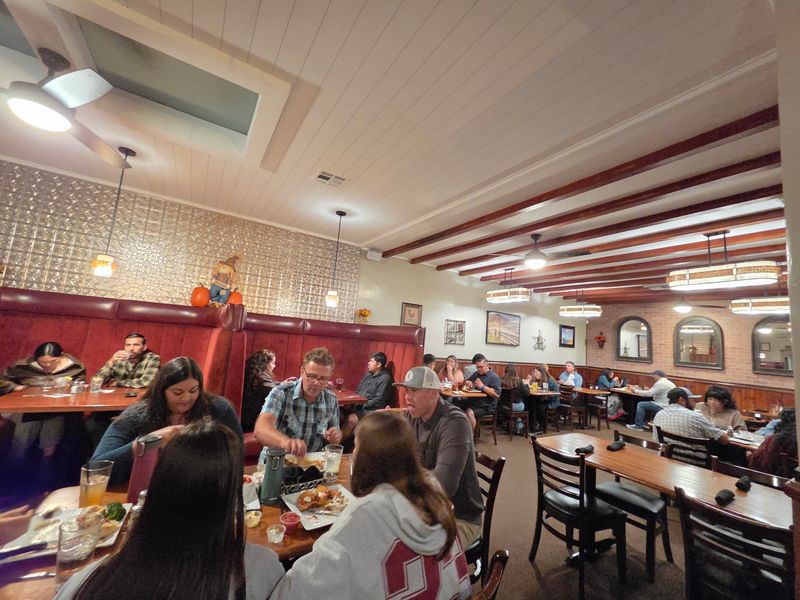
The interior reflects that age in a comfortable way. Wood paneling and darker lighting can give the space a retro, lived-in feel.
Some guests find that charm cozy, while others may see it as a bit dated.
Honest expectations help a visit go smoothly. The restaurant is not a modern, sleek dining room with trendy decor.
It leans more toward a classic neighborhood steakhouse with history on the walls.
Visitors who enjoy places with a story may appreciate asking staff about the restaurant’s past.
Old photos or decor details can spark fun conversations at the table. A meal here can feel like stepping into a well-kept chapter of local life.
It Wasn’t Originally Called The Swiss
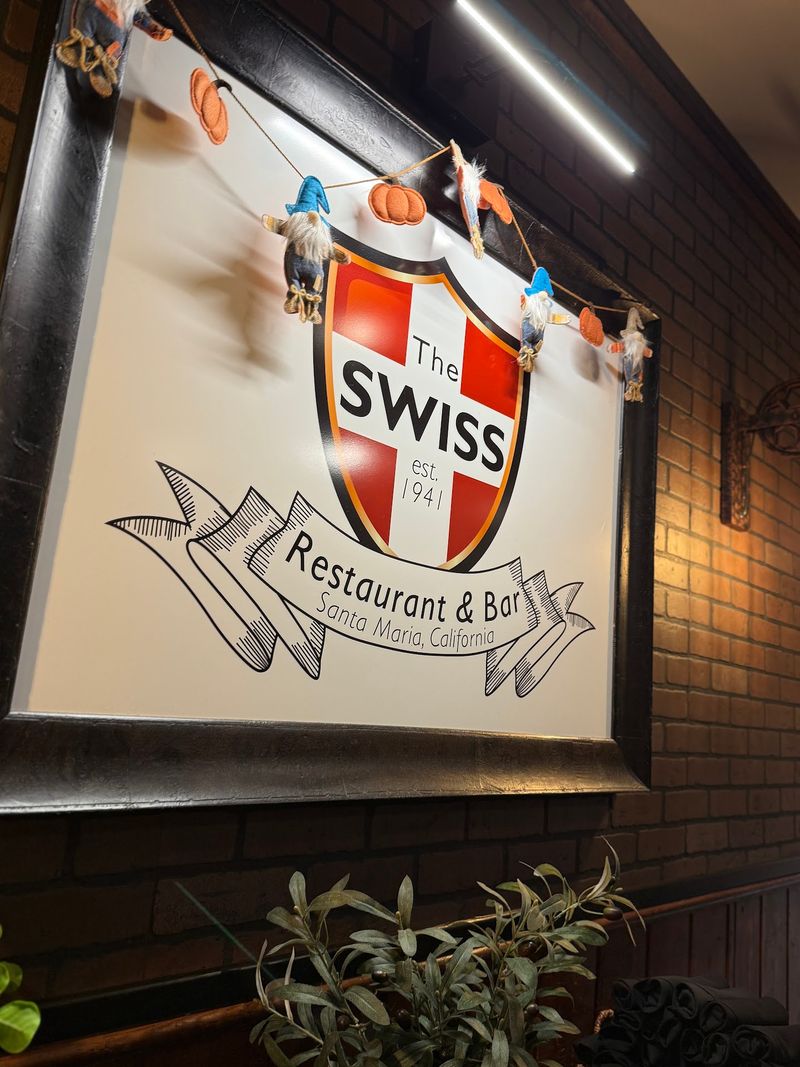
Names have a way of shifting over time, and this one did too. According to the restaurant’s history, the business began as The New Swiss Cafe.
Over the years, it eventually became the restaurant diners know today. That change hints at how the business grew from a cafe into a full steakhouse.
Cafes in the 1940s often served simple, filling meals for working people. Diners might have stopped in for breakfast, lunch, or a quick bite after a long shift.
Growing into a steakhouse would have meant bigger menus, more seating, and a stronger focus on dinner.
Here is a fun fact to share at the table. Despite the Swiss name, the menu centers on Santa Maria-style barbecue rather than Swiss dishes.
You will not find fondue taking center stage, though the name has stuck around for generations.
Restaurant names often carry personal or local meaning, even when the food changes.
Keeping the name may help longtime guests feel connected to the past. It also gives the place a memorable identity that stands out on a busy street.
Curious diners might enjoy asking about the original cafe days. Stories like that turn a regular dinner into a small history lesson.
A Family Took Over In 1979
Family stories often shape restaurants in ways a menu alone cannot show.
A new chapter began when this California restaurant was purchased by a local family in 1979. That family had a strong connection to Santa Maria barbecue.
Their background helps explain why red oak cooking became such a defining part of the place.
Owners who grew up around oak fires bring real know-how to the grill. They understand how the coals should look, how hot the fire should be, and when meat is ready.
That kind of hands-on knowledge is hard to learn from a recipe book.
Today, the business is still described as family-owned. A family currently welcomes guests and keeps the Santa Maria-style tradition alive.
Passing a restaurant from one chapter to the next takes care, especially when locals hold it close to their hearts.
Family-run spots can sometimes feel more personal than large chain restaurants. Regulars may be greeted warmly, and newcomers often get a taste of that same friendliness.
Guests who value supporting local businesses may find that detail meaningful.
Eating at a family-run steakhouse keeps money and traditions within the community. That small choice can feel good long after the last bite.
You Don’t Have To Leave Santa Maria To Experience The Regional Tradition
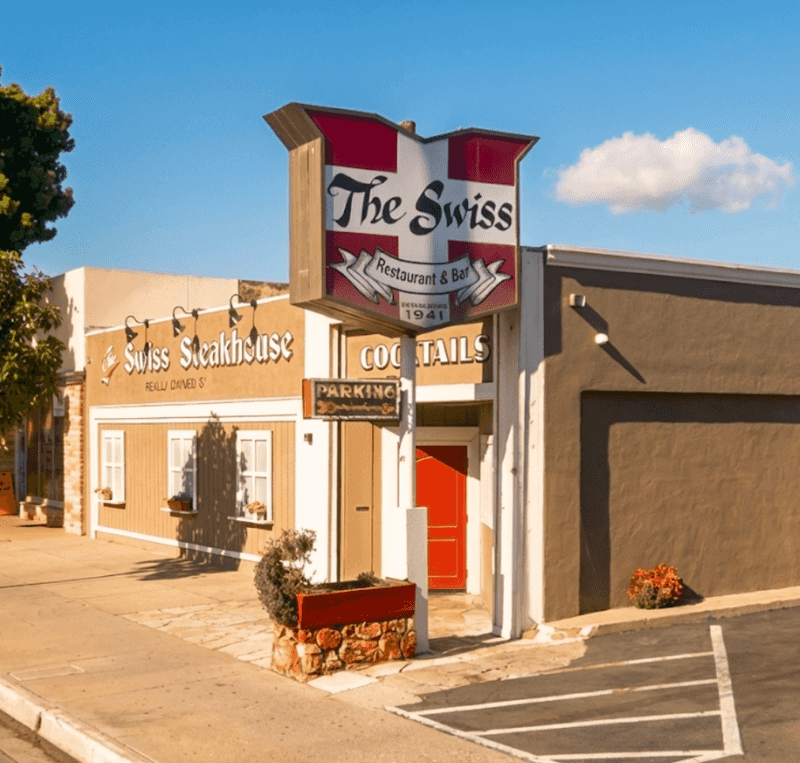
Ranch country barbecue sounds like a long drive, yet a classic version sits right on a busy city street.
The Swiss Restaurant welcomes guests at 516 N Broadway, Santa Maria, California 93454.
That location puts a traditional red oak experience inside the city rather than out in the surrounding hills. Santa Maria is widely considered the birthplace of this style of barbecue.
The restaurant generally opens at 11 AM daily. It usually closes at 9 PM Sunday through Thursday and at 10 PM on Friday and Saturday.
Reservations are a good idea, especially on weekend evenings. Without one, guests may face a wait during busy dinner hours.
The parking lot can also get crowded, so carpooling might help larger groups.
Booths may offer a quieter setting than open tables, which can suit a date night. The main room can feel lively and a bit noisy during peak times.