This Easy 2-Mile California Trail Leads Straight To The Ocean And September Is The Perfect Time To Go
Two miles is barely enough distance to justify calling something an adventure. Then Big Sur gets involved.
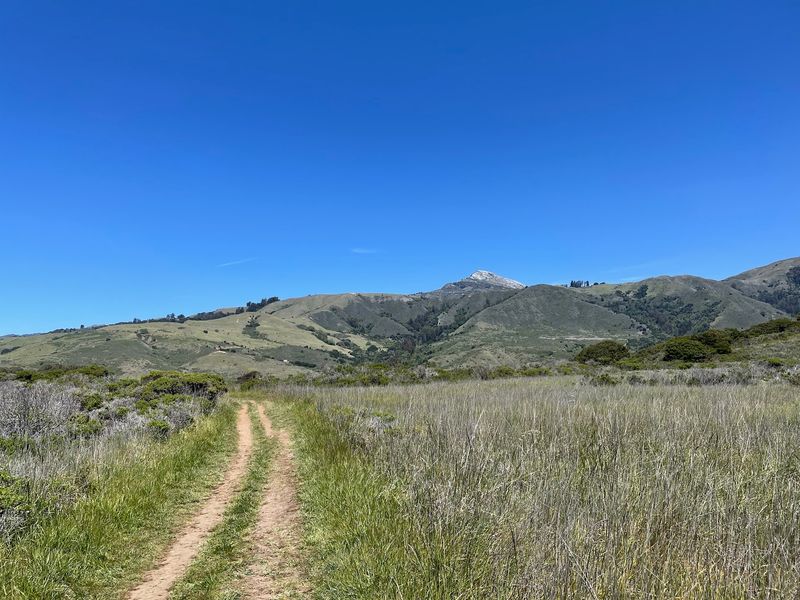
The trail begins gently, slipping through open meadow country before the Pacific starts pulling the whole walk in its direction.
Nothing about the route demands heroic hiking skills, which leaves more attention for the scenery and considerably less for wondering when the climb will end.
September gives this California coastal hike an especially appealing window between peak-summer energy and the cooler months ahead. Treat the ocean as the reward, not the deadline.
Let the meadow take its time. Notice the light changing across the hills. Keep walking until the landscape opens toward the coast and the day suddenly feels much bigger.
Easy mileage, Big Sur scenery, and an ocean finish make a very convincing September combination.
Two Miles Round Trip, Start To Finish
Short hikes get a bad reputation for being underwhelming, but the numbers here work in your favor.
California State Parks lists Creamery Meadow Trail at two miles round trip, which breaks down to roughly one mile out to the beach and one mile back to the trailhead.
Most walkers cover that distance in well under an hour of actual moving time, though the pace usually slows once the ocean comes into view.
Two miles is a length that suits almost everyone, from families with grade-school kids to travelers who have been sitting in a car along Highway 1 for hours.
Because the mileage is so manageable, there is room to linger at the shore without worrying about daylight or tired legs on the return.
Plan for two to three hours total if beachcombing is part of the plan, and less if the goal is simply to touch the sand and turn around.
Water still matters even on a short route, since the meadow section has little shade during warm afternoons. A hat, sunscreen, and closed shoes handle most of what the trail throws at hikers.
Trekking poles are unnecessary here, and heavy packs are overkill. Keeping the load light makes the walk feel less like exercise and more like a stroll toward the water.
Officially Rated Easy, And It Actually Feels That Way
Big Sur has plenty of trails that punish knees and lungs, but Creamery Meadow is not one of them.
State Parks describes the route as easy, and official park information notes that the walk to the beach involves negligible elevation gain.
Flat ground means the trail stays friendly for people who do not hike often, or who are easing back into walking after time away.
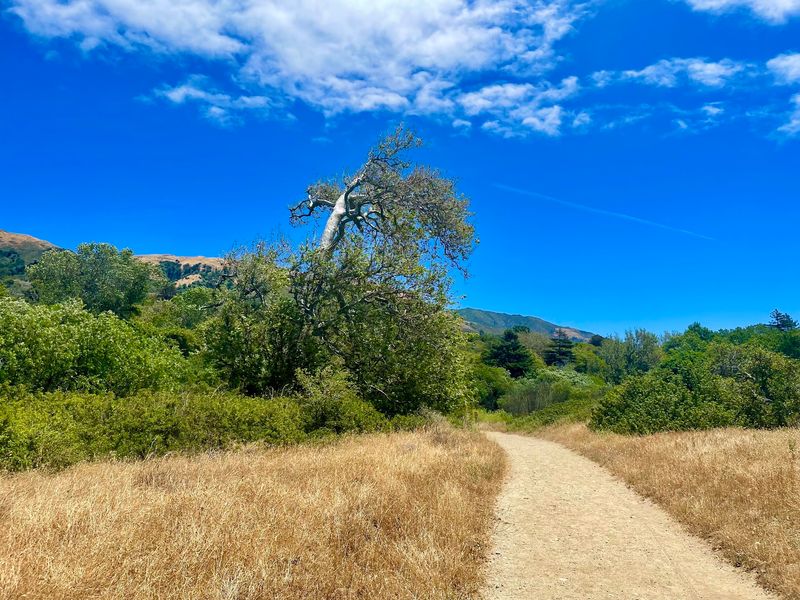
The tread is mostly packed dirt through open meadow, with sections that widen enough for two people to walk side by side.
Footing stays predictable in dry conditions, which is typical of early autumn along this stretch of coast. Kids tend to do well here because there is no scrambling and nothing that requires careful hand placement.
Easy does not mean featureless, though, since the grass, willows, and river corridor keep changing as the trail moves toward the coast.
Sneakers work fine for most visitors, and sandals are less ideal because of loose grit and occasional uneven spots near the sand.
Anyone using a mobility aid should know that the surface is natural and unpaved, so conditions vary with weather and season.
Checking recent trail conditions with the park before driving out is a sensible habit in any month.
A Real Pacific Beach Waits At The End
Plenty of coastal trails tease the ocean from a distance and then stop at a fence or a viewpoint.
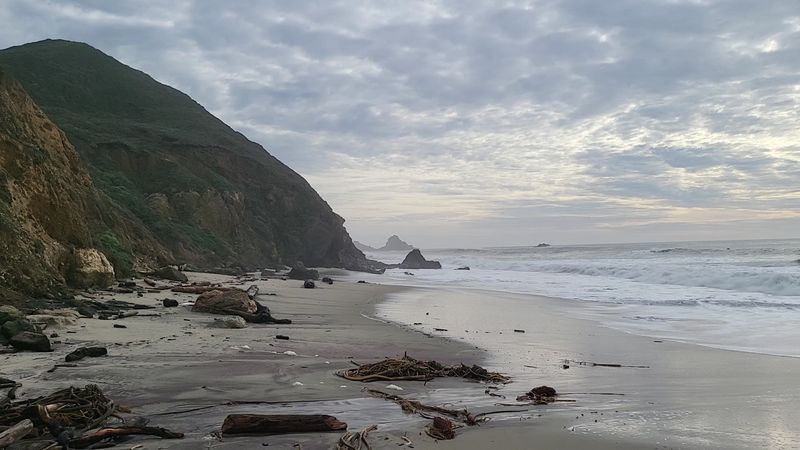
Creamery Meadow does something better by carrying walkers all the way from the park interior down to the shoreline near the mouth of the Big Sur River.
Sand underfoot is the actual reward, not a photograph taken through binoculars.
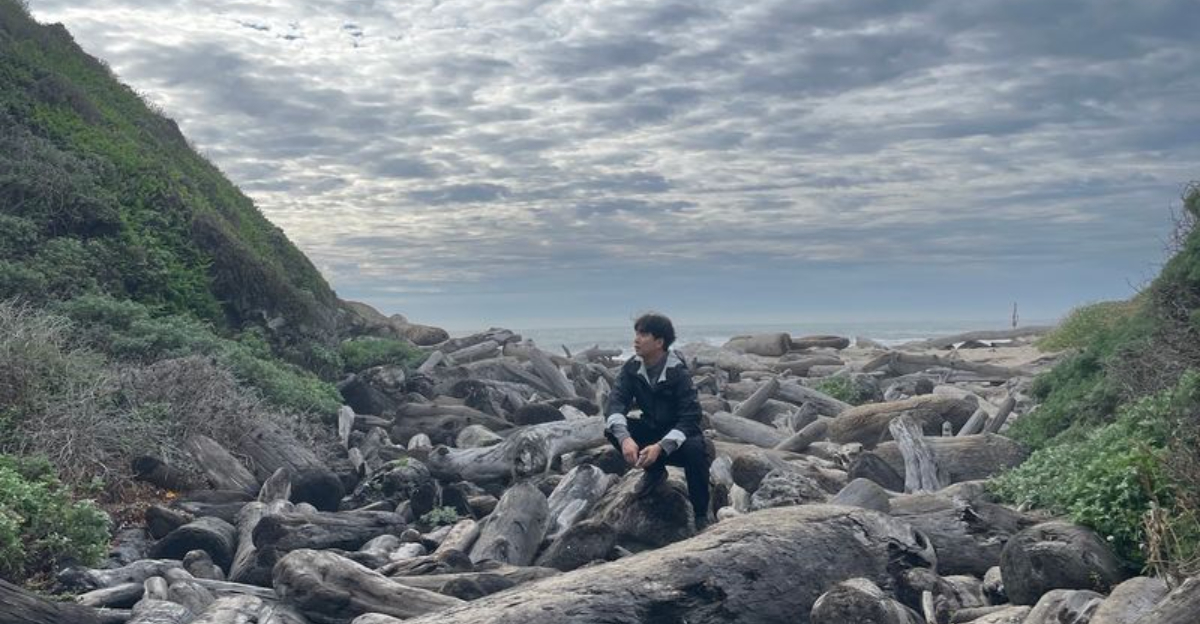
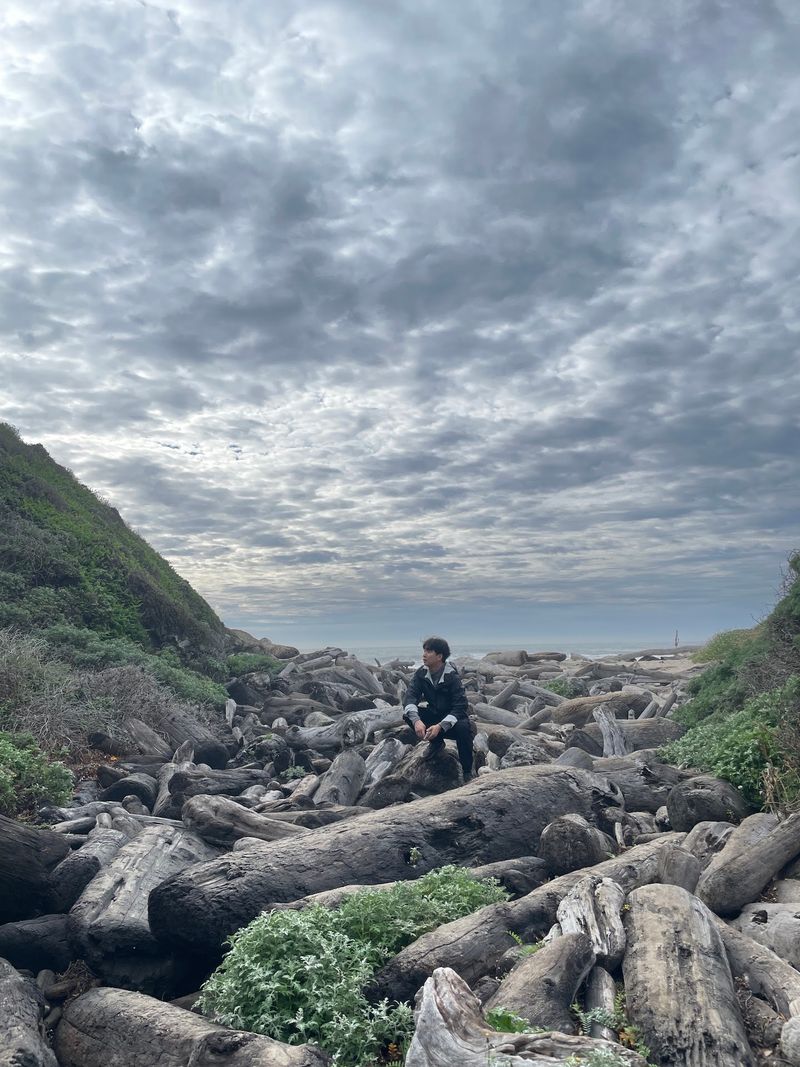
The beach sits where the river meets the Pacific, so the setting mixes freshwater channels, driftwood piles, and open surf in one place.
Sound changes noticeably during the final stretch, with meadow quiet giving way to steady wave noise.
Wind often picks up right at the shoreline, which is worth remembering if a picnic is on the agenda.
Beachcombing here is unhurried and low pressure, with smooth stones, kelp, and shifting sand patterns to inspect.
Shorebirds work the wet edge, and the bluffs behind the beach frame the view without crowding it.
A light jacket or windbreaker makes sitting on the sand far more comfortable, even on warm days. Pack out everything brought in, since there are no trash services down at the shore.
September Falls Inside Footbridge Season
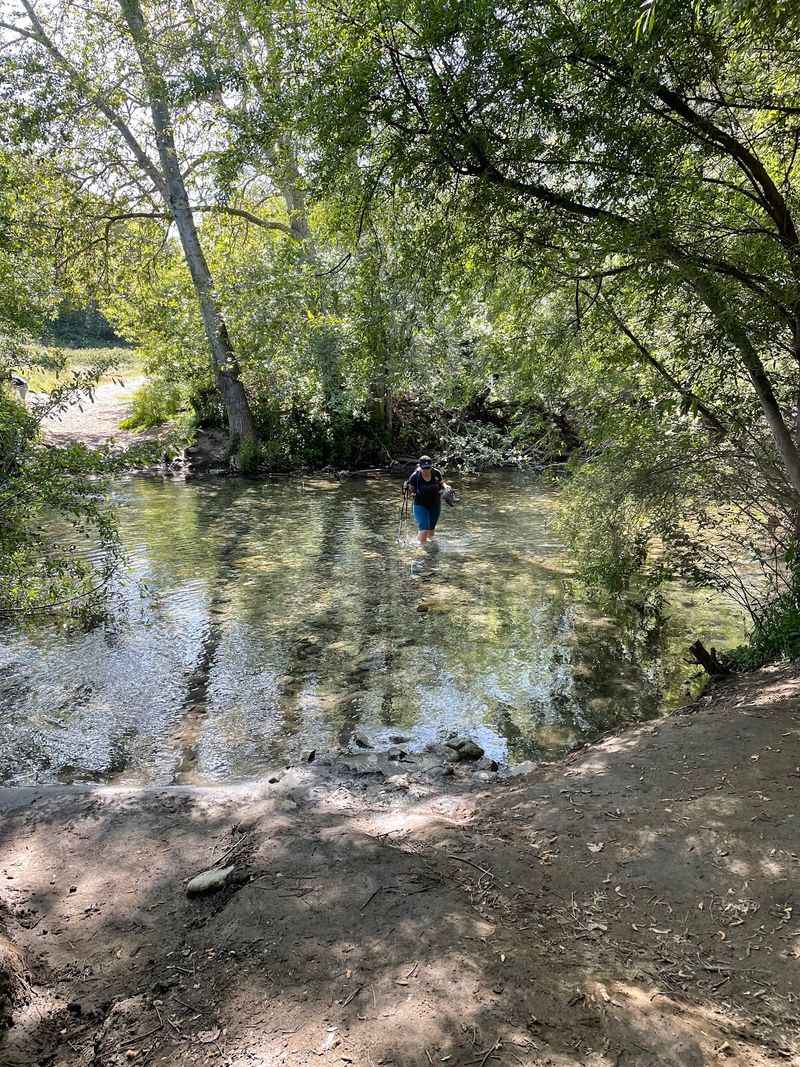
Timing matters more on this trail than the flat profile suggests.
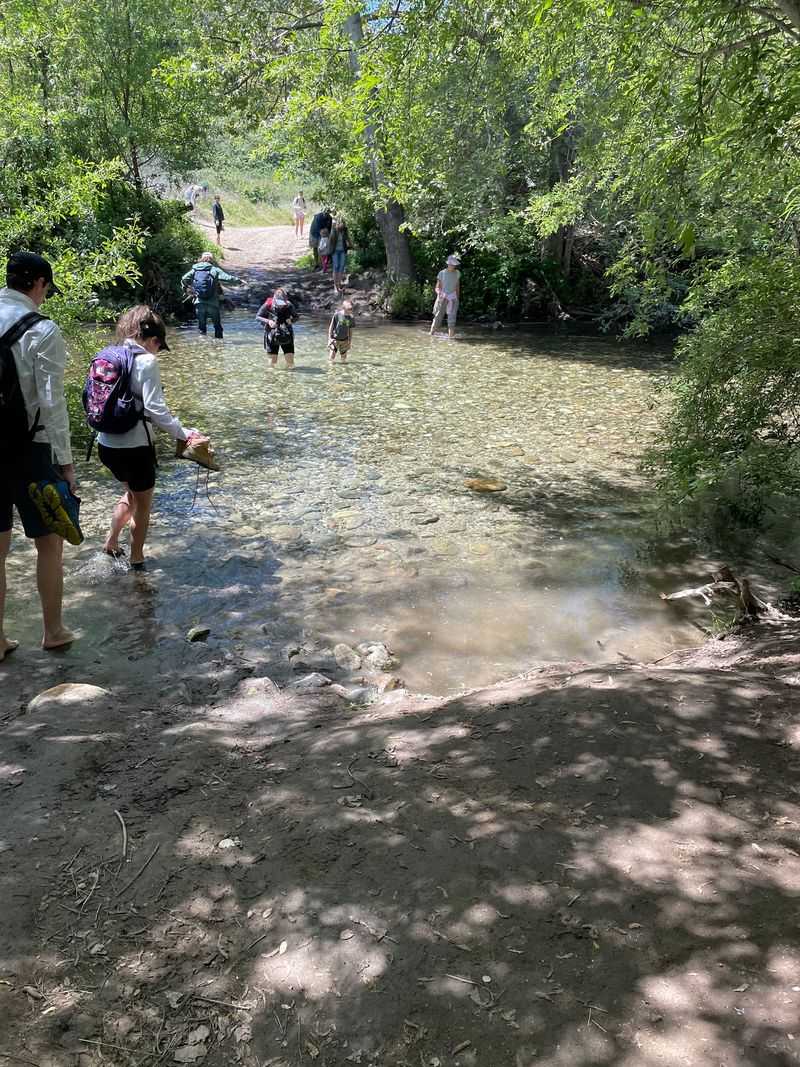
Reaching Creamery Meadow requires crossing the Big Sur River, and a temporary pedestrian footbridge is normally installed around June 15 and stays in place until roughly October 31.
September sits comfortably inside that window, which is the single biggest reason the month works so well for this hike.
With the bridge up, the crossing becomes a simple few steps instead of a wet, careful wade. Shoes stay dry, socks stay comfortable, and the walk continues without a pause to change footwear.
Families with young children benefit most, since river fording adds real complication to an otherwise gentle outing.
Installation and removal dates can shift with river conditions and staffing, so calling the park or checking the official California State Parks page before the drive is smart.
Weather in early autumn along this coast often brings morning fog followed by clearer afternoons. Arriving mid-morning gives fog time to lift while still leaving hours of daylight.
Treat the bridge as a seasonal convenience rather than a guarantee, and the trip planning gets much easier.
No Road Drops You At The Sand
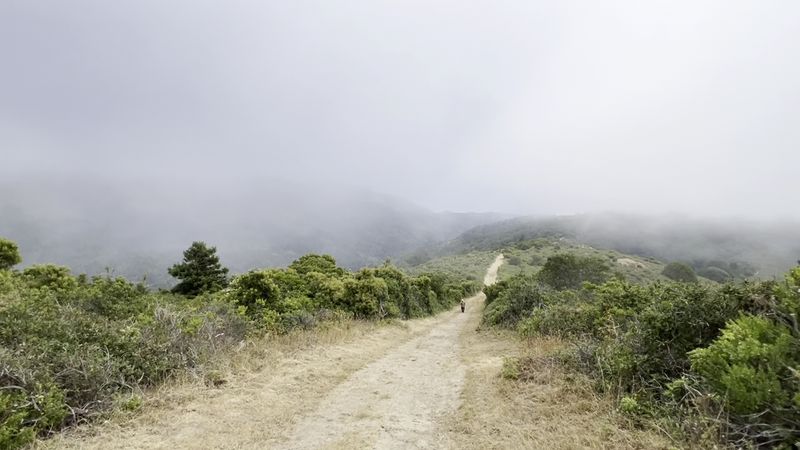
Effort changes how a place feels, and that is obvious the moment the shoreline appears.
California State Parks notes that visitors must hike roughly a mile to reach this beach, because no road carries cars down to the water.
Everyone standing on the sand made the same walk, which keeps the crowd smaller and the mood calmer than at drive-up beaches.
The filter is gentle rather than harsh, since a flat mile is within reach for most people. Still, it is enough to thin out casual traffic and reduce the noise that comes with parking lots pressed against the surf.
Photographers often appreciate the cleaner sightlines that result. Practical planning follows from the same fact, because anything needed at the beach has to be carried in and out.
Water, snacks, sun protection, and a small bag for trash cover the basics.
Restrooms are located back near the parking and campground areas rather than at the shore. Handling that stop before setting out saves a long walk back at an inconvenient moment.
The Big Sur River Sets The Tone Early
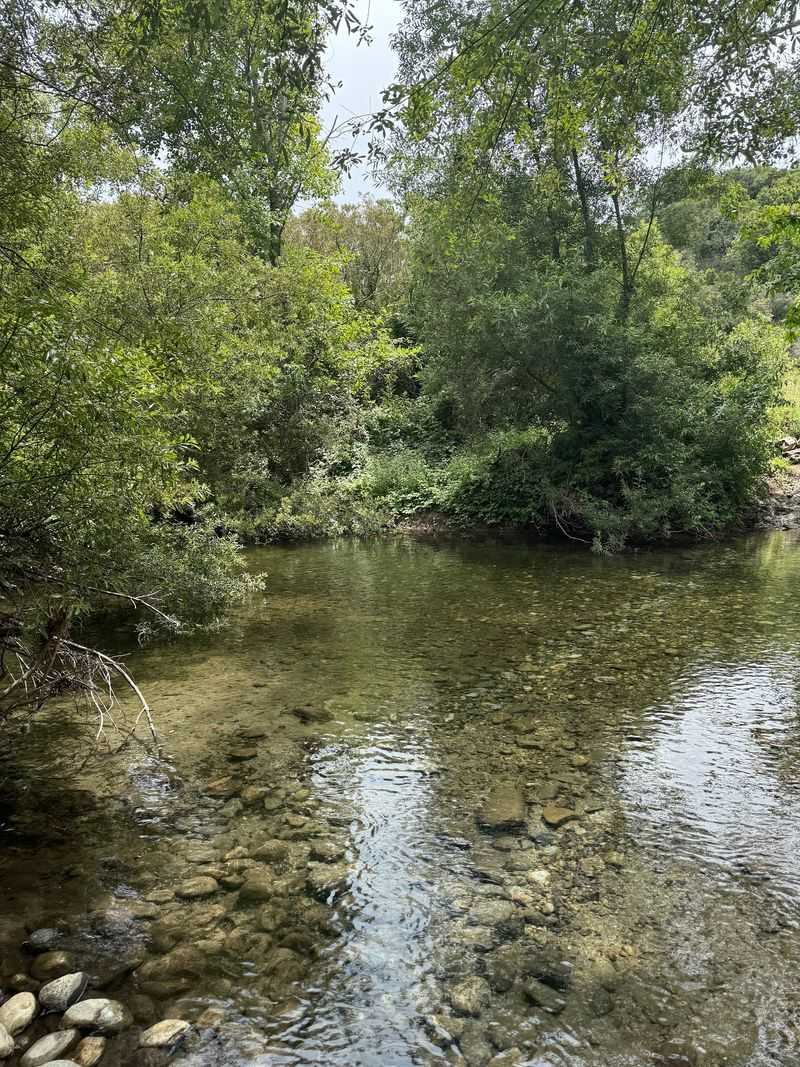
Before the meadow opens up and the ocean shows itself, the route meets water.
Access to Creamery Meadow Trail begins with a crossing of the Big Sur River, tucked among willows and shade near the trailhead area.
Air feels cooler in that corridor, and the sound of moving water carries surprisingly far.
During September the bridge usually handles the crossing, so the river becomes scenery rather than an obstacle.
Outside bridge season, hikers may need to ford the river when conditions allow, and that changes the trip considerably.
Water levels rise with winter and spring rain, and crossings should never be forced when flow looks strong.
Anyone planning a shoulder-season visit should bring water shoes and a towel just in case.
Checking flow conditions and park updates beforehand prevents a wasted drive down Highway 1.
The riparian zone also supports birds and shade-loving plants that do not appear out in the open grassland. Pausing for a minute at the water is a nice way to start the walk before the sun takes over.
Bicycles Are Welcome On This Route
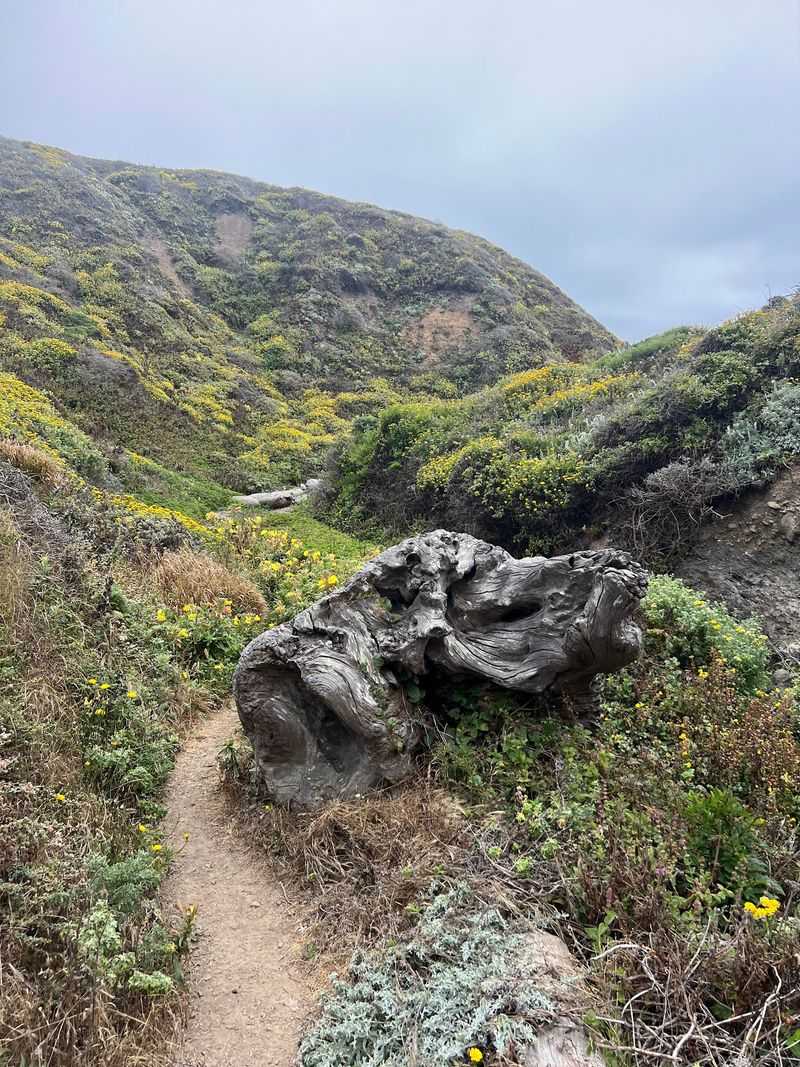
Not every Big Sur trail allows wheels, which makes this one a small standout.
Bicycles are permitted on Creamery Meadow Trail, placing it among the limited number of designated cycling routes inside Andrew Molera State Park.
The Ridge Trail also allows bikes, giving riders a way to build a longer loop if legs and lungs cooperate. Riders are required to yield to hikers, and the flat meadow section makes that easy to do without drama.
Slowing near blind corners and calling out politely keeps everyone comfortable on a trail that stays fairly narrow in spots.
Bells help, especially on weekends when foot traffic increases. Tire choice matters more than suspension here, since the surface is packed dirt with loose grit rather than technical rock.
Sand near the beach end can bog down wheels, so many riders park bikes and walk the final stretch.
Lock options are limited, and leaving valuables unattended is never a good idea.
Riding early in the day usually means fewer people and softer light across the grass.
Beautiful Water, But Not A Swimming Spot
Honesty helps more than hype when it comes to this shoreline.
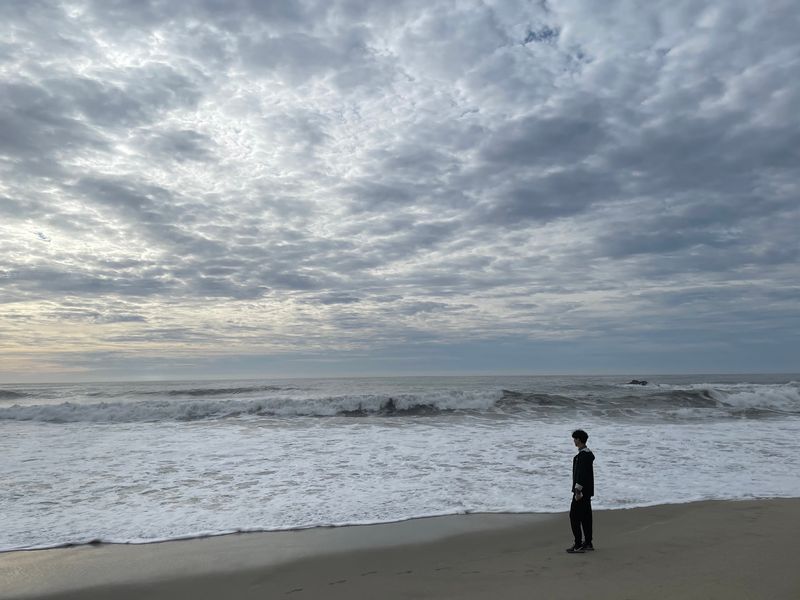
There are no lifeguards at the beach, and California State Parks warns that water conditions can be extremely hazardous, advising against swimming and surfing.
Currents and shorebreak along this part of the coast deserve genuine respect. Treating the beach as a place to walk, look, and rest changes expectations in a healthy way.
Beachcombing, watching pelicans work the waves, and sitting against a piece of driftwood fill the time nicely.
Kids can still enjoy the sand, though staying well back from the surf line is the rule that matters most.
Sneaker waves are a real hazard on California beaches and can reach much farther up the sand than expected.
Keeping an eye on the water at all times, especially with children or pets nearby in permitted areas, is basic coastal safety.
Wet rocks near the edges get slippery and are best avoided entirely. Enjoying the ocean from a comfortable distance costs nothing and keeps the visit relaxed.
Nearly 5,000 Acres Of Undeveloped Coast Range
Scale explains a lot about why this walk feels bigger than its mileage.
Andrew Molera State Park protects almost 5,000 acres, with figures ranging from about 4,766 to 4,800 acres of largely undeveloped Coast Range terrain around the Big Sur River mouth.
Open space in every direction keeps buildings and traffic out of sight for most of the route.
Habitats shift quickly across that acreage, moving from river willows to grassland to bluff and beach in a short span.
Wildlife shows up accordingly, including hawks over the meadow and shorebirds along the water. Quiet is one of the park’s better features, especially on weekday mornings.
Facilities stay minimal by design, so there are no snack bars, gift shops, or paved promenades along the way.
Bringing food and water is part of the plan rather than an afterthought. Cell service through Big Sur is unreliable, which makes downloading directions ahead of time worthwhile.
Accepting the low-key setup is the whole point, since the lack of development is what makes the walk feel remote.
Ten Dollars Per Car, Plus Rules Worth Knowing
Budgeting for this outing takes about ten seconds.
The listed vehicle day-use fee is $10 per car, though California State Parks notes rates can change or vary during high-demand periods.
Day use hours run from 8 a.m. until sunset, which leaves plenty of room for a two-mile walk plus extras. Dogs create the biggest planning wrinkle, since pets are not permitted on State Park trails here.
Leashed dogs may stay in the parking area and adjoining picnic areas, but they cannot join the walk to the beach.
Anyone traveling with a pet should plan around that rule rather than hoping for flexibility.
Poison oak grows throughout the park as a bush, a vine, or low ground cover, and its oils can cause itching that lasts for weeks.
Staying on established trails is the simple fix that California State Parks recommends. Long pants help, and washing skin and clothing after the hike adds another layer of protection.
None of this makes the trail risky, it just rewards a little awareness before setting off.