This North Carolina Goat Dairy Produces Some Of The Creamiest Goat Cheese In The State
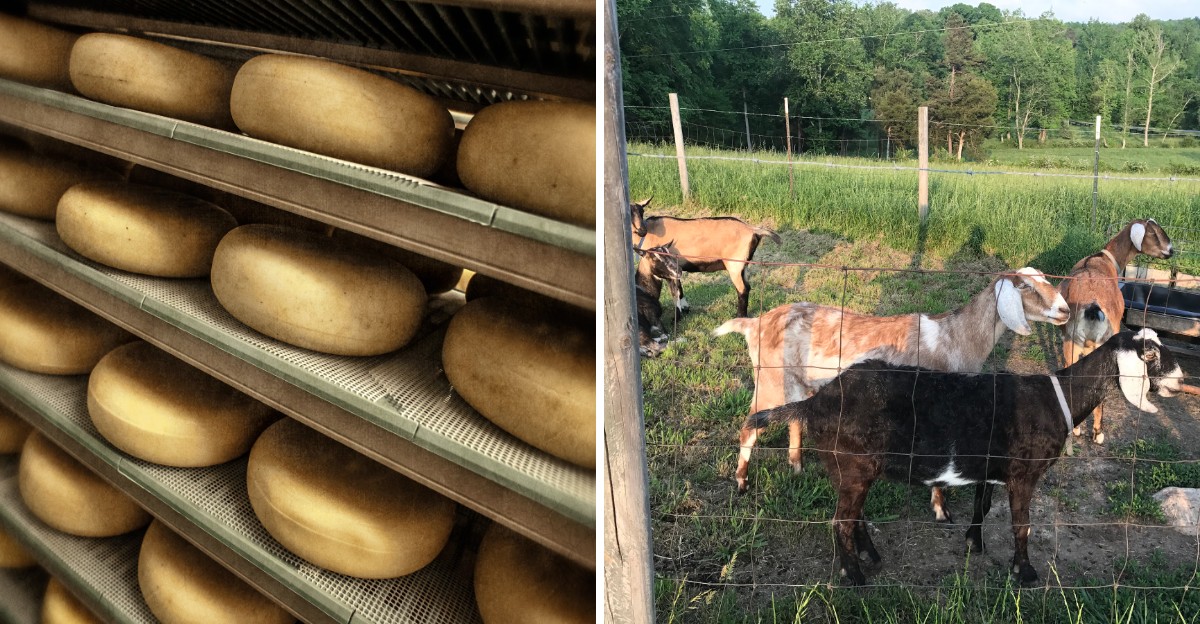
Goats have somehow figured out how to make picnics feel fancy.
In the North Carolina Piedmont, one dairy turns fresh milk into the kind of cheese that can make crackers suddenly seem underdressed.
The real fun starts once you realize goat cheese is not limited to one soft little log from the grocery store.
Here, the flavors and textures wander in very different directions. That makes tasting feel more like exploring than snacking.
The goats, naturally, take none of the credit.
They just keep grazing like culinary fame is beneath them. Honestly, that level of confidence may be the greatest of all time.
Fresh Goat Milk Becomes Seriously Creamy Cheese Inside This Working Dairy
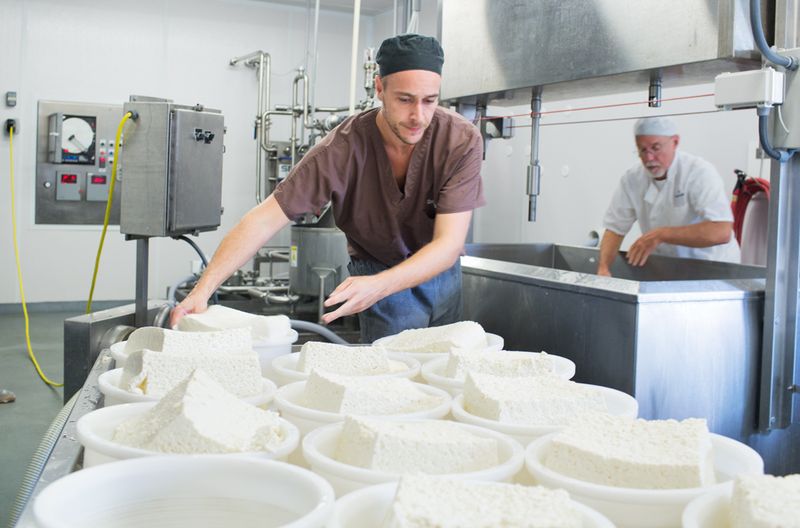
A spoonful of fresh cheese offers a delicious introduction to the skill behind this working farm.
Goat Lady Dairy makes fresh, soft-ripened, and aged cheeses, giving the same basic ingredient several very different futures.
Turning milk into cheese involves forming curds, draining away whey, and carefully managing moisture.
Fresh cheese keeps a bright flavor and a soft texture, while longer aging brings changes in firmness, aroma, and depth. For your first taste, start with plain goat cheese before moving to flavored varieties.
Spread a little on a plain cracker so you can notice its gentle tang without strong seasonings getting in the way.
Back home, that creamy texture makes everyday cooking easier.
Fold small spoonfuls into warm pasta, spread some over toast, or crumble it onto roasted vegetables after they leave the oven.
Keep the cheese refrigerated and follow the package instructions for storage and freshness.
If you are buying it during a day trip, bring an insulated cooler with cold packs, especially during warm weather.
The appeal is wonderfully simple: thoughtful cheesemaking gives a humble glass of milk a whole new life, with plenty of possibilities for your next meal.
Its farm address is 3531 Jess Hackett Rd, Climax, NC 27233.
Snow Camp Tastes Almost Like Butter As Its Soft Rind Ripens
Butter lovers have a good reason to pause over this pale, soft round.
Snow Camp combines cow and goat milk beneath a bloomy rind, bringing creamy richness together with a light tang.
Its name recalls an early settlement in central North Carolina.
The cheese is released after roughly two weeks of aging, and its character continues to change as the rind ripens. A younger piece can feel more settled in the center, while further ripening encourages a softer texture.
That is part of the pleasure of this style: two purchases may offer slightly different stages of the same cheese.
Ask about ripeness when you buy, especially if you want something for a particular day.
A cheesemonger can help you choose between a round for immediate serving and one intended for a later meal.
On the table, keep the extras simple.
Plain bread, sliced pears, or crisp apples leave room for the buttery notes and the goat milk’s gentle brightness.
Serve a small portion after letting it lose its refrigerator chill briefly, then return the rest to cold storage.
Cut through both rind and center for a balanced bite, and enjoy how the delicate outer layer contrasts with the creamy cheese beneath it.
Sandy Creek Hides A Dramatic Layer Of Ash Right Through The Middle
One clean cut reveals a dark stripe that makes this cheese instantly recognizable.
Sandy Creek carries a layer of food-grade ash through its white interior, creating a striking contrast before you take a bite.
The name comes from a historic stream that flows past the farm.
That connection gives the cheese a sense of place without needing anything more elaborate than a slice on a plate.
Ash has a practical role in traditional cheesemaking, not just a decorative one.
It helps reduce surface acidity and supports the growth of the molds involved in ripening. Expect a goat milk cheese with a ripened rind and bright, grassy notes.
The ash line is not meant to deliver the smoky flavor you might associate with a grill or campfire.
For serving, choose a sharp knife and cut slowly enough to keep the layers clear.
A wedge that includes the rind, center, and ash stripe gives you the fullest picture of its texture.
Pair it with mild crackers and fresh fruit rather than heavily seasoned snacks.
On a shared cheese board, leave one cut face visible so everyone can appreciate the pattern, then let the flavor explain why the appearance is only part of its charm.
Providence Turns Goat Milk Into A Firm Aged Cheese Built For Grating
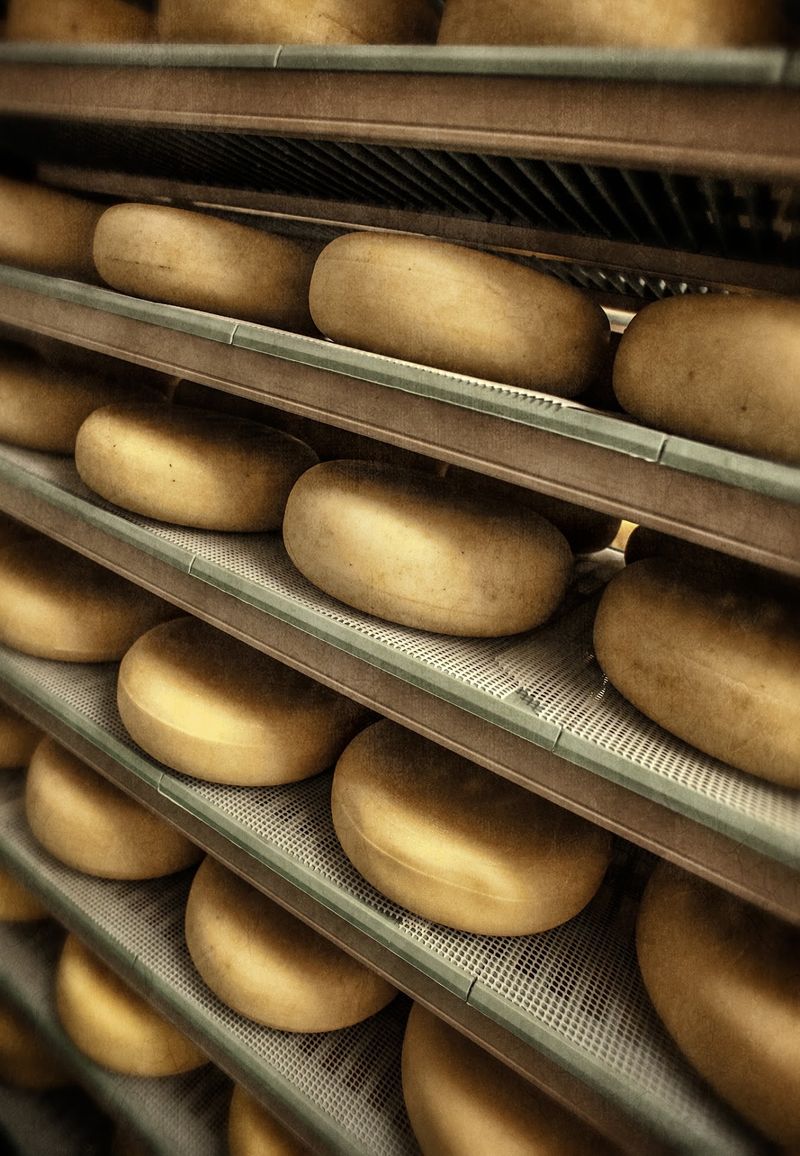
A grater opens up a different side of goat cheese, far from the familiar soft spread.
Providence is a firm, aged selection with a natural rind and enough structure to shave or grate over dinner.
Its beginnings were experimental, growing from an attempt at a Taleggio-style cheese into something distinct.
Aging develops a dense interior and flavors described as earthy, mushroomy, and sometimes caramel-like.
Providence ages for several months, developing the firm texture that makes it suitable for shaving or grating. Try a small piece on its own before reaching for the grater.
You may notice savory depth first, followed by a sweeter note that becomes clearer as you chew.
For an easy meal, scatter fine shavings over warm pasta, roasted squash, or a bowl of vegetable soup.
Add a little at a time, tasting before you reach for extra salt.
Providence can serve a similar kitchen role to other firm cheeses, but it deserves attention for its own character.
Keep the remaining wedge wrapped according to the seller’s advice and refrigerated, ready for the next meal that needs a flavorful finishing touch rather than a heavy sauce.
Some Of The Milk Travels About 20 Miles From Nearby Family Farms
The story behind a cheese board stretches beyond a single farm gate.
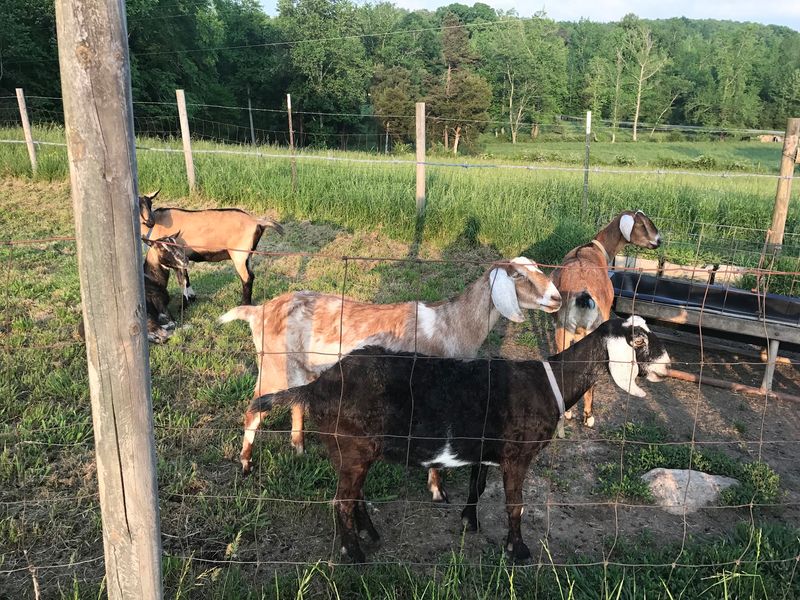
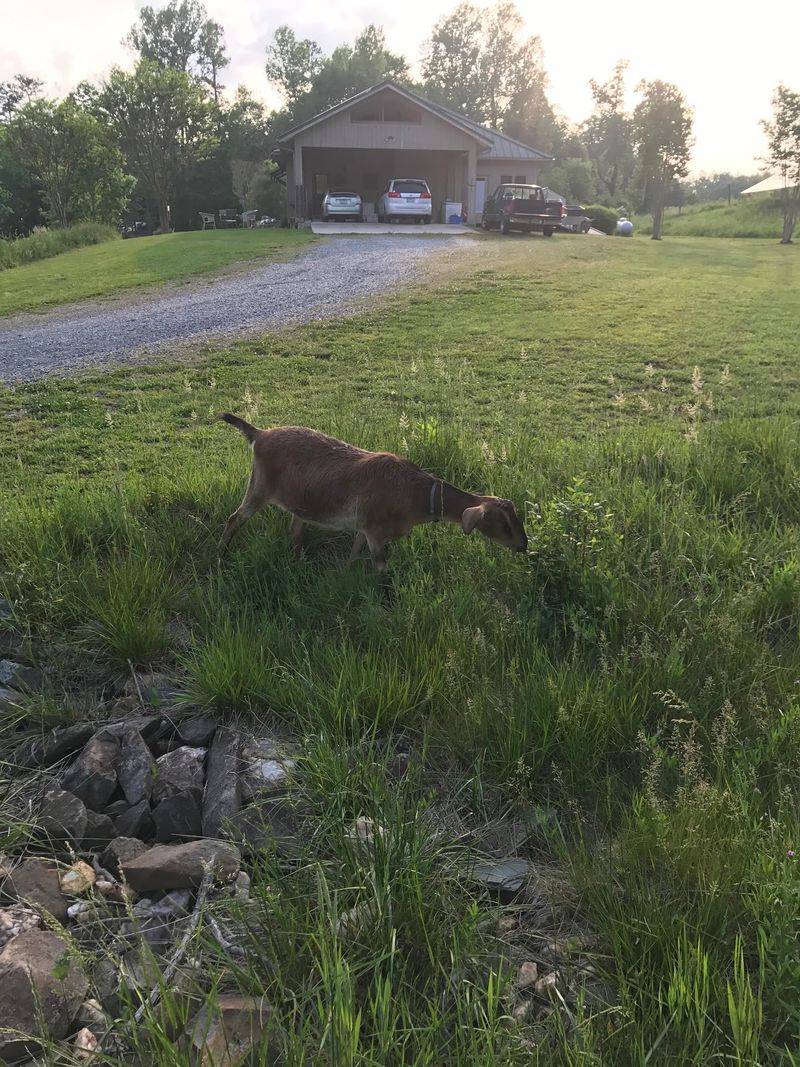
Goat Lady Dairy works with nearby family farms for milk, linking its cheese rooms with animals and people across the surrounding countryside.
Lindale Farm, about 20 miles away, supplies goat milk from breeds including Alpine, Nubian, and Saanen.
Cow milk also comes from Williams Dairy, roughly three miles away, supporting cheeses that use cow milk alone or blend it with goat milk.
Across this part of North Carolina, those short connections help explain the dairy’s regional character. Milk production and cheesemaking are separate jobs, but both shape what ends up on your plate.
Snow Camp offers an easy way to taste that partnership because it combines both kinds of milk.
Compare it with an all-goat selection, and pay attention to differences in richness, tang, and texture.
If you attend a scheduled event, ask which farms supply the cheeses being served.
Specific questions often make the food more meaningful than a broad label such as local.
Remember that nearby suppliers are working farms rather than automatic visitor stops.
Plan your outing around confirmed access at the dairy, and enjoy the wider farm connection through the cheeses, their names, and the stories behind them.
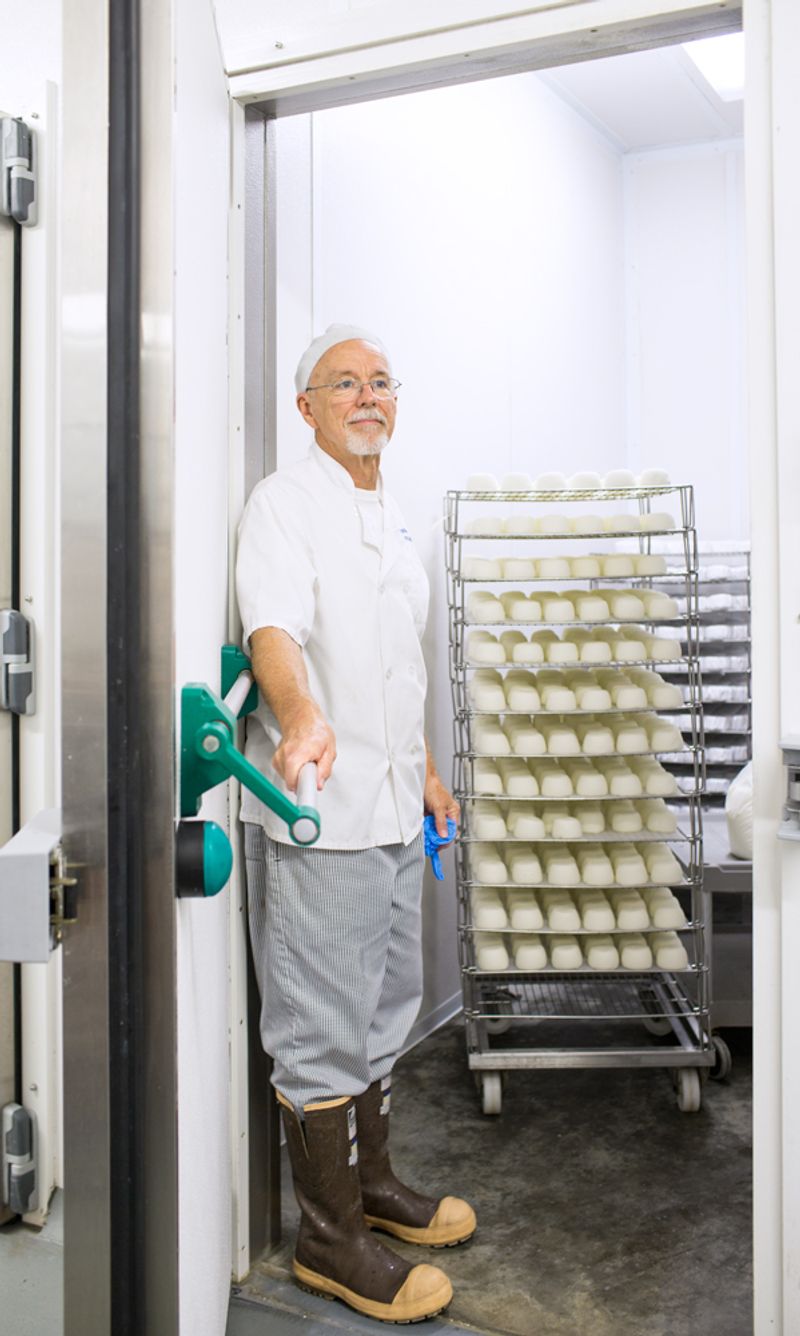
These Cheesemakers Craft More Than 100,000 Pounds In A Year
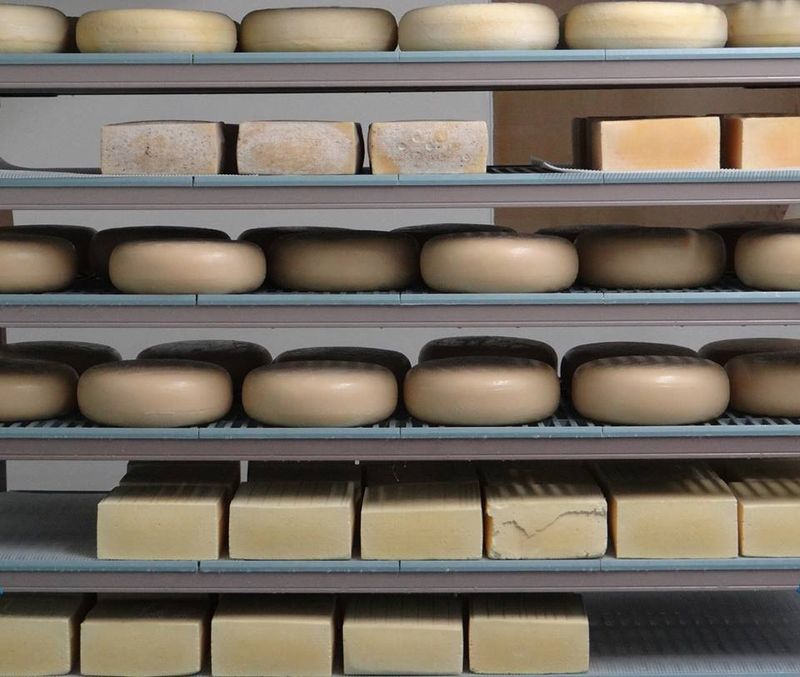
Handcrafted cheese does not always mean a tiny batch on a kitchen counter.
Behind the farm setting is a serious production operation, where space, timing, sanitation, and careful handling matter as much as a good recipe.
The dairy expanded and upgraded its cheese rooms in 2012.
A historical report described production approaching 90,000 pounds in 2015, showing how much the business had grown by that point. Even without a verified current count, the range of cheeses suggests a demanding schedule.
Fresh products need quick attention, while aged rounds occupy space for weeks or months before they are ready.
Each style also requires its own handling and storage conditions.
A soft round and a firm aged wedge cannot simply follow the same path from milk to package.
For visitors, the useful takeaway is respect for a working facility.
Tours, when offered, must fit around food production, so follow staff directions and avoid entering restricted rooms; the careful work happening behind those doors is what makes your tasting possible.
National Award Winners Are Hiding Among The Fresh And Aged Cheeses
Award recognition gives curious eaters a useful starting point, but the real discovery happens through tasting.
Goat Lady Dairy has earned national honors for cheeses with very different personalities, from fresh flavored chevre to aged selections.
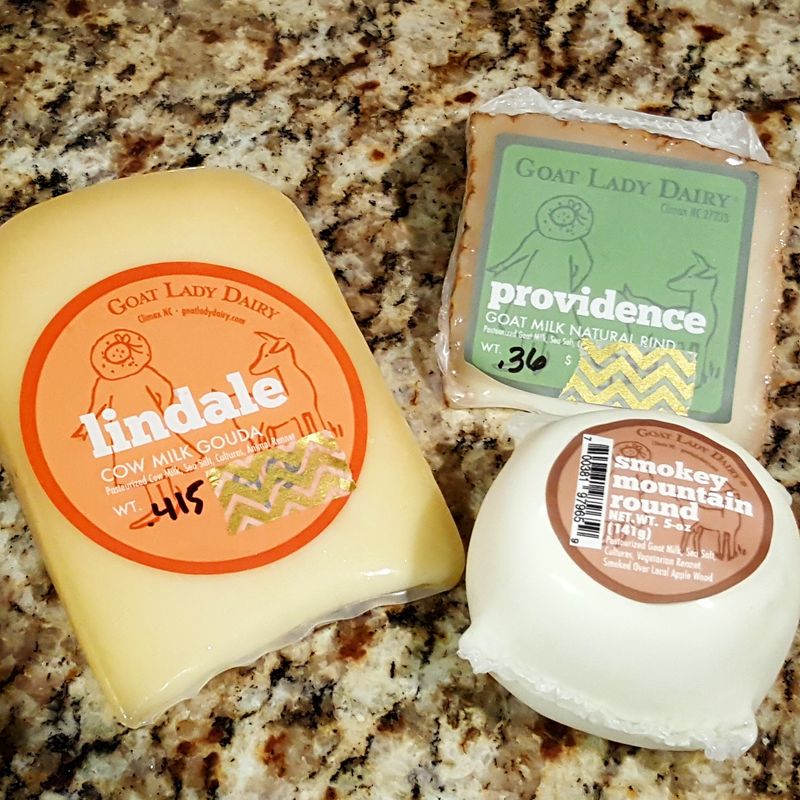
Providence has received American Cheese Society recognition, including first and second place honors in its goat milk original recipe category.
Smokey Mountain Round earned first place for smoked goat milk cheese in 2019.
Basil and Garlic Chevre and Fig & Honey Chevre Log also appear among the dairy’s recognized offerings.
The dairy received two Good Food Awards in 2016, adding another chapter to its record. Rather than buying only one winner, build a small tasting around contrasting styles.
A fresh savory cheese, a sweeter flavored option, and an aged wedge can show how widely goat cheese flavors vary.
Use separate knives when possible so garlic or sweet additions do not carry into every bite.
Taste the milder choices first, then move toward stronger flavors.
Awards describe achievements at particular competitions, not a promise that every cheese will suit every palate.
Check current availability before making your shopping list, and let your own preferences guide the final choice; sometimes the most memorable discovery is the style you least expected.
Why Cheese Lovers Should Contact The Farm Before Planning A Visit
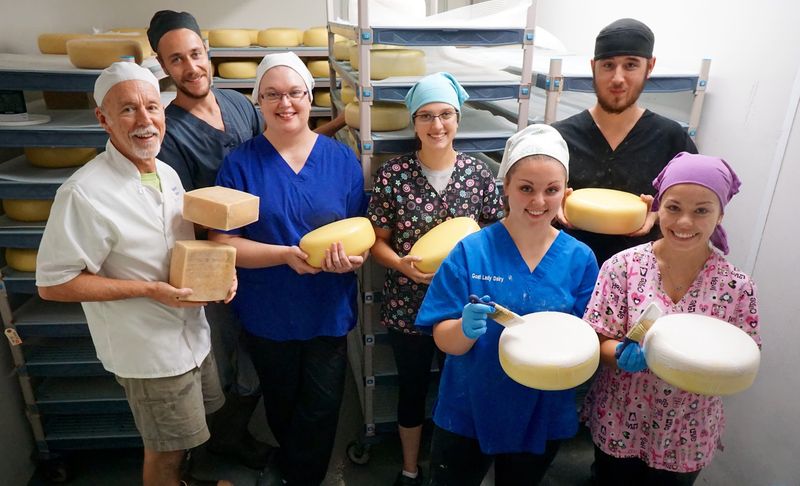
A countryside cheese stop works best when someone is expecting you.
Goat Lady Dairy is a working farm and cheesemaking business, so checking access before leaving home is smarter than treating it like a daily walk-in attraction.
Start with goatladydairy.com for current event announcements and visiting instructions.
General questions can go to [email protected], while inquiries about dining experiences or special events can go to [email protected]. The dairy has hosted seasonal dining events and spring and autumn Open Farm Days.
Dates, tickets, activities, and availability can change, so confirm the current schedule rather than relying on an older listing.
For a North Carolina food outing, allow time to enjoy the countryside without rushing your reservation.
Ask whether your planned visit includes cheese tasting, animal viewing, or a tour, since those experiences are not guaranteed with every stop.
Families should check practical details such as footwear, weather plans, and which areas children may enter. Closed shoes and a cooler for purchases are sensible additions to your packing list.
Finally, confirm how cheese purchases work on the day you intend to arrive.
A little planning protects both your time and the farm’s work schedule, leaving more room to enjoy the flavors that brought you here.