7 Small Towns In Nebraska So Affordable Retirees Say They’re The State’s Best Secret
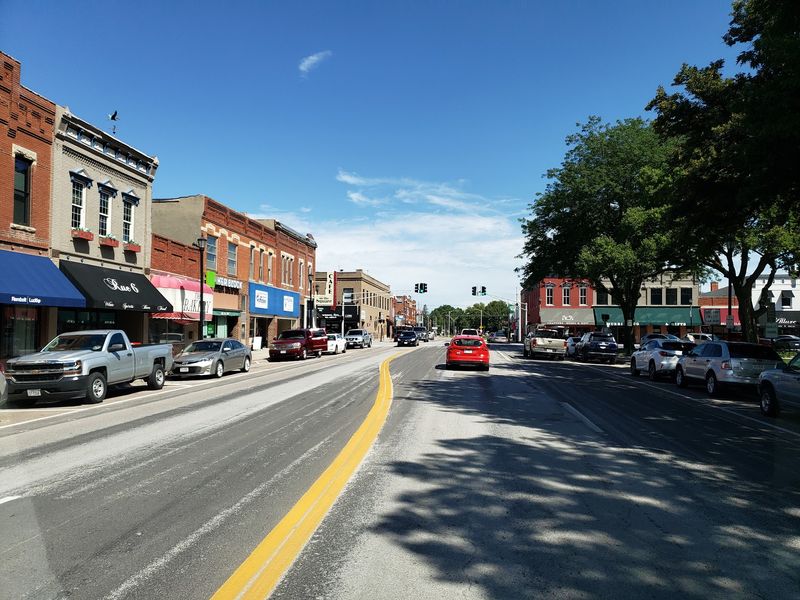
A wrong turn off a two-lane Nebraska highway once led me to a courthouse square, a quiet bakery counter, and a For Sale sign with a price that made me read it twice. Moments like that are why small towns here deserve a closer look.
Retirement savings stretch further when housing, groceries, and daily errands cost less, and many of these places pair that value with real scenery and community. Here are seven towns where the math works and the main streets still feel lived in.
1. Valentine
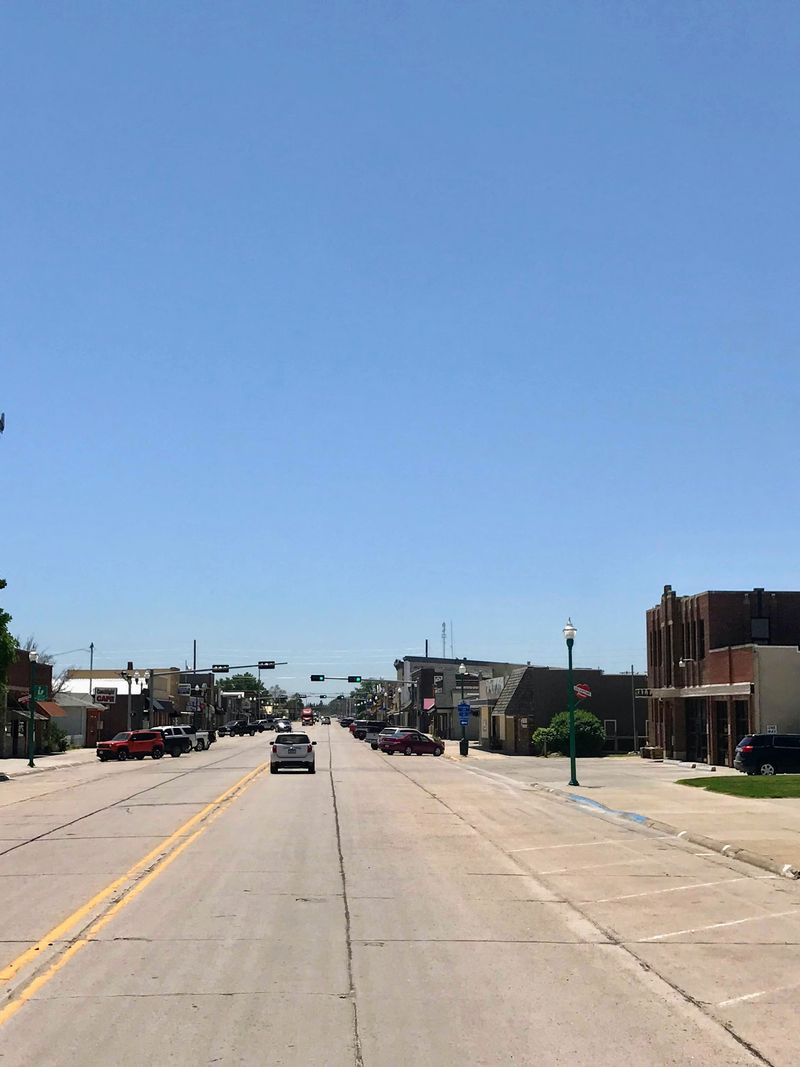
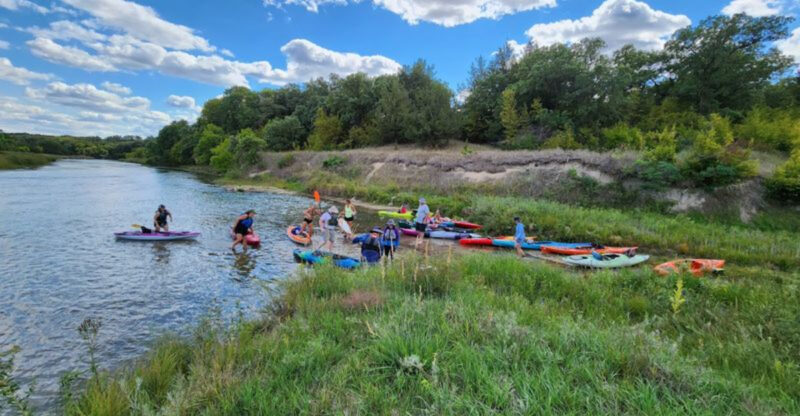
Rivers set the rhythm in Valentine. The Niobrara cuts a deep green valley just outside town, and on warm days canoes and tubes drift past pine-dotted bluffs and spring-fed waterfalls.
Few places this small sit so close to that kind of scenery.
With fewer than 3,000 residents, Valentine serves as the main hub for a huge stretch of the Sandhills. That means a grocery store, clinics, hardware, and cafes all within a short drive, while the rolling grass hills start right where the streets end.
U.S. Route 20 runs through the middle, so getting in and out stays simple even in a remote corner of the state.
Housing here tends to cost far less than in Omaha or Lincoln, which frees up money for fishing gear, a good pair of binoculars, or gas for long drives. Is there a catch?
Winters on the open prairie can be long and windy, so a sturdy coat matters.
Retirees who love the outdoors will find a lot to fill their days. The Fort Niobrara National Wildlife Refuge sits nearby, with bison and elk grazing across its grasslands.
Evening skies in this part of Nebraska turn wide and dark, ideal for stargazing from a back porch.
2. McCook
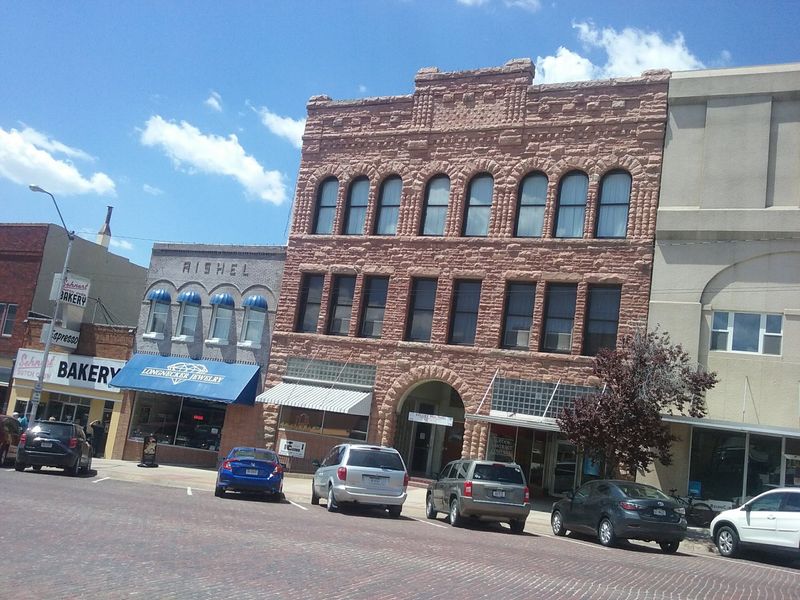
Brick storefronts line Norris Avenue in McCook, many of them dating back generations. The downtown historic district still holds shops, diners, and offices rather than empty windows, and that steady life on Main Street gives the town an anchored feel.
Roughly 7,500 people call McCook home, making it the largest town in southwest Nebraska. Size matters for retirees.
A town this big supports a regional hospital, a community college, and a fuller list of stores, yet housing prices remain gentle compared with eastern cities.
History runs deep here, too. McCook proudly claims three Nebraska governors, and the home of Senator George W.
Norris stands open as a state historic site, a fine stop for anyone curious about how rural electricity came to the Plains. Architecture fans can also find a house designed by Frank Lloyd Wright in a residential neighborhood.
Picture an ordinary Tuesday: coffee downtown, a walk under shade trees, an afternoon at the Museum of the High Plains. Then dinner without a long drive or a big bill.
Nearby Red Willow Reservoir adds fishing and quiet lakeside picnics when the weather turns warm, rounding out a calm, affordable routine.
3. Chadron, Where the Pine Ridge Begins
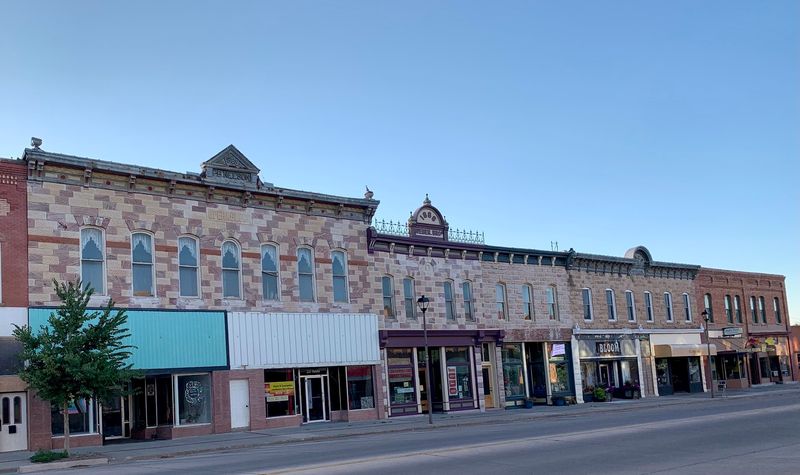
What if retirement came with pine forests instead of flat cornfields? Chadron delivers exactly that.
The Pine Ridge rises around this northwest Nebraska town in rocky buttes and ponderosa pines that surprise anyone who thinks the state has no hills.
About 5,000 people live here, and Chadron State College keeps the place lively. Retirees can catch concerts, lectures, sporting events, and theater on campus, often for very little money.
A college town also tends to support coffee shops, a library with good hours, and a steady stream of community events.
Chadron State Park, the oldest state park in Nebraska, sits just south of town with hiking trails, cabins, and a scenic drive through the ridges. The Museum of the Fur Trade, east of town, tells the story of early trading on the Plains with an impressive collection.
Compact neighborhoods keep errands short, and homes typically cost well under big-city levels. Main Street holds local businesses that have served ranch families for decades.
In autumn, cool air and golden cottonwoods make the drive into the hills a weekly ritual worth keeping.
4. Minden
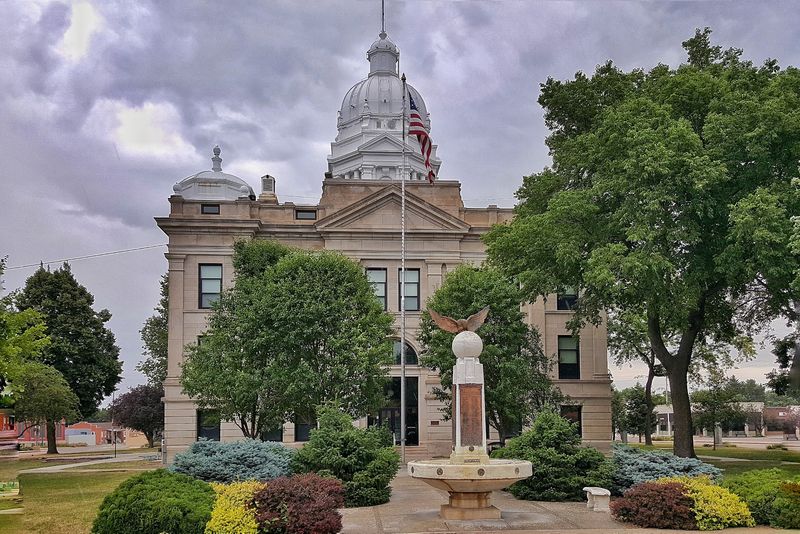
Every holiday season, thousands of lights outline the Kearney County Courthouse dome in Minden, earning the town its nickname as Nebraska’s Christmas City. The square glows, a pageant fills the evening, and families drive in from miles around.
The rest of the year, Minden runs on a quieter clock. Around 3,000 residents live in this agricultural community in south central Nebraska, with grain fields stretching in every direction.
Life centers on the courthouse square, where small shops, a pharmacy, and cafes keep errands within walking distance.
Pioneer Village stands as the town’s big draw. Founded by Harold Warp, the museum holds a sprawling collection of old cars, tractors, airplanes, household gadgets, and restored buildings arranged to show how daily life changed over time.
Retirees could spend many afternoons wandering it and still miss things.
Affordability comes from simple economics: modest home prices and low daily costs. Kearney sits about a half hour away for bigger shopping and specialty medical care, so the town never feels cut off.
For anyone who wants the small-town pace with a city within easy reach, Minden makes a strong case.
5. Seward
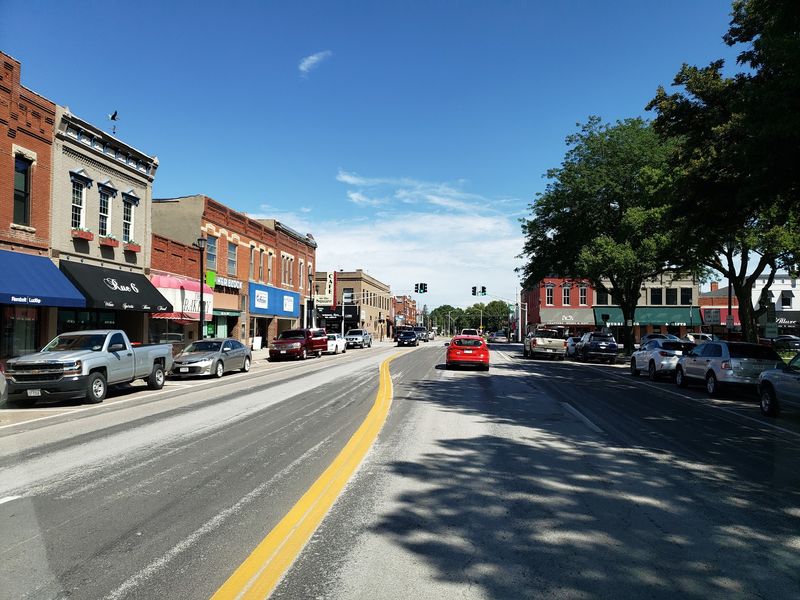
Flags line nearly every street in Seward each summer, because this town treats the Fourth of July like no other place in Nebraska. Congress once recognized Seward as America’s Small Town Fourth of July City, and the celebration brings parades, music, and crowds to the historic square.
Outside that festive week, the town settles into shaded calm. Tree-lined streets wrap around a band shell where concerts still play on summer evenings.
About 7,000 people live here, with Concordia University adding lectures, recitals, and a youthful buzz.
Location gives Seward an edge over many small towns. Lincoln sits roughly a half hour east, close enough for airport trips, specialist visits, and Husker games, yet housing in Seward generally costs less.
Retirees get the convenience without the traffic.
Downtown holds antique shops, a classic soda fountain feel in some spots, and diners that serve hearty breakfasts. Walking the square on a spring morning takes little planning and costs nothing.
Add the Big Blue River winding nearby and several city parks, and daily life fills up with simple, inexpensive pleasures that suit a slower season of life.
6. Aurora
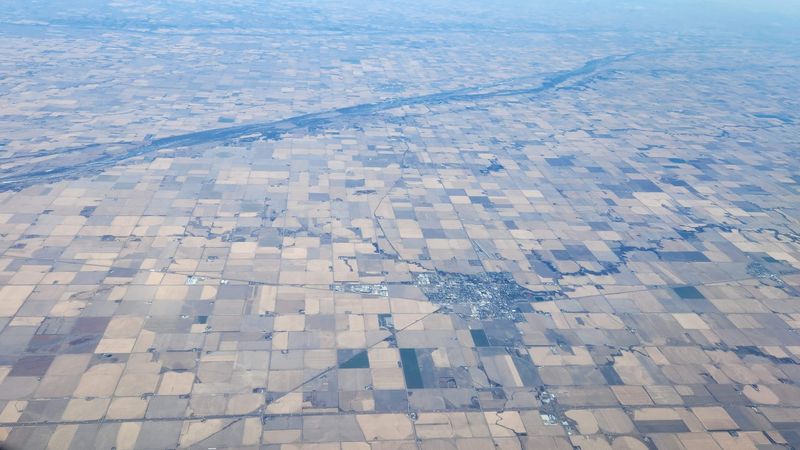
Contrast sums up Aurora nicely. Interstate 80 hums just a few miles south, yet the town square feels hushed, with a stately county courthouse, mature trees, and a handful of storefronts that close up early.
Fewer than 4,500 people live in this Hamilton County seat, and most of them own their homes. Median home prices sit noticeably below the state average, and overall living costs run a bit lower than the rest of Nebraska.
That combination may help a fixed income stretch further each month.
Grand Island lies only a short drive west, and Lincoln is reachable in about an hour, so big-box shopping and larger hospitals stay close. Back in town, the Edgerton Explorit Center offers hands-on science exhibits named for Harold Edgerton, the Aurora native who pioneered high-speed photography.
Parks and walking paths dot the neighborhoods, ideal for morning strolls. Leadership in town has invested in amenities, including a community center and pool.
Spring brings sandhill cranes to the nearby Platte River valley, a short drive away. Few retirement spots offer that kind of quiet, connected living at such a reasonable cost.
7. Broken Bow
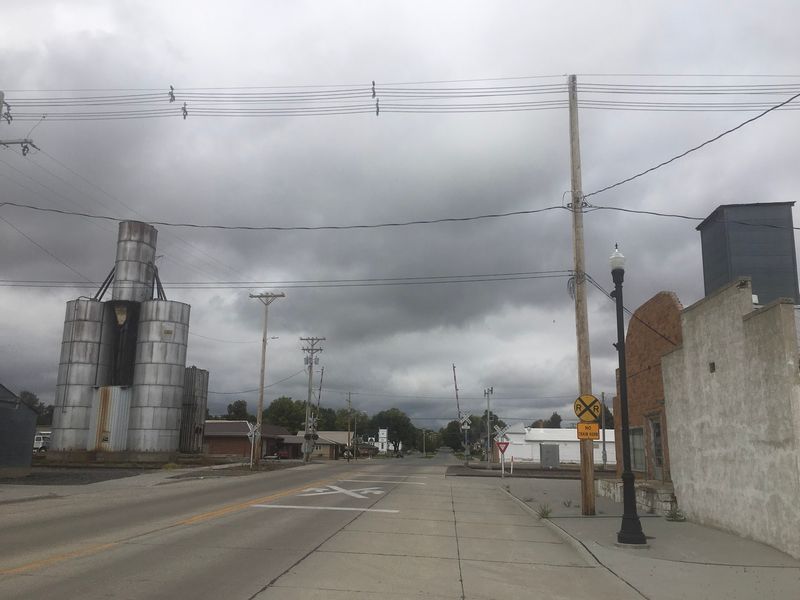
Legend says Broken Bow got its name after a settler found a broken bow near a creek and suggested it to postal officials. The quirky story fits a town that has always done things its own way.
Around 3,500 people live in this gateway to the Sandhills. A classic central square anchors downtown, ringed by independent shops, a historic opera house, and family-run eateries.
Shopping here means talking to owners rather than scanning self-checkout screens, and prices tend to match the modest local economy.
Housing in Custer County generally costs far less than in eastern Nebraska. A retiree can buy a comfortable home with room for a garden and still keep savings intact.
Medical care is available locally, with a hospital serving the surrounding ranch country.
Step outside town and the scenery opens fast. Highway 2, often called one of the prettiest drives in the state, heads northwest through endless grass dunes and tiny towns.
Summer evenings on the square might include music or a community gathering. Broken Bow offers a slower, simpler kind of living where neighbors still wave and the budget never feels squeezed.