Idaho’s Minidoka Wasn’t The Only WWII Site Because Farragut Trained 293,000 Sailors Near The Panhandle
Two old water towers rise above the pines at the bottom of a deep North Idaho lake, and most campers drive right past them without a second look. They belong to a story bigger than any campfire tale, because this quiet patch of forest once held more people than any city in Idaho.
During World War II, nearly 300,000 young sailors learned to march, swim, and salute here, hundreds of miles from any ocean. Today the same ground holds beaches, trails, and disc golf baskets, with history still waiting at nearly every turn.
A Navy Base Far From Salt Water
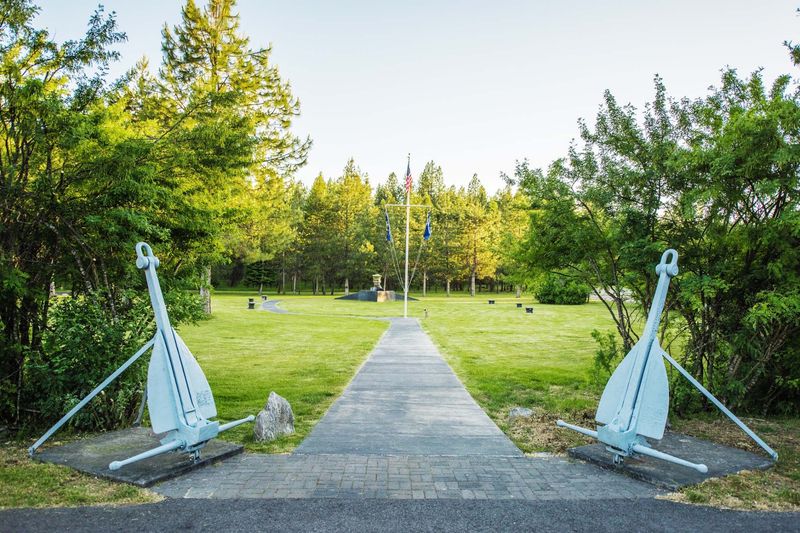
Ask most people where the Navy trained recruits in the 1940s, and they will guess San Diego or the Great Lakes. Few would point to the Idaho Panhandle, yet that is exactly where one of the biggest training centers on Earth once stood.
Farragut State Park sits at the southern tip of Lake Pend Oreille in Kootenai County, between Coeur d’Alene and Sandpoint. The address is 13550 Highway 54 in Athol, a short drive east off Highway 95.
The park covers a huge stretch of forest and shoreline. First-time visitors often admit they had no idea how big it was until they started driving the loops, and some spend a whole afternoon just looking around before check-in time.
Here is the twist that makes the place special. Southern Idaho has Minidoka, the Magic Valley site that remembers Japanese Americans held there during the war.
North Idaho has Farragut, a very different chapter of the same era.
Both places belong to the state’s World War II story. Farragut just happens to come with swimming beaches, campgrounds, and more than 40 miles of trails layered over the old base.
Overnight, Idaho’s Biggest City
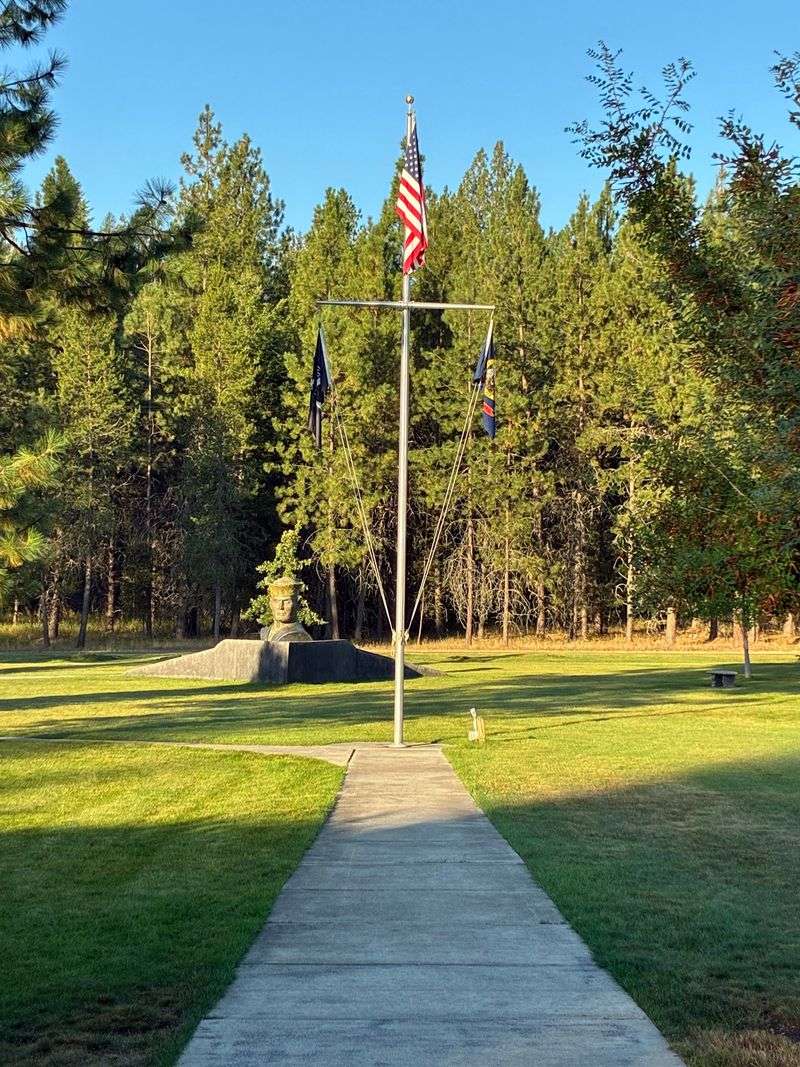
Late in 1941, the Navy bought land from private owners, Kootenai County, and a railway company. Within months, crews were building barracks, drill fields, and roads where there had only been trees.
By September 1942, about 55,000 people lived on the base. That number made Farragut the largest city in Idaho at the time, bigger than Boise.
Imagine a small town in the woods suddenly turning into a buzzing hub almost overnight. Trains brought in recruits by the thousands, many of them teenagers who had never seen mountains or a lake this size.
The station ran for about 30 months, from 1942 to 1945. In that short window, it became the second-largest naval training center in the world.
The Idaho Military Museum counts 293,381 recruits who finished basic training here. Another 25,000 or so attended service schools, learning specific jobs they would carry to ships across the Pacific and Atlantic.
That is a staggering number for a spot most Idahoans now know for camping trips. It also explains why so many families across the country have a grandfather or great-uncle who once wrote letters home from North Idaho.
From Decommissioned Base To Public Park
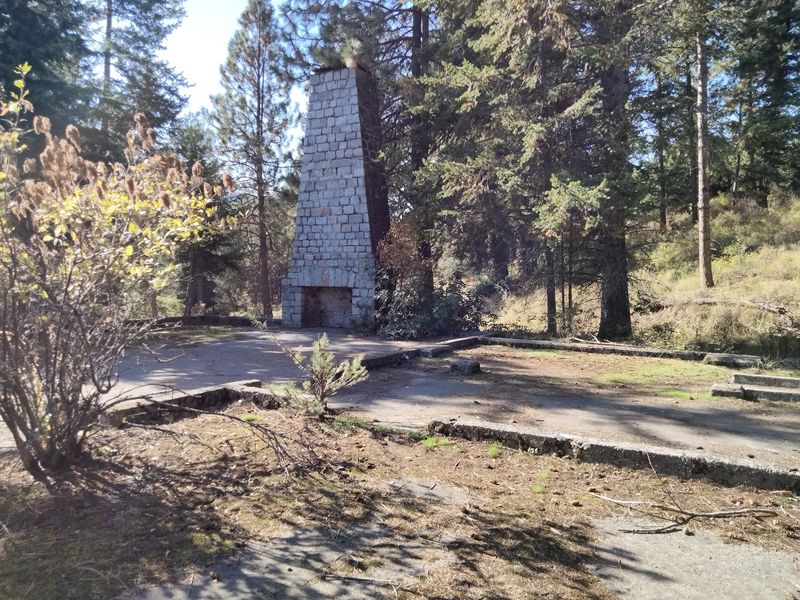
Peace came in 1945, and recruits stopped arriving almost as fast as they had come. The Navy decommissioned the station in June 1946.
Most of the buildings were sold, moved, or torn down in the years that followed. Much of the land passed to the State of Idaho, and in 1966 it officially became Farragut State Park.
Not every wartime story ended neatly. The base also housed nearly 900 German prisoners of war, who helped with maintenance work around the grounds during its final stretch.
For locals, this is the kind of change that sparks long conversations at the kitchen table. A place that once echoed with drill commands now hums with kids on bikes and families grilling hot dogs.
Walk certain trails, and you may spot old foundations or straight lines in the forest that seem too tidy to be natural. Those clues hint at the roads and buildings that once filled this ground.
Reading the landscape becomes a quiet game. Every flat clearing makes you wonder what stood there, and who slept, ate, or trained on that very spot more than 80 years ago.
The Brig And Its Stories
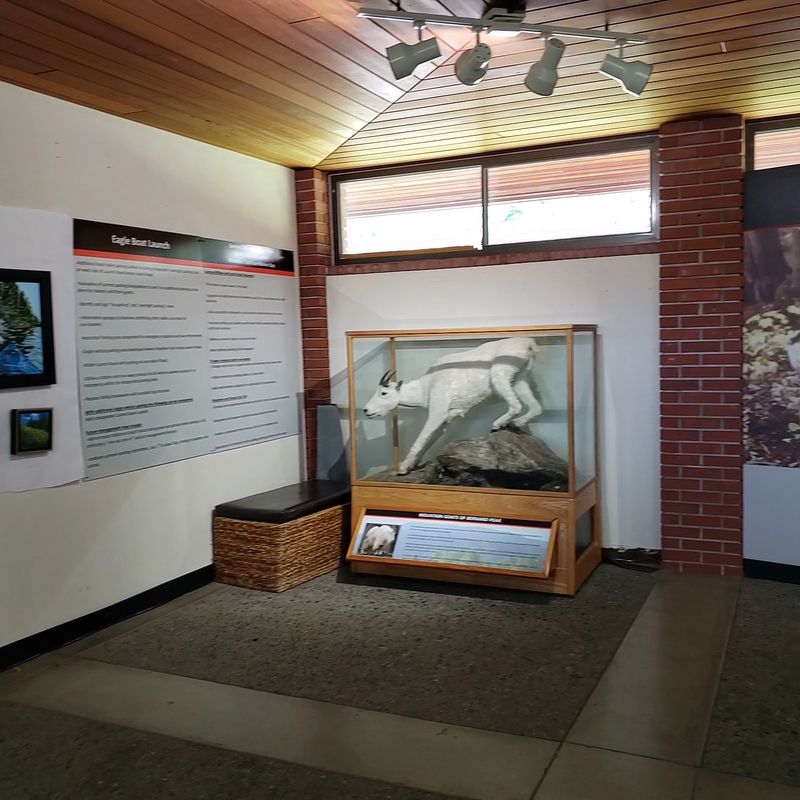
Of all the buildings that once crowded the base, one of the most famous survivors is the old jail. Known simply as The Brig, it now serves as the park’s museum.
Inside, displays walk visitors through the base’s short but busy life. Photos, uniforms, and everyday objects help explain what a recruit’s days looked like, from early wake-ups to long marches.
Kids tend to find it surprisingly fun. There is something memorable about learning history inside a building that once held sailors who broke the rules.
The museum makes a good first stop before heading out on the trails. Once you know the base’s layout and story, the forest feels different, almost like a map you can finally read.
Families with grandparents along will find plenty to talk about here. Older visitors sometimes share their own memories of relatives who trained in Idaho, which turns a simple museum stop into a family storytelling session.
Museum days and hours can shift with the seasons. Ask at the visitor center or check with the park before driving up, especially outside the busy summer months.
Water Towers Above The Pines
Look up while driving through the park, and two tall shapes poke above the treetops. Those water towers are leftovers from the Navy days, still standing after the barracks and mess halls disappeared.
They make an easy landmark for getting your bearings. Many longtime Panhandle residents grew up seeing them on the way to swim or camp, often without knowing they once supplied a city of tens of thousands.
Spotting them has become a small tradition for some families. Children in the back seat compete to see who catches the first glimpse through the branches.
Few pieces of old infrastructure carry this much quiet weight. A water tower is not glamorous, yet these two connect today’s campers to the young sailors who once filled canteens and showers from the same system.
Photographers like them for a different reason. Against a summer sky or wrapped in winter fog, the towers give the forest a strange, slightly mysterious feel.
Bring a camera and take a moment near them. It is one of the simplest ways to picture how crowded and busy this peaceful corner of Idaho used to be.
A Lake That Runs Deep
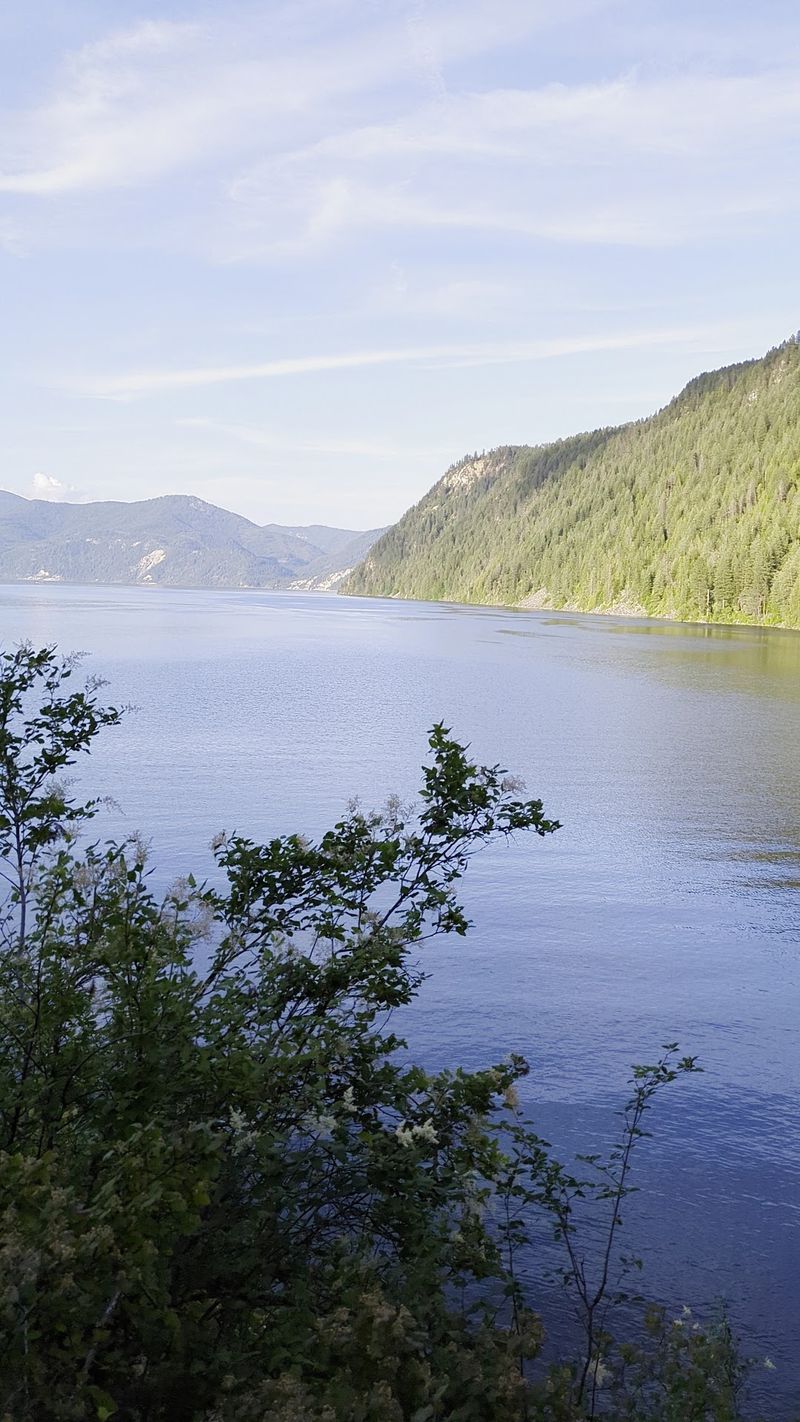
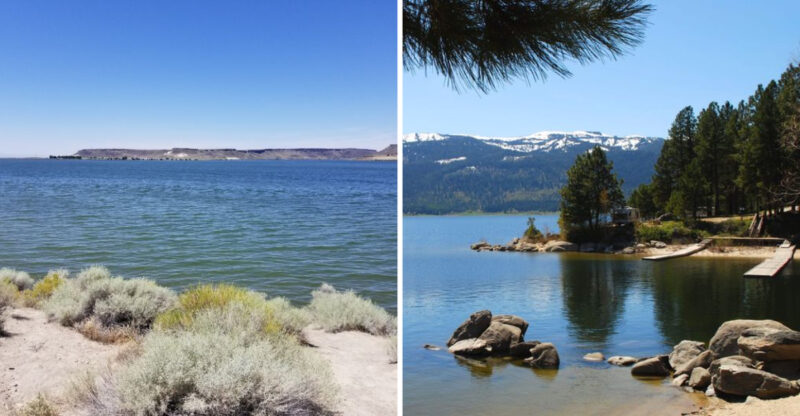
Fun fact for your next road trip: Lake Pend Oreille stretches about 43 miles and plunges to more than 1,150 feet. It ranks among the deepest lakes in the country and is the largest in Idaho.
That depth is part of why the Navy liked this spot. Even after the training station closed, the lake has continued to play a role in submarine research, which visitors often find hard to believe.
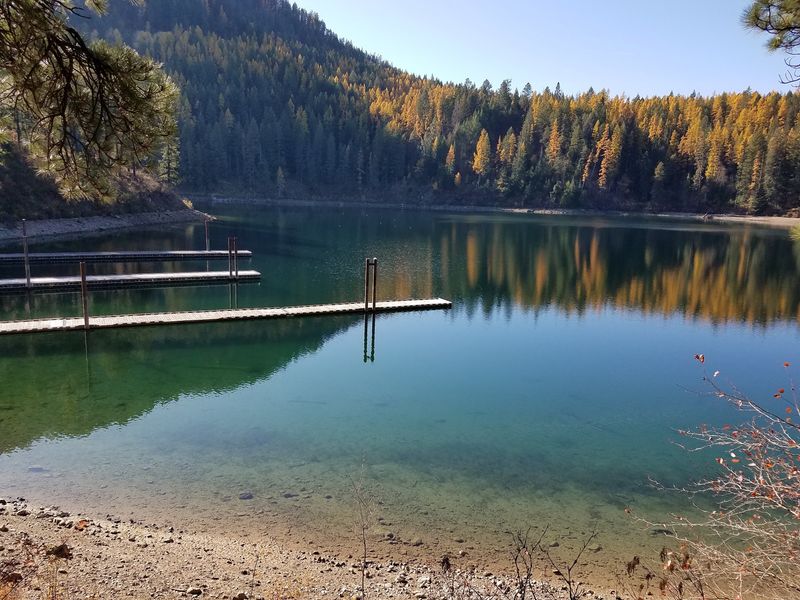
From the park’s bluffs, the water looks dark blue and calm on still mornings. Boaters sometimes spot eagles hunting over the surface, a sight that tends to become the highlight of the day.
Kayaking, paddleboarding, fishing, and boating are all popular here. Power boats pass by now and then, but much of the water near the park stays peaceful.
Small towns like Bayview sit along the shore nearby. Some visitors pair a park hike with a meal in Bayview, then finish with a late afternoon on the water.
Standing above the lake, it is easy to see why recruits wrote home about it. Few training grounds anywhere came with a view like this one.
Beaver Bay And The Steep Shoreline
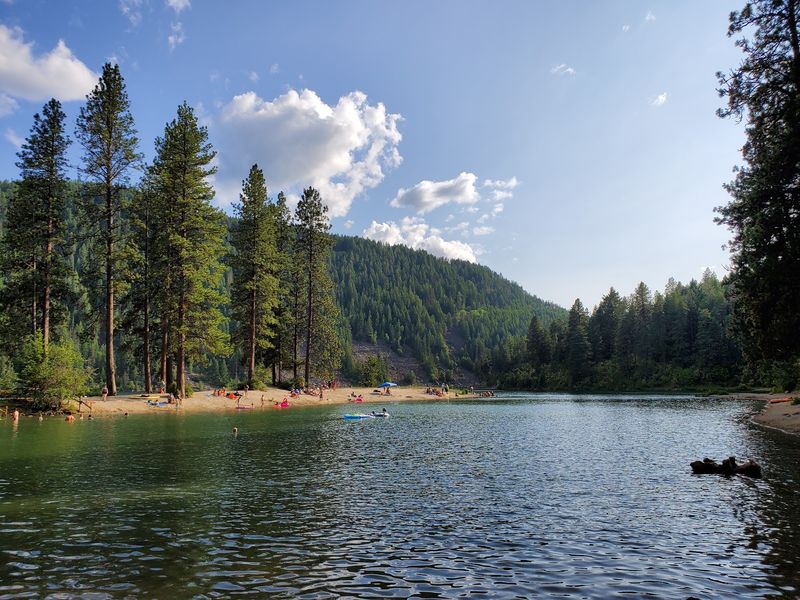
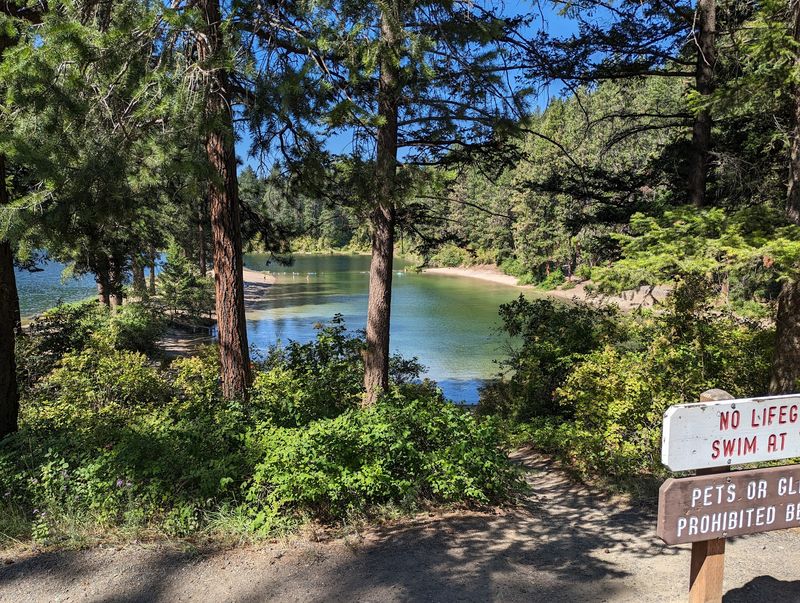
Swimmers, here is the honest scoop. Beaver Bay is the main spot where you can reach the water without hiking down a steep bank.
Many other lake access points sit high up on bluffs. Getting there means trekking down rocky paths, and some shorelines have large boulders that make launching a paddleboard tricky.
Once you reach the water, though, the payoff arrives. Visitors describe calm, clear water that feels perfect on a hot Panhandle afternoon.
One side of the day use area has a calmer, pond-like section that suits families with little ones. The water stays quiet there, which makes it easier for younger swimmers to splash safely.
A small concession offers inflatables, kayaks, and paddleboards to rent or buy. That helps if you forgot your own gear or just want to try something new.
Arriving midweek usually means moderate crowds and decent parking. Summer weekends fill up faster, so an early start makes sense.
Pack water shoes and a sturdy bag if you plan to explore the rockier spots. The cove areas are especially steep, so save them for confident hikers.
Forty Miles Of Forest Trails
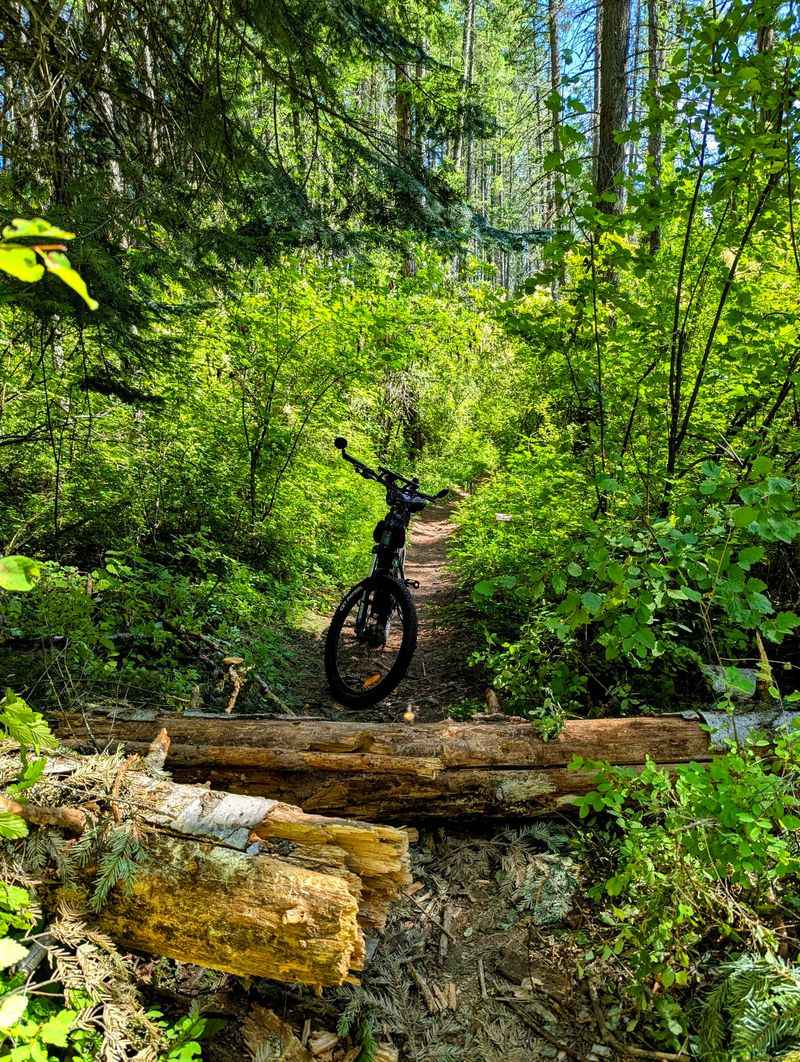
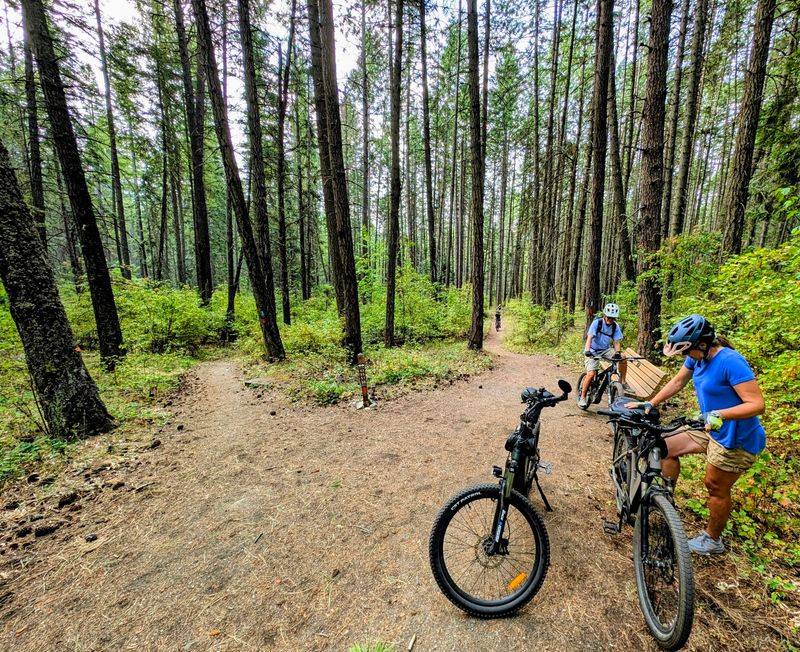
Lace up your shoes, because the trail system here stretches beyond 40 miles. Hikers and mountain bikers share routes that wind through forest and along the bluffs above the lake.
Many paths are easy and well kept. Visitors mention peaceful walks that feel scenic without being exhausting, which makes them good for families and older hikers.
Some routes start close to the day use areas, so you can wander out for a short loop between swims. Others head farther into the woods for longer rides or hikes.
Lake views pop up along many trails. Those glimpses of blue water between the pines are a big reason people come back again and again.
Summer heat can slow things down. Some campers say they planned more hikes than they managed because of high afternoon temperatures, so mornings and evenings work best.
Winter brings a different mood. The park’s description notes skiing trails, giving the forest a quiet, snowy life after the summer crowds leave.
Bring water, a trail map from the visitor center, and some curiosity. Old base clues sometimes appear in the most unexpected places along the way.
Frisbees Flying Through The Pines
Disc golfers, this might be your favorite part. The park has multiple courses, and disc golf comes up constantly when visitors talk about their trips.
Players can even borrow discs for free, according to recent visitors. That makes it easy for beginners to try a round without buying any equipment.
The courses weave through tall trees, which keeps things shady and a little tricky. Expect a few discs to bounce off trunks before you find your rhythm.
Families find disc golf an easy way to keep everyone busy. Kids love the chase, while adults enjoy a relaxed game between meals and swims.
There is also a fun historical irony here. Ground once marked by drill marches now echoes with the jingle of chains catching a well-thrown disc.
Day use areas add even more ways to play. Covered picnic shelters sit near horseshoe pits, volleyball nets, and swings for younger children.
Groups can spread out across these spaces with room to spare. Birthday gatherings, family reunions, and church picnics all fit comfortably, especially if you reserve a shelter early in the season.
Campground Loops With Their Own Personalities
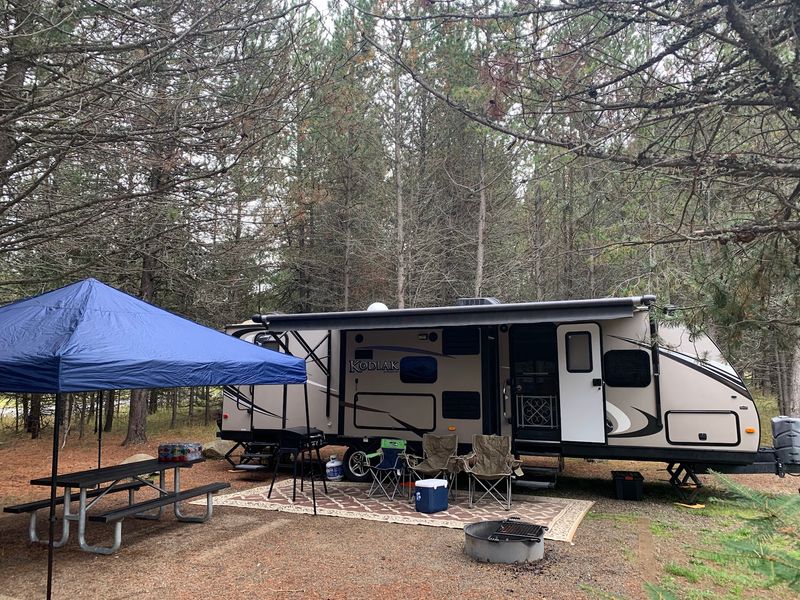
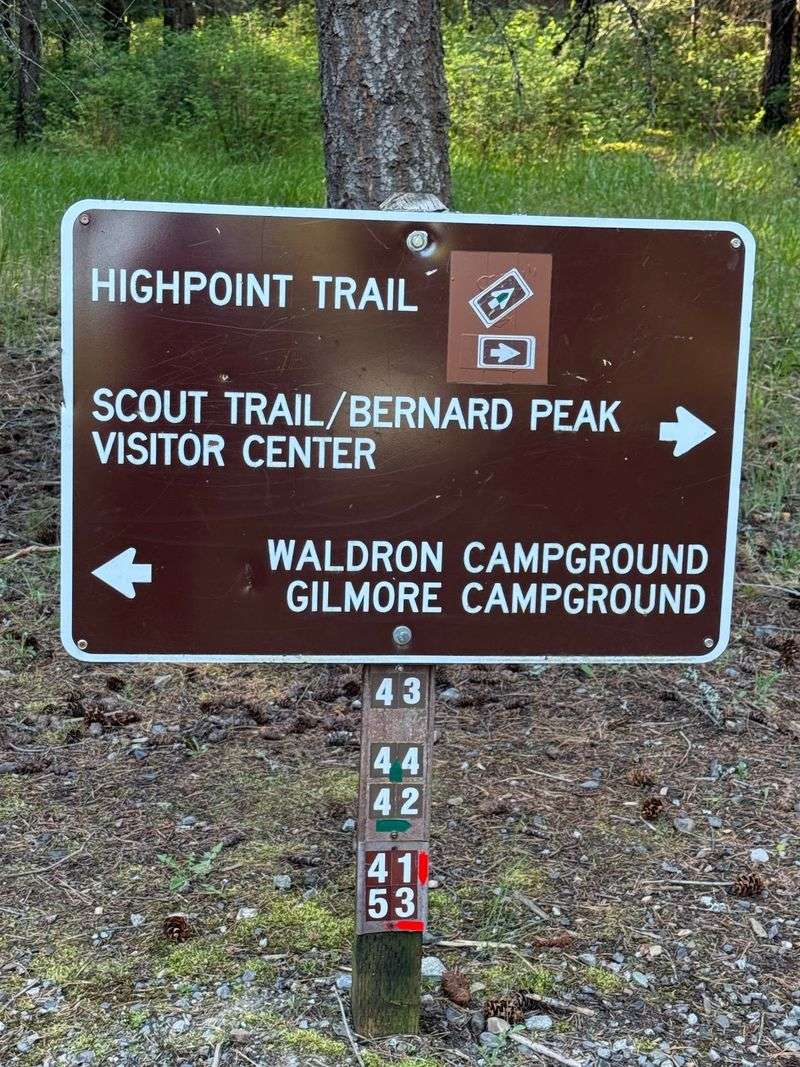
Snowberry, Waldron, Gilmore, and more. Each campground loop at Farragut has its own feel, and regulars often have a favorite.
Campers praise how clean the sites are. Bathhouses with hot showers sit within a short walk of most loops, and some visitors note that the showers are free to use.
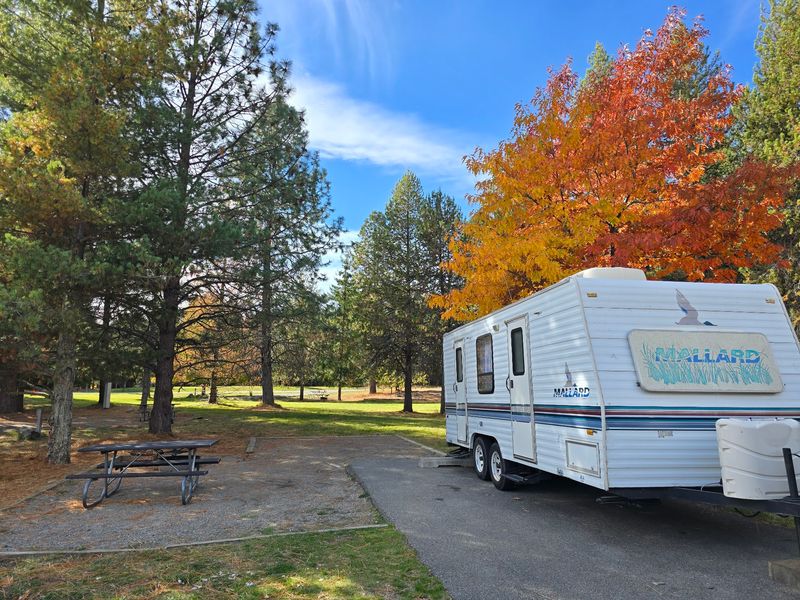
Some sites offer water and electric hookups, while certain loops are dry camping only. Pull-through sites in Snowberry can feel so private that neighbors stay out of sight.
Gilmore earns praise for level, fairly secluded sites. Waldron campers describe a well kept loop with friendly hosts nearby.
A newer group campground and pavilion named Peterson opened recently with full hookups. Church groups and big families have already started using it for gatherings.
Nights tend to stay quiet. Kids may be lively during the day, yet the woods settle down once the sun dips behind the hills.
Two dump stations serve RV travelers. Remember to keep pets leashed, since camp hosts take that rule seriously.
Check-in usually happens in the afternoon, so early arrivals have time to explore first.
Cabins With A Porch Swing
Not ready for a tent? Camping cabins offer a middle ground between roughing it and staying in a motel.
Each cabin comes with electric lights, heating and air conditioning, a fire pit, and a picnic table. Some even have a porch swing, which visitors call a sweet surprise after a long day outside.
The cabins sit near a day use area and look fairly new. A notice inside explains that they are cleaned after each guest leaves.
There is no bathroom inside, though. A restroom building stands a short walk away, so bring a flashlight for any midnight trips.
Families with small children should know about one detail. Some cabins sit close to a steep drop-off, so keep a careful eye on little explorers.
Trees surround most cabins, meaning lake views are limited. Reaching a swimming beach like Beaver Bay usually requires a quick drive.
Still, the cabins shine during unpredictable weather. When a hot afternoon turns into a chilly rain, having walls, heat, and a real bed suddenly feels like the smartest choice you made all week.
Planning The Drive North
Getting here is simple. From Highway 95 near Athol, turn east onto Highway 54 and follow it to the park entrance and visitor center.
Sandpoint is roughly a half-hour drive, and Coeur d’Alene sits close enough for a day trip. Silverwood Theme Park is about 15 minutes away, so many families combine both on one vacation.
A store and gas station near Highway 95 cover forgotten supplies. Grocery stores are also within easy reach.
Expect a vehicle entry fee of a few dollars for day visits. Camping and cabin prices can change with the date and demand, so ask staff or check the Idaho Parks and Recreation website before booking.
Visitor center hours run through the day, but they can shift by season. Confirm before driving, particularly if you plan a late arrival.
Construction has affected the boat launch and some roads recently. Rangers have said work should wrap up, though checking ahead saves frustration.
Reservations matter in summer. Popular loops like Snowberry fill early, so book as soon as your dates are set.
Worth A Weekend, Worth A Story
Two World War II stories shaped Idaho, and they sit at opposite ends of the state. Minidoka in the Magic Valley asks visitors to remember a painful chapter, while Farragut in the Panhandle tells of young recruits passing through on their way to the wider war.
Visiting both gives a fuller picture of the era. Each place shows how the war reached deep into Idaho’s quiet corners.
At Farragut, the history comes wrapped in a family-friendly package. You can tour The Brig in the morning, swim at Beaver Bay by lunch, and finish with a round of disc golf before sunset.
Not every part is perfect. Lake access can be steep, and camping prices can vary, so planning ahead helps.
Yet most visitors leave with the same thought: they want to come back. Clean campgrounds, long trails, and deep blue water make a strong case for return trips.
Next time those water towers appear above the trees, you will know what they mean. Nearly 300,000 sailors once stood in this forest, and now it belongs to everyone.