9 Idaho Ghost Towns Where Weathered Buildings Still Line The Old Streets This October
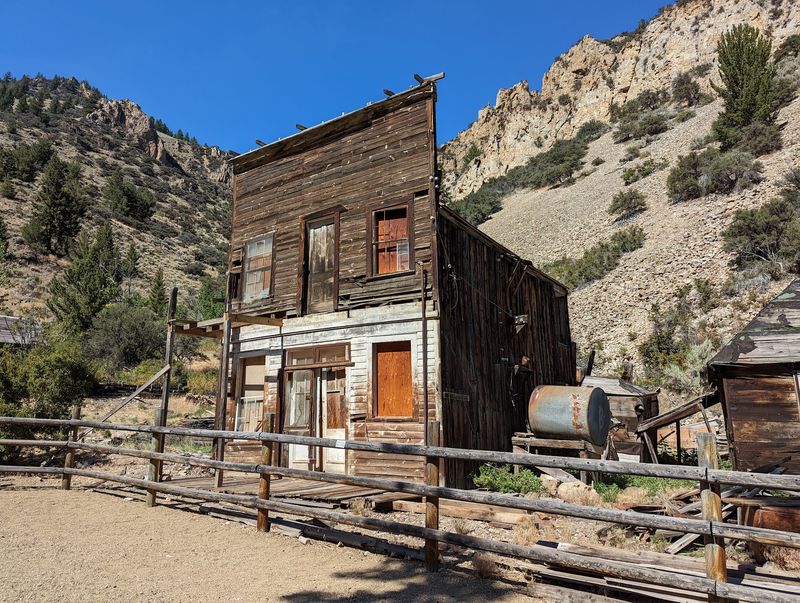
A gray plank wall leaning in a mountain meadow does not look like much from the road in Idaho, but step closer and you can still read the faded letters of a store that sold boots and flour over a century ago. Idaho’s mining booms built whole towns almost overnight, then left them behind when the gold and silver ran thin.
October is the sweet spot to visit, with golden aspens, quiet trails, and backroads still open before snow seals them shut. These nine spots let you walk real streets where real families once lived, worked, and dreamed big.
1. Custer Idaho
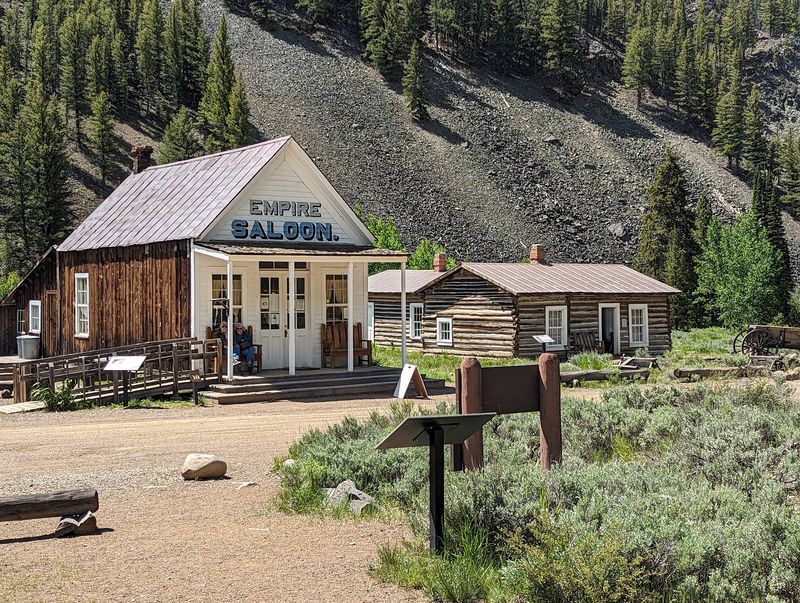
Free admission and homemade ice cream make Custer one of the friendliest ghost towns in Idaho. The old mining camp sits along the Yankee Fork in Custer County, a scenic drive from Stanley, and its main street still holds a row of old homes and businesses that look ready for a shopkeeper to return.
Every building comes with a sign explaining what it once was, so kids and adults can piece together daily life in a mountain gold camp. You might stand where miners bought supplies, then wander to the next frame and learn who lived there.
It reads like a history book you can walk through.
A small local shop adds a sweet stop, with homemade ice cream and fun finds for curious young visitors. The buildings are well kept, so the whole place feels tidy and welcoming rather than spooky.
History buffs will also spot the dredge connection nearby, since the Yankee Fork was once torn up and sifted for gold on a grand scale. On-site parking keeps things simple for families arriving with a car full of snacks.
Address: Stanley, Idaho 83278. October days are crisp up here, so pack layers and check road and shop status before driving.
2. Silver City, Idaho, Murphy, ID
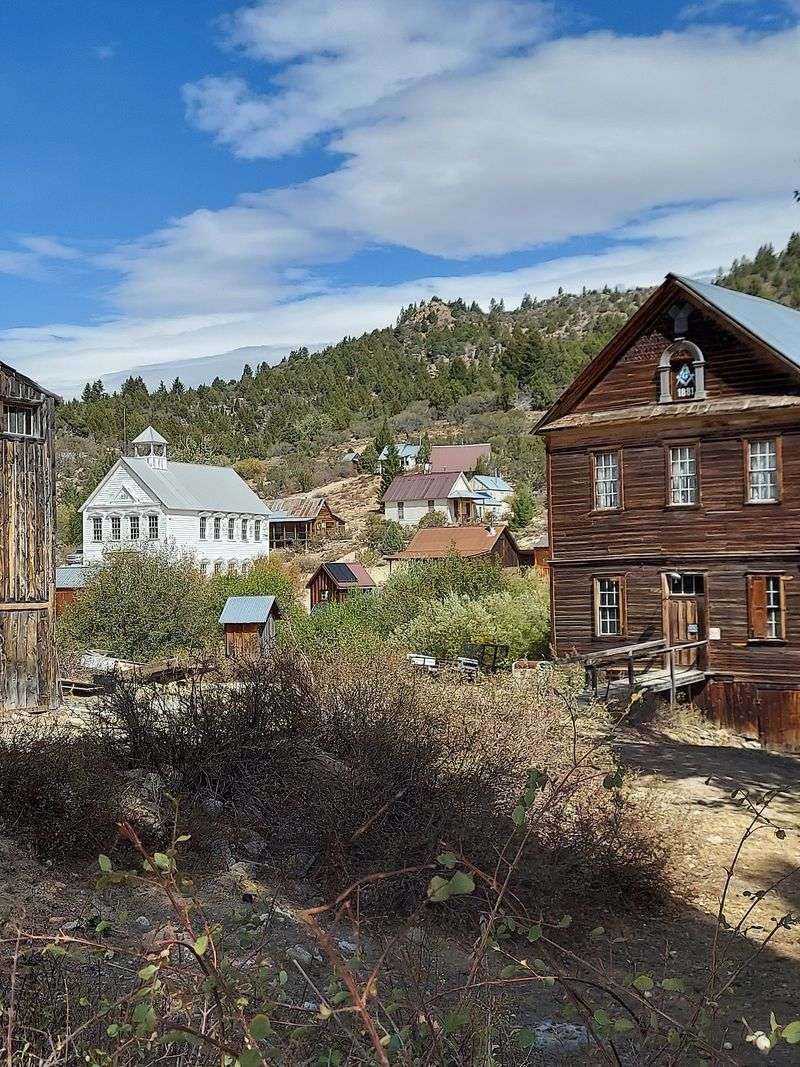
Bumpy dirt roads climb into the Owyhee Mountains of southwestern Idaho before Silver City finally appears, and the reward is worth every jolt. Many travelers call it one of the best preserved ghost towns they have ever seen.
What makes it different is ownership. Most buildings are privately held, and the families who care for them keep the paint, porches, and rooflines in good shape.
That pride shows on every street, giving the town a lived-in feel even though few people stay year-round.
Look up the hill to find the old church standing watch over the valley. Wander farther and you will discover multiple cemeteries and scattered ruins that hint at how crowded this silver camp once was in the 1860s.
A store and hotel open seasonally, offering a rare chance to sit inside a working piece of history. Plan around their limited window, since services shut down as the season winds down.
Fun fact: the town sits high enough that snow often closes the roads for months. October trips usually catch the last open stretch, but weather here changes fast.
Address: 23989 Jordan Street, Murphy, Idaho 83650. Bring a full tank and sturdy tires.
3. Bayhorse Ghost Town
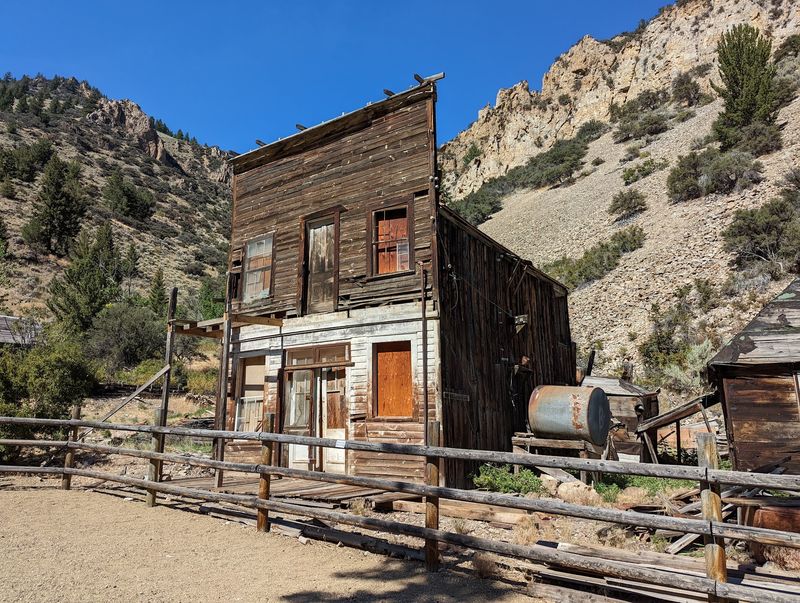
About fourteen structures cling to a tight canyon west of Challis, and together they tell the story of a mining village more than 100 years old. Bayhorse is managed by Idaho Parks and Recreation, and you can feel the careful hand in how everything is kept.
Buildings here rest in what preservationists call an arrested state of decay. That means walls lean and timbers sag, but crews stabilize them so they stay just as they are.
It is a strange, fascinating balance between ruin and rescue.
A walking trail loops through the site, passing old mining buildings along the way. Keep an eye out for the beehive-shaped charcoal kilns, which once fed the smelters with fuel and now make great photo subjects.
Rangers on site are full of stories and happy to answer questions, which turns a quiet stroll into a mini history lesson. Kids tend to light up when they learn how ore traveled down this canyon.
Entry runs a few dollars per vehicle, and parking sits right at the site. The location is listed as open around the clock, though daylight visits are wisest.
Address: Challis, Idaho 83226, in Custer County off Highway 75.
4. Bonanza
Raw and unrestored, Bonanza is Custer’s rougher sibling just down the Yankee Fork Road. Where its neighbor has signs and tidy porches, Bonanza lets nature do most of the talking.
Old 19th-century log cabins stand among tall grass and pines, their corners notched by hand and their roofs slowly giving way. Wandering between them feels quiet and personal, almost like stumbling onto a secret.
The Bonanza Cemetery sits a short walk away, shaded by trees and wrapped in weathered wooden fences. It offers a peaceful, thoughtful stop and a reminder that real families built lives in this remote valley.
Most people pair Bonanza with Custer in one outing, and that combo works beautifully. You get the polished version of a mining town and then the untouched one, side by side.
Ruins and cabins here rest on public forest land, so treat them gently and leave everything as you found it. Fragile timbers can crumble with one careless step.
Address: off Yankee Fork Road near Stanley, Idaho 83278. Roads typically stay passable in October, but early storms can roll in without much warning, so check conditions first.
5. Gilmore
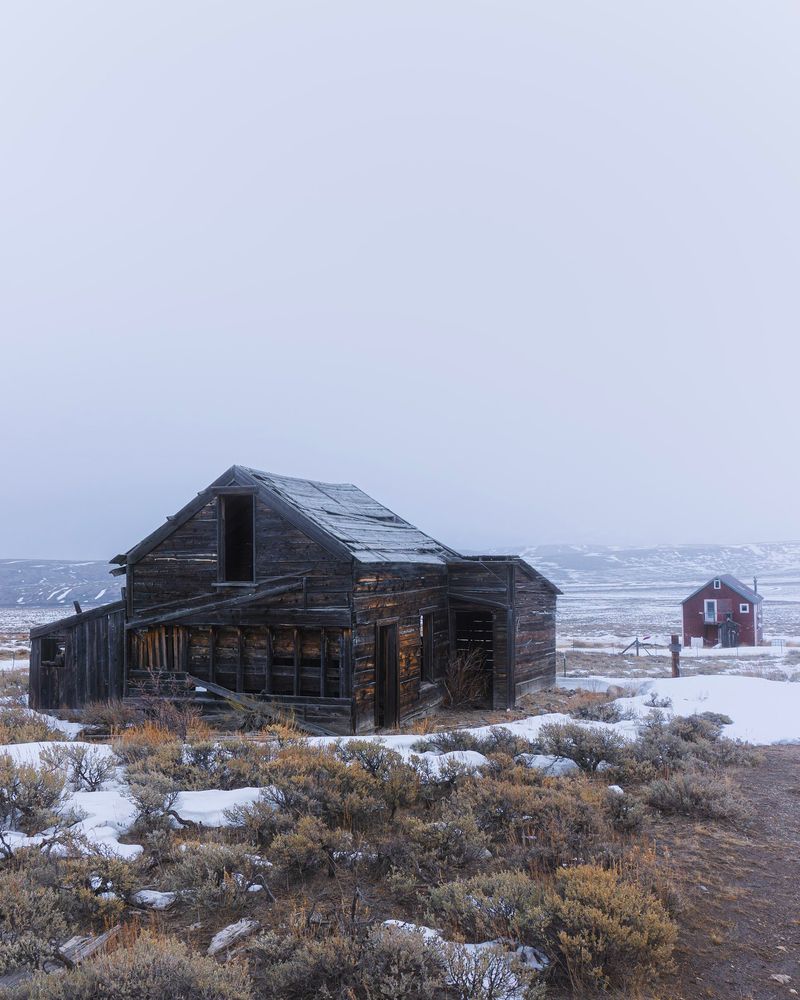
Out in the wide sagebrush country of Lemhi County, Gilmore rises from the valley floor like a forgotten movie set. The former silver-lead boomtown sits in rural east-central Idaho, far from crowds and close to big open skies.
Weathered wooden miners’ cabins still line the dirt roadways, their gray boards cracked by decades of wind and sun. Commercial frames stand nearby, hinting at the shops and offices that once served a busy camp.
Mill foundations scatter the area too, and they help you imagine the noise and dust of ore being processed. Today the loudest sound is usually a hawk or the breeze rattling a loose board.
Gilmore earns its spot because it feels truly remote. Few ghost towns give you this sense of space, with mountains rimming the horizon and nothing modern in view.
Photographers love the evening light here, when low sun turns old wood a warm honey color. October brings crisp air that makes the colors pop even more.
Address: Idaho 83464, reached by public backcountry roads. Services are scarce out here, so bring water, food, and a full tank before leaving pavement.
6. Burgdorf
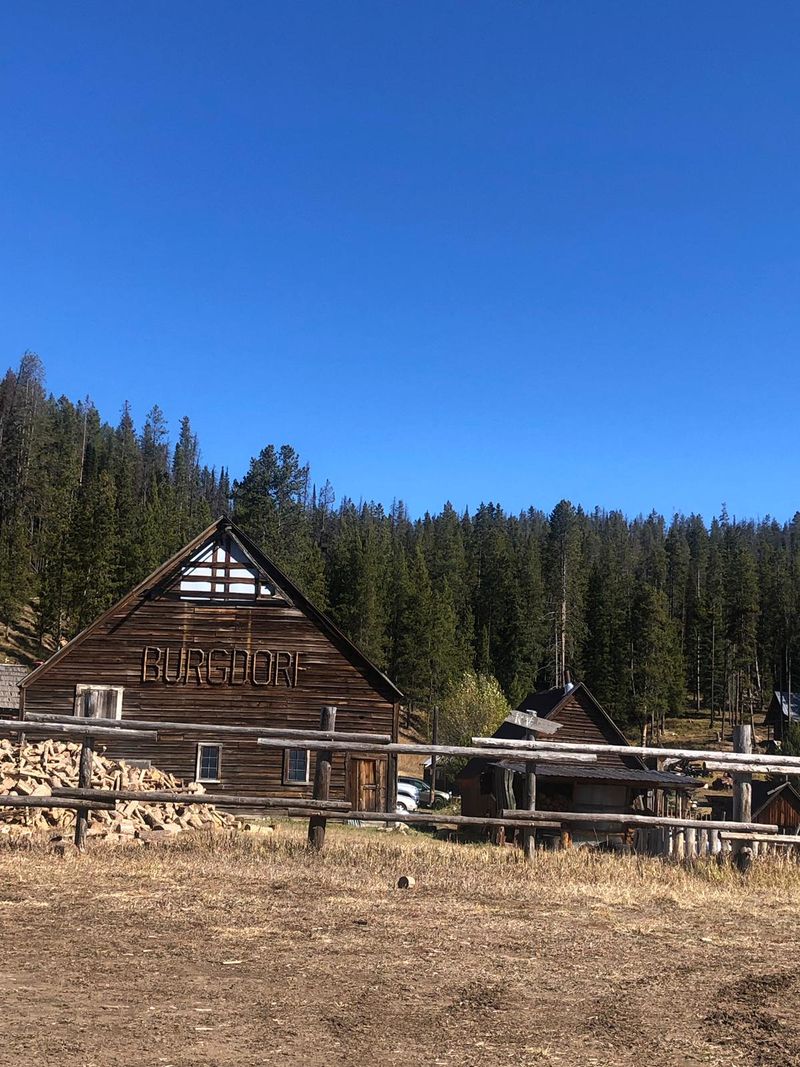
Steam drifting between old log walls is the first clue that Burgdorf is unlike any other stop on this list. North of McCall in the Payette National Forest, this frontier settlement began in the 1860s and 1870s as both a mining camp and a hot springs retreat.
Weathered log buildings and historic timber cabins still stand in a picturesque mountain setting. Their dark, sturdy walls look hand-built for long winters, which is exactly what they were.
The hot springs heritage gives the place a softer story than most boomtowns. Miners came for gold, but many travelers came simply to soak away aches from life in the high country.
October is a lovely window to visit, when tamarack trees glow gold against the dark pines. That splash of color makes the old cabins look even more rustic.
Getting here takes a slow drive on forest roads, so allow extra time and enjoy the scenery along the way. The quiet once you arrive feels well earned.
Address: 404 French Creek Road, McCall, Idaho 83638. Fall access is generally open, but confirm road and facility status before heading out from Valley County.
7. Burke
Squeezed so tightly into its canyon that space was always precious, Burke is a Silver Valley legend. The town grew in the 1880s as part of the famous Coeur d’Alene mining district, just up the road from Wallace in the Idaho Panhandle.
History says the canyon was so narrow that trains and wagons shared the same main street. One hotel even had railroad tracks running right through it, a detail that still makes people grin.
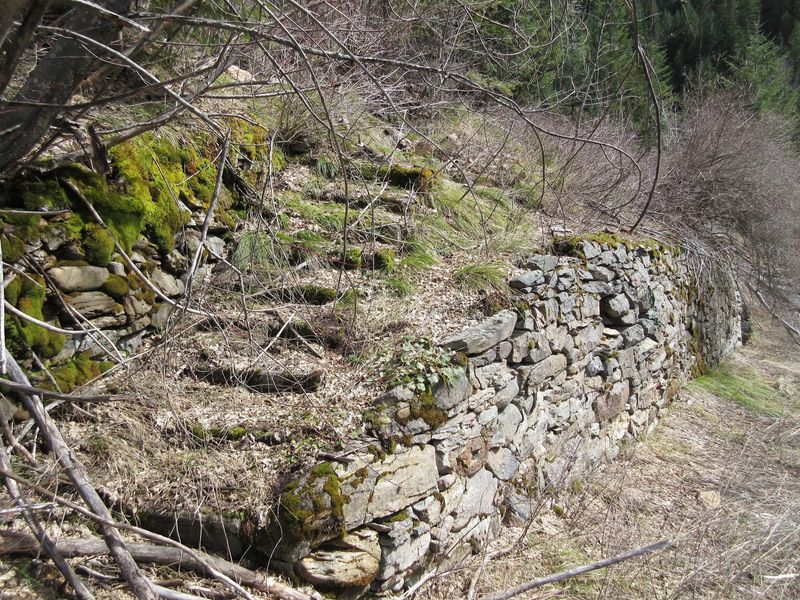
Today you can see plenty from your car window. Weathered mining architecture and old structures line Burke Canyon, with rusted metal and gray timber tucked against steep walls.
The drive itself is the experience here. Burke-Canyon Creek Road follows the creek up through the gorge, and every bend reveals another piece of the old industrial story.
If you grew up around Wallace or Kellogg, you have probably heard tales of Burke from grandparents. Seeing the canyon in person explains why those stories stuck.
Address: along Burke-Canyon Creek Road near Wallace, Idaho 83873. Respect posted private property, stay on the public road, and pair the trip with a stroll through downtown Wallace.
8. Placerville
Gold seekers poured into the Boise Basin in the 1860s, and Placerville was one of the camps that sprang up to hold them. Now a semi-ghost town in rural Boise County, it still keeps its old village square.
Historic timber storefronts and weathered buildings border that square, facing each other across unpaved roads. The layout feels more like a tiny town center than a scattered camp, which sets it apart from many others.
Standing in the middle, you can picture wagons rolling in and miners trading stories after long days in the creeks. The square was the heart of everything, and it still feels that way.
Placerville makes an easy add-on for Treasure Valley folks heading toward Idaho City. It stays reachable year-round via mountain roads, though conditions shift with the seasons.
Some residents still live nearby, so this is a semi-ghost town rather than an empty one. Keep a friendly, respectful pace and admire buildings from public spaces.
October brings golden light and cooler temperatures, perfect for an unhurried wander. Address: Placerville, Boise County, Idaho.
Check road conditions before driving, especially after early autumn rain or snow.
9. Rocky Bar
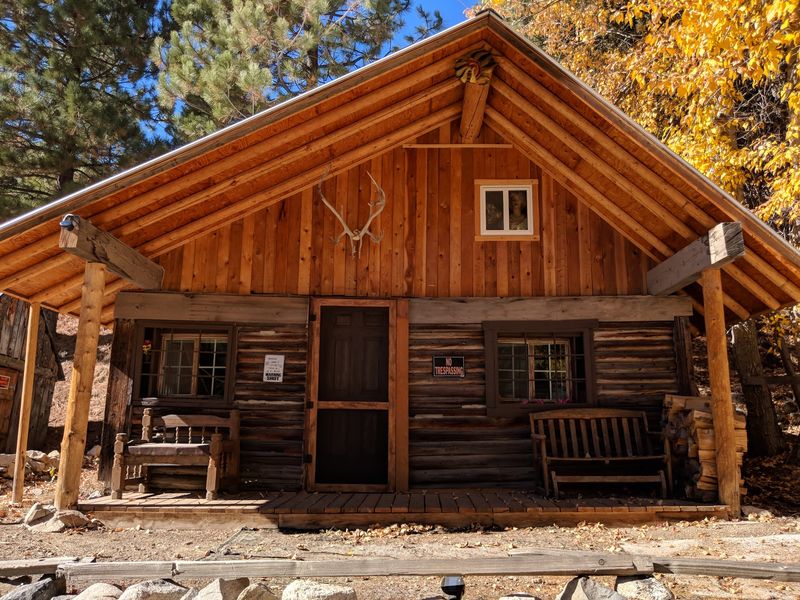
Long before Boise claimed the spotlight, Rocky Bar was a busy 1860s gold camp deep in the Elmore County mountains. Today it rewards adventurous drivers with a quiet glimpse of that rugged past.
Weathered pioneer cabins and historic timber structures line the old dirt route through the Feather River canyon. Their logs have turned silver with age, and many lean at angles that make you wonder how they still stand.
The setting feels wild and tucked away, with steep slopes and thick pines pressing close. That remoteness is part of the charm for anyone who prefers solitude over gift shops.
Rocky Bar closes out this list as a true backcountry finale. Reaching it takes patience on rough roads, so a high-clearance vehicle is a smart choice.
Plan your trip for autumn, before heavy winter snowfall buries the route. October often brings the right mix of open roads and colorful hillsides.
Address: Elmore County, Idaho 83716. Cell service fades quickly, so download maps ahead of time, carry extra supplies, and let someone know your plans before heading toward the canyon.