This Idaho Forest Lets You Walk Among Cedars That Were Already Growing Centuries Before Statehood
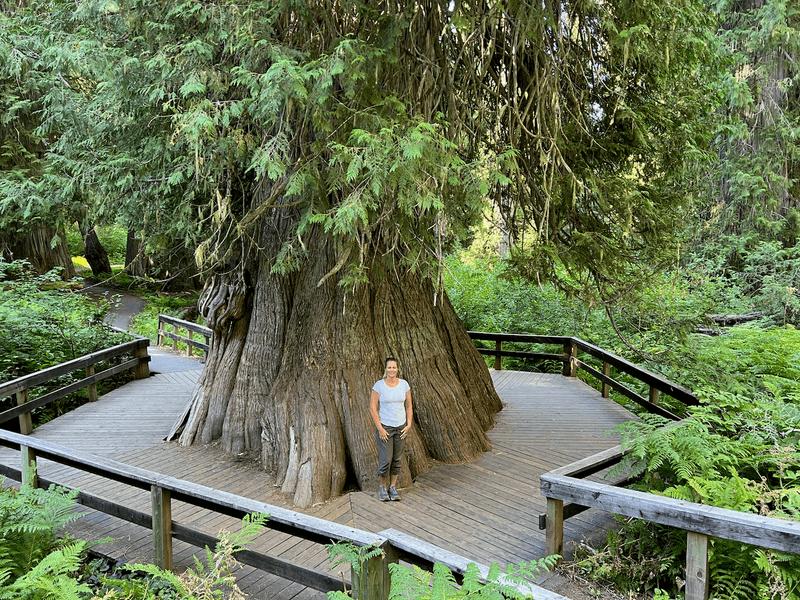
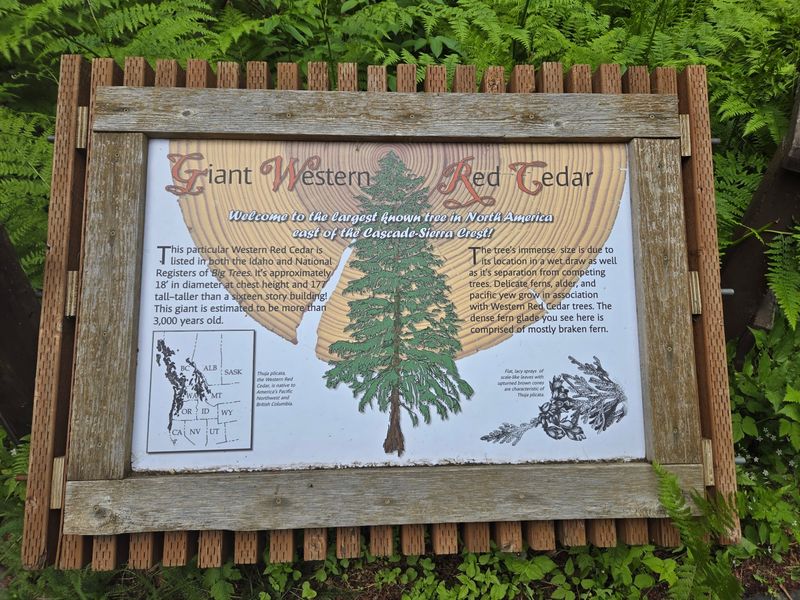
One western red cedar in north-central Idaho is estimated to be around 3,000 years old, and it has its own wooden deck. That tree was ancient long before anyone drew a state line around it.
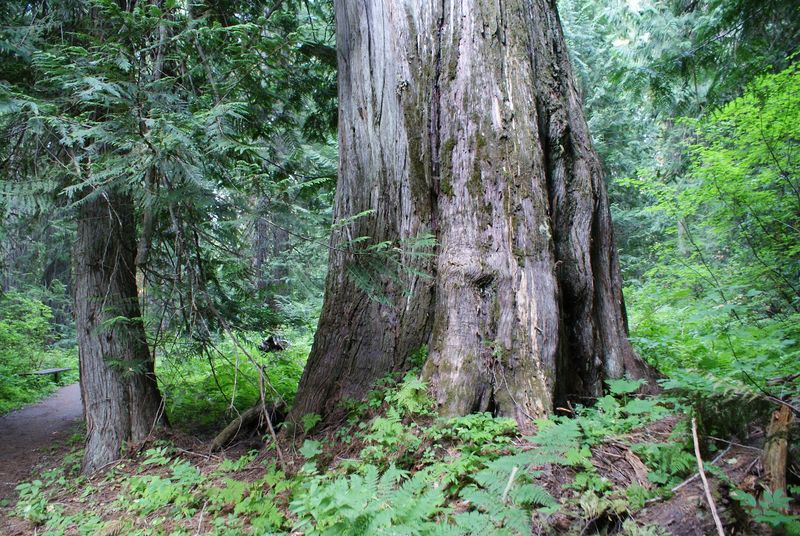
Its neighbors are not exactly saplings either. Some trunks measure about 18 feet around, and a few climb past 200 feet into the sky.
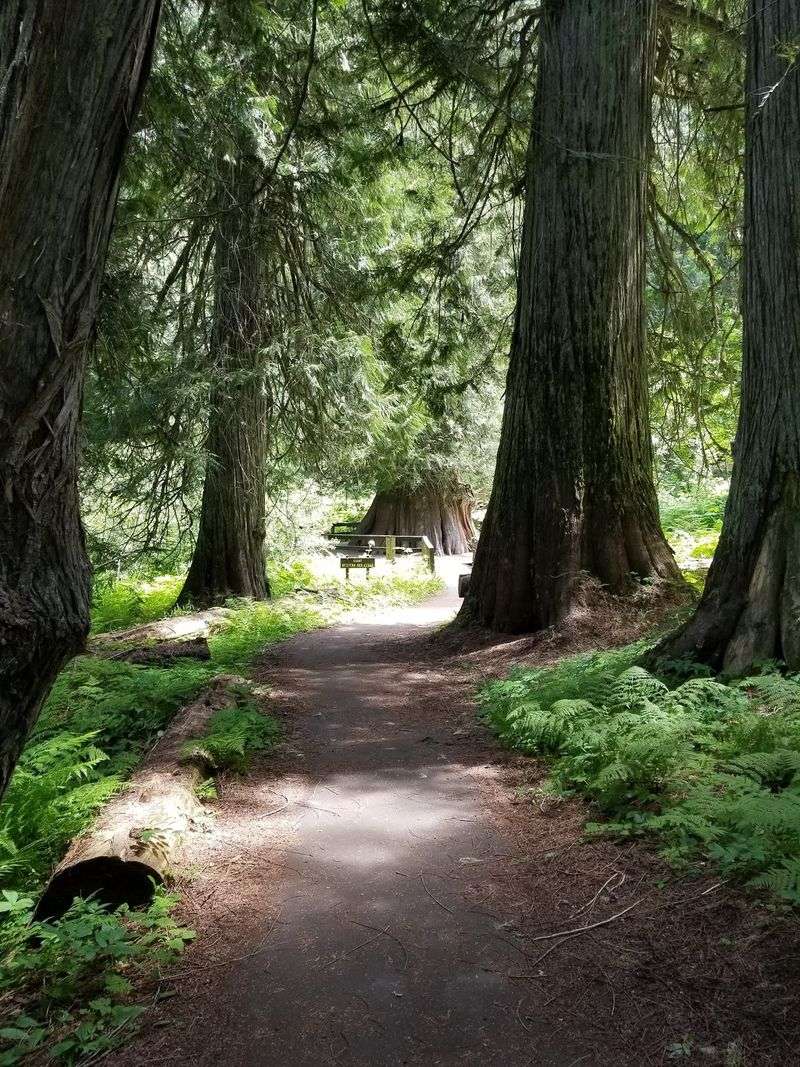
I like that you don’t need hiking poles or a summit plan to meet these giants. A short paved path does the work, curling through ferns and huckleberry bushes under a canopy so tall you can’t quite find the top.
The catch is the drive, a long stretch of gravel that keeps the quiet thick. I can’t imagine a better payoff for a bumpy road.
So how does a forest this old end up being this easy to stroll?
A Grove Of Giants Waiting Deep In The Nez Perce-Clearwater
Out past the tiny town of Elk River, the forest gets serious about size. Giant Cedar Grove Trailhead is the doorway to a stand of ancient western red cedars in the Nez Perce-Clearwater National Forests.
Officially, it’s listed as a hiking area. In practice, it feels more like a short audience with some very old, very tall residents of Idaho.
The setup is refreshingly simple. A paved loop leaves the trailhead and winds through a fern-filled understory toward the star of the show, one enormous cedar.
Along the way, plenty of other big trees crowd the path. Their trunks are wide enough to make a grown adult feel like a toddler at a family reunion.
Elk River sits in the Clearwater country of north-central Idaho, far from freeway traffic and city noise. That remoteness is part of the appeal, because getting here takes real intention.
Nobody wanders in by accident on the way to the grocery store. If you’re standing at this trailhead, you chose to be here, and the trees seem to reward that kind of effort.
Trees That Got A Thousand-Year Head Start On Idaho
Idaho became a state in 1890. By then, the biggest cedar in this grove had already been growing for well over two thousand years, according to common estimates.
Let that math settle for a second. Statehood is practically yesterday’s news to a tree that old.
Western red cedars are famous for their long lives in moist, shaded forests. The cool, damp conditions around Elk River give them exactly the kind of quiet neighborhood they prefer.
The giant here is often estimated at roughly 3,000 years old. Exact ages for trees this large are tough to pin down, so treat that number as a respectful ballpark rather than a birth certificate.
Either way, these trunks have stood through countless winters, droughts, and wet springs. They outlasted every trail, road, and sign that now leads people to them.
I find that oddly comforting. Few places in Idaho let you stand next to something that was already ancient before the first wagon rolled into the territory.
Walking here feels less like a hike and more like visiting a very patient elder. It’s humbling in the best possible way.
The Biggest Cedar Even Gets Its Own Viewing Deck
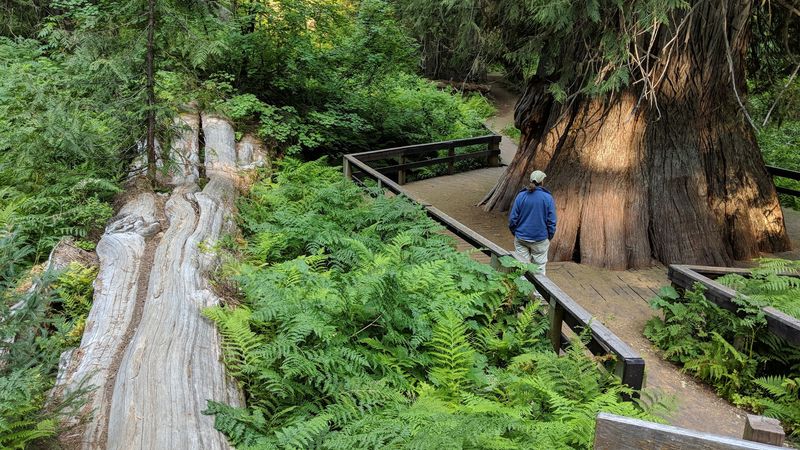
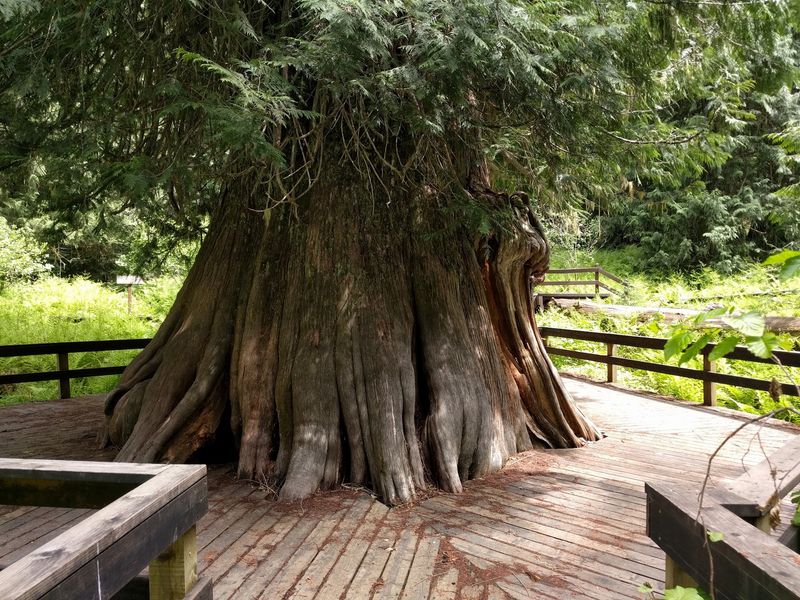
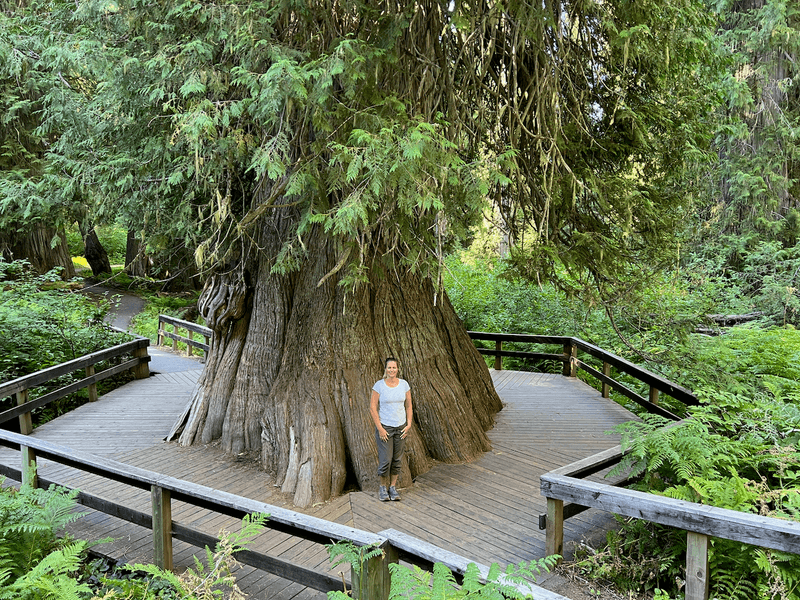
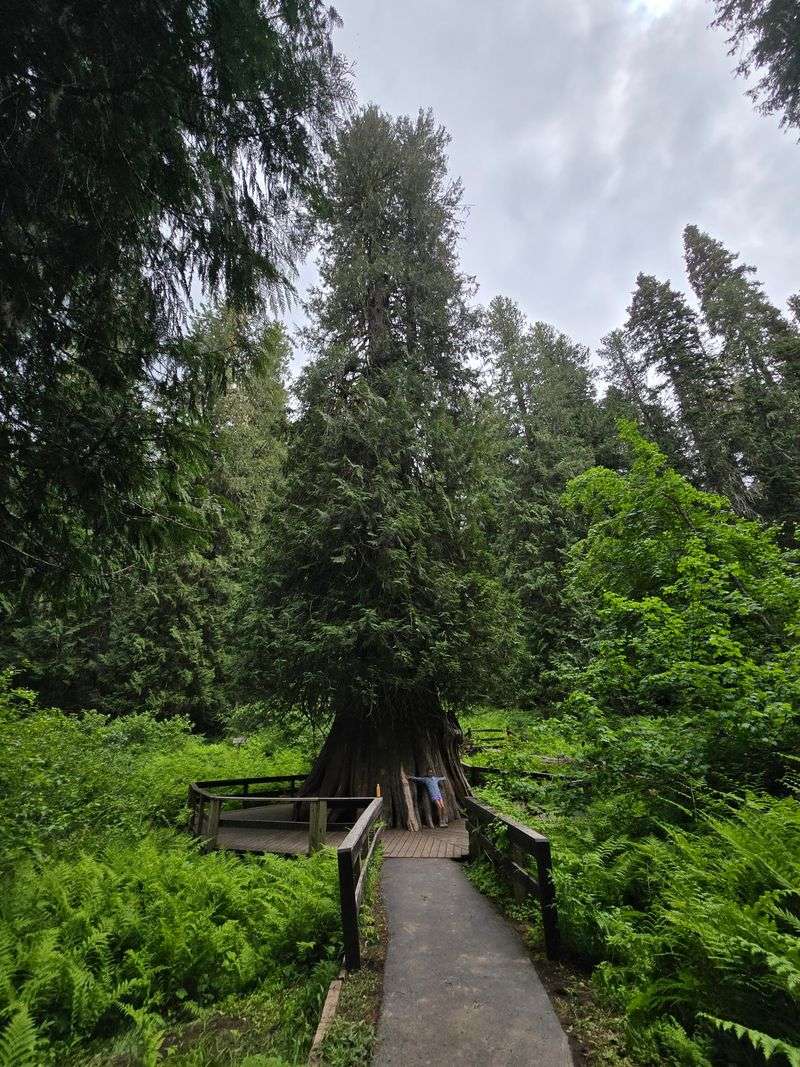
Some trees get a plaque. The headliner at Giant Cedar Grove Trailhead gets a whole wooden deck wrapped around its base.
The deck lets you get close without trampling the roots. It also gives you a solid spot to tilt your head back and attempt to find the top, which is mostly a losing battle.
Here’s the honest truth about photos. A picture of this cedar without a person beside it tends to look like a regular tree, just closer up.
Bring a friend, a kid, or a very patient spouse to stand next to the trunk for scale. Suddenly the camera understands what your eyes already know.
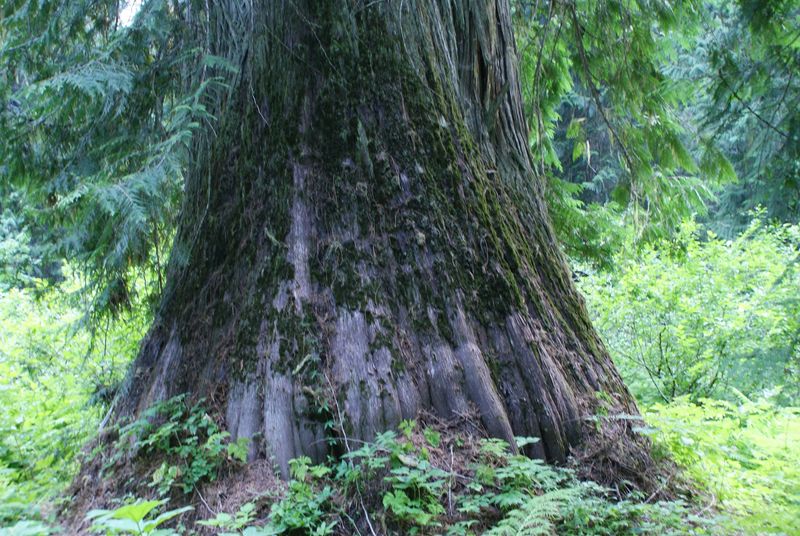
The trunk is often described as about 18 feet around. A few of its neighbors in the grove are said to rise past 200 feet, which puts them in serious skyscraper territory for Idaho trees.
Plan to linger here longer than you expect. It usually takes a few minutes for your brain to accept the size of the thing in front of you, and that slow realization is half the fun.
A Paved Loop That Asks Almost Nothing Of Your Knees
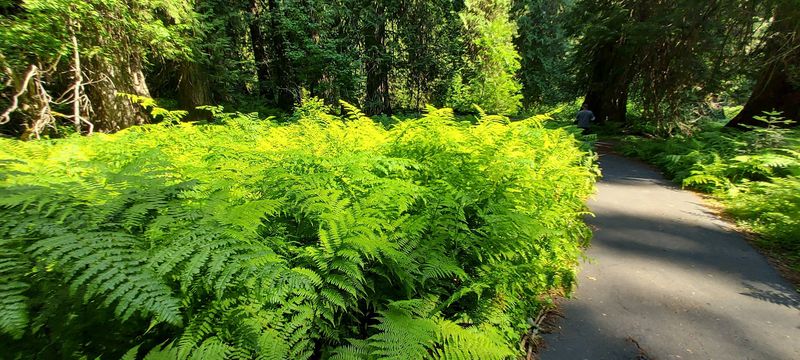
Good news for anyone who considers stairs a personal enemy. The main path through the grove is paved, short, and gentle enough to feel more like a stroll than a hike.
Calling it a hike is generous, honestly. It’s a nature walk with a very impressive guest list.
The loop circles around the giant cedar and through the surrounding stand of big trees. You can take your time without worrying about steep climbs or tricky footing.
There’s also a longer trail option for folks who want more time under the canopy. If your group includes someone with limited mobility, the short loop still delivers the main event.
The route is billed as an interpretive trail, though signage is sparse. Don’t count on a museum’s worth of panels explaining every tree along the way.
That leaves room for your own questions and observations. Kids especially tend to invent their own explanations for why trees get this enormous, and some of those theories are pretty creative.
Pack water and a camera, then let the pace stay slow. Nobody hands out medals for speed in a 3,000-year-old forest.
Ferns So Big You Might Glance Around For Dinosaurs
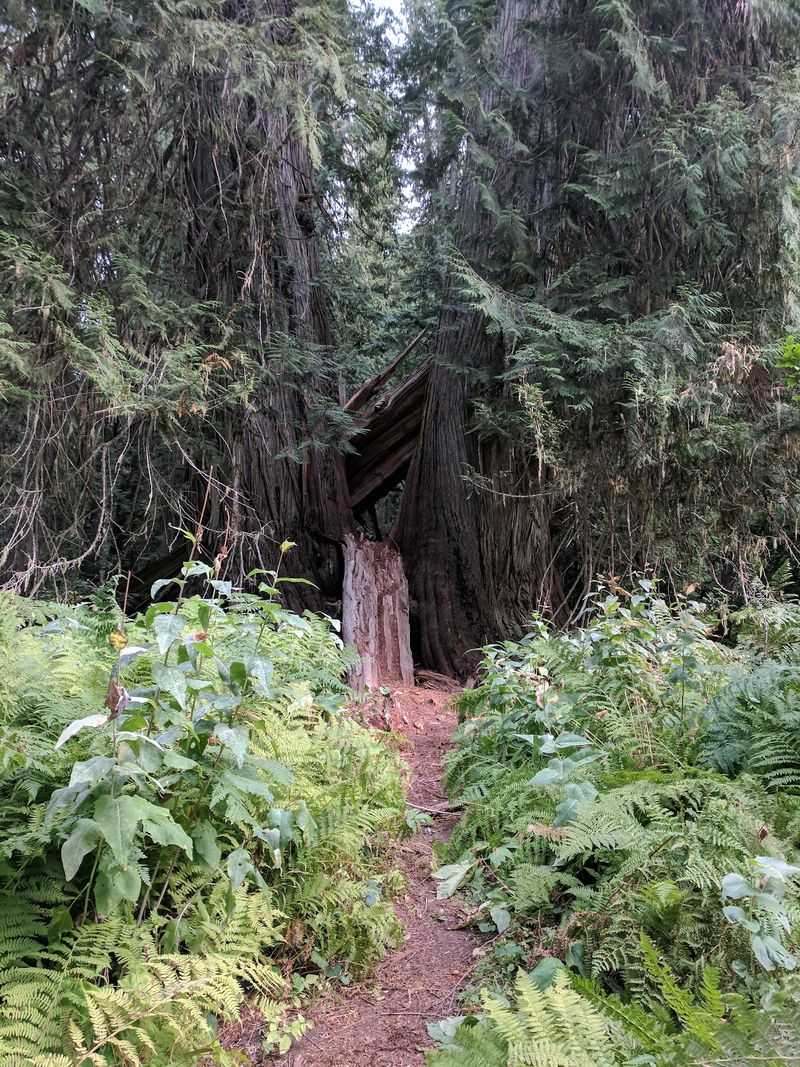
Everything here seems to have been supersized. The ferns crowd right up to the edges of the trail, thick and green, as if the whole forest floor got the memo about growing big.
It’s easy to feel like you’ve wandered onto a prehistoric movie set. Keep an eye out, just in case a dinosaur missed its cue.
The lush landscape comes from the shaded, damp conditions these cedars love. Moisture lingers under the canopy, and the understory soaks it up happily.
Western red cedar also carries a famously clean, woodsy scent. Walking among dozens of these trees means that fragrance is part of the experience, no candle required.
Light behaves differently under trees this tall. It filters down in patches, so the greens shift from bright to deep as you move along the loop.
I think this is where the grove quietly wins people over. The giant cedar gets the headlines, but the whole green, layered setting is what makes the walk feel like another world tucked away in Idaho.
Slow down near the ferns. Some of the best moments happen when you stop staring up and start looking around.
Huckleberry Bushes Hiding In Plain Sight
Idahoans take huckleberries personally. So it’s worth knowing that the bushes grow all over this grove, scattered among the ferns and cedars.
Timing is everything, of course. Show up too early in summer and you’ll be admiring green little promises instead of purple treasure.
Huckleberries in north Idaho typically ripen in mid to late summer, depending on elevation and the year’s weather. A visit during that window adds a sweet bonus to an already memorable walk.
Stick to picking a small handful for snacking unless you know the current forest rules. Be sure you can identify the berries confidently before tasting anything wild.
Even unripe, the bushes are part of what makes the understory feel so full. They fill the gaps between ferns and add another texture to the green layers.
Here’s a fun combination for a summer day. Walk among trees that predate Idaho by centuries, then spot the state’s favorite berry growing right at their feet.
That feels about as Idaho as an afternoon can get. All that’s missing is a huckleberry shake on the drive home.
Strollers, Grandparents, And Curious Kids All Welcome
Plenty of old-growth forests make you earn the view with miles of climbing. This one rolls out a paved path and says come as you are.
That makes it a rare find for mixed-age groups. Toddlers, teens, and grandparents can all reach the giant cedar together.
Strollers handle the pavement well, and so do visitors who use mobility aids. The short loop keeps energy levels manageable for little legs and tired knees alike.
Kids tend to love the sheer scale of everything. Trees that look like they belong in a fairy tale make an easy sell for young explorers who usually grumble about hikes.
Older visitors will appreciate the easy grade and the chance to pause often. Benches are not something to count on, so plan your rest stops at the deck and along the loop.
The remote location can also mean quiet. On some days, a family may have the whole grove to themselves, which feels like a private tour.
It’s a low-cost outing that delivers a big story. Few Idaho day trips pack this much wonder into such an easy walk.
Follow The Brown Signs, Not Your Phone
Your GPS means well. Out here, though, it can steer you up a steep, rutted hill that no reasonable car wants to climb.
The smarter move is simple. Once you start spotting signs for the Giant Cedar, follow them and ignore the app’s opinions.
Giant Cedar Grove Trailhead is listed at Elk River, ID 83827, but the grove sits well outside town. Expect roughly a 45-minute drive from Elk River on gravel forest roads.
Those roads can be narrow, bumpy, and potholed. A vehicle with higher clearance makes the trip more comfortable, especially after wet weather.
Some drivers find the road perfectly manageable, while others call it rustic. Conditions change with the seasons, so go slow and give yourself extra time.
Fill your gas tank before leaving town and download offline maps as a backup. Cell coverage in this corner of Idaho can be unreliable.
Think of the drive as part of the adventure rather than a chore. Every rattle in the dashboard brings you one bump closer to a tree older than most of recorded history in the region.
Timing, Trail Conditions, And A Bonus Grove Nearby
Forests change, sometimes overnight. Storms can bring down trees across the trails, and sections of the loop have closed in recent seasons because of downed timber.
The giant cedar itself has stayed reachable even when the full loop wasn’t. Still, it’s smart to check conditions with the Nez Perce-Clearwater National Forests before driving out.
Snow is another factor in this part of Idaho. Gravel forest roads around Elk River can become difficult or impassable in winter, so summer and early fall are the easier windows.
Wet spring weather may also leave the road rough. Calling ahead or checking the forest’s updates saves you from a long drive that ends in a turnaround.
While you’re out here, consider adding Perkins Cedar Grove to the day. It’s another short, easy walk lined with big trees in the same general area.
Pairing the two turns a single stop into a proper cedar tour. You’ll head home with a camera roll full of trunks and a new appreciation for patience.
Pack snacks and water for both stops. Services are scarce once you leave town.
Worth Every Rattle On That Gravel Road
Measured in walking distance, this outing barely counts as exercise. Measured in wonder, it might be one of the biggest payoffs in all of Idaho.
That gap is exactly what makes Giant Cedar Grove Trailhead so easy to recommend. You get ancient trees without needing a backpack, a permit for the backcountry, or legs of steel.
Yes, the drive takes patience. The road can be rough, the signs matter more than your phone, and conditions are worth checking first.
Once you’re on that paved loop, though, the effort fades fast. Ferns, huckleberries, and towering trunks take over, and the big cedar on its deck steals the show.
Some visitors might see it once and feel satisfied. Others will want to return each summer, maybe with grandkids who have never stood beside something 3,000 years in the making.
I like that a place this old still feels so welcoming. It asks only that you slow down, look up, and leave it just as you found it.
Pack water, bring a friend for scale, and point the car toward Elk River. The cedars have waited centuries already.