Seward’s Rivoli Theater Keeps A Historic Small-Town Movie House Running In Nebraska
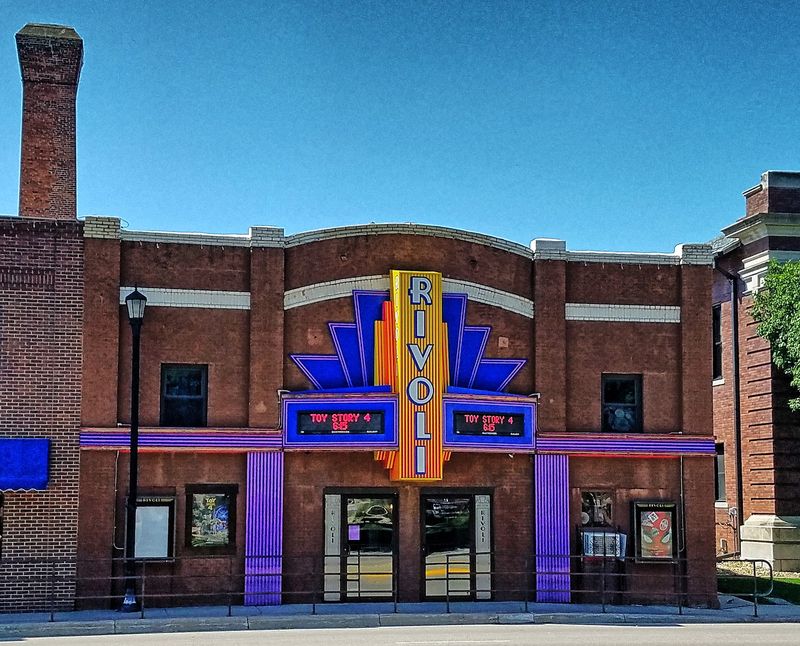
I only meant to grab a quick snack on a slow drive through Nebraska, but a glowing marquee on a brick main street changed my plans. Inside, the smell of fresh popcorn hit first, then a set of old painted murals caught my eye.
It turned out to be a movie house that has been showing films for more than a hundred years. Some places just pull you in, and this one held on until the credits rolled.
A Century-Old Movie House on Main Street
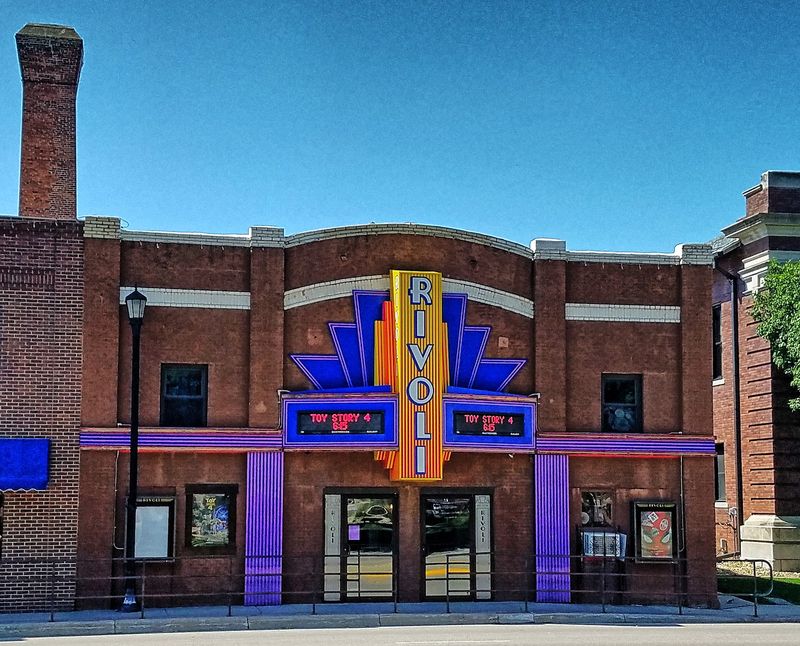
Picture a brick downtown block in Seward, about a short drive west of Lincoln, with a marquee announcing the latest releases. That glowing sign belongs to the Rivoli Theater at 533 Main Street, a cinema that has been running continuously since May 3, 1920.
Plenty of small towns in Nebraska once had a theater like it. Most of those buildings now sit empty, became shops, or vanished altogether.
The Rivoli kept its doors open through silent films, the arrival of sound, television, home video, and streaming, and it still shows first-run movies today.
What makes it special is how ordinary it feels in the best way. Families stroll in for a weekend feature, kids line up at the concession stand, and the staff greets people by name.
It is a working movie house, not a museum, even though its walls hold plenty of history.
From the street, the building looks modest. Step inside and it opens up, with a big original auditorium, a newer second screen, and details from several eras layered together.
The rest of this story follows how one family and one town kept the lights on for more than a century.
Silent Films, Vaudeville, and the Henry T. Hayes Era
Opening night in 1920 sounded nothing like a modern movie. Henry T.
Hayes built the Rivoli as a 425-seat venue, and the films on its screen were silent, with a live orchestra supplying the music from a pit below the stage.
Movies were only part of the program. The early Rivoli also hosted Broadway productions and vaudeville acts, which meant a night out in Seward might include singers, comedians, or traveling performers alongside a feature.
For a farming town in the 1920s, that was a direct line to big-city entertainment without a long train ride.
Then came the talkies. In June 1929, the theater began showing films with sound, joining a nationwide shift that ended the silent era almost overnight.
Many small theaters could not afford the new equipment and closed their doors.
The Rivoli adapted instead, and that habit of changing with the times became its survival strategy. Every major update since then, from screen size to digital projection, follows the same pattern Hayes started: keep the building, update the experience, and give Seward a reason to keep coming downtown on a Friday night.
The 1934 Remodel That Changed Everything
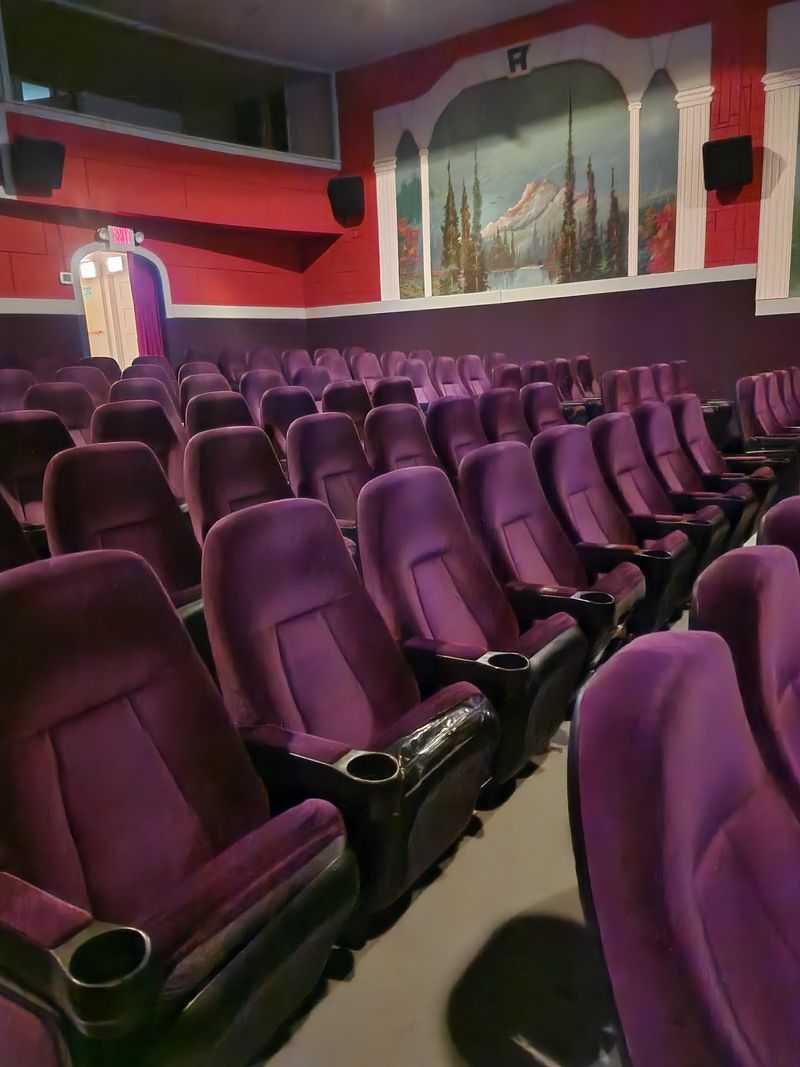
Summer heat in Nebraska can turn any crowded room into an oven. That made the 1934 remodel at the Rivoli a big deal, because it brought air conditioning to the auditorium during a decade when cool indoor air was a genuine luxury.
The upgrade went beyond comfort. Improved acoustics helped the still-new sound films come through clearly, so dialogue no longer bounced around the room.
The interior was refreshed to match the way people were now watching movies, with talking pictures firmly in charge.
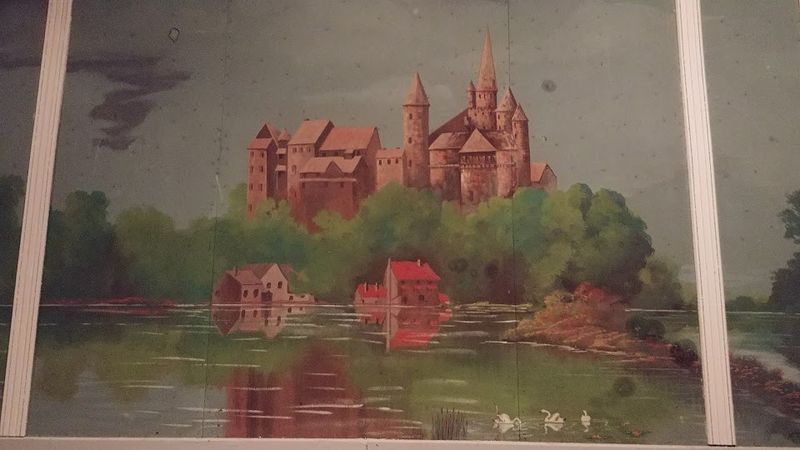
That same project also commissioned full-size murals for the auditorium walls, artwork that remains in place nearly a century later. More on those in a moment, since they deserve their own spotlight.
Timing matters here. The remodel happened in the middle of the Great Depression, when money was tight across rural Nebraska and many businesses were cutting back rather than investing.
Choosing to improve the theater instead of letting it fade sent a clear message that the Rivoli planned to stay. The cool air, better sound, and painted walls gave Seward residents an affordable escape during hard years, and the building has kept that role ever since.
Murals From the Works Progress Administration
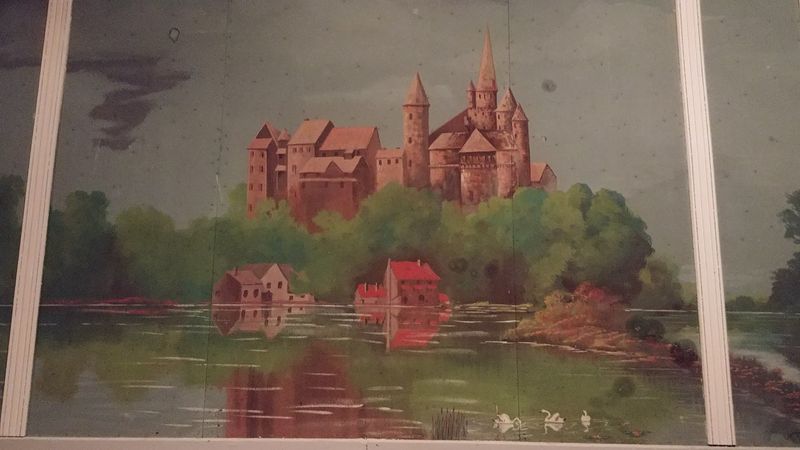
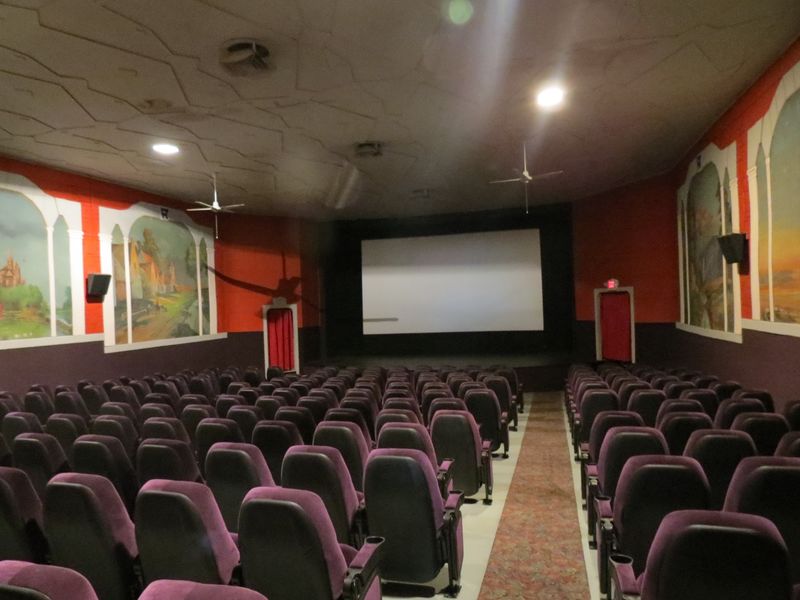
Look up before the lights dim. Along the auditorium walls stretch full-size murals painted in the 1930s as part of a Works Progress Administration project, the federal program that put artists and workers on the job during the Depression.
WPA art turned up in post offices, schools, and courthouses across the country, but finding it inside a still-operating small-town cinema is unusual. These paintings have watched over audiences for generations, through everything from black-and-white classics to modern blockbusters.
Most people walking in for a superhero movie probably do not realize they are sitting beneath a piece of New Deal history. That is part of the fun.
The murals are there for anyone with a ticket, no museum admission required.
Arriving a few minutes early gives you time to take them in while the house lights are still up. Notice how they frame the room and soften its scale, making a large space feel warmer.
The theater has gone through several changes since the 1930s, including a bigger screen and new seating, yet the murals stayed put. They are the clearest visual link between the Rivoli of today and the one Seward knew during the Depression.
Popcorn From a 1950s Popper
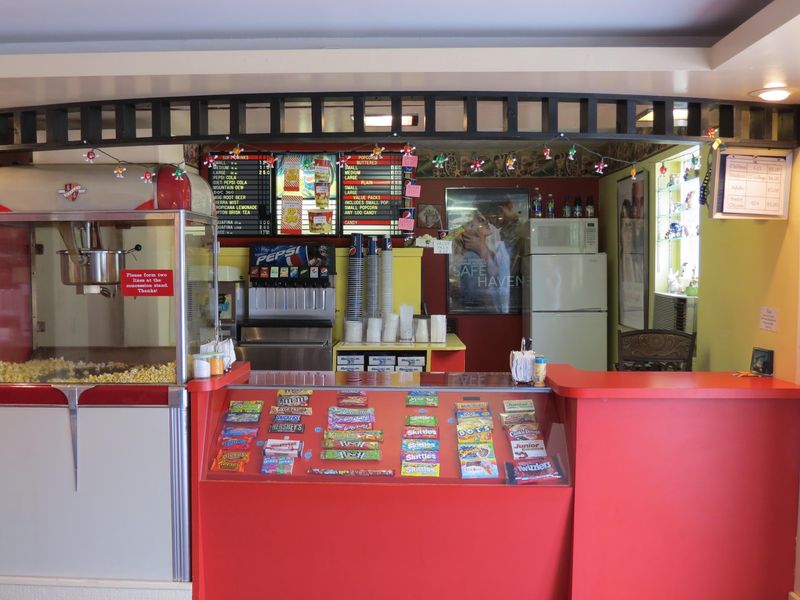
Something about the smell of popcorn sets the mood before you even reach your seat. At the Rivoli, that buttery aroma comes from a popcorn popper dating to the 1950s, and it is still working the concession line today.
The concessions area itself was a later addition, part of a series of changes that also removed the old orchestra pit and enlarged the screen. Those updates reflected how moviegoing had shifted by mid-century.
Live music was out, snacks were in, and audiences wanted a bigger picture.
Keeping a machine that old in service takes care and a certain stubborn affection. Newer equipment would be easier, but the vintage popper has become part of the theater’s personality, a small, everyday piece of history you can hold in a paper bag.
Pricing is the other half of the story. Owner Julie Wisehart focuses on keeping both tickets and concessions affordable, so grabbing popcorn and a drink does not feel like a splurge.
A family can stock up for the show without wincing at the total. Pair that with a popper that has been running for decades, and the snack counter becomes one of the most memorable spots in the building.
The Wisehart Family’s Long Run
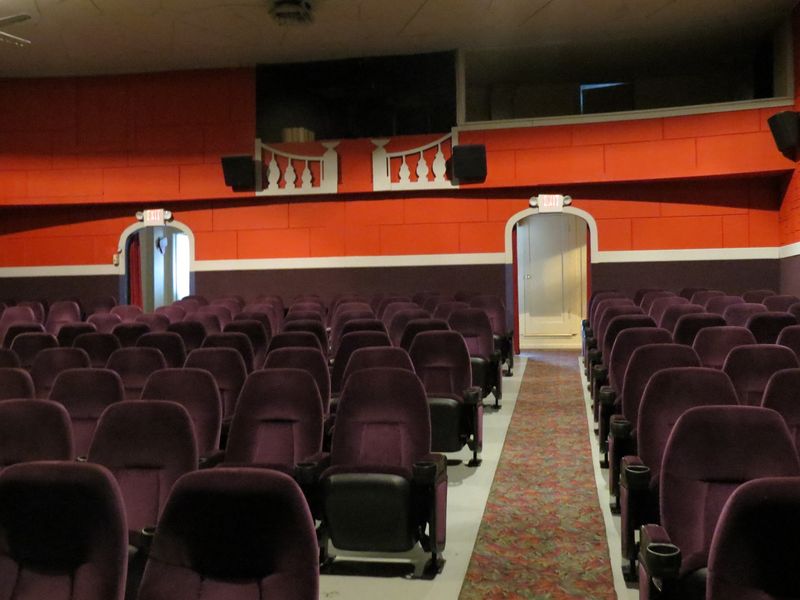
March 1979 marks the start of a new chapter. That is when the Wisehart family took over ownership and operation of the Rivoli, and they have been running it ever since, now well over four decades.
Family ownership shapes nearly everything about the place. Decisions about pricing, programming, and upgrades are made by people who live in the community, not a corporate office in another state.
Julie Wisehart has kept affordability at the center of the business, which is why a night at the movies here stays within reach for families on a budget.
The staff is quick to answer questions, and the theater’s Facebook page has even run polls letting moviegoers weigh in on which films to bring in. That kind of back-and-forth is rare for a cinema of any size.
Small touches add up. The lobby gets decorated, kids celebrating a first movie sometimes get a photo taken, and the team has hosted birthday parties for local families.
More than one generation has grown up with the Rivoli, with parents who went as kids now bringing their own children. That continuity is exactly what a family-run theater can offer.
Two Screens Under One Historic Roof
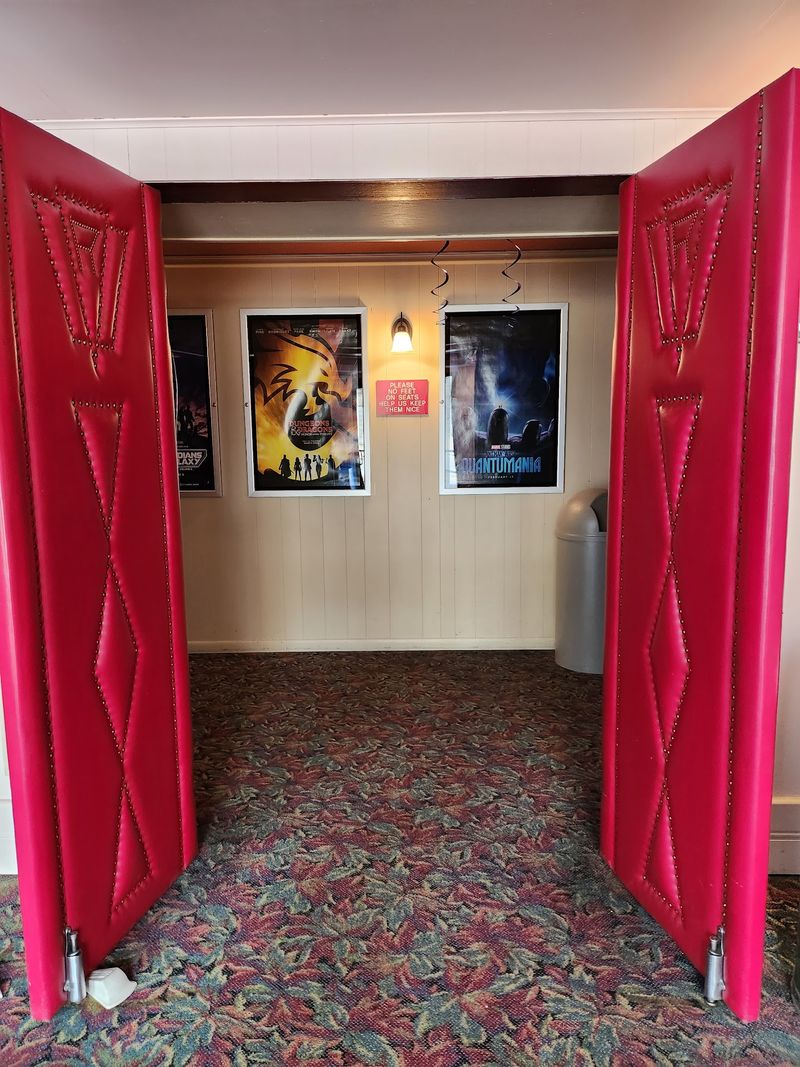
One screen can only show one movie, which is a tough limit in a town that wants options. The Rivoli first addressed that by twinning in 1979, the same year the Wisehart family arrived.
A bigger move came in 2013. The space that once housed the theater’s video rental area was converted into a second screen, expanding the lineup and giving moviegoers more choices on any given night.
For anyone who grew up renting tapes there, the change was a little bittersweet, though a small Video Nook still survives.
Today the setup works like this: the giant original auditorium, with its murals and big screen, handles the main draw, while the smaller add-on room offers a cozier viewing space. The second room has an intimate feel, and the sound and picture hold up well.
Accessibility got attention too. The restrooms near screen two are handicap accessible, and there are no stairs to enter the theater.
Parking is on the downtown streets, so expect a short walk to the door. Having two screens also means the Rivoli can keep a family film and a newer release running at the same time.
Modern Sound and Comfortable Seats
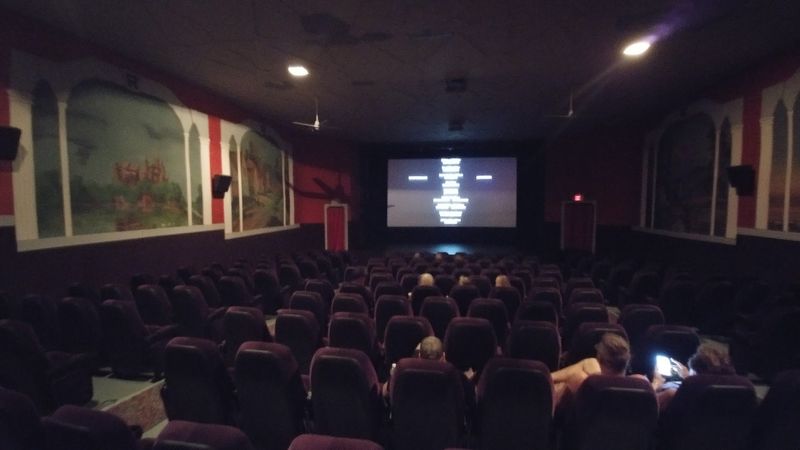
Old building, new tech. Behind the vintage murals and the 1950s popper, the Rivoli runs on digital projection and high-definition surround sound, the same core technology found in big multiplexes.
That combination matters for anyone who assumes a historic theater means fuzzy pictures or tinny audio. First-run movies play here with crisp images and full sound, so you are not trading quality for nostalgia.
The theater has also hosted midnight releases for major films, giving Seward the same opening-night buzz found in larger cities.
Seating has been updated for comfort as well. The chairs are padded and easy to settle into for a long feature, which makes a two-and-a-half-hour epic far more pleasant.
Fancy extras like reclining pods or dine-in service are not part of the package, and that keeps things simple. You get a solid screen, strong sound, a comfortable seat, and a fair price.
For many families, that is exactly the right balance. It also proves a point the Wisehart family has made for decades: a small-town theater can keep pace with modern moviegoing without tearing out what makes the building special in the first place.
Home Base for Nebraska’s Flatwater Film Festival
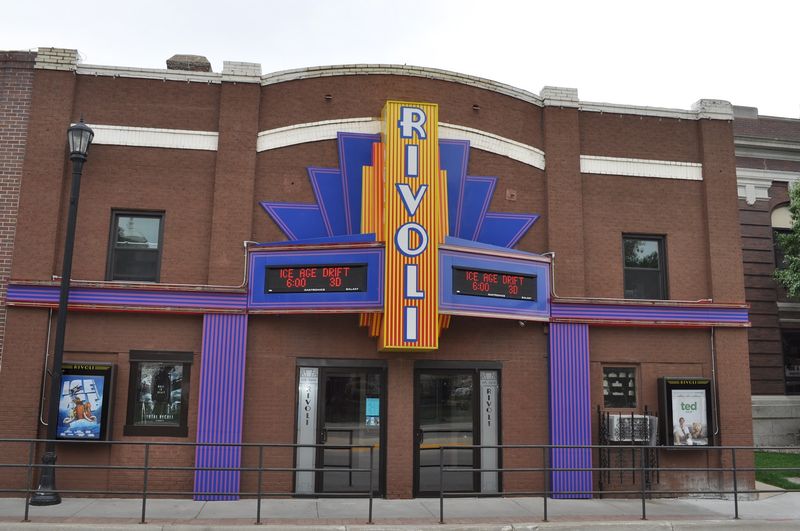
Ever wondered where Nebraska filmmakers get to see their work on a real big screen? Each year, the Rivoli hosts the Flatwater Film Festival, an event devoted to celebrating and showcasing films made by people from the state.
The name itself is a nod to Nebraska identity. The state’s name comes from an Indigenous word often translated as flat water, a reference to the Platte River, so the festival wears its home pride right on the marquee.
Hosting the festival turns the Rivoli into more than a neighborhood cinema. For those days, it becomes a gathering place for storytellers, students, and film fans from across Nebraska, all watching homegrown work in a century-old room painted with Depression-era murals.
It is hard to imagine a more fitting setting.
Festival programs tend to include short films, documentaries, and features you are unlikely to catch anywhere else. Watching a story shot in familiar Nebraska landscapes, while sitting in a historic small-town theater, adds a layer of connection you cannot get from streaming at home.
Checking the festival’s schedule ahead of time is the best way to plan a trip around it.
A Community Gathering Spot for All Ages
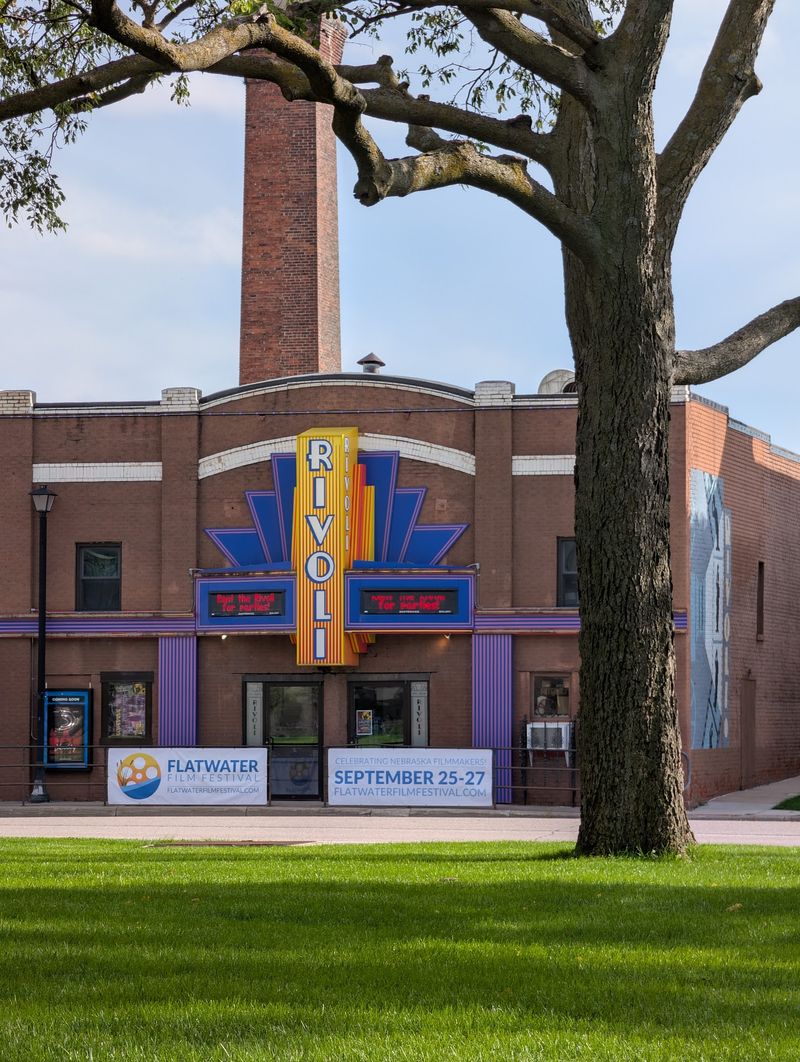
Fourth of July in Seward comes with fireworks, parades, and, at the Rivoli, free movies for the community. Few gestures say more about how a theater sees its role in town.
The atmosphere leans family-first. Kids can catch first-run films without parents worrying about the bill, retirees can enjoy an easy afternoon matinee, and couples can plan an affordable date night.
The building is cozy enough to feel personal but large enough that it never seems cramped.
Birthday parties are another option. The theater has worked with families to host celebrations, giving kids a party that feels a bit more special than the usual pizza and cake.
Jobs matter here too. In a small town where options for teenagers can be limited, the Rivoli gives young people work behind the counter and in the booth, a first job where the main task is helping neighbors have a good time.
The staff has even screened a film for a single couple who turned out to be the only people in the audience. That commitment to showing up for every ticket holder sums up the hometown spirit of the place better than any slogan could.
Planning Your Visit to Seward
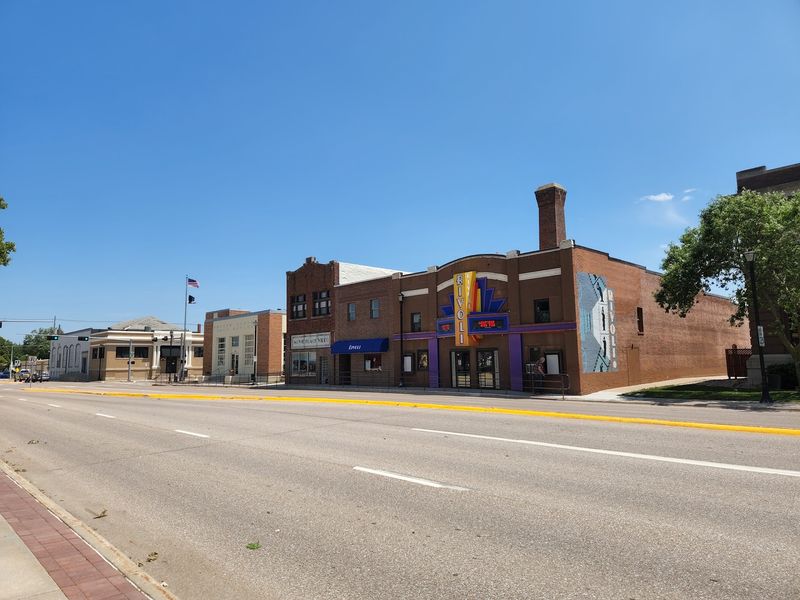
Seward sits roughly twenty minutes from north Lincoln, which makes the Rivoli an easy swap for a crowded city multiplex. Head to 533 Main Street in the heart of downtown, and plan on parking along the street nearby.
Showtimes change with each new release, so the theater’s website and Facebook page are the best places to check what is playing and when. The Rivoli is typically closed on Mondays, so aim for another night of the week.
Budget is where this trip shines. Tickets and concessions are priced well below what many larger theaters charge, and a person can get in the door with a treat for under twenty dollars.
That makes it realistic to bring the whole family.
Arrive a little early. You will want time to grab popcorn from the vintage popper, check out the lobby decorations, and study the WPA murals before the lights go down.
Entry is step-free, and accessible restrooms are located near screen two.
Make an evening of it by strolling the downtown blocks before the show. Seward’s historic main street pairs naturally with a movie, turning a simple film into a relaxed small-town outing.
Why the Rivoli Still Matters
More than a hundred years of movies have flickered across the screen on Main Street. Silent films with live orchestras, the first talkies, Depression-era escapes, midnight blockbusters, and Nebraska-made indie films have all played inside the same walls.
Survival like that does not happen by accident. It took a builder willing to invest in 1920, a town that kept buying tickets through hard decades, and a family that has spent more than forty years balancing modern upgrades with respect for the building’s past.
So what do you get today? A first-run movie with digital sound, popcorn from a 1950s machine, murals from the WPA era, and prices that let a family go out without stretching the budget.
That mix is rare anywhere, let alone in a Nebraska town of this size.
For anyone who grew up near Seward, the Rivoli is probably tied to a first movie, a first date, or a summer job. For everyone else, it offers a chance to see what a small-town theater looks like when it is cared for.
Catch a show, look up at the walls, and enjoy being part of its long-running story.