This Kentucky Church Holds A Rare Treasure That Few American Churches Have
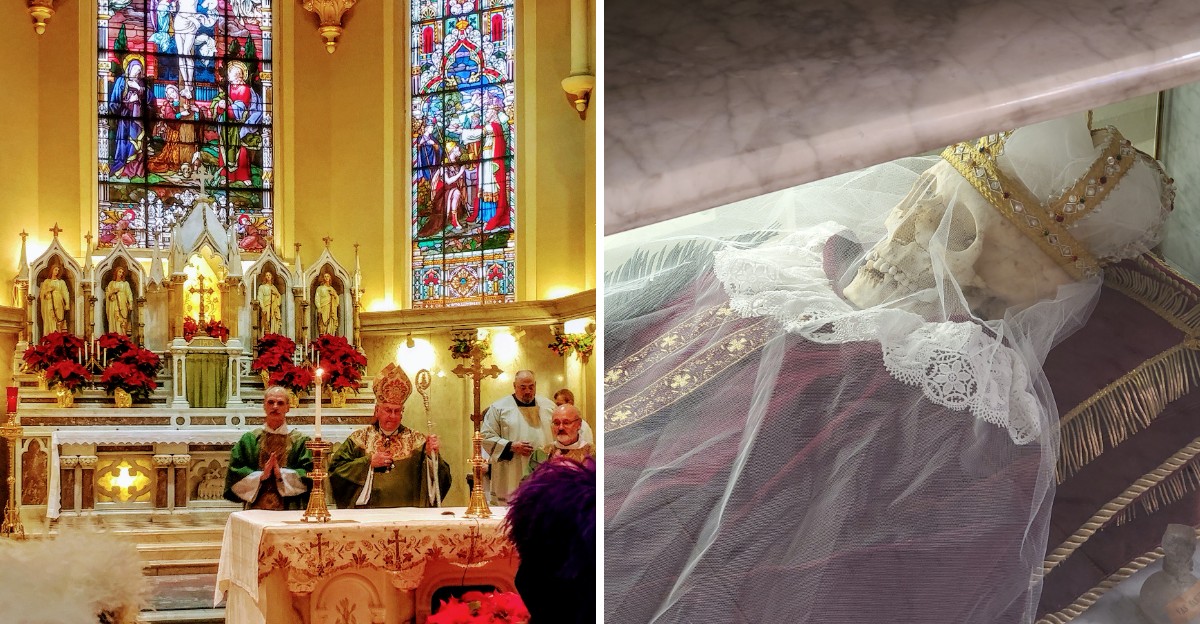
Most church treasures are things like stained glass, gold candlesticks, or a very old organ. This Kentucky church holds something far more surprising.
Two early Christian saints from ancient Rome have rested inside its walls since 1902. Yes, you read that correctly, and no, this is not a museum.
Their remains lie in glass reliquaries beneath the side altars, dressed in handmade robes. Their transfer to Louisville was made with the permission of Pope Leo XIII, which makes their journey to Kentucky even more remarkable.
The church was founded in 1853 to serve German immigrant families. Its soaring interior makes you want to whisper and look up.
Then you notice the saints, and suddenly you have a hundred questions. Researchers from the University of Louisville studied the bones in 2012.
One skeleton turned out to be almost complete after roughly seventeen centuries. Few American churches can claim anything like it.
Curious yet? Let’s take a closer look.
A Church With Deep German Roots
Old buildings love to keep secrets, and this one keeps a whopper.
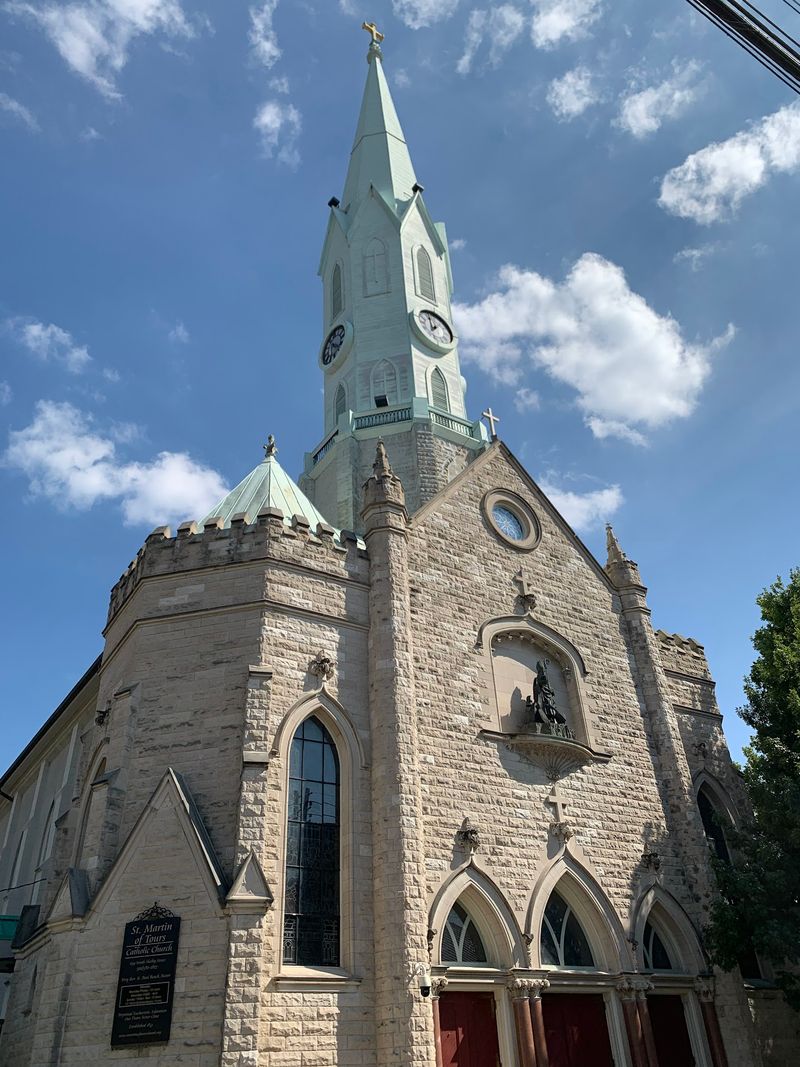
The parish began in 1853. German immigrants built it to worship in a way that felt like home.
That makes St. Martin of Tours Catholic Church one of the oldest parishes in the Archdiocese of Louisville. You can feel that age the moment you see the tall brick front.
Picture families arriving from Germany with trunks, accents, and big hopes. They wanted a place to pray, sing, and raise their kids in faith.
The church they built still stands proudly in the heart of the city. Many visitors note how much of the original building remains untouched.
That is rare for a church this old. Plenty of historic sanctuaries get modern makeovers that erase their character.
Here, the past was cared for instead of replaced. The woodwork, the arches, and the details all tell the same long story.
Before you even reach the famous treasure inside, the building itself deserves your attention. Take a minute on the sidewalk to look up.
Notice the craftsmanship of people who had little money but plenty of devotion. Their work is the first chapter of a remarkable tale.
And trust this: the next chapter gets even stranger and more wonderful.
St. Martin of Tours Catholic Church sits at 639 S Shelby St, Louisville, Kentucky.
Two Saints Who Never Left The Building
Most churches have statues of saints. This church has the actual saints.
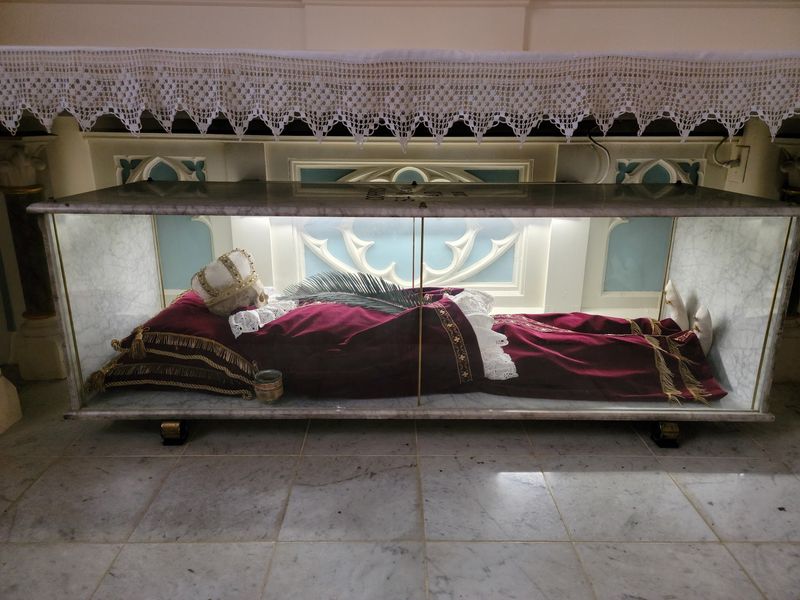
Inside rest the full skeletal remains of two early Christian martyrs. Their names are Saint Magnus and Saint Bonosa.
Both lived in the third century, back in the days of the Roman Empire. That puts them roughly 1,700 years in the past.
Relics are usually tiny pieces, like a fragment of bone sealed inside a small case. Finding complete remains in an American church is very unusual.
That is what makes this spot such a rare find. You do not need to fly to Rome to see something this ancient.
You can simply drive to a neighborhood in Kentucky. Few people expect that, which makes the moment even more striking.
Some visitors feel a quiet chill when they first see the saints. Others feel a deep sense of peace and connection.
Either reaction makes sense. You are looking at people who stood firm for their beliefs long ago.
Here is a helpful tip for your visit. Approach the relics slowly and give yourself time to take in the details.
Look at the clothing, the setting, and the care around each display. Every piece was arranged with respect for these two brave believers.
Out Of The Roman Catacombs
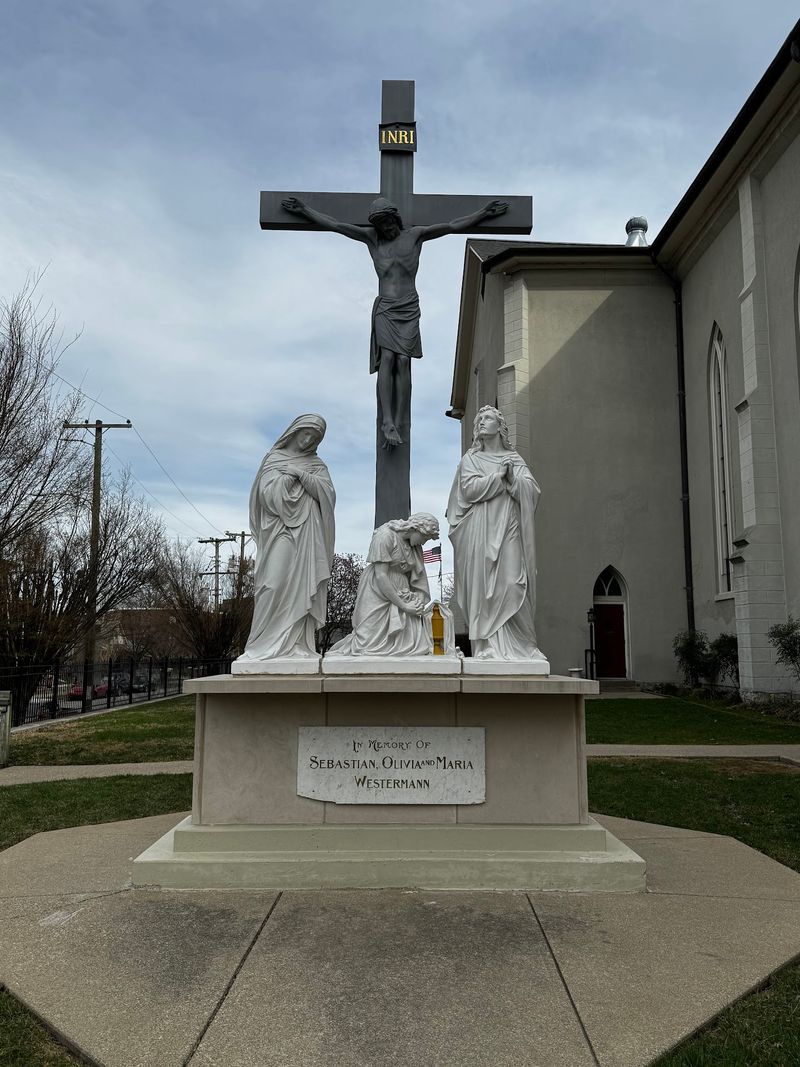
Long before Kentucky, these saints rested underground in Rome. Their first home was the ancient Roman catacombs.
The catacombs are winding tunnels carved beneath the city. Early Christians used them as burial places for their faithful.
Imagine narrow stone passages stretching for miles in near darkness. Shelves cut into the walls held the honored remains of believers.
Magnus and Bonosa stayed there quietly for centuries. Empires rose and fell above them while they rested below the busy streets.
Later, the remains moved to a new home in Italy. They were placed in a Cistercian monastery in the town of Anagni.
Cistercians are monks known for prayer, simple living, and hard work. It was a fitting place for two saints to be honored.
So the journey already covered a lot of ground before America entered the picture. From Roman tunnels to a peaceful monastery, their story kept moving.
Fun fact for your next trivia night: the catacombs were not secret hideouts, as many movies suggest. They were mainly cemeteries.
Knowing this backstory makes your visit richer. When you stand before the reliquaries, you are seeing the end of an incredible road trip.
Well, a very slow road trip. It took well over a thousand years.
A Papal Green Light In 1901
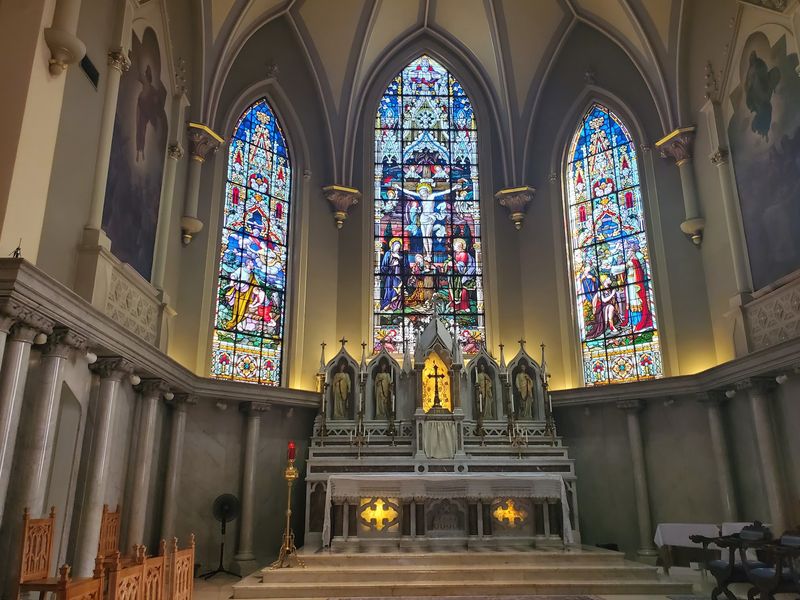
Shipping a saint is not like mailing a birthday card. It took permission from the very top.
In the late 1800s, the Italian government took over the monastery in Anagni. Suddenly, the relics needed a safe new home.
Pope Leo XIII stepped in and approved their transfer. Louisville was chosen as the lucky destination.
Think about how big that decision was. A pope sent two ancient martyrs across the Atlantic to a growing American city.
The remains arrived at the Louisville customs office on December 31, 1901. That was New Year’s Eve, of all days.
You can almost picture the clerks checking the paperwork. Few customs workers have ever processed a delivery quite like that one.
Since then, the saints have stayed put at St. Martin. They have now spent more than a century in Kentucky.
That date adds a fun twist to the story. While others got ready to welcome a new year, the parish welcomed two saints.
If you love history, this chapter is worth remembering. It shows how world events far away shaped a single church in Louisville.
It also shows how much the parish was trusted. Not every church gets handed a treasure like this.
Meet A Soldier And A Faithful Young Woman
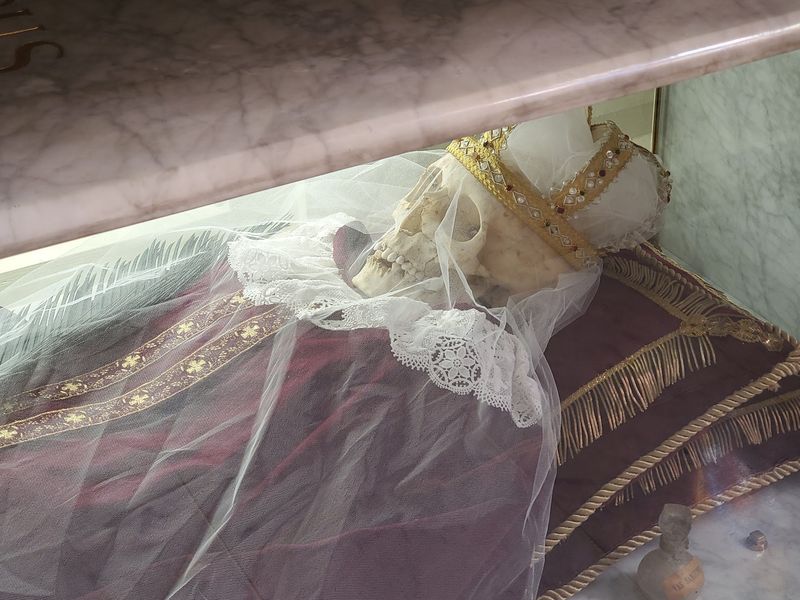
Every relic has a person behind it. Here, you get two very different people with one shared courage.
Saint Magnus was a Roman centurion. That means he led soldiers in the mighty Roman army.
Centurions were tough, respected, and loyal to Rome. Choosing Christianity put Magnus at odds with the powers he once served.
Saint Bonosa was a Roman virgin who dedicated her life to her faith. She stood just as firm as any soldier.
Both were martyrs, meaning they gave their lives rather than give up their beliefs. Early Christians honored such people as heroes.
You might notice how their stories balance each other. One came from the world of armor and orders, the other from quiet devotion.
Yet both made the same brave choice. That pairing gives the church a powerful message about strength.
Courage does not belong to one type of person. A soldier and a young woman can show equal grit.
Before visiting, read a little about early Roman Christians. It helps you understand what these two faced and why people still remember them.
Then, when you see the reliquaries, you will be greeting old friends. Their names will mean something more than labels on a display.
Glass Cases With A Science Twist
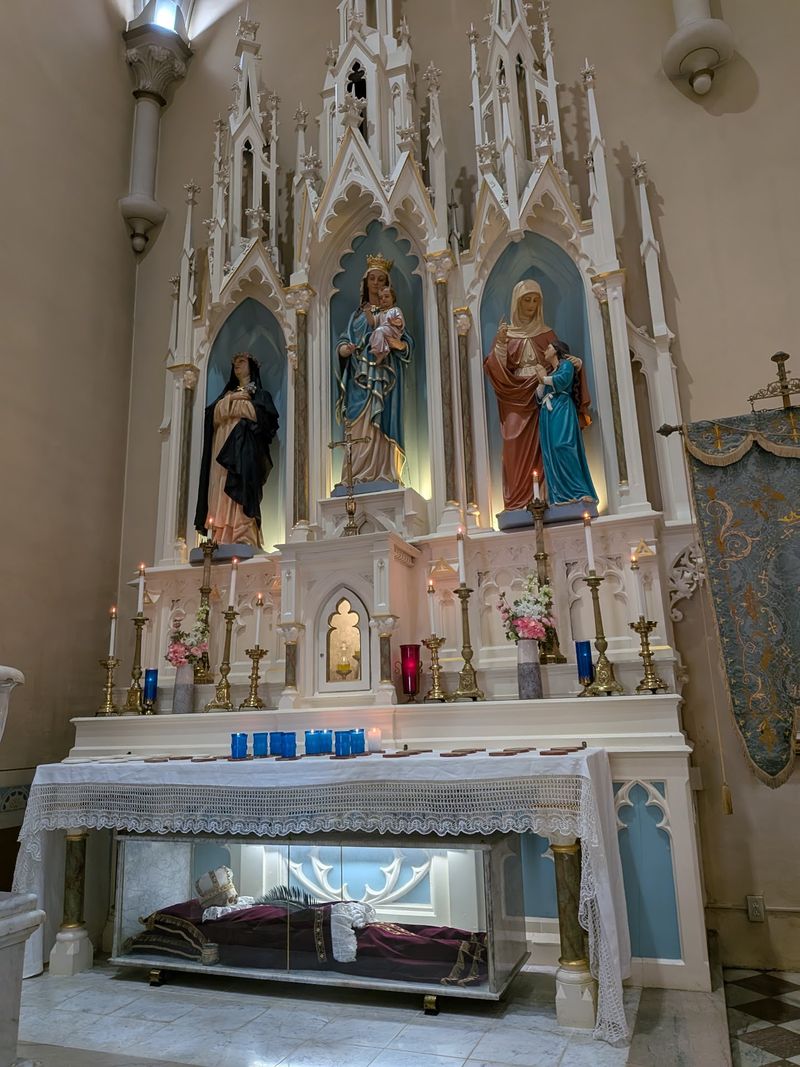
Faith and science shared the spotlight here in 2012. That was the year the reliquaries got a careful refresh.
You can find the saints beneath the north and south transept altars. Each rests in a glass-fronted reliquary so visitors can see inside.
The transepts are the side arms of a cross-shaped church. Look to the left and right of the main aisle to spot them.
During the 2012 restoration, workers cleaned and repaired the cases with great care. The goal was to protect the saints for many more years.
Here is the cool part. Forensic anthropology students from the University of Louisville examined the remains.
Forensic anthropologists study bones to learn about the people they belonged to. For students, this was a once-in-a-lifetime classroom.
Imagine studying a skeleton that is about 1,700 years old. Most textbooks cannot compete with that kind of lesson.
The project showed that science and faith can work side by side. Both groups wanted to honor and understand these two martyrs.
When you visit, stand close and look at the craftsmanship of the cases. Notice the glass, the trim, and the arrangement inside.
All of it reflects modern care for something truly ancient. It is history kept polished and ready for you.
Doors That Never Lock
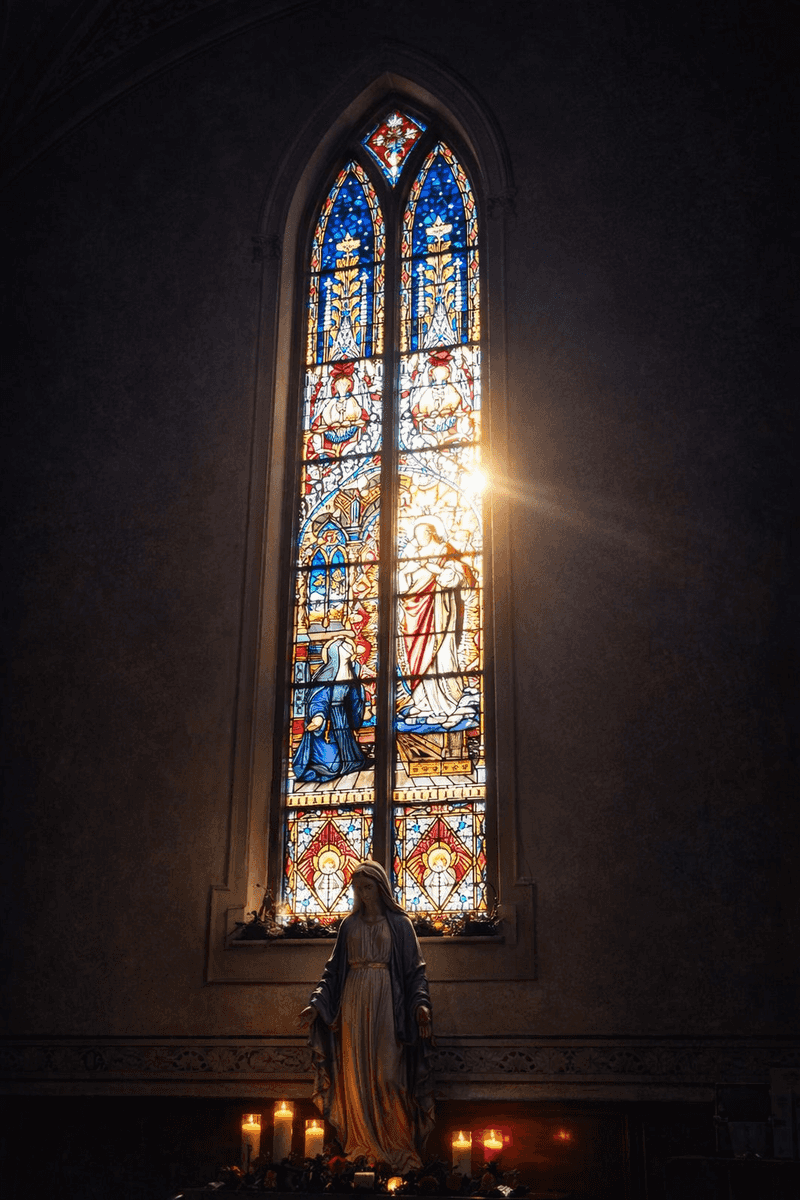
Night owls, this one is for you. The church doors have stayed unlocked since 1996.
You can stop by at any hour for prayer or a quiet visit. Midnight, dawn, or a lunch break all work.
That is a big deal in a world of locked doors and strict schedules. Here, the welcome sign never really turns off.
The church also offers Perpetual Eucharistic Adoration. That means someone is praying before the Eucharist around the clock.
The adoration chapel earns lots of praise from visitors. Many call it one of the most peaceful spaces in the city.
In May 2023, the church was named a diocesan shrine. That honor marks it as a special place of pilgrimage.
Security staff are on hand to help keep the space safe. It is still smart to park in well-lit spots and lock your car at night.
The church also has strong positive ratings, which comes as no surprise. People clearly treasure the calm they find inside.
If you visit late, keep your voice low and your phone silent. Others may be deep in prayer.
Find a pew, breathe slowly, and let the quiet do its work. Few places in any city offer that kind of stillness all night long.
Windows, Pipes, And Plenty To Admire
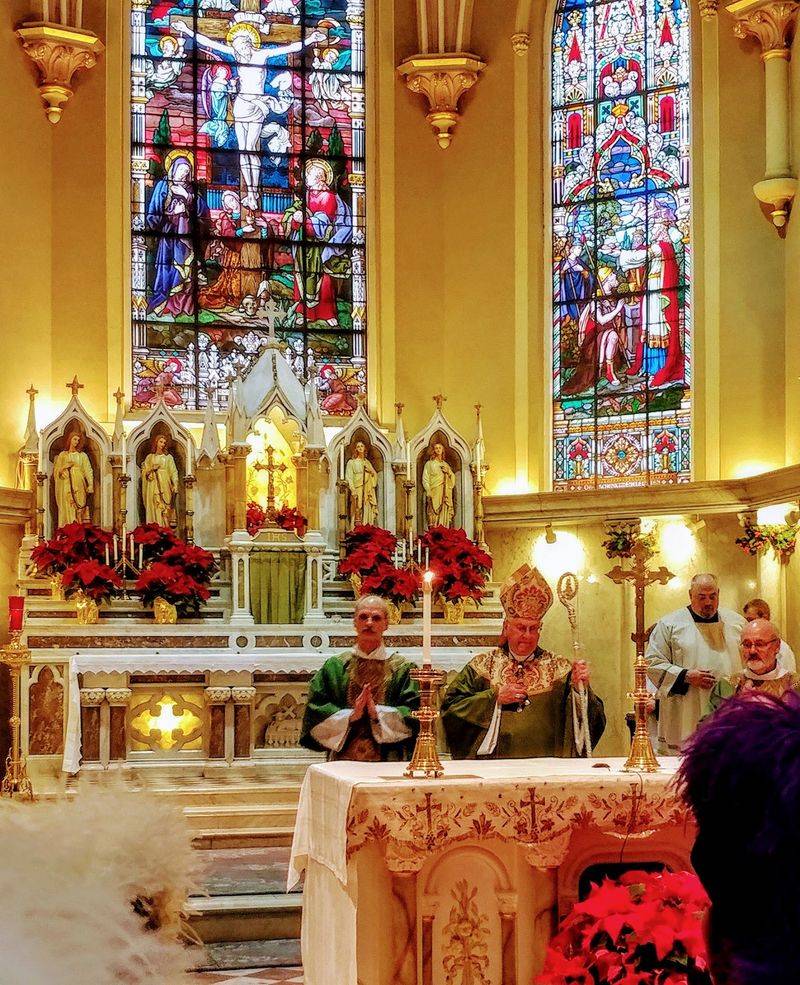
Come for the saints, stay for the light show. The stained glass alone could fill an afternoon.
The windows were crafted in the early 1890s. They came from the Royal Bavarian Art Institute in Germany.
That connection makes sense for a parish founded by German families. Their homeland literally shines through the glass.
On a sunny day, color spills across the pews in rich blues and reds. Bring patience, because the light shifts as the hours pass.
Then there is the pipe organ in the balcony. Visitors often call it incredible, and the sound fills every corner.
Music plays a big role here. The parish offers a choral High Mass and a Traditional Latin Mass on Sundays.
Many guests praise the choir for its beautiful, reverent singing. Hearing it under those windows feels like stepping back a century.
Do not forget the woodwork, murals, and paintings either. Each corner has its own small story waiting for you.
Here is a final tip. Walk the whole church slowly, from the entrance to the altars and back.
Look up, look down, and look sideways. This place rewards curious eyes, and you will want to come back again.