This Kentucky Mosque Built By Bosnian Families Is A Stunning Symbol Of Community
The first prayers happened in 1998, years before this mosque had a building to call its own. A small group of Bosnian families gathered for Ramadan night prayers anyway.
That kind of grit is hard to ignore.
Those families had arrived as refugees in 1994. They came from Bosnia and Herzegovina with very little except their faith, language, and traditions.
It is amazing how they refused to let any of it fade.
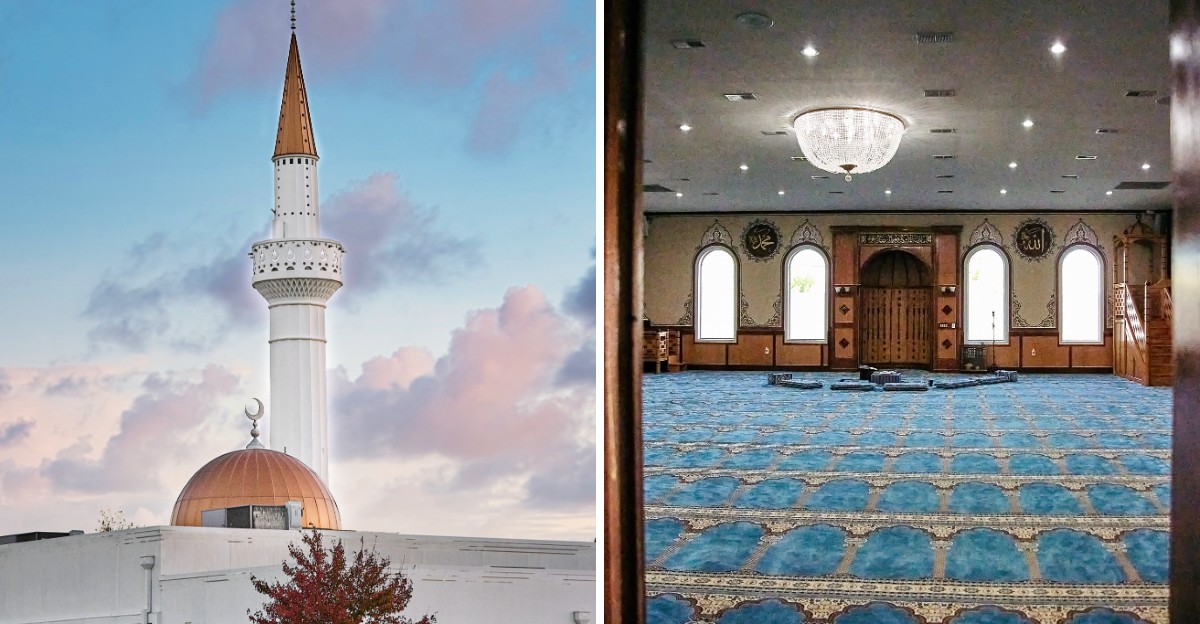
Today their community in this Kentucky city numbers in the thousands. The mosque they built rises with a minaret that announces exactly who they are.
It holds prayer spaces, classrooms, and a cultural events hall too.
I think buildings tell stories better than plaques ever could. This one tells a story of starting over and staying together.
Let’s find out how did a handful of families build something this lasting?
A Journey That Started With A Few Brave Families
Back in 1994, the first Bosnian families stepped into a brand-new life in southern Kentucky. They had left Bosnia and Herzegovina seeking safety and a fresh start.
The Bosnian Islamic Center of Bowling Green grew directly from that moment. Those early families leaned on each other for everything, from rides to work to simple company.
Faith stayed at the center of it all. They wanted to keep their Islamic beliefs strong while settling into an unfamiliar place.
Identity mattered just as much. The families worked hard to preserve their Bosniak heritage, their language, and their customs for their kids.
I can’t imagine the courage that took. Learning a new country while protecting an old culture sounds exhausting, yet they managed both with remarkable teamwork.
Mutual support became their secret weapon. Neighbors helped neighbors, and small gatherings slowly turned into a real community with shared goals.
That spirit still shapes the mosque today. It explains why the place feels like a family project rather than just a building on a map.
Understanding these roots changes how you see the whole center. Every brick here carries a bit of that hopeful 1994 arrival story with it.
Ramadan Nights Came Before The Walls Did
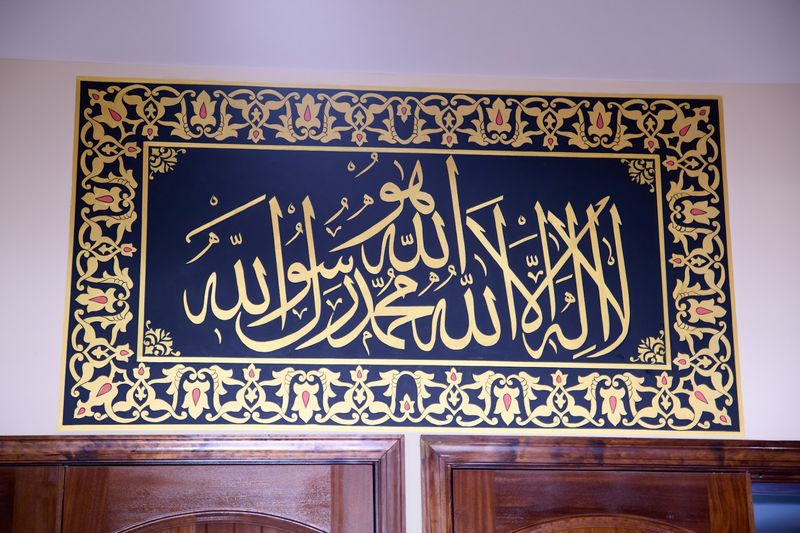
Tarawih prayers, called teravih namaz in Bosnian, are special evening prayers held during Ramadan. They became the first recorded religious activity of Bosniaks in Bowling Green, back in 1998.
That timing tells you a lot. The community prayed together long before it owned a mosque of its own.
Ramadan is a month of fasting from sunrise to sunset. Gathering each night for long prayers takes real dedication, especially after a full workday.
The early worshippers clearly had plenty of it. Their nightly meetings showed that faith could thrive even without fancy surroundings.
Those Ramadan nights planted an important seed. People started seeing themselves as a congregation, not just scattered families who happened to share a background.
Shared worship builds trust quickly. Standing shoulder to shoulder in prayer each evening probably made friendships deeper than any meeting ever could.
The tradition continues today, too. Night prayers during Ramadan remain part of life at the mosque, connecting current members to those first gatherings.
I love that the story starts with people, not property. It’s a good reminder that a community comes first, and the walls simply follow later.
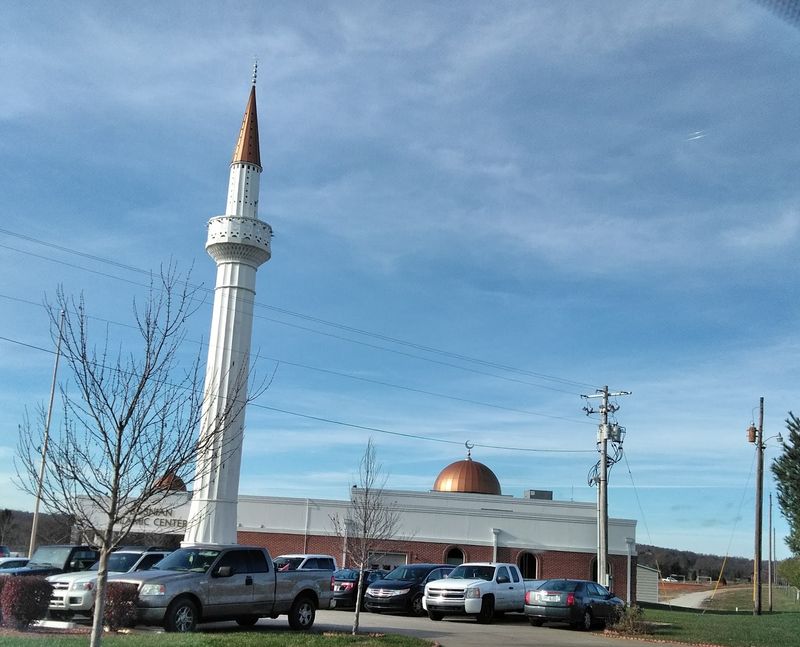
You’ll find it at 396 Blue Level Rd, Bowling Green, Kentucky. The minaret makes it easy to spot.
The Year Everything Became Official
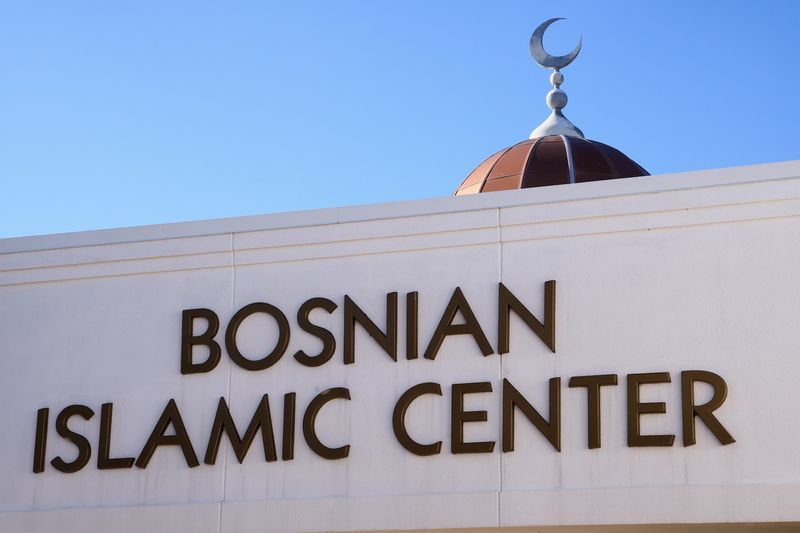
Paperwork rarely sounds exciting, but 2000 was a huge year here. That’s when the Bosnian Islamic Center was formally registered as an organization.
Registration gave the growing community a real structure. It meant leaders, plans, and a clear identity that others could recognize.
Another big change arrived the same year. The center welcomed its first imam, Muaz-ef.
Redžić.
An imam leads prayers and guides the congregation in matters of faith. Having one meant families no longer had to piece religious life together on their own.
That “ef.” in his name stands for efendija. It’s a respectful Bosnian title for religious scholars, and it shows how traditions traveled across the ocean.
Think about what that meant for kids growing up in Kentucky. Suddenly they had a teacher who spoke their language and understood their heritage.
The year 2000 turned hope into a working institution. Prayer schedules, lessons, and community events could now run with steady leadership.
Looking back, it feels like the moment the community put down roots for good. The foundation was ready, even if the actual building was still years away.
A Minaret Now Rises Over Blue Level Road
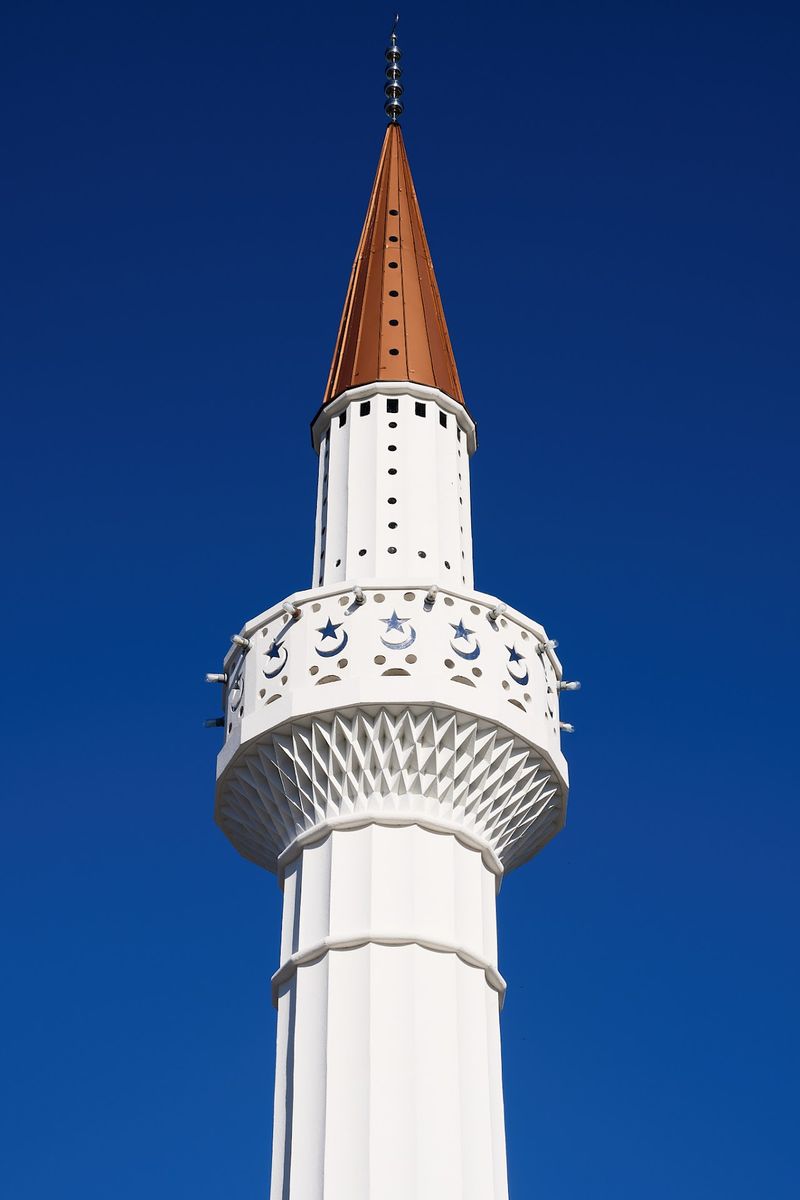
Construction wrapped up in 2011, and the doors officially opened in May 2012. After nearly two decades of patience, the community finally had a home built for its needs.
A minaret is the tall tower traditionally linked to mosques around the world. Here, it serves as a proud signal that this Bosnian community is staying put.
Plenty of people describe the building as beautiful inside and out. It has also earned a solid reputation for being clean and well cared for.
The building holds more than a prayer hall. Spaces for education were included, showing the founders were thinking about future generations from day one.
That planning feels smart. A mosque that teaches kids today keeps the culture alive tomorrow.
Driving past, you might not guess the whole backstory. Yet every part of the structure reflects years of saving, organizing, and believing it could happen.
For a community that began with borrowed spaces, that minaret says plenty. It basically announces, “We made it,” without saying a word.
Inside, Prayer Gets The Spotlight
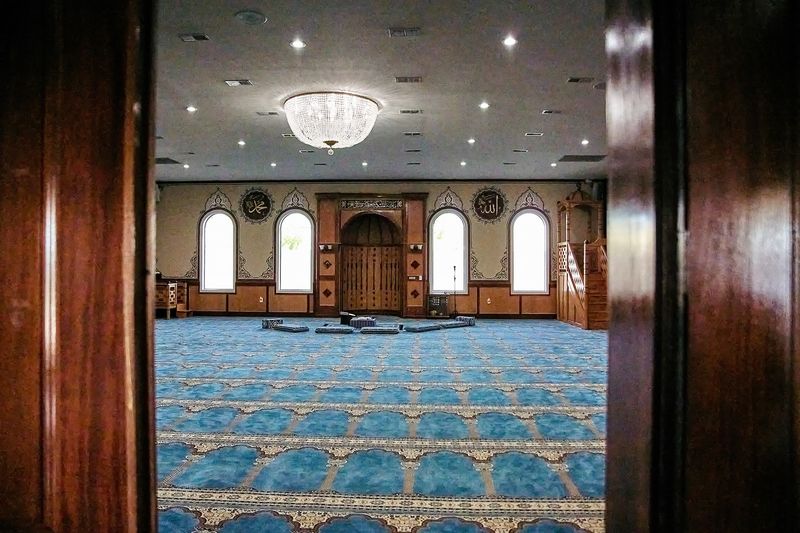
Quiet, open, and focused. The dedicated prayer space inside the Bosnian Islamic Center of Bowling Green keeps worship front and center.
Daily prayers happen here, along with the weekly Friday prayer called Jumah. For traveling Muslims, finding a Jumah spot on the road can be a real relief.
Ramadan brings extra activity. The mosque hosts Tarawih along with qiyam al-layl, which are late-night prayers during the holy month.
First-time visitors should know a few basic customs. Shoes come off before entering prayer areas, and modest clothing is the respectful choice.
Don’t worry if you’re new to all this. The congregation has a reputation for patiently helping guests learn the ropes.
Islamic tradition generally avoids pictures of people and animals in worship spaces. Mosques often use calligraphy and floral patterns instead, which creates a calm, uncluttered feel.
Hours can vary, so checking ahead before visiting is wise. Showing up to a locked door is nobody’s idea of fun.
Whether you come to pray or simply learn, the space invites quiet reflection. It’s a peaceful pause in a busy week.
Weekend School Keeps Bosnian Roots Growing
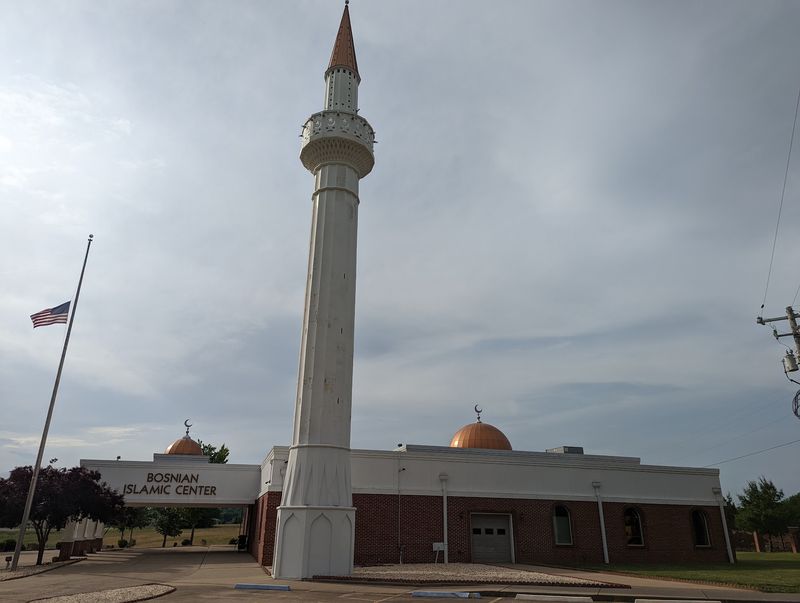
Saturday mornings look different for many Bosnian American kids in Bowling Green. The mosque runs a weekend school that helps young people learn about their faith.
Education sits right in the center’s mission. Leaders want to pass down Islamic values and Bosnian heritage to the next generation.
That goal matters more than you might think. Kids raised in Kentucky can easily drift from a language their grandparents spoke daily.
Weekend lessons create a bridge between those worlds. Children connect with friends who share their background while learning things school doesn’t teach.
Programs for women, called sisters’ programs, add another layer. They give women their own space for learning, support, and friendship.
Intergenerational connection is a big theme here. Grandparents, parents, and kids all have reasons to show up under one roof.
I like how practical this approach is. Culture doesn’t survive on memories alone, so the center actively teaches it week after week.
Parents curious about enrolling should contact the center directly for schedules. Programs can change, and the staff can share the latest details.
It’s homework with a purpose, which might even win over the kids eventually.
Weddings, Zakat, And A Shelf Full Of Books
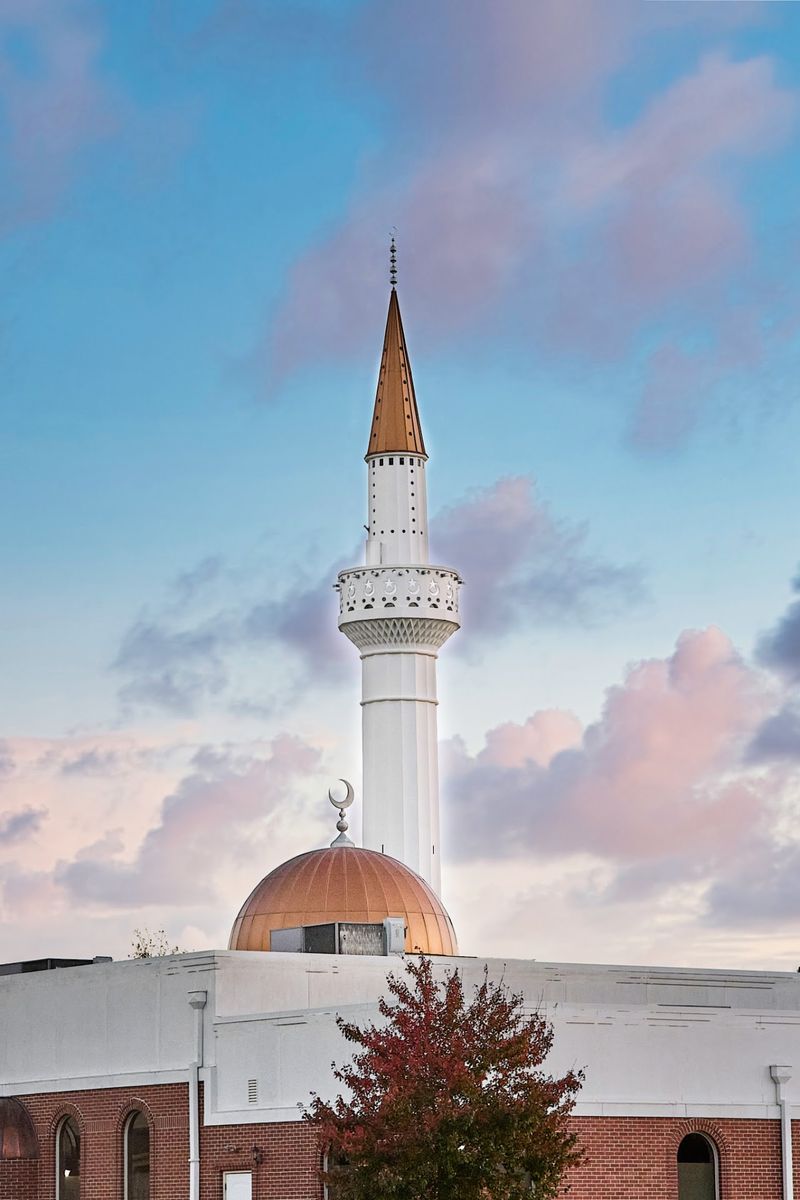
Big life moments happen here too. The center performs Nikah ceremonies, which are Islamic marriage contracts.
Photographers have captured weddings inside, and the building makes a lovely backdrop. Few couples get to say their love story started in such a meaningful place.
Zakat collection is another key service. Zakat is the required charity in Islam, and the center helps members give in an organized way.
Curious about Islam but not sure where to start? The mosque offers Islamic books, including English translations of the Quran.
That’s a thoughtful touch for newcomers. Some first-time guests have even left with their own copy as a gift.
These services show how the mosque supports people through every stage of life. Joyful celebrations and quiet acts of giving both have a home here.
It’s a practical setup. Families don’t need to drive to another city for religious ceremonies or guidance.
For non-Muslim neighbors, the book collection opens a friendly door to understanding. Reading straight from the source beats guessing every time.
Honestly, a free Quran translation might be the best souvenir in all of Warren County.
Need A Spot For A Big Celebration?
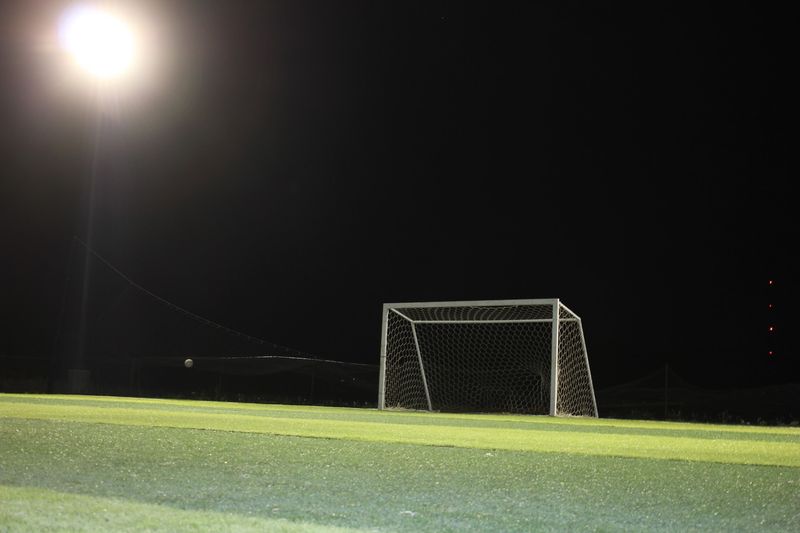
Bosanski kulturni centar za događaje sounds like a mouthful. It simply means the Bosnian cultural center for events, and it’s one of the center’s most useful features.
Members can reserve the space for all kinds of gatherings. Options include hourly bookings, full days, weekends, or even multi-day events.
Flexible scheduling stands out. Groups can set up weekly, bi-weekly, or monthly recurring reservations for regular meetups.
That flexibility makes a real difference. A family party, a club meeting, and a cultural program can all find room on the calendar.
Having a dedicated events space keeps celebrations close to home. Families don’t have to hunt for rental halls across town for every special occasion.
It also strengthens the social side of community life. Shared meals and parties build bonds that prayer alone can’t always create.
The hall reflects the center’s role as more than a house of worship. It’s a gathering place where Bosnian culture gets to shine in everyday moments.
Members interested in booking should reach out to the center for details. Popular dates probably fill up, so planning early never hurts.
Thousands Of Bosniaks Call This City Home
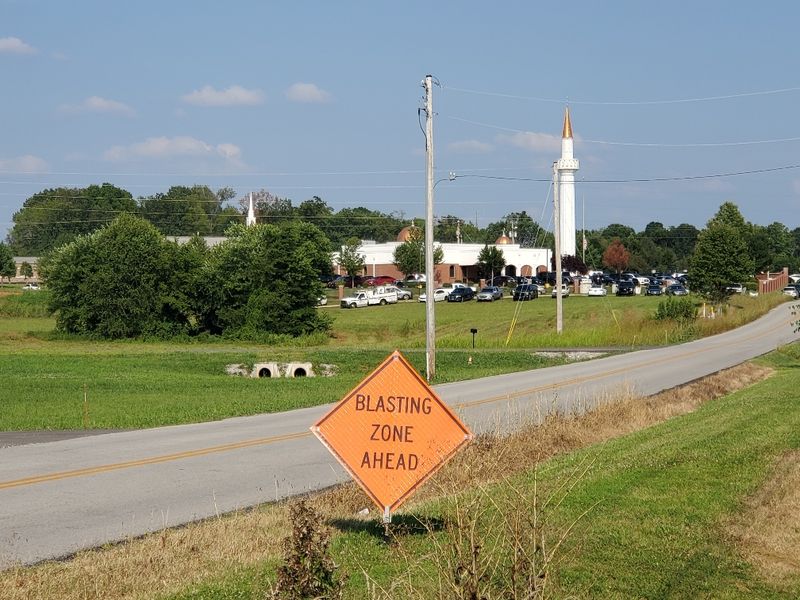
Around 5,000 Bosniaks live in Bowling Green today. That’s a remarkable number for a Kentucky city that welcomed its first Bosnian families only in 1994.
The Bosnian Islamic Center of Bowling Green counts 275 active families in its congregation. Each one adds energy to programs, prayers, and celebrations.
Hospitality seems to be part of the package. Travelers passing through have praised the warm welcome and a friendly imam.
Some guests joke that members are almost too caring. Getting showered with kindness is a pretty nice problem to have.
The mosque helps Muslims of all backgrounds feel connected. Visitors from other cities often find a familiar spiritual home far from their own.
For curious neighbors, the center offers a window into Bosnian culture right in southern Kentucky. Respectful visitors willing to learn tend to find helpful guides.
I believe this is the real takeaway. A few refugee families built something that now strengthens an entire city.
So if you’re ever driving near Blue Level Road, give that minaret a second look. It stands for decades of faith, teamwork, and stubborn hope paying off beautifully.