This California Restaurant Makes A Wagyu Oxtail Pie That Takes Two Full Days To Prepare
Some dishes arrive so casually that you would never guess how much work happened before the plate reached the table.
A pie filled with Wagyu oxtail definitely belongs in a different category.
Two full days of preparation turn what sounds like comfort food into something far more ambitious.
There is slow cooking to build richness, careful handling to get the texture right, and pastry waiting to wrap everything into one seriously tempting package.
Forty-eight hours of kitchen patience makes this California pie a very long way from ordinary comfort food.
That commitment is part of what makes ordering it interesting. You are not simply getting something pulled together after the ticket reaches the kitchen.
Then comes the funny part. After two days of preparation, the finished pie probably has very little chance of surviving more than a few minutes once it reaches the table.
Two Days From Start To Plate
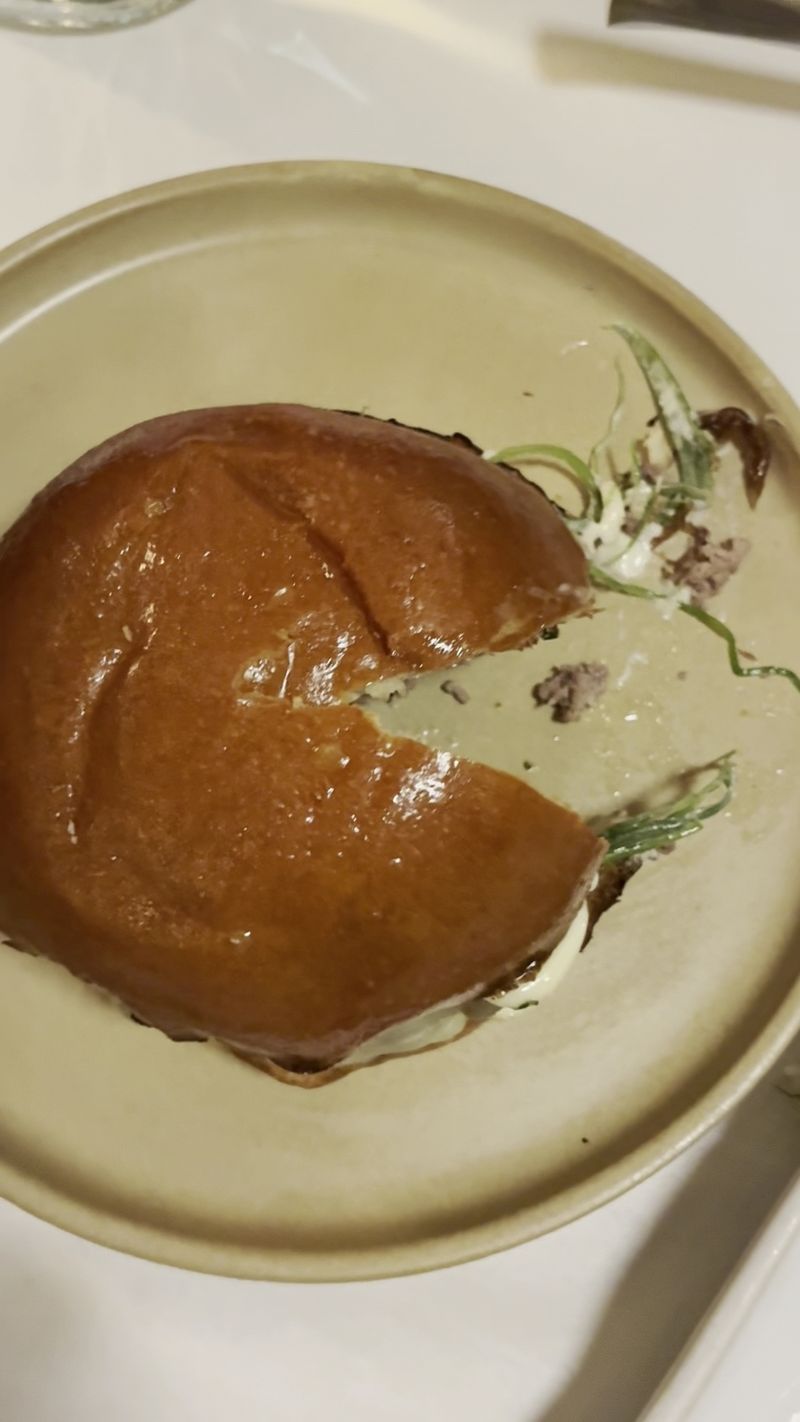
Patience is the secret ingredient that never shows up on the menu.
Linden is located at 5936 W Sunset Blvd, Los Angeles, California 90028, in the heart of Hollywood.
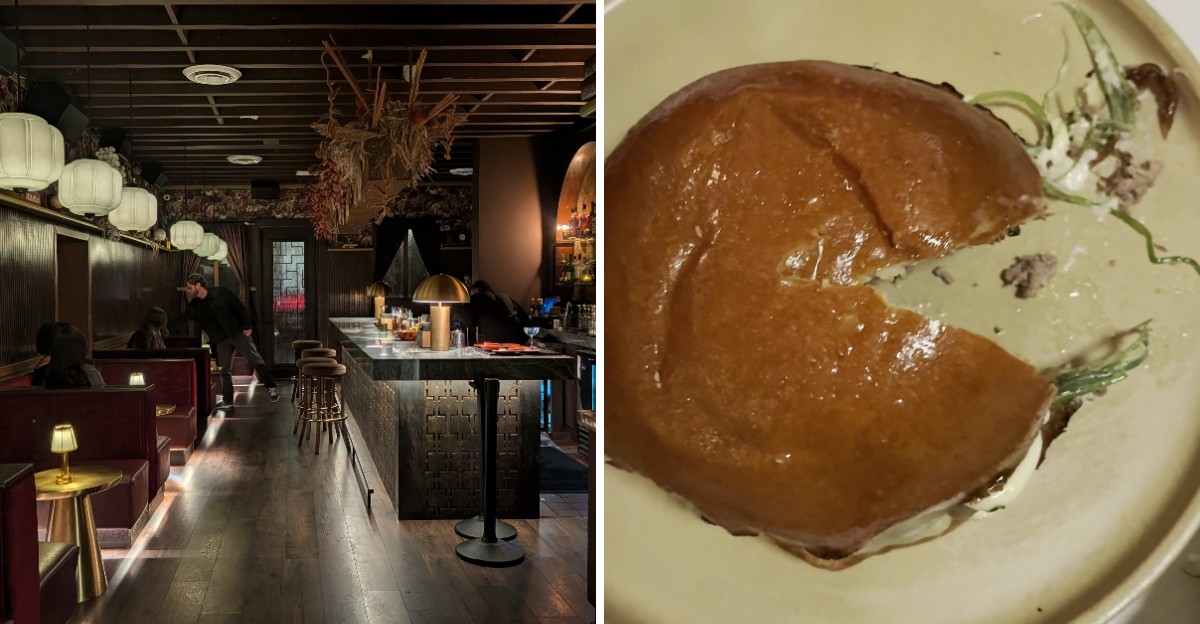
The kitchen there spends two full days building its Wagyu oxtail pie, which carries the cheeky name Not A Pot Pie.
Most home cooks think of a pie as an afternoon project. Here, the timeline looks more like a weekend plan, with the meat and the pastry each needing about a day of their own.
That slow schedule shapes everything about how the dish reaches the table.
Reports from LA Weekly note that only about 25 of these pies are made each night. The small number is not a marketing trick but a simple result of how long each one takes.
When a single batch needs two days, the kitchen cannot just make more on a busy evening.
For diners, the practical lesson is easy to remember. Arriving earlier in the evening or reserving ahead may give a better chance of finding the pie still available.
Asking the server about it right after sitting down can also help, since supply may run low as the night goes on.
Knowing the effort involved tends to change how a meal feels. Each forkful carries the weight of a long, careful process, and that makes slowing down to enjoy it feel natural.
A Full Day In A Low Oven
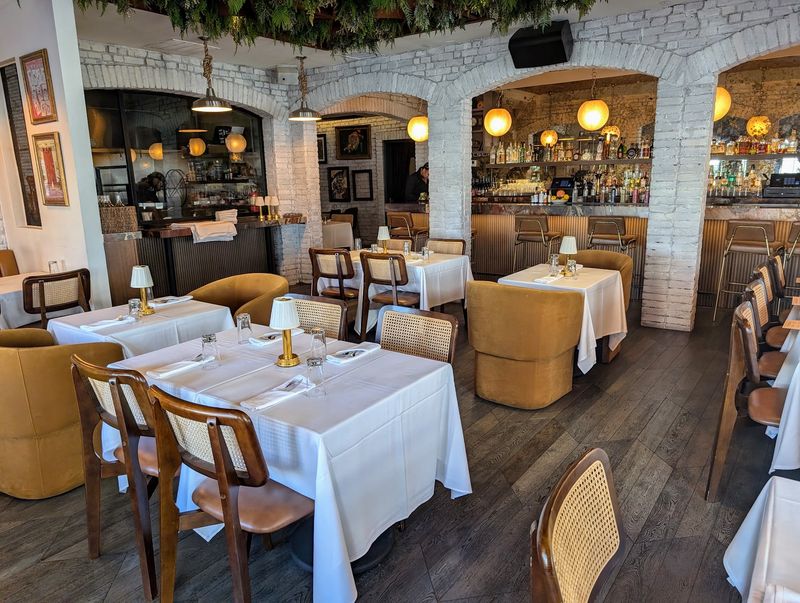
Low and slow is a cooking rule that oxtail lovers take seriously.
Chef Jonathan Harris cooks the Wagyu oxtail at 225 degrees Fahrenheit for a full 24 hours, according to Resy.
After that long rest in gentle heat, the meat is pulled from the bone and becomes the filling for the pie.
Oxtail is a tough cut with lots of connective tissue. Quick cooking leaves it chewy, but many hours of steady, low heat break that tissue down until the meat turns silky.
The bones also release body into the surrounding juices, which helps create a deep, savory flavor. Wagyu adds another layer to the story.
The beef is known for fine marbling, so the slow cook can melt that fat into the meat and keep it moist. The result should feel tender and rich rather than stringy or dry.
Home cooks who enjoy oxtail stew already know how rewarding this method can be.
Anyone curious can try a lower oven temperature and a longer cook at home, checking often to keep the liquid from drying out.
It will not match a restaurant version, but it offers a small taste of why patience matters.
Why The Name Says Not A Pot Pie
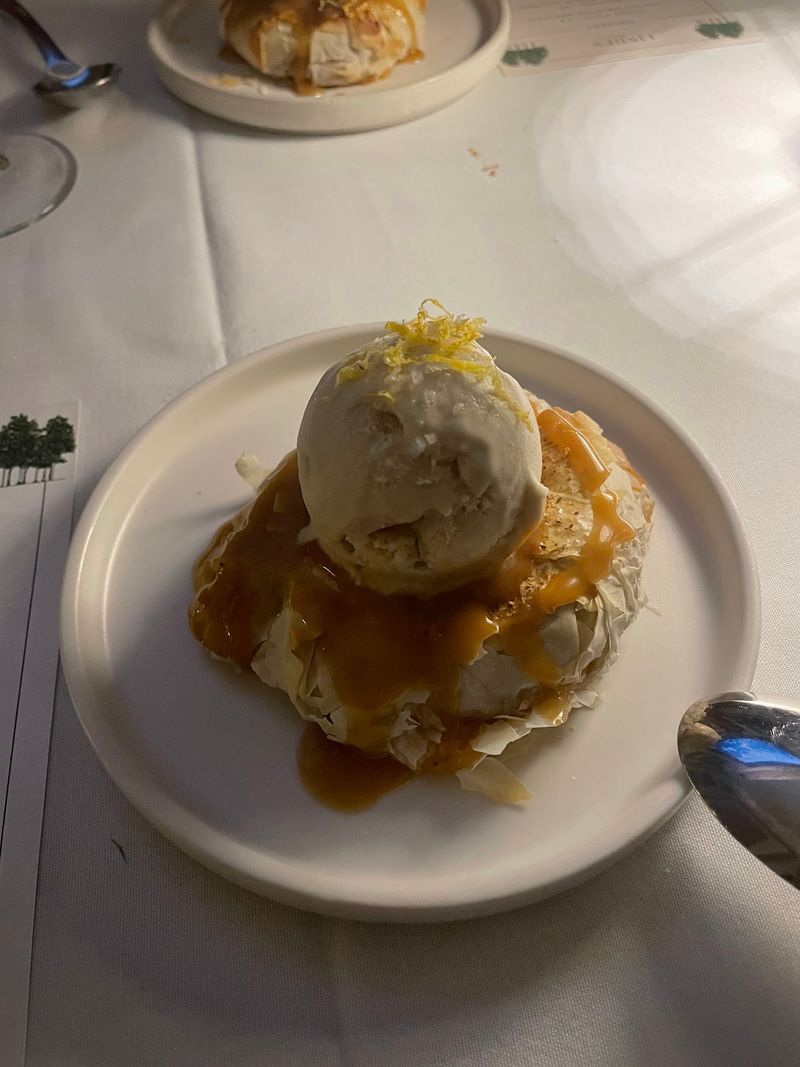
A name can be a small joke and a big clue at the same time. Harris wanted to make something that went beyond a standard pot pie, as he explained to Resy.
The goal was to blend the character of a Jamaican beef patty with the build and texture of a British-style meat pie.
Jamaican patties are known for their golden, flaky shells and boldly seasoned fillings. They are often handheld and easy to grab on the go.
British meat pies lean toward sturdy crusts, hearty fillings, and a sit-down, knife-and-fork style of eating.
Bringing those ideas together created something that does not fit neatly into either box.
Calling it Not A Pot Pie lets diners know right away that expectations should stay open. The familiar comfort is there, but the flavors and story point in a fresh direction.
For first-time guests, the name may raise a few questions, and that is part of the fun. Servers can usually explain the idea behind the dish, which adds context before the first bite.
Knowing the inspiration also helps when tasting, since the patty influence and the British structure can each be noticed in turn.
Sweet Plantain Brings Balance
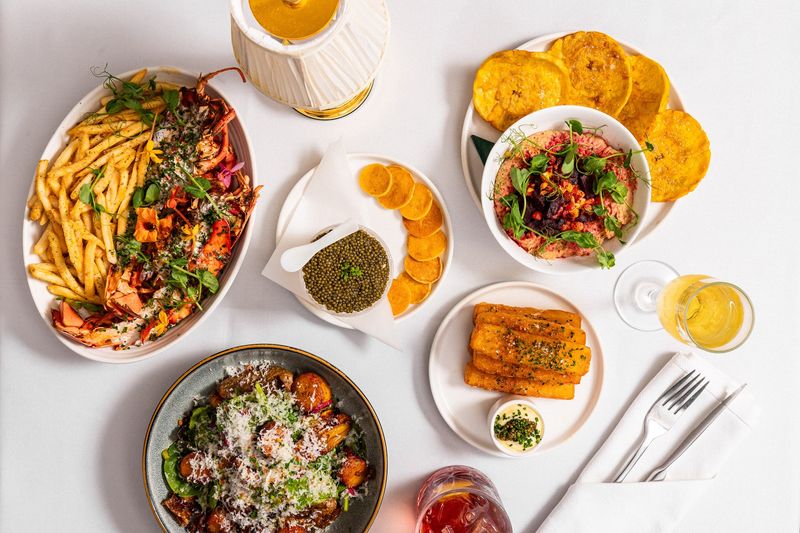
Rich food needs a bright partner to keep things interesting.
The current version of the pie, as listed by Linden, pairs the Wagyu oxtail with sweet plantain chutney and oxtail demi.
Together, those elements add sweetness and depth alongside the deeply savory filling.
Ripe plantains turn soft and sugary when cooked. As a chutney, they can bring a gentle tang and fruity sweetness that cuts through heavy, beefy flavors.
Plantains also show up often in Caribbean cooking, so they tie the dish back to its Jamaican roots.
The oxtail demi works in another direction. A demi is a concentrated, glossy sauce, and this one builds on the same beef that fills the pie. It doubles down on savory notes while the chutney offers relief.
One easy strategy is to mix a little of everything in each bite. Crust, filling, chutney, and sauce together may show how the flavors were meant to play off each other.
Tasting the chutney alone first can also help, since it reveals how sweet it is before blending it in.
A Chef Shaped By Many Kitchens
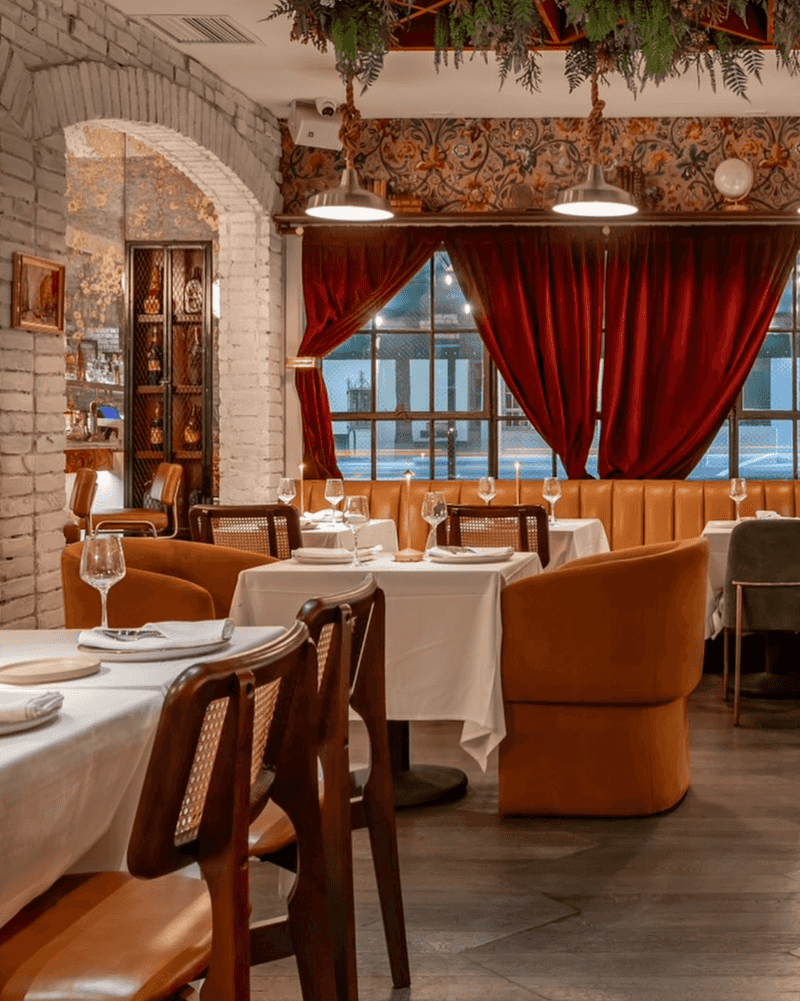
Every menu tells a story about the person who wrote it. Chef Jonathan Harris grew up on Long Island and his cooking reflects a wide mix of influences.
He draws on Costa Rican and African-American heritage, along with Caribbean, Italian, Jewish, and other food cultures he encountered around New York.
Growing up near New York City can feel like eating your way around the globe.
A single neighborhood might hold a bagel shop, a Caribbean bakery, and a red-sauce Italian spot within a few blocks. That kind of everyday variety can shape how a young cook thinks about flavor.
At Linden, those memories seem to come through in unexpected pairings. A dish might lean Southern in one bite and Caribbean or Jewish deli in the next.
Rather than feeling random, the mix seems to follow one personal thread.
Knowing the chef background can make the menu easier to explore. Dishes that look unusual on paper often make more sense once the stories behind them are clear.
Guests who feel unsure can ask servers how a plate connects to a certain tradition. The pie fits neatly into this larger picture.
New York Spirit On Sunset Boulevard
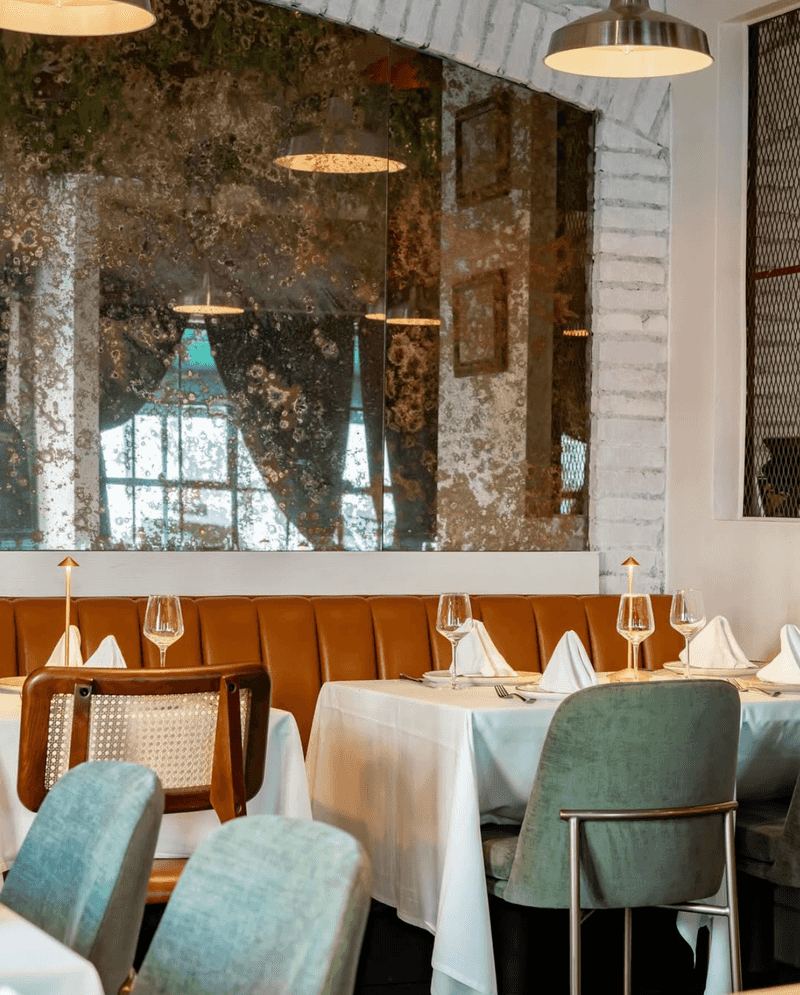
Two famous cities meet in one cozy room. The restaurant takes its name and inspiration from New York while sitting on Sunset Boulevard in Hollywood, California.
Linden Boulevard, a long street running through Brooklyn and Queens, helps explain the multicultural identity behind the concept.
Inside, the design leans into classic New York charm.
Think distressed mirrors, vintage gold frames, and photographs that highlight moments in Black history.
The effect feels polished yet relaxed, with soft, low lighting that can make the room glow in the evening.
Music plays a steady role in the mood. The playlist often sits in the background during dinner, though the room may grow louder as it fills later at night.
Guests hoping for easier conversation might prefer an earlier seating. A heated patio also offers another seating option for those who enjoy a bit of fresh air.
Street parking nearby can be scarce, and valet service is available, so allowing extra arrival time is helpful.
Comfortable but stylish clothing tends to fit the setting well. Stepping inside can feel like a short break from the busy boulevard outside.
Beyond The Pie, Plenty Of Surprises
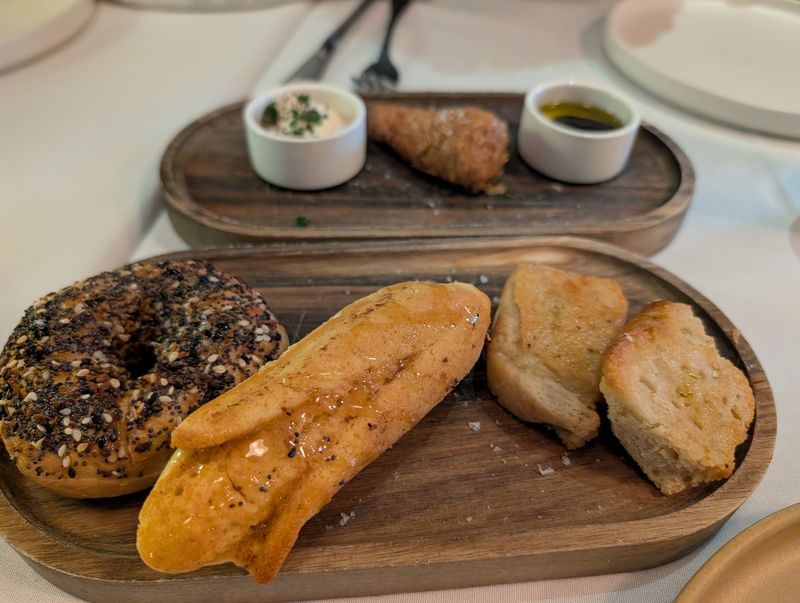
Bread baskets rarely get people talking, yet this one does. What you can find is a bread course that brings together cornbread, focaccia, and an everything bagel.
Those are served with playful spreads such as fried-chicken-inspired butter and schmaltz cream cheese.
Each bread points to a different place. Cornbread nods to the American South, focaccia to Italy, and the everything bagel to classic New York mornings.
Schmaltz, which is rendered chicken fat, has deep roots in Jewish home cooking.
The rest of the menu follows the same curious path, drawing on Caribbean, Southern, and New York influences.
Dishes like a slow-braised lamb rib over crispy saffron rice and smoked chicken with Alabama white sauce have appeared on the menu.
Duck fat fries, tempura Brussels sprouts, and bread pudding also come up often in conversations about the restaurant.
Sharing plates is an easy way to explore. Ordering a few starters for the table lets everyone try several flavors before the main courses arrive.
Prices lean toward a special-occasion range, so reviewing the menu online ahead of time may help with planning.
Fewer Than 50 Seats Inside
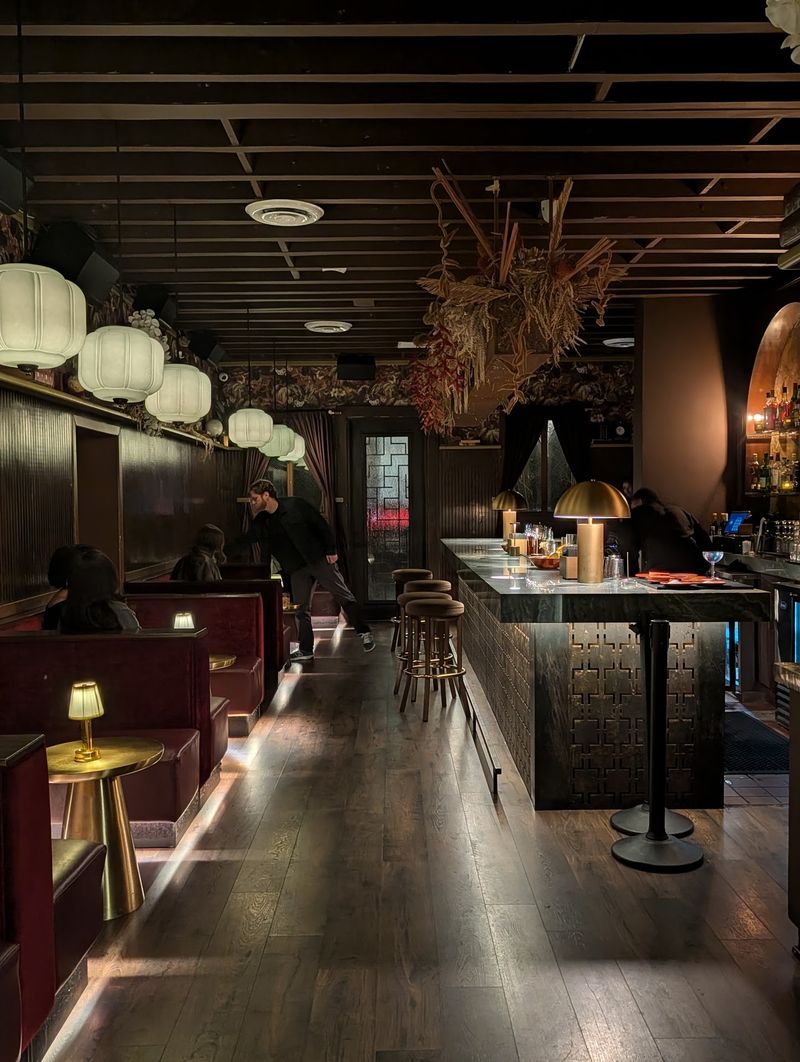
Small rooms often create the biggest sense of closeness.
This California dining room has fewer than 50 seats. That compact size shapes the whole experience, from the noise level to how quickly tables fill.
A smaller space can feel warm and personal. Tables sit close enough to catch the buzz of nearby laughter, yet the low lighting keeps things feeling private.
Service may move at a steady rhythm, with plates arriving at a comfortable pace.
The flip side is that walk-in seating is not always easy. Evenings can get busy, especially later at night and on weekends.
Making a reservation is a simple step that may save frustration, particularly for anyone hoping to try the limited pie.
The restaurant opens at 5 PM from Tuesday through Saturday and stays closed on Sunday and Monday, though hours may change.
Earlier tables often feel calmer and give a better shot at the signature dish. Groups should book well ahead, since larger parties can be harder to fit in a cozy room.
A little planning goes a long way toward a relaxed, memorable evening here.